Things to Do in Osaka - Top Attractions, Hidden Gems & Must-See Sights

Discover the best things to do in Osaka. Complete guide to must-see sights, popular attractions, hidden gems, museums, food markets and parks.

24 Attractions 6 Categories Travel Guide

Table of Contents

Osaka Overview

Osaka is Japan's great eating city. While Tokyo refines and Kyoto preserves, Osaka feeds you. The local motto "kuidaore" means "eat until you drop," and the city takes it seriously: from the neon-lit takoyaki stalls of Dotonbori to the working wholesale floors of Kizu Market at 6 AM, food is the organizing principle of daily life here. This is a city where a taxi driver will argue with you about the best okonomiyaki joint, and where a neighborhood's reputation rests entirely on how good its kushikatsu is.

Beyond the food, Osaka has real depth. The castle, rebuilt but still commanding, anchors a park system that lights up with cherry blossoms each spring. Shitenoji Temple dates to 593 AD, making it older than most European cathedrals. The Nakanoshima museum district packs four art and science museums onto a single river island. And when you need a break from the urban intensity, Minoo Park and its 33-meter waterfall are just 30 minutes north by train.

Osaka rewards the curious more than the checklist-driven. The best experiences here are stumbling into a standing bar in Tenma, eating momiji tempura on a forest trail in Minoo, or finding a tiny izakaya in Hozenji Yokocho that seats eight people. Tokyo has the polish. Kyoto has the temples. Osaka has the personality.

Must-See Attractions in Osaka

  • Osaka Castle
  • Dotonbori
  • Osaka Aquarium (Kaiyukan)
  • Shitenoji Temple
  • Universal Studios Japan
🏛️ Must-See ⭐ Sights 💎 Hidden Gems 🎨 Museums 🍕 Food & Markets 🌳 Parks & Views

🏛️ Must-See Attractions in Osaka

These iconic landmarks and must-see sights are essential stops for any visitor to Osaka.

Dotonbori

1. Dotonbori

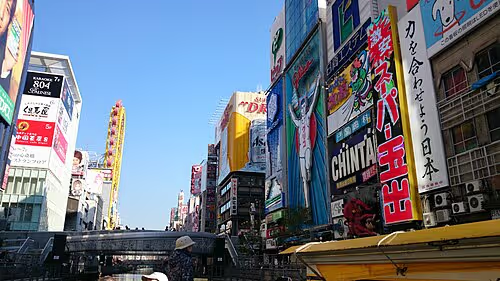
Dotonbori is Osaka at maximum volume. This canal-side entertainment strip, named after merchant Yasui Doton who financed its construction in the 1600s, is a wall of neon signs, giant mechanical crabs, and the famous Glico Running Man billboard. It runs along both sides of the Dotonbori Canal in the Minami district, and it is free to walk, open 24 hours, and impossible to miss. This is the must-see in Osaka that everyone photographs. The real draw is the food. Takoyaki (octopus balls), okonomiyaki (savory pancakes), kushikatsu (deep-fried skewers), and gyoza stalls line every block. Most portions cost between 500 and 1,000 JPY, so you can eat well without sitting down once. The atmosphere peaks after dark, when the neon reflects off the canal water and the crowds thicken. It gets loud and packed, especially on weekends. If that sounds overwhelming, duck into nearby Hozenji Yokocho for a completely different mood. Dotonbori is less than a 10-minute walk from Namba Station. You can combine it with Kuromon Ichiba Market in the morning and then graze your way through Dotonbori in the evening. For things to do in Osaka on your first night, this is where you start.

Hours Open 24/7
Price Free
Insider TipThe Tazaemon Bridge (at the east end near the Glico sign) gives the best photo angle of the Running Man. Cross to the south bank for the shot with the canal reflection after sunset.
Expo '70 Commemorative Park

2. Expo '70 Commemorative Park

This massive park in Suita City, about 30 minutes north of central Osaka by monorail, was the site of the 1970 World Exposition. The most striking remnant is the Tower of the Sun, a 70-meter sculpture by artist Taro Okamoto that looks like nothing else in Japan. The park is free to enter, and the grounds cover 264 hectares of lawns, forests, and gardens. It is a top sight in Osaka for anyone who appreciates mid-century design or just wants green space. The Japanese Garden within the park is worth the extra effort. Modeled on four historical garden styles, it is peaceful and well-maintained. The National Museum of Ethnology is also on the grounds if you want a deeper cultural experience. In spring, the park becomes one of the best cherry blossom spots in the Osaka area, with over 5,500 trees. Autumn brings equally good foliage. The park is closed on Wednesdays and open from 9:30 AM to 5:00 PM. Take the Osaka Monorail to Banpaku-kinen-koen Station. It takes about 40 minutes from Umeda. This is not a quick stop; plan 2 to 3 hours minimum. The nearby LaLaport EXPOCITY shopping complex has restaurants if you need lunch.

Hours Mon-Tue: 9:30 AM – 5:00 PM | Wed: Closed | Thu-Sun: 9:30 AM – 5:00 PM
Price Free
Insider TipThe interior of the Tower of the Sun reopened to visitors and requires a separate timed reservation (700 JPY). Book online before your visit, as walk-in slots fill up quickly on weekends.
Osaka Aquarium Kaiyukan

3. Osaka Aquarium Kaiyukan

Hours Mon-Fri: 10:00 AM – 8:00 PM | Sat-Sun: 9:30 AM – 8:00 PM
Price 2,700 JPY
Osaka Castle

4. Osaka Castle

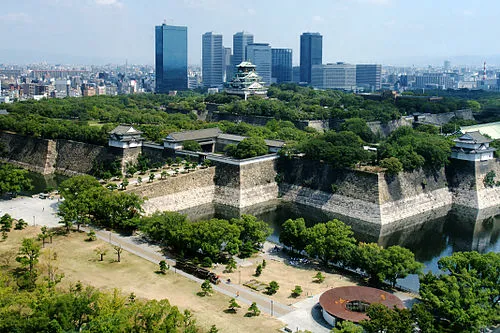
Osaka Castle is the city's most recognizable landmark, and for good reason. Toyotomi Hideyoshi built the original in 1583 to unify Japan, and the current concrete reconstruction dates to 1931. The castle tower is 8 stories tall, and the top floor is an observation deck with sweeping views across Osaka. Admission is 1,200 JPY and the museum inside walks you through the history of Hideyoshi and the castle's role in Japanese unification. The castle itself is a museum, not a living fortress, so temper your expectations. The exterior is photogenic from every angle, especially reflected in the surrounding moat, but the interior is modern: elevators, display cases, and air conditioning. If you only care about the outside, you can skip the ticket entirely and enjoy the grounds of Osaka Castle Park for free. Cherry blossom season (late March to early April) transforms the park into one of the best hanami spots in the city, with over 3,000 trees. The grounds open at 9:00 AM and close at 6:00 PM daily. It takes about 60 to 90 minutes to walk the park and go through the museum.

Hours Daily: 9:00 AM – 6:00 PM
Price 1,200 JPY
Insider TipThe view from the 8th floor observation deck is free with your ticket, but the best photo of the castle itself is from the southwest side, near Nishinomaru Garden (200 JPY separate entry) where you get the tower framed by cherry trees or autumn leaves.
Shitenoji Temple

5. Shitenoji Temple

Shitenoji is one of the oldest Buddhist temples in Japan, founded in 593 AD by Prince Shotoku. That makes it older than most countries. The temple compound follows the original Shitennoji-style layout, with the main gate, pagoda, main hall, and lecture hall aligned on a single axis. It was rebuilt multiple times after fires and war, but the layout has stayed the same for over 1,400 years. Admission to the inner precinct costs 500 JPY. Compared to the chaos of Dotonbori or Shinsekai, Shitenoji is quiet and contemplative. The five-story pagoda and the surrounding gardens give you a sense of old Japan that most of central Osaka lacks. The flea market held on the 21st and 22nd of each month fills the temple grounds with hundreds of stalls selling antiques, food, and secondhand goods. It is a top sight in Osaka for anyone interested in Japan's Buddhist history. The temple is open daily from 8:30 AM to 4:00 PM. It sits a 10-minute walk south of Tennoji Station, near Tennoji Park and Harukas 300. You can easily combine all three in a single afternoon trip through Osaka's southern end.

Hours Daily: 8:30 AM – 4:00 PM
Price 500 JPY
Insider TipVisit on the 21st of any month for the Kobo Daishi flea market. The stalls open around 8 AM and the best finds go fast.
Universal Studios Japan

6. Universal Studios Japan

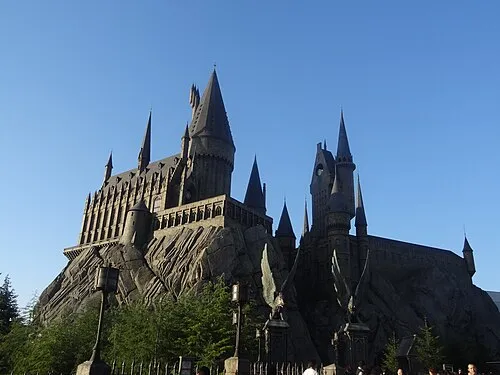
Universal Studios Japan was the first Universal park outside the United States when it opened in 2001. The main draws are Super Nintendo World, where you physically run through a Mario course wearing a Power-Up Band, and the Wizarding World of Harry Potter, which recreates Hogwarts with unnerving accuracy. A one-day pass starts at 7,600 JPY for adults, with prices fluctuating by season. The park sits in the bay area, about 15 minutes by JR train from Osaka Station (Nishi-Kujo transfer to the Yumesaki Line). Hours vary by day but are typically 9:00 AM to 9:00 PM. The biggest rides (Mario Kart, Harry Potter and the Forbidden Journey, Hollywood Dream) have wait times of 60 to 120 minutes on busy days. Express passes exist but cost nearly as much as the admission ticket itself. Budget a full day. You cannot do USJ and anything else meaningful in the same day. If you skip it, you are not missing Osaka's culture, but if theme parks are your thing, this is one of the best in Asia. The Osaka Aquarium Kaiyukan is a short train ride away, so you could pair it with the aquarium the next day.

Hours Daily: 9:00 AM - 9:00 PM (varies)
Price 7,600+ JPY
Location 34.6647, 135.433
Insider TipBuy the Express Pass 4 or 7 if visiting on weekends or holidays. Without it, you will spend more time in lines than on rides. Single Rider lines can also cut waits by 30 to 50 minutes on rides like Hollywood Dream.
Get Your Own Private Tour with AI Guide
AI Guide
  • Personalized tour tailored to your interests
  • Your AI guide tells stories, shares facts, and cracks jokes
  • Turn-by-turn GPS navigation
  • Available in your language — no download needed
Try for Free

💎 Hidden Gems in Osaka - Off the Beaten Path

Beyond the tourist crowds, Osaka hides remarkable treasures waiting to be discovered.

Katsuoji Temple

1. Katsuoji Temple

Katsuoji sits in the hills of Minoo City, about 45 minutes north of central Osaka. The temple's name means "Temple of the Winning King," and it is covered in thousands of small daruma dolls left by visitors who came to pray for success in exams, business, or personal goals. You buy a blank daruma (from around 500 JPY), fill in one eye while making a wish, and return to paint the second eye when the wish comes true. The grounds are spread across a wooded hillside with ponds, bridges, and pagodas. This is one of the hidden gems in Osaka that most tourists never reach. The journey itself is part of the experience: you take the Hankyu train to Minoo, then a bus up the winding mountain road. Autumn (November) is the peak time, when the surrounding maple trees turn the temple grounds into a blaze of red and orange. Spring has cherry blossoms, but autumn is the season here. The temple is open 8:00 AM to 5:00 PM (until 6:00 PM on Saturdays). Admission is around 500 JPY. If you combine it with nearby Minoo Park and its waterfall, you have a full day trip that feels completely removed from the concrete density of central Osaka.

Hours Mon-Fri: 8:00 AM – 5:00 PM | Sat: 8:00 AM – 6:00 PM | Sun: 8:00 AM – 5:00 PM
Price R$500
Insider TipThe daruma dolls are scattered everywhere, on rocks, walls, benches, tree stumps. The further you walk into the back of the grounds, the stranger and more interesting the arrangements get.
Minoo Park

2. Minoo Park

Minoo Park is a forested valley 30 minutes north of Osaka by train, and the main attraction is Minoo Falls, a 33-meter waterfall at the end of a gentle 2.7-kilometer hiking path. The trail follows a river through dense forest, passing small temples and a few food stalls. The park is a designated Quasi-National Park and free to enter, open around the clock. It is the easiest proper nature escape from central Osaka. The signature local snack is momiji tempura: whole maple leaves battered and deep-fried. It sounds strange, but the vendors along the trail have been making them for over a century, and the crispy, slightly sweet result is worth trying at least once (around 300 to 500 JPY per bag). The hike to the falls takes about 40 minutes at a leisurely pace and is flat enough for anyone reasonably mobile. This is one of the best hidden gems in Osaka for nature lovers. Take the Hankyu Minoo Line to Minoo Station and walk from there. The trailhead is a 5-minute walk from the station. Autumn foliage (mid-November to early December) is the peak season and draws large crowds on weekends. Weekday mornings are much calmer. You can combine Minoo Park with Katsuoji Temple for a full day in the northern hills.

Hours Open 24/7
Price Free
Insider TipOn weekday mornings before 10:00 AM, you might have the trail almost to yourself. The light hitting the falls in the morning is better than the afternoon when the gorge goes into shadow.
Tenma

3. Tenma

Tenma is where Osaka's office workers go to drink after work, and it has been that way for a long time. The area around JR Tenma Station and Tenmanbashi Station is packed with tiny standing bars (tachinomi), cheap izakayas, and yakitori joints. Most drinks are 300 to 500 JPY, and small plates start around the same. The energy is best between 6:00 PM and 10:00 PM on weekday evenings, when the salary workers pile in and the noise levels rise. This is one of the hidden gems in Osaka that almost no tourists visit. There are no sights to photograph, no temples, and no tourist infrastructure. The appeal is the atmosphere: narrow alleys crammed with counter seats, smoke from grills, and the sound of laughter and clinking glasses. The Tenjinbashisuji Shopping Street, Japan's longest covered arcade at 2.6 kilometers, runs through the neighborhood and is worth a walk even during the day. Tenma sits just north of the Nakanoshima museum island and one train stop from Osaka Station. The Osaka Museum of Housing and Living is also in this area, so you can combine a museum visit with an evening of eating and drinking.

Hours Open 24/7
Price Free
Website N/A
Location Maps
Insider TipLook for the standing bars along the narrow alleys east of JR Tenma Station. Most have no English menu, but pointing at what others are eating works fine. Budget about 2,000 to 3,000 JPY for a full evening of food and drinks.
Get Your Own Private Tour with AI Guide
AI Guide
  • Personalized tour tailored to your interests
  • Your AI guide tells stories, shares facts, and cracks jokes
  • Turn-by-turn GPS navigation
  • Available in your language — no download needed
Try for Free

🎨 Best Museums & Galleries in Osaka

World-class museums and galleries that make Osaka a cultural treasure.

Museum of Oriental Ceramics

1. Museum of Oriental Ceramics

This small museum on Nakanoshima island holds one of the world's finest collections of East Asian ceramics. The core is the Ataka Collection, donated by the Sumitomo Group in 1982: over 1,000 pieces of Chinese, Korean, and Japanese pottery and porcelain, including 2 designated National Treasures and 13 Important Cultural Properties. Admission is 500 JPY, and you can see everything in about 60 to 90 minutes. The galleries use natural-light-simulating display cases that show the pieces as they would have looked in the rooms they were originally made for. The celadon and Song dynasty pieces are especially good. This is a niche museum. If ceramics do not interest you, skip it. But if they do, this collection ranks with the best in Asia. One of the best museums in Osaka for specialized art. Open Tuesday through Sunday, 9:30 AM to 5:00 PM, closed Mondays. The museum is at the eastern tip of Nakanoshima, next to Nakanoshima Park and the rose garden. Kitahama Station (Keihan or Sakaisuji Line) is a 3-minute walk. You can combine it with the park, then walk west to NMAO or NAKKA for a full museum day on the island.

Hours Mon: Closed | Tue-Sun: 9:30 AM – 5:00 PM
Price 500 JPY
Website www.moco.or.jp/
Insider TipThe 2nd floor Korean celadon room is the highlight. The natural-light display cases here are particularly effective, and the room is usually the quietest in the museum.
Osaka Museum of History

2. Osaka Museum of History

The Osaka Museum of History sits in a modern high-rise right next to Osaka Castle, and the 10th floor opens with a life-sized recreation of the ancient Naniwa Palace throne room. From there, you descend floor by floor through the city's history: medieval commerce, Edo-period theater, and modern urban development. The views of Osaka Castle from the upper floors are some of the best you will get. Admission is free for the permanent collection. The museum does a solid job of explaining how Osaka became Japan's commercial capital. Scale models, video installations, and original artifacts make the timeline accessible even without deep knowledge of Japanese history. The excavated ruins of Naniwa Palace (the 7th-century precursor to Osaka) are visible in the basement and outside the building. One of the best museums in Osaka for context before you explore the rest of the city. Open 9:30 AM to 5:00 PM daily except Tuesdays. The museum is next to NHK Osaka and adjacent to Osaka Castle Park. Tanimachi 4-chome Station (Tanimachi and Chuo lines) is the closest stop. If you visit Osaka Castle in the morning, you can walk here in 10 minutes for the historical background you missed inside the castle tower.

Hours Mon: 9:30 AM – 5:00 PM | Tue: Closed | Wed-Sun: 9:30 AM – 5:00 PM
Price Free
Insider TipThe 10th floor has a window directly facing Osaka Castle at the same height. This is the best angle for photographing the castle without crowds or fences in the frame.
Osaka Museum of Housing and Living

3. Osaka Museum of Housing and Living

This museum has a full-scale recreation of an Edo-period (1830s) Osaka neighborhood on its 9th floor. You walk through wooden townhouses, shop fronts, and narrow alleys while the lighting changes to simulate the passage of a day. The 8th floor covers modernization from the Meiji era onward with scale models and photographs. Admission is 600 JPY, and the experience takes about 60 to 90 minutes. The Edo streets are the real draw. You can rent a kimono for an extra 500 JPY and walk through the old town, which makes for good photos. The level of detail is impressive: tatami rooms, sliding doors, lanterns, and period-accurate signage. It is the kind of museum that works for both adults and children. Among the best museums in Osaka for understanding how the city looked before modernization. The museum is on the 8th and 9th floors of the Housing Information Center building, directly connected to Tenjinbashisuji Rokuchome Station on the Tanimachi and Sakaisuji lines. The Tenjinbashisuji Shopping Street runs right past the building, and the Tenma drinking district is a short walk south. Open daily except Tuesdays, 10:00 AM to 5:00 PM (last entry 4:30 PM).

Hours Mon: 10:00 AM – 5:00 PM | Tue: Closed | Wed-Sun: 10:00 AM – 5:00 PM
Price 600 JPY
Insider TipThe kimono rental is first-come, first-served and there are only about 20 sets available. Arrive right at 10:00 AM opening if you want one, especially on weekends.
Osaka Science Museum

4. Osaka Science Museum

The Osaka Science Museum focuses on space and energy, with four floors of hands-on exhibits and one of the best planetariums in Japan. The planetarium seats about 300 people and runs multiple daily shows (in Japanese, but the visuals work regardless of language). General admission is 400 JPY; the planetarium adds another 600 JPY. It is aimed at families and students, but the electricity and cosmology exhibits are genuinely interesting for adults too. The museum sits on Nakanoshima island, right next to the National Museum of Art. If you are visiting NMAO or the NAKKA art museum, this is a natural add-on, especially if you are traveling with kids. The building is older and less polished than Osaka's newer museums, but the content is substantive. Among the best museums in Osaka for science-curious visitors. Open Tuesday through Sunday, 9:30 AM to 5:00 PM, closed Mondays. Higobashi Station (Yotsubashi Line) is the closest, about 5 minutes on foot. The museum is a quick walk from Utsubo Park if you want green space before or after.

Hours Mon: Closed | Tue-Sun: 9:30 AM – 5:00 PM
Price 400 JPY
Insider TipThe planetarium shows sell out on weekends and holidays. Buy your planetarium ticket first thing when you arrive, then explore the exhibition floors while you wait for your showtime.
Get Your Own Private Tour with AI Guide
AI Guide
  • Personalized tour tailored to your interests
  • Your AI guide tells stories, shares facts, and cracks jokes
  • Turn-by-turn GPS navigation
  • Available in your language — no download needed
Try for Free

🍕 Food Markets & Culinary Spots in Osaka

The best food markets, food halls, and culinary destinations in Osaka.

Ikuno Korea Town

1. Ikuno Korea Town

Ikuno Korea Town is a 500-meter shopping street in Osaka's Ikuno ward, home to Japan's largest Korean community. The three original shopping associations, established in 1951, unified in 2021 under one organization. The street runs from Miyukimori Tenjingu shrine to Miyuki Bridge and is lined with Korean restaurants, cosmetics shops, and grocery stores selling kimchi, tteokbokki, and Korean fried chicken. Free to walk, open daily. The food is the reason to come. Korean BBQ places serve lunch sets for 1,000 to 2,000 JPY that would cost double in Seoul's tourist areas. Street vendors sell hotteok (sweet pancakes), cheese corn dogs, and pajeon (savory pancakes). The area has become popular with younger Japanese visitors for the Korean beauty shops and trendy cafes. It is a genuinely interesting neighborhood that shows a side of Osaka most visitors miss. Among the best places to eat in Osaka for Korean food. Take the JR Loop Line to Momodani Station or the Kintetsu Line to Tsuruhashi Station, both about 10 minutes from Namba. Tsuruhashi itself has a famous Korean street market right outside the station if you want to compare. The two areas together make a solid half-day food crawl.

Hours Open 24/7
Price Free
Insider TipThe Tsuruhashi station-side market and Ikuno Korea Town are different places about 15 minutes apart on foot. Do both: Tsuruhashi for the old-school market atmosphere, Ikuno for the restaurants and modern Korean food.
Kizu Market

2. Kizu Market

Kizu Market has been a wholesale market for over 300 years, and it still operates primarily for professional buyers, not tourists. The market opens at 6:00 AM and winds down by 1:00 PM. It is closed Wednesdays and Sundays. About 300 vendors sell fish, meat, produce, and prepared foods in a sprawling indoor market that feels more warehouse than shopping arcade. Free to walk through. Compared to the tourist-heavy Kuromon Ichiba, Kizu Market is raw and practical. There are no cute Instagram stalls here. But there are a few small restaurants inside the market that serve breakfast and lunch to the workers: cheap ramen, sushi sets, and donburi bowls at wholesale-adjacent prices. If you want to see where Osaka's restaurants buy their ingredients, this is it. One of the most genuine food markets in Osaka. The market sits in Namba's Naniwa ward, a 10-minute walk southwest of Namba Station. If you are an early riser, start here for a 7:00 AM sashimi breakfast, then walk to Dotonbori or Kuromon Ichiba later in the morning. The contrast between Kizu's working atmosphere and Kuromon's tourist energy is stark.

Hours Mon-Tue: 6:00 AM – 1:00 PM | Wed: Closed | Thu-Sat: 6:00 AM – 1:00 PM | Sun: Closed
Price Free
Location 34.65722, 135.5
Insider TipArrive before 8:00 AM for the best atmosphere and selection. The sushi counters inside the market serve some of the freshest and cheapest sushi sets in Osaka, often under 1,000 JPY.
Get Your Own Private Tour with AI Guide
AI Guide
  • Personalized tour tailored to your interests
  • Your AI guide tells stories, shares facts, and cracks jokes
  • Turn-by-turn GPS navigation
  • Available in your language — no download needed
Try for Free

🌳 Parks & Best Viewpoints in Osaka

Beautiful parks, gardens, and panoramic viewpoints for the best views of Osaka.

Harukas 300

1. Harukas 300

Harukas 300 is the observation deck on floors 58 through 60 of Abeno Harukas, Japan's tallest skyscraper at 300 meters. The views cover all of Osaka, and on clear days you can see as far as Kobe, Nara, and the mountains of Wakayama. The 60th floor is an open-air terrace, which is rare for an observation deck this high. Tickets cost about 2,000 JPY for adults, and the deck is open from 9:00 AM to 10:00 PM daily. The best views in Osaka are from up here. The sunset slot is the most popular, when the city shifts from daylight to a grid of lights. If you go during the day, you can spot Osaka Castle, the harbor area, and the river system that threads through the city. The floor-to-ceiling windows on the 58th floor and the outdoor terrace on the 60th floor give you two very different perspectives. The building also contains a department store, hotel, and art museum on the lower floors. Abeno Harukas is directly above Tennoji Station, which is a hub for JR, Metro, and Kintetsu lines. You can combine the observation deck with Tennoji Park at the base of the building and Shitenoji Temple a 10-minute walk north. Shinsekai is a 5-minute walk to the west.

Hours Daily: 9:00 AM – 10:00 PM
Price R$2000
Insider TipThe outdoor terrace on the 60th floor ("Edge the Harukas" experience) lets you walk along the outer edge of the building. It costs extra and requires a separate reservation, but the thrill is real.
Get Your Own Private Tour with AI Guide
AI Guide
  • Personalized tour tailored to your interests
  • Your AI guide tells stories, shares facts, and cracks jokes
  • Turn-by-turn GPS navigation
  • Available in your language — no download needed
Try for Free

Explore with AI Guide

AI Guide App

Get personalized tours with our AI-powered guide. No download needed — works right in your browser.