Things to Do in Rio-De-Janeiro - Top Attractions, Hidden Gems & Must-See Sights

Discover the best things to do in Rio-De-Janeiro. Complete guide to must-see sights, popular attractions, hidden gems, museums, food markets and parks.

19 Attractions 5 Categories Travel Guide

Table of Contents

Rio-De-Janeiro Overview

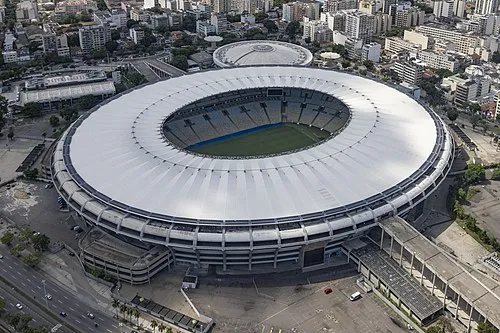
Rio de Janeiro is a city that earns every bit of its reputation. Mountains drop straight into the ocean, rainforest presses against apartment towers, and the beach is never more than a bus ride away. The geography does most of the work: Corcovado, Sugarloaf, the Two Brothers peaks, and the curve of Guanabara Bay create a skyline that no architect could improve on. Layer in the culture (samba in Lapa, football at Maracana, Carnival in the streets) and you have a place that rewards both the active traveler and the one who just wants to sit on the sand with a cold coconut.

Rio is best for travelers who like their cities with some edge. It is loud, warm, occasionally chaotic, and not always polished. The Zona Sul beaches are well-touristed and safe, but parts of the city require awareness. The payoff is a place with more natural beauty per square kilometer than almost anywhere else on Earth. From the summit of Pedra da Gavea to the courtyard of Parque Lage, from the tiled staircase of Selaron to the roar inside Maracana, Rio gives you experiences that other cities simply cannot replicate.

The city works best over 4 to 5 days. Two days for the big sights (Cristo Redentor, Sugarloaf, Copacabana, Ipanema), one day for the cultural side (Lapa, Santa Teresa, the port museums), one day for nature (Tijuca, Pedra da Gavea, or Lagoa), and a spare day for whatever pulled you in hardest.

Must-See Attractions in Rio-De-Janeiro

  • Christ the Redeemer
  • Sugarloaf Mountain
  • Copacabana Beach
  • Ipanema Beach
  • Escadaria Selaron
🏛️ Must-See ⭐ Sights 💎 Hidden Gems 🎨 Museums 🌳 Parks & Views

🏛️ Must-See Attractions in Rio-De-Janeiro

These iconic landmarks and must-see sights are essential stops for any visitor to Rio-De-Janeiro.

Christ the Redeemer

1. Christ the Redeemer

Standing 30 meters tall on top of Corcovado mountain at 709 meters above sea level, Cristo Redentor is the single image most associated with Rio de Janeiro. Built between 1922 and 1931 through a Brazilian-French collaboration, the Art Deco statue weighs 1,145 tonnes and stretches its arms 28 meters wide across the skyline. Around 2 million people visit every year, and it was voted one of the New Seven Wonders of the World in 2007. This is the must-see in Rio de Janeiro, full stop. Getting up there is half the experience. The Corcovado Train from Cosme Velho is the classic route, but you can also take a van from Largo do Machado or Copacabana. The platform at the top gives you a 360-degree panorama: Guanabara Bay to the east, the beaches of Copacabana and Ipanema to the south, and the green expanse of Tijuca National Park behind you. On a clear day, you can see all the way to Niteroi across the water. On a cloudy day, you might see nothing but fog. The statue itself is smaller than you expect in person. Most of your time will be spent looking outward, not upward. There is a small chapel inside the pedestal if you want a quiet moment away from the crowds. Among all the things to do in Rio de Janeiro, this is the one nobody skips.
Hours Daily: 8:00 AM – 7:00 PM
Price 128 BRL
Insider TipBook the first Corcovado Train at 8:00 AM and you will share the platform with a fraction of the midday crowd. Afternoons are packed with tour buses.
Copacabana Beach

2. Copacabana Beach

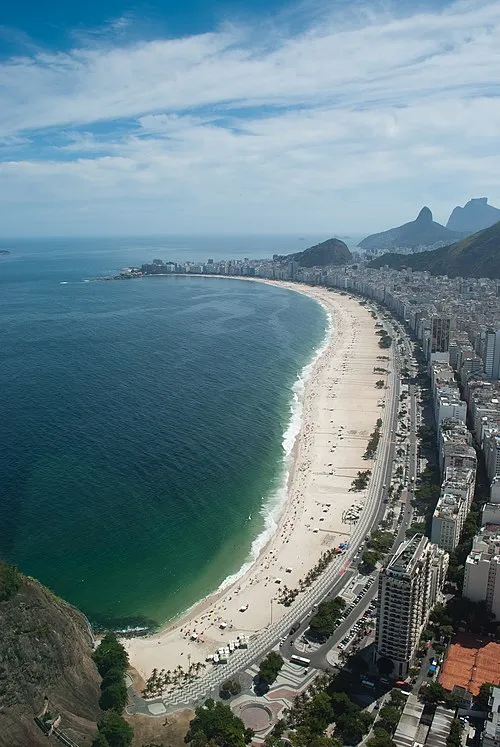
Copacabana needs no introduction, but it deserves some honesty. The 4-kilometer crescent of sand along Avenida Atlantica is one of the most famous beaches on Earth, and it acts more like a public square than a quiet retreat. Locals play futevolei (foot volleyball), vendors walk the sand selling everything from acai to caipirinhas, and the sidewalk's Portuguese wave-pattern mosaic has been photographed a billion times. On New Year's Eve, over 2 million people crowd the beach for one of the world's largest fireworks displays. The water itself is not always inviting. Waves can be rough, and the sand gets packed on weekends. But that is the point: Copacabana is about the scene, not the swim. The beachfront kiosks sell cold beer and grilled shrimp, and the people-watching is non-stop from morning to well after dark. If you want calmer sand, head southwest toward Ipanema or Leblon. But if you want to feel the full energy of Rio de Janeiro compressed into one strip of coastline, Copacabana is where you go. Walk the full length at least once.

Hours Open 24/7
Price Free
Website Wikipedia
Insider TipThe stretch near Posto 6 (lifeguard station 6) at the far end toward Ipanema is less crowded and attracts a more local crowd than the hotel-heavy middle section.
Corcovado Train

3. Corcovado Train

The Trem do Corcovado is the original way to reach Christ the Redeemer, and it is worth taking for its own sake. The rack railway departs from the Cosme Velho station and climbs 3.8 kilometers through dense Atlantic rainforest to the summit at 710 meters. The ride takes about 20 minutes each way, and the jungle pressing against the windows is a sharp contrast to the beaches you just left behind. Tickets cost around 128 BRL and include admission to the Christ the Redeemer platform. The train has been running since 1884, making it one of the oldest electric railways in Latin America. It was originally steam-powered and electrified in 1910. The route passes through Tijuca National Park, and you will spot monkeys and toucans in the canopy if you look carefully. The open-sided cars on the right side (going up) give the best views over the city as you gain altitude. Alternatives exist. Vans run from Largo do Machado and Copacabana for less money, and they are faster. But the train is more than transport. Among the places to visit in Rio de Janeiro, this 20-minute ride through the forest is one of the few experiences that slows things down in a city that rarely does.

Hours Daily: 8:00 AM - 7:00 PM
Price 128 BRL
Insider TipSit on the right side going up for views over the city. The left side faces dense forest, which is beautiful but not the panoramic shot you came for.
Guanabara Bay

4. Guanabara Bay

Hours Open 24/7
Price Free
Website Wikipedia
Ipanema Beach

5. Ipanema Beach

Ipanema is where the bossa nova song was written, and the neighborhood still carries that effortless cool. The beach runs roughly 2 kilometers from Arpoador rock to the Jardim de Alah canal, and it feels distinctly different from Copacabana just one headland away. The sand is cleaner, the crowd is younger, and the surrounding streets have better restaurants and shops. Each section of the beach has its own character based on the numbered postos (lifeguard stations). Posto 9 is the most famous stretch. It draws the artsy, progressive crowd and has been a gathering point for counterculture since the 1970s. Posto 8 tends toward the family-friendly side. By Posto 7, closer to Arpoador, the surfers take over. The mountain backdrop of Dois Irmaos (Two Brothers) at the western end gives the whole beach a framing that Copacabana lacks. On Sundays, the main road closes to cars and fills with joggers, cyclists, and skaters. Grab a chair from a barraca vendor, order a coconut water, and let the hours disappear. The sunset from this angle, with the light dropping behind the Two Brothers peaks, is free and better than most paid attractions.

Hours Open 24/7
Price Free
Website Wikipedia
Location -22.985, -43.205
Insider TipWalk to the Arpoador end of Ipanema around 5:30 PM. When the sun sets behind the Two Brothers, the crowd on the rocks applauds. It is one of Rio's best free rituals.
Sugarloaf Mountain

6. Sugarloaf Mountain

If Christ the Redeemer gives you the overview, Sugarloaf gives you the drama. The cable car (Bondinho) connecting Praia Vermelha to Morro da Urca and then up to the 396-meter summit has been running since 1912, making it the first cable car in Brazil and the third in the world. Over 40 million people have ridden it. The two-stage ride takes you over a 91.5-hectare nature reserve with rock climbing routes, walking trails, and the Claudio Coutinho coastal path below. The view from the top is different from what you see at Cristo Redentor. Here you are lower and closer to the water, so Guanabara Bay fills the foreground, Botafogo's curved shoreline sits right below you, and Corcovado rises across the cityscape with the Christ statue visible on its peak. You also get a clear line to Copacabana Beach and out toward Niteroi. The perspective is more intimate. You feel the city around you rather than above it. Sugarloaf is a top sight in Rio de Janeiro for a reason. The middle station at Morro da Urca has a restaurant and often hosts concerts at sunset. Many people rush through it on the way up, but it is worth spending 30 minutes here to take in the view before continuing to the summit.

Hours Open 24/7
Price Free
Insider TipGo late afternoon for sunset from the top. The cable car runs until evening, and watching the city lights come on from the summit is worth the wait.
Get Your Own Private Tour with AI Guide
AI Guide
  • Personalized tour tailored to your interests
  • Your AI guide tells stories, shares facts, and cracks jokes
  • Turn-by-turn GPS navigation
  • Available in your language — no download needed
Try for Free

💎 Hidden Gems in Rio-De-Janeiro - Off the Beaten Path

Beyond the tourist crowds, Rio-De-Janeiro hides remarkable treasures waiting to be discovered.

Escadaria Selaron

1. Escadaria Selaron

Chilean artist Jorge Selaron started tiling this staircase between Lapa and Santa Teresa in 1990, calling it his tribute to the Brazilian people. He worked on it obsessively until his death in 2013, covering 250 steps with over 2,000 tiles collected from more than 60 countries. The result is a 125-meter cascade of color that has become the third most visited attraction in Rio de Janeiro after Christ the Redeemer and Sugarloaf. The staircase connects Rua Joaquim Silva in Lapa to the Convento de Santa Teresa at the top. It is free to visit and accessible around the clock, though daytime is better for photos and safety. The tiles are a mix of hand-painted originals by Selaron and pieces sent by visitors from around the world. You will spot flags, faces, and abstract patterns from dozens of cultures, all jumbled together in a way that somehow works. This is one of the hidden gems in Rio de Janeiro that is not exactly hidden anymore, but it still feels personal. The stairs are right at the edge of Lapa's nightlife district, so you can combine a visit with drinks at the Arcos da Lapa area afterward. Expect other tourists, especially midday. The crowd thins in the early morning.

Hours Open 24/7
Price Free
Website prefeitura.rio/
Insider TipVisit before 9:00 AM on a weekday morning. You will have the stairs nearly to yourself for photos, which is impossible after 10:00 AM.
Parque Lage

2. Parque Lage

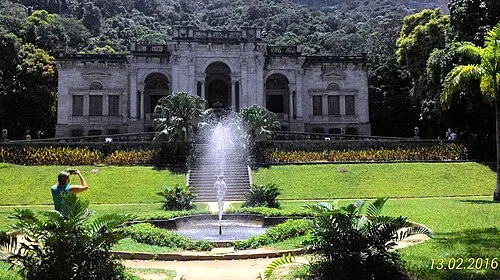
At the foot of Corcovado mountain, right where the city meets the forest, Parque Lage is a 52-hectare public park centered on an Italianate mansion with a courtyard pool that belongs on a movie set. The palace was built in the 1920s and has housed the Escola de Artes Visuais (School of Visual Arts) since 1975. Entry is free. The park was listed as a national heritage site by IPHAN in 1957 and became part of Tijuca National Park in 2004. The courtyard cafe inside the mansion is the main draw for most visitors. You sit at tables surrounding a small swimming pool, with the palace arches framing Corcovado and the Christ the Redeemer statue rising directly above you through the trees. It is one of the most photographed angles in Rio de Janeiro, and for good reason. Beyond the mansion, the park spreads into walking paths through subtropical gardens with caves, an aquarium, and a small tower. This is one of the real hidden gems in Rio de Janeiro. While millions ride the train up to Cristo Redentor, relatively few stop at the park below it. Open daily from 8:00 AM to 6:00 PM, it works perfectly as a morning visit before or after your trip up the mountain.

Hours Daily: 8:00 AM – 6:00 PM
Price Free
Insider TipThe Plage Cafe in the mansion courtyard serves excellent acai bowls and coffee. Grab a table early on weekends as Instagram crowds arrive by 10:00 AM.
Pedra da Gávea

3. Pedra da Gávea

Rising 842 meters straight from the edge of the Atlantic, Pedra da Gavea is one of the highest coastal monoliths on Earth. The granite and gneiss mountain sits inside Tijuca National Park, and the trail to the summit is one of the most demanding hikes in Rio de Janeiro. Expect 3 to 4 hours up and 2 to 3 hours down, with a final scramble through a narrow rock gap called the Carrasqueira that requires pulling yourself through with a rope. The rock face has markings that look like a human face and what some have called ancient inscriptions. Geologists agree these are natural erosion patterns, not carvings, but the debate has given the mountain a mysterious reputation. The trails were first opened by local farmers in 1830. Today, the hike starts near the Barra da Tijuca neighborhood and is free, with the park open from 6:00 AM to 6:00 PM. This is a secret spot in Rio de Janeiro reserved for people who want to earn their view. From the flat summit, the panorama covers the entire Zona Sul coastline, Lagoa Rodrigo de Freitas, and both the Cristo Redentor and Sugarloaf in a single sweep. It is the kind of view that makes every muscle ache worth it. Do not attempt this alone or in wet weather.

Hours Daily: 6:00 AM - 6:00 PM
Price Free
Website Wikipedia
Insider TipHire a local guide through the Tijuca Park visitor center. The Carrasqueira passage is dangerous when wet, and the trail has no markings for the final 30 minutes.
Get Your Own Private Tour with AI Guide
AI Guide
  • Personalized tour tailored to your interests
  • Your AI guide tells stories, shares facts, and cracks jokes
  • Turn-by-turn GPS navigation
  • Available in your language — no download needed
Try for Free

🎨 Best Museums & Galleries in Rio-De-Janeiro

World-class museums and galleries that make Rio-De-Janeiro a cultural treasure.

Museu Carmen Miranda

1. Museu Carmen Miranda

Carmen Miranda was born in Portugal, raised in Rio de Janeiro, and became the highest-paid woman in Hollywood in the 1940s. Her museum sits in the Aterro do Flamengo park, a small circular building that reopened in August 2023 after a decade of renovation. The collection holds 168 items, including her famous fruit-laden turbans, platform shoes, and stage costumes. Entry is free. The museum is tiny. You can see everything in 30 minutes. But for fans of mid-century pop culture or Latin American entertainment history, it is a fascinating snapshot of a performer who was simultaneously Brazil's biggest cultural export and a figure of complicated national pride. Part of the collection is also available online through Google's We Wear Culture platform if you want a preview before visiting. Among the best museums in Rio de Janeiro, this one is the smallest and most personal. It is open Wednesday through Friday from 11:00 AM to 5:00 PM and weekends from noon to 5:00 PM. Closed Monday and Tuesday. The Aterro do Flamengo park around it is worth exploring too: the waterfront park runs along the bay with views toward Sugarloaf and is a popular jogging and cycling route.

Hours Mon-Tue: Closed | Wed-Fri: 11:00 AM – 5:00 PM | Sat-Sun: 12:00 – 5:00 PM
Price Free
Insider TipCombine this with a walk through Aterro do Flamengo park. The park stretches 1.2 km along the bay and the museum is at its southern end, near the Botafogo side.
Museu Nacional

2. Museu Nacional

Founded by King Joao VI in 1818, the Museu Nacional was Brazil's oldest scientific institution and once held over 20 million items, including Luzia, the oldest human fossil found in the Americas at roughly 11,500 years old. The museum occupied the Palacio de Sao Cristovao in Quinta da Boa Vista park, a building that served as the Portuguese royal residence from 1808 and later as the Brazilian imperial palace until 1889. On September 2, 2018, a catastrophic fire destroyed nearly the entire collection. Indigenous language recordings from extinct communities, irreplaceable geological specimens, and centuries of natural history research were lost in a single night. The building was severely damaged, with collapsed roofs and cracked walls. Reconstruction is ongoing, and sections are gradually reopening for limited exhibitions. Visiting the Museu Nacional today is as much about witnessing recovery as seeing a collection. The surrounding Quinta da Boa Vista park is worth the trip on its own: it is one of Rio de Janeiro's largest green spaces, with lawns, a small zoo, and the imperial palace facade. Among the best museums in Rio de Janeiro, this one tells a harder story than most. Check the website for current opening status, as reconstruction timelines shift. The park is free and open Tuesday through Sunday.

Hours Tue-Sun: 10:00 AM - 5:00 PM
Price Free
Museu de Arte do Rio

3. Museu de Arte do Rio

Opened in March 2013 on Praca Maua, the Museu de Arte do Rio (MAR) was one of the first anchors of the Porto Maravilha redevelopment project that transformed Rio de Janeiro's port district. The building itself is clever: architects Jacobsen and Bernardes connected a colonial-era palace to a modernist former bus terminal with a flowing concrete canopy, creating a structure that looks like a wave from the waterfront. The collection focuses on Rio's identity through art, photography, and social history. Exhibitions rotate frequently and range from colonial-era paintings to contemporary installations exploring favela culture, Carnival, and the city's African heritage. The rooftop Escola do Olhar (School of Looking) hosts free educational programs. The museum is a 5-minute walk from the Museu do Amanha, and both share the same renovated waterfront plaza. Admission is 30 BRL, and it closes on Wednesdays. As one of the best museums in Rio de Janeiro, MAR works because it tells the city's story through local eyes rather than imported blockbuster shows. If you visit the Museum of Tomorrow for the architecture, walk over to MAR for the content. Together they make a solid half-day in the port area, an area most tourists never reach.

Hours Mon-Tue: 11:00 AM – 6:00 PM | Wed: Closed | Thu-Sun: 11:00 AM – 6:00 PM
Price 30 BRL
Insider TipThe rooftop terrace is free to access even without a museum ticket and gives a good view over Praca Maua and the port area.
Museu do Amanhã (Museum of Tomorrow)

4. Museu do Amanhã (Museum of Tomorrow)

Designed by Spanish architect Santiago Calatrava and opened in December 2015, the Museu do Amanha cost 230 million reais to build and sits on a former derelict pier in Rio de Janeiro's revitalized port zone at Praca Maua. The building itself is the first exhibit: a white, skeletal structure with solar spines that move throughout the day to track the sun. It juts out over Guanabara Bay like a futuristic ship, and the reflecting pool holds a 6-meter Frank Stella sculpture. Inside, this is not a traditional museum. There are almost no physical objects. The main exhibition is entirely digital and interactive, exploring climate change, biodiversity loss, and social collapse through immersive projections and real-time data feeds from NASA, the UN, and Brazilian universities. Admission is 26 BRL, and it is closed on Wednesdays. The experience takes about 90 minutes. Among the best museums in Rio de Janeiro, this one divides opinion. Science enthusiasts and design lovers will find it fascinating. If you prefer paintings on walls or artifacts in cases, the Museu de Arte do Rio is a 5-minute walk away on the same square. But as a building alone, the Museum of Tomorrow is worth seeing from the outside even if you skip the ticket.

Hours Mon-Tue: 10:00 AM – 6:00 PM | Wed: Closed | Thu-Sun: 10:00 AM – 6:00 PM
Price 26
Insider TipTuesdays are free admission. Lines form early, so arrive right at 10:00 AM opening. The outdoor waterfront promenade around the museum is free anytime and is a great spot for photos.
Get Your Own Private Tour with AI Guide
AI Guide
  • Personalized tour tailored to your interests
  • Your AI guide tells stories, shares facts, and cracks jokes
  • Turn-by-turn GPS navigation
  • Available in your language — no download needed
Try for Free

🌳 Parks & Best Viewpoints in Rio-De-Janeiro

Beautiful parks, gardens, and panoramic viewpoints for the best views of Rio-De-Janeiro.

Vista Chinesa

1. Vista Chinesa

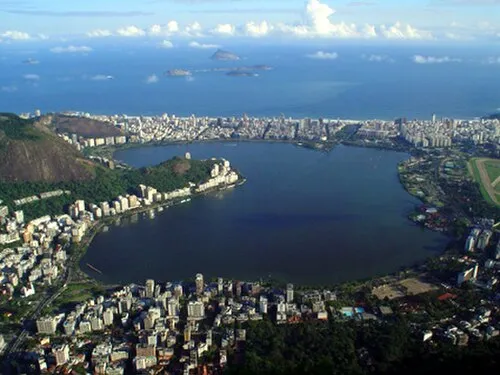
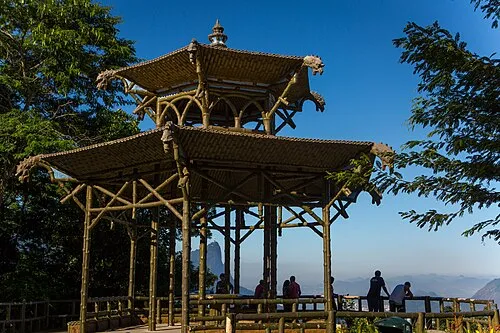
Deep inside Tijuca National Park, a Chinese-style pagoda sits on a hillside clearing and frames one of the most complete panoramas in Rio de Janeiro. The Vista Chinesa lookout was built in the early 20th century to honor Chinese immigrants who worked on local tea plantations. From the pagoda, you look straight down over Lagoa Rodrigo de Freitas, across Ipanema and Leblon, and out to the Atlantic. On clear mornings, the water glows turquoise and the city looks impossibly green. Getting here requires a car, taxi, or a solid uphill walk. The road winds through the Tijuca forest from Alto da Boa Vista, and there is limited parking at the top. The lookout is open daily from 8:00 AM to 5:00 PM and costs nothing. It is part of the Transcarioca Trail, a long-distance hiking route that crosses the entire city, so serious hikers pass through regularly. Among the best views in Rio de Janeiro, Vista Chinesa is the one that tour buses skip. While Christ the Redeemer and Sugarloaf get the crowds, this spot delivers a similarly sweeping panorama with a handful of other visitors at most. The pagoda itself photographs well, and the surrounding forest is thick enough that you hear more birds than cars.

Hours Daily: 8:00 AM – 5:00 PM
Price Free
Insider TipCome before 10:00 AM on a weekday. The air is clearest in the morning, and you might be the only person at the viewpoint. Afternoon haze can obscure the coastline.
Get Your Own Private Tour with AI Guide
AI Guide
  • Personalized tour tailored to your interests
  • Your AI guide tells stories, shares facts, and cracks jokes
  • Turn-by-turn GPS navigation
  • Available in your language — no download needed
Try for Free

Explore with AI Guide

AI Guide App

Get personalized tours with our AI-powered guide. No download needed — works right in your browser.