Best Time to Visit Riga
Month-by-month weather, crowds and prices, plus a full calendar of festivals and events worth planning a trip around.
Best monthsMay, Jun, Sep
CheapestJan, Feb, Nov
AvoidJan
BusiestJul, Aug

When is the best time to visit Riga?
Come in May, June or September: 15-22°C days, near-endless daylight in June (light until 23:00 at the solstice), the Riga Opera Festival, and hotel rates 20-35% below the July-August peak. July and August are the busiest and priciest, with the Positivus weekend (8-9 August) spiking central hotels 40-60%. January and February are dead-cheap (38-65€ a night) but brutal: 7 hours of light, icy cobblestones in the Old Town and almost nothing happening.
Start our tool and find your best time to visit Riga
Your perfect month
Free · ~30 seconds
or tap a month directly
What matters to you?
And this?
Best overall: May, Jun, Sep. May, early June and September are the real sweet spot: 15-22°C, the white nights building, the Art Nouveau district at its best without July's tour-group density, and prices 20-35% below the summer peak. May brings Museum Night (23 May, every museum free until midnight), June brings the Opera Festival, and September brings shoulder pricing with the lake-warm Jūrmala beach still in reach.
Best value: Nov, Feb, Mar. November, February and March bring central 3-star hotels at 38-70€ a night, no queues anywhere, and free or reduced museum days. The catch is short, dark, grey days (under 8 hours of light) and icy cobblestones, so pack grip-sole shoes. Skip the 18 November Proclamation Day weekend, when Old Town hotels briefly sell out.
Avoid: Jan. January and February are the year's worst value for most travellers: 6.8-7 hours of daylight, persistent grey cold, genuinely hazardous glaze ice on Old Town cobbles, and essentially nothing on the events calendar. Cheap, yes, but only worth it if you have a specific appetite for deep-northern winter atmosphere.
- January: Tough month, 0°C. This is Riga at its most introverted and most affordable, a city you can have almost entirely to yourself. The Latvian National Museum of Art and the Occupation Museum are queue-free, and a hot karstvīns in a vaulted Old Town cellar is the right answer to the cold. Come for the deep-winter atmosphere and the prices, not for the daylight.
- February: Tough month, 2°C. February is honest, unperformed Riga with no seasonal markup and no crowds. While the rest of Europe waits for spring, you get the museums, the Art Nouveau facades and the Old Town lanes to yourself at the lowest prices of the year. Bring warm layers and grippy soles, and the city rewards you with calm.
- March: Good time, 6°C. March is the last genuinely quiet, cheap month before spring fills the city. Riga is waking up: longer days, the first outdoor coffees, the ice finally retreating from the cobbles. You still have the museums and the Old Town largely to yourself, a window that closes fast once the Easter market and April terraces arrive.
- April: Good time, 11°C. April is when Riga steps outside again. The first warm afternoons fill the canal-side terraces, the Easter market on the Old Town squares is small and charming, and the city has spring energy without summer prices or density. Bring a layer for the showers and you catch Riga in its hopeful, reawakening mood.
- May: Great time, 17°C. May is the quietly perfect month nobody oversells. No punishing crowds, no summer prices, just a green city emerging into long bright evenings. The lilac bloom transforms the parks, the terraces are open, and Museum Night gives you a free run of the museums. This is Riga close to its best for noticeably less than July.
- June: Good time, 22°C. June is Riga at its most magical, all about the endless light. Late dinners on canal terraces under a sky that never goes dark, evening opera in the 1863 house, and the build-up to the Jāņi bonfires. It is getting busy and pricey, but the white nights are the payoff, and the Swiss-style school crush has not arrived yet.
- July: Tough month, 22°C. July is hot, busy and beach-focused, Riga at full tourist throttle. The Old Town is dense with groups by mid-morning, so the smart move is early starts and the Jūrmala train. Evenings stay light and the café-terrace season is at its absolute best, with the city decamping to the Gulf coast the moment the workday ends.
- August: Tough month, 22°C. August is Riga at peak energy: festivals, full terraces and a packed Old Town. The Positivus weekend is unmissable if you came for the music and the Baltics' biggest festival, but it makes the most expensive few nights of the year. Time your visit around it, and the rest of the month is warm, bright and celebratory with the City Festival mid-month.
- September: Great time, 17°C. September feels like Riga exhaling: still warm enough for the lake, alive with the White Night festival, but without August's crowds or prices. The light is softening toward autumn, the terraces still busy, and the locals back in their normal rhythm. This is the month to come if you want everything open and the weather still kind.
- October: Good time, 11°C. October is the couples' and culture-lovers' month: golden foliage in Mežaparks and Bastejkalns, the film festival in the cinemas, and the Old Town quiet and atmospheric under softening light. Cool and sometimes wet, but calm, cheap and genuinely beautiful when the leaves turn. Pack a rain layer and enjoy a city emptied of summer crowds.
- November: Good time, 5°C. November is Riga at its most introverted and cheapest, grey and almost touristless. The consolation is twofold: the flag-lit Proclamation Day around 18 November gives a surprisingly lively patriotic atmosphere, and the Christmas market arrives to brighten the final stretch. Come for the prices and the quiet, with warm layers and patience for the short days.
- December: Tough month, 2°C. December trades November's emptiness for festive bustle: lights, mulled wine, gingerbread and tour groups on Dome Square. It is genuinely atmospheric, especially with the first-Christmas-tree heritage and the glowing Old Town against just 7 hours of daylight. Busy and pricier in the run-up to Christmas, so go on a weekday and book the 20-24 December window well ahead.
Riga weather by month
HighLowRainfall
Jan0°
Feb2°
Mar6°
Apr11°
May17°
Jun22°
Jul22°
Aug22°
Sep17°
Oct11°
Nov5°
Dec2°
| Month | Temp | Rain | Sun | Crowds | Prices | Highlight |
|---|---|---|---|---|---|---|
| Jan | 0° / -4° | 54mm · 14 rainy days | 2.2 h/day | ●○○○○ | ●○○○○ | |
| Feb | 2° / -3° | 44mm · 10 rainy days | 4.2 h/day | ●○○○○ | ●○○○○ | |
| Mar | 6° / -1° | 45mm · 11 rainy days | 7.1 h/day | ●○○○○ | ●○○○○ | |
| Apr | 11° / 2° | 41mm · 10 rainy days | 10.4 h/day | ●●○○○ | ●●○○○ | Riga Easter Market |
| May | 17° / 7° | 55mm · 10 rainy days | 12.4 h/day | ●●○○○ | ●●○○○ | Museum Night |
| Jun | 22° / 12° | 70mm · 12 rainy days | 13.7 h/day | ●●●●○ | ●●●●○ | Riga Opera Festival |
| Jul | 22° / 15° | 79mm · 14 rainy days | 13.4 h/day | ●●●●● | ●●●●● | |
| Aug | 22° / 14° | 96mm · 14 rainy days | 11.3 h/day | ●●●●● | ●●●●● | Positivus Festival |
| Sep | 17° / 10° | 61mm · 11 rainy days | 9.1 h/day | ●●●○○ | ●●●○○ | White Night |
| Oct | 11° / 5° | 80mm · 14 rainy days | 5.4 h/day | ●●○○○ | ●●○○○ | Riga International Film Festival |
| Nov | 5° / 2° | 55mm · 12 rainy days | 2.6 h/day | ●○○○○ | ●○○○○ | Riga Christmas Market |
| Dec | 2° / -2° | 51mm · 14 rainy days | 1.8 h/day | ●●●○○ | ●●●○○ | Riga Christmas Market |
How we score this: weather = long-run climate normals (Open-Meteo), crowds & prices = relative season read, events checked yearly against official dates.
Best time to visit Riga: weather, prices & crowds
Best months for good weather
Jun, Jul, Aug
June through August give Riga its warmest, brightest stretch: 18-22°C, terraces full, and the white-night daylight peaking in June with the sun barely setting before 22:16. Rain comes as short afternoon showers rather than all-day grey.
Quietest months to avoid the crowds
Jan, Feb, Nov
From November through February international visitors all but vanish. You walk straight into the Latvian National Museum of Art with no queue and have the cobbled Old Town lanes and the Art Nouveau facades on Alberta iela almost to yourself.
Cheapest time to visit Riga
Jan, Feb, Nov
November, February and January are Riga's cheapest months: a central 3-star runs 38-70€ a night, roughly half the July-August level of 120-200€. November is the single best-value month of the year.
Best time for festivals and events
Jun, Dec, Oct
Time it to the extremes of light. Around the June solstice Riga is effectively never dark, perfect for a late dinner on a canal terrace or the Jāņi bonfires at Dzegužkalns. In December the illuminated Old Town and the Dome Square Christmas market (Riga claims the world's first decorated tree, 1510) glow against just 7 hours of daylight. October adds golden foliage peaking mid-month in Mežaparks.
How many days do you need in Riga?
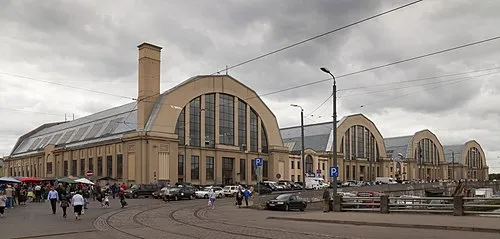
Two full days is the sweet spot for Riga, with three if you want to move beyond the medieval core. The Old Town is compact enough to cover its headline sights in a single day, but the Art Nouveau district, the Zeppelin-hangar market, and a day trip to Jūrmala each need their own morning or afternoon.

One day
The medieval core in one loop
Start at Riga Cathedral on the Dome Square, walk past the reconstructed House of the Blackheads, climb St. Peter's Church tower (4€) for the city panorama, then find the Three Brothers houses on Maza Pils iela. A self-guided Riga walking tour strings these together across 11 stops over 5.8 km in roughly 2.8 hours, looping back through Bastejkalna Park and past the Freedom Monument. End the evening on a canal terrace, or at the opera if you time it to the June festival.
Two daysRecommended
Art Nouveau and the Zeppelin market
Day two belongs to Alberta iela, where Eisenstein's Art Nouveau facades at nos. 2, 4, 6, 8, and 13 are best photographed before 09:00 or after 19:00. From there, the Central Market's five Zeppelin-hangar pavilions are a 20-minute walk: go on a Saturday morning before noon when the fresh-produce stalls are fullest. Spend the afternoon at the Latvian National Museum of Art or the Museum of the Occupation of Latvia, both queue-free outside peak summer.
Three days
Jūrmala beach and the open-air museum
On day three, take the 30-minute commuter train to Majori in Jūrmala (1.60€ from Riga Central) for the Gulf of Riga beach, swimmable from mid-June to early September at 19 to 22°C. Alternatively, the Open Air Ethnographic Museum southeast of the city centre rewards a half-day among 87 hectares of wooden heritage buildings, closed Mondays. September visitors can also catch the mushroom and berry season at the Central Market periphery.
Four days or more
Deeper neighbourhoods and Mežaparks
Four days lets you move into the quieter quarters: Āgenskalns and Pārdaugava across the Daugava offer local restaurants and market food without tourist markup. Mežaparks, 30 minutes north of the Old Town, combines a forest park, a zoo, and the Great Bandstand that hosts the Positivus Festival each August. October visitors get the foliage peak (5 to 20 October) layered over the film festival and quiet museums.
Best time to visit Riga by traveller type
Same city, different trip. Here's the month that fits how you're travelling.
🧭
Best time to visit Riga for the first time
MaySep
May or September: pleasant 15-18°C, the white nights either building or fading, terraces open, and prices 30-40% below the July-August peak. You get the Art Nouveau district, the Old Town, Central Market and the opera without peak-season hassle, plus Museum Night in May.
❤️
Best time to visit Riga for couples
Jun
The first three weeks of June: 18-plus hours of daylight, evening performances at the 1863 opera house during the Opera Festival, canal-side terraces, and the pre-Jāņi festive mood. Stay for the 23 June bonfire night at Dzegužkalns if you embrace the folk tradition.
💶
Best time to visit Riga on a budget
NovFebMar
November is the cheapest of all at 38-70€ for a central 3-star, with February and March close behind. Several state museums run free or reduced days, and Museum Night in May is the best free-culture value of the year. Skip the 18 November weekend, when patriotic-holiday demand briefly lifts rates.
🍝
Best time to visit Riga for food and wine
MaySep
May-June or September. The Kalnciema Quarter Saturday market is richest May to September, the Central Market's produce peaks in July-August, and September brings the wild-mushroom and berry season, with vendors selling forest ceps. Note several Miera Street and Pārdaugava restaurants take a two-week break in late July.
Worst time to visit Riga
January is the year's hardest month for most visitors: only 6.8 hours of daylight, persistent grey cold with highs around freezing, and genuine glaze-ice hazard on the Old Town cobbles that makes walking treacherous. The events calendar is essentially empty and hotel rates, while cheap at 40 to 65€, do not compensate for seven hours of usable daylight. February shares the same liabilities, and both months offer almost nothing beyond the indoor museums.
Still worth it for If you specifically want deep-winter northern atmosphere with absolute quiet, both months deliver: you walk into the Latvian National Museum of Art with no queue and have the Art Nouveau facades almost to yourself. Budget travellers who do not need daylight or events will find the prices genuinely compelling.
Go instead in May, June, September, when Riga is at its best.
Best time for a tour of Riga
The 5.8-kilometre loop through Riga's Old Town rewards walkers most in May and early June, when temperatures settle between 7 and 17 °C, daylight stretches past 9 pm, and the streets around the Three Brothers houses and the House of the Blackheads are pleasantly thin of visitors. That window closes fast: by July and August the mercury reaches 22 °C, rain falls on 14 days each month, and the square in front of the House of the Blackheads fills shoulder to shoulder by mid-morning. July is Riga's busiest month outright, and the combination of summer showers and heaving crowds makes the open stretches along Bastejkalna Park sticky going. September is the cleanest compromise: 10 to 17 °C, 11 rain days, and noticeably quieter after the summer peak. Winter is a different question entirely. January highs scrape barely -0 °C, daylight is gone by 4 pm, and the cobblestones around Riga Cathedral ice over reliably, so the walk becomes a careful shuffle rather than a stroll. December brings Christmas-market crowds back into the Old Town despite 14 rain days, so if you want a quiet winter visit, February is the emptiest month of the year.
With AI Tourguide you are not locked into anyone else's timetable, which matters a lot in a city this weather-sensitive. On a bright May morning you can start your Riga tour at 8 am before the first tour buses appear at the Freedom Monument, let the guide lead you through the medieval lanes at whatever pace suits your legs, and linger at St. Peter's Church until the light hits the tower right. The guide runs entirely in your browser, no download needed, and holds a real spoken conversation the whole way: it greets you, tells you stories you would not find on a sign, asks what caught your eye, and adapts what comes next to what you say. On a wet August afternoon you can delay until the rain pauses and head out on your own clock, which no group tour ever lets you do.


 +7
+7All 11 stops are already on the map.
You just press start.
You just press start.
 AI Tourguide
You just read the route.
Now walk it with a guide in your ear.
Press start wherever you are, even hundreds of kilometres from Riga, and the guide begins telling its stories right away. In the city, pick any of the 11 stops to start from: it leads you there, then talks with you the whole route, asking, listening, remembering, and shaping the tour around your answers.
11stops5.8km2.8hours11languages
▶Start the tour freeFree to start · Runs in your browser · No app, no download
Riga events and festivals calendar
Annual highlights worth timing a trip around, listed month by month.
April
🌸 Seasonal natureRiga Easter Market Lieldienas tirgus
Apr 3–6 ~
the Easter long weekend
A traditional painted-egg market on the Old Town squares, with swing sets, local handicrafts and seasonal food.
May
🌙 Museum nightMuseum Night Muzeju nakts
May 23 ~
a Saturday in late May, 18:00 to past midnight
One night each late May when museums, galleries and cultural sites across Riga open free until midnight, with special tours, performances and workshops.
June
🎨 Art and cultureRiga Opera Festival Rīgas operas festivāls
Jun 4–20
early to mid June
The closing festival of the Latvian National Opera season, held since 1998 in the 1863 neo-classical opera house.
🏳️🌈 PrideRiga Pride Rīgas praids
Jun 6–15 ~
the second week of June, parade on 13 June
Latvia's largest LGBTQ+ celebration: a parade through central Riga plus film screenings, art exhibitions and workshops over ten days.
🇮 HolidayJāņi / Midsummer Jāņi, Līgo svētki
Jun 23–24
23-24 June, the summer solstice
The dominant Latvian cultural event: bonfire night, wreath weaving and Līgo folk songs, with most locals heading to the countryside.
August
🎵 MusicPositivus Festival Positivus
Aug 8–9
a weekend in early August
The largest music festival in the Baltics, held at the Mežaparks Great Bandstand each summer, mixing international pop and electronic acts with Baltic artists.
🎉 FestivalRiga City Festival Rīgas svētki
Aug 16–17
mid-August, with a wider summer programme through the month
Riga's birthday celebration (the city was founded in 1201): open-air concerts, historical parades, street theatre, an antique-car parade, craft markets on Dome Square and fireworks, with neighbourhood events all month.
September
🎨 Art and cultureWhite Night Baltā nakts
Sep 5 ~
an evening in early September
A contemporary-culture forum across 50-plus locations in Riga: street art, installations, performances and buildings open after dark, part of the European White Nights initiative.
October
🎬 FilmRiga International Film Festival RIGA IFF
Oct ~
mid-October, exact dates announced closer to the time
The major Baltic film festival: international features, documentaries and Nordic and Eastern European cinema screened across Riga's cinema venues.
November
🎄 Christmas marketRiga Christmas Market Rīgas Ziemassvētku tirdziņš
Nov 27 – Jan 3
late November to early January
The Dome Square market, with a second market at Vērmanes garden: stalls of traditional crafts, mulled wine (karstvīns), gingerbread and handmade ornaments.
Insider tips for visiting Riga
The rules buried in forums, in one place.
- Photograph the Art Nouveau facades on Alberta iela (Eisenstein's masterpieces at nos. 2, 4, 6, 8 and 13) at 07:30-09:00 or after 19:00. It is a narrow residential street, packed with guided groups from mid-morning to mid-afternoon, but empty enough at the edges of the day to shoot without heads in the frame.
- Book Jāņi-weekend accommodation (23-24 June) six to eight weeks ahead. The city empties to the countryside, yet the remaining guesthouses fill with foreign visitors for the bonfire night, and prices run 20-30% above normal June. The free Dzegužkalns bonfire is the most authentic city venue.
- For the Positivus weekend (8-9 August), hotels within 1 km of Mežaparks sell out first, the moment dates are confirmed, usually in April. Budget travellers should base themselves in Pārdaugava across the Daugava, which stays 15-20% cheaper than the Old Town even at peak.
- Skip the free-Sunday trap at the big state museums. Several offer one free Sunday a month, and the queue at the Latvian National Museum of Art forms by 09:00. Unless you are there at the 10:00 opening, just pay the normal 5€ and walk straight in on a weekday.
- Climb St. Peter's Church tower (4€) on a Friday or Saturday evening in summer, when the 120-metre deck stays open until 22:00. In June and July the white-night light gives a golden-hour panorama of the Daugava and the cathedral skyline around 21:00-21:30.
- Hit the Central Market on a Saturday morning. The five Zeppelin-hangar pavilions (a UNESCO-listed site) are most atmospheric 08:00-11:00; by noon the fresh-produce stalls have sold out. It runs Mon-Sat 07:30-18:00 and Sun 07:30-17:00, and the Latvian Railway Museum is a five-minute walk away.
- Most state museums close on Mondays, including the Latvian National Museum of Art and the Open Air Ethnographic Museum. The Museum of the Occupation of Latvia is the reliable exception, open daily 10:00-18:00 (Thursdays to 19:00), so it is the safe Monday choice.
- For the in-city swim, the sandy Daugava beach at Kipsala is calm Tuesday to Thursday and packed with locals and sound systems on weekend afternoons. For the proper Gulf of Riga swim, take the commuter train to Majori in Jūrmala for 1.60€ rather than driving, since Jūrmala charges a car-entry fee from 1 April to 1 October.
Public holidays in Riga
On these dates many shops and offices close, transport thins out, and sights can be mobbed or shut. Plan around them.
| Date | Holiday | What closes |
|---|---|---|
| Jan 1 | New Year's Day | Shops and restaurants closed or on short hours; a quiet city after the New Year's Eve fireworks over the Daugava. Attractions may open by the afternoon. |
| Apr 3 | Good Friday | Public holiday: many shops closed, and the Easter market opens in the Old Town. A calm start to the Easter long weekend. |
| Apr 5 | Easter Sunday | Public holiday: most museums closed or on reduced hours, the city quiet. The painted-egg market on the Old Town squares is the day's draw. |
| Apr 6 | Easter Monday | Public holiday and a second quiet day, with accommodation demand slightly above normal off-season levels. |
| May 1 | Labour Day | Public holiday: gatherings at the Freedom Monument and busy parks. A relaxed spring day with terraces opening across the city. |
| May 4 | Restoration of Independence Day | Public holiday with a ceremonial flag-raising and a patriotic, domestic feel; some sights run reduced hours. |
| Jun 23 | Midsummer Eve (Līgo) | National holiday: most shops close at midday and the city empties to the countryside, so tourist sites run very thin. Bonfires and Līgo folk songs from 20:00 at the hilltop venues. |
| Jun 24 | Midsummer (Jāņi) | The biggest national holiday: treat it as a near-total closure for shops and services, with celebrations out in nature. Many restaurants reopen only on 25 June, so plan meals ahead. |
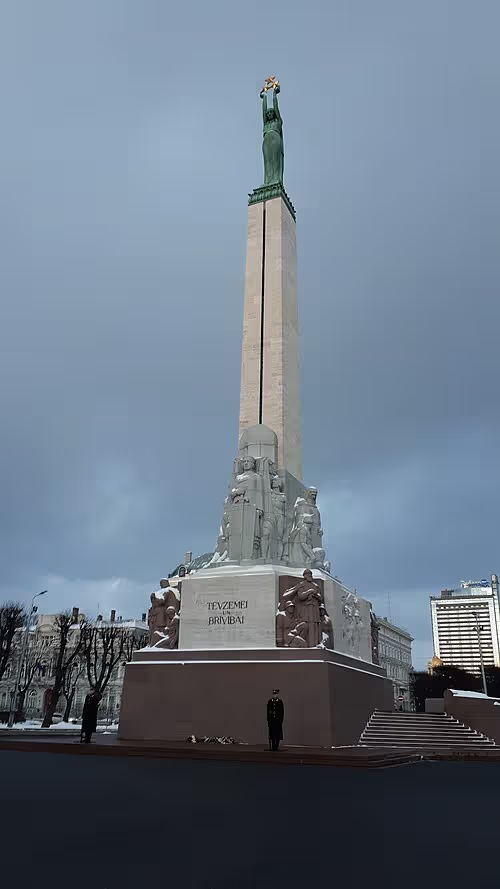
| Nov 18 | Proclamation Day | Major patriotic holiday with a ceremony at the Freedom Monument and a flag-lit, illuminated Riga. A short, sharp hotel-demand spike: Old Town hotels sell out weeks ahead for the weekend. |
| Dec 24 | Christmas Eve | Public holiday: shops close by midday, the Christmas market winds down for the evening, and many restaurants close. Book any festive dinner in advance. |
| Dec 25 | Christmas Day | Public holiday with almost everything closed across the city. A still, dark midwinter day. |
| Dec 26 | Second Christmas Day | Public holiday and a second closed day. Hotels are quieter and prices begin to drop back from the pre-Christmas peak. |
Riga month by month
January in Riga
High0°C / 32°F
Low-4°C
Rain54mm / 14 rainy days
Sun2.2 h/day
Daylight8 h/day
Humidity85%
Crowds●○○○○Prices●○○○○
January is the deep off-season and the darkest month, with only about 6.8 hours of daylight, sunrise near 08:46 and sunset near 15:44. Highs hover near freezing, snow is common, and glaze ice on the Old Town cobbles can make walking genuinely hazardous, so pack grip-sole shoes. No holidays pull visitors and the events calendar is essentially empty, but it is cheap and the illuminated Old Town still has a stark northern beauty.
The vibe This is Riga at its most introverted and most affordable, a city you can have almost entirely to yourself. The Latvian National Museum of Art and the Occupation Museum are queue-free, and a hot karstvīns in a vaulted Old Town cellar is the right answer to the cold. Come for the deep-winter atmosphere and the prices, not for the daylight.
Don't miss Pair the indoor heavyweights against the cold: the Latvian National Museum of Art, the Museum of the Occupation of Latvia (open daily 10:00-18:00, the reliable Monday choice), and the Art Nouveau Museum on Alberta iela. The illuminated Old Town and the Christmas-market lights linger until the market closes on 3 January.
Crowd drivers The post-New-Year lull, with no holidays and short polar-short days keeping both tourists and business travel to a minimum. The lowest visitor pressure of the year, tied with February and November.
In season Hearty winter food season: grey peas with bacon, rye bread and smoked fish, best in a warm Old Town tavern with no booking trouble at all.
Heads up New Year's Day (1 January) closes shops and restaurants or cuts them to short hours, though attractions may open by the afternoon. State museums (the Art Museum, the National History Museum) close on Mondays.
Among the cheapest months of the year: a central 3-star runs 40-65€ a night, roughly half the July-August level.
February in Riga
High2°C / 35°F
Low-3°C
Rain44mm / 10 rainy days
Sun4.2 h/day
Daylight10 h/day
Humidity84%
Crowds●○○○○Prices●○○○○
February is dark and cold, with highs around freezing, persistent overcast and the same icy-cobble hazard as January. There are no events to speak of, just a trickle of midweek Baltic business travel. Daylight is still short but lengthening, and prices sit at their annual floor. It is Riga stripped bare: quiet, grey and genuinely cheap.
The vibe February is honest, unperformed Riga with no seasonal markup and no crowds. While the rest of Europe waits for spring, you get the museums, the Art Nouveau facades and the Old Town lanes to yourself at the lowest prices of the year. Bring warm layers and grippy soles, and the city rewards you with calm.
Don't miss A perfect month for the indoor heavyweights: the Latvian National Museum of Art, the Occupation Museum and the Art Nouveau Museum, all quiet. Climb St. Peter's Church tower (4€) on a clear afternoon for a stark winter panorama of the cathedral skyline and the frozen Daugava.
Crowd drivers No events and short, grey days keep international tourism at its annual low. Only midweek business travel adds any movement at all.
In season Still deep-winter food weather: grey peas, smoked fish and rye bread, plus a warming karstvīns, all without queueing for a table anywhere.
Heads up State museums (the Art Museum, the National History Museum) close on Mondays, as does the Open Air Ethnographic Museum. The Occupation Museum stays open daily.
The cheapest month tied with November: a central 3-star runs 38-60€ a night, the annual floor.
March in Riga
High6°C / 42°F
Low-1°C
Rain45mm / 11 rainy days
Sun7.1 h/day
Daylight12 h/day
Humidity76%
Crowds●○○○○Prices●○○○○
March is the tail of winter sliding toward spring. Highs climb above freezing, the daylight stretches fast, and locals reappear for park walks, though snow and grey are still possible. Crowds stay minimal, with only the first city-break backpackers turning up at the end of the month and the minor domestic Carnival (Meteņi) passing quietly. It is still cheap and still calm, the last of the bargain months.
The vibe March is the last genuinely quiet, cheap month before spring fills the city. Riga is waking up: longer days, the first outdoor coffees, the ice finally retreating from the cobbles. You still have the museums and the Old Town largely to yourself, a window that closes fast once the Easter market and April terraces arrive.
Don't miss The indoor museums are still quiet and well worth a slow day. As the ice clears, the Art Nouveau district on Alberta iela becomes walkable and photographable again, best early morning or early evening before any groups arrive. The Central Market is at its calmest on a Saturday morning.
Crowd drivers Off-season throughout, with only end-of-month backpackers appearing. The domestic Meteņi Carnival is a minor event with no real crowd impact.
In season The transitional season: hearty winter dishes give way to the first lighter plates, and the year-round Kalnciema Quarter Saturday market starts to build toward its May-September peak.
Still off-season pricing: a central 3-star runs 40-65€ a night, among the year's cheapest.
April in Riga
High11°C / 52°F
Low2°C
Rain41mm / 10 rainy days
Sun10.4 h/day
Daylight14 h/day
Humidity70%
Crowds●●○○○Prices●●○○○
April is Riga shaking off winter. Highs reach the low teens, terraces reopen across the Old Town, and the Easter long weekend (3-6 April) brings a short spike of domestic day-trippers and the painted-egg market on the squares. Crowds stay moderate and prices only edge up. It is changeable and cool, but the city is visibly coming back to life.
The vibe April is when Riga steps outside again. The first warm afternoons fill the canal-side terraces, the Easter market on the Old Town squares is small and charming, and the city has spring energy without summer prices or density. Bring a layer for the showers and you catch Riga in its hopeful, reawakening mood.
Don't miss The Easter market on the Old Town squares brings painted eggs, swing sets and handicrafts over the long weekend. As the parks green up, Bastejkalns canal park and Vērmanes garden make easy spring walks, and the Art Nouveau district is finally pleasant on foot again.
Crowd drivers The Easter long weekend (3-6 April) spikes bookings short-term and draws domestic day-trippers, and the spring opening of outdoor terraces lifts the mood. Otherwise the month stays moderate.
In season Terrace season returns and the Kalnciema Quarter Saturday market grows livelier as local spring produce comes in. Easter brings traditional baked goods to the bakeries and market stalls.
Heads up Good Friday (3 April), Easter Sunday (5 April) and Easter Monday (6 April) are public holidays: many shops close and most museums run reduced hours or shut, though the Easter market is the day's draw.
Prices recover gently: a central 3-star runs 55-90€ a night, with the Easter weekend up 25-30%.
Events this month
🌸 Seasonal natureRiga Easter Market Lieldienas tirgus
Apr 3–6 ~
the Easter long weekend
A traditional painted-egg market on the Old Town squares, with swing sets, local handicrafts and seasonal food. A domestic family event around Good Friday to Easter Monday.
A charming shoulder-season bonus: the city is not yet crowded, hotel prices are mild compared with summer, and it captures real Latvian spring tradition.

May in Riga
High17°C / 62°F
Low7°C
Rain55mm / 10 rainy days
Sun12.4 h/day
Daylight16 h/day
Humidity67%
Crowds●●○○○Prices●●○○○
May is one of Riga's sweet spots: pleasant 15-18°C, the white nights building, terraces fully open and the lilac (ceriņi) blooming mid-month in Mežaparks and Victory Park. European city-break traffic is growing but the city is not yet crowded. Museum Night (23 May) opens every major museum free until midnight, and Labour Day and Restoration Day bring domestic holidays. Mild weather, full culture, no crush.
The vibe May is the quietly perfect month nobody oversells. No punishing crowds, no summer prices, just a green city emerging into long bright evenings. The lilac bloom transforms the parks, the terraces are open, and Museum Night gives you a free run of the museums. This is Riga close to its best for noticeably less than July.
Don't miss Museum Night (23 May) is the highlight: every major museum free until midnight, enough to see four or five in one evening. The lilac peaks mid-month in Mežaparks and Victory Park, the white-night light stretches the evenings, and the Kalnciema Quarter Saturday market hits its richest stretch.
Crowd drivers Growing European city-break traffic, plus the domestic Labour Day (1 May) and Restoration Day (4 May) holidays. Museum Night (23 May) draws big local crowds for one evening, but international pressure stays moderate.
In season The Kalnciema Quarter Saturday market is at its best from now through September, with local produce, smoked fish and rye bread. Terrace dining in the Miera Street and Āgenskalns quarters comes into its own on the warm evenings.
Heads up Labour Day (1 May) and Restoration of Independence Day (4 May) are public holidays, with gatherings at the Freedom Monument and some sights on reduced hours. Museum Night (23 May) is not a holiday but a de-facto city event.
A genuine value window: a central 3-star runs 60-100€ a night, well below the summer peak.
Events this month
🌙 Museum nightMuseum Night Muzeju nakts
May 23 ~
a Saturday in late May, 18:00 to past midnight
One night each late May when museums, galleries and cultural sites across Riga open free until midnight, with special tours, performances and workshops. The annual theme changes each edition.
The best free-culture night of the year: with the Occupation Museum, the Latvian National Museum of Art and the Open Air Ethnographic Museum all taking part, you can see four or five museums in one evening.

June in Riga
High22°C / 71°F
Low12°C
Rain70mm / 12 rainy days
Sun13.7 h/day
Daylight18 h/day
Humidity70%
Crowds●●●●○Prices●●●●○
June opens Riga's peak season and its most atmospheric stretch. Daylight is extraordinary, up to 18.5 hours at the solstice with the sun barely setting before 22:16, so the city is effectively never fully dark. The Riga Opera Festival (4-20 June) fills the opera house, Riga Pride (parade 13 June) adds demand, and Jāņi/Midsummer (23-24 June) empties the city to the countryside while accommodation stays tight. Warm, light-soaked and festive.
The vibe June is Riga at its most magical, all about the endless light. Late dinners on canal terraces under a sky that never goes dark, evening opera in the 1863 house, and the build-up to the Jāņi bonfires. It is getting busy and pricey, but the white nights are the payoff, and the Swiss-style school crush has not arrived yet.
Don't miss The Opera Festival runs evening performances at the 1863 opera house, opening with La bohème. Around the solstice, climb St. Peter's tower (4€, open to 22:00 on Fri-Sat) for a white-night panorama at 21:00-21:30, then join the free Jāņi bonfire at Dzegužkalns on 23 June. The Gulf of Riga at Jūrmala is swimmable from mid-month.
Crowd drivers The Opera Festival (4-20 June) and Riga Pride (parade 13 June) fill central hotels, while Jāņi (23-24 June) is the biggest national holiday: the city empties to the countryside, yet remaining accommodation is tight and 20-30% dearer.
In season Peak terrace and white-night dining season: the Kalnciema Quarter Saturday market is at its fullest, and long bright evenings make canal-side and Āgenskalns dinners run late.
Heads up Midsummer Eve (23 June) closes most shops at midday and Jāņi (24 June) is a near-total closure for shops and services, with many restaurants reopening only on 25 June. Plan meals and supplies ahead.
Prices climb into peak: a central 3-star runs 100-160€ a night, with the Jāņi weekend up 20-30%.
Events this month
🎨 Art and cultureRiga Opera Festival Rīgas operas festivāls
Jun 4–20
early to mid June
The closing festival of the Latvian National Opera season, held since 1998 in the 1863 neo-classical opera house. The programme opens with Puccini's La bohème and runs Carmen, Aida, L'elisir d'amore and the Peer Gynt ballet to a closing Gala Concert.
The best window of the year to see world-class opera in an intimate historic house. Book four to six weeks ahead, as it coincides with the pre-Jāņi high season and central hotels fill fast.
🏳️🌈 PrideRiga Pride Rīgas praids
Jun 6–15 ~
the second week of June, parade on 13 June
Latvia's largest LGBTQ+ celebration: a parade through central Riga plus film screenings, art exhibitions and workshops over ten days.
A lively, safe atmosphere downtown. It adds demand to central-Riga hotels in the second week of June, so book accommodation early for that week.
🇮 HolidayJāņi / Midsummer Jāņi, Līgo svētki
Jun 23–24
23-24 June, the summer solstice
The dominant Latvian cultural event: bonfire night, wreath weaving and Līgo folk songs, with most locals heading to the countryside. The city holds free celebrations from 20:00 on 23 June to 04:30 on 24 June at three hilltop venues, Grīziņkalns, Dzegužkalns and Mežaparks.
Both a reason to come and a reason to time things carefully: an authentic folk celebration, but tourist attractions run near-empty and shops and restaurants may close on 24 June. Book accommodation well ahead despite the lower tourist pressure.
July in Riga
High22°C / 72°F
Low15°C
Rain79mm / 14 rainy days
Sun13.4 h/day
Daylight17 h/day
Humidity74%
Crowds●●●●●Prices●●●●●
July is high summer and Riga's busiest, most expensive month alongside August. It is the warmest, averaging about 22°C with occasional spells above 28°C, and the Scandinavian and German tourist peak puts the Old Town at maximum density. Rain falls as short afternoon showers rather than all-day grey. Long days, full terraces and Jūrmala beach trips define the month, though several independent restaurants take a two-week break late in it. Get an early start before 09:00 to photograph Alberta iela and walk the Old Town lanes before the groups arrive; the 1.60€ train to Jūrmala is the smart move once midday heat sets in.
The vibe July is hot, busy and beach-focused, Riga at full tourist throttle. The Old Town is dense with groups by mid-morning, so the smart move is early starts and the Jūrmala train. Evenings stay light and the café-terrace season is at its absolute best, with the city decamping to the Gulf coast the moment the workday ends.
Don't miss Jūrmala beach on the Gulf of Riga is a summer staple, 30 minutes by 1.60€ train, the sea at 19-22°C. The Central Market's fresh produce peaks now, the white-night light is still long, and the Old Town rewards an early start before the groups arrive. When the heat builds or guided-tour prices climb, our live in-browser AI guide is the always-available, flat-priced alternative to an expensive pre-booked human guide, telling you the story of everything you pass as you walk the Art Nouveau streets in the cooler early hours.
Crowd drivers Peak European summer plus the Scandinavian and German tourist high season put the Old Town at maximum density. It is the warmest month and the prime terrace season, with demand at its annual ceiling.
In season Peak terrace season, but check ahead: several of the best independent restaurants on Miera iela and in Pārdaugava close for a two-week summer break in late July or early August. The Central Market's produce is at its richest.
Peak summer pricing: a central 3-star runs 120-190€ a night, the busiest stretch alongside August.

August in Riga
High22°C / 72°F
Low14°C
Rain96mm / 14 rainy days
Sun11.3 h/day
Daylight15 h/day
Humidity75%
Crowds●●●●●Prices●●●●●
August is jointly the busiest and priciest month. Still warm with long days, it is dominated by the Positivus Festival (8-9 August at Mežaparks, Calvin Harris headlining), which spikes central-Riga hotels 40-60% that weekend, and the Riga City Festival (16-17 August) which adds another demand surge. August is technically the wettest month at around 80mm, but the rain comes as afternoon showers. Lively, hot and at year-high prices.
The vibe August is Riga at peak energy: festivals, full terraces and a packed Old Town. The Positivus weekend is unmissable if you came for the music and the Baltics' biggest festival, but it makes the most expensive few nights of the year. Time your visit around it, and the rest of the month is warm, bright and celebratory with the City Festival mid-month.
Don't miss Positivus at the Mežaparks Great Bandstand is the Baltics' biggest music festival; book hotels the moment dates confirm. The Riga City Festival (16-17 August) brings free open-air concerts, historical parades and fireworks on Dome Square for the city's birthday. Jūrmala beach is still warm for a day-trip swim.
Crowd drivers The Positivus Festival (8-9 August) is the single biggest price-driver, lifting central hotels 40-60% that weekend, with the Riga City Festival (16-17 August) and the ongoing school-holiday peak stacked on top.
In season Terrace season continues at full tilt, though note the late-July to early-August two-week breaks at some Miera Street and Pārdaugava restaurants run on into the first days of the month, so check ahead.
Joint-busiest and most expensive: 120-200€ a night, and 170-250€ over the Positivus weekend (8-9 August).
Events this month
🎵 MusicPositivus Festival Positivus
Aug 8–9
a weekend in early August
The largest music festival in the Baltics, held at the Mežaparks Great Bandstand each summer, mixing international pop and electronic acts with Baltic artists. Headliners rotate annually and are confirmed a few months before the festival.
The best Baltic music-festival experience, but it spikes central-Riga hotel rates 40-60% for the 7-9 August weekend, so book months in advance and expect the festival itself to be ticketed.
🎉 FestivalRiga City Festival Rīgas svētki
Aug 16–17
mid-August, with a wider summer programme through the month
Riga's birthday celebration (the city was founded in 1201): open-air concerts, historical parades, street theatre, an antique-car parade, craft markets on Dome Square and fireworks, with neighbourhood events all month.
A free, family-friendly city party. It coincides with the school-holiday peak, so combine it with Positivus for a full early-August trip, but expect restaurants and accommodation at year-high demand.

September in Riga
High17°C / 63°F
Low10°C
Rain61mm / 11 rainy days
Sun9.1 h/day
Daylight13 h/day
Humidity79%
Crowds●●●○○Prices●●●○○
September is a shoulder-season high point. Most families are gone and crowds thin sharply by mid-month, with pleasant 15-18°C and the sea still warm enough for a Jūrmala day-trip in early September. White Night (Baltā nakts), the contemporary-culture festival across 50-plus venues, typically falls early in the month, and the wild-mushroom and berry season opens. Mild, calm and well-priced, often the best month of all.
The vibe September feels like Riga exhaling: still warm enough for the lake, alive with the White Night festival, but without August's crowds or prices. The light is softening toward autumn, the terraces still busy, and the locals back in their normal rhythm. This is the month to come if you want everything open and the weather still kind.
Don't miss White Night opens contemporary art, performances and buildings across the city after dark at shoulder-season prices. Early September is still good for a Jūrmala beach day, and the wild-mushroom and berry season brings forest ceps to the market periphery. The Art Nouveau district is at its best without summer density.
Crowd drivers School holidays are over and families have left, so crowds thin sharply by mid-month. White Night (early September) draws a lively local crowd for one evening but carries no hotel-price spike.
In season Late-summer mushroom and berry season: vendors on the market periphery sell wild ceps and porcini from the forests. The Kalnciema Quarter Saturday market is still in its rich stretch before autumn winds down.
Shoulder pricing returns: a central 3-star runs 70-110€ a night, excellent value against summer.
Events this month
🎨 Art and cultureWhite Night Baltā nakts
Sep 5 ~
an evening in early September
A contemporary-culture forum across 50-plus locations in Riga: street art, installations, performances and buildings open after dark, part of the European White Nights initiative.
A lively cultural moment at low-season prices: there is no hotel spike, so you get a buzzing night out on shoulder-season rates.

October in Riga
High11°C / 51°F
Low5°C
Rain80mm / 14 rainy days
Sun5.4 h/day
Daylight10 h/day
Humidity82%
Crowds●●○○○Prices●●○○○
October is golden-autumn Riga. Cooler at 9-12°C and rainier, with the foliage peaking 5-20 October in Mežaparks and Bastejkalns. The Riga International Film Festival typically runs mid-month, and international tourist numbers drop right off. It is the start of the persistent-overcast season, but the autumn colour and the quiet, well-priced city make it a rewarding shoulder month.
The vibe October is the couples' and culture-lovers' month: golden foliage in Mežaparks and Bastejkalns, the film festival in the cinemas, and the Old Town quiet and atmospheric under softening light. Cool and sometimes wet, but calm, cheap and genuinely beautiful when the leaves turn. Pack a rain layer and enjoy a city emptied of summer crowds.
Don't miss Autumn foliage peaks 5-20 October in the 424-hectare Mežaparks forest park (free entry) and in Bastejkalns canal park and Vērmanes garden. The Riga International Film Festival screens international and Nordic cinema across the city. The museums are quiet and the Art Nouveau facades are easy to walk without crowds.
Crowd drivers The autumn shoulder, with few international tourists. The Riga International Film Festival in mid-October adds some cultural draw but no hotel-price spike.
In season Autumn produce and the tail of the mushroom season fill the Central Market, and the warming Old Town taverns come back into their own as the weather cools.
Autumn shoulder: a central 3-star runs 55-85€ a night, a quiet, good-value window.
Events this month
🎬 FilmRiga International Film Festival RIGA IFF
Oct ~
mid-October, exact dates announced closer to the time
The major Baltic film festival: international features, documentaries and Nordic and Eastern European cinema screened across Riga's cinema venues.
A quiet-season highlight for film lovers, easily combined with the autumn foliage in Mežaparks, and with no major hotel-price spike.

November in Riga
High5°C / 42°F
Low2°C
Rain55mm / 12 rainy days
Sun2.6 h/day
Daylight8 h/day
Humidity88%
Crowds●○○○○Prices●○○○○
November is the quietest and best-value month overall. Days are dark at around 8 hours of light, with persistent overcast and drizzle that feels grey rather than wet. The single spike is Proclamation Day (18 November), when Old Town hotels briefly sell out for the patriotic ceremony and flag-lit city. Late in the month the Christmas-market lights go up, bringing a first burst of warmth and colour as the season turns festive.
The vibe November is Riga at its most introverted and cheapest, grey and almost touristless. The consolation is twofold: the flag-lit Proclamation Day around 18 November gives a surprisingly lively patriotic atmosphere, and the Christmas market arrives to brighten the final stretch. Come for the prices and the quiet, with warm layers and patience for the short days.
Don't miss Proclamation Day (18 November) lights the city with flags and a Freedom Monument ceremony, a surprisingly lively moment in a grey month. As November ends, the Dome Square Christmas market opens, and the Old Town museums stay quiet and queue-free for a calm indoor day.
Crowd drivers The quietest month overall, with dark days keeping tourists away. Proclamation Day (18 November) is the one mini-peak, selling out Old Town hotels for its weekend; the Christmas market opening on 27 November brings the first uptick.
In season Warming-tavern season returns in full, and as the markets open at month-end, karstvīns (mulled wine) and gingerbread reappear on the Old Town squares.
Heads up Proclamation Day (18 November) is a major patriotic holiday with a Freedom Monument ceremony and a short hotel-demand spike. State museums close on Mondays as usual.
The cheapest month of the year: a central 3-star runs 40-70€ a night, the annual low.
Events this month
🎄 Christmas marketRiga Christmas Market Rīgas Ziemassvētku tirdziņš
Nov 27 – Jan 3
late November to early January
The Dome Square market, with a second market at Vērmanes garden: stalls of traditional crafts, mulled wine (karstvīns), gingerbread and handmade ornaments. Riga claims the world's first documented decorated Christmas tree, in 1510, marked by a plaque on Town Hall Square.
December is one of the best months for atmosphere, but 1-23 December is busy with German, Scandinavian and Baltic tour groups citing the first-Christmas-tree heritage. Avoid the 20-24 December crush and go on a weekday for the calmest visit.

December in Riga
High2°C / 35°F
Low-2°C
Rain51mm / 14 rainy days
Sun1.8 h/day
Daylight7 h/day
Humidity88%
Crowds●●●○○Prices●●●○○
December is Christmas-market Riga, with strong demand especially 1-23 December. The Dome Square market runs through the season, and the city leans on its claim to the world's first decorated Christmas tree (1510) to draw German and Scandinavian tour groups. Days are the shortest of the year at about 7 hours of light, but the illuminated Old Town and the market lights compensate. Rates drop again from 26 December once the peak passes.
The vibe December trades November's emptiness for festive bustle: lights, mulled wine, gingerbread and tour groups on Dome Square. It is genuinely atmospheric, especially with the first-Christmas-tree heritage and the glowing Old Town against just 7 hours of daylight. Busy and pricier in the run-up to Christmas, so go on a weekday and book the 20-24 December window well ahead.
Don't miss The Dome Square Christmas market, with a second at Vērmanes garden, brings traditional crafts, karstvīns and gingerbread; the first-Christmas-tree plaque sits on Town Hall Square. The illuminated Old Town is at its most photogenic against the short days, and the year ends with New Year's Eve fireworks over the Daugava.
Crowd drivers The Christmas market (Dome Square, from 27 November) drives strong demand 1-23 December, with German and Scandinavian tour groups citing the first-Christmas-tree heritage. The 20-24 December stretch is the crush; rates ease again from 26 December.
In season Peak festive-market food: karstvīns, gingerbread (piparkūkas), grey peas and smoked fish on Dome Square, plus warming tavern fare across the Old Town.
Heads up Christmas Eve (24 December) closes shops by midday and winds down the market; Christmas Day (25 December) and Second Christmas Day (26 December) close almost everything. Book any festive dinner ahead.
Christmas-market demand lifts rates: 80-140€ a night, peaking 150-200€ over 20-24 December.
Events this month
🎄 Christmas marketRiga Christmas Market Rīgas Ziemassvētku tirdziņš
Nov 27 – Jan 3
late November to early January
The Dome Square market, with a second market at Vērmanes garden: stalls of traditional crafts, mulled wine (karstvīns), gingerbread and handmade ornaments. Riga claims the world's first documented decorated Christmas tree, in 1510, marked by a plaque on Town Hall Square.
December is one of the best months for atmosphere, but 1-23 December is busy with German, Scandinavian and Baltic tour groups citing the first-Christmas-tree heritage. Avoid the 20-24 December crush and go on a weekday for the calmest visit.
Frequently asked questions
What is the best time to visit Riga?
May, June and September are the best overall. You get mild 15-22°C days, full cultural calendars, and hotel rates 20-35% below the July-August peak. May brings Museum Night and the lilac bloom, June brings the Opera Festival and near-endless white-night daylight (light until past 22:00 at the solstice), and September keeps the city warm and lively at shoulder prices, with the Jūrmala beach still in reach.
What is the cheapest time to visit Riga?
November is the cheapest, with a central 3-star around 40-70€ a night, and February and March are close behind at 38-65€. That is roughly half the July-August level of 120-200€. The trade is short, dark, grey days of 7-8 hours of light and icy Old Town cobbles. Avoid the 18 November Proclamation Day weekend, when patriotic-holiday demand briefly sells out the Old Town.
What is the worst time to visit Riga?
January and February for most travellers: only 6.8-7 hours of daylight, persistent grey cold, hazardous glaze ice on the Old Town cobbles, and almost nothing on the events calendar. For value-and-crowd reasons the Positivus weekend (8-9 August) is the worst, with central hotels up 40-60%, and the 20-24 December Christmas-market crush runs a close second.
Can you swim near Riga, and when?
Riga sits on the Daugava River, not the sea, so the swim is at Jūrmala on the Gulf of Riga, 30 minutes away by 1.60€ train from Riga Central every 30 minutes. The sea is swimmable from mid-June to early September, peaking at 19-22°C in July and August. There is also an in-city sandy beach at Kipsala on the Daugava, calmest Tuesday to Thursday.
How long is daylight in Riga across the year?
Riga is at 57°N, so the swing is dramatic. At the June solstice the sun rises near 04:37 and sets near 22:16, with twilight to about 23:15, so it is effectively never fully dark, ideal for late terrace dinners and the Jāņi bonfires. In December the sun rises near 08:46 and sets near 15:44, only about 7 hours of light, with January the darkest at about 6.8 hours.
Is Riga worth visiting in December?
Yes, if you come for the Christmas market. From late November the Dome Square market runs with traditional crafts, mulled karstvīns and gingerbread, and Riga claims the world's first decorated Christmas tree (1510, marked on Town Hall Square). Expect short 7-hour days, hotel rates climbing to 80-140€ and 150-200€ over 20-24 December, and tour-group crowds. Go on a weekday and avoid the pre-Christmas crush for the calmest visit.
What should I know about Jāņi (Midsummer) in Riga?
Jāņi, on 23-24 June, is Latvia's biggest cultural event: bonfire night, wreath weaving and Līgo folk songs. Most locals leave for the countryside, so tourist attractions run near-empty and many shops and restaurants close on 24 June, with some reopening only on 25 June. The city holds free hilltop celebrations, with the Dzegužkalns bonfire the most authentic. Book accommodation six to eight weeks ahead despite the lower tourist pressure, and stock up before the holiday.
How many days do you need in Riga?
Two to three days cover the essentials: the Old Town and House of the Blackheads, St. Peter's Church tower, the Art Nouveau district on Alberta iela, the Central Market's Zeppelin-hangar pavilions, and a museum or two such as the Occupation Museum or the Latvian National Museum of Art. Add a day in summer for a Jūrmala beach trip, or for the Open Air Ethnographic Museum. Riga's compact, walkable centre means you see a lot on foot in a short stay.

Any month, any day: your guide is already there
Whatever date you pick, a private human guide gets pricier and harder to book on weekends, holidays and in peak season. Our live AI guide, the one that walks with you and answers anything you ask out loud, works the opposite way.
One flat price, every day
No holiday, weekend, night or peak-season surcharge. A private guide in Riga runs well over 100 euro for a half day, and more on holidays. Ours stays the same.
Available the moment you want it
Start at midnight or at dawn, on Christmas, in the snow, in the August heat. No sold-out high season, no booking weeks ahead.
Your pace, no meter running
Pause for a long lunch, restart after dark, repeat a stop. The tour simply waits for you.
Free to try, a fraction of the cost
Test it for free, then a transparent flat price that undercuts any private guide, in every season.
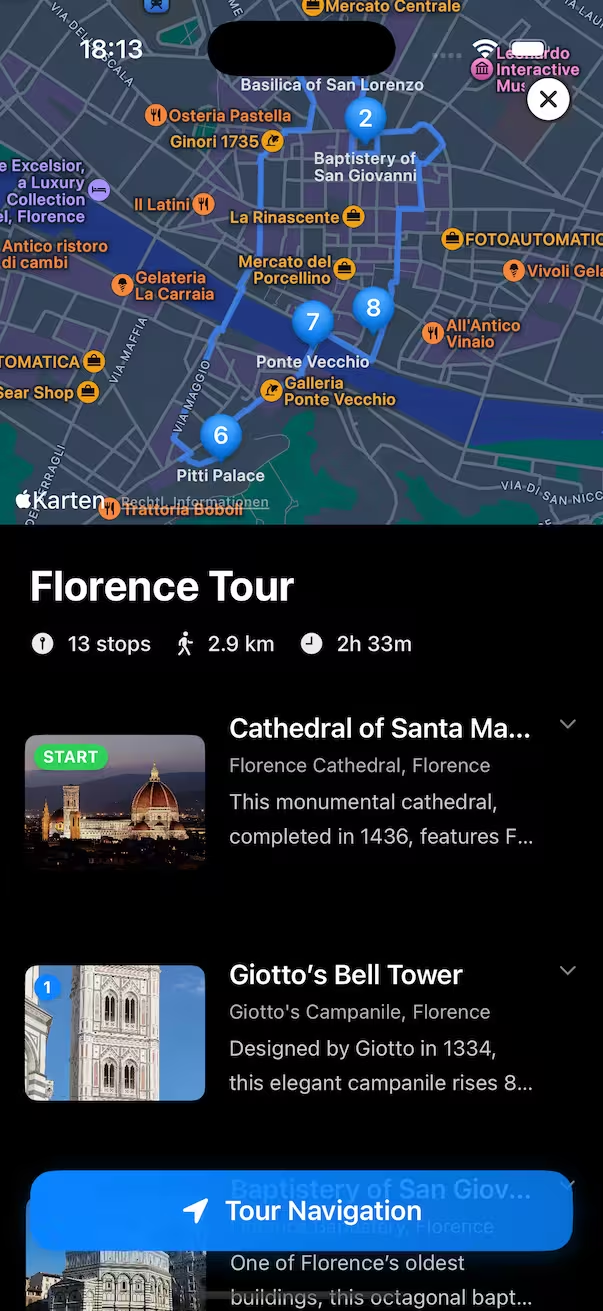
The classic Riga tour: 11 stops, 5.8 km, about 3 h on foot
Your live AI guide and the self-guided Riga route, together in your browser.