Best Time to Visit Sofia
Month-by-month weather, crowds and prices, plus a full calendar of festivals and events worth planning a trip around.
Best monthsApr, May, Sep
CheapestJan, Feb, Nov
AvoidAug
BusiestJul, Sep
When is the best time to visit Sofia?
Come in late April, early May or September: mild 18-24°C days, every museum open, Vitosha green or turning gold, and prices well below the July peak. Skip mid-July to mid-August, when the city bowl hits 33-35°C and many residential restaurants close while their owners take holidays. January and February are dead cheap (hotels from 35-45 €) and good for skiing Vitosha, the trade being short, cold, often snowy days.
Start our tool and find your best time to visit Sofia
Your perfect month
Free · ~30 seconds
or tap a month directly
What matters to you?
And this?
Best overall: Apr, Sep. Late April and September are the real sweet spots. Late April brings 18-23°C, spring blossom along Vitosha Boulevard and Borisova Gradina, the lowest prices after the Easter spike, and no trade-fair pressure. September has comfortable 18-24°C days, Vitosha foliage starting, the cultural season reopening after the summer break, and good flight connectivity from the conference traffic. Both let you do every museum without the July heat.
Best value: Jan, Feb, Apr. January, February and mid-April bring the lowest outlay of the year: hotels from 35-55 €, traditional meals (kavarma, shopska salata, banitsa) for 6-10 €, and the Vitosha day-trip for a 0.50 € bus each way. Winter adds skiing at Aleko; mid-April adds warm spring weather. Avoid the Easter weekend (10-13 April), when domestic demand spikes rates 30-40%.
Avoid: Aug. Mid-July to mid-August is the year's weakest stretch for comfort. The city bowl reaches 33-35°C with little street shade, park grass scorches, and many family-run restaurants in residential districts shut for the owners' August holidays (roughly 1-20 August). It is manageable with early mornings and Vitosha escapes, but comfort-seekers do far better in the shoulder seasons.
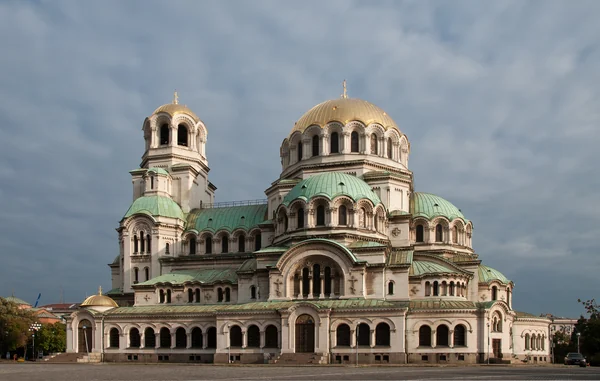
- January: Good time, 5°C. This is the month you have the National Gallery and the Alexander Nevsky square almost to yourself, snow on the gilded domes and a ski lift open behind the city. Cold, calm and unhurried, with the lowest prices of the year, the real Sofia winter.
- February: Good time, 9°C. February is honest, unperformed Sofia: no festival pull, no seasonal markup, just a cold, calm city you can have almost to yourself. If you want the museums and the cathedral without crowds or cost, and a ski day on Vitosha thrown in, this is your month.
- March: Good time, 11°C. March is the city stretching awake: blossom starting, the film festival filling the NDK and cinemas, and prices still well below the summer. The last genuinely affordable month before the spring run-up, with everything open and the crowds still moderate.
- April: Great time, 16°C. April is the value sweet spot: warm enough for long days out, the city in blossom, every museum open, and prices at their lowest for warm weather. Time it for mid-month outside the Easter spike and you get Sofia close to its spring best for spring-shoulder money.
- May: Good time, 20°C. May stacks more into a few weeks than any other month: a Grand Tour finish in the streets, a free night of every museum open, and lamb-on-the-spit feast days. Lively, green and warm, with the only catch being the afternoon storms and the busy Giro weekend.
- June: Good time, 24°C. June is the tipping point into full summer, and the long light evenings are the reward, with terrace dining running late. The hills open for hiking, the festivals start, and the heat has not yet turned punishing. A genuinely enjoyable month if you book around the concert weekends.
- July: Good time, 27°C. July is hot, busy and split between the shaded parks and the cool of Vitosha. The city centre is best in the early morning and the long evening; midday belongs to the treed South Park and Borisova Gradina (3-5°C cooler) or the mountain. Lively and festival-fed, but plan your hours around the heat.
- August: Good time, 28°C. August is full-on summer with a half-empty residential city behind the tourist centre. Stick to the centre for food, escape to Vitosha or Pancharevo Lake in the heat, and walk the cool early and late hours. Glorious if you handle heat well, draining if you do not, the comfort-seeker's month to avoid.
- September: Great time, 24°C. September feels like Sofia exhaling: warm but no longer scorching, every venue back open, and the first gold appearing on Vitosha. The catch is price, as conference season makes it the costliest month, but the weather and the reopened cultural life make it worth it.
- October: Great time, 18°C. October is the couples' and walkers' month: golden Vitosha foliage, crisp clear light, and warm restaurant evenings without summer heat or crowds. Cool, romantic and well suited to combining a city culture day with a mountain foliage trip.
- November: Good time, 12°C. November is Sofia at its most low-key: grey, cold and almost touristless, but cheap and calm. The reward comes at month-end, when the Christmas markets light up the City Garden and the NDK square and the festive season begins. Bring warm layers and you have the city nearly to yourself.
- December: Good time, 6°C. December trades November's quiet for full festive bustle: market lights, mulled wine, an ice rink and snow on the cathedral domes, with skiing reopening on Vitosha late in the month. Genuinely magical and still affordable by European standards, though the Christmas and New Year block lifts prices to their winter high.
Sofia weather by month
HighLowRainfall
Jan5°
Feb9°
Mar11°
Apr16°
May20°
Jun24°
Jul27°
Aug28°
Sep24°
Oct18°
Nov12°
Dec6°
| Month | Temp | Rain | Sun | Crowds | Prices | Highlight |
|---|---|---|---|---|---|---|
| Jan | 5° / -3° | 62mm · 9 rainy days | 6.5 h/day | ●○○○○ | ●●○○○ | |
| Feb | 9° / -1° | 37mm · 8 rainy days | 7.7 h/day | ●○○○○ | ●●○○○ | |
| Mar | 11° / 1° | 72mm · 12 rainy days | 8.1 h/day | ●●○○○ | ●●●○○ | Liberation Day |
| Apr | 16° / 5° | 67mm · 11 rainy days | 10.1 h/day | ●●○○○ | ●●○○○ | Orthodox Easter |
| May | 20° / 10° | 71mm · 14 rainy days | 11.3 h/day | ●●●○○ | ●●●○○ | St George's Day / Armed Forces Day |
| Jun | 24° / 14° | 79mm · 13 rainy days | 12.9 h/day | ●●●○○ | ●●●○○ | Sofia Pride |
| Jul | 27° / 17° | 52mm · 7 rainy days | 13.7 h/day | ●●●●○ | ●●●●○ | A to JazZ Festival |
| Aug | 28° / 17° | 36mm · 6 rainy days | 12.4 h/day | ●●●●○ | ●●●○○ | |
| Sep | 24° / 13° | 41mm · 6 rainy days | 10.4 h/day | ●●●○○ | ●●●●○ | Unification Day |
| Oct | 18° / 8° | 60mm · 7 rainy days | 8.5 h/day | ●●●○○ | ●●●●○ | MACHTECH & INNOTECH EXPO |
| Nov | 12° / 3° | 59mm · 9 rainy days | 6.6 h/day | ●●○○○ | ●●●○○ | INTERFOOD & DRINK food cluster |
| Dec | 6° / -1° | 54mm · 9 rainy days | 6.1 h/day | ●●○○○ | ●●●○○ | Sofia Christmas Markets |
How we score this: weather = long-run climate normals (Open-Meteo), crowds & prices = relative season read, events checked yearly against official dates.
Best time to visit Sofia: weather, prices & crowds
Best months for good weather
May, Jun, Sep
May, June and September give Sofia its most comfortable walking weather: 18-26°C, the worst summer heat avoided, and Vitosha hiking either opening up or holding its early-autumn light. May and June bring short sharp afternoon thunderstorms, September is drier and steadier.
Quietest months to avoid the crowds
Jan, Feb, Nov
From November through February the international visitors thin right out. You walk into the National Gallery off the street, have the Alexander Nevsky square almost to yourself at dusk, and ski Vitosha on weekdays with no chairlift queue.
Cheapest time to visit Sofia
Jan, Feb, Apr
January and February are Sofia's cheapest months: central 3-star hotels run 35-55 € a night, roughly half the September peak of 80-120 €. Mid-April, outside the Easter spike, is the best-value warm-weather window of the year.
Best time for festivals and events
Oct, Dec, Jan
Mid-October paints the beech and birch forests of Vitosha gold (peak around 10-25 October, best reached via the Dragalevtsi gondola), while late December and January put snow on the Alexander Nevsky domes, a Christmas market in the City Garden, and an open ski lift at Aleko, all in one city.
How many days do you need in Sofia?
Two days suit Sofia well. The compact, walkable centre means you can cover the headline sights in one full day, and a second gives you the breathing room for markets, museums, and a half-day escape up Vitosha that makes the Bulgarian capital genuinely memorable. Add a third day if you want the foliage gondola in autumn or a ski run at Aleko in winter.

One day
The historic core in a single sweep
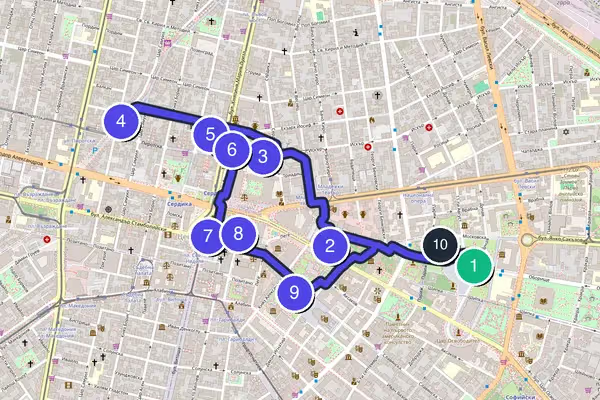
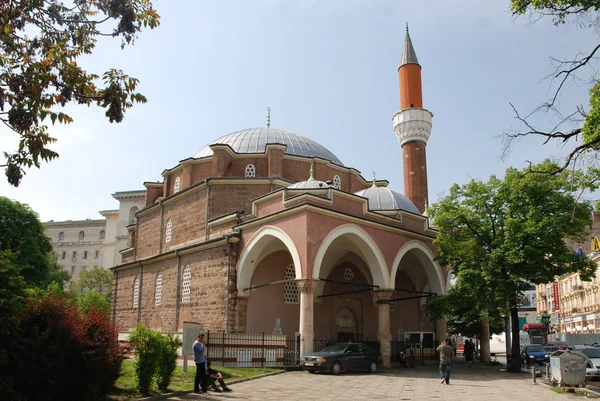
Start at Alexander Nevsky Cathedral for the gilded domes, then dip into the 4th-century St. George Rotunda hidden in the Sheraton courtyard off Banski Square before most visitors find it. Walk west past Sveta Nedelya Cathedral and Banya Bashi Mosque to the Zhenski Pazar market for lunch, and end the afternoon at the ancient Saint Sofia Church that gave the city its name. The self-guided Sofia walking tour links all 10 stops across 4 km in about 2.3 hours.
Two daysRecommended
Museums, markets, and Vitosha
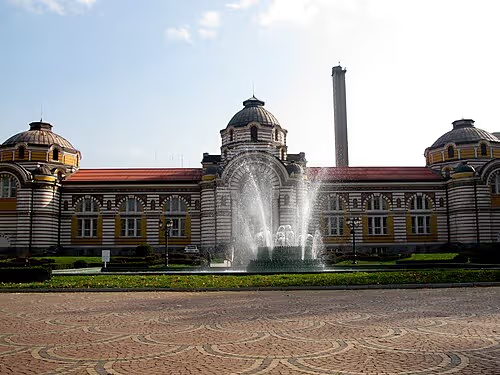
Spend the morning at the Sofia National Gallery in the Royal Palace and the Regional History Museum in the restored 1913 Central Mineral Baths, both near-empty on weekday mornings. After lunch at the Central Market Hall, take bus 93 from Hladilnika to Vitosha for the afternoon. The mountain sits just behind the city and the bus costs 0.50 €; return for terrace dining on Vitosha Boulevard in the long evening light.
Three days
Boyana, the Socialist Museum, and an unhurried day
Book Boyana Church well in advance: timed-entry tickets (max 8 people per 10-minute slot) sell out one to two weeks ahead in spring and summer. Combine it with the Museum of Socialist Art, a 20-minute taxi ride away, for a coherent morning on Sofia's communist layer. The afternoon is yours for the City Garden chess tables, a shop along Vitosha Boulevard, and whichever museum you missed on day two.
Four days or more
Day trips and deep dives
A fourth day opens up Rila Monastery, Bulgaria's most important Orthodox site, two hours south by bus or rental car, or Plovdiv, a 90-minute train ride away. Alternatively, spend the extra time eating your way through Hadjidraganov's Cellars, revisiting Alexander Nevsky in the early morning light (gilded domes at their best from 7:30 to 9 am), and exploring the Doctors Garden near the university without a schedule to keep.
Best time to visit Sofia by traveller type
Same city, different trip. Here's the month that fits how you're travelling.
🧭
Best time to visit Sofia for the first time
MaySep
May or September: comfortable 18-24°C, full museum access, and long light evenings for the terrace-dining culture. May stacks the once-only Giro d'Italia finish, the Night of Museums and St Cyril and Methodius Day; September brings lower crowds than peak summer and the first golden Vitosha light.
❤️
Best time to visit Sofia for couples
SepOct
Late September or early October for golden Vitosha foliage, warm evenings and an emptying tourist season. Alexander Nevsky square at 8 pm on a clear October evening, the gilded domes lit from below, is one of Southeastern Europe's most atmospheric urban moments.
💶
Best time to visit Sofia on a budget
JanFeb
January or February for absolute minimum outlay: hotels from 35-45 €, hearty Bulgarian food for 6-10 € a meal, and a 0.50 € bus each way to ski or hike Vitosha. The Museum of Socialist Art (about 3 €), National Gallery (about 3 €) and free Alexander Nevsky Cathedral give a full cultural day for under 10 €.
🍝
Best time to visit Sofia for food and wine
SepNov
September for the autumn produce, with peak paprika and pepper harvest at the Zhenski Pazar market and unrushed tables at Hadjidraganov's Cellars, or November for the INTERFOOD trade-fair cluster (11-14 November) when public-day tastings sometimes open. Sofia stays 40-50% cheaper than Prague or Budapest for equivalent restaurant quality.
Worst time to visit Sofia
Mid-July to mid-August is the year's weakest stretch for comfort. Sofia sits in a mountain basin at 550 m, and the city bowl regularly reaches 33-35°C with little street shade: stone paving along Vitosha Boulevard bakes, park grass scorches, and the best walking hours narrow to before 11 am and after 6:30 pm. On top of the heat, many family-run restaurants in residential districts close for the owners' August holidays from roughly 1 to 20 August, pushing you onto the tourist-centre options. Hotel prices ease slightly as residents leave town, but comfort and food choice both take a clear hit.
Still worth it for August works well for travellers who handle heat easily and plan their day around early mornings and evening Vitosha hikes, or for those who want the A to JazZ Festival in early July and can escape to Pancharevo Lake or the mountain in the afternoon heat.
Go instead in April, May, September, when Sofia is at its best.
Best time for a tour of Sofia
Sofia rewards walkers most in late spring and early autumn, when the temperature sits in that ideal 16 to 24 °C window and the city's compact centre feels genuinely pleasant underfoot. May and June bring lush green boulevards but also 13 to 14 rain days each, so pack a light jacket and plan morning starts if you want to reach Alexander Nevsky Cathedral dry. September is arguably the finest month: highs around 24 °C, only 6 rain days, and the summer rush has thinned to manageable levels. July and August push up to 28 °C and streets around Sveta Nedelya Cathedral and the City Garden fill with visitors, making the shaded squares feel shoulder-to-shoulder by midday. Winter is a different city entirely: January highs barely reach 5 °C and nights drop to -3 °C, with 9 rain days that often turn to sleet. You can still walk the 4 km route, but the cold and dark by late afternoon mean you will be racing rather than exploring.
What makes Sofia genuinely suited to a self-paced tour is that a voice-guided walk in September heat can start at 7 am, before the sun clears the Vitosha skyline, and in January it can wait until noon when the temperature peaks. AI Tourguide runs entirely in your browser with no download needed: a voice-first guide greets you at Saint Sofia Church, tells you the story behind its Ottoman-era history, asks you questions, and adapts the rest of the route to what you find interesting, all at whatever pace the weather demands. Start your Sofia tour at the hour that fits the season, not a departure schedule.
 +6
+6All 10 stops are already on the map.
You just press start.
You just press start.
 AI Tourguide
You just read the route.
Now walk it with a guide in your ear.
Press start wherever you are, even hundreds of kilometres from Sofia, and the guide begins telling its stories right away. In the city, pick any of the 10 stops to start from: it leads you there, then talks with you the whole route, asking, listening, remembering, and shaping the tour around your answers.
10stops4.0km2.3hours11languages
▶Start the tour freeFree to start · Runs in your browser · No app, no download
Sofia events and festivals calendar
Annual highlights worth timing a trip around, listed month by month.
March
🇮 HolidayLiberation Day Ден на освобождението
Mar 3
3 March
Bulgaria's national day marking liberation from Ottoman rule in 1878, with wreath-laying at the National Assembly and a military ceremony at Alexander Nevsky Cathedral.
🎬 FilmSofia International Film Festival София Филм Фест
Mar 12–31 ~
mid-to-late March
The 30th-anniversary edition: 167 films from 60 countries, opening at the National Palace of Culture (NDK) and spread across the cinema network, with an international jury and the FIPRESCI Platinum Award.
April
⛪ ReligiousOrthodox Easter Великден
Apr 10–13 ~
the four-day weekend in mid-April
A four-day national holiday on the Julian calendar, with the midnight resurrection liturgy at Alexander Nevsky and every Orthodox church, candle processions and family gatherings.
May
🇮 HolidaySt George's Day / Armed Forces Day Гергьовден
May 6
6 May
A public holiday honouring the army's patron saint, with military parades and traditional spit-roast lamb served across the city's restaurants.
🏃 SportGiro d'Italia Stage 3 Finish Джиро д'Италия - финиш в София
May 10 ~
a May date when the Grande Partenza was held; check the current Giro d'Italia calendar for any future Bulgarian editions
A professional cycling stage finish in central Sofia, part of a Grande Partenza that brought the Giro d'Italia to Bulgaria for the first time, with the peloton arriving from Plovdiv along a 175 km route.
🌙 Museum nightEuropean Night of Museums Европейска нощ на музеите
May 23 ~
the third Saturday of May
Seventy-six sites (26 museums, 36 galleries, 14 alternative spaces) open free from 6 pm, linked by special free bus lines.
🇮 HolidayDay of Bulgarian Education and Culture Ден на Кирил и Методий
May 24
24 May, with a bridge day to 25 May
A national holiday for the creators of the Cyrillic alphabet, with student marches, processions and cultural events citywide, and a bridge day making a three-day weekend (23-25 May).
June
🏳️🌈 PrideSofia Pride София Прайд
Jun 13 ~
a Saturday in mid-June, with the film fest 1-12 June
The 19th consecutive year and Bulgaria's largest human-rights march, parading through the city centre, preceded by the 15th Sofia Pride Film Fest (1-12 June).
🎵 MusicScorpions at Arena 8888 Скорпиънс - Арена 8888
Jun 27
27 June
A major international rock concert at Arena 8888, Bulgaria's largest indoor venue (12,000-plus capacity), in the Studentski Grad district about 8 km from the centre.
July
🎵 MusicA to JazZ Festival A to JazZ Фестивал
Jul 2 ~
early July, over several days
One of Sofia's most beloved open-air summer events, with jazz and world-music acts staged in a relaxed park setting.
September
🇮 HolidayUnification Day Ден на Съединението
Sep 6
6 September, with a bridge day to 7 September
A national holiday marking the 1885 unification of Bulgaria, with a bridge day on 7 September making a three-day weekend.
October
🌸 Seasonal natureMACHTECH & INNOTECH EXPO МАХТЕХ & ИНОТЕХ ЕКСПО
Oct 6–9
early October
An international machinery and metalworking trade exhibition at the Inter Expo Center, co-located with the Inter Drone Expo.
November
🍷 Food and wineINTERFOOD & DRINK food cluster ИНТЕРФУД & ДРИНК
Nov 11–14
mid-November
Bulgaria's biggest food trade event, four co-located shows (INTERFOOD, MEATMANIA, DAIRY EXPO, BULPEK) at the Inter Expo Center.
🎄 Christmas marketSofia Christmas Markets Коледен базар - НДК
Nov 20 – Dec 28 ~
late November to late December
Two linked markets, in the City Garden and in front of the National Palace of Culture (NDK), with crafts, mulled wine, traditional foods and a nearby ice rink, open evenings from about 6 to 10 pm.
Insider tips for visiting Sofia
The rules buried in forums, in one place.
- Boyana Church is book-online-or-go-home. Timed-entry tickets (groups of max 8 for a 10-minute slot) sell out one to two weeks ahead on spring and summer weekends, and the walk-in queue is turned away daily. Book at boyanachurch.info as soon as you arrive in the city, ideally a week before. Entry is about 5 €.
- Monday is the wrong day for museums. Almost every major one is closed: the National Gallery, Museum of Socialist Art, Sofia History Museum and National Archaeological Museum. Use Monday for a Vitosha hike, Vitosha Boulevard shopping, or the free outdoor sights, the Alexander Nevsky exterior, Sveta Nedelya and the Rotunda of St George.
- The Rotunda of St George, Sofia's oldest building (4th century), is free and hidden inside the Sheraton and Presidency courtyard off Banski Square. Go before 10 am for the frescoes with no crowd; most visitors never find it because it sits behind the hotel.
- For the National Gallery's free first Sunday of the month, arrive before 10 am. Locals know the trick and queues form from 9:30 to fill the first-floor salons. On any weekday the ticket is only about 3 € and you get the rooms almost to yourself.
- Bus 93 to Vitosha is the local secret. From the Hladilnika terminal (Metro Line 2, Vitosha or James Bourchier) it runs direct to the Aleko mountain station for 0.50 €, where a taxi quotes 20-25 €. Contactless and Suica-style cards work on Sofia buses and trams. The last summer bus down is around 6:30 pm, so confirm the timetable at sofiatraffic.bg.
- Ski Aleko on weekdays, or arrive by 9 am on winter weekends. The single chairlift up to Aleko (lifts reach 2,290 m) has limited capacity and 45-60 minute queues build by 10:30 on Saturdays and Sundays. Snow on Vitosha is unpredictable, so check the lifts are running that day at skivitosha.com before you set out.
- For the Zhenski Pazar (Women's Market), Sofia's main open-air food market at Stefan Stambolov and Maria Luiza Blvd, go before 9 am when stallholders sell off overnight stock cheapest and freshest. May to October is the season: summer tomatoes, peppers, white sirene cheese and herb bundles, ideal for self-catering.
- Time your photos of Alexander Nevsky to the light. The cathedral faces east, so the gilded domes glow best in morning light from 7:30 to 9 am; the western evening glow comes around 7 to 8 pm in summer. The midnight Easter liturgy (11 April into 12 April) and the Christmas Eve service draw thousands, so come early for a spot.
Public holidays in Sofia
On these dates many shops and offices close, transport thins out, and sights can be mobbed or shut. Plan around them.
| Date | Holiday | What closes |
|---|---|---|
| Jan 1 | New Year's Day | All shops and most restaurants closed; Alexander Nevsky stays open and transport runs a skeleton timetable. A bridge holiday on 2 January (tied to the euro transition) makes an effective four-day break, with central tourist sites open but local shops shut. |
| Mar 3 | Liberation Day | National holiday marking liberation from Ottoman rule in 1878. Wreath-laying and a military ceremony at Alexander Nevsky, the city decorated, and some museums either free or closed for the ceremony. Government buildings shut. |
| Apr 10 | Orthodox Good Friday | Half-day closures and a sombre mood; churches fill for the evening liturgy. The start of a four-day Orthodox Easter weekend that spikes domestic travel and pushes hotel rates up 30-40%. |
| Apr 12 | Orthodox Easter Sunday | National holiday: nearly everything closed for family gatherings. The midnight resurrection service (from 11:30 pm the night before) brings a huge candle procession around Alexander Nevsky; Easter Sunday restaurant tables are booked days ahead. |
| Apr 13 | Easter Monday | National holiday closing the four-day Easter weekend. Transport resumes but some attractions stay shut, and the city slowly refills as Bulgarians return from monastery retreats and family villages. |
| May 1 | Labour Day | Public holiday and the first big Vitosha hiking surge of the year, with a three-day weekend filling the parks. Shops largely closed, restaurants open. |
| May 6 | St George's Day / Armed Forces Day | Public holiday with military parades. Traditional restaurants across the city serve spit-roast lamb, and the Bulgarian barbecue culture peaks for the day. |
| May 24 | Day of Bulgarian Education and Culture | National holiday for the creators of the Cyrillic alphabet, with student processions and cultural events across the centre. A bridge day on 25 May makes a three-day weekend, immediately following the Night of Museums on 23 May. |
| Sep 6 | Unification Day | National holiday with a bridge day on 7 September, making a three-day weekend that triggers a domestic travel surge and packs the city parks. |
| Dec 24 | Christmas Eve | Early closures from 2 pm; the Alexander Nevsky midnight service draws large crowds. The start of a five-day festive block (24-28 December) when locals travel but the tourist-centre restaurants and Christmas markets mostly stay open. |
| Dec 25 | Christmas Day | Shops closed; the cathedral is open for liturgy and the Christmas markets keep running. A quiet, festive day in the centre, with hotel rates near their winter high. |
Sofia month by month
January in Sofia
High5°C / 41°F
Low-3°C
Rain62mm / 9 rainy days
Sun6.5 h/day
Daylight10 h/day
Humidity76%
Crowds●○○○○Prices●●○○○
January is Sofia at its quietest and cheapest, with daytime highs near 4°C and lows around -3°C, snow on Alexander Nevsky square some days and a genuinely Central-European winter feel. International tourists are scarce, but Vitosha's Aleko ski resort is open (lifts to 2,290 m), reachable by the 0.50 € bus 93 from Hladilnika. A modest euro-transition curiosity bump and the Wine & Spirits Show at the IEC barely move the city centre.
The vibe This is the month you have the National Gallery and the Alexander Nevsky square almost to yourself, snow on the gilded domes and a ski lift open behind the city. Cold, calm and unhurried, with the lowest prices of the year, the real Sofia winter.
Don't miss Ski or sledge at Aleko on Vitosha (bus 93 from Hladilnika, 0.50 € each way; go weekdays for no chairlift queue), then warm up over kavarma in an Old Town cellar. The National Gallery and Museum of Socialist Art are near-empty, and Alexander Nevsky in the snow is the winter photo of the trip.
Crowd drivers Off-season with few international tourists; a small euro-transition curiosity bump and weekend ski traffic to Vitosha fill mountain hotels, not the centre. The lowest visitor pressure of the year.
In season Deep-winter comfort food season: hearty kavarma stews, banitsa pastry and bean soup at traditional taverns, with no booking trouble and meals at 6-10 €.
Heads up New Year's Day (1 January) closes shops and most restaurants, with a bridge holiday on 2 January making an effective four-day break; Alexander Nevsky and the central tourist sites stay open.
The cheapest month of the year: central 3-star hotels run 35-55 € a night, roughly half the September peak.
February in Sofia
High9°C / 47°F
Low-1°C
Rain37mm / 8 rainy days
Sun7.7 h/day
Daylight11 h/day
Humidity72%
Crowds●○○○○Prices●●○○○
February is Sofia's other dead-quiet month, with highs creeping toward 6-7°C and occasional city snow. International traffic stays low while domestic ski weekenders from Serbia and Romania fill the Vitosha hotels rather than the centre. The Holiday & Spa Expo at the IEC adds a minor corporate uplift, but for the visitor it is a calm, cheap, snow-tinged month.
The vibe February is honest, unperformed Sofia: no festival pull, no seasonal markup, just a cold, calm city you can have almost to yourself. If you want the museums and the cathedral without crowds or cost, and a ski day on Vitosha thrown in, this is your month.
Don't miss A perfect month for the indoor heavyweights: the National Gallery in the Royal Palace, the Museum of Socialist Art and the Sofia History Museum in the old central baths, all uncrowded. On a clear day, ski Aleko midweek with no queue, then return for a candlelit dinner in the centre.
Crowd drivers Low international traffic in the depth of the Balkan winter; the domestic ski season peaks but fills Vitosha lodging, not city hotels. Tourism is at its annual floor.
In season Still winter-stew season: shopska salata, sirene cheese and slow-cooked guvech, with traditional taverns warm, quiet and cheap at 6-10 € a meal.
Prices at their annual floor alongside January: 38-58 € a night for a central 3-star, the best hotel value of the year.
March in Sofia
High11°C / 52°F
Low1°C
Rain72mm / 12 rainy days
Sun8.1 h/day
Daylight12 h/day
Humidity69%
Crowds●●○○○Prices●●●○○
March wakes Sofia up. Highs climb toward 10-12°C, magnolias and cherry begin to blossom in Borisova Gradina and the Doctors Garden near the university, and the Sofia International Film Festival (12-31 March), in its 30th edition, becomes the single biggest cultural draw of the shoulder season. Liberation Day on 3 March brings ceremony and crowds to Alexander Nevsky. It is still cool and changeable, but the worst of winter is behind.
The vibe March is the city stretching awake: blossom starting, the film festival filling the NDK and cinemas, and prices still well below the summer. The last genuinely affordable month before the spring run-up, with everything open and the crowds still moderate.
Don't miss Catch a Sofia Film Festival screening at the NDK (about 5-10 €) and walk the first blossom in Borisova Gradina. Liberation Day on 3 March puts a military ceremony at the cathedral; on a clear day, Vitosha still has snow up high for a last ski.
Crowd drivers The Sofia Film Festival (12-31 March) is the main draw, bringing an international film crowd, while a construction trade fair at the IEC adds midweek corporate demand. Liberation Day on 3 March packs Alexander Nevsky for a day.
In season The transitional season: hearty winter cooking still on the menu, with the first spring greens appearing at the Zhenski Pazar market toward month-end.
Heads up Liberation Day (3 March) closes government buildings, and some museums shut for the ceremony or open free, so confirm hours before planning that Tuesday around indoor sights.
Prices recover gently to 50-80 € as the city-break and festival season starts; the Film Festival lifts weekend demand.
Events this month
🇮 HolidayLiberation Day Ден на освобождението
Mar 3
3 March
Bulgaria's national day marking liberation from Ottoman rule in 1878, with wreath-laying at the National Assembly and a military ceremony at Alexander Nevsky Cathedral.
A strongly patriotic day with the city decorated and flags out. Many museums close for the ceremony or open free, so check before you plan a Tuesday around indoor sights.
🎬 FilmSofia International Film Festival София Филм Фест
Mar 12–31 ~
mid-to-late March
The 30th-anniversary edition: 167 films from 60 countries, opening at the National Palace of Culture (NDK) and spread across the cinema network, with an international jury and the FIPRESCI Platinum Award.
The biggest cultural event of the spring and the single largest shoulder-season traffic driver. Screenings run roughly 5-10 €, an easy way to feel the city's film scene without booking far ahead.
April in Sofia
High16°C / 61°F
Low5°C
Rain67mm / 11 rainy days
Sun10.1 h/day
Daylight13 h/day
Humidity66%
Crowds●●○○○Prices●●○○○
April is Sofia coming fully alive, with highs near 15-18°C, magnolias and cherry peaking along Vitosha Boulevard and Borisova Gradina, and crocus blooming on the Vitosha meadows. The Orthodox Easter weekend (10-13 April) spikes domestic travel and brings the candle-lit midnight liturgy at Alexander Nevsky, but outside that window mid-April is the cheapest warm-weather stretch of the year. Showers come and go, so pack a light layer.
The vibe April is the value sweet spot: warm enough for long days out, the city in blossom, every museum open, and prices at their lowest for warm weather. Time it for mid-month outside the Easter spike and you get Sofia close to its spring best for spring-shoulder money.
Don't miss Walk the blossom on Vitosha Boulevard and through Borisova Gradina, then, if you are here for Easter, witness the midnight resurrection service and candle procession around Alexander Nevsky (from 11:30 pm on 11 April). Every museum is open and uncrowded outside the holiday weekend.
Crowd drivers Orthodox Easter (10-13 April) is the one spike, sending Bulgarians to monastery retreats and family villages and lifting rates 30-40%. The rest of the month is quiet, best-value shoulder season.
In season Easter brings traditional kozunak sweet bread and dyed eggs; restaurant tables on Easter Sunday book days ahead, so reserve early if you are visiting over the holiday.
Heads up The four-day Easter weekend (10-13 April) closes nearly everything on Easter Sunday, with some attractions shut on Good Friday and Easter Monday too.
A genuine value window at 45-70 €, except the Easter weekend (10-13 April), when rates spike 30-40%.
Events this month
⛪ ReligiousOrthodox Easter Великден
Apr 10–13 ~
the four-day weekend in mid-April
A four-day national holiday on the Julian calendar, with the midnight resurrection liturgy at Alexander Nevsky and every Orthodox church, candle processions and family gatherings.
The midnight service into Easter Sunday draws thousands to Alexander Nevsky, an unforgettable sight. The trade-off is spiked domestic demand, hotel rates up 30-40% and restaurants packed days ahead.

May in Sofia
High20°C / 69°F
Low10°C
Rain71mm / 14 rainy days
Sun11.3 h/day
Daylight15 h/day
Humidity68%
Crowds●●●○○Prices●●●○○
May is one of Sofia's best months, with highs near 18-23°C, the city in full leaf, and a packed cultural calendar. It is one of the two wettest months (convective afternoon thunderstorms, usually short and sharp rather than all-day), but the events make up for it: the once-only Giro d'Italia finish (10 May), the European Night of Museums (23 May), St George's Day (6 May) and the St Cyril and Methodius long weekend (23-25 May). Book the Giro window eight-plus weeks ahead.
The vibe May stacks more into a few weeks than any other month: a Grand Tour finish in the streets, a free night of every museum open, and lamb-on-the-spit feast days. Lively, green and warm, with the only catch being the afternoon storms and the busy Giro weekend.
Don't miss Watch the Giro d'Italia peloton finish in the city centre on 10 May (free, roads close from noon), then do the Night of Museums on 23 May, when 76 sites open free until late with shuttle buses. St George's Day on 6 May is the day for spit-roast lamb across the city.
Crowd drivers Multiple overlapping drivers: the Giro d'Italia finish (10 May), the BULMEDICA trade fair (13-15 May), the Night of Museums (23 May) and back-to-back long weekends. Central hotels fill fast for the 8-12 May window.
In season Spit-roast lamb dominates St George's Day, and the Zhenski Pazar market hits its spring stride with fresh greens, radishes and the first local strawberries.
Heads up St George's Day (6 May) and the Education and Culture Day long weekend (24-25 May) close government offices and many shops, though restaurants and central sights stay open.
Prices rise to 55-85 €, and the Giro weekend (8-10 May) pushes central hotels to 80-110 €.
Events this month
🇮 HolidaySt George's Day / Armed Forces Day Гергьовден
May 6
6 May
A public holiday honouring the army's patron saint, with military parades and traditional spit-roast lamb served across the city's restaurants.
The best day of the year to eat traditional roast lamb in Sofia, as the Bulgarian barbecue culture peaks. Expect government buildings closed and a festive, food-focused mood.
🏃 SportGiro d'Italia Stage 3 Finish Джиро д'Италия - финиш в София
May 10 ~
a May date when the Grande Partenza was held; check the current Giro d'Italia calendar for any future Bulgarian editions
A professional cycling stage finish in central Sofia, part of a Grande Partenza that brought the Giro d'Italia to Bulgaria for the first time, with the peloton arriving from Plovdiv along a 175 km route.
A once-in-a-generation, free roadside spectacle. Roads close from around noon and crowds pack the finish near the Eagles Bridge and Alexander Nevsky area, so arrive about 90 minutes early; book central hotels eight-plus weeks ahead for the 8-12 May window.
🌙 Museum nightEuropean Night of Museums Европейска нощ на музеите
May 23 ~
the third Saturday of May
Seventy-six sites (26 museums, 36 galleries, 14 alternative spaces) open free from 6 pm, linked by special free bus lines.
The single best evening of the year for culture in Sofia, all of it free, and it lands right before the St Cyril and Methodius long weekend. Queues build at Alexander Nevsky from 7 pm, so start elsewhere and finish there.
🇮 HolidayDay of Bulgarian Education and Culture Ден на Кирил и Методий
May 24
24 May, with a bridge day to 25 May
A national holiday for the creators of the Cyrillic alphabet, with student marches, processions and cultural events citywide, and a bridge day making a three-day weekend (23-25 May).
Paired with the Night of Museums on 23 May, it gives two major free cultural events back to back. A lively, proudly Bulgarian weekend to be in the city centre.
June in Sofia
High24°C / 75°F
Low14°C
Rain79mm / 13 rainy days
Sun12.9 h/day
Daylight15 h/day
Humidity69%
Crowds●●●○○Prices●●●○○
June opens the Sofia summer, with highs near 26°C, the longest days of the year (sunrise around 5:30, sunset around 9:10) and the official start of the Vitosha hiking season on 6 June. European visitor numbers rise, Sofia Pride (13 June) brings the city's largest human-rights march downtown, and a late-June concert cluster peaks on 27 June with Scorpions at Arena 8888 and Sofia Live Festival the same night. Afternoon thunderstorms still roll through, but the long light evenings are the payoff.
The vibe June is the tipping point into full summer, and the long light evenings are the reward, with terrace dining running late. The hills open for hiking, the festivals start, and the heat has not yet turned punishing. A genuinely enjoyable month if you book around the concert weekends.
Don't miss Hike Vitosha now that the summer season is open, with trails to Cherni Vrah (2,290 m, the highest point) viable from the Zlatni Mostove trailhead, a 5-6 hour round trip. Join or watch Sofia Pride on 13 June, and catch a major concert at Arena 8888 in the late-June cluster.
Crowd drivers Sofia Pride (13 June) fills LGBTQ+-friendly central hotels for its weekend, and the 27 June double concert (Scorpions plus Sofia Live Festival) is the most acute hotel-pressure night of summer. European city-break demand builds steadily.
In season Terrace and grill season opens in earnest; the Zhenski Pazar market overflows with early summer tomatoes, peppers and herb bundles, ideal for a self-catering picnic before a Vitosha hike.
Prices hold at 55-85 €, with Arena 8888 concert weekends adding 15-25%; 27 June is the most acute night.
Events this month
🏳️🌈 PrideSofia Pride София Прайд
Jun 13 ~
a Saturday in mid-June, with the film fest 1-12 June
The 19th consecutive year and Bulgaria's largest human-rights march, parading through the city centre, preceded by the 15th Sofia Pride Film Fest (1-12 June).
A lively, activist atmosphere with central streets closed on parade day. LGBTQ+-friendly central hotels fill for that weekend, so book early and expect headline film-fest screenings to sell fast.
🎵 MusicScorpions at Arena 8888 Скорпиънс - Арена 8888
Jun 27
27 June
A major international rock concert at Arena 8888, Bulgaria's largest indoor venue (12,000-plus capacity), in the Studentski Grad district about 8 km from the centre.
The single most acute hotel-pressure night of summer, with Sofia Live Festival running the same evening. Book central rooms six to eight weeks ahead, as city-centre hotels fill before the venue district does.

July in Sofia
High27°C / 81°F
Low17°C
Rain52mm / 7 rainy days
Sun13.7 h/day
Daylight15 h/day
Humidity63%
Crowds●●●●○Prices●●●●○
July is high summer and Sofia's busiest month for foreign tourists, with highs near 30°C and peaks of 32-34°C in the city bowl. The A to JazZ Festival (from early July) turns a city park into the best outdoor music of the year, and the Vitosha hiking season is in full swing. Stone paving and no shade make Vitosha Boulevard punishing at midday, so the best walking hours are 7 to 11 am and after 6:30 pm.
The vibe July is hot, busy and split between the shaded parks and the cool of Vitosha. The city centre is best in the early morning and the long evening; midday belongs to the treed South Park and Borisova Gradina (3-5°C cooler) or the mountain. Lively and festival-fed, but plan your hours around the heat.
Don't miss Hit the A to JazZ Festival's open-air park stages (tickets about 15-30 €), hike or take the gondola up Vitosha for the afternoon breeze, and walk the centre early or late to dodge the heat. When the city bowl bakes and a pre-booked human guide costs more than the day, our live in-browser AI guide is the flat-priced, always-available alternative: it walks you through the Old Town in the cool early hours, telling the story of each stop and answering your questions as you go, at 5 € an hour or 20 € all-in with 100 free credits.
Crowd drivers Peak foreign arrivals plus Western European summer holidays make this the busiest month, with the A to JazZ Festival and full-swing Vitosha hiking adding to the draw. Budget options stay far cheaper than Western capitals.
In season Peak terrace and grill season, with the Zhenski Pazar market at its summer best for tomatoes, peppers and white sirene cheese; go before 9 am for the freshest, cheapest produce.
Busy summer pricing at 75-115 €, the busiest month for foreign arrivals, though still far cheaper than Western European capitals.
Events this month
🎵 MusicA to JazZ Festival A to JazZ Фестивал
Jul 2 ~
early July, over several days
One of Sofia's most beloved open-air summer events, with jazz and world-music acts staged in a relaxed park setting.
The best outdoor music event of the summer and an easy, relaxed park atmosphere. Tickets run roughly 15-30 €, and it is a strong reason to time an early-July visit despite the heat.

August in Sofia
High28°C / 82°F
Low17°C
Rain36mm / 6 rainy days
Sun12.4 h/day
Daylight14 h/day
Humidity60%
Crowds●●●●○Prices●●●○○
August continues the peak summer heat, with highs near 30°C and city-bowl peaks of 33-35°C, but the texture changes: many Sofia residents leave on holiday and a swathe of family-run restaurants in residential districts close (roughly 1-20 August) while owners take their break. The tourist centre stays open and busy, and evening Vitosha hikes are popular for the cooler air. Judas Priest plays Arena 8888 on 29 August.
The vibe August is full-on summer with a half-empty residential city behind the tourist centre. Stick to the centre for food, escape to Vitosha or Pancharevo Lake in the heat, and walk the cool early and late hours. Glorious if you handle heat well, draining if you do not, the comfort-seeker's month to avoid.
Don't miss Take evening Vitosha hikes for the breeze, swim at Pancharevo Lake 15 minutes from the centre, and keep your sightseeing to the early morning and late evening. The treed South Park and Borisova Gradina run 3-5°C cooler than the streets when the bowl is at its hottest.
Crowd drivers Peak summer continues with strong foreign arrivals, but the domestic holiday exodus thins the residential city. The Judas Priest concert at Arena 8888 (29 August) is the month's one acute hotel-pressure night.
In season A handful of residential family restaurants close for the owners' holidays (about 1-20 August), so stick to the tourist centre or call ahead for a specific place. Market produce is at its summer peak.
Prices ease slightly to 70-105 € as some residents leave, with the Judas Priest concert (29 August) a one-night spike.

September in Sofia
High24°C / 74°F
Low13°C
Rain41mm / 6 rainy days
Sun10.4 h/day
Daylight12 h/day
Humidity63%
Crowds●●●○○Prices●●●●○
September is the other sweet spot, often the best month of all. Highs settle to a comfortable 18-24°C, the heat breaks, and the cultural venues reopen after the summer break. Vitosha foliage starts turning from mid-month, the conference and trade-fair season returns (lifting hotel rates to their annual peak), and the Unification Day long weekend (6-7 September) brings a domestic surge. Drier and steadier than the spring, with full museum access and pleasant walking.
The vibe September feels like Sofia exhaling: warm but no longer scorching, every venue back open, and the first gold appearing on Vitosha. The catch is price, as conference season makes it the costliest month, but the weather and the reopened cultural life make it worth it.
Don't miss Start the Vitosha foliage early via the Dragalevtsi gondola, walk the centre in comfortable temperatures, and catch the reopened cultural season. Alexander Nevsky at dusk on a clear evening, domes lit from below, is at its atmospheric best now the summer haze has cleared.
Crowd drivers The conference and congress season reopens and the looming MACHTECH fair (early October) firms up demand, making September the priciest month by booking data. The Unification Day long weekend (6-7 September) adds a domestic surge.
In season Autumn produce arrives, with peak paprika and pepper harvest at the Zhenski Pazar market and traditional restaurants like Hadjidraganov's Cellars fully open and unrushed after the summer.
Heads up Unification Day (6 September) and its bridge day (7 September) close government offices for a long weekend; central sights and restaurants stay open.
The most expensive month by booking data, averaging around 80-120 €, as conference season reopens and the MACHTECH fair looms.
Events this month
🇮 HolidayUnification Day Ден на Съединението
Sep 6
6 September, with a bridge day to 7 September
A national holiday marking the 1885 unification of Bulgaria, with a bridge day on 7 September making a three-day weekend.
A domestic travel surge fills the city parks and lifts early-September demand. Plan around the long weekend if you want a quieter, cheaper September visit.
🌸 Seasonal natureMACHTECH & INNOTECH EXPO МАХТЕХ & ИНОТЕХ ЕКСПО
Oct 6–9
early October
An international machinery and metalworking trade exhibition at the Inter Expo Center, co-located with the Inter Drone Expo.
A primary driver of the September-October hotel-price peak. It is business-only, so leisure visitors are not affected inside, but book central rooms early for the 5-10 October window.

October in Sofia
High18°C / 64°F
Low8°C
Rain60mm / 7 rainy days
Sun8.5 h/day
Daylight11 h/day
Humidity71%
Crowds●●●○○Prices●●●●○
October is golden-autumn Sofia. Highs near 16-18°C, drier than spring, and the beech and birch forests of Vitosha peaking gold around 10-25 October, best reached via the Dragalevtsi gondola. The cultural season is in full swing and the MACHTECH trade fair (6-9 October) keeps business hotels and rates high early in the month. It pairs culture and nature better than any other month, with comfortable walking weather throughout.
The vibe October is the couples' and walkers' month: golden Vitosha foliage, crisp clear light, and warm restaurant evenings without summer heat or crowds. Cool, romantic and well suited to combining a city culture day with a mountain foliage trip.
Don't miss Ride the Dragalevtsi gondola for peak Vitosha foliage (10-25 October), pair it with a museum day in the centre, and catch the gilded domes of Alexander Nevsky at 8 pm under clear October skies, one of Southeastern Europe's most atmospheric urban moments.
Crowd drivers The MACHTECH & INNOTECH EXPO (6-9 October) and the congress season keep hotel rates near their annual peak early in the month, then demand eases as autumn settles in.
In season Autumn harvest cooking: pumpkin, peppers and mushrooms on traditional menus, with the Zhenski Pazar market still strong for late-season produce before the cold sets in.
Hotel rates stay near their peak at 80-120 €, driven by the MACHTECH fair (6-9 October) and congress season.

November in Sofia
High12°C / 53°F
Low3°C
Rain59mm / 9 rainy days
Sun6.6 h/day
Daylight10 h/day
Humidity79%
Crowds●●○○○Prices●●●○○
November is the quiet, cold-dry turn of the year, with highs near 9°C, the hiking season ending and few international visitors. The INTERFOOD trade cluster (11-14 November), Bulgaria's biggest food fair, brings trade visitors and occasional public-day tastings, and from about 20 November the Christmas markets open in the City Garden and at the NDK, drawing the first domestic weekend crowds and bringing light back to the centre as the month ends.
The vibe November is Sofia at its most low-key: grey, cold and almost touristless, but cheap and calm. The reward comes at month-end, when the Christmas markets light up the City Garden and the NDK square and the festive season begins. Bring warm layers and you have the city nearly to yourself.
Don't miss Catch the INTERFOOD cluster's public-day tastings if you are a foodie (11-14 November), then, from about 20 November, walk the new Christmas markets in the City Garden and at the NDK, with festive lighting strung toward Alexander Nevsky.
Crowd drivers Low international traffic for most of the month; the INTERFOOD food fair (11-14 November) brings trade visitors near the IEC, and the Christmas markets opening late November draw domestic weekend crowds to the centre.
In season The INTERFOOD fair is the food event of the year, and as the markets open, mulled wine and roasted chestnuts appear on the City Garden corners; hearty winter cooking returns to the taverns.
Prices fall back to 55-80 €, with the INTERFOOD fair week (11-14 November) adding a 10-20% bump near the IEC.
Events this month
🍷 Food and wineINTERFOOD & DRINK food cluster ИНТЕРФУД & ДРИНК
Nov 11–14
mid-November
Bulgaria's biggest food trade event, four co-located shows (INTERFOOD, MEATMANIA, DAIRY EXPO, BULPEK) at the Inter Expo Center.
Public-day tastings are sometimes offered, a foodie draw in an otherwise quiet month. Note the four-day cluster spikes hotel rates 10-20% around the IEC in the southern district.
🎄 Christmas marketSofia Christmas Markets Коледен базар - НДК
Nov 20 – Dec 28 ~
late November to late December
Two linked markets, in the City Garden and in front of the National Palace of Culture (NDK), with crafts, mulled wine, traditional foods and a nearby ice rink, open evenings from about 6 to 10 pm.
One of Eastern Europe's more affordable Christmas circuits, with festive lighting strung from the NDK to Alexander Nevsky. The two markets make a full circuit in about 90 minutes; confirm the exact opening date before booking.

December in Sofia
High6°C / 44°F
Low-1°C
Rain54mm / 9 rainy days
Sun6.1 h/day
Daylight9 h/day
Humidity79%
Crowds●●○○○Prices●●●○○
December is festive Sofia, with highs near 5°C, the shortest days of the year (about 8.5 hours of light), and the Christmas markets in full swing in the City Garden and at the NDK through 28 December, plus an outdoor ice rink near the NDK. The Alexander Nevsky Christmas Eve midnight service draws large crowds, the Vitosha ski season typically opens around 27 December, and a five-day festive block (24-28 December) sees locals travel while the tourist centre stays lively. New Year's Eve rates spike.
The vibe December trades November's quiet for full festive bustle: market lights, mulled wine, an ice rink and snow on the cathedral domes, with skiing reopening on Vitosha late in the month. Genuinely magical and still affordable by European standards, though the Christmas and New Year block lifts prices to their winter high.
Don't miss Walk the City Garden and NDK Christmas markets in a 90-minute festive circuit, skate at the outdoor rink near the NDK, and, if the snow has come, ski Aleko on Vitosha from around 27 December. The Alexander Nevsky midnight service on Christmas Eve is the season's most moving moment.
Crowd drivers The Christmas markets and festive travel are the main draw, with the five-day block (24-28 December) and New Year's Eve spiking rates. Domestic visitors fill the late-December weekends; international numbers stay modest.
In season Mulled wine, roasted chestnuts and traditional festive baking fill the markets; restaurants serve Christmas and New Year set menus, with the tourist-centre places staying open through the holiday block.
Heads up Christmas Eve (24 December) brings early closures from 2 pm, and Christmas Day (25 December) closes shops, though the cathedral, the markets and the tourist-centre restaurants stay open across the 24-28 December block.
Festive pricing at 55-85 €, with the Christmas block (24-28 December) and New Year's Eve spiking to 90-120 €.
Events this month
🎄 Christmas marketSofia Christmas Markets Коледен базар - НДК
Nov 20 – Dec 28 ~
late November to late December
Two linked markets, in the City Garden and in front of the National Palace of Culture (NDK), with crafts, mulled wine, traditional foods and a nearby ice rink, open evenings from about 6 to 10 pm.
One of Eastern Europe's more affordable Christmas circuits, with festive lighting strung from the NDK to Alexander Nevsky. The two markets make a full circuit in about 90 minutes; confirm the exact opening date before booking.
Frequently asked questions
What is the best time to visit Sofia?
Late April, early May and September are the best overall. You get mild 18-24°C days, every museum open, Vitosha either in blossom or turning gold, and prices below the July arrival peak. Late April brings spring blossom and the year's best warm-weather value (outside the Easter weekend), while September has comfortable weather, the cultural season reopening, and the first golden Vitosha light, at the cost of being the priciest month for hotels.
What is the cheapest time to visit Sofia?
January and February are the cheapest, with central 3-star hotels from 35-55 € a night, roughly half the September peak of 80-120 €, plus Vitosha skiing for a 0.50 € bus each way. Mid-April, outside the Easter weekend (10-13 April), is the best-value warm-weather window. Avoid the September-October stretch and the Christmas-New Year block if budget is the priority, as those carry the year's highest rates.
What is the worst time to visit Sofia?
Mid-July to mid-August for heat-sensitive visitors. The city bowl, at 550 m in a mountain basin, reaches 33-35°C with little street shade, the park grass scorches, and many family-run restaurants in residential districts close for the owners' August holidays (roughly 1-20 August). It is manageable with early mornings and Vitosha escapes, but comfort-seekers do far better in spring or autumn.
What is the weather like in Sofia in winter?
Cold and snowy but not bitter, with a genuine Central-European feel. January and February highs sit near 4-7°C with lows around -3°C, and snow falls in the city 10-15 days a year, heavier on Vitosha above 1,200 m. Sofia's basin makes its winters colder than coastal Bulgaria. The upside is an open ski resort at Aleko (typically from 27 December to mid-March) just a 0.50 € bus ride behind the city.
When can you go skiing and hiking on Vitosha from Sofia?
The Aleko ski resort (1,800 m, lifts to 2,290 m) typically opens around 27 December and runs to mid-March, snow depending; check skivitosha.com before you go and ski weekdays to skip the 45-60 minute weekend chairlift queues. The summer hiking season opens officially on 6 June, with trails to Cherni Vrah (2,290 m) viable June to October, a 5-6 hour round trip. Reach the mountain on bus 93 from Hladilnika for 0.50 €.
Is Sofia worth visiting in December?
Yes, if you come for the festive season. From about 20 November to 28 December the City Garden and NDK Christmas markets run with crafts, mulled wine and an outdoor ice rink, festive lighting strung toward Alexander Nevsky, and the moving Christmas Eve midnight service at the cathedral. Expect short 8.5-hour days, hotel rates up to 90-120 € over the holiday block, and snow on the domes, plus skiing reopening on Vitosha around 27 December. It is one of Eastern Europe's more affordable Christmas cities.
Which day should you avoid for museums in Sofia?
Monday. Almost every major museum is closed: the National Gallery, Museum of Socialist Art, Sofia History Museum and National Archaeological Museum. Use Monday for a Vitosha hike or the free outdoor sights, the Alexander Nevsky exterior, Sveta Nedelya and the hidden 4th-century Rotunda of St George behind the Sheraton. Also note Boyana Church needs an advance timed-entry booking (max 8 people per 10-minute slot) and turns away walk-ins on busy weekends.
How many days do you need in Sofia?
Two to three days cover the essentials: Alexander Nevsky and the Rotunda of St George, the National Gallery and Museum of Socialist Art, the Sofia History Museum in the old central baths, the Zhenski Pazar market, and a half-day up Vitosha by bus 93 or the Dragalevtsi gondola. Add a day in winter to ski Aleko, or in autumn for the foliage. The compact, walkable centre means you see a lot on foot in a short stay.

Any month, any day: your guide is already there
Whatever date you pick, a private human guide gets pricier and harder to book on weekends, holidays and in peak season. Our live AI guide, the one that walks with you and answers anything you ask out loud, works the opposite way.
One flat price, every day
No holiday, weekend, night or peak-season surcharge. A private guide in Sofia runs well over 100 euro for a half day, and more on holidays. Ours stays the same.
Available the moment you want it
Start at midnight or at dawn, on Christmas, in the snow, in the August heat. No sold-out high season, no booking weeks ahead.
Your pace, no meter running
Pause for a long lunch, restart after dark, repeat a stop. The tour simply waits for you.
Free to try, a fraction of the cost
Test it for free, then a transparent flat price that undercuts any private guide, in every season.
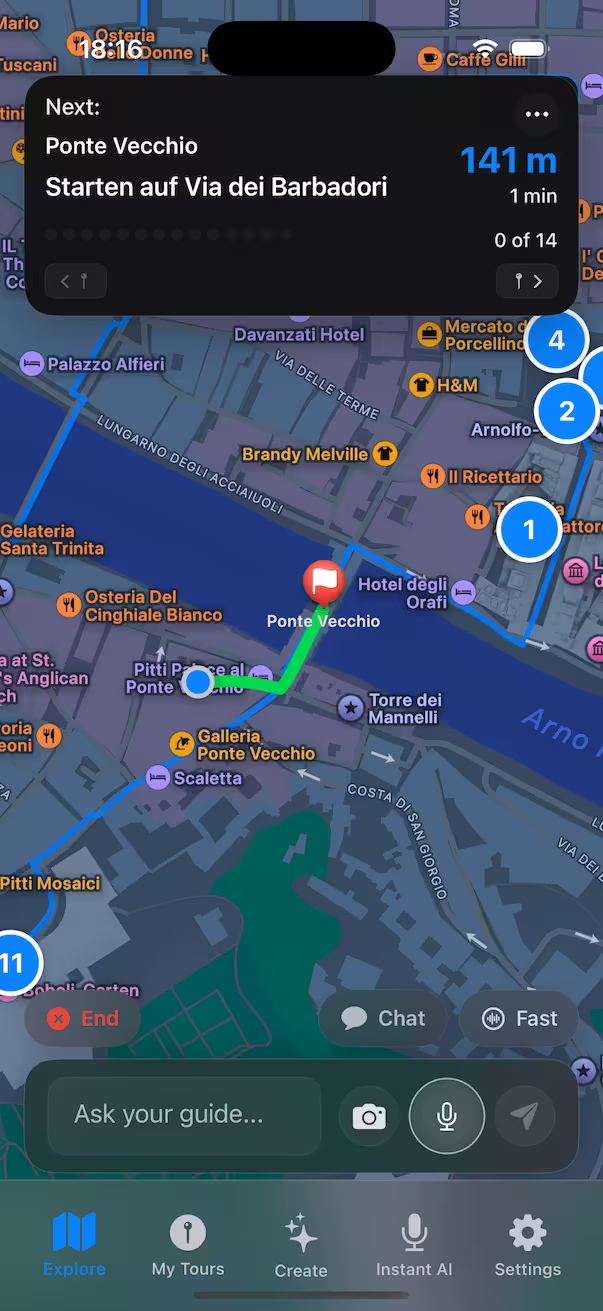
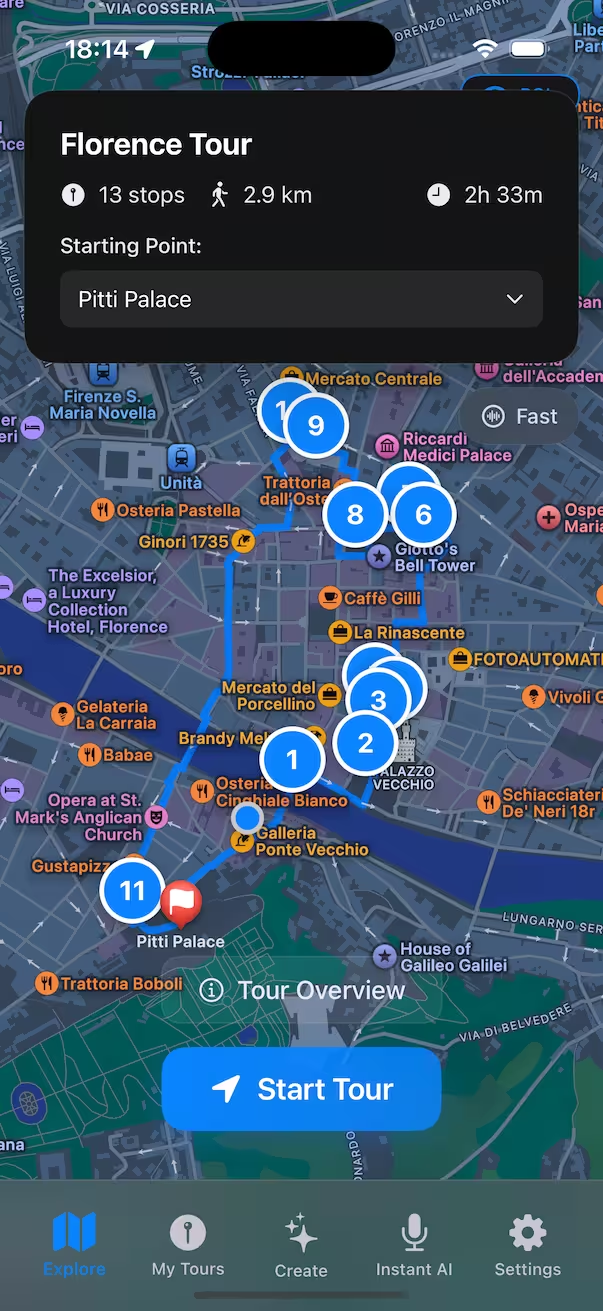
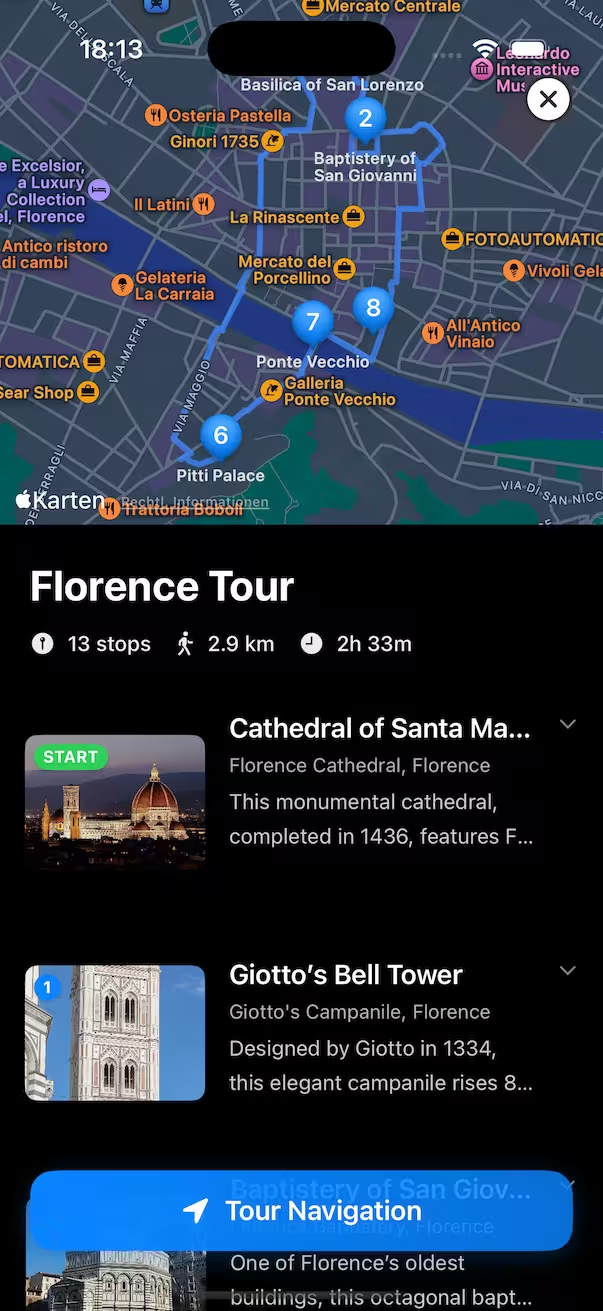
The classic Sofia tour: 10 stops, 4.0 km, about 2 h on foot
Your live AI guide and the self-guided Sofia route, together in your browser.