Things to Do in New York City - Top Attractions, Hidden Gems & Must-See Sights

Discover the best things to do in New York City. Complete guide to must-see sights, popular attractions, hidden gems, museums, food markets and parks.

67 Attractions 6 Categories Travel Guide

Table of Contents

New York City Overview

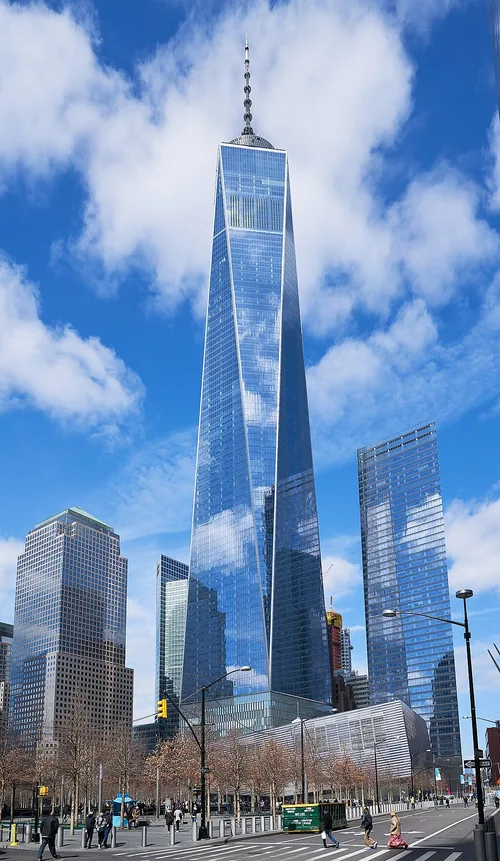
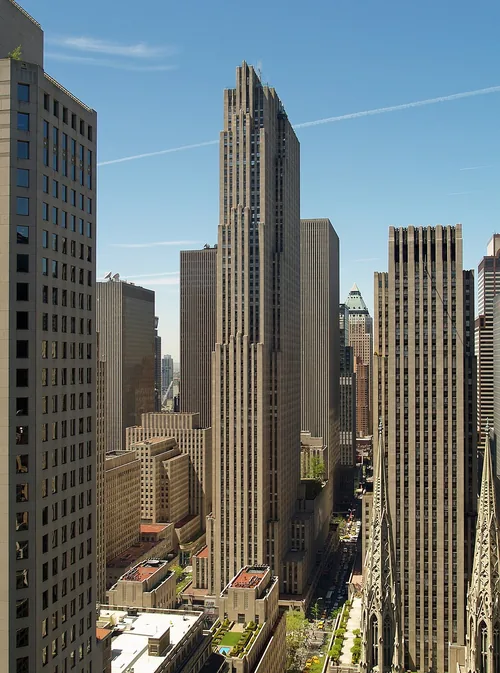
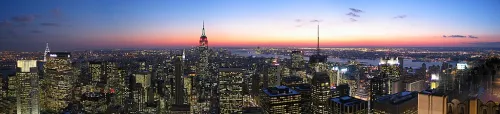
New York City doesn't do subtle. The skyline alone - Empire State Building, One World Trade Center, the Chrysler Building's Art Deco spire - is more recognizable than most countries' flags. This is a city where 843 acres of green space sits in the middle of Manhattan, where a 1.45-mile elevated park runs above the streets of Chelsea, and where the subway can get you from a Chinatown dumpling shop to a world-class museum in fifteen minutes. If you're wondering what to do in New York City, the real problem is fitting it all in.

This page covers 67 places across six categories: the big five must-sees everyone recognizes, 21 popular sights worth your time, 9 hidden gems most tourists miss, 15 museums and galleries (including three of the biggest art museums in the country), 4 food markets, and 13 parks with views that remind you why this city works. You'll find 102-story observation decks and neighborhood speakeasies, the 1883 Brooklyn Bridge and parks that opened in 2019.

Most of the major attractions are in Manhattan, clustered enough that you can walk between them. The outer boroughs - especially Brooklyn - have their own draws, from Prospect Park's 526 acres to the waterfront promenade in Brooklyn Heights. Expect crowds at the famous spots. Expect to walk a lot. Expect to understand why eight million people choose to live here.

Must-See Attractions in New York City

  • Brooklyn Bridge: - Walk across the 1883 span at sunset and you'll see why it's been photographed more than any other bridge in America
  • Central Park: - 843 acres where you can lose the city completely, designed by the same architects who later built Prospect Park
  • The Metropolitan Museum of Art: - The largest art museum in the Americas, with a collection so big you could visit weekly for a year and still find new rooms
  • The High Line: - A former elevated railroad turned linear park that changed how cities think about adaptive reuse
  • Top of the Rock: - The observation deck at 30 Rockefeller Plaza gives you the Empire State Building in your skyline photo, which the Empire State Building obviously cannot do
  • Grand Central Terminal: - The 1913 Beaux-Arts rail hub is worth visiting even if you're not catching a train, with 44 platforms and a ceiling that gets the constellations backwards
  • Brooklyn Bridge Park: - 85 acres of waterfront with the Manhattan skyline dead ahead, best at twilight when the buildings light up
🏛️ Must-See ⭐ Sights 💎 Hidden Gems 🎨 Museums 🍕 Food & Markets 🌳 Parks & Views

🏛️ Must-See Attractions in New York City

These iconic landmarks and must-see sights are essential stops for any visitor to New York City.

Brooklyn Bridge

1. Brooklyn Bridge

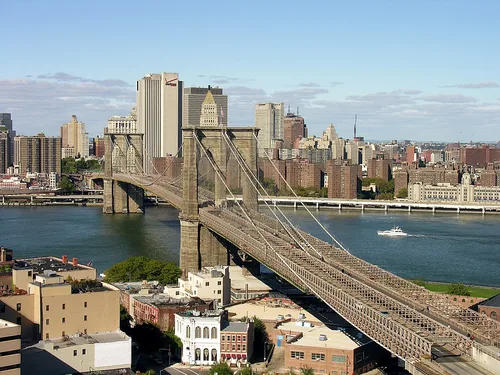
When it opened in 1883, this was the longest suspension bridge in the world - 1,595 feet spanning the East River between Manhattan and Brooklyn. That's what to do in New York City if you want to understand the scale of 19th-century ambition. John A. Roebling designed it, but he died before construction even started. His son Washington took over, then got debilitating decompression sickness from working in the underwater caissons. His wife Emily Warren Roebling stepped in, learning engineering on the fly and supervising the project for over a decade. The whole thing took thirteen years. Walking across puts you 127 feet above the water, with the wooden pedestrian walkway running down the center, elevated above the car traffic. The Gothic arches of the towers are more dramatic up close than in photos. You see the whole sweep of lower Manhattan on one side, Brooklyn's waterfront on the other. It's one of those top sights in New York City that actually lives up to expectations - partly because you're moving through it, not just looking at it. The bridge is a National Historic Landmark now, but it's still just a working piece of infrastructure that happens to be beautiful.

Hours Open 24/7
Price Free
Insider TipWalk from Brooklyn to Manhattan in the morning - you get the sun behind you for better photos, and you're walking downhill. Start at the High Street station entrance around 8 AM before the crowds show up.
Central Park

2. Central Park

America's first landscaped park sits in the middle of Manhattan, all 843 acres of it. Frederick Law Olmsted and Calvert Vaux won the design competition in 1858 with their Greensward Plan, then spent nearly 20 years turning rocky swampland into meadows, lakes, and wooded paths. The scale is absurd - you can walk for an hour and still be inside the park. Forty-two million people visit every year, which sounds overwhelming until you realize how much space there is to disappear into. The Ramble's winding trails feel nothing like the grid streets outside. Sheep Meadow fills with people on summer weekends, but the northern woods above 96th Street stay quiet even in peak season. Bethesda Terrace is grand in that 19th-century way, all carved stone and lake views. This is one of the best things to see in New York City because it shows you what the city decided to protect when real estate was already expensive. They chose trees and grass over buildings. The Jacqueline Kennedy Onassis Reservoir loop is still where New Yorkers run. The Delacorte Theater still does free Shakespeare every summer. It works exactly as designed.

Hours Daily: 6:00 AM – 1:00 AM
Price Free
Insider TipEnter at 72nd Street and Central Park West early on a weekday morning - you'll have Bethesda Terrace almost to yourself before 8 AM, and the light on the lake is better then anyway.
Empire State Building

3. Empire State Building

Built in just 410 days during the Great Depression, this 102-story Art Deco skyscraper still defines the New York City skyline nearly a century later. Shreve, Lamb & Harmon designed it to reach 1,454 feet with its antenna, and it held the title of world's tallest building for 40 years until 1970. Around four million people visit annually, most heading to the open-air observatory on the 86th floor. The view is exactly what you expect from every movie you've ever seen set in New York—the grid of Manhattan stretching north, the Hudson and East Rivers framing the island, Central Park a green rectangle in the distance. The 102nd floor gets you higher, but the 86th floor lets you step outside. Worth knowing: they added an 80th-floor indoor observatory in 2019, which means you now get context and exhibits before the main event. The building lights up in different colors most nights—sometimes for holidays, sometimes for causes, sometimes just because. It's one of those attractions in New York City that somehow lives up to the hype.

Hours Daily: 8 AM - 2 AM
Price $44-$46
Website www.esbnyc.com/
Insider TipBuy tickets online for a specific time slot and you'll skip the longest ticket line. Go at sunset if you want the best of both worlds—daylight views transitioning to the city lights coming on—but expect crowds. Early morning on weekdays is nearly empty.
Statue of Liberty

4. Statue of Liberty

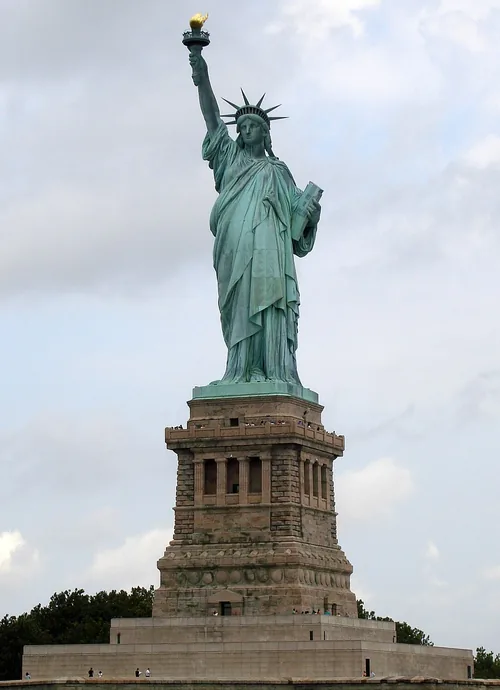
Standing 305 feet from ground to torch, the Statue of Liberty is what most people picture when they think of New York City. France gave it to the United States in 1886, designed by sculptor Frédéric Auguste Bartholdi with Gustave Eiffel handling the metal framework - yes, the same Eiffel who built the tower. The copper has oxidized to that signature green over the decades. Liberty Island sits in the harbor, so getting there means a ferry ride. Once you're there, the scale hits you - photos don't quite capture how massive she actually is. The statue depicts Libertas, the Roman goddess of freedom, with seven rays on her crown representing the seven continents and seas. There are 25 windows in the crown if you make the climb, though pedestal access alone gives you solid views of the skyline and harbor. Over 4 million people visit annually, so it's crowded but worth it. The symbolism is obvious, sure, but standing at the base looking up, you get why immigrants sailing into the harbor in the early 1900s felt something seeing it for the first time.

Hours Daily: 9:00 AM – 4:30 PM
Price $25.50 (ferry + pedestal access)
Insider TipBook crown tickets months in advance - they sell out fast and only a limited number go up each day. If you miss out, pedestal access gives you 90% of the experience with a fraction of the hassle.
Times Square

5. Times Square

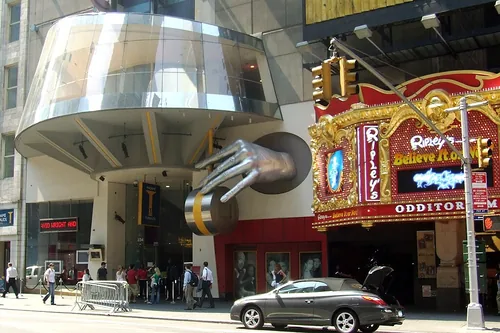
Times Square sits at the junction of Broadway and Seventh Avenue, where about 50 million people show up every year to stand under billboards the size of buildings. The New York Times moved its headquarters here in 1904, giving the intersection its name. Since 1907, the New Year's Eve ball drop has turned this corner of Manhattan into the center of the world for exactly one night a year. The nickname "Crossroads of the World" isn't wrong - it's where tourists collide with street performers, Broadway theater-goers, and New Yorkers trying to get somewhere else. The 41 professional theaters that make up the Broadway Theater District are here, most within walking distance. The lights never really go off. Screens cycle through ads 24 hours a day, bright enough that midnight can feel like noon. Crowded, loud, and impossible to photograph without strangers in the frame - but walking through it once is part of seeing New York City. The chaos is the point. If you're looking for the best sights in New York City, this is the one that never sleeps.

Hours Open 24/7
Price Free
Insider TipVisit after midnight on a weeknight - you'll still see the lights and energy, but with a fraction of the daytime crowds. Early morning between 5-7 AM is even emptier if you want photos without tour groups in them.
Get Your Own Private Tour with AI Guide
AI Guide
  • Personalized tour tailored to your interests
  • Your AI guide tells stories, shares facts, and cracks jokes
  • Turn-by-turn GPS navigation
  • Available in your language — no download needed
Try for Free

💎 Hidden Gems in New York City - Off the Beaten Path

Beyond the tourist crowds, New York City hides remarkable treasures waiting to be discovered.

City Island

1. City Island

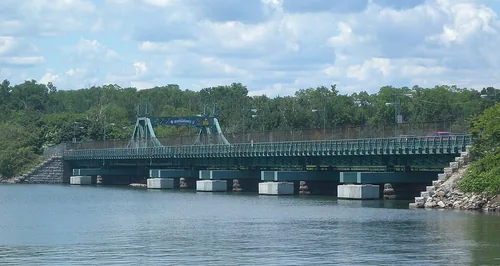
This 1.5-mile sliver of land in the northeast Bronx feels like you've taken a wrong turn out of New York City entirely. White clapboard houses with front porches. Sailboats bobbing in marinas. Seafood shacks where locals argue about the best lobster roll. It's closer to a New England fishing village than anything you'd expect to find 30 minutes from Times Square. The maritime history runs deep here. Several America's Cup defenders were built on City Island, back when the boatbuilding yards lined the waterfront. About 4,500 people live on the island year-round, connected to the Bronx mainland by a single bridge. Most visitors never make it this far off the beaten path in New York City, which is exactly why it works. Walk down City Island Avenue, the main strip, and you'll pass Victorian-era houses, sailing clubs that have been around since the 1800s, and restaurants where the waitstaff remembers your order. The whole place operates on a different clock. People actually stop to chat. You can see the water from almost everywhere. It's one of those hidden gems in New York City that feels like a secret—except the locals have known about it all along.

Hours Open 24/7
Price Free
Website Wikipedia
Insider TipSkip the crowded restaurants on City Island Avenue and head to the west side of the island at sunset—the view of the Manhattan skyline across the water is better than anything you'll pay for downtown, and there's never a line.
Governors Island

2. Governors Island

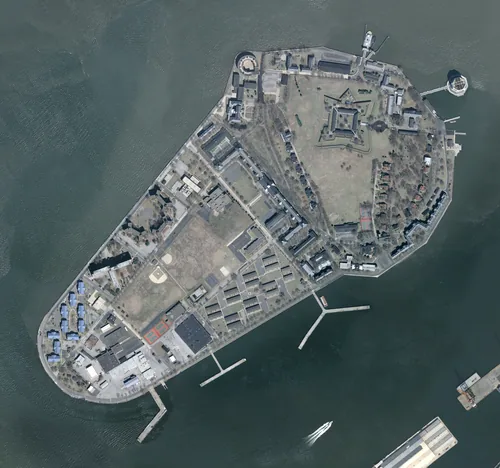
Just 800 yards from Manhattan's southern tip, Governors Island is one of those attractions in New York City that most tourists miss entirely. The 7-minute ferry ride lands you on a 172-acre car-free island that spent two centuries as a military post before opening to the public. Now it's a summer escape that draws over a million visitors between May and October, though it never feels packed. The Hills, a cluster of four man-made peaks built from construction debris, are the main draw. Climb to the top and you get 360-degree views of the harbor, the Statue of Liberty, and lower Manhattan - some of the best vantage points in the city. Fort Jay, dating to 1794, sits at the island's center, a star-shaped fortress that's free to explore. Between the fort and the waterfront, you'll find Hammock Grove (exactly what it sounds like), miles of bike paths, rotating art installations, and food vendors. It's popular with New Yorkers looking to get off the beaten path in New York City without actually leaving the city. Weekdays in early summer are quiet. Late July weekends get busy, but there's enough space that it doesn't matter much.

Hours May-Oct: Daily 10 AM - 6 PM | Nov-Apr: Closed
Price Free (ferry $4 roundtrip)
Website Wikipedia
Insider TipThe ferry from the Battery Maritime Building is free, but it only runs May through October. Go on a weekday morning in June - you'll have The Hills almost to yourself, and the light for photos is better before noon.
Greenacre Park

3. Greenacre Park

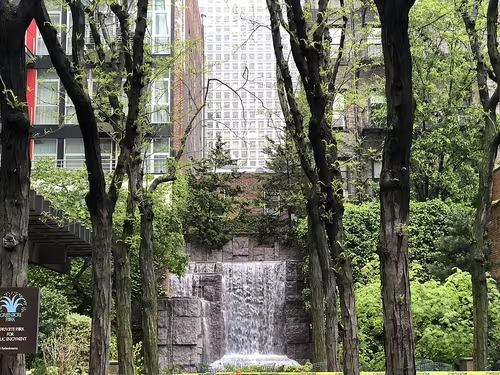
Tucked between office towers on East 51st Street, this pocket park is one of the best hidden gems in New York City—a 60-by-120-foot oasis that feels impossibly far from Midtown. The centerpiece is a 25-foot waterfall that cascades down a granite wall, loud enough to completely drown out traffic and construction noise. It's disorienting in the best way: you walk in from the street and suddenly the city disappears. The Greenacre Foundation opened it in 1971, and the design holds up. Honey locust trees shade granite terraces arranged around the waterfall. Moveable chairs let you position yourself wherever the sound feels right—closer if you want full immersion, farther back if you want to read or think. At lunchtime, it fills with office workers who know the secret. Early mornings are quieter, almost meditative. It's small, so it doesn't take long to see. But places to visit in New York City aren't always about what you see—sometimes they're about what you stop hearing. This is one of those.

Hours Daily: 8 AM - 8 PM
Price Free
Insider TipGo in winter when most people forget about it. The waterfall stays on year-round, and the heated stone benches near the back left corner make it surprisingly comfortable even in January.
Long Island City

4. Long Island City

One subway stop from Midtown Manhattan, Long Island City sits on the Queens waterfront like New York City's best-kept secret. What used to be warehouses and factories is now a neighborhood where contemporary art galleries share blocks with converted loft buildings and new high-rises. The transformation happened fast, but enough industrial grit remains to keep it interesting. MoMA PS1 anchors the art scene in a former public school building, while the Noguchi Museum shows off sculptor Isamu Noguchi's work in a space he designed himself. The real draw, though, is Gantry Plaza State Park. The old loading gantries from the area's shipping days still stand along the water, and the Manhattan skyline view from here beats anything you'll get from Manhattan itself. The vintage Pepsi-Cola sign, a landmark since 1936, lights up at night. This is one of the better spots in New York City for sightseeing without the Midtown crowds. It's close enough to be convenient but far enough that most tourists skip it entirely. Walk along the waterfront promenade at sunset when the light hits the Empire State Building just right, and you'll understand why locals guard this place.

Hours Open 24/7
Price Free
Website www.nyc.gov/
Insider TipThe 7 train's Vernon Boulevard-Jackson Avenue stop puts you closest to the museums and waterfront. Go on a Sunday afternoon when MoMA PS1's Warm Up summer music series isn't happening - the neighborhood stays quiet and you can actually enjoy the galleries without the bridge-and-tunnel crowd.
Patent Pending

5. Patent Pending

Finding Patent Pending is half the fun. There's no sign on West 27th Street, just an unmarked door inside the Radio Wave Building that leads to one of the city's best-kept secrets. This speakeasy-style bar opened in 2017 with a Nikola Tesla laboratory theme, and they committed to the bit. Cocktails arrive in beakers and test tubes. Edison bulbs flicker overhead. The whole place feels like you've stumbled into a mad scientist's after-hours hideout, which is exactly the vibe they're going for. The drinks are where Patent Pending earns its reputation among what to do in New York City for cocktail lovers. These aren't gimmicks in glassware—they're legitimately inventive, with bartenders who know their way around obscure spirits and house-made infusions. The Tesla theme works because it doesn't overshadow the actual craft. You need a reservation code to get in, which adds to the exclusivity without being obnoxious about it. It's tucked in NoMad, a neighborhood that's packed with good bars, so the fact that Patent Pending stays this under-the-radar says something about how well they've protected their hidden gem status.

Hours Mon-Wed: 5:00 PM – 12:00 AM | Thu-Sat: 5:00 PM – 2:00 AM | Sun: 5:00 PM – 12:00 AM
Price $$$
Location Maps
Insider TipBook your reservation for a weeknight around 7 PM—you'll actually be able to hear your conversation, and the bartenders have more time to talk you through the menu. Weekend slots fill up fast and get loud.
Pier 57

6. Pier 57

Most people walk right past Pier 57 on their way to the High Line, which is exactly why it's worth stopping. This 1952 marine terminal sat empty for decades before Google and Jamestown converted it into a food hall and public space that opened in 2022. The building juts into the Hudson at 15th Street, and the rooftop park delivers the same river views you get from the elevated park next door, except you'll actually have room to sit down. Inside, the vendors rotate but City Winery holds down one corner with tastings and small plates. The art installations change every few months, so it never feels like the same place twice. It's one of those things to see in New York City that locals haven't fully discovered yet. The layout is straightforward - food stalls around the perimeter, tables in the middle, stairs up to the roof. On weekday afternoons, it's quiet enough that you can hear conversations instead of just noise. The connection to the High Line means you can duck off the crowded walkway, grab something to eat, and rejoin the flow without backtracking.

Hours Daily: 6:00 AM – 1:00 AM
Price Free
Insider TipThe rooftop park opens at 8 AM, an hour before most of the food vendors. Bring coffee from somewhere else and you'll have the sunrise view over the Hudson almost entirely to yourself.
Red Hook

7. Red Hook

Red Hook feels like Brooklyn before Brooklyn became a brand. Cut off from the rest of the borough by the Gowanus Expressway since 1954, this waterfront neighborhood kept its rough edges while everywhere else got polished. Old shipping warehouses now house artists' studios and small makers. IKEA squats on the waterfront, oddly fitting among the maritime relics. The real draw is the food. Weekends from April through October, the Red Hook Ball Fields turn into one of the best Central American food markets in New York City. Vendors from across Latin America set up around the soccer fields - pupusas, huaraches, ceviche, all made by hand. Steve's Authentic Key Lime Pies operates out of a former warehouse nearby, slinging frozen key lime pie on a stick that's become weirdly iconic. Valentino Pier gives you a straight shot view of the Statue of Liberty without the crowds. The neighborhood floods when it storms - Hurricane Sandy hit hard here - but that isolation is exactly what makes it worth the trek. This is one of the few places left in New York that still feels a little untamed.

Hours Open 24/7
Price Free
Website Wikipedia
Insider TipThe Ball Fields vendors only run weekends May to October, and they pack up by early evening. Get there by 2 PM for the full spread. Skip the subway transfer chaos and take the B61 bus from downtown Brooklyn - it drops you right there.
Stone Street

8. Stone Street

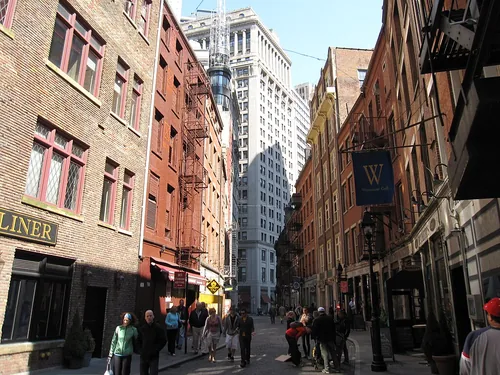
Tucked behind the glass towers of the Financial District, Stone Street is the kind of place you stumble onto and immediately wonder why no one told you about it sooner. This narrow cobblestone lane was the first paved street in New Amsterdam back in 1658, though the buildings you see now—brick townhouses with cast-iron details—went up in the 1830s and 1840s after a fire wiped out the originals. What makes it one of the better places to visit in New York City is what happened more recently. The city closed it to cars in the 1990s, and the restaurants moved their tables outside. Now the whole street turns into an open-air dining corridor, especially packed on warm evenings when Wall Street types spill out with after-work drinks. It's cobblestones, string lights, and the odd feeling that you've left Manhattan for a side street in Brussels. The street sits in the Stone Street Historic District, which sounds formal but really just means the block kept its 19th-century proportions. It's one of the few spots in the Financial District where you can eat outside without staring at traffic.

Hours Open 24/7
Price Free
Website Wikipedia
Insider TipGo on a weekday afternoon between 2 and 5 PM—the lunch rush is over, the happy hour crowd hasn't arrived, and you can actually get a table without waiting.
The Cloisters

9. The Cloisters

Way uptown in Fort Tryon Park, The Cloisters feels like it was airlifted from medieval France and dropped on a bluff overlooking the Hudson River. Which, in a way, it was. The museum opened in 1938 using actual architectural elements from five French cloisters and monasteries, reassembled stone by stone. John D. Rockefeller Jr. funded most of it and even bought up land across the river in New Jersey to preserve the view. The collection is small but specific. The Unicorn Tapestries from around 1500 are the main draw - seven massive hangings that still have their colors. Walking through the Romanesque and Gothic rooms, you're surrounded by carved capitals, stained glass, and metalwork that's 700 to 900 years old. The gardens are planted with species mentioned in medieval texts. It's one of the best sights in New York City if you want a complete break from Manhattan's usual pace. The building sits high enough that you get river views from the arcades. Quiet, strange, and about as far from Times Square as you can get without leaving the island.

Hours Mon-Tue: 10:00 AM – 4:30 PM | Wed: Closed | Thu-Sun: 10:00 AM – 4:30 PM
Price $30
Insider TipYour Met admission includes same-day entry to The Cloisters, so hit the main museum in the morning and take the M4 bus straight up Madison Avenue in the afternoon - it drops you at the entrance.
Get Your Own Private Tour with AI Guide
AI Guide
  • Personalized tour tailored to your interests
  • Your AI guide tells stories, shares facts, and cracks jokes
  • Turn-by-turn GPS navigation
  • Available in your language — no download needed
Try for Free

🎨 Best Museums & Galleries in New York City

World-class museums and galleries that make New York City a cultural treasure.

9/11 Memorial & Museum

1. 9/11 Memorial & Museum

Standing where the Twin Towers once stood, the 9/11 Memorial & Museum occupies the actual footprints of the buildings destroyed on September 11, 2001. Two massive reflecting pools, each nearly an acre in size, mark the exact locations. Water cascades down their sides and disappears into a center void—the largest manmade waterfalls in North America. Bronze panels around the edges bear the names of all 2,977 people killed in the 2001 attacks, plus the six victims from the 1993 bombing. The underground museum is harder to visit than you expect. It's not about facts and timelines—though those are here. It's about standing in front of a crushed fire truck, reading final voicemails, seeing the slurry wall that held back the Hudson River when everything else collapsed. The last column removed from Ground Zero is covered in tributes and photographs. Personal items recovered from the wreckage fill cases throughout the space. This is one of the most significant museums in New York City, but it demands something from you emotionally. Most people need more than two hours inside.

Hours Mon: 9:00 AM – 7:00 PM | Tue: Closed | Wed-Sun: 9:00 AM – 7:00 PM
Price $36
Insider TipReserve tickets online days ahead—walk-up entry often sells out by noon. The memorial plaza outside is free and open until 8 PM most nights, which is when the reflecting pools are quietest and the names are illuminated.
American Museum of Natural History

2. American Museum of Natural History

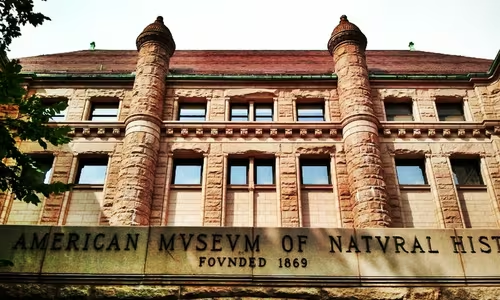
Standing across from Central Park on the Upper West Side since 1869, this is one of the largest natural history museums anywhere. The scale is absurd - 34 million specimens spread across 45 permanent halls. You could spend a week here and still miss entire floors. The blue whale hanging in the Hall of Ocean Life is 94 feet long, which you don't fully grasp until you're standing underneath it. The T. rex skeleton draws crowds, but the fossil halls go deep if you're into that. The Rose Center for Earth and Space, designed by James Polshek, puts the Hayden Planetarium inside a glass cube - looks like a spaceship landed on 81st Street. The museum's library holds over 450,000 volumes, though that's mostly for researchers. This is a solid half-day minimum, longer if you're bringing kids or have any interest in dinosaurs, gems, or how the universe works. It's one of those things to see in New York City that actually lives up to the hype, mostly because the collection is legitimately massive and the exhibits don't talk down to you.

Hours Daily: 10:00 AM – 5:30 PM
Price $23
Website www.amnh.org/
Insider TipEnter through the lower level on 81st Street instead of the main Central Park West entrance - almost no one uses it and you skip the bottleneck at ticketing. The dinosaur halls are mobbed between 11 AM and 2 PM, so hit those first thing or after 3.
Brooklyn Museum

3. Brooklyn Museum

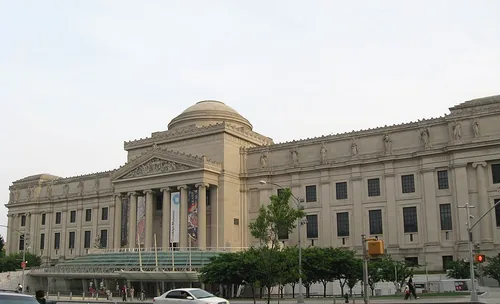
At 560,000 square feet, the Brooklyn Museum is New York City's second-largest art museum, but it feels like a secret compared to the Met. The Beaux-Arts building, designed by McKim, Mead & White, sits at the edge of Prospect Park and holds 1.5 million works spanning cultures and centuries. The Egyptian collection is one of the best in the country - mummies, hieroglyphs, the whole scope of ancient life laid out across multiple galleries. American art takes up entire floors, from colonial portraits to contemporary installations. What sets this museum apart is the feminist art center, which actually takes feminist art seriously as a category worth dedicated space. You'll find Judy Chicago's "The Dinner Party" permanently installed here - 39 place settings honoring women throughout history, controversial when it opened in 1979 and still powerful now. The European painting galleries are smaller than what you'd find at the Met, but that's the point. You can see what matters without the crowds. The location helps. You're in Prospect Heights, near the Brooklyn Botanic Garden, in a neighborhood where people actually live. After a few hours inside, you can walk into the park or grab lunch on one of the side streets without fighting tourist traffic.

Hours Mon-Tue: Closed | Wed-Sun: 11:00 AM – 6:00 PM
Price Pay what you wish (suggested $16)
Insider TipThe first Saturday of every month is free admission from 5 to 11 PM, with live music and bar service - but it's packed. Go on a weekday morning for the galleries to yourself.
Intrepid Sea, Air & Space Museum

4. Intrepid Sea, Air & Space Museum

Docked at Pier 86 on the Hudson River, this museum sits on an actual World War II aircraft carrier that survived five kamikaze attacks and later recovered NASA space capsules. The USS Intrepid has been a National Historic Landmark since 1986, and climbing around its flight deck gives you a real sense of how sailors lived and worked on a floating city. The collection includes 28 aircraft, from fighter jets to helicopters, plus the Space Shuttle Enterprise and a supersonic Concorde you can walk through. Below deck, the submarine USS Growler is one of the best museums in New York City for understanding Cold War tensions - crawling through its tight missile compartments feels genuinely claustrophobic. The carrier itself is the real draw. Standing on the flight deck where pilots took off for combat missions, you realize how short the runway actually is. The museum opened in 1982 to preserve Intrepid after the Navy decommissioned it, and it's become one of the top attractions in New York City for anyone interested in military history or aerospace. The views west over the Hudson aren't bad either, especially at sunset when the whole deck glows orange.

Hours Daily: 10:00 AM – 5:00 PM
Price $36-$41
Insider TipVisit on a weekday morning to avoid school groups, and make sure to book the guided tour of the submarine Growler - it's included with admission but fills up fast, and the guides explain details you'd never notice on your own.
Madame Tussauds New York

5. Madame Tussauds New York

Right in the thick of Times Square on 42nd Street, this wax museum opened in 2000 and has been collecting celebrity likenesses ever since. Over 200 life-size figures fill the space - everyone from Beyoncé to Gandhi to Spider-Man. Some figures are eerily accurate. Others make you wonder if the sculptor ever actually saw a photo of the person. The setup is more interactive than you'd expect. You're not just looking at wax people behind velvet ropes. You can sit next to them, pose with them, even put your arm around Taylor Swift if that's your thing. The Marvel 4D cinema throws in motion seats and wind effects, which is either thrilling or nauseating depending on your tolerance. There's a whole room dedicated to presidents where you can pretend to give a State of the Union address. Is it one of the best sights in New York City if you care about art or history? No. But if you want to kill an hour taking ridiculous photos and you're already dealing with Times Square anyway, it does what it promises. Kids seem to love it. Adults mostly enjoy the photo opportunities and the air conditioning.

Hours Mon-Thu: 10:00 AM – 7:00 PM | Fri-Sat: 10:00 AM – 9:00 PM | Sun: 10:00 AM – 7:00 PM
Price $$$
Insider TipBuy tickets online at least a day ahead - you'll save about $10 per person and skip the ticket line. Go right when it opens at 10 AM on weekdays to avoid the afternoon tour bus crowds.
Morgan Library & Museum

6. Morgan Library & Museum

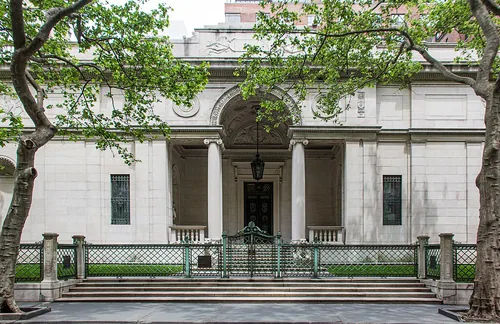
What started as J.P. Morgan's personal book collection is now one of the best museums in New York City for anyone who likes rare, old things. The banker built this Renaissance-style palazzo on Madison Avenue between 1902 and 1906 to house the medieval manuscripts, early printed books, and drawings he'd been hoarding for decades. After his death, his son opened it to the public in 1924. The main library room is absurd - three tiers of walnut shelves, a painted ceiling, and glass cases holding illuminated manuscripts that are almost a thousand years old. You'll find Mozart's handwritten scores, letters by Jane Austen, a Gutenberg Bible, and Rembrandt sketches. The mix is what makes it interesting: a 9th-century gospel book sits near Thoreau's journals. The building itself got a glass atrium added in 2006, which connects the original library to Morgan's former study. That study is worth the trip alone - red damask walls, a carved ceiling brought over from Italy, and the desk where he worked. It's small enough to see in an hour but deep enough to lose an afternoon.

Hours Mon: Closed | Tue-Thu: 10:30 AM – 5:00 PM | Fri: 10:30 AM – 8:00 PM | Sat-Sun: 10:30 AM – 5:00 PM
Price $$
Insider TipFriday evenings from 5-7 PM have half-price admission, and the crowd thins out after 6 PM when most people head to dinner.
Museum of Modern Art

7. Museum of Modern Art

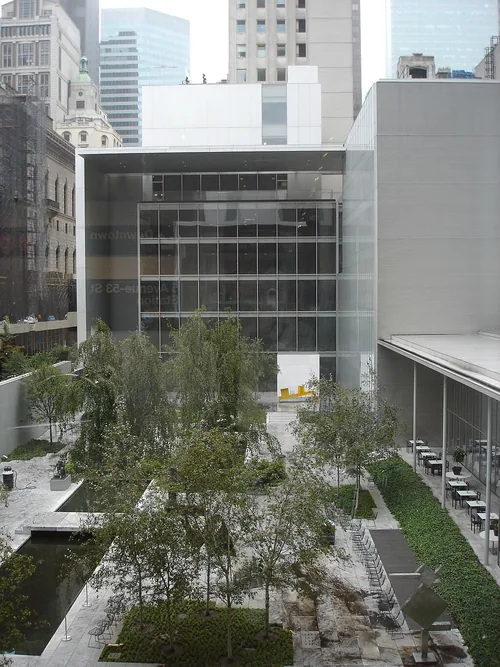
MoMA opened in 1929 as the first museum dedicated to modern art, and it still has one of the best collections of 20th-century work anywhere. The building on 53rd Street in Midtown holds over 200,000 pieces - paintings, sculptures, photographs, films, design objects. You're here to see the heavy hitters: Van Gogh's Starry Night, Picasso's Les Demoiselles d'Avignon, Warhol's Campbell's Soup Cans. They're all on the fifth floor, and yes, they look different in person than they do on a postcard. The museum got a major redesign by Yoshio Taniguchi in 2004, then another expansion in 2019 that added more gallery space and better flow between floors. It's big enough that you could spend all day here, but most people run out of steam after two or three hours. The galleries for museums in New York City don't get much better than this - MoMA rotates its collection regularly, so even the permanent galleries shift. If you're planning things to see in New York City and modern art is on your list, this is the place.

Hours Mon-Thu: 10:30 AM – 5:30 PM | Fri: 10:30 AM – 8:30 PM | Sat-Sun: 10:30 AM – 5:30 PM
Price $30
Website www.moma.org/
Insider TipGo Friday after 4 PM - admission is free thanks to UNIQLO sponsorship, but expect crowds. Thursday evenings are paid but much quieter if you want space to actually look at the paintings.
Museum of the City of New York

8. Museum of the City of New York

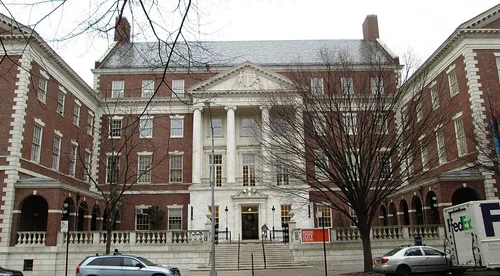
Tucked into Fifth Avenue at the edge of East Harlem, this museum has been collecting New York's stuff since 1923. The building itself - Georgian Colonial Revival, opened in 1932 - feels like walking into an old civic monument, which is sort of what it is. Inside are 750,000 objects that tell the city's story: photographs of tenement life, theater costumes from forgotten Broadway shows, decorative arts from when New York families had ballrooms. The photography collection alone is worth the trip. Exhibits rotate through architectural history, waves of immigration, and moments of activism that shaped the city. It's not the flashy kind of museum. You won't find Monets here. What you get instead is a detailed, sometimes messy account of how this place became what it is - the arguments, the ambitions, the people who arrived with nothing and built things anyway. If you want to understand New York City beyond the landmarks and the mythology, this is where you come. The collections are specific enough to be interesting: actual objects, actual stories, not just broad sweeps of history.

Hours Mon-Fri: 10:00 AM – 5:00 PM | Sat-Sun: 10:00 AM – 6:00 PM
Price $
Website www.mcny.org/
Insider TipThe permanent film "Timescapes" on the third floor gives you a 28-minute visual history of the city from wilderness to now - watch it first, it makes the rest of the exhibits click into place.
New York Historical Society

9. New York Historical Society

Founded in 1804, the New-York Historical Society is the city's oldest museum, tucked into a Beaux-Arts building on Central Park West. The collection is enormous—over 1.6 million objects—but it's the specificity that makes it worth a visit. You can see all 435 surviving watercolors from John James Audubon's Birds of America, which is either the complete set or as close as anyone's gotten. The Tiffany lamp galleries glow in a way that photographs don't capture. There's a whole floor dedicated to Civil War artifacts, and the museum holds the largest collection of 9/11 objects outside the memorial itself, which gives the recent history sections an unexpected weight. It's quieter than the Met or the Natural History Museum, and the focus on New York City means you're seeing the place you're actually standing in. The fourth floor has a kids' section that doesn't feel like an afterthought. If you're looking for places to visit in New York City that aren't overrun, this is one of them.

Hours Mon: Closed | Tue-Thu: 11:00 AM – 5:00 PM | Fri: 11:00 AM – 8:00 PM | Sat-Sun: 11:00 AM – 5:00 PM
Price $22
Insider TipThe DiMenna Children's History Museum on the fourth floor is free with admission and has interactive exhibits that work for adults too—the Alexander Hamilton section has original documents you can't see anywhere else.
SPYSCAPE

10. SPYSCAPE

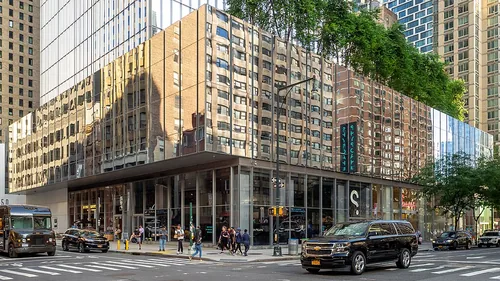
This isn't your typical glass-case museum. SPYSCAPE, which opened in 2018 in a sleek Adjaye Associates building on Eighth Avenue, treats espionage like an interactive skill you can test yourself against. The exhibits cover codebreaking, surveillance, hacking, and deception—not just explaining them, but letting you try your hand at them. Can you crack a Cold War cipher? Spot a lie? The whole thing's built around a Spy Profile system that tracks your performance and tells you what kind of operative you'd make. Plan for about two hours. The space walks you through real espionage cases, the kind that actually happened, and there's a James Bond section for the fantasy side of things. It's one of the best sights in New York City if you're tired of looking at art behind velvet ropes. The interactivity makes it work—you're not just reading about surveillance techniques, you're using them. And the profile assessment at the end is specific enough to feel personal, not like a generic quiz. The design keeps things moving. Dark hallways, dramatic lighting, exhibits that respond when you approach. It feels more like a video game level than a museum wing, which is exactly the point.

Hours Mon-Thu: 10:00 AM – 8:00 PM | Fri-Sat: 10:00 AM – 10:00 PM | Sun: 10:00 AM – 8:00 PM
Price $39
Insider TipBook tickets online for a specific time slot—walk-ins often face an hour-plus wait, and the timed entry keeps crowds manageable so you actually get to use the interactive stations.
Solomon R. Guggenheim Museum

11. Solomon R. Guggenheim Museum

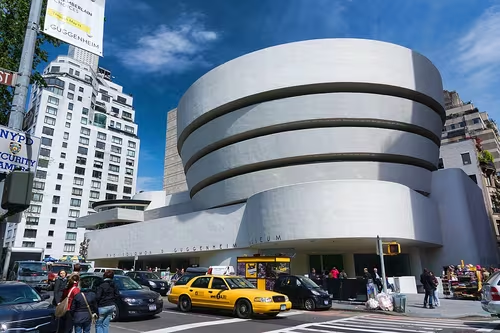
Frank Lloyd Wright spent 16 years designing this building, and when it opened in 1959, it looked like nothing else in New York City. The spiral ramp galleries wind up from the ground floor like a nautilus shell, and you're supposed to take the elevator to the top and walk down, not fight your way up against the flow. UNESCO made it a World Heritage Site in 2019, which tells you how seriously people take Wright's architecture. The permanent collection is heavy on early modernism. Kandinsky gets entire rooms, which makes sense since the Guggenheim owns over 150 of his pieces. You'll also find Picasso, Modigliani, Chagall, and Mondrian. The Thannhauser Collection, tucked into smaller galleries on the second and third floors, has Impressionist and Post-Impressionist work that contrasts nicely with the harder-edged modern stuff in the main spiral. What to do in New York City if you like museums: this one's worth visiting even if you're not particularly into abstract art. The building itself is half the experience. Stand at the bottom and look up through the rotunda, or pause on one of the ramps and look across at people examining paintings on the opposite curve. It's disorienting in the best way.

Hours Daily: 10:30 AM – 5:30 PM
Price $30
Insider TipGo on a weekday morning right when they open at 10 AM. The spiral gets claustrophobic when it's crowded, and you want space to look at the paintings without someone's elbow in your peripheral vision.
Tenement Museum

12. Tenement Museum

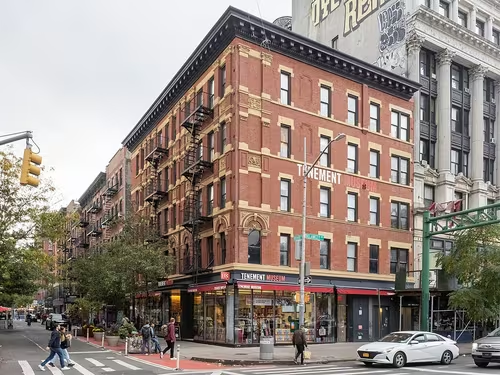
At 97 Orchard Street, this five-story brick building doesn't look like much from the outside. But between the 1860s and 1980s, an estimated 7,000 people lived here - families from Germany, Ireland, Italy, Eastern Europe, packed into small apartments with no running water and shared toilets in the yard. The museum opened in 1988 and has since restored several apartments exactly as immigrant families left them. You'll see the Gumpertz family's 1870s rooms, where a pregnant mother and four children waited for a husband who never came home. The Levine family's 1897 apartment, where they ran a garment sweatshop. The Rogarshevsky kitchen from 1918, still set with Sabbath candles. This is one of the best museums in New York City for understanding what immigration actually meant - not Ellis Island's grand arrival hall, but the cramped reality of making it work afterward. Tours are small and guides don't lecture. They ask questions, show you the coal stove, the tin bathtub, the pay stubs. You realize how recently people lived like this in America. It's not a feel-good museum, but it's an honest one, and that matters more.

Hours Mon-Thu: 10:00 AM – 5:00 PM | Fri-Sun: 10:00 AM – 6:00 PM
Price $30
Insider TipBook the 'Shop Life' tour if available - it takes you into the recreated 1870s German saloon and the 1890s auction house on the ground floor, spaces most visitors miss on the standard apartment tours.
The Frick Collection

13. The Frick Collection

The Frick Collection occupies what was once Henry Clay Frick's mansion on the Upper East Side, built in 1913-14 when industrialists still built palaces on Fifth Avenue. The intimacy is what sets it apart from New York City's bigger museums. You walk through rooms that feel like someone's actual house, except the someone owned three Vermeers and had Rembrandts in the living room. The collection focuses on Old Masters—Bellini, El Greco, Goya, Turner—displayed alongside French furniture and decorative arts the way Frick actually arranged them. There's no clinical white-cube gallery aesthetic here. A painting hangs above a console table, next to a window overlooking the garden court. It's one of the best museums in New York City for seeing how wealthy collectors lived with their art rather than just stored it. Note that the collection is currently at Frick Madison, its temporary home in the old Met Breuer building on 75th Street, while the original mansion undergoes a multi-year renovation. The Madison location offers a different experience—more spacious, fewer period rooms—but the paintings are the same.

Hours Mon: 10:30 AM – 5:30 PM | Tue: Closed | Wed-Sun: 10:30 AM – 5:30 PM
Price $$
Website www.frick.org/
Insider TipGo on a Wednesday evening after 4 PM when admission is pay-what-you-wish. The galleries are quieter than weekends, and you can linger in front of the Vermeers without a crowd behind you.
The Metropolitan Museum of Art

14. The Metropolitan Museum of Art

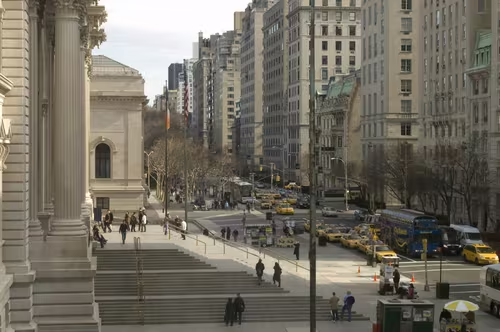
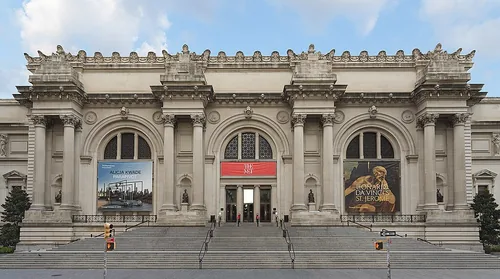
The Met is the largest art museum in the Americas, and walking through its 2 million square feet feels less like visiting a museum and more like time-traveling through 5,000 years of human creativity. Since opening in 1872, it's accumulated over 1.5 million works - which sounds impressive until you're standing in front of the actual Temple of Dendur, a full Egyptian temple reconstructed inside a glass-walled room overlooking Central Park. The scale is absurd. You could spend days here and still miss entire wings. The European paintings collection has the heavy hitters - Vermeer, Rembrandt, Van Gogh - but the arms and armor galleries are where things get unexpectedly interesting. Samurai armor next to medieval jousting gear. The Costume Institute rotates exhibitions that draw massive crowds, and the American Wing has entire period rooms pulled from historic houses and rebuilt inside the museum. Richard Morris Hunt and Calvert Vaux designed the original building, though it's been expanded so many times the Beaux-Arts facade is just the beginning. Five million people visit every year, which means weekends are packed. But the place is so enormous you can still find quiet corners if you know where to look.

Hours Mon-Tue: 10:00 AM – 5:00 PM | Wed: Closed | Thu: 10:00 AM – 5:00 PM | Fri-Sat: 10:00 AM – 9:00 PM | Sun: 10:00 AM – 5:00 PM
Price $30
Insider TipThe suggested admission is just that - suggested. You can pay what you want if you're a New York State resident. Go on Friday or Saturday evenings when it's open until 9 PM - the light in the Temple of Dendur room at sunset is worth the trip alone.
Whitney Museum of American Art

15. Whitney Museum of American Art

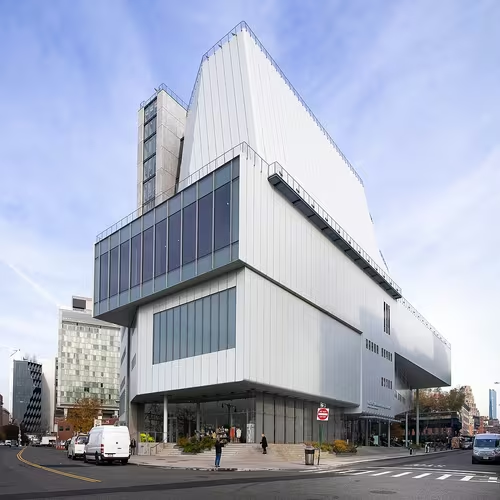
The Whitney sits at the bottom of the High Line in the Meatpacking District, in a Renzo Piano building that opened in 2015. Gertrude Vanderbilt Whitney founded the museum in 1930 after the Met turned down her offer to donate her collection of American art. Now it holds over 25,000 works - only American art from the 20th and 21st centuries. You'll find Edward Hopper, Georgia O'Keeffe, and Jasper Johns alongside video installations and experimental work that other museums won't touch. Every two years, the Whitney Biennial turns the place into a snapshot of what American artists are doing right now. It's contentious, sometimes baffling, and the best sights in New York City for anyone who wants to see where contemporary art is actually going. The outdoor terraces on multiple floors have views across the Hudson and straight down the High Line. On a good day, you can see New Jersey.

Hours Mon: 10:30 AM – 6:00 PM | Tue: Closed | Wed-Thu: 10:30 AM – 6:00 PM | Fri: 10:30 AM – 10:00 PM | Sat-Sun: 10:30 AM – 6:00 PM
Price $30
Website whitney.org/
Insider TipThe eighth-floor terrace is free to access without buying museum admission - take the elevator straight up for Hudson River views and a drink at the café.
Get Your Own Private Tour with AI Guide
AI Guide
  • Personalized tour tailored to your interests
  • Your AI guide tells stories, shares facts, and cracks jokes
  • Turn-by-turn GPS navigation
  • Available in your language — no download needed
Try for Free

🍕 Food Markets & Culinary Spots in New York City

The best food markets, food halls, and culinary destinations in New York City.

Chelsea Market

1. Chelsea Market

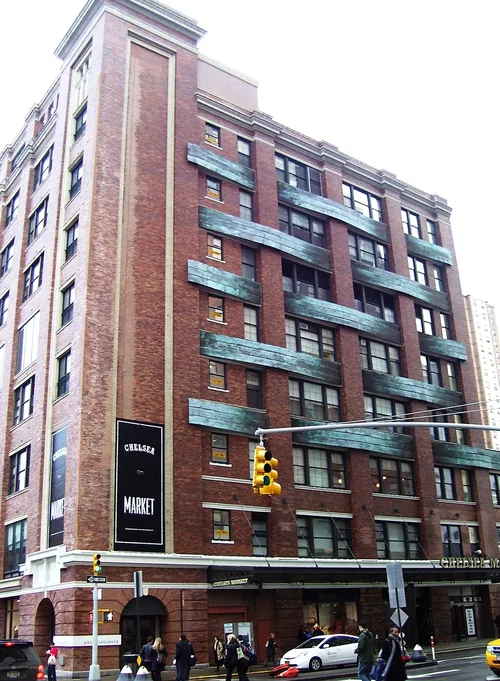
Chelsea Market sits inside the old Nabisco factory where the Oreo was invented in 1912. The building takes up an entire block on Ninth Avenue between 15th and 16th Streets, and when it opened as a food hall in 1997, it brought 35 vendors under one industrial brick ceiling. You can still see original factory details—exposed pipes, steel beams, the kind of architecture that reminds you this was a working bakery for decades. What to do in New York City if you're hungry? This is one of the better answers. Los Tacos No. 1 has a line most days, but it moves. The Lobster Place sells whole fish up front and has a sushi counter in back. Amy's Bread does olive twists and black-and-white cookies. Sarabeth's Bakery is there if you want jam to take home. It's crowded on weekends—expect that. The Food Network films upstairs sometimes, and Google leased a big chunk of office space, so you'll see tech workers mixing with tourists. The market works for a quick lunch or an hour of grazing. It's not a hidden gem, but it does what it does well.

Hours Daily: 7:00 AM – 10:00 PM
Price Free
Insider TipGo on a weekday before noon if you can. After 12:30 PM, especially Thursday and Friday, the lunch crowds from nearby offices pack the aisles and every vendor has a wait.
Essex Street Market

2. Essex Street Market

Essex Street Market has been feeding the Lower East Side since 1940, when Mayor Fiorello La Guardia pushed the neighborhood's pushcart vendors indoors. After decades in a cramped building, it moved to a bright new space at 88 Essex Street in 2019, but the spirit stayed intact. About 30 vendors sell everything from Portuguese bacalhau to housemade mozzarella, with regulars stopping by for their Saturday produce run or a midweek lunch at Dhamaka, the Indian restaurant that's become one of the city's toughest reservations. The market reflects what the Lower East Side actually eats. You'll find old-school butchers next to a natural wine shop (Peoples Wine), a Jewish bakery sharing space with Cervo's seafood bar. It's not trying to be Chelsea Market. The crowd is neighborhood families, chefs shopping for their restaurants, and visitors who want to see what a working food market looks like in New York City. Weekends get busy, but it's never elbow-to-elbow crowded. Go hungry.

Hours Mon-Wed: 8:00 AM – 8:00 PM | Thu-Sat: 8:00 AM – 9:00 PM | Sun: 10:00 AM – 6:00 PM
Price Free
Location Maps
Insider TipDhamaka doesn't take walk-ins for dinner, but the lunch counter is first-come, first-served - get there right at 11:30 AM on weekdays to grab a seat without the wait.
Smorgasburg

3. Smorgasburg

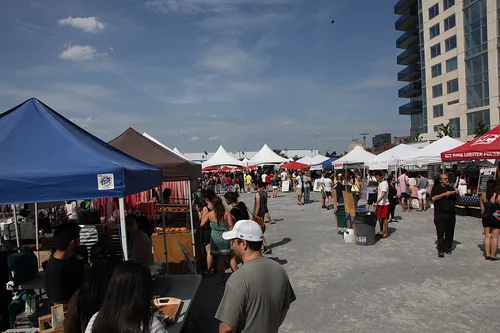
Every weekend from April through October, about 100 food vendors set up along the Williamsburg waterfront and turn a stretch of Brooklyn into what people call the Coachella of food. Smorgasburg started in 2011 and has since become one of the most popular attractions in New York City for anyone who takes eating seriously. You'll find ramen burgers, artisanal ice cream, and whatever else local food entrepreneurs are testing out this season. The crowds reflect the hype—20,000 to 30,000 people show up on a good weekend. The setup is straightforward: long rows of stalls, picnic tables when you can grab one, and the East River as your backdrop. It's loud, packed, and the lines at the famous vendors can be absurd. But that's part of it. You're not here for a quiet meal. You're here to try six different things, realize you ordered too much, and eat it all anyway. Smorgasburg also operates in Prospect Park and at the World Trade Center, but the Williamsburg location is the original and still has the best energy. Go hungry, bring cash as backup, and don't plan anything requiring physical activity immediately after.

Hours Mon-Thu: Closed | Fri: 11:00 AM – 6:00 PM | Sat-Sun: Closed
Price Free
Insider TipShow up right at 11 AM when it opens—the longest lines form by noon and stay that way until 2 PM. The vendors at the far end of the market usually have shorter waits and are just as good.
Union Square Greenmarket

4. Union Square Greenmarket

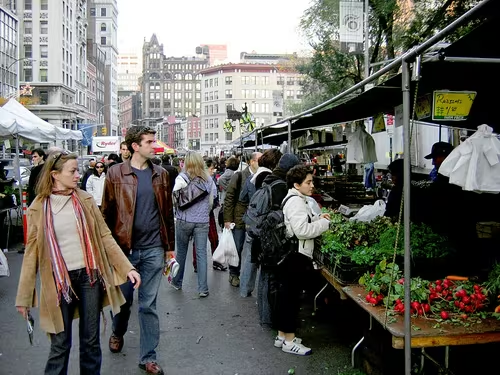
Since 1976, the Union Square Greenmarket has been the place where New Yorkers come to buy actual food from actual farmers. It's the city's largest open-air farmers market, running year-round on Mondays, Wednesdays, Fridays, and Saturdays. Up to 140 regional farmers, fishers, and bakers show up to sell what they've grown or made - everything from heirloom tomatoes in August to root vegetables in February, plus artisan cheeses, fresh-baked bread, maple syrup, and cut flowers. The 200-mile radius rule means you're getting Hudson Valley apples, Long Island oysters, and Pennsylvania mushrooms, not California strawberries in March. It's one of the most reliable places to visit in New York City if you want to see how the city actually feeds itself. The market wraps around the north and west sides of Union Square Park, and on Saturday mornings it's packed - chefs from nearby restaurants elbow past apartment dwellers hauling tote bags, everyone hunting for the good stuff. You'll spot the same farmers week after week, which means you can ask questions and get actual answers about what's in season. The selection changes completely depending on when you go. Spring means ramps and asparagus. Summer brings corn, peaches, and about seventeen kinds of tomatoes. Fall is apple and squash season. Winter gets surprisingly good - stored apples, greenhouse greens, and bread that's worth the trip alone.

Hours Mon: 8:00 AM – 6:00 PM | Tue: Closed | Wed: 8:00 AM – 6:00 PM | Thu: Closed | Fri-Sat: 8:00 AM – 6:00 PM | Sun: Closed
Price Free
Location 40.73639, -73.99
Insider TipGo on a Wednesday or Friday morning if you want space to actually browse - Saturdays are a mob scene. The bakery stalls on the west side sell out of sourdough and croissants by 11 AM.
Get Your Own Private Tour with AI Guide
AI Guide
  • Personalized tour tailored to your interests
  • Your AI guide tells stories, shares facts, and cracks jokes
  • Turn-by-turn GPS navigation
  • Available in your language — no download needed
Try for Free

🌳 Parks & Best Viewpoints in New York City

Beautiful parks, gardens, and panoramic viewpoints for the best views of New York City.

Battery Park

1. Battery Park

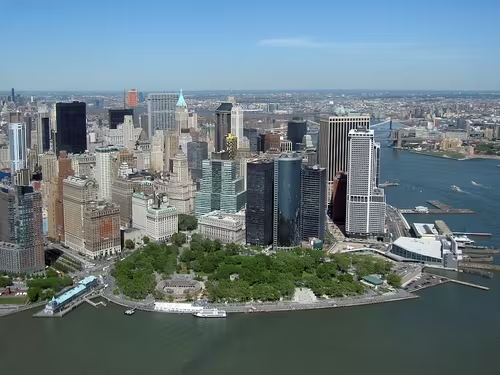
Battery Park sits at the southern tip of Manhattan, where the island runs out and opens to New York Harbor. The 25-acre park is named for the artillery batteries that defended the city here in the 18th century, though now it's gardens and memorials instead of cannons. Castle Clinton, built in 1808 as a fort, still stands near the waterfront - it's been a theater, an immigration processing center, and now a ticket office for the Statue of Liberty ferries. The real draw is the Esplanade along the water. You get a clear view across the harbor to the Statue of Liberty and Ellis Island, with the Brooklyn waterfront filling out the eastern side. It's one of the best views in New York City without paying for an observation deck. Mornings are quieter, before the ferry crowds build up. The park has benches facing the water, which fill up fast on decent-weather days. This is one of the oldest parks in the city, and it shows in the layout - winding paths, old trees, a few war memorials tucked between the green spaces. It's also where you catch the boats to Liberty and Ellis Islands, so there's always a mix of tourists with tickets and locals cutting through on their way to the Financial District.

Hours Daily: 6:00 AM – 12:00 AM
Price FREE
Insider TipThe northern section near the Irish Hunger Memorial is almost always empty, even when the ferry queues are wrapped around Castle Clinton. Same harbor view, fraction of the crowd.
Brooklyn Bridge Park

2. Brooklyn Bridge Park

Stretching 1.3 miles along the East River, Brooklyn Bridge Park turned abandoned industrial piers into 85 acres of green space with some of the best views in New York City. The park opened in phases between 2010 and 2018, designed by Michael Van Valkenburgh to preserve the waterfront's working-class history while giving it new life. From here, you get the Manhattan skyline, the Brooklyn Bridge, and on clear days, the Statue of Liberty - all without the crowds of the bridge walkway itself. Each pier has its own character. Pier 2 has basketball and handball courts. Pier 4 has a small beach where kids wade in summer. Jane's Carousel, a restored 1922 merry-go-round, sits in a glass pavilion at the north end. The best spot for photos is near the base of the Brooklyn Bridge, where you can frame the bridge cables against Lower Manhattan. Go at sunset when the light hits the buildings just right. The park runs from the Manhattan Bridge down to Atlantic Avenue. You can walk the whole thing in about 30 minutes, or settle on the grass at Pier 1 and watch the ferries cross back and forth. It's one of those places where what to do in New York City means just sitting still for a while.

Hours Daily: 6:00 AM – 1:00 AM
Price Free
Insider TipThe Brooklyn Bridge Park entrance near the bridge gets mobbed, but the Pier 6 entrance at the south end is usually quiet. Park there and walk north - you'll hit the best views without fighting through tourists first.
Brooklyn Heights Promenade

3. Brooklyn Heights Promenade

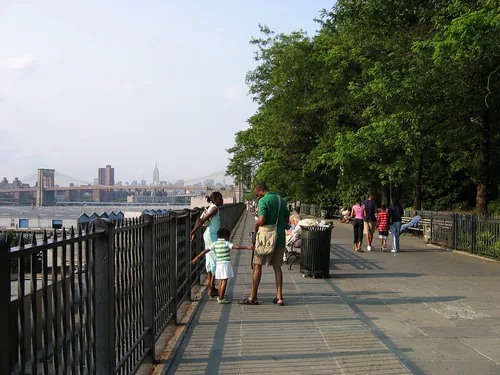
The Brooklyn Heights Promenade runs for 1,826 feet along the western edge of Brooklyn Heights, cantilevered directly over the BQE highway. Built in 1950-51 as part of the expressway construction, it turned a necessary piece of infrastructure into one of the best views in New York City. From here you get unobstructed sight lines across the harbor: Lower Manhattan's skyline, the Brooklyn Bridge's stone towers and suspension cables, the Statue of Liberty in the distance, and the constant movement of ferries and tugboats on the water. It's one of the most photographed spots in the city, especially when the light hits the buildings at sunset. The promenade itself is a simple setup - a pedestrian path with benches facing west, lined with trees on the neighborhood side. Locals bring coffee and sit for a while. Tourists stop mid-walk across the bridge to come over here. What makes it work is the angle: you're high enough to see over the piers but close enough to watch details like water taxis cutting across the East River. There's no admission, no crowds fighting for space at a single viewpoint. Just a long stretch where you can walk or sit and take in one of the classic New York panoramas.

Hours Open 24/7
Price Free
Insider TipGolden hour is predictably packed. Come around 8 AM on a weekday for the same view with almost nobody around - the morning light on the buildings is just as good.
Bryant Park

4. Bryant Park

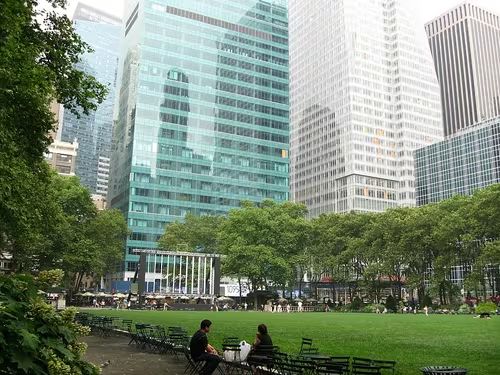
Tucked behind the New York Public Library's main building, Bryant Park is 9.6 acres of green space that somehow feels calm despite being surrounded by skyscrapers. It was redesigned in 1992 with French formal garden elements - neat gravel paths, London plane trees, and a big central lawn where people actually lie down in the middle of Midtown Manhattan. The park's famous for its 700-plus moveable green chairs. You can drag them wherever you want, which is oddly liberating. In winter, there's an ice skating rink that's free to use (skate rental costs, but the ice itself doesn't). Summer brings free movie screenings on Monday nights - classic films projected on a big screen while you sit on the lawn. The park hosts a holiday market in December and fashion week tents twice a year. It's named after William Cullen Bryant, a 19th-century poet and newspaper editor, though most people just know it as the park behind the library. For a small patch of green, it packs in a lot. It's one of those parks in New York City where you can sit for an hour between attractions in New York City and not feel like you're wasting time.

Hours Daily: 7:00 AM – 11:00 PM
Price Free
Website bryantpark.org/
Insider TipThe northwest corner near 42nd Street has outlets built into some of the tables - stake out a spot there if your phone's dying. Also, the bathrooms are some of the cleanest public restrooms in Midtown.
Domino Park

5. Domino Park

Domino Park sits on the site of the old Domino Sugar Refinery in Williamsburg, where industrial Brooklyn meets the East River. Opened in 2018, the 6-acre park keeps pieces of the refinery's past—cranes, gantries, and old machinery—right alongside new playgrounds and green space. The elevated walkway gives you unobstructed views of the Manhattan skyline across the water, and on warm days, the waterfront gets packed with locals sprawled on the grassy slopes. The design, by James Corner Field Operations (the same firm behind the High Line), balances the gritty and the polished. You'll find a taco stand, a dog run, and plenty of benches facing the river. Summer weekends bring food vendors, kids on scooters, and sunset crowds lining the water's edge.

Hours Daily: 6:00 AM – 11:00 PM
Price Free
Insider TipThe north end of the park, near the dog run, has the best skyline view with far fewer people than the central lawn. Go just before sunset on weekdays to skip the weekend crowds entirely.
Gantry Plaza State Park

6. Gantry Plaza State Park

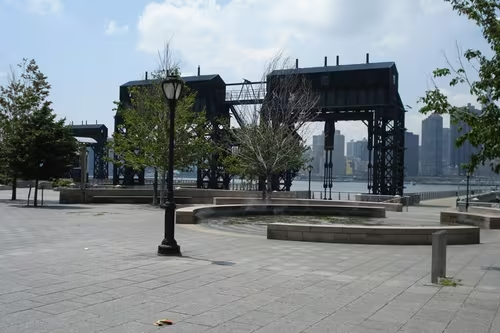
Most people chase skyline views from Manhattan, but the best ones are actually across the river in Queens. Gantry Plaza State Park sits right on the East River waterfront, 12 acres of green space with a completely unobstructed shot of midtown - the Chrysler Building, Empire State Building, UN headquarters, all lined up like a postcard. The park is named after the massive transfer bridges that used to load rail cars onto barges. Four of these gantries are still standing, rusted and industrial, which gives the place a grittier feel than the manicured parks in Manhattan. There's a big lawn for picnics, fishing piers that actually get used, basketball courts, and playgrounds. The iconic Pepsi-Cola sign glows red nearby, a leftover from when this whole area was factories and warehouses. It's one of those best sights in New York City that locals know about but somehow stays off most tourist lists. Sunset here is ridiculous - the light hits the glass towers across the water and everything turns gold. Way better than fighting crowds at Brooklyn Bridge Park.

Hours Daily: 8:00 AM – 10:00 PM
Price Free
Insider TipThe northern pier near the gantries is the best photo spot. Go about 30 minutes before sunset - the light is perfect, and you'll have the pier mostly to yourself on weekdays.
Hudson River Park

7. Hudson River Park

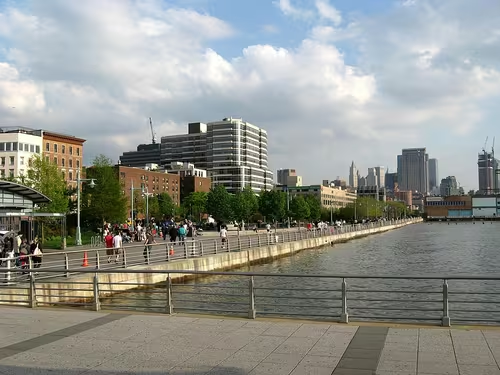
Hudson River Park stretches 4.5 miles along Manhattan's west side, from Tribeca up to 59th Street. At 550 acres, it's the longest waterfront park in the city, built on what used to be abandoned piers and industrial waterfront. The park strings together bike paths, playgrounds, sports fields, and kayak launches - you can actually paddle on the Hudson for free during summer. Pier 26 has a restored salt marsh and tide deck where you can watch the water rise and fall twice a day. The path connects Chelsea Piers, Little Island, and Pier 57, so you can walk the whole thing or drop in wherever makes sense for what to do in New York City that day. It's popular with runners early morning and dog walkers most afternoons. The views across to Jersey City change depending on where you are - downtown you see the new towers, midtown you get the full sweep of the cliffs. Benches face west, which means sunset draws crowds in decent weather. The park feels different from Central Park - more open, more water, less contained.

Hours Daily: 6:00 AM – 1:00 AM
Price Free
Insider TipThe best Hudson views are from Pier 45 in the West Village around sunset - locals call it Christopher Street Pier. Get there by 5 PM on summer weekends to claim a spot on the grass before it fills up.
Little Island

8. Little Island

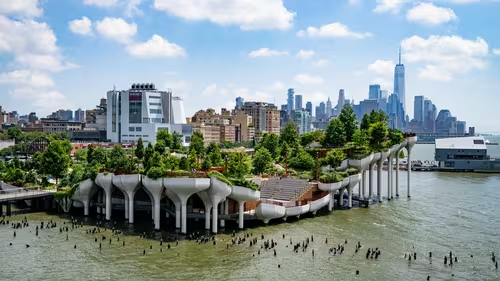
Little Island floats above the Hudson River on 132 concrete columns shaped like tulips. Thomas Heatherwick designed it that way - the stilts rise from the water at different heights, creating a topography of hills and overlooks across 2.4 acres. It opened in May 2021 after a $260 million build funded by Barry Diller and Diane von Furstenberg, and it immediately became one of the more unusual parks in New York City. The gardens have over 350 plant species, arranged so something's always blooming. Walking paths curve around the hills and lead to viewpoints where you can see the Manhattan skyline, the Statue of Liberty, and the river traffic below. The 687-seat amphitheater hosts free performances in summer - everything from jazz to contemporary dance. Get there early on weekends. The park is small enough that crowding happens fast, especially when the weather cooperates. What makes it work is the contrast. You're standing on a engineered platform held up by concrete stems, surrounded by carefully arranged greenery, watching the city from an angle that didn't exist before 2021. It's odd and it knows it.

Hours Daily: 6:00 AM – 9:00 PM
Price Free
Location Maps
Insider TipThe northwest corner has the best Statue of Liberty view, especially at sunset. Weekday mornings before 10 AM are nearly empty - afternoons and all weekend require a timed entry reservation through their website.
Prospect Park

9. Prospect Park

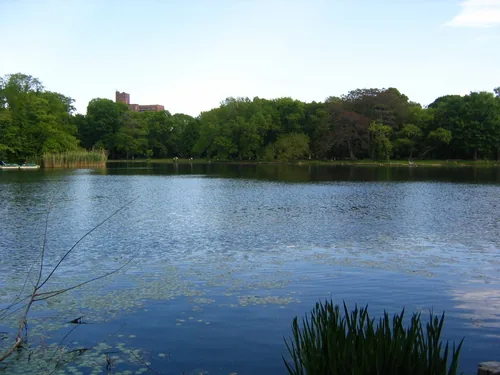
Brooklyn's 526-acre green heart feels worlds away from the surrounding city. Frederick Law Olmsted and Calvert Vaux designed it in 1867, and they considered it better work than Central Park - you can see why. The Long Meadow stretches nearly a mile, one of the longest continuous meadows in any American urban park, and it actually stays flat enough for pickup soccer games and sprawling picnics. The Ravine holds Brooklyn's only old-growth forest, a startling pocket of wild where the traffic noise drops away completely. Elsewhere you'll find a lake with pedal boats, the Prospect Park Zoo, and the 1912 Boathouse sitting right on the water. The Lefferts Historic House, an 18th-century farmhouse, shows what Brooklyn looked like before any of this was parkland. Around 10 million people visit annually, but the park absorbs crowds better than you'd expect. Early mornings belong to runners circling the 3.35-mile loop. Summer weekends bring concerts at the Bandshell and families claiming spots on the meadow. It's one of those attractions in New York City that locals actually use - not just something to see, but somewhere to spend a few hours when you need space to breathe.

Hours Daily: 6:00 AM – 1:00 AM
Price FREE
Insider TipEnter at the Parkside Avenue entrance and head straight to the Ravine - most visitors stick to the meadow and miss Brooklyn's secret forest entirely. Go after rain when the stream is actually running.
Red Hook Park

10. Red Hook Park

Most visitors to New York City never make it to Red Hook, which means this 58-acre park feels more like a neighborhood hangout than a tourist stop. That's exactly what makes it worth the trip. The park spreads along the harbor with views across to the Statue of Liberty and Governors Island, but the real draw is the Red Hook Ball Fields—a collection of food vendors who set up on summer weekends selling pupusas, huaraches, tamales, and other Central and South American street food that you won't find in Manhattan's polished food halls. The park itself has the usual sports fields and a public pool, but it's the combination of harbor views and genuinely local atmosphere that sets it apart. This is where Brooklynites come to play soccer, grill with family, and eat some of the best street food in the city. It's not manicured or Instagram-ready. The grass is patchy in spots, and you might have to weave around a pickup game to get to the water.

Hours Daily: 7 AM - 10 PM (Apr-Oct)
Price Free
Insider TipThe food vendors at Red Hook Ball Fields only operate weekends from late spring through early fall, roughly May to October. Get there before 1 PM if you want to avoid the lunch rush and have your pick of every vendor.
Riverside Park

11. Riverside Park

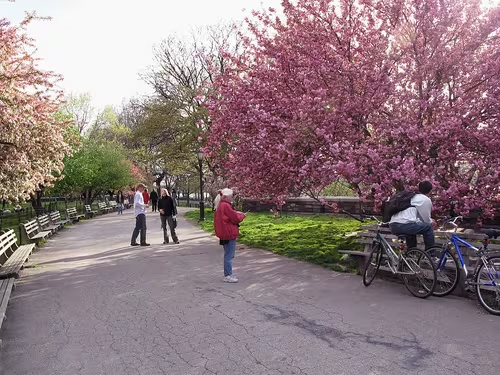
While everyone clusters around Central Park, this four-mile stretch along the Hudson River gets overlooked. Frederick Law Olmsted designed it in 1875, the same mind behind Central Park, but Riverside feels different - longer, narrower, and honestly more relaxed. It runs from 72nd to 158th Street on Manhattan's Upper West Side, hugging 330 acres of waterfront. The park has Grant's Tomb at the northern end and the Soldiers' and Sailors' Monument further south, but most people come for the waterfront path. Joggers and cyclists use it constantly. In spring, the cherry blossom trees near 100th Street bloom for about two weeks - same spectacle as the famous ones in D.C., but you can actually move around. There's a marina at 79th Street if you want to watch boats instead of people. It's one of the best sights in New York City if you want the Hudson in view without fighting crowds. The NYC Landmarks Preservation Commission designated it a scenic landmark, which mostly means they can't mess with the layout. On weekday mornings, especially the northern sections past 100th Street, it's quiet enough to forget you're in Manhattan.

Hours Daily: 6:00 AM – 1:00 AM
Price Free
Location 40.804, -73.97
Insider TipThe stretch between 83rd and 91st Streets has a lower level right on the water - most tourists stick to the upper path and miss it completely. Go down there at sunset.
Sunset Park

12. Sunset Park

Sunset Park sits on a hillside in southwestern Brooklyn, 24 acres of green space that most tourists skip entirely. That's their loss. The views from the top are ridiculous—the Statue of Liberty, the entire Lower Manhattan skyline, New York Harbor spread out like a postcard. It's one of the best vantage points in the city, and you'll have it mostly to yourself outside of weekend afternoons when local families claim the picnic tables. The park runs between 41st and 44th Streets, and the climb up is steeper than it looks. But what makes this spot worth the trip is what's at the bottom. The neighborhood below is one of New York City's most genuinely diverse. Walk down 8th Avenue and you're in Brooklyn's Chinatown—dim sum carts, roast duck hanging in windows, signs in Cantonese. Head over to 5th Avenue and it shifts to Latin American—taquerias, panaderías, the smell of grilled meat drifting onto the sidewalk. There's good Middle Eastern food tucked in there too. If you want to see what to do in New York City beyond the standard attractions, this is it. Come for the view, stay for the dumplings.

Hours Daily: dawn - dusk
Price Free
Insider TipThe southwest corner of the park, near 44th Street, has the clearest sight line to the Statue of Liberty. Get there 45 minutes before sunset—earlier in summer when it gets crowded.
Top of the Rock

13. Top of the Rock

Seventy floors above Midtown, Top of the Rock delivers what might be the best panoramic view in New York City. The observation deck sits at 850 feet on floors 67-70 of 30 Rockefeller Plaza, and the 360-degree sightlines are genuinely unobstructed - no wire cages blocking your camera or your view. To the north, Central Park unfolds like a green rectangle dropped into the grid. To the south, the Empire State Building rises close enough that you're looking at it, not up at it. The Hudson and East Rivers frame the island on either side. Originally opened in 1933, the deck closed for decades before a 2005 renovation brought it back as one of the top things to see in New York City. The layout is smarter than most observation decks: three levels mean you can move around to find angles without fighting crowds at a single railing. Sunset is popular for obvious reasons, but the view works any time of day. On a clear morning, you can see 80 miles. The lack of barriers between you and the skyline makes a difference - it feels less like looking through a fence and more like standing on top of the city.

Hours Daily: 9:00 AM – 10:00 PM
Price $40
Insider TipBook the first time slot of the day, around 8 AM. You'll have the deck nearly to yourself for 20-30 minutes before the crowds arrive, and morning light on the city is sharp and clean.
Get Your Own Private Tour with AI Guide
AI Guide
  • Personalized tour tailored to your interests
  • Your AI guide tells stories, shares facts, and cracks jokes
  • Turn-by-turn GPS navigation
  • Available in your language — no download needed
Try for Free

Explore with AI Guide

AI Guide App

Get personalized tours with our AI-powered guide. No download needed — works right in your browser.