Best Time to Visit Brescia
Month-by-month weather, crowds and prices, plus a full calendar of festivals and events worth planning a trip around.
Best monthsApr, May, Sep, Oct
CheapestJan, Nov
AvoidAug
BusiestMay, Jun
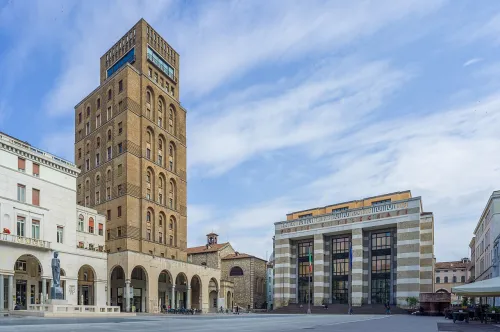
When is the best time to visit Brescia?
Come in April, May, September or October. You get 18 to 24°C, the Franciacorta wine country at its best, and the open-air castle festival running. May and June bring the highest hotel rates and the Mille Miglia crush. January and November are cheapest and emptiest, the trade being grey Po Valley fog.
Start our tool and find your best time to visit Brescia
Your perfect month
Free · ~30 seconds
or tap a month directly
What matters to you?
And this?
Best overall: Apr, May, Sep, Oct. April, May, September and October are the real sweet spot: warm but walkable, Franciacorta in blossom or in harvest, and the Capitolium and Santa Giulia visitable without a wait. Just book around the Mille Miglia week and the September wine festival, the two dates everyone else also targets.
Best value: Jan, Nov. January and November bring the lowest rates of the year, near-empty museums, and the Pusterla urban vineyard at its most photogenic against the Roman walls. The price is grey Po Valley fog and dusk by 16:30, a fair trade if you came for the art and the quiet.
Avoid: Aug. Mid-August: 30°C-plus heat with zero sea breeze, and the Ferragosto exodus shutters a third of the central trattorias for one to two weeks. You pay for a city the locals have left, the worst time to feel the place actually breathe.
- January: Good time, 8°C. This is the one month the Capitolium feels almost private and you hear Italian, not English, on Piazza della Loggia. If the fog gets oppressive, the Franciacorta hills and the Pusterla vineyard often sit above the fog line in sun while the city stays grey. The damp chill is the price, and it is a fair one.
- February: Good time, 10°C. This is honest, unperformed Brescia, no show put on for tourists. The patron-saint day is the one afternoon you see the whole city out together. Up in the valley, the 500-year-old Carnival of Bagolino is one of Italy's most authentic and least touristy, entirely free.
- March: Great time, 14°C. March is the last genuinely quiet month before spring fills the calendar. The city wakes up with terrace tables and lengthening light, yet you still walk into any trattoria on a Saturday without booking. That window closes fast once April arrives, so use it.
- April: Great time, 18°C. April is the shoulder-season answer most first-timers are actually after: warm enough to walk the full Roman-to-Lombard run, blossom on the wine road, and queues you can work around. Dodge the Easter and 25 April weekends unless you booked months ahead, and it is close to ideal.
- May: Good time, 22°C. Everyone calls May the sweet spot, and the weather earns it: golden light, aperitivo on Piazza della Loggia until 21:00, the castle floodlit above the city. Just go in clear-eyed, this is the priciest month, with Italian school groups filling the museums and hotel rates that know exactly how good the weather is.
- June: Good time, 27°C. June is the tipping point into full summer. The Mille Miglia week is electric, an unmissable spectacle if you have car interest, but book months ahead or it locks you out. Outside that week, the long golden evenings on the castle hill and the still-bearable heat make early and late June a genuine highlight.
- July: Tough month, 29°C. July rewards people who plan around the heat rather than fight it. Midday on the open Roman Forum is a write-off, but an early-morning walk down Via dei Musei in golden light, or an evening concert under the stars, is a completely different city. The museums, held at a steady 20°C, are a genuine refuge.
- August: Good time, 29°C. Ferragosto turns central Brescia into a ghost city of 30°C-plus heat and shuttered trattorie. It is the most honest look at how the city actually runs, but it is not the city you came to experience. If you do visit mid-August, stock up at a supermarket and stick to the Contrada del Carmine, which has the fewest closures.
- September: Good time, 24°C. September is the connoisseur's month. You get May's warmth without May's prices, the wine country in harvest, and the trattorie reopened and humming. The only catch is the Franciacorta festival weekend, when the Erbusco and Iseo B&Bs fill, so book those dates well ahead.
- October: Great time, 19°C. October is the romantic, value-rich tail of the season: golden Franciacorta vines, emptier cellar visits, and the Pusterla urban vineyard at its photographic peak against the Roman walls. The light is the best of the autumn, and you have most of it to yourself before November's grey settles in.
- November: Good time, 12°C. November is for travellers who came for the art and the quiet, not the weather. You get Santa Giulia and the Capitolium to yourself, the cheapest rooms outside January, and a city living its real autumn rhythm. The grey, persistent drizzle and 16:30 dusk are the honest price.
- December: Good time, 8°C. Brescia's Christmas markets are smaller and more local than Trento's or Bolzano's, and better for it, mulled wine and artisan stalls against a Renaissance-piazza backdrop with no crowds bussed in. The week between Christmas and New Year quiets right down and the rooms get cheap.
Brescia weather by month
HighLowRainfall
Jan8°
Feb10°
Mar14°
Apr18°
May22°
Jun27°
Jul29°
Aug29°
Sep24°
Oct19°
Nov12°
Dec8°
| Month | Temp | Rain | Sun | Crowds | Prices | Highlight |
|---|---|---|---|---|---|---|
| Jan | 8° / 0° | 54mm · 6 rainy days | 6.6 h/day | ●○○○○ | ●○○○○ | |
| Feb | 10° / 2° | 78mm · 9 rainy days | 6.8 h/day | ●●○○○ | ●●○○○ | Patron Saints' Fair (SS Faustino e Giovita) |
| Mar | 14° / 4° | 52mm · 8 rainy days | 9.1 h/day | ●●○○○ | ●●○○○ | Easter and Holy Week |
| Apr | 18° / 8° | 83mm · 10 rainy days | 10.5 h/day | ●●●○○ | ●●●○○ | Easter and Holy Week |
| May | 22° / 13° | 127mm · 16 rainy days | 10.8 h/day | ●●●●○ | ●●●●● | Living Passion Play (Santa Crus) |
| Jun | 27° / 18° | 101mm · 11 rainy days | 13.3 h/day | ●●●●○ | ●●●●○ | Living Passion Play (Santa Crus) |
| Jul | 29° / 20° | 108mm · 11 rainy days | 13.3 h/day | ●●●●○ | ●●●●○ | We Love Castello |
| Aug | 29° / 20° | 109mm · 12 rainy days | 11.9 h/day | ●●●○○ | ●●●○○ | We Love Castello |
| Sep | 24° / 16° | 101mm · 9 rainy days | 10.5 h/day | ●●●●○ | ●●●○○ | We Love Castello |
| Oct | 19° / 12° | 101mm · 10 rainy days | 8.0 h/day | ●●●○○ | ●●●○○ | Franciacorta Autumn Festival |
| Nov | 12° / 6° | 118mm · 12 rainy days | 6.0 h/day | ●○○○○ | ●○○○○ | Christmas Markets |
| Dec | 8° / 2° | 70mm · 8 rainy days | 5.5 h/day | ●●○○○ | ●●○○○ | Christmas Markets |
How we score this: weather = long-run climate normals (Open-Meteo), crowds & prices = relative season read, events checked yearly against official dates.
Best time to visit Brescia: weather, prices & crowds
Best months for good weather
May, Jun, Sep
Late May into June and September give Brescia its best walking weather: 22 to 27°C, long golden evenings past 21:00 on Piazza della Loggia, and the Roman columns of the Capitolium lit warm at the end of the day.
Quietest months to avoid the crowds
Jan, Nov
January and November empty the city out: museums like Santa Giulia run near queue-free, hotel rooms fall to 60 to 90 euro a night, and the only crowd is the patron-saint fair around 15 February or the All Saints weekend.
Cheapest time to visit Brescia
Jan, Nov, Feb
January is Brescia's cheapest month, with hotels averaging around 90 dollars a night and the Capitolium almost empty. November runs a close second, with rooms from 60 to 70 euro, as long as you steer clear of the 15 February patron-saint weekend.
Best time for festivals and events
May, Jun, Sep
May to September the whole hilltop castle on Cidneo becomes the We Love Castello festival: floodlit ramparts, food trucks, free concerts and the panorama over the city. The Mille Miglia send 400 pre-1957 cars roaring out of Viale Venezia on 9 June, free to watch from the pavement.
How many days do you need in Brescia?
Two full days cover Brescia properly. The UNESCO Roman and Lombard circuit from the Capitolium to Santa Giulia to Brescia Castle fills one long morning, and Piazza della Loggia plus the Franciacorta wine road fill the other. A third day rewards anyone with an appetite for day trips: Lake Iseo, Val Camonica's rock-art park, or the Franciacorta cycling loop are all within easy reach.
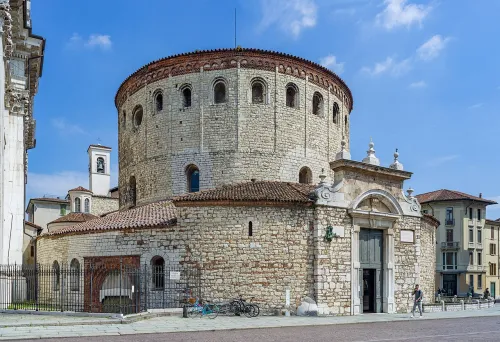
One day
The UNESCO core in one push
Start on Piazza della Vittoria and walk the Via dei Musei spine east to the Capitolium (book your time slot online), then through the Lombard monastery of Santa Giulia before climbing Colle Cidneo to the castle for the city panorama. Wind back through Piazza della Loggia for an evening Pirlo, the local white-wine spritz, as the astronomical clock tower catches the last light. The self-guided Brescia walking tour covers all 11 stops across 4.4 km in about 2.6 hours and links these highlights in the most logical order.
Two daysRecommended
Dive into the neighbourhoods and wine country
Day one on the UNESCO circuit. Day two belongs to the Contrada del Carmine for a slow morning espresso and a browse through the densest run of independent restaurants and shops in the city, then an afternoon in the Franciacorta vineyards 15 to 20 km west. Most cellars take walk-in tastings outside festival weekends; Erbusco or Paratico are good starting points.
Three days
Add a lake and a gallery
Day three opens up the province. Lake Iseo is 30 minutes by train and calmer than Garda, with Monte Isola reachable by ferry from Sulzano, a car-free island that takes a couple of easy hours to explore. Back in the city, the Tosio Martinengo gallery (Raphael, Moretto da Brescia) makes a fitting close if the museum circuit on day one felt rushed.
Four days or more
Val Camonica, the rock-art park, and the Franciacorta loop
Four days unlock the full province. The UNESCO rock-art park at Capo di Ponte in Val Camonica is 90 minutes north and holds thousands of prehistoric engravings in open landscape. Cyclists can ride the 80 km Franciacorta signposted loop from Erbusco or Paratico, best in April to May or September to October, and stop at as many cellars as they like along the way.
Best time to visit Brescia by traveller type
Same city, different trip. Here's the month that fits how you're travelling.
🧭
Best time to visit Brescia for the first time
AprSep
April or September: mild 18 to 24°C, manageable crowds, and the full UNESCO Roman-to-Lombard run from the Capitolium to Santa Giulia without a queue. September folds in the Franciacorta wine festival and the Summer Music finale on Piazza Loggia.
❤️
Best time to visit Brescia for couples
MaySepOct
May for the best light and late aperitivo on Piazza della Loggia, or late September into October for golden Franciacorta vineyards and quiet, romantic cellar tastings.
💶
Best time to visit Brescia on a budget
JanNovFeb
January, November or February (outside the 15 February fair): hotels from 60 to 90 euro, the Capitolium at 8 euro, free state-museum entry on the first Sunday, and the whole open-air Via dei Musei corridor costing nothing.
🍝
Best time to visit Brescia for food and wine
SepOct
September and October for the Franciacorta harvest and the in-cantina festival, truffles arriving from Valcamonica, and casoncelli pasta and casöla pork stew back on the menu as the locals return from holiday.
Worst time to visit Brescia
The clearest stretch to avoid is the Ferragosto fortnight, roughly 10 to 25 August. Temperatures hit 30°C or above with no sea breeze and high Po Valley humidity, so the heat feels worse than the thermometer suggests. Around 15 August the Brescians leave town for their annual break, and 30 to 40% of central restaurants tape a "ferie" sign to the door for one to two weeks, the Contrada del Carmine being the one neighbourhood that stays liveliest. The Mille Miglia race week in early June is the other date to plan carefully around: every hotel in the city and across Franciacorta fills months ahead, and rates spike 30 to 40% above the June baseline.
Still worth it for Mid-August still works for visitors who prioritise the UNESCO sites over the everyday city: museums and Roman monuments stay open, hotel rates actually drop 10 to 15% versus July, and Lake Iseo and Garda are at their warmest.
Go instead in April, May, September, October, when Brescia is at its best.
Best time for a tour of Brescia
Brescia is a walking city, and its compact 4.4 km loop through the old centre swings between glorious and punishing depending on the month. The sweet spots are April through early June and September into October, when highs sit around 18 to 24 °C and the light holds long enough to wander Via dei Musei without rushing. Spring is the catch, though: May draws roughly 16 rainy days, so the open Capitolium and Roman Forum can turn to puddles just as the crowds peak. High summer is the real test, with July highs near 29 °C and very little shade across Piazza della Vittoria or the climb up to Brescia Castle, where the stone radiates heat well into the evening. Winter swings the other way, January barely reaching 7.6 °C with nights near freezing and the light gone by late afternoon, though the squares stand almost empty and the Old Cathedral feels yours alone.
The practical answer is to let the climate set your hour, and that is exactly where AI Tourguide helps. It runs entirely in your browser with no app or download, and a voice-first guide leads the whole way, telling the story of the Rotonda or Piazza della Loggia, asking what you want to linger on, and adapting the route as you go. There are no fixed departure times, so you can start your Brescia tour at 8 am on a hot August day while the Roman Forum is still cool and shaded, or set off on a still January morning when Piazza del Mercato is silent and the cafés are just opening. You keep full control of pace and breaks while a real conversation carries you between the stops.

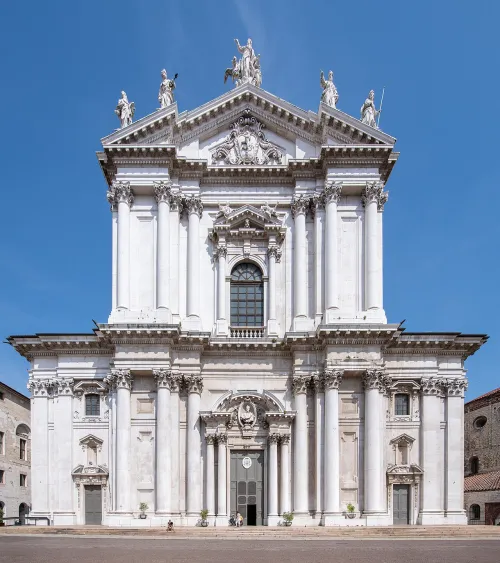
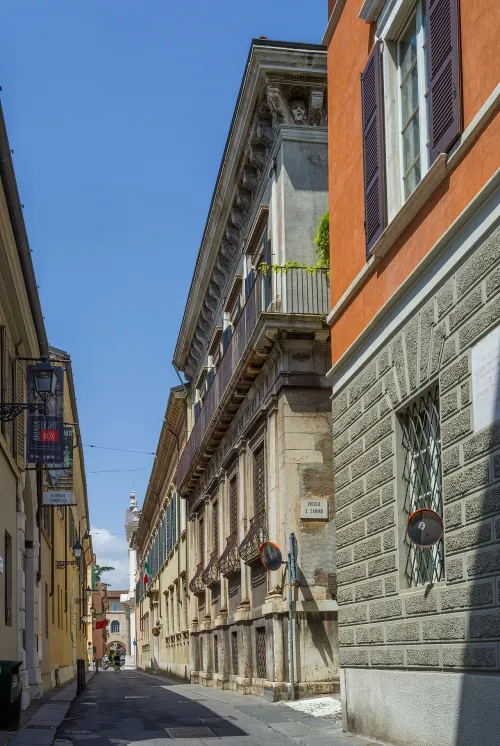 +7
+7All 11 stops are already on the map.
You just press start.
You just press start.
 AI Tourguide
You just read the route.
Now walk it with a guide in your ear.
Press start wherever you are, even hundreds of kilometres from Brescia, and the guide begins telling its stories right away. In the city, pick any of the 11 stops to start from: it leads you there, then talks with you the whole route, asking, listening, remembering, and shaping the tour around your answers.
11stops4.4km2.6hours11languages
▶Start the tour freeFree to start · Runs in your browser · No app, no download
Brescia events and festivals calendar
Annual highlights worth timing a trip around, listed month by month.
February
⛪ ReligiousPatron Saints' Fair (SS Faustino e Giovita) Festa dei Santi Patroni Faustino e Giovita
Feb 15
15 February every year, Brescia's patron-saint day
Brescia's biggest annual folk fair fills the historic centre as 600 exhibitors from across Italy set up stalls, with religious ceremonies at the New Cathedral on Piazza Paolo VI.
🎭 CarnivalCarnival of Bagolino Carnevale di Bagolino
Feb 15–17 ~
Tied to Carnival in late February; peak days the Monday and Tuesday before Lent
A 500-year-old carnival in the medieval village of Bagolino in the Valle Sabbia, 50km from the city, where masked Balarì dancers and Sonädùr musicians parade through the cobblestone alleys in elaborate costume.
March
⛪ ReligiousEaster and Holy Week Pasqua e Settimana Santa
Mar 29 – Apr 6 ~
Palm Sunday through Easter Monday; dates move each year with Easter, typically late March to mid-April
Processions move through the historic centre and special masses fill the Old and New Cathedrals.
May
🎉 FestivalWe Love Castello
May 14 – Sep 13
Mid-May to mid-September each year; weekday evenings 18:00 to midnight, weekends from noon
A summer-long festival across the hilltop Brescia Castle on Cidneo Hill: food trucks, concerts, a Cosplay & Comics festival, the 48-hour non-stop Alchimie Festival, and the Epicentro music festival for emerging Italian artists.
🌙 Museum nightEuropean Museum Night Notte Europea dei Musei
May 23
Always the third Saturday of May
State-linked museums, including the Capitolium, Santa Giulia and the city collections, stay open until midnight or later for a symbolic 1-euro entry, with cultural programming through the evening.
⛪ ReligiousLiving Passion Play (Santa Crus) Santa Crus di Cerveno
May 26 – Jun 2 ~
Staged once every ten years; the next edition after 2026 is 2036
Over 100 costumed participants reenact the Passion through the historic centre of Cerveno in the Valle Camonica, inspired by the 18th-century chapel statues of the sculptor Beniamino Simoni.
June
🏃 SportMille Miglia 1000 Miglia
Jun 9–13
Each June; cars depart Brescia on the Tuesday of race week and return on the Saturday, with the start from Viale Venezia
Around 400 pre-1957 historic cars depart from Brescia on a 1,000-mile circuit to Rome and back, with the city as both start and finish.
July
🎨 Art and cultureBrescia Cosplay & Comics
Jul 1 – Aug 31 ~
A summer weekend within the We Love Castello programme; exact date announced closer to the festival
A cosplay, anime and comics festival at the Bastione di San Marco within Brescia Castle, folded into the wider We Love Castello summer programme.
🎵 MusicBrescia Summer Music
Jul 2 – Sep 6
Early July to early September; Arena Campo Marte in summer, Piazza della Loggia for the September finale
A concert series bringing major Italian and international acts to the Arena Campo Marte in July and to Piazza della Loggia in September, with names such as Emma, Negramaro, Fiorella Mannoia, Claudio Baglioni, Pooh and Europe.
September
🍷 Food and wineFranciacorta in the Cellar Festival Festival Franciacorta in Cantina
Sep 18–20
Third weekend of September every year, across the Franciacorta wine zone
More than 70 Franciacorta DOCG wineries, 15 to 20km from the city, open their cellars for guided tastings, masterclasses, vineyard walks and harvest experiences across one weekend.
October
🍷 Food and wineFranciacorta Autumn Festival Festival d'Autunno in Franciacorta
Oct 17–18 ~
Typically mid-October across the Franciacorta sub-zone
An autumn harvest celebration across the Franciacorta zone, with vineyard walks, wine tastings and local food set among the golden October foliage.
November
🎄 Christmas marketChristmas Markets Mercatini di Natale
Nov 28 – Jan 6 ~
Late November through early January, on Piazza della Loggia and Piazza Paolo VI
Christmas stalls fill Piazza della Loggia and Piazza Paolo VI with artisan crafts, regional foods and mulled wine, with an ice rink near the city centre.
Insider tips for visiting Brescia
The rules buried in forums, in one place.
- Every Fondazione Brescia Musei site, Santa Giulia, the Capitolium, the Tosio Martinengo gallery and the Marzoli Arms Museum, is closed on Mondays. Arrive on a Monday and all four main museums are shut, so plan at least one full Tuesday-to-Sunday day for the museum circuit.
- On the national free-entry first Sunday of the month, the queue at the Capitolium forms on Piazza del Foro by 09:00. The standard ticket is only 8 euro, so go on a Tuesday or Wednesday at 10:00 instead and walk straight in.
- Capitolium entry is time-stamped even with a combined ticket. Pre-book your slot online rather than turning up and hoping, especially on weekends and free Sundays.
- Walk the 1km open-air Via dei Musei corridor from the Capitolium to Santa Giulia before 09:00 in summer. It is free, unticketed, and you get the Roman columns in golden light with no crowd, then an espresso at Caffè dei Musei before the museum opens at 10:00.
- In July and August the heat hits 28 to 35°C with no sea breeze, so it feels worse than the number. Best walking hours are 07:00 to 10:00 and 17:30 to 19:30; museums sit at a steady 20°C, so carry a light layer for indoors.
- For the Mille Miglia week (9 to 13 June), book hotels three or more months ahead. If you missed the window, stay in Bergamo, 45 minutes by train, and day-trip in. Watching the cars leave Viale Venezia on the Tuesday morning is free.
- The Franciacorta wine road, an 80km signposted cycling loop 15 to 20km west of the city, rides best in April-May or September-October. Hire e-bikes in Erbusco or Paratico; most wineries take walk-in tastings except during the September festival weekend, when you must book.
- The Pusterla urban vineyard inside the city on Via Musei is a free, always-open hidden gem, most beautiful in late October when the vines turn gold against the Roman walls, or in February with snow on the Cidneo hill behind it.
Public holidays in Brescia
On these dates many shops and offices close, transport thins out, and sights can be mobbed or shut. Plan around them.
| Date | Holiday | What closes |
|---|---|---|
| Jan 1 | New Year's Day | Shops, banks and offices closed; museums may shut or run reduced hours. Plan the day around what stays open. |
| Jan 6 | Epiphany (La Befana) | National holiday: most shops closed. The Befana children's tradition fills the streets with events and closes out the Christmas season. |
| Feb 15 | Patron Saints' Day (SS Faustino e Giovita) | Brescia's local holiday: banks and public offices close in the city only. The patron-saint fair packs Piazza Paolo VI with 600 exhibitors, the busiest local crowd of winter. |
| Apr 5 | Easter Sunday | Most businesses closed; the New Cathedral and city churches are packed for mass. Some museums open. Book accommodation well ahead, as the Easter weekend fills up. |
| Apr 6 | Easter Monday (Pasquetta) | National holiday: Italians picnic outdoors and restaurants book out. Museums may be open. A good day for a Franciacorta or lake outing. |
| Apr 25 | Liberation Day | National holiday with ceremonies at the war memorials. In 2026 it falls on a Saturday, so there is no bridge day, but shops are largely closed. |
| May 1 | Labour Day | National holiday creating a 1 to 3 May long weekend. Shops closed, hotel rates spike; book ahead if you want these dates. |
| Jun 2 | Republic Day | National holiday with a military parade; banks and offices closed. Most attractions stay open. |
| Aug 15 | Ferragosto (Assumption Day) | Major closure: most Brescian restaurants, bars and shops shut for one to two weeks either side, the city goes very quiet, and the heat tops 30°C. Tourist infrastructure stays open but greatly reduced. |
| Nov 1 | All Saints' Day | National holiday: cemeteries fill with families and domestic day-trippers arrive. Museums are generally open. A brief crowd before November's deep quiet sets in. |
| Dec 8 | Immaculate Conception | National holiday that often bridges into a long weekend. Shops closed and the Christmas markets on Piazza Loggia and Piazza Paolo VI draw their first big crowds. |
| Dec 25 | Christmas Day | Nearly everything closes; hotel restaurants are often the only option. Plan ahead for meals. |
| Dec 26 | St Stephen's Day | National holiday: shops reopen slowly and family visits continue. A quiet day after Christmas before the year-end discounts kick in from 27 December. |
Brescia month by month
January in Brescia
High8°C / 46°F
Low0°C
Rain54mm / 6 rainy days
Sun6.6 h/day
Daylight9 h/day
Humidity78%
Crowds●○○○○Prices●○○○○
January is Brescia stripped back to itself: empty, properly cheap, and unbothered by tourists. Daytime hovers around 8°C and dense Po Valley fog (nebbia) can sit over the city for days. Museums and the Capitolium are close to queue-free, and you rarely need more than a warm coat. Dusk comes by 16:30, so the outdoor window is short but atmospheric, the Roman columns and Renaissance piazzas at their quietest.
The vibe This is the one month the Capitolium feels almost private and you hear Italian, not English, on Piazza della Loggia. If the fog gets oppressive, the Franciacorta hills and the Pusterla vineyard often sit above the fog line in sun while the city stays grey. The damp chill is the price, and it is a fair one.
Don't miss Santa Giulia and the Tosio Martinengo gallery on a quiet weekday feel almost private, no queue and barely another visitor. The Pusterla urban vineyard on Via Musei is free and open whenever you want it, the Cidneo castle hill rising behind it.
Crowd drivers Post-holiday lull with only domestic visitors; no events until the university semester restarts. The lowest visitor pressure of the entire year.
In season Hearty Lombard winter cooking is in season: casöla pork-and-cabbage stew and casoncelli pasta in butter and sage, best in the trattorie of the Contrada del Carmine.
Heads up 1 and 6 January are national holidays with museums and shops shut and reduced transport. All Brescia Musei sites are closed every Monday year-round.
Cheapest month of the year; hotels average around 90 dollars a night.
February in Brescia
High10°C / 50°F
Low2°C
Rain78mm / 9 rainy days
Sun6.8 h/day
Daylight10 h/day
Humidity77%
Crowds●●○○○Prices●●○○○
February stays cold and often foggy at around 10°C, but it carries the year's most local energy. On 15 February the patron-saint fair, SS Faustino e Giovita, fills Piazza Paolo VI with 600 exhibitors from across Italy, and Carnival season builds through the mid-month weekends. Away from those dates, museums are uncrowded and rooms sit near January lows.
The vibe This is honest, unperformed Brescia, no show put on for tourists. The patron-saint day is the one afternoon you see the whole city out together. Up in the valley, the 500-year-old Carnival of Bagolino is one of Italy's most authentic and least touristy, entirely free.
Don't miss The Carnival of Bagolino (16 to 17 February peak) in a medieval village 50km up the Valle Sabbia, with Balarì dancers and Sonädùr musicians, is reachable by car or a special Arriva bus. The Pusterla vineyard takes snow on the Cidneo hill beautifully this month.
Crowd drivers The 15 February local holiday and fair draw domestic visitors; Carnival weekends mid-month add a little weekend pressure. Otherwise quiet.
In season Carnival sweets fill the bakery windows, and the patron-saint fair lines Piazza Paolo VI with regional food stalls from across Italy.
Heads up 15 February is a local Brescia holiday: banks and public offices close in the city. Museums remain closed Mondays.
Budget-friendly, except a small bump for the 15 February patron-saint weekend.
Events this month
⛪ ReligiousPatron Saints' Fair (SS Faustino e Giovita) Festa dei Santi Patroni Faustino e Giovita
Feb 15
15 February every year, Brescia's patron-saint day
Brescia's biggest annual folk fair fills the historic centre as 600 exhibitors from across Italy set up stalls, with religious ceremonies at the New Cathedral on Piazza Paolo VI.
It is the city's most authentic local celebration of the year, the one day to see Brescians out together en masse rather than tourists.
🎭 CarnivalCarnival of Bagolino Carnevale di Bagolino
Feb 15–17 ~
Tied to Carnival in late February; peak days the Monday and Tuesday before Lent
A 500-year-old carnival in the medieval village of Bagolino in the Valle Sabbia, 50km from the city, where masked Balarì dancers and Sonädùr musicians parade through the cobblestone alleys in elaborate costume.
One of Italy's most ancient and authentic carnivals, entirely free and barely touristed, reachable by car or a special Arriva bus.
March in Brescia
High14°C / 57°F
Low4°C
Rain52mm / 8 rainy days
Sun9.1 h/day
Daylight12 h/day
Humidity69%
Crowds●●○○○Prices●●○○○
March brings Brescia back to life: highs climbing toward 14°C, the fog lifting, and the first café terraces reopening. Crowds stay light, a scattering of UK and German spring-break visitors and uncrowded museums. Late in the month the Easter run-up begins, and the cherry, peach and magnolia blossom starts to break along the Franciacorta wine road.
The vibe March is the last genuinely quiet month before spring fills the calendar. The city wakes up with terrace tables and lengthening light, yet you still walk into any trattoria on a Saturday without booking. That window closes fast once April arrives, so use it.
Don't miss Spring blossom breaks in the Franciacorta vineyards, cherry, peach and magnolia along the wine road, from late March. It is the start of the season to ride the 80km Franciacorta cycling loop before the summer heat arrives.
Crowd drivers Mostly domestic and a few northern-European spring-break visitors. A late-March Easter run-up can lift late-month weekends.
In season The first spring produce reaches the market stalls, and Franciacorta cellars reopen for relaxed walk-in tastings before the festival rush.
Heads up All Brescia Musei sites remain closed Mondays. No major holiday closures unless Easter falls in late March.
Mid-week rates still near January lows; prices firm up late in the month toward Easter.
April in Brescia
High18°C / 65°F
Low8°C
Rain83mm / 10 rainy days
Sun10.5 h/day
Daylight14 h/day
Humidity66%
Crowds●●●○○Prices●●●○○
April is the city's first truly lovely month: mild 18°C, spring blooms across Franciacorta, and manageable crowds. Easter (5 to 6 April) pulls Italian domestic tourists in and books out the hotels for that weekend, and the 25 April Liberation Day long weekend adds a second spike. Around 10 rainy days are likely, mostly brief afternoon showers a 5-euro market umbrella covers.
The vibe April is the shoulder-season answer most first-timers are actually after: warm enough to walk the full Roman-to-Lombard run, blossom on the wine road, and queues you can work around. Dodge the Easter and 25 April weekends unless you booked months ahead, and it is close to ideal.
Don't miss Franciacorta is in full blossom, the best month after September to ride the wine road by e-bike from Erbusco or Paratico. Easter processions move through the historic centre, and the rare decennial Santa Crus living Passion play in Cerveno builds toward its late-May opening.
Crowd drivers Easter domestic tourism (5 to 6 April), the Liberation Day long weekend on 25 April, and the start of the spring-blossom day-trip season in Franciacorta.
In season Spring asparagus and the first lake fish from Iseo and Garda come into season; Franciacorta DOCG sparkling pairs with the lighter spring menus.
Heads up Easter Sunday and Monday (5 to 6 April) and Liberation Day (25 April) close most shops. Museums stay closed Mondays.
Easter weekend and the 25 April Liberation Day weekend spike rates; otherwise shoulder-season value.
Events this month
⛪ ReligiousEaster and Holy Week Pasqua e Settimana Santa
Mar 29 – Apr 6 ~
Palm Sunday through Easter Monday; dates move each year with Easter, typically late March to mid-April
Processions move through the historic centre and special masses fill the Old and New Cathedrals. In the province, the Via Crucis sanctuary at Cerveno keeps 14 permanently accessible chapels staged with 18th-century statues.
A deeply local Easter without the crush of a pilgrimage city, set among Brescia's two cathedrals and the surrounding valley sanctuaries.
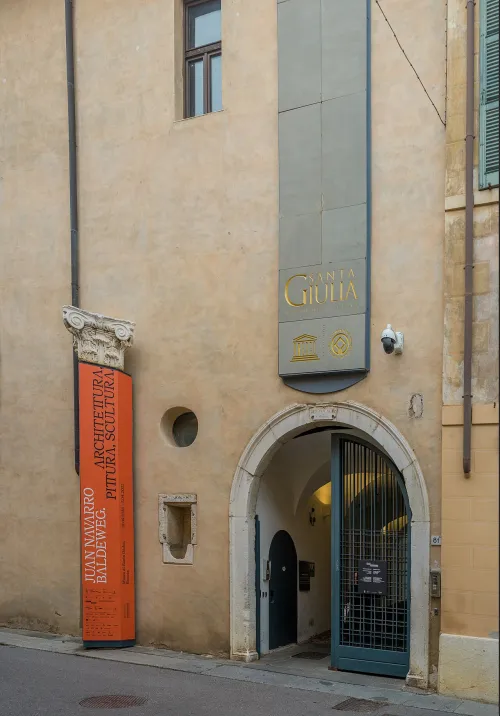
May in Brescia
High22°C / 71°F
Low13°C
Rain127mm / 16 rainy days
Sun10.8 h/day
Daylight15 h/day
Humidity71%
Crowds●●●●○Prices●●●●●
May is Brescia at its best-weather peak: 21 to 22°C, long evenings, and the city in bloom, but it is also the year's most expensive month, with average rooms near 137 dollars. The We Love Castello festival opens on the castle hill on 14 May and runs to mid-September, European Museum Night lands on 23 May, and the 1 May long weekend kicks the month off busy. Showers can be heavy and frequent this month, mostly brief afternoon storms.
The vibe Everyone calls May the sweet spot, and the weather earns it: golden light, aperitivo on Piazza della Loggia until 21:00, the castle floodlit above the city. Just go in clear-eyed, this is the priciest month, with Italian school groups filling the museums and hotel rates that know exactly how good the weather is.
Don't miss We Love Castello opens on 14 May: floodlit ramparts on Cidneo Hill, food trucks, free concerts and the city panorama, free to enter the grounds. European Museum Night on 23 May opens Santa Giulia, the Capitolium and more until midnight for a symbolic 1-euro entry, with minimal queues after 21:00.
Crowd drivers Best-weather peak with Italian school groups, the 1 May long weekend, the We Love Castello opening, and the late-month build-up to the Mille Miglia.
In season Aperitivo season opens in earnest. Order a Pirlo, the Brescian spritz made with still white wine, on Piazza della Loggia as the light turns gold.
Heads up 1 May closes most shops and offices, creating the 1 to 3 May long weekend. Museums stay closed Mondays.
Year's highest average hotel rate, around 137 dollars a night; the 1 May long weekend pushes prices up further.
Events this month
🎉 FestivalWe Love Castello
May 14 – Sep 13
Mid-May to mid-September each year; weekday evenings 18:00 to midnight, weekends from noon
A summer-long festival across the hilltop Brescia Castle on Cidneo Hill: food trucks, concerts, a Cosplay & Comics festival, the 48-hour non-stop Alchimie Festival, and the Epicentro music festival for emerging Italian artists.
The ideal warm-evening outing, with the castle floodlit, the city panorama spread below, and free entry to the grounds.
🌙 Museum nightEuropean Museum Night Notte Europea dei Musei
May 23
Always the third Saturday of May
State-linked museums, including the Capitolium, Santa Giulia and the city collections, stay open until midnight or later for a symbolic 1-euro entry, with cultural programming through the evening.
Perfect for budget travellers: the year's cheapest museum access, with minimal queues after 21:00.
⛪ ReligiousLiving Passion Play (Santa Crus) Santa Crus di Cerveno
May 26 – Jun 2 ~
Staged once every ten years; the next edition after 2026 is 2036
Over 100 costumed participants reenact the Passion through the historic centre of Cerveno in the Valle Camonica, inspired by the 18th-century chapel statues of the sculptor Beniamino Simoni.
A genuine once-in-a-decade event staged by the village of Cerveno, with the next edition a full ten years away. Cultural travellers within reach of Brescia in late May or early June should not miss it.
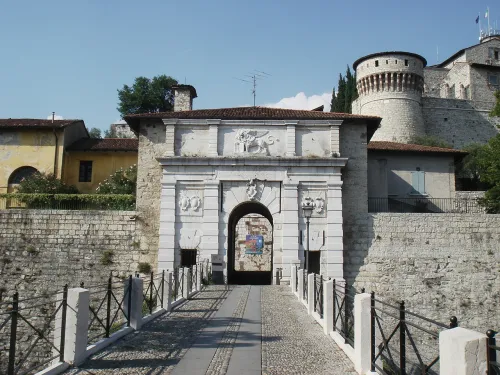
June in Brescia
High27°C / 81°F
Low18°C
Rain101mm / 11 rainy days
Sun13.3 h/day
Daylight16 h/day
Humidity66%
Crowds●●●●○Prices●●●●○
June opens the Brescian summer warm at 27°C and long on daylight, nearly 15.5 hours. The Mille Miglia race week, 9 to 13 June, fills every hotel in the city and across Franciacorta and turns Viale Venezia into a free street spectacle as 400 pre-1957 cars depart. Brescia Summer Music begins on 2 July, but its season builds from late June, and the end of school brings the first families.
The vibe June is the tipping point into full summer. The Mille Miglia week is electric, an unmissable spectacle if you have car interest, but book months ahead or it locks you out. Outside that week, the long golden evenings on the castle hill and the still-bearable heat make early and late June a genuine highlight.
Don't miss Watch the Mille Miglia leave Viale Venezia from the pavement on 9 June, free and extraordinary. We Love Castello runs nightly on the castle hill, and Lake Garda becomes swimmable from mid-June, water around 22°C, a 30-minute drive away.
Crowd drivers The Mille Miglia race week (9 to 13 June) is the year's single biggest hotel-filler; end-of-school families and the Republic Day holiday on 2 June add to it.
In season Lake fish from Iseo and Garda are at their best, and the first summer produce fills the markets for long-evening aperitivi.
Heads up Republic Day (2 June) closes banks and offices but most attractions stay open. Museums remain closed Mondays.
Mille Miglia week (9 to 13 June) spikes hotel rates 30 to 40% above the June baseline; book three or more months ahead.
Events this month
🏃 SportMille Miglia 1000 Miglia
Jun 9–13
Each June; cars depart Brescia on the Tuesday of race week and return on the Saturday, with the start from Viale Venezia
Around 400 pre-1957 historic cars depart from Brescia on a 1,000-mile circuit to Rome and back, with the city as both start and finish. The departure along Viale Venezia is a massive street spectacle.
An extraordinary free spectacle, but book hotels three or more months ahead, since the city and Franciacorta sell out for the week.
🎉 FestivalWe Love Castello
May 14 – Sep 13
Mid-May to mid-September each year; weekday evenings 18:00 to midnight, weekends from noon
A summer-long festival across the hilltop Brescia Castle on Cidneo Hill: food trucks, concerts, a Cosplay & Comics festival, the 48-hour non-stop Alchimie Festival, and the Epicentro music festival for emerging Italian artists.
The ideal warm-evening outing, with the castle floodlit, the city panorama spread below, and free entry to the grounds.
⛪ ReligiousLiving Passion Play (Santa Crus) Santa Crus di Cerveno
May 26 – Jun 2 ~
Staged once every ten years; the next edition after 2026 is 2036
Over 100 costumed participants reenact the Passion through the historic centre of Cerveno in the Valle Camonica, inspired by the 18th-century chapel statues of the sculptor Beniamino Simoni.
A genuine once-in-a-decade event staged by the village of Cerveno, with the next edition a full ten years away. Cultural travellers within reach of Brescia in late May or early June should not miss it.
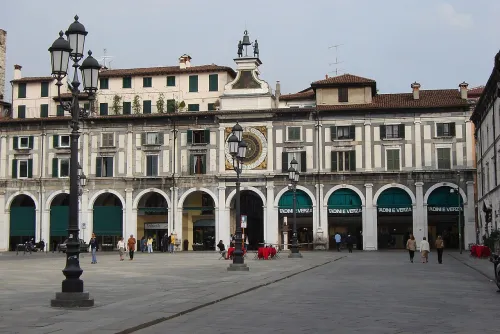
July in Brescia
High29°C / 85°F
Low20°C
Rain108mm / 11 rainy days
Sun13.3 h/day
Daylight15 h/day
Humidity65%
Crowds●●●●○Prices●●●●○
July is peak summer and Italy's domestic holiday month, with afternoons of 28 to 35°C and high Po Valley humidity that makes the heat feel worse, since there is no sea breeze. Brescia Summer Music opens on 2 July at the Arena Campo Marte, and Lake Garda overflow keeps the day-tripper crowd high. The midday UNESCO corridor walk is punishing with no shade on Piazza del Foro, so walk early or late.
The vibe July rewards people who plan around the heat rather than fight it. Midday on the open Roman Forum is a write-off, but an early-morning walk down Via dei Musei in golden light, or an evening concert under the stars, is a completely different city. The museums, held at a steady 20°C, are a genuine refuge.
Don't miss Brescia Summer Music brings major Italian and international acts to the Arena Campo Marte from 2 July. Walk the Capitolium and Via dei Musei before 09:00 for cool air and golden light, then escape the afternoon heat to Lake Iseo, less crowded than Garda, with Monte Isola reachable by ferry from Sulzano.
Crowd drivers Italian domestic summer holidays, Lake Garda day-tripper overflow, and the opening of Brescia Summer Music at the Arena Campo Marte.
In season Gelato becomes a survival strategy. Lake fish and chilled Franciacorta on a shaded terrace are the antidote to the midday heat.
Heads up No holiday closures, but central restaurants begin posting late-month "ferie" signs toward the end of July. Museums remain closed Mondays.
Prices plateau at the June level; mid-week is considerably cheaper than weekends.
Events this month
🎵 MusicBrescia Summer Music
Jul 2 – Sep 6
Early July to early September; Arena Campo Marte in summer, Piazza della Loggia for the September finale
A concert series bringing major Italian and international acts to the Arena Campo Marte in July and to Piazza della Loggia in September, with names such as Emma, Negramaro, Fiorella Mannoia, Claudio Baglioni, Pooh and Europe.
Concert nights in the Renaissance setting of Piazza della Loggia are spectacular; book headline acts weeks ahead, as the piazza holds only about 3,000.
🎉 FestivalWe Love Castello
May 14 – Sep 13
Mid-May to mid-September each year; weekday evenings 18:00 to midnight, weekends from noon
A summer-long festival across the hilltop Brescia Castle on Cidneo Hill: food trucks, concerts, a Cosplay & Comics festival, the 48-hour non-stop Alchimie Festival, and the Epicentro music festival for emerging Italian artists.
The ideal warm-evening outing, with the castle floodlit, the city panorama spread below, and free entry to the grounds.
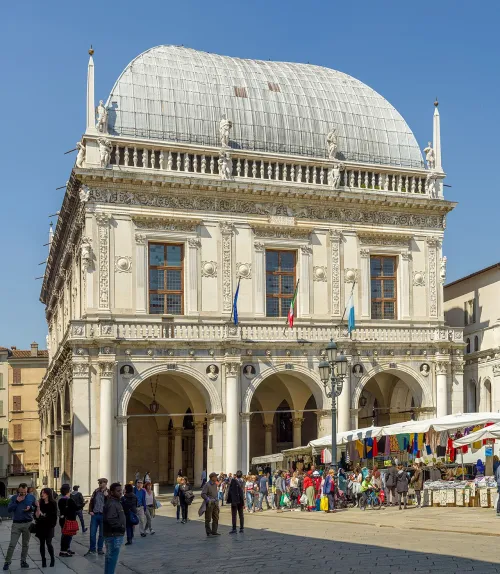
August in Brescia
High29°C / 84°F
Low20°C
Rain109mm / 12 rainy days
Sun11.9 h/day
Daylight14 h/day
Humidity65%
Crowds●●●○○Prices●●●○○
August is the strangest month to visit. The heat peaks, and around Ferragosto (15 August) the Brescians leave for two weeks, taking 30 to 40% of central restaurants with them, "ferie" signs on the doors from roughly 10 to 25 August. Garda day-trippers still arrive, but the local fabric thins right out. Hotel rates fall, and the museums and Roman sites stay open in an oddly emptied city.
The vibe Ferragosto turns central Brescia into a ghost city of 30°C-plus heat and shuttered trattorie. It is the most honest look at how the city actually runs, but it is not the city you came to experience. If you do visit mid-August, stock up at a supermarket and stick to the Contrada del Carmine, which has the fewest closures.
Don't miss The hilltop We Love Castello festival runs through the heat as an evening refuge. The lakes are the real draw, Garda swimmable at 22 to 26°C, Lake Iseo and Monte Isola quieter, both an easy drive from a city that has half packed up for the holidays.
Crowd drivers The Ferragosto exodus thins the local crowd, while Lake Garda day-trippers and the heat keep some tourist pressure on. A net-quiet month in the centre.
In season Many central trattorie close 10 to 25 August. The Contrada del Carmine keeps more open; otherwise lean on lake-town restaurants and tourist-zone bars.
Heads up Ferragosto (15 August) and the surrounding fortnight shut 30 to 40% of central restaurants and many shops. Museums stay open but Mondays remain closed.
Ferragosto paradox: hotel rates drop 10 to 15% versus July, but most trattorie close 10 to 25 August.
Events this month
🎉 FestivalWe Love Castello
May 14 – Sep 13
Mid-May to mid-September each year; weekday evenings 18:00 to midnight, weekends from noon
A summer-long festival across the hilltop Brescia Castle on Cidneo Hill: food trucks, concerts, a Cosplay & Comics festival, the 48-hour non-stop Alchimie Festival, and the Epicentro music festival for emerging Italian artists.
The ideal warm-evening outing, with the castle floodlit, the city panorama spread below, and free entry to the grounds.
🎵 MusicBrescia Summer Music
Jul 2 – Sep 6
Early July to early September; Arena Campo Marte in summer, Piazza della Loggia for the September finale
A concert series bringing major Italian and international acts to the Arena Campo Marte in July and to Piazza della Loggia in September, with names such as Emma, Negramaro, Fiorella Mannoia, Claudio Baglioni, Pooh and Europe.
Concert nights in the Renaissance setting of Piazza della Loggia are spectacular; book headline acts weeks ahead, as the piazza holds only about 3,000.
September in Brescia
High24°C / 75°F
Low16°C
Rain101mm / 9 rainy days
Sun10.5 h/day
Daylight12 h/day
Humidity72%
Crowds●●●●○Prices●●●○○
September is Brescia's busiest cultural month and arguably its best value: 24°C, golden harvest light, and softer rates than May or June. The Summer Music finale plays Piazza della Loggia from 2 to 6 September, We Love Castello runs until 13 September, and the Festival Franciacorta in Cantina (18 to 20 September) opens 70-plus wineries for tastings. The locals are back from holiday and the city is fully alive again.
The vibe September is the connoisseur's month. You get May's warmth without May's prices, the wine country in harvest, and the trattorie reopened and humming. The only catch is the Franciacorta festival weekend, when the Erbusco and Iseo B&Bs fill, so book those dates well ahead.
Don't miss The Festival Franciacorta in Cantina (18 to 20 September) opens 70-plus DOCG cellars 15 to 20km west for guided tastings and vineyard walks at harvest. Headline acts close Brescia Summer Music on Piazza della Loggia from 2 to 6 September; the piazza holds about 3,000 standing, so book three to six weeks ahead and take the BS1 tram rather than driving.
Crowd drivers The fullest events calendar of the year: the Summer Music finale, We Love Castello's final weeks, the Franciacorta wine festival, and the start of harvest tourism.
In season Grape harvest is on across Franciacorta. The Contrada del Carmine, the densest run of genuine restaurants, is at its best now as the locals return from the August break.
Heads up No holiday closures. Museums remain closed Mondays. Franciacorta cellars require booking during the 18 to 20 September festival.
Rates soften from the May-June peak while the calendar is at its fullest; excellent value, book Franciacorta B&Bs six to eight weeks ahead.
Events this month
🍷 Food and wineFranciacorta in the Cellar Festival Festival Franciacorta in Cantina
Sep 18–20
Third weekend of September every year, across the Franciacorta wine zone
More than 70 Franciacorta DOCG wineries, 15 to 20km from the city, open their cellars for guided tastings, masterclasses, vineyard walks and harvest experiences across one weekend.
The best way to explore Italy's premier sparkling-wine region at harvest; buy tickets weeks ahead and book the Erbusco and Iseo B&Bs by late July.
🎵 MusicBrescia Summer Music
Jul 2 – Sep 6
Early July to early September; Arena Campo Marte in summer, Piazza della Loggia for the September finale
A concert series bringing major Italian and international acts to the Arena Campo Marte in July and to Piazza della Loggia in September, with names such as Emma, Negramaro, Fiorella Mannoia, Claudio Baglioni, Pooh and Europe.
Concert nights in the Renaissance setting of Piazza della Loggia are spectacular; book headline acts weeks ahead, as the piazza holds only about 3,000.
🎉 FestivalWe Love Castello
May 14 – Sep 13
Mid-May to mid-September each year; weekday evenings 18:00 to midnight, weekends from noon
A summer-long festival across the hilltop Brescia Castle on Cidneo Hill: food trucks, concerts, a Cosplay & Comics festival, the 48-hour non-stop Alchimie Festival, and the Epicentro music festival for emerging Italian artists.
The ideal warm-evening outing, with the castle floodlit, the city panorama spread below, and free entry to the grounds.
October in Brescia
High19°C / 66°F
Low12°C
Rain101mm / 10 rainy days
Sun8.0 h/day
Daylight11 h/day
Humidity78%
Crowds●●●○○Prices●●●○○
October is the quiet harvest month, with mild 19°C highs, golden vineyards, and Val Camonica foliage turning to the north. Trade shows at the Brixia Forum bring some business travel and the autumn rains pick up, October and November are the wettest stretch, but the showers are usually brief. The Festival d'Autunno in Franciacorta (typically mid-October) brings a quieter harvest celebration than September's.
The vibe October is the romantic, value-rich tail of the season: golden Franciacorta vines, emptier cellar visits, and the Pusterla urban vineyard at its photographic peak against the Roman walls. The light is the best of the autumn, and you have most of it to yourself before November's grey settles in.
Don't miss The Festival d'Autunno in Franciacorta (typically mid-October) offers vineyard walks and tastings amid golden foliage, quieter and better value than September. Val Camonica's autumn colour and the UNESCO rock-art park at the Parco delle Incisioni Rupestri, 60 to 90 minutes north, are spectacular in low autumn light.
Crowd drivers Harvest tourism, autumn foliage day trips to Val Camonica, and trade shows at the Brixia Forum. Crowds ease steadily through the month.
In season Truffles arrive from the Valcamonica markets, and casoncelli and casöla return to the menus, paired with autumn Franciacorta and the new harvest.
Heads up No holiday closures. Museums stay closed Mondays. Brixia Forum trade-show dates can tighten hotel availability mid-week.
Rates drop from September; the mid-month sweet spot sits between harvest crowds and the onset of grey weather.
Events this month
🍷 Food and wineFranciacorta Autumn Festival Festival d'Autunno in Franciacorta
Oct 17–18 ~
Typically mid-October across the Franciacorta sub-zone
An autumn harvest celebration across the Franciacorta zone, with vineyard walks, wine tastings and local food set among the golden October foliage.
Quieter and better value than the September festival, with the vineyards at their colour peak.
November in Brescia
High12°C / 54°F
Low6°C
Rain118mm / 12 rainy days
Sun6.0 h/day
Daylight10 h/day
Humidity83%
Crowds●○○○○Prices●○○○○
November is grey, foggy Po Valley weather at its fullest, highs around 12°C and museums near empty. The All Saints weekend (1 November) brings a brief domestic spike, then the city falls deeply quiet. It is the year's second-cheapest stretch, rooms from 60 to 70 euro, and you queue for nothing, the trade being short days and the wettest, greyest skies of the calendar.
The vibe November is for travellers who came for the art and the quiet, not the weather. You get Santa Giulia and the Capitolium to yourself, the cheapest rooms outside January, and a city living its real autumn rhythm. The grey, persistent drizzle and 16:30 dusk are the honest price.
Don't miss The museums are at their emptiest, an unhurried day for Santa Giulia, the Capitolium and the Tosio Martinengo gallery with no queue. The Pusterla vineyard's last golden vines hold into early November against the Roman walls.
Crowd drivers Only the All Saints long weekend (1 November) lifts the crowd; the rest of the month is domestic and deeply quiet, the lowest pressure after January.
In season Deep-autumn Lombard cooking is in full season: casöla, casoncelli and game, warming food for the foggy evenings, with the harvest Franciacorta now on the shelves.
Heads up All Saints' Day (1 November) closes most shops for the long weekend. Museums remain closed Mondays.
Second-cheapest month; rooms from 60 to 70 euro, with virtually no queue anywhere.
December in Brescia
High8°C / 47°F
Low2°C
Rain70mm / 8 rainy days
Sun5.5 h/day
Daylight9 h/day
Humidity84%
Crowds●●○○○Prices●●○○○
December turns festive, with Christmas markets on Piazza della Loggia and Piazza Paolo VI from late November and an ice rink near the centre. Cold at around 8°C and often foggy, but the Renaissance piazzas under lights are genuinely atmospheric. Daylight is shortest now, dusk by 16:30, and the Christmas Day and Boxing Day closures bracket the festive run.
The vibe Brescia's Christmas markets are smaller and more local than Trento's or Bolzano's, and better for it, mulled wine and artisan stalls against a Renaissance-piazza backdrop with no crowds bussed in. The week between Christmas and New Year quiets right down and the rooms get cheap.
Don't miss The Christmas markets on Piazza della Loggia and Piazza Paolo VI, with artisan crafts, regional food and mulled wine, run against a floodlit Renaissance backdrop, plus an ice rink near the centre. The Pusterla vineyard takes early-winter snow on the Cidneo hill well.
Crowd drivers The Immaculate Conception bridge (8 December) and the Christmas weekends draw market crowds; the city empties again between 27 December and New Year.
In season Mulled wine and roasted chestnuts at the markets, and festive Lombard tables of casoncelli and game, with panettone everywhere through the season.
Heads up Immaculate Conception (8 December), Christmas Day (25 December, nearly everything shut) and St Stephen's Day (26 December) close shops. Museums remain closed Mondays.
Rates rise for the Natale weekends, with Christmas Eve to Boxing Day the most expensive days; deep discounts open between 27 December and New Year.
Events this month
🎄 Christmas marketChristmas Markets Mercatini di Natale
Nov 28 – Jan 6 ~
Late November through early January, on Piazza della Loggia and Piazza Paolo VI
Christmas stalls fill Piazza della Loggia and Piazza Paolo VI with artisan crafts, regional foods and mulled wine, with an ice rink near the city centre.
Smaller and more genuinely local than the Trento or Bolzano markets, set against an atmospheric Renaissance-piazza backdrop.
Frequently asked questions
What is the best time to visit Brescia?
April, May, September and October are the best months. You get mild 18 to 24°C, Franciacorta in spring blossom or harvest, and the open-air We Love Castello festival on the castle hill. May and June bring the best weather but the highest prices and the Mille Miglia crush, so the shoulder weeks on either side are the sweet spot.
What are the cheapest months to visit Brescia?
January is the cheapest, with hotels averaging around 90 dollars a night and the Capitolium almost empty. November is a close second, with rooms from 60 to 70 euro, as long as you avoid the 15 February patron-saint weekend. The trade-off is grey Po Valley fog, short days with dusk by 16:30, and the wettest skies of the year.
When should I avoid visiting Brescia?
Mid-August, roughly 10 to 25 August, is the month to avoid. Around Ferragosto (15 August) the locals leave for two weeks and 30 to 40% of central restaurants close, while the heat tops 30°C. The Mille Miglia week (9 to 13 June) is the other date to plan around, since every hotel in the city and Franciacorta fills months ahead.
Is Brescia worth visiting in winter?
Yes, if you came for art and quiet rather than weather. January and November empty the museums out, so Santa Giulia and the Capitolium are near queue-free, and rooms drop to 60 to 90 euro. Expect dense fog, highs around 8 to 12°C, and dusk by 16:30. The Pusterla urban vineyard against the Roman walls is at its most photogenic in late autumn and snowy February.
What is the weather like in Brescia in summer?
Summer afternoons hit 28 to 35°C with high Po Valley humidity and no sea breeze, so it feels hotter than the number. There is no shade on the open Roman Forum at Piazza del Foro, so walk between 07:00 and 10:00 or after 17:30. The museums hold a steady 20°C and make a cool midday refuge. Brief afternoon thunderstorms are common in May and June.
When is the Mille Miglia in Brescia?
The Mille Miglia runs 9 to 13 June in 2026, with around 400 pre-1957 cars departing Brescia from Viale Venezia at 11:30 on 9 June and returning on the 13th. Watching from the pavement is free and spectacular, but book a hotel three or more months ahead, since the city and Franciacorta sell out. If you missed it, stay in Bergamo, 45 minutes by train.
Which museums are closed on Mondays in Brescia?
Every Fondazione Brescia Musei site is closed on Mondays: Santa Giulia, the Capitolium, the Tosio Martinengo Picture Gallery and the Marzoli Arms Museum. Arrive on a Monday and all four main museums are shut, so plan at least one full Tuesday-to-Sunday day for the museum circuit. Capitolium entry is also time-stamped, so pre-book your slot online.
Is September a good time to visit Brescia?
September is arguably the best month: 24°C, golden harvest light, and softer rates than May or June. The Summer Music finale plays Piazza della Loggia from 2 to 6 September, We Love Castello runs to 13 September, and the Festival Franciacorta in Cantina (18 to 20 September) opens 70-plus wineries. The locals are back from holiday and the city is fully alive.
How many days do I need in Brescia?
Two days cover the city itself: the Roman Capitolium and the open-air Via dei Musei corridor, the Santa Giulia museum complex, the castle on Cidneo Hill, and the Renaissance Piazza della Loggia. Add a third day for a Franciacorta wine outing, 15 to 20km west, or a trip to Lake Iseo and Monte Isola. A long weekend is the natural fit.

Any month, any day: your guide is already there
Whatever date you pick, a private human guide gets pricier and harder to book on weekends, holidays and in peak season. Our live AI guide, the one that walks with you and answers anything you ask out loud, works the opposite way.
One flat price, every day
No holiday, weekend, night or peak-season surcharge. A private guide in Brescia runs well over 100 euro for a half day, and more on holidays. Ours stays the same.
Available the moment you want it
Start at midnight or at dawn, on Christmas, in the snow, in the August heat. No sold-out high season, no booking weeks ahead.
Your pace, no meter running
Pause for a long lunch, restart after dark, repeat a stop. The tour simply waits for you.
Free to try, a fraction of the cost
Test it for free, then a transparent flat price that undercuts any private guide, in every season.
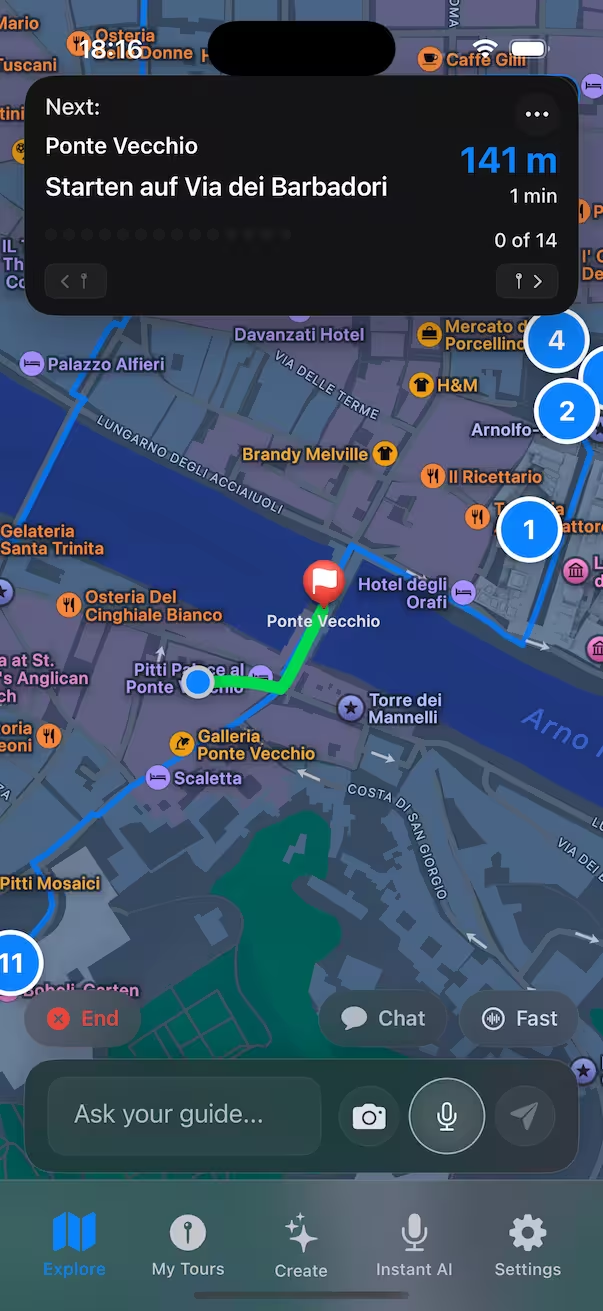
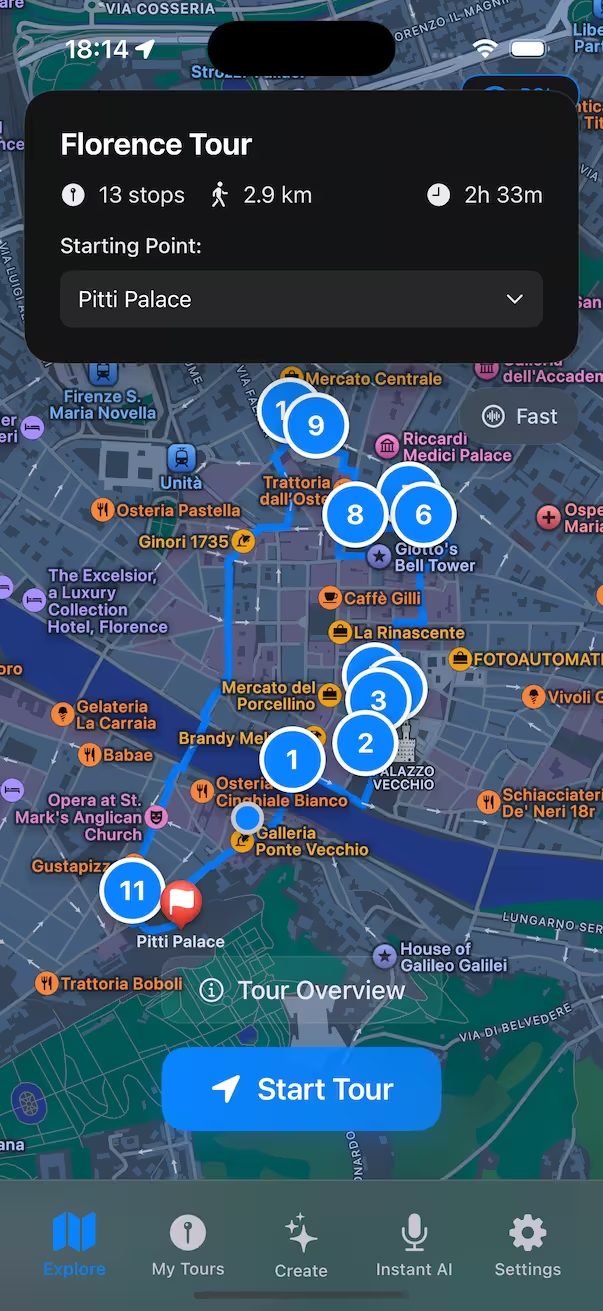
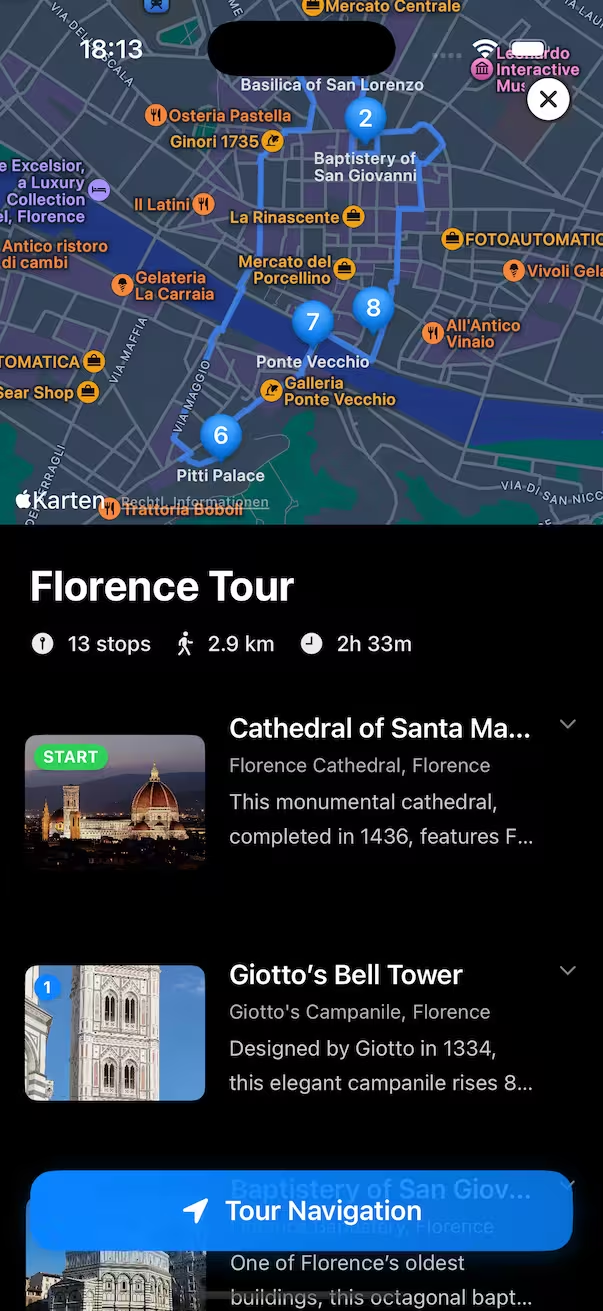
The classic Brescia tour: 11 stops, 4.4 km, about 3 h on foot
Your live AI guide and the self-guided Brescia route, together in your browser.