Best Time to Visit London
Month-by-month weather, crowds and prices, plus a full calendar of festivals and events worth planning a trip around.
Best monthsApr, May, Sep, Oct
CheapestJan, Feb
AvoidJul, Aug
BusiestJul, Aug

When is the best time to visit London?
Come in late April to early June or mid-September to mid-October: mild 14-20°C days, long light, every sight open, and no school-holiday crush. July and August bring peak prices (£210-£260 a night central), the longest queues and a stuffy Underground. January and February are cheapest and emptiest.
Start our tool and find your best time to visit London
Your perfect month
Free · ~30 seconds
or tap a month directly
What matters to you?
And this?
Best overall: May, Sep. May and September are the sweet spot: 17-20°C, long light, every museum and palace open, and crowds you can still work around. Late April and early October deliver too, just book ahead, because the same advice is everywhere.
Best value: Jan, Feb, Nov. January, February and early November bring hotel rates 40-50% below summer, short or no queues at the Tower and St Paul's, and London's world-class free museums (British Museum, V&A, Tate Modern) just as open as in peak season.
Avoid: Jul, Aug. July and August: the priciest months (£210-£260 a night central), the longest queues, school holidays stacking UK on European on American families, and a 30-35°C Underground with no air-con on the deep lines.
- January: Good time, 8°C. This is the month you stand in front of the Rosetta Stone without a scrum and walk into the National Gallery on a whim. The trade-off is honest: short, grey, sometimes drizzly days. But the free museums, warm pubs and near-empty Tower make it the most relaxed, and cheapest, London of the year.
- February: Good time, 9°C. February is London with the tourist volume turned all the way down. No queues worth the name, the lowest prices of the year, and a city getting on with its own life. Bundle up, accept the grey, and enjoy having the Turner rooms at Tate Britain almost to yourself.
- March: Good time, 11°C. March is the last genuinely quiet, genuinely cheap month before spring fills the city. You still get short queues and low rates, but the light is back and café terraces are reopening. Use it: that window slams shut once Easter and April arrive.
- April: Good time, 14°C. April is the postcard. Blossom along the Japanese Cherry Walk at Kew, 14 hours of daylight by month's end, and every sight open without the summer crush. It is no longer a secret, so the Easter weekend and Marathon Sunday get busy, but a midweek April day is close to the ideal London.
- May: Good time, 17°C. May genuinely is the sweet spot, mild, bright and blooming, and enough people know it that you should book early. Hotels are firm and the bank-holiday weekends are busy along the Thames, but the weather is the year's most reliable and the long evenings are pure London at its best.
- June: Good time, 21°C. June is when London tips from busy-but-workable into full summer. The light is glorious, golden hour runs to 9pm, and outdoor sightseeing after dinner is genuinely viable. By the third week, though, the queues, prices and crowds are all rising fast toward the July peak.
- July: Tough month, 23°C. July is for travellers who don't mind peak prices, the longest queues and a packed centre. London is mild rather than scorching, so it is more bearable than southern Europe, but a 32°C heatwave on the Central line is genuinely grim. The payoff is Wimbledon, the Proms and 16 hours of daylight.
- August: Tough month, 22°C. August is busy, expensive London, not empty-romantic London. The whole city is on holiday and so is everyone visiting it. The redeeming thrill is Carnival: two million people, 30-plus sound systems and the best street party in Europe. Outside that weekend, expect peak prices and long waits everywhere.
- September: Great time, 20°C. September is the connoisseur's London: still warm, far quieter, noticeably cheaper, and the city's richest cultural month. Open House throws open 800-plus normally locked buildings for free, the kind of access you cannot buy. If you want the spring sweet spot with a culture programme on top, this is it.
- October: Good time, 16°C. October is romantic, intellectual London: misty parks turning gold, world-class art at Frieze and premieres at the BFI Film Festival, all at shoulder prices. Days shorten fast, dark by 6pm late in the month, and the rain turns greyer and more persistent, but the autumn light through Kew is worth a packable waterproof.
- November: Good time, 11°C. Early November is one of London's best-kept value secrets: low rates, short museum queues and the city in its honest grey-and-cosy mode. Book before the 12th. Once Winter Wonderland opens and the Christmas lights switch on along Oxford and Regent Street, prices and crowds climb again.
- December: Good time, 9°C. December is magic if you embrace the dark and the cold: ice rinks, the lights, mulled wine at the markets, and a city dressed for Christmas. Just know that 25 December stops London dead, with no Tube and nothing open, and that the riverside New Year's Eve spots sell out months ahead. Plan around both.
London weather by month
HighLowRainfall
Jan8°
Feb9°
Mar11°
Apr14°
May17°
Jun21°
Jul23°
Aug22°
Sep20°
Oct16°
Nov11°
Dec9°
| Month | Temp | Rain | Sun | Crowds | Prices | Highlight |
|---|---|---|---|---|---|---|
| Jan | 8° / 2° | 65mm · 13 rainy days | 4.3 h/day | ●●○○○ | ●○○○○ | London New Year's Day Parade |
| Feb | 9° / 2° | 53mm · 11 rainy days | 5.5 h/day | ●○○○○ | ●○○○○ | Chinese Lunar New Year |
| Mar | 11° / 4° | 52mm · 12 rainy days | 6.8 h/day | ●●○○○ | ●●○○○ | St Patrick's Day Festival |
| Apr | 14° / 5° | 40mm · 10 rainy days | 9.6 h/day | ●●●○○ | ●●●○○ | TCS London Marathon |
| May | 17° / 8° | 58mm · 12 rainy days | 10.6 h/day | ●●●○○ | ●●●○○ | RHS Chelsea Flower Show |
| Jun | 21° / 12° | 62mm · 11 rainy days | 11.2 h/day | ●●●●○ | ●●●●○ | Trooping the Colour |
| Jul | 23° / 14° | 56mm · 11 rainy days | 11.4 h/day | ●●●●● | ●●●●● | Wimbledon Championships |
| Aug | 22° / 14° | 63mm · 10 rainy days | 10.0 h/day | ●●●●● | ●●●●● | BBC Proms |
| Sep | 20° / 12° | 48mm · 10 rainy days | 8.4 h/day | ●●●○○ | ●●●○○ | BBC Proms |
| Oct | 16° / 9° | 77mm · 12 rainy days | 6.2 h/day | ●●●○○ | ●●●○○ | Frieze London & Frieze Masters |
| Nov | 11° / 5° | 70mm · 12 rainy days | 4.5 h/day | ●●○○○ | ●●○○○ | Bonfire Night |
| Dec | 9° / 4° | 65mm · 12 rainy days | 3.6 h/day | ●●●○○ | ●●●○○ | Hyde Park Winter Wonderland |
How we score this: weather = long-run climate normals (Open-Meteo), crowds & prices = relative season read, events checked yearly against official dates.
Best time to visit London: weather, prices & crowds
Best months for good weather
May, Jun, Jul
May to July gives London its driest, brightest stretch: highs of 17-23°C, around 11 hours of sun a day, and daylight to 9pm or later, so you can keep sightseeing long after dinner near the solstice.
Quietest months to avoid the crowds
Jan, Feb, Nov
January, February and early November empty the city out: the British Museum and National Gallery feel calm, Tower of London queues drop to minutes, and you hear more English than holiday languages on the South Bank.
Cheapest time to visit London
Jan, Feb
January and February are London's cheapest months, with central 3-star rooms at £75-£100 a night, roughly 40-50% below the July and August peak, and flights 30-40% cheaper than summer.
Best time for festivals and events
Apr, Oct
Early April brings cherry blossom to Greenwich Park and Kew, while mid to late October sets Kew's 14,000 trees and Richmond Park alight with autumn colour, both unticketed and far quieter than the summer crush.
How many days do you need in London?
London needs at least three full days, and four barely scratches the surface of a city spread across a dozen distinct neighbourhoods on both sides of the Thames. One day forces brutal trade-offs; three days covers the icons; four or five lets you breathe.
One day
The riverside spine
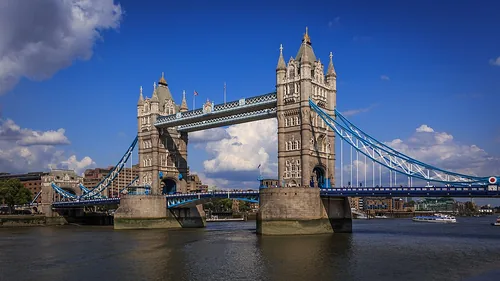
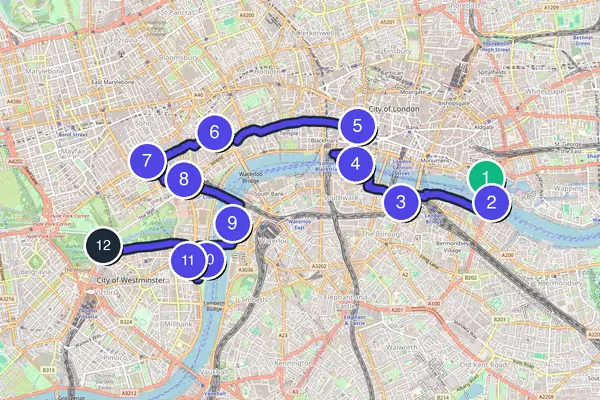
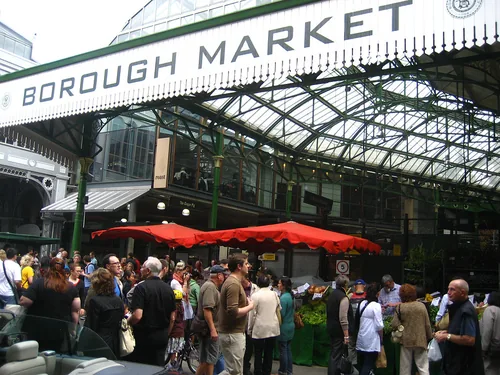
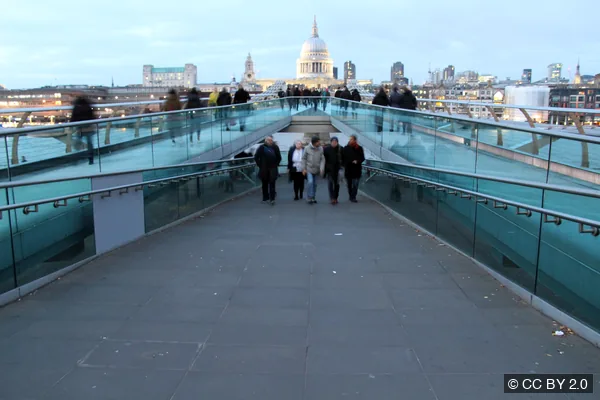
Start at the Tower of London at 9am to beat the Crown Jewels queue, cross Tower Bridge on foot, then walk west past Borough Market and over the Millennium Bridge to St Paul's Cathedral. The self-guided London walking tour strings 12 stops across 11.7 km in roughly 4.3 hours, covering Covent Garden, Piccadilly Circus, Trafalgar Square, the London Eye and Westminster in one continuous route. It is a full, active day.
Two days
Add Bloomsbury and the South Bank
Spend the morning at the British Museum on Great Russell Street: arrive at 10am opening and use the Montague Place rear entrance to halve the security queue. In the afternoon, cross to the South Bank for Tate Modern, Shakespeare's Globe and a walk east toward Borough Market. A Friday visit extends into the British Museum's late opening until 8:30pm.
Three days
South Kensington and the parks
Day three is South Kensington: the Natural History Museum, the V&A and the Science Museum are all free and within ten minutes of each other on Exhibition Road. Add Hyde Park in the afternoon, or take the Tube to Kew Gardens in spring for blossom or in October for 14,000 trees turning colour. End the day in Chelsea or Notting Hill.
Four days or moreRecommended
Greenwich, Richmond and the outer city
With four days or more, take the Overground or river boat to Greenwich for the Royal Observatory, the Painted Hall at the Old Royal Naval College and free views over the city from the hilltop. Richmond Park is within 30 minutes and holds 600 free-roaming deer. Day five can slow everything down: a morning at Hampstead Heath, an afternoon at the National Portrait Gallery, dinner at Borough Market on a quiet Thursday.
Best time to visit London by traveller type
Same city, different trip. Here's the month that fits how you're travelling.
🧭
Best time to visit London for the first time
AprMay
Late April or May: reliably mild 14-18°C, blossom lingering into early April, all the icons open and far quieter than summer, and daylight stretching to 8pm or later. The postcard London without the queue.
❤️
Best time to visit London for couples
SepOct
Late September to early October: golden autumn light, parks turning colour, shoulder hotel prices, and a romantic cultural calendar of the BFI Film Festival, Frieze and Open House, with sunsets still around 7:30pm in late September.
💶
Best time to visit London on a budget
JanFeb
January or February: hotels 40-50% below peak, every major museum free (British Museum, National Gallery, Tate Modern, V&A, Natural History), free Tower Bridge crossing, and Sky Garden views for nothing if you book online.
🍝
Best time to visit London for food and wine
SepOct
Late September to October for autumn menus, game season and the first truffle dishes, plus Borough Market Thursday to Saturday and chef-driven Maltby Street Market on Saturday mornings with half the tourists of the big halls.
Worst time to visit London
July and August are London's hardest months for value and comfort. Central hotels average £210 to £260 a night, roughly double the January rate, and every major sight runs its longest queues: the Tower of London hits 45 to 60 minutes by 11am, the London Eye 45 to 90 minutes without a pre-booked ticket. UK, European and American school holidays all overlap, stacking families from three continents into the same central streets. In a heatwave above 30°C, the older deep Tube lines (Central, Bakerloo, Jubilee) reach 30 to 35°C with no air-conditioning.
Still worth it for July and August still make sense if you have children on fixed school holidays and want the longest days: nearly 16 hours of daylight, Wimbledon via The Queue, the BBC Proms from £8 standing, and Notting Hill Carnival at the end of August. Pre-book everything two or three months ahead and use the Overground and Elizabeth line over the deep Tube in hot weather.
Go instead in April, May, September, October, when London is at its best.
Best time for a tour of London
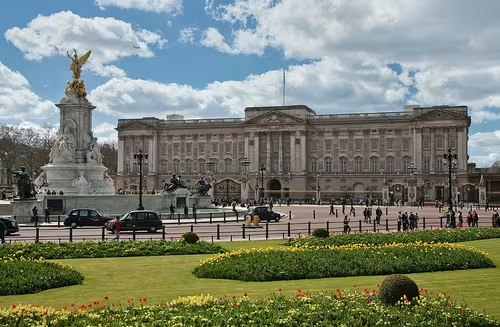
London rewards walkers most in May and September. May brings highs of 17 °C, around 12 rain days, and long evenings that make the stretch from Borough Market to Millennium Bridge genuinely enjoyable: light glancing off the Thames, St. Paul's Cathedral glowing behind you, and thin enough crowds that you can actually stop and look. September matches May almost exactly in rain days (10) while the temperatures stay at a pleasant 19 °C, and the summer crush has thinned out. June edges into busy territory, and July and August are packed shoulder to shoulder along Trafalgar Square and outside Buckingham Palace, while the heat sits in the low 20s with nowhere to hide on the exposed Millennium Bridge. Winter is navigable but demanding: January highs barely reach 8 °C, it is dark by half past four, and 13 rain days in a month means you will almost certainly walk part of the route wet. March is the earliest month where the balance tips positive, with improving light and manageable crowds.
The good news about walking a 11.7 km route through central London is that no tour operator decides when you leave. With start your London tour through AI Tourguide in your browser, there is no app to download and no fixed departure time. Set off across Millennium Bridge at 8 in the morning on a crisp May day before the coaches arrive, take a long break at Borough Market when it suits you, and pick up again at your own pace. The AI guide greets you, tells you what happened on that exact spot, asks you things, listens to what you say, and shapes the rest of the walk around you. On a grey November morning when the Tower of London stands almost to itself, that kind of flexibility is what turns a difficult weather window into a genuinely good walk.
 +8
+8All 12 stops are already on the map.
You just press start.
You just press start.
 AI Tourguide
You just read the route.
Now walk it with a guide in your ear.
Press start wherever you are, even hundreds of kilometres from London, and the guide begins telling its stories right away. In the city, pick any of the 12 stops to start from: it leads you there, then talks with you the whole route, asking, listening, remembering, and shaping the tour around your answers.
12stops11.7km4.3hours11languages
▶Start the tour freeFree to start · Runs in your browser · No app, no download
London events and festivals calendar
Annual highlights worth timing a trip around, listed month by month.
January
🎉 FestivalLondon New Year's Day Parade
Jan 1
1 January
More than 10,000 performers, marching bands, cheerleaders and acrobats process from Piccadilly to Westminster from 1pm on New Year's Day.
February
🎉 FestivalChinese Lunar New Year 农历新年
Feb 22 ~
mid-January to mid-February
Europe's biggest Chinese New Year celebration outside Asia: a dragon parade from Trafalgar Square to Chinatown from 10am, with lion dances all day on Gerrard Street.
March
🎉 FestivalSt Patrick's Day Festival
Mar 15 ~
weekend nearest 17 March
A Trafalgar Square parade with Irish music and dance, with Piccadilly turning green for the weekend nearest 17 March.
April
🏃 SportTCS London Marathon
Apr 26
last Sunday of April
50,000 runners race from Greenwich to The Mall on a world-record course, with Tower Bridge the iconic viewing point.
May
🌸 Seasonal natureRHS Chelsea Flower Show
May 19–23
late May
The world's most prestigious flower show, staged in the grounds of the Royal Hospital Chelsea, with show gardens and floral marquees.
June
🇮 HolidayTrooping the Colour
Jun 13
second Saturday of June
The King's official birthday parade: Household Division soldiers, a noon balcony appearance at Buckingham Palace and an RAF flypast.
🏃 SportICC Women's T20 World Cup
Jun 23–28
late June
International T20 cricket matches at Lord's Cricket Ground and the Kia Oval during the London leg of the tournament.
🏃 SportWimbledon Championships The Championships, Wimbledon
Jun 29 – Jul 12
late June to early July
Grand Slam tennis at the All England Club, with free outer-court access via The Queue at Aorangi Park from 6am.
July
🏳️🌈 PridePride in London
Jul 4
first Saturday of July
Europe's largest Pride parade marches from Oxford Street to Trafalgar Square from noon, anchoring a weekend of events across the city.
🎵 MusicBBC Proms
Jul 17 – Sep 12
mid-July to mid-September
An eight-week season of 86 concerts at the Royal Albert Hall, with £8 standing (Promming) tickets sold at the door from 10:30am.
August
🎭 CarnivalNotting Hill Carnival
Aug 29–31
August bank holiday weekend
Europe's largest street festival fills W10 and W11 with two million attendees, 50,000 performers and 30-plus sound systems.
September
🎨 Art and cultureLondon Design Festival
Sep 12–20
mid to late September
City-wide design exhibitions, installations and talks, with a hub at the V&A and events across Somerset House and the design districts.
🎨 Art and cultureOpen House London Open House Festival
Sep 12–20
mid-September
More than 800 buildings across 33 boroughs open for free, including normally closed government buildings, private houses and livery halls.
🎨 Art and cultureLondon Fashion Week
Sep 17–21
mid to late September
The biannual fashion showcase at 180 Strand and venues across the city, with industry catwalks and free street shows around Soho and the Strand.
October
🎬 FilmBFI London Film Festival
Oct 7–18
early to mid-October
The UK's biggest film event, with world premieres at BFI Southbank, the Royal Festival Hall and BFI IMAX.
🎨 Art and cultureFrieze London & Frieze Masters Frieze London
Oct 14–18
mid-October
A world-leading contemporary art fair in Regent's Park with 160-plus galleries, alongside the free Frieze Sculpture trail in the park.
November
🇮 HolidayBonfire Night Guy Fawkes Night
Nov 5
5 November
Fireworks across the city on 5 November, with the Alexandra Palace display and drone festival the headline event and free elevated views from Primrose Hill.
🎄 Christmas marketHyde Park Winter Wonderland
Nov 21 – Jan 4
late November to early January
One of Europe's biggest Christmas markets: 100-plus wooden stalls, an ice rink, a giant observation wheel and a Magical Ice Kingdom carved from 500 tonnes of ice.
December
💡 LightsNew Year's Eve Thames Fireworks London New Year's Eve Fireworks
Dec 31
31 December
A 20-minute show launches 12,000-plus fireworks from the London Eye and barges as Big Ben chimes midnight.
Insider tips for visiting London
The rules buried in forums, in one place.
- At the Tower of London, arrive for the 9am opening Tuesday to Saturday and head straight for the Crown Jewels: the wait is 5-15 minutes at opening against 45-60 by 11am in peak season. Buy tickets online to skip a further 20-minute booth queue, and avoid Mondays, when the Tower opens late at 10am.
- Use the British Museum's rear Montague Place entrance on the north side, not the main Great Russell Street door, for a security queue often half as long. Friday late opening until 8:30pm is the calmest time of all to see the Parthenon Marbles and Rosetta Stone, with about half the Saturday-daytime crowd.
- The Changing of the Guard at Buckingham Palace is no longer daily: it runs Monday, Wednesday and Friday at 11am and is cancelled without notice in heavy rain or on state occasions. For a front spot, stand on the St James's Park side of The Mall and arrive by 9am, as the balcony area fills by 10am on summer days.
- Skip Borough Market on Saturday between 11am and 2pm, when it is day-tripper chaos. Thursday and Friday serve the exact same stalls with half the crowd and no selfie-stick scrum, the same quality with room to actually move.
- Buckingham Palace State Rooms open to visitors only from late July to September, plus a few winter and spring dates. Westminster Abbey and St Paul's Cathedral are closed to tourists on Sundays (services only), so plan those two cathedrals for Monday to Saturday.
- For Notting Hill Carnival over the August bank holiday weekend, the main adults' parade is Monday 31 August and Sunday 30 August is the gentler Family Day. Arrive before noon either day, because W10 and W11 roads seal off around 10am, and take the Tube to Ladbroke Grove or Westbourne Park, as buses are rerouted.
- Most national museums (British Museum, V&A, Natural History Museum, National Gallery, Tate Modern) are free and open seven days a week. Dodge the weekend 11am-3pm crush by arriving at 10am opening or visiting on a Friday evening, when the British Museum stays open until 8:30pm.
- London summer rain is usually a short, sharp 20-30 minute shower rather than all-day drizzle, even in July and August (11-13 wet days a month year-round). Carry a packable waterproof, duck into a pub or museum, and wait it out. In heatwaves, walk the shadeless Mall and Tower Bridge before 11am or after 6pm and avoid the deep Tube lines.
Public holidays in London
On these dates many shops and offices close, transport thins out, and sights can be mobbed or shut. Plan around them.
| Date | Holiday | What closes |
|---|---|---|
| Jan 1 | New Year's Day | Bank holiday: most shops closed, pubs open, attractions reopen. The London New Year's Day Parade runs from 1pm along Piccadilly to Westminster, and the streets are nearly car-free. |
| Apr 3 | Good Friday | Bank holiday: many shops closed and churches packed. Westminster Abbey closes to tourists, and the Easter school holidays begin, so trains and family attractions fill up. |
| Apr 6 | Easter Monday | Bank holiday: museums and attractions are open but crowded with Easter-holiday families, and trains are busy. A good day for the free national museums if you arrive at opening. |
| May 4 | Early May Bank Holiday | Long weekend: parks, attractions and pubs are packed for a classic London spring outing. Expect a busy Thames-side and South Bank. |
| May 25 | Spring Bank Holiday | Long weekend coinciding with the May school half-term (25-29 May): the Thames-side, parks and major sights are very busy, so book popular attractions ahead. |
| Aug 31 | Summer Bank Holiday | Notting Hill Carnival Monday: W10 and W11 roads close, the Tube is crowded and buses are rerouted. Book any nearby accommodation months ahead and arrive before noon. |
| Dec 25 | Christmas Day | Everything closes: no Tube, no buses, no sightseeing. Plan a rest day or a long walk. Limited Underground service resumes from 27 December. |
| Dec 28 | Boxing Day (substitute) | Bank holiday with major sales: Oxford Street is heaving and most attractions reopen. Tourism surges between Christmas and New Year, so pre-book anything popular. |
London month by month
January in London
High8°C / 46°F
Low2°C
Rain65mm / 13 rainy days
Sun4.3 h/day
Daylight8 h/day
Humidity87%
Crowds●●○○○Prices●○○○○
January is London stripped back and properly cheap. Daytime hovers around 8°C under often grey skies, with about 13 wet days and barely 8 hours of daylight, dark by 4:30pm. Snow is rare. After the New Year's Day Parade along Piccadilly the city settles into its quietest leisure rhythm, with the lowest international visitor numbers of the year and museum halls you can actually move through.
The vibe This is the month you stand in front of the Rosetta Stone without a scrum and walk into the National Gallery on a whim. The trade-off is honest: short, grey, sometimes drizzly days. But the free museums, warm pubs and near-empty Tower make it the most relaxed, and cheapest, London of the year.
Don't miss The Hyde Park Winter Wonderland runs into early January before it closes, and the great free museums (British Museum, Tate Modern, the V&A) are at their calmest. A Friday evening at the British Museum until 8:30pm is almost private.
Crowd drivers Post-holiday lull, mostly domestic visitors, international arrivals at their annual low once the New Year's Day crowds clear.
In season Peak season for British comfort food: a proper Sunday roast in a Soho or Bermondsey gastropub, and warming pies at Borough Market on a quiet Thursday.
Heads up New Year's Day (1 Jan) is a bank holiday: most shops shut, though pubs and attractions reopen. Tower of London is closed 1 January.
Cheapest month with February; central 3-star rooms around £80-£100 midweek, 40-50% below summer.
Events this month
🎉 FestivalLondon New Year's Day Parade
Jan 1
1 January
More than 10,000 performers, marching bands, cheerleaders and acrobats process from Piccadilly to Westminster from 1pm on New Year's Day.
A free burst of colour on an otherwise empty public holiday, with the streets nearly car-free.
February in London
High9°C / 48°F
Low2°C
Rain53mm / 11 rainy days
Sun5.5 h/day
Daylight10 h/day
Humidity82%
Crowds●○○○○Prices●○○○○
February is the quietest tourist month in London, cold and damp at around 9°C with roughly 11 wet days, but daylight is creeping back toward 10 hours. Daffodils appear in St James's Park and Hyde Park. The one day-tripper spike is the Chinese New Year parade through Chinatown and Trafalgar Square, the biggest such celebration outside Asia, packed for a single Sunday.
The vibe February is London with the tourist volume turned all the way down. No queues worth the name, the lowest prices of the year, and a city getting on with its own life. Bundle up, accept the grey, and enjoy having the Turner rooms at Tate Britain almost to yourself.
Don't miss Chinatown and Trafalgar Square host Europe's biggest Chinese New Year celebration with dragon parades and lion dances on Gerrard Street. Early daffodils carpet St James's Park, a free first sign of spring.
Crowd drivers The quietest month overall; only the Chinese New Year parade pulls day-trippers, and only for one Sunday.
In season Chinatown is at its liveliest around the parade: dim sum on Gerrard Street and bakery queues for the Year of the Fire Horse.
Absolute lowest rates of the year: central 3-star £75-£95 a night, flights 30-40% cheaper than summer.
Events this month
🎉 FestivalChinese Lunar New Year 农历新年
Feb 22 ~
mid-January to mid-February
Europe's biggest Chinese New Year celebration outside Asia: a dragon parade from Trafalgar Square to Chinatown from 10am, with lion dances all day on Gerrard Street. The animal sign rotates each year on the lunar calendar.
Chinatown's atmosphere peaks on this one Sunday, free and unticketed, well worth timing a winter trip around.
March in London
High11°C / 52°F
Low4°C
Rain52mm / 12 rainy days
Sun6.8 h/day
Daylight12 h/day
Humidity79%
Crowds●●○○○Prices●●○○○
March wakes London up: highs near 11°C, the first blossom in the parks, and daylight stretching past 12 hours by month's end. Crowds stay moderate, ticking up only in the late-March spring half-term when domestic families arrive. St Patrick's Day fills Trafalgar Square for a green long weekend, and the value window for hotels quietly closes around the middle of the month.
The vibe March is the last genuinely quiet, genuinely cheap month before spring fills the city. You still get short queues and low rates, but the light is back and café terraces are reopening. Use it: that window slams shut once Easter and April arrive.
Don't miss Early cherry and magnolia blossom begins at Kew Gardens, which has the longest blossom season in the city from early March. St Patrick's Day brings a Trafalgar Square parade and Irish music to the centre.
Crowd drivers Late-March spring school half-term brings domestic families; early blossom draws weekend visitors.
Rates begin rising but stay 20-30% below peak; the good-value window closes around mid-March.
Events this month
🎉 FestivalSt Patrick's Day Festival
Mar 15 ~
weekend nearest 17 March
A Trafalgar Square parade with Irish music and dance, with Piccadilly turning green for the weekend nearest 17 March.
A fun long-weekend event, though Trafalgar Square is heaving by noon.
April in London
High14°C / 57°F
Low5°C
Rain40mm / 10 rainy days
Sun9.6 h/day
Daylight14 h/day
Humidity74%
Crowds●●●○○Prices●●●○○
April is one of London's best months: mild highs near 14°C, the driest month of the year at 40mm, and cherry blossom peaking in the first two weeks at Greenwich Park, Kew and St James's Park. Easter (3-6 April) and the late-month school holidays bring UK and European families, and the London Marathon on 26 April shuts roads across south and east London for a morning.
The vibe April is the postcard. Blossom along the Japanese Cherry Walk at Kew, 14 hours of daylight by month's end, and every sight open without the summer crush. It is no longer a secret, so the Easter weekend and Marathon Sunday get busy, but a midweek April day is close to the ideal London.
Don't miss Cherry blossom peaks in the first two weeks of April at Greenwich Park, Kew, Battersea Park and St James's Park. The TCS London Marathon on 26 April sends 50,000 runners from Greenwich to The Mall, with Tower Bridge the iconic free viewing spot.
Crowd drivers Easter school holidays (30 Mar-10 Apr) bring UK and European families; the London Marathon (26 Apr) closes south London roads.
Heads up Good Friday (3 Apr) closes many shops and shuts Westminster Abbey to tourists; Easter Monday (6 Apr) leaves attractions open but crowded.
Easter weekend hotels jump 20-30% over normal April; non-event April weeks are solid value.
Events this month
🏃 SportTCS London Marathon
Apr 26
last Sunday of April
50,000 runners race from Greenwich to The Mall on a world-record course, with Tower Bridge the iconic viewing point.
Free to watch and a great spectacle, but south-east London and the Embankment close to traffic all morning, so plan your day around the closures.
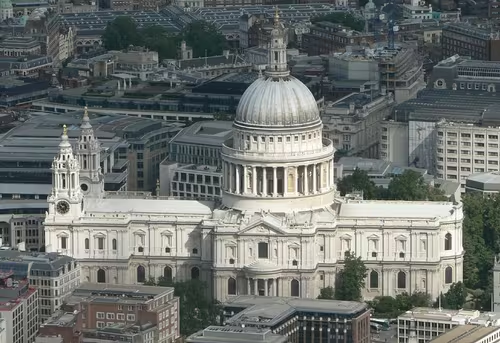
May in London
High17°C / 63°F
Low8°C
Rain58mm / 12 rainy days
Sun10.6 h/day
Daylight16 h/day
Humidity73%
Crowds●●●○○Prices●●●○○
May is many people's favourite month for London: highs around 17°C, nearly 16 hours of daylight, and parks in full leaf. Two bank holidays (4 and 25 May) create long weekends, and the RHS Chelsea Flower Show (19-23 May) spikes prices in Chelsea and Kensington. The May half-term (25-29 May) brings families, but crowds stay short of the summer peak.
The vibe May genuinely is the sweet spot, mild, bright and blooming, and enough people know it that you should book early. Hotels are firm and the bank-holiday weekends are busy along the Thames, but the weather is the year's most reliable and the long evenings are pure London at its best.
Don't miss The RHS Chelsea Flower Show, the world's most prestigious, takes over the Royal Hospital Chelsea grounds. Wisteria drapes the private garden squares of Notting Hill, and tulips fill the park beds at Kew.
Crowd drivers Two May bank holidays (4 May, 25 May) create long weekends; the Chelsea Flower Show and late-May half-term add pressure.
Shoulder pricing, but Chelsea Flower Show week (19-23 May) pushes Chelsea and Kensington hotels up 25%.
Events this month
🌸 Seasonal natureRHS Chelsea Flower Show
May 19–23
late May
The world's most prestigious flower show, staged in the grounds of the Royal Hospital Chelsea, with show gardens and floral marquees.
Worth booking 6-12 months ahead for early access; note that it pushes Chelsea and Kensington hotels up 25% that week.

June in London
High21°C / 69°F
Low12°C
Rain62mm / 11 rainy days
Sun11.2 h/day
Daylight16 h/day
Humidity73%
Crowds●●●●○Prices●●●●○
June brings the longest days of the year: nearly 16.5 hours of daylight, dusk lingering past 9:30pm near the solstice, and warm highs near 21°C. The royal pageantry of Trooping the Colour (13 Jun) and the build-up to Wimbledon fill central and south-west London. Crowds and prices climb steadily as European and UK half-terms overlap and summer travel begins in earnest.
The vibe June is when London tips from busy-but-workable into full summer. The light is glorious, golden hour runs to 9pm, and outdoor sightseeing after dinner is genuinely viable. By the third week, though, the queues, prices and crowds are all rising fast toward the July peak.
Don't miss Trooping the Colour delivers the King's official birthday parade and an RAF flypast over Buckingham Palace, with free spots on The Mall filling by 8am. The long evenings make a post-dinner walk along the lit South Bank a highlight.
Crowd drivers Trooping the Colour (13 Jun), the ICC Women's T20 World Cup (23-28 Jun), late half-terms and the longest daylight hours all draw visitors.
Central hotels average £180-£220 a night; Wimbledon's eve (starts 29 Jun) pushes south-west London rates up.
Events this month
🇮 HolidayTrooping the Colour
Jun 13
second Saturday of June
The King's official birthday parade: Household Division soldiers, a noon balcony appearance at Buckingham Palace and an RAF flypast.
The grandest free royal spectacle of the year, though the best Mall spots fill by 8am.
🏃 SportICC Women's T20 World Cup
Jun 23–28
late June
International T20 cricket matches at Lord's Cricket Ground and the Kia Oval during the London leg of the tournament.
A good excuse to visit the historic Lord's ground; expect the St John's Wood and Kennington areas to get busy on match days.

July in London
High23°C / 73°F
Low14°C
Rain56mm / 11 rainy days
Sun11.4 h/day
Daylight16 h/day
Humidity70%
Crowds●●●●●Prices●●●●●
July is London at full intensity: warm highs near 23°C, the school summer holidays starting around 21 July, and visitor numbers and prices at their peak. Wimbledon (29 Jun to 12 Jul) and the start of the BBC Proms define the month. In a heatwave above 30°C the older deep Tube lines reach 30 to 35°C with no air-conditioning, so plan sightseeing walks for the cool early hours and use the Elizabeth line or Overground instead of the deep lines.
The vibe July is for travellers who don't mind peak prices, the longest queues and a packed centre. London is mild rather than scorching, so it is more bearable than southern Europe, but a 32°C heatwave on the Central line is genuinely grim. The payoff is Wimbledon, the Proms and 16 hours of daylight.
Don't miss Wimbledon's The Queue at Aorangi Park opens from 6am for ground passes to courts 2-18, real Grand Slam tennis for £25-£30, with strawberries and cream a ritual. The BBC Proms offer £8 standing tickets at the door of the Royal Albert Hall, the cheapest classical music in town.
Crowd drivers Wimbledon (29 Jun-12 Jul), the BBC Proms from 17 Jul, UK summer holidays from around 21 Jul, and the US and European peak-travel season.
Busiest and priciest month: central rooms £210-£260 a night; London Eye queues hit 45-90 min without a pre-book.
Events this month
🏃 SportWimbledon Championships The Championships, Wimbledon
Jun 29 – Jul 12
late June to early July
Grand Slam tennis at the All England Club, with free outer-court access via The Queue at Aorangi Park from 6am.
The Queue gets you real tennis on courts 2-18 for £25-£30, no ballot needed; queue by 7am in the first week for a reasonable wait.
🎵 MusicBBC Proms
Jul 17 – Sep 12
mid-July to mid-September
An eight-week season of 86 concerts at the Royal Albert Hall, with £8 standing (Promming) tickets sold at the door from 10:30am.
The cheapest world-class classical music in London; the £8 day-of arena tickets are an unbeatable cultural bargain.
🏳️🌈 PridePride in London
Jul 4
first Saturday of July
Europe's largest Pride parade marches from Oxford Street to Trafalgar Square from noon, anchoring a weekend of events across the city.
A joyful, free spectacle, but central London is extremely busy, so book accommodation four or more months ahead.

August in London
High22°C / 72°F
Low14°C
Rain63mm / 10 rainy days
Sun10.0 h/day
Daylight14 h/day
Humidity74%
Crowds●●●●●Prices●●●●●
August stays at the summer peak: highs around 22°C, school holidays filling the whole month, and queues long at every major sight. The Notting Hill Carnival (29-31 Aug), Europe's largest street festival with two million attendees, seals off W10 and W11 over the bank holiday weekend. Showers are short and sharp rather than all-day, but the centre is at its most crowded and expensive.
The vibe August is busy, expensive London, not empty-romantic London. The whole city is on holiday and so is everyone visiting it. The redeeming thrill is Carnival: two million people, 30-plus sound systems and the best street party in Europe. Outside that weekend, expect peak prices and long waits everywhere.
Don't miss Notting Hill Carnival fills W10 and W11 with 50,000 performers and 30-plus sound systems: Family Day on 30 August suits children, the main adults' parade is 31 August. Arrive before noon, as the roads seal off around 10am.
Crowd drivers UK summer school holidays all month, Notting Hill Carnival (29-31 Aug) and the August bank holiday (31 Aug).
Heads up The Summer Bank Holiday (31 Aug) is Carnival Monday: W10 and W11 roads close, buses are rerouted and the Tube is packed.
Peak pricing all month, 30-40% above June; Carnival-weekend W11 hotels book out months ahead.
Events this month
🎭 CarnivalNotting Hill Carnival
Aug 29–31
August bank holiday weekend
Europe's largest street festival fills W10 and W11 with two million attendees, 50,000 performers and 30-plus sound systems. Family Day is 30 August, the main adults' parade 31 August.
The single best street party in Europe; book any nearby room six or more months ahead and arrive before noon, as the roads seal off by 10am.
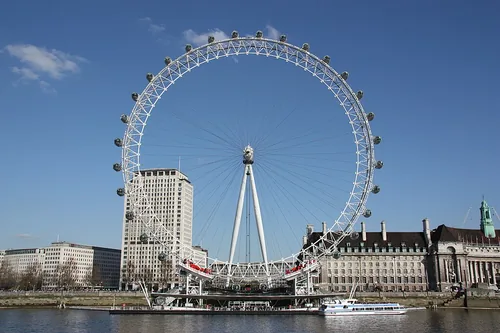
September in London
High20°C / 68°F
Low12°C
Rain48mm / 10 rainy days
Sun8.4 h/day
Daylight13 h/day
Humidity78%
Crowds●●●○○Prices●●●○○
September is the autumn sweet spot. Highs near 20°C, warm evenings with sunset around 7:30pm in the early weeks, and prices falling about 20% the moment the August bank holiday passes. School term resumes around 2 September, so crowds thin noticeably. The cultural calendar surges with the London Design Festival, Open House and London Fashion Week, all mid-month.
The vibe September is the connoisseur's London: still warm, far quieter, noticeably cheaper, and the city's richest cultural month. Open House throws open 800-plus normally locked buildings for free, the kind of access you cannot buy. If you want the spring sweet spot with a culture programme on top, this is it.
Don't miss Open House Festival opens 800-plus buildings across 33 boroughs for free, from government buildings to livery halls. The London Design Festival hubs at the V&A and Somerset House, and London Fashion Week brings free street shows and pop-ups to Soho and the Strand.
Crowd drivers School term resumes around 2 September, thinning families; the design, fashion and Open House crowds are spread city-wide rather than concentrated.
In season Autumn menus and game season begin: grouse and partridge appear on London restaurant menus, and Borough Market's produce shifts to the year's harvest.
Prices drop around 20% the moment the August bank holiday passes; the shoulder sweet spot begins.
Events this month
🎨 Art and cultureLondon Design Festival
Sep 12–20
mid to late September
City-wide design exhibitions, installations and talks, with a hub at the V&A and events across Somerset House and the design districts.
Most events are free, a good excuse to visit the V&A and Somerset House with the city's design world in town.
🎨 Art and cultureOpen House London Open House Festival
Sep 12–20
mid-September
More than 800 buildings across 33 boroughs open for free, including normally closed government buildings, private houses and livery halls.
Once-a-year free access to normally locked doors; the kind of insider experience money cannot buy, so plan ahead when the programme drops in July.
🎨 Art and cultureLondon Fashion Week
Sep 17–21
mid to late September
The biannual fashion showcase at 180 Strand and venues across the city, with industry catwalks and free street shows around Soho and the Strand.
Industry shows are ticketed, but the street scene and pop-up brand events are free and fun to catch in the centre.
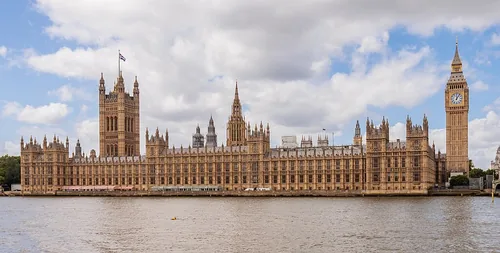
October in London
High16°C / 60°F
Low9°C
Rain77mm / 12 rainy days
Sun6.2 h/day
Daylight11 h/day
Humidity83%
Crowds●●●○○Prices●●●○○
October is shoulder season at its best: highs near 16°C, the year's strongest autumn colour, and hotel averages around £150 a night. Kew Gardens, Richmond Park and Hampstead Heath turn in the last two weeks of the month. The cultural calendar peaks again with Frieze Art Fair and the BFI London Film Festival, and only the late-October half-term (26-30 Oct) brings families back.
The vibe October is romantic, intellectual London: misty parks turning gold, world-class art at Frieze and premieres at the BFI Film Festival, all at shoulder prices. Days shorten fast, dark by 6pm late in the month, and the rain turns greyer and more persistent, but the autumn light through Kew is worth a packable waterproof.
Don't miss Autumn colour peaks in the last two weeks of October at Kew's 14,000 trees, Richmond Park and Hampstead Heath. Frieze London fills Regent's Park with 160-plus galleries, and the free Frieze Sculpture runs in the park alongside the BFI London Film Festival on the South Bank.
Crowd drivers The last-week October half-term (26-30 Oct) pushes families back into the city; otherwise a calm, culture-led month.
Good value, hotel average around £150 a night; the last-week half-term (26-30 Oct) pushes family rates up.
Events this month
🎨 Art and cultureFrieze London & Frieze Masters Frieze London
Oct 14–18
mid-October
A world-leading contemporary art fair in Regent's Park with 160-plus galleries, alongside the free Frieze Sculpture trail in the park.
Even if you skip the ticketed tent, the free Frieze Sculpture in Regent's Park is worth combining with an autumn park walk.
🎬 FilmBFI London Film Festival
Oct 7–18
early to mid-October
The UK's biggest film event, with world premieres at BFI Southbank, the Royal Festival Hall and BFI IMAX.
An affordable way to see major releases before general release, with the South Bank buzzing for ten days.
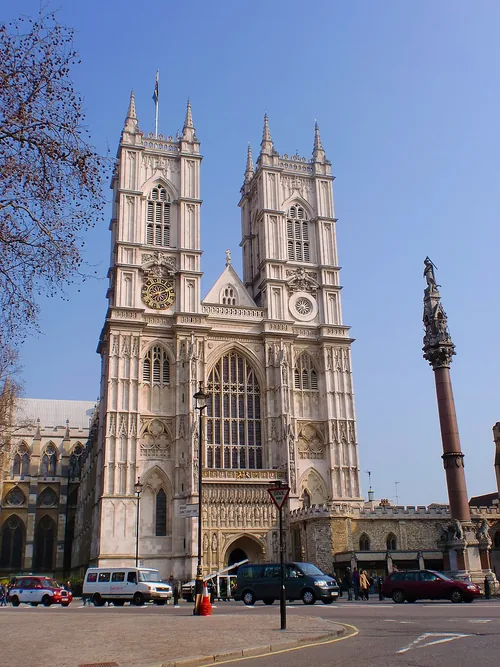
November in London
High11°C / 52°F
Low5°C
Rain70mm / 12 rainy days
Sun4.5 h/day
Daylight9 h/day
Humidity87%
Crowds●●○○○Prices●●○○○
November is quiet and good value, with grey skies, highs near 11°C and daylight down to under 9 hours. Bonfire Night (5 Nov) lights the sky for one weekend, with Primrose Hill offering free elevated views of multiple displays. The deals are best in the first twelve days, before Hyde Park's Winter Wonderland opens around 21 November and pulls the festive crowds back in.
The vibe Early November is one of London's best-kept value secrets: low rates, short museum queues and the city in its honest grey-and-cosy mode. Book before the 12th. Once Winter Wonderland opens and the Christmas lights switch on along Oxford and Regent Street, prices and crowds climb again.
Don't miss Bonfire Night fireworks light the city on 5 November, with Alexandra Palace's display and drone festival the headliner and free elevated views from Primrose Hill. The Oxford and Regent Street Christmas lights switch on in mid-November.
Crowd drivers Bonfire Night (5 Nov) is busy for one weekend; Winter Wonderland from around mid-November pulls festive crowds back; grey weather otherwise keeps leisure demand low.
Best deals 1-12 November before Winter Wonderland opens, 25-30% below summer.
Events this month
🇮 HolidayBonfire Night Guy Fawkes Night
Nov 5
5 November
Fireworks across the city on 5 November, with the Alexandra Palace display and drone festival the headline event and free elevated views from Primrose Hill.
A national ritual rather than a bank holiday; Primrose Hill gives free views of multiple displays at once.
🎄 Christmas marketHyde Park Winter Wonderland
Nov 21 – Jan 4
late November to early January
One of Europe's biggest Christmas markets: 100-plus wooden stalls, an ice rink, a giant observation wheel and a Magical Ice Kingdom carved from 500 tonnes of ice.
Free to enter and the heart of festive London; go Tuesday to Thursday afternoons to dodge the 45-minute weekend entry queues.
December in London
High9°C / 48°F
Low4°C
Rain65mm / 12 rainy days
Sun3.6 h/day
Daylight8 h/day
Humidity88%
Crowds●●●○○Prices●●●○○
December is London at its most festive and most extreme on daylight: barely 8 hours of light, dark by 4pm at the solstice. Hyde Park Winter Wonderland, Christmas markets and the lights are in full swing. Prices stay moderate from the 1st to the 20th, then spike for Christmas week and the sold-out New Year's Eve fireworks over the Thames. Christmas Day shuts the city down completely.
The vibe December is magic if you embrace the dark and the cold: ice rinks, the lights, mulled wine at the markets, and a city dressed for Christmas. Just know that 25 December stops London dead, with no Tube and nothing open, and that the riverside New Year's Eve spots sell out months ahead. Plan around both.
Don't miss Hyde Park Winter Wonderland runs its 100-plus stalls, ice rink and Magical Ice Kingdom carved from 500 tonnes of ice, quietest on Tuesday to Thursday afternoons. The New Year's Eve fireworks launch 12,000-plus rockets from the London Eye as Big Ben strikes midnight.
Crowd drivers Winter Wonderland at its peak, Christmas markets, school holidays from around 21 December, and the ticketed NYE fireworks on 31 December.
Heads up Christmas Day (25 Dec) closes everything, including the entire Tube; limited service returns from 27 December. Boxing Day (substitute 28 Dec) brings major sales and reopened attractions.
Moderate 1-20 Dec, then Christmas week and NYE hotels spike past £250 a night; riverside NYE sells out months ahead.
Events this month
🎄 Christmas marketHyde Park Winter Wonderland
Nov 21 – Jan 4
late November to early January
One of Europe's biggest Christmas markets: 100-plus wooden stalls, an ice rink, a giant observation wheel and a Magical Ice Kingdom carved from 500 tonnes of ice.
Free to enter and the heart of festive London; go Tuesday to Thursday afternoons to dodge the 45-minute weekend entry queues.
💡 LightsNew Year's Eve Thames Fireworks London New Year's Eve Fireworks
Dec 31
31 December
A 20-minute show launches 12,000-plus fireworks from the London Eye and barges as Big Ben chimes midnight.
Ticketed viewing zones sell out months ahead; free spots at Lambeth and Vauxhall bridges are viable but partly obstructed.
Frequently asked questions
What is the best time to visit London?
Late April to early June and mid-September to mid-October are the best windows. You get mild 14-20°C days, long daylight, every sight open, and no school-holiday crush. Spring brings cherry blossom in Greenwich Park and Kew; autumn brings foliage plus the Frieze and BFI Film Festival, with hotels 20-30% below the summer peak.
What is the cheapest month to visit London?
January and February are the cheapest. Central 3-star rooms run £75-£100 a night, around 40-50% below the July and August peak, and flights are 30-40% cheaper. Crowds are at their annual low, queues short, and the world-class museums (British Museum, National Gallery, Tate Modern, V&A) are free year-round. The trade-off is grey skies and short days.
What is the worst time to visit London?
July and August are the toughest for value and comfort: the priciest months at £210-£260 a night central, the longest queues, and UK, European and American school holidays all overlapping. In a heatwave the older deep Tube lines reach 30-35°C with no air-con. Christmas Day (25 December) also shuts the city down entirely, with no Tube.
When is London cheapest for hotels?
Hotels are cheapest in January and February, then again in the first twelve days of November before Hyde Park Winter Wonderland opens around 21 November. Rates in these windows sit 25-50% below summer. Avoid the Easter weekend, the Chelsea Flower Show week in May, Christmas week and New Year's Eve, when prices spike sharply.
Does it rain all the time in London?
No. London's annual rainfall of around 600mm is comparable to Rome's. Rain is spread evenly, roughly 10-13 wet days a month all year, but summer showers are usually short 20-30 minute bursts rather than all-day drizzle. Autumn and winter rain is greyer and more persistent. Pack a lightweight packable waterproof whatever month you come.
When can you see cherry blossom and autumn colour in London?
Cherry blossom peaks in the first two weeks of April at Greenwich Park, Kew Gardens, Battersea Park and St James's Park, with Kew's long season starting in early March. Autumn colour peaks in the last two weeks of October at Kew's 14,000 trees, Richmond Park and Hampstead Heath, extending into mid-November at Kew. Both are free and far quieter than summer.
How many days do you need in London?
Three to four full days cover the icons: the Tower of London, British Museum, Westminster, the South Bank and a couple of free national museums. Five days lets you add Greenwich, Kew Gardens or a park day and slow down. Book the Tower for the 9am opening and the British Museum for a Friday evening to dodge the worst queues.
When is Notting Hill Carnival and is it worth timing a trip around?
Notting Hill Carnival runs 29-31 August 2026, over the August bank holiday weekend. Sunday 30 August is the gentler Family Day; Monday 31 August is the main adults' parade. It is Europe's largest street festival with two million attendees, so it is absolutely worth it, but book any nearby room six or more months ahead and arrive before noon, as W10 and W11 roads close by 10am.
Is London worth visiting in winter?
Yes. December brings festive magic: Hyde Park Winter Wonderland, Christmas markets, ice rinks and the Oxford Street lights, though the New Year's Eve riverside fireworks sell out months ahead and 25 December closes everything, including the Tube. January and February are the cheapest, quietest months, ideal for the free museums and short queues if you can accept grey, short days and dark by 4pm.

Any month, any day: your guide is already there
Whatever date you pick, a private human guide gets pricier and harder to book on weekends, holidays and in peak season. Our live AI guide, the one that walks with you and answers anything you ask out loud, works the opposite way.
One flat price, every day
No holiday, weekend, night or peak-season surcharge. A private guide in London runs well over 100 euro for a half day, and more on holidays. Ours stays the same.
Available the moment you want it
Start at midnight or at dawn, on Christmas, in the snow, in the August heat. No sold-out high season, no booking weeks ahead.
Your pace, no meter running
Pause for a long lunch, restart after dark, repeat a stop. The tour simply waits for you.
Free to try, a fraction of the cost
Test it for free, then a transparent flat price that undercuts any private guide, in every season.
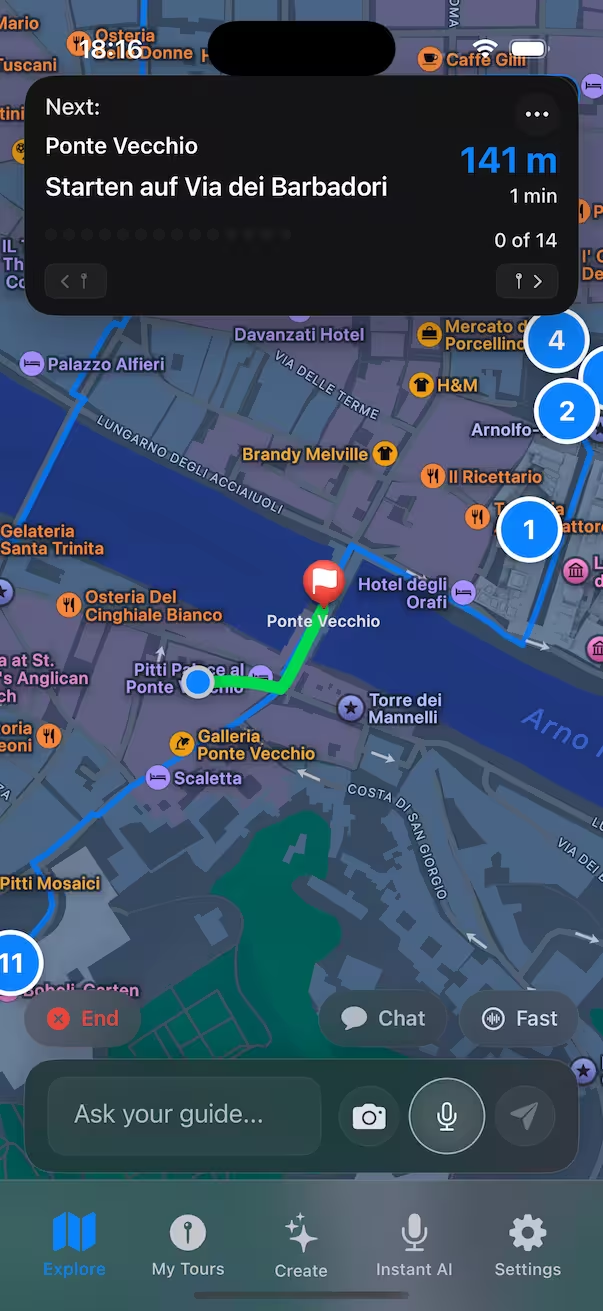
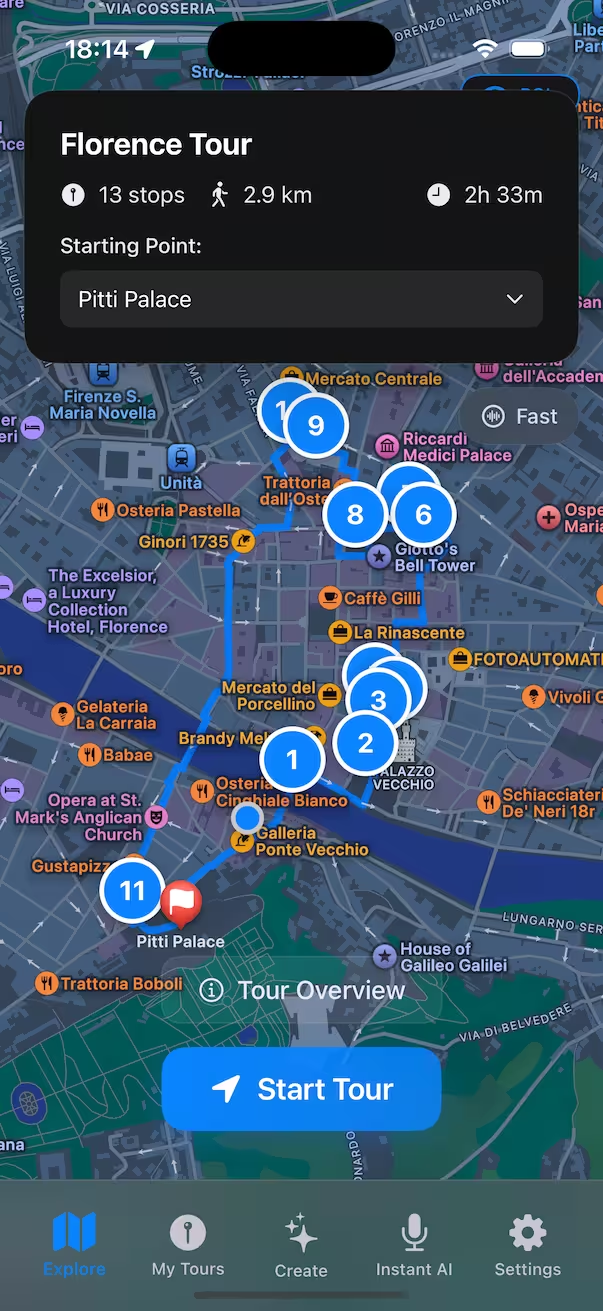
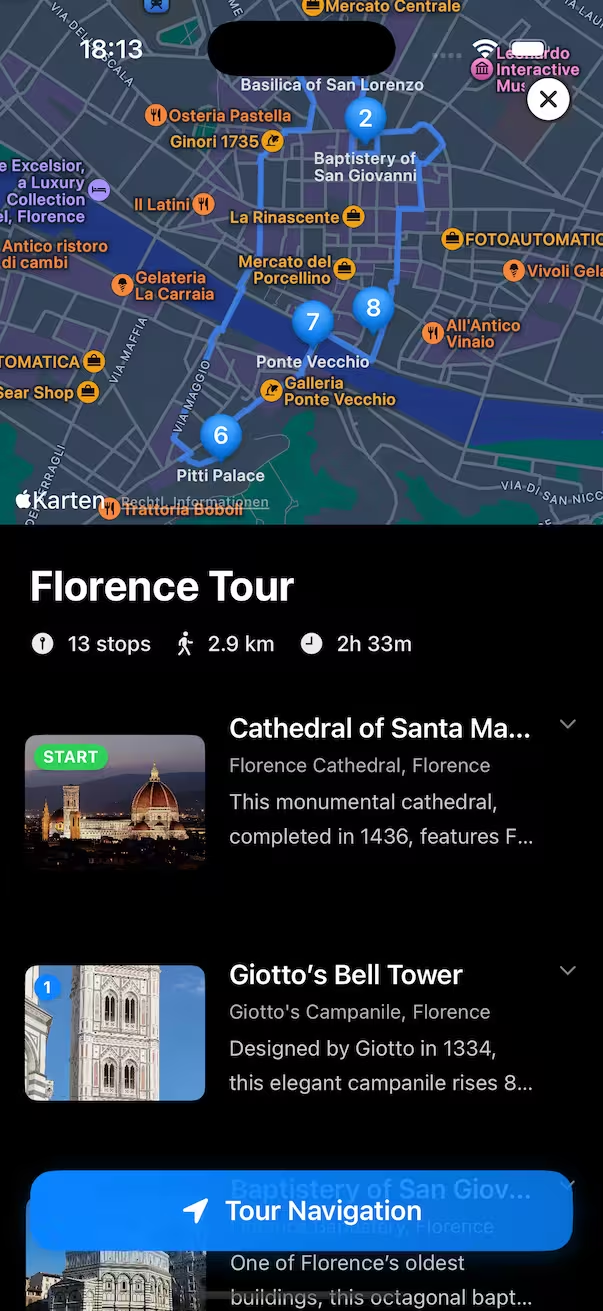
The classic London tour: 12 stops, 11.7 km, about 4 h on foot
Your live AI guide and the self-guided London route, together in your browser.