Best Time to Visit Mexico City
Month-by-month weather, crowds and prices, plus a full calendar of festivals and events worth planning a trip around.
Best monthsMar, Oct, Jan
CheapestAug, Sep, Jan
AvoidNov
BusiestNov, Dec
When is the best time to visit Mexico City?
Come in March for dry 25°C days and purple jacarandas, or October for post-rain clarity and volcano views. January is the cheapest dry month at 21°C. Avoid the late-November stack of Day of the Dead, F1 and Corona Capital, when beds vanish and prices peak.
Start our tool and find your best time to visit Mexico City
Your perfect month
Free · ~30 seconds
or tap a month directly
What matters to you?
And this?
Best overall: Mar, Oct. March is the consensus pick: dry, 25°C, jacarandas turning Reforma purple, every museum and Teotihuacan open, all before the Semana Santa rush. October is the other winner, with rain-washed air, volcano views and crisp 16°C evenings in the first three weeks before F1 lands.
Best value: Aug, Sep, Jan. August, September and January stack low prices on top of light crowds. Rooms run 40 to 50% below spring rates, paid museums have no queue, and first Sundays of the month bring free entry to every federal museum including the Museo Nacional de Antropología.
Avoid: Nov, Dec. Mid to late November packs Day of the Dead, the F1 Grand Prix and Corona Capital into ten days, so beds vanish and prices spike. December 23 to January 3 then brings the year's highest rates, 60 to 100% above average, with the best hotels sold out.
- January: Great time, 21°C. This is the local's January, not the tourist's. Café terraces in Roma and Condesa belong to residents again, the air is dry and bright, and you can walk into most sights without a wait. The trade is genuinely cold mornings: bring a layer, especially if you head out to Teotihuacan, where dawn can drop to 4 to 6°C.
- February: Great time, 24°C. February is the value sweet spot most visitors overlook: warm afternoons, cold-snap mornings gone, and the city still in its low-season rhythm. It feels like spring arriving without the spring crowds or prices, and the earliest jacaranda blooms hint at what March will bring.
- March: Good time, 26°C. This is the postcard month, and everyone knows it. The jacarandas alone justify the trip, and the weather is as good as it gets, but you will share it: hotel rates jump, Vive Latino fills the city for a weekend, and the late-March start of Semana Santa adds pressure. Worth every bit of it if you book ahead.
- April: Good time, 27°C. April is a strange, two-sided month. The city half-empties of locals over Holy Week, so the streets feel light and the museums are easy, yet hotel prices sit at their dry-season peak and the air can be its worst. If you time it for the Easter week itself, you get a quieter, more navigable city than the prices suggest.
- May: Good time, 26°C. May feels like the city exhaling after the spring peak. Prices ease, the jacarandas are gone but the parks are green, and the first storms clear the dry-season haze. It is an underrated shoulder window: warm, calmer, and noticeably cheaper than the month before.
- June: Good time, 24°C. June is when the savvy traveller wins. The rain is predictable and easy to plan around, crowds thin by 30 to 40% versus spring, and prices fall with them. Structure your day around the morning sun and you barely notice the storms, while the cleaner air is a real upgrade over the spring haze.
- July: Good time, 22°C. July is green, fresh and quietly excellent value. The rain keeps the city lush and the air clear, and only the weekend domestic crowds at Teotihuacan break the calm. Go midweek to the big sights, plan outdoors for the morning, and July rewards you with low prices and the best air quality of the year.
- August: Good time, 22°C. August is not empty-romantic so much as quietly smart. The rain is at its most insistent and the domestic school crowd still hits weekend Teotihuacan, but international tourists are at their fewest and prices at their lowest. Embrace the afternoon storms as museum-and-market time and August is the budget traveller's secret.
- September: Great time, 22°C. September splits in two. Outside the independence weekend it is the quietest, cheapest stretch of the year, all rain-washed calm and bargain hotels. Then for two days around the 15th, the city erupts into its proudest celebration. Pick your dates by which version you want: the bargain or the bedlam.
- October: Good time, 22°C. October's first three weeks are a quiet golden window: post-rain clarity, comfortable days, cool evenings, and prices not yet spiked. Then the city flips into high gear with F1 and Day of the Dead prep. Come early in the month for calm, or late for the spectacle, but know which one you are choosing.
- November: Good time, 22°C. November is the show. If Day of the Dead is your reason to come, nothing beats early November here, the most spectacular street celebration in the city. But go in clear-eyed: this is peak everything. Book three or more months ahead, expect crowds 3 to 5 deep at the parade, and treat the Nov 18 to 22 window as the one to avoid unless Corona Capital is the draw.
- December: Good time, 22°C. December is beautiful and expensive in equal measure. The city is festive, the weather dry and clear, and the markets glow, but you pay the year's top rates for it and the best hotels book out. The Guadalupe pilgrimage on the 12th is extraordinary if you want it, and a reason to stay well clear of the north of the city if you don't.
Mexico City weather by month
HighLowRainfall
Jan21°
Feb24°
Mar26°
Apr27°
May26°
Jun24°
Jul22°
Aug22°
Sep22°
Oct22°
Nov22°
Dec22°
| Month | Temp | Rain | Sun | Crowds | Prices | Highlight |
|---|---|---|---|---|---|---|
| Jan | 21° / 7° | 12mm · 3 rainy days | 10.2 h/day | ●●○○○ | ●○○○○ | Museum Night |
| Feb | 24° / 8° | 10mm · 2 rainy days | 11.0 h/day | ●●○○○ | ●●○○○ | Jacaranda Season |
| Mar | 26° / 10° | 32mm · 6 rainy days | 11.3 h/day | ●●●●○ | ●●●●○ | Jacaranda Season |
| Apr | 27° / 12° | 43mm · 9 rainy days | 11.7 h/day | ●●●●○ | ●●●●○ | Jacaranda Season |
| May | 26° / 13° | 85mm · 14 rainy days | 11.6 h/day | ●●●○○ | ●●●○○ | Museum Night |
| Jun | 24° / 13° | 171mm · 20 rainy days | 10.8 h/day | ●●●○○ | ●●○○○ | Museum Night |
| Jul | 22° / 13° | 211mm · 26 rainy days | 10.7 h/day | ●●●○○ | ●●○○○ | Museum Night |
| Aug | 22° / 13° | 223mm · 26 rainy days | 10.4 h/day | ●●●○○ | ●○○○○ | Museum Night |
| Sep | 22° / 13° | 199mm · 23 rainy days | 9.7 h/day | ●●○○○ | ●○○○○ | Museum Night |
| Oct | 22° / 11° | 90mm · 15 rainy days | 9.8 h/day | ●●●○○ | ●●●○○ | Museum Night |
| Nov | 22° / 9° | 29mm · 6 rainy days | 10.1 h/day | ●●●●● | ●●●●○ | Museum Night |
| Dec | 22° / 8° | 13mm · 3 rainy days | 10.2 h/day | ●●●●○ | ●●●●● | Museum Night |
How we score this: weather = long-run climate normals (Open-Meteo), crowds & prices = relative season read, events checked yearly against official dates.
Best time to visit Mexico City: weather, prices & crowds
Best months for good weather
Mar, Apr, Nov
March and April give you the driest, sunniest skies of the year: 25 to 27°C highs, low humidity around 47%, and barely a drop of rain before the afternoon storms arrive in May.
Quietest months to avoid the crowds
Aug, Sep, Jan
August and September bring 30 to 40% fewer international visitors than spring. Museums have almost no queue, and rain clears the air so the Popocatépetl and Iztaccíhuatl volcanoes appear on clear mornings.
Cheapest time to visit Mexico City
Aug, Sep, Jan
August is the cheapest window of the year: mid-range hotels drop to 40 to 60 dollars a night, luxury rooms fall 45 to 60% below peak, and tacos at Mercado de la Merced start around 40 pesos.
Best time for festivals and events
Oct, Nov
Day of the Dead in late October and early November is the city at its most theatrical: the Grand Parade runs 6 km from Chapultepec to the Zócalo, with altars filling Coyoacán, Xochimilco and Mixquic.
How many days do you need in Mexico City?
Mexico City needs four days at a minimum, and many travelers happily stretch it to a week. It is a vast capital: the historic center, world-class museums, and leafy colonial neighborhoods sit kilometers apart, and the city rewards every extra day.

One day
The Historic Core in One Arc
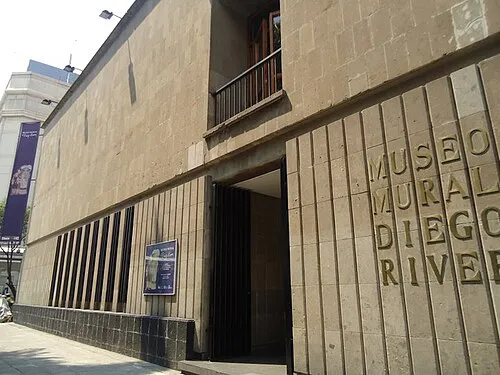
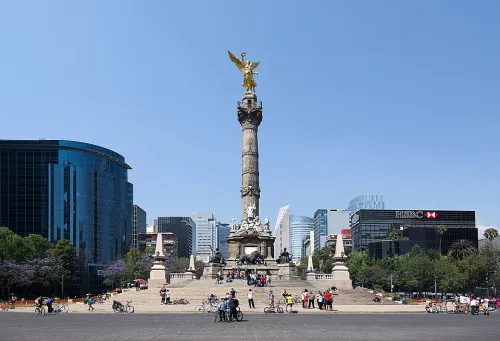
Start at the Zócalo, the enormous main square framed by the Metropolitan Cathedral and the Palacio Nacional, where Diego Rivera murals cover the grand staircase. Walk west along pedestrian Madero, past the tiled facade of the Casa de los Azulejos, to the Palacio de Bellas Artes and the Alameda Central. This is the route the self-guided Mexico City walking tour covers, 11 stops across 8.4 km in about 3.4 hours, including the Templo Mayor, the Museo Mural Diego Rivera, and the Ángel de la Independencia. Book the Frida Kahlo Museum weeks ahead if you want to add it.
Two days
Chapultepec, Reforma, and the Museum Quarter
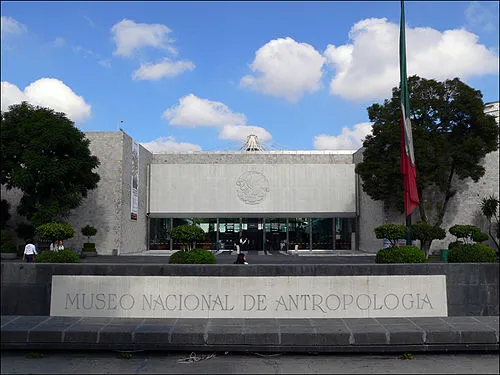
Devote the morning to the National Museum of Anthropology in Chapultepec Park, one of the world's great museums, where the Aztec Sun Stone and Maya collections alone fill two hours. Walk east along Paseo de la Reforma past the Museo de Arte Moderno and the Ángel de la Independencia. Afternoon in Roma or Condesa: tree-lined streets, Art Deco buildings, and a long lunch at any of the neighborhood's excellent restaurants.
Three days
Coyoacán, the Frida Kahlo Museum, and Xochimilco
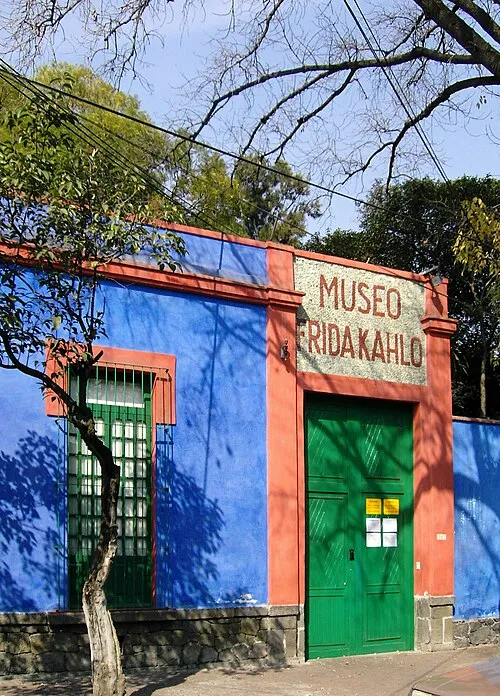
Head south to Coyoacán, the colonial village within the city, and visit the Museo Frida Kahlo (Casa Azul) if you booked ahead, then browse the weekend market in Jardín Centenario. Finish the day at Xochimilco, where trajineras punt through the ancient lake canals under marigold-bright arches. This is the Mexico City that most visitors only glimpse on a rushed trip.
Four days or moreRecommended
Day Trips and Hidden Neighborhoods
A full day trip to Teotihuacan is essential: take the early ADO bus from TAPO terminal (about 80 to 100 pesos round trip), arrive by 09:00 to beat the tour buses, and climb the Pyramid of the Sun before the shade disappears by noon. Back in the city, spare a morning for Tlatelolco and the Plaza de las Tres Culturas, or the Museo Nacional de Historia in Chapultepec Castle, which gives the best panoramic views of the valley and its framing volcanoes.
Best time to visit Mexico City by traveller type
Same city, different trip. Here's the month that fits how you're travelling.
🧭
Best time to visit Mexico City for the first time
Mar
March is the safe best-overall answer: dry 22 to 25°C days, jacarandas in bloom, and Bellas Artes, the Anthropology Museum and Teotihuacan all comfortably accessible. Book the Frida Kahlo Museum six weeks ahead and check the air-quality alert before any long outdoor walk.
❤️
Best time to visit Mexico City for couples
OctNov
October into early November pairs golden dry light with cool 16 to 18°C evenings and the romantic, slightly eerie glow of Day of the Dead altars across Coyoacán and Roma.
💶
Best time to visit Mexico City on a budget
AugSepJan
August and September hit rock-bottom hotel rates around 40 to 60 dollars, with free first-Sunday museum entry and cheap market tacos. January brings the lowest prices of the dry season after Christmas clears out.
🍝
Best time to visit Mexico City for food and wine
OctNov
October and November are harvest season for squash, huitlacoche and seasonal mole, and Pujol, Quintonil and Contramar take a 2 to 3 week reservation more easily than in spring. Pan de muerto fills every bakery from mid-October.
Worst time to visit Mexico City
The tightest stretch falls in the window roughly November 18 to 22, when the Corona Capital festival fills the Autódromo Hermanos Rodríguez while the city is still digesting the Day of the Dead crowds and the Formula 1 hangover. Downtown hotels sell out entirely and nightly rates hit their highest point outside Christmas. The second trap is December 23 to January 3: rooms run 60 to 100% above the annual average, the best boutique hotels go fully booked weeks in advance, and the Basílica de Guadalupe pilgrimage on December 12 gridlocks every road north of the historic center for an entire day.
Still worth it for Budget travelers and anyone who genuinely wants to experience the Day of the Dead celebrations can find value in early November by booking three or more months ahead. Late November works if the Corona Capital lineup is worth paying peak prices for.
Go instead in March, October, January, when Mexico City is at its best.
Best time for a tour of Mexico City
January and February are the two months that make this 8.4-kilometre walk feel effortless. Highs of 21 to 24 °C, cool mornings around 7 to 8 °C, and barely 2 to 3 rain days each month mean you can linger in Alameda Central without hurrying for cover, cross the open expanse of the Zócalo in comfort, and spend real time inside Templo Mayor without the afternoon heat pressing down on you. March and April warm up pleasantly to 25 to 27 °C, but rain days creep to 6 and 9 respectively, and the streets around the Ángel de la Independencia fill with visitors: not impossible, but not quiet either. November is the cruelest trap: only 6 rain days, bright skies, but the city is as packed as it gets all year, and the historic centre around the Palacio de Bellas Artes and the Cathedral becomes shoulder-to-shoulder from mid-morning onward. June through August bring 20 to 26 rain days, which means the classic afternoon downpour is not an occasional nuisance but an almost-daily certainty. You can walk the route in the mornings during those months, but you need to be moving by 8 am and finished before 1 pm to beat the build-up.
The real advantage of AI Tourguide here is that nobody dictates your start time. On a clear January morning, when the Zócalo is nearly empty and the stones around Templo Mayor are still cool in the slant light, you can start your Mexico City tour the moment the mood takes you, set your own pace through the Museo Mural Diego Rivera, and let the guide hold a real spoken conversation with you the whole way rather than marshalling you through a fixed group schedule. The AI leads, tells you stories, asks you questions, and listens to your answers, all from your browser without any download. When the rainy season makes mornings the only safe window, that flexibility to go exactly when the weather opens up is worth more than any fixed departure time.

 +7
+7All 11 stops are already on the map.
You just press start.
You just press start.
 AI Tourguide
You just read the route.
Now walk it with a guide in your ear.
Press start wherever you are, even hundreds of kilometres from Mexico City, and the guide begins telling its stories right away. In the city, pick any of the 11 stops to start from: it leads you there, then talks with you the whole route, asking, listening, remembering, and shaping the tour around your answers.
11stops8.4km3.4hours11languages
▶Start the tour freeFree to start · Runs in your browser · No app, no download
Mexico City events and festivals calendar
Annual highlights worth timing a trip around, listed month by month.
January
🌙 Museum nightMuseum Night Noche de Museos
Jan 28
The last Wednesday of every month, 18:00 to 22:00
On the last Wednesday of each month, more than 90 museums across all 16 boroughs open free from 18:00 to 22:00, with guided tours, concerts and workshops.
February
🌸 Seasonal natureJacaranda Season Temporada de Jacarandas
Feb 20 – Apr 15 ~
Late February to mid-April, peaking in the third week of March
Hundreds of thousands of jacaranda trees turn Reforma, Condesa, Coyoacán and Polanco a deep purple, the largest such bloom anywhere outside South Africa.
March
🎵 MusicVive Latino
Mar 14–15 ~
A weekend in mid-March
Latin America's premier rock-en-español festival fills the Estadio GNP Seguros for two days with more than 50 acts across multiple stages, drawing huge crowds to its mix of headliners and emerging Latin bands.
⛪ ReligiousHoly Week / Easter Semana Santa
Mar 29 – Apr 5 ~
Late March into early April, ending on Easter Sunday
Mexico's biggest holiday week doubles as the national spring break.
June
🏳️🌈 PrideMexico City Pride Marcha del Orgullo LGBT de la Ciudad de México
Jun 27 ~
The last Saturday of June, with Pride week leading up to it
A parade of around 250,000 people runs from the Ángel de la Independencia along Reforma to the Zócalo, the second-largest Pride in Latin America after São Paulo.
September
🎵 MusicFestival Arre
Sep 5–6 ~
A weekend in early September
The country's largest regional-Mexican-music festival takes over the Autódromo Hermanos Rodríguez with three stages and a dance floor, drawing crowds of more than 80,000 to its banda, norteño and ranchera headliners.
🇮 HolidayIndependence Day Cry El Grito de Independencia
Sep 15–16
The night of September 15, with the ceremony at 23:00, and Independence Day on September 16
On the night of September 15, the President rings Hidalgo's bell from the National Palace balcony at 23:00 while half a million people fill the Zócalo for fireworks, free concerts and a street food fair.
October
🏃 SportFormula 1 Mexican Grand Prix Gran Premio de la Ciudad de México
Oct 30 – Nov 1 ~
The last weekend of October, with the race on Sunday
A round of the Formula 1 World Championship at the Autódromo Hermanos Rodríguez, famous for sold-out grandstands and one of the loudest, most carnival-like fanzones on the calendar.
⛪ ReligiousDay of the Dead Día de Muertos
Nov 1–2
November 1 and 2, with the Grand Parade in late October or on November 1
The Grand Parade winds roughly 6 km from Chapultepec to the Zócalo, where the Great Ofrenda is laid.
November
🎵 MusicCorona Capital
Nov 20–22 ~
A weekend in late November
The city's premier indie, rock and pop festival runs three days at the Autódromo Hermanos Rodríguez, with more than 65 acts and a line-up of major international headliners.
December
More in December →Insider tips for visiting Mexico City
The rules buried in forums, in one place.
- Book the Frida Kahlo Museum the moment your dates are fixed. There are no walk-in sales at all, tickets are online only, and in peak months (March, November, December) they sell out 6 to 8 weeks ahead. Buy from boletos.museofridakahlo.org.mx, since resellers add a 40 to 80% premium.
- On the first Sunday of every month, entry is free at most federal and INAH museums, including the Museo Nacional de Antropología and Palacio Nacional. The queue forms from 08:30, so arrive before 09:00. On a normal week, Tuesday 09:00 to 10:00 is the quietest paid-entry window.
- At Teotihuacan, arrive by 09:00 and leave by 12:30. Tour buses from the city roll in around 10:30 and the Pyramid of the Sun climb turns into a slow queue with no shade. Take the early ADO bus from TAPO terminal, roughly 80 to 100 pesos round trip.
- Watch for ozone contingencia alerts in the dry spring (March to May), when the valley traps pollution. Check aire.cdmx.gob.mx, and on a red-alert afternoon shift to covered markets like Mercado de San Juan or Mercado Roma instead of outdoor exertion.
- The rainy season has a reliable rhythm: clear sunny mornings, then a 1 to 2 hour thunderstorm rolling in between 14:00 and 18:00. Do outdoor sightseeing from 08:00 to 13:00, then use the downpour for museums, markets and long lunches.
- Remember the altitude. At 2,240 metres the city sits higher than most European ski resorts, so most people feel breathless or get a mild headache on day one and adapt within 24 to 48 hours. Skip the Teotihuacan or Ajusco climbs on arrival day, and note that UV is about 25% stronger than at sea level even under cloud.
- For El Grito on the night of September 15, position yourself at the Zócalo by 19:00. The square fills to half a million people, and Metro lines 2 and 8 are shut or overcrowded after 22:00. Walk in early from the Bellas Artes side and exit on foot west toward Alameda after the fireworks.
- On December 12, avoid every road north of the historic centre. The pilgrimage to the Basílica de Guadalupe draws over 10 million people across December 11 and 12, and the La Villa neighbourhood becomes impassable by vehicle.
Public holidays in Mexico City
On these dates many shops and offices close, transport thins out, and sights can be mobbed or shut. Plan around them.
| Date | Holiday | What closes |
|---|---|---|
| Jan 1 | New Year's Day (Año Nuevo) | Almost everything closes, the Zócalo is in post-celebration cleanup, and the first days of January are the quietest of the year. A good time to walk the centre without crowds. |
| Feb 2 | Constitution Day (Día de la Constitución) | Federal offices, banks and schools close on this observed Monday holiday, but most museums stay open and traffic is light. A relaxed day for sightseeing. |
| Mar 16 | Benito Juárez's Birthday (Natalicio de Benito Juárez) | An observed long-weekend holiday: government offices and banks close, museums stay open, and domestic travellers fill the city for the puente. Book hotels ahead for this weekend. |
| Apr 3 | Good Friday (Viernes Santo) | The peak of Semana Santa, Mexico's biggest holiday week. Most government offices and many private businesses close, but the Anthropology Museum, Bellas Artes and Teotihuacan keep normal hours. Residents leave for the coast, cutting traffic 30 to 40% and making the centre unusually easy to explore. |
| May 1 | Labour Day (Día del Trabajo) | Government offices and banks close and small marches cross downtown, but many restaurants and shops stay open. Plan around possible street closures near the Zócalo and Reforma. |
| Sep 16 | Independence Day (Día de la Independencia) | The official holiday after the September 15 Grito. A military parade closes Reforma from roughly 08:00 to 14:00, and the Zócalo is inaccessible the night before without early positioning. |
| Nov 2 | Day of the Dead (Día de Muertos) | Not a mandatory national holiday but widely observed, with many schools off. Teotihuacan offers special late-night access and Xochimilco is packed. This is the busiest week of the year, so book accommodation three or more months ahead. |
| Nov 16 | Revolution Day (Día de la Revolución) | An observed long-weekend holiday that coincides with the Corona Capital festival weekend, creating traffic chaos near the Autódromo Hermanos Rodríguez and tight hotel availability downtown. |
| Dec 12 | Virgin of Guadalupe (Día de la Virgen de Guadalupe) | Not mandatory but enormously observed: over 10 million pilgrims head to the Basílica de Guadalupe nationwide. The La Villa area and roads north of the centre gridlock completely all day, so avoid the north of the city. |
| Dec 25 | Christmas Day (Navidad) | Most things close, though some restaurants and hotels stay open. The city is quiet, and this falls inside the most expensive hotel stretch of the year. |
Mexico City month by month
January in Mexico City
High21°C / 71°F
Low7°C
Rain12mm / 3 rainy days
Sun10.2 h/day
Daylight11 h/day
Humidity57%
Crowds●●○○○Prices●○○○○
January is the city at its calmest and cheapest. The Christmas crowds have gone, international tourists are scarce, and the dry season delivers clear, thin-lit mornings around 21°C with cold 7°C nights. There is essentially no rain across the whole month. The low-angle winter sun makes for the best photos of the year, and museums sit close to queue-free once the New Year holiday passes.
The vibe This is the local's January, not the tourist's. Café terraces in Roma and Condesa belong to residents again, the air is dry and bright, and you can walk into most sights without a wait. The trade is genuinely cold mornings: bring a layer, especially if you head out to Teotihuacan, where dawn can drop to 4 to 6°C.
Don't miss The Museo Nacional de Antropología and Palacio de Bellas Artes are at their emptiest of the year on a weekday morning. The clear, low winter light over the centre and the volcanoes makes January the photographer's month.
Crowd drivers Post-holiday lull once the Dec 23 to Jan 3 peak ends; very few international tourists and no domestic school break.
In season Rosca de Reyes, the ring-shaped Epiphany bread hiding tiny figurines, fills every bakery in the first week of January.
Heads up January 1 closes almost everything; the first few days run on a holiday rhythm before the city returns to normal.
Cheapest month of the year: 40 to 50% below the April peak, mid-range hotels 50 to 65 dollars a night.
Events this month
🌙 Museum nightMuseum Night Noche de Museos
Jan 28
The last Wednesday of every month, 18:00 to 22:00
On the last Wednesday of each month, more than 90 museums across all 16 boroughs open free from 18:00 to 22:00, with guided tours, concerts and workshops. The Museo Nacional de Antropología, Bellas Artes and the Museo Soumaya all take part.
Unmissable value any month of the year, and the easiest way to see a clutch of the city's best museums for nothing; arrive by 18:30 for the popular ones.
February in Mexico City
High24°C / 75°F
Low8°C
Rain10mm / 2 rainy days
Sun11.0 h/day
Daylight12 h/day
Humidity49%
Crowds●●○○○Prices●●○○○
February stays dry and uncrowded, with highs climbing to a comfortable 24°C and humidity at its yearly low near 49%. Rain is almost nonexistent at 10 mm across two days. The first jacarandas begin to colour the city late in the month, a quiet preview of March. Crowds tick up only slightly around the US Presidents' Day long weekend.
The vibe February is the value sweet spot most visitors overlook: warm afternoons, cold-snap mornings gone, and the city still in its low-season rhythm. It feels like spring arriving without the spring crowds or prices, and the earliest jacaranda blooms hint at what March will bring.
Don't miss The first jacarandas open in late February along Reforma and in Coyoacán, the opening act of the city's signature bloom. Museums and Teotihuacan stay calm enough to visit on a whim.
Crowd drivers A mild bump from the US Presidents' Day long weekend; otherwise still firmly low season.
In season Tamales and atole peak around Día de la Candelaria on February 2, when whoever found the figurine in January's rosca traditionally hosts the tamal feast.
Still low season; rates only a touch above January, well below the spring peak.
Events this month
🌸 Seasonal natureJacaranda Season Temporada de Jacarandas
Feb 20 – Apr 15 ~
Late February to mid-April, peaking in the third week of March
Hundreds of thousands of jacaranda trees turn Reforma, Condesa, Coyoacán and Polanco a deep purple, the largest such bloom anywhere outside South Africa. The colour saturates whole avenues and parks, peaking around the third week of March.
It is the single most beautiful thing the city does all year, free and everywhere, and the best reason to pin your trip to March.
🌙 Museum nightMuseum Night Noche de Museos
Jan 28
The last Wednesday of every month, 18:00 to 22:00
On the last Wednesday of each month, more than 90 museums across all 16 boroughs open free from 18:00 to 22:00, with guided tours, concerts and workshops. The Museo Nacional de Antropología, Bellas Artes and the Museo Soumaya all take part.
Unmissable value any month of the year, and the easiest way to see a clutch of the city's best museums for nothing; arrive by 18:30 for the popular ones.
March in Mexico City
High26°C / 78°F
Low10°C
Rain32mm / 6 rainy days
Sun11.3 h/day
Daylight12 h/day
Humidity48%
Crowds●●●●○Prices●●●●○
March is the city at its most beautiful. Hundreds of thousands of jacaranda trees paint Reforma, Condesa, Coyoacán and Polanco purple, peaking in the third week, the largest such display outside South Africa. Days are dry and ideal at 25 to 26°C with low humidity. The trade-off is the dry-season pollution risk, with thermal inversions making March and April the highest-ozone window, so check the air-quality alert before long outdoor walks.
The vibe This is the postcard month, and everyone knows it. The jacarandas alone justify the trip, and the weather is as good as it gets, but you will share it: hotel rates jump, Vive Latino fills the city for a weekend, and the late-March start of Semana Santa adds pressure. Worth every bit of it if you book ahead.
Don't miss Walk Reforma, Parque México in Condesa, Calle Amsterdam and Coyoacán's streets at the third-week jacaranda peak. Vive Latino brings 50-plus acts to the Estadio GNP Seguros for two days.
Crowd drivers Jacaranda bloom draws visitors, Vive Latino spikes hotels mid-month, and Semana Santa begins in late March.
In season Lenten Fridays bring meatless specials to old-city fondas: nopales, romeritos and dried-shrimp tortitas appear on menus through the season.
Heads up Spring ozone contingencia alerts can begin in March; on red-alert afternoons, shift to indoor markets and museums.
Hotels climb to 80 to 100 dollars a night; the Vive Latino weekend surges rates 25 to 30%.
Events this month
🌸 Seasonal natureJacaranda Season Temporada de Jacarandas
Feb 20 – Apr 15 ~
Late February to mid-April, peaking in the third week of March
Hundreds of thousands of jacaranda trees turn Reforma, Condesa, Coyoacán and Polanco a deep purple, the largest such bloom anywhere outside South Africa. The colour saturates whole avenues and parks, peaking around the third week of March.
It is the single most beautiful thing the city does all year, free and everywhere, and the best reason to pin your trip to March.
🎵 MusicVive Latino
Mar 14–15 ~
A weekend in mid-March
Latin America's premier rock-en-español festival fills the Estadio GNP Seguros for two days with more than 50 acts across multiple stages, drawing huge crowds to its mix of headliners and emerging Latin bands.
The cultural heartbeat of CDMX alt-music, but book tickets and a nearby hotel three or more months out, because both sell out.
🌙 Museum nightMuseum Night Noche de Museos
Jan 28
The last Wednesday of every month, 18:00 to 22:00
On the last Wednesday of each month, more than 90 museums across all 16 boroughs open free from 18:00 to 22:00, with guided tours, concerts and workshops. The Museo Nacional de Antropología, Bellas Artes and the Museo Soumaya all take part.
Unmissable value any month of the year, and the easiest way to see a clutch of the city's best museums for nothing; arrive by 18:30 for the popular ones.
April in Mexico City
High27°C / 80°F
Low12°C
Rain43mm / 9 rainy days
Sun11.7 h/day
Daylight13 h/day
Humidity47%
Crowds●●●●○Prices●●●●○
April is the warmest, driest month, with highs near 27°C and the lowest humidity of the year around 47%. Semana Santa, which ends on Easter Sunday, is Mexico's spring break: residents empty the city for the coast, cutting traffic 30 to 40% and making attractions unusually calm even as arriving tourists fill the Centro. Pollution risk stays high, so favour the cooler hours before 11:00 or after 17:00 for walking.
The vibe April is a strange, two-sided month. The city half-empties of locals over Holy Week, so the streets feel light and the museums are easy, yet hotel prices sit at their dry-season peak and the air can be its worst. If you time it for the Easter week itself, you get a quieter, more navigable city than the prices suggest.
Don't miss The late jacarandas still hold into early April. With residents away over Holy Week, the Anthropology Museum and Bellas Artes keep normal hours with shorter local crowds, and Teotihuacan stays open all week.
Crowd drivers Semana Santa (Good Friday Apr 3, Easter Apr 5) overlaps US and Canadian spring break; locals leave but tourists arrive.
In season Capirotada, the spiced Lenten bread pudding layered with cheese and dried fruit, appears in bakeries and fondas through Holy Week.
Heads up Holy Thursday and Good Friday (Apr 2 to 3) close most government offices and many private businesses; major museums and Teotihuacan stay open.
Rates stay high into mid-April through Semana Santa, the peak of the dry-season pricing.
Events this month
⛪ ReligiousHoly Week / Easter Semana Santa
Mar 29 – Apr 5 ~
Late March into early April, ending on Easter Sunday
Mexico's biggest holiday week doubles as the national spring break. Processions move through the historic centre, while residents leave en masse for the coast and the city empties of locals, cutting traffic by 30 to 40%.
Counterintuitively a great time to see the city: lighter traffic and easier museum access, as long as you plan around the Holy Thursday and Good Friday closures.
🌙 Museum nightMuseum Night Noche de Museos
Jan 28
The last Wednesday of every month, 18:00 to 22:00
On the last Wednesday of each month, more than 90 museums across all 16 boroughs open free from 18:00 to 22:00, with guided tours, concerts and workshops. The Museo Nacional de Antropología, Bellas Artes and the Museo Soumaya all take part.
Unmissable value any month of the year, and the easiest way to see a clutch of the city's best museums for nothing; arrive by 18:30 for the popular ones.
May in Mexico City
High26°C / 79°F
Low13°C
Rain85mm / 14 rainy days
Sun11.6 h/day
Daylight13 h/day
Humidity55%
Crowds●●●○○Prices●●●○○
May is the hinge between dry and rainy. Early in the month it stays warm and dry near 26°C, then the first afternoon thunderstorms arrive and rain-day counts climb to around 14 by month's end. The post-Easter lull means comfortable weather without the spring crowds, and the Labour Day holiday on May 1 is the only real interruption. Good value before the summer low season fully kicks in.
The vibe May feels like the city exhaling after the spring peak. Prices ease, the jacarandas are gone but the parks are green, and the first storms clear the dry-season haze. It is an underrated shoulder window: warm, calmer, and noticeably cheaper than the month before.
Don't miss The first rains green up Chapultepec and the Bosque de Tlalpan, and the late-afternoon storm-light over the centre is dramatic. Noche de Museos, the last-Wednesday free museum night, runs all year and is ideal in mild May.
Crowd drivers Post-Easter lull keeps crowds moderate; only the May 1 Labour Day holiday briefly closes offices.
In season Late spring brings the start of mango season, with Ataúlfo and Manila mangoes piling up at Mercado de San Juan and street stalls.
Rates drop 15 to 20% versus March and April; a solid-value shoulder month.
Events this month
🌙 Museum nightMuseum Night Noche de Museos
Jan 28
The last Wednesday of every month, 18:00 to 22:00
On the last Wednesday of each month, more than 90 museums across all 16 boroughs open free from 18:00 to 22:00, with guided tours, concerts and workshops. The Museo Nacional de Antropología, Bellas Artes and the Museo Soumaya all take part.
Unmissable value any month of the year, and the easiest way to see a clutch of the city's best museums for nothing; arrive by 18:30 for the popular ones.

June in Mexico City
High24°C / 75°F
Low13°C
Rain171mm / 20 rainy days
Sun10.8 h/day
Daylight13 h/day
Humidity68%
Crowds●●●○○Prices●●○○○
June opens the rainy season properly, though it follows a kind schedule: clear, sunny mornings give way to afternoon thunderstorms, usually short and intense. Highs settle to a mild 24°C and the rain begins to wash the air clean. International tourist numbers drop, hotel rates fall, and the city feels relaxed. Pride takes over Reforma on the last Saturday with a quarter-million-person parade.
The vibe June is when the savvy traveller wins. The rain is predictable and easy to plan around, crowds thin by 30 to 40% versus spring, and prices fall with them. Structure your day around the morning sun and you barely notice the storms, while the cleaner air is a real upgrade over the spring haze.
Don't miss Mexico City Pride sends a 250,000-strong parade from the Ángel de la Independencia along Reforma to the Zócalo on the last Saturday. The post-rain air brings the volcanoes into view on clear mornings, best from Ajusco.
Crowd drivers Rainy season begins and crowds ease, but Pride (last Sat of June) fills Roma and Condesa, and any World Cup years spike downtown.
In season The rains bring huitlacoche, the prized corn truffle, and wild quelites to the markets, folded into quesadillas at Mercado de San Juan.
Low-season rates of 50 to 70 dollars a night; World Cup weeks spike downtown hotels by 20%.
Events this month
🏳️🌈 PrideMexico City Pride Marcha del Orgullo LGBT de la Ciudad de México
Jun 27 ~
The last Saturday of June, with Pride week leading up to it
A parade of around 250,000 people runs from the Ángel de la Independencia along Reforma to the Zócalo, the second-largest Pride in Latin America after São Paulo. Reforma closes to traffic and the celebration spreads city-wide.
A festive, welcoming citywide party worth timing a June trip around, with Roma and Condesa hotels booking up early.
🌙 Museum nightMuseum Night Noche de Museos
Jan 28
The last Wednesday of every month, 18:00 to 22:00
On the last Wednesday of each month, more than 90 museums across all 16 boroughs open free from 18:00 to 22:00, with guided tours, concerts and workshops. The Museo Nacional de Antropología, Bellas Artes and the Museo Soumaya all take part.
Unmissable value any month of the year, and the easiest way to see a clutch of the city's best museums for nothing; arrive by 18:30 for the popular ones.

July in Mexico City
High22°C / 72°F
Low13°C
Rain211mm / 26 rainy days
Sun10.7 h/day
Daylight13 h/day
Humidity75%
Crowds●●●○○Prices●●○○○
July is peak rainy season, but the pattern holds: bright mornings, then a reliable afternoon downpour for an hour or two. Highs stay mild at 22 to 23°C and nights are cool. Mexican school holidays from mid-July fill the big attractions with domestic families, especially on weekends, yet international crowds stay low and hotel prices remain in the cheaper band. The air is at its cleanest of the year.
The vibe July is green, fresh and quietly excellent value. The rain keeps the city lush and the air clear, and only the weekend domestic crowds at Teotihuacan break the calm. Go midweek to the big sights, plan outdoors for the morning, and July rewards you with low prices and the best air quality of the year.
Don't miss After heavy overnight rain, Popocatépetl and Iztaccíhuatl stand out sharply on clear mornings from the Mirador de Ajusco or Pedregal. Chapultepec and its lakes are at their greenest.
Crowd drivers Mexican school holidays from mid-July drive domestic family travel to Teotihuacan and Chapultepec, mostly on weekends.
In season Chiles en nogada season approaches; some restaurants begin serving the walnut-sauced poblano chiles from late July into the patriotic September window.
Low-price window continues; domestic family travel fills Teotihuacan and Chapultepec on weekends.
Events this month
🌙 Museum nightMuseum Night Noche de Museos
Jan 28
The last Wednesday of every month, 18:00 to 22:00
On the last Wednesday of each month, more than 90 museums across all 16 boroughs open free from 18:00 to 22:00, with guided tours, concerts and workshops. The Museo Nacional de Antropología, Bellas Artes and the Museo Soumaya all take part.
Unmissable value any month of the year, and the easiest way to see a clutch of the city's best museums for nothing; arrive by 18:30 for the popular ones.

August in Mexico City
High22°C / 72°F
Low13°C
Rain223mm / 26 rainy days
Sun10.4 h/day
Daylight13 h/day
Humidity76%
Crowds●●●○○Prices●○○○○
August is the cheapest, quietest month for international visitors, even as it brings the heaviest rain at 223 mm over 26 days. The storms still hold to their afternoon schedule, so mornings stay usable. Highs sit at a mild 22°C. This is the value bottom of the year: luxury hotels fall 45 to 60% below peak and mid-range rooms drop to 40 to 60 dollars, with near-empty paid museums on weekdays.
The vibe August is not empty-romantic so much as quietly smart. The rain is at its most insistent and the domestic school crowd still hits weekend Teotihuacan, but international tourists are at their fewest and prices at their lowest. Embrace the afternoon storms as museum-and-market time and August is the budget traveller's secret.
Don't miss Weekday museums are at their emptiest and reservations are rarely needed. The clean, rain-washed air gives the year's clearest volcano mornings. First-Sunday free museum entry is easy to enjoy with almost no extra crowd.
Crowd drivers Fewest international tourists of the year; only domestic school-holiday families crowd the weekend pyramid trips.
In season Chiles en nogada are at their peak in August, the poblano chiles stuffed with picadillo and draped in walnut sauce and pomegranate, served everywhere through the independence season.
Absolute cheapest window: mid-range 40 to 60 dollars, luxury 45 to 60% below peak.
Events this month
🌙 Museum nightMuseum Night Noche de Museos
Jan 28
The last Wednesday of every month, 18:00 to 22:00
On the last Wednesday of each month, more than 90 museums across all 16 boroughs open free from 18:00 to 22:00, with guided tours, concerts and workshops. The Museo Nacional de Antropología, Bellas Artes and the Museo Soumaya all take part.
Unmissable value any month of the year, and the easiest way to see a clutch of the city's best museums for nothing; arrive by 18:30 for the popular ones.

September in Mexico City
High22°C / 71°F
Low13°C
Rain199mm / 23 rainy days
Sun9.7 h/day
Daylight12 h/day
Humidity77%
Crowds●●○○○Prices●○○○○
September is the wettest month, with rain still concentrated in short, heavy afternoon bursts. Highs hold near 22°C. For most of the month, prices and crowds stay at their lowest, but the night of September 15 transforms the centre: half a million people pack the Zócalo for El Grito, the most patriotic night in Mexico, with fireworks, free concerts and a sea of green, white and red.
The vibe September splits in two. Outside the independence weekend it is the quietest, cheapest stretch of the year, all rain-washed calm and bargain hotels. Then for two days around the 15th, the city erupts into its proudest celebration. Pick your dates by which version you want: the bargain or the bedlam.
Don't miss El Grito de Independencia on the night of September 15: the President rings Hidalgo's bell at the National Palace at 23:00, with fireworks and street food filling the Zócalo. Festival Arre brings regional-Mexican music to the Autódromo early in the month.
Crowd drivers Heaviest rainfall keeps tourists away; only El Grito on Sep 15 briefly fills the Zócalo and downtown hotels.
In season Pozole and chiles en nogada are the patriotic foods of September, served in red-white-green abundance through the independence weekend.
Cheapest flights of the year; Centro hotels spike briefly around Sep 15, then drop again.
Events this month
🇮 HolidayIndependence Day Cry El Grito de Independencia
Sep 15–16
The night of September 15, with the ceremony at 23:00, and Independence Day on September 16
On the night of September 15, the President rings Hidalgo's bell from the National Palace balcony at 23:00 while half a million people fill the Zócalo for fireworks, free concerts and a street food fair. The military parade follows on the 16th.
The most patriotic night in Mexico, and an unforgettable spectacle; position at the Zócalo by 19:00 and expect overcrowded Metro after 22:00.
🎵 MusicFestival Arre
Sep 5–6 ~
A weekend in early September
The country's largest regional-Mexican-music festival takes over the Autódromo Hermanos Rodríguez with three stages and a dance floor, drawing crowds of more than 80,000 to its banda, norteño and ranchera headliners.
A huge, joyfully Mexican domestic event; book Iztacalco-area hotels early if you want to be near the venue.
🌙 Museum nightMuseum Night Noche de Museos
Jan 28
The last Wednesday of every month, 18:00 to 22:00
On the last Wednesday of each month, more than 90 museums across all 16 boroughs open free from 18:00 to 22:00, with guided tours, concerts and workshops. The Museo Nacional de Antropología, Bellas Artes and the Museo Soumaya all take part.
Unmissable value any month of the year, and the easiest way to see a clutch of the city's best museums for nothing; arrive by 18:30 for the popular ones.

October in Mexico City
High22°C / 72°F
Low11°C
Rain90mm / 15 rainy days
Sun9.8 h/day
Daylight12 h/day
Humidity74%
Crowds●●●○○Prices●●●○○
October is the other best month. The rains ease through the month, the air stays clean and clear, and highs hold around 22°C with crisp 11°C nights. The first three weeks are calm and golden, ideal for walking and volcano-watching, before the Formula 1 Grand Prix and the build-up to Day of the Dead arrive at month's end. Book early if your dates touch the F1 weekend.
The vibe October's first three weeks are a quiet golden window: post-rain clarity, comfortable days, cool evenings, and prices not yet spiked. Then the city flips into high gear with F1 and Day of the Dead prep. Come early in the month for calm, or late for the spectacle, but know which one you are choosing.
Don't miss The clear post-rain mornings give some of the year's best volcano views. Day of the Dead altars and pan de muerto begin appearing from mid-October, and the Grand Parade build-up energises Coyoacán and the centre.
Crowd drivers Calm first three weeks, then the F1 Grand Prix (Oct 30 to Nov 1) and Día de Muertos preparation pile up at month's end.
In season Pan de muerto fills every bakery from mid-October, and harvest squash, huitlacoche and seasonal mole drive the autumn menus at the city's top tables.
Rates return to mid-level; the F1 weekend (Oct 30 to Nov 1) spikes hotels 30 to 40% citywide.
Events this month
🏃 SportFormula 1 Mexican Grand Prix Gran Premio de la Ciudad de México
Oct 30 – Nov 1 ~
The last weekend of October, with the race on Sunday
A round of the Formula 1 World Championship at the Autódromo Hermanos Rodríguez, famous for sold-out grandstands and one of the loudest, most carnival-like fanzones on the calendar.
A bucket-list race for fans, but it spikes hotel rates 30 to 40% citywide and collides with early Day of the Dead tourism, so book six months ahead.
⛪ ReligiousDay of the Dead Día de Muertos
Nov 1–2
November 1 and 2, with the Grand Parade in late October or on November 1
The Grand Parade winds roughly 6 km from Chapultepec to the Zócalo, where the Great Ofrenda is laid. Altars, marigolds and candlelit vigils fill Coyoacán, Xochimilco and Mixquic across the two days.
The most spectacular street celebration in the city and the reason many people come; book three or more months ahead and claim a parade spot by early afternoon.
🌙 Museum nightMuseum Night Noche de Museos
Jan 28
The last Wednesday of every month, 18:00 to 22:00
On the last Wednesday of each month, more than 90 museums across all 16 boroughs open free from 18:00 to 22:00, with guided tours, concerts and workshops. The Museo Nacional de Antropología, Bellas Artes and the Museo Soumaya all take part.
Unmissable value any month of the year, and the easiest way to see a clutch of the city's best museums for nothing; arrive by 18:30 for the popular ones.

November in Mexico City
High22°C / 72°F
Low9°C
Rain29mm / 6 rainy days
Sun10.1 h/day
Daylight11 h/day
Humidity66%
Crowds●●●●●Prices●●●●○
November is the busiest month of the year, and the most spectacular. Day of the Dead on the 1st and 2nd brings the 6 km Grand Parade from Chapultepec to the Zócalo, the Great Ofrenda, and altars across Coyoacán, Xochimilco and Mixquic. The dry season has returned with clear 22°C days and cool nights. Then the F1 hangover, Revolution Day and Corona Capital stack on top, making mid to late November the hardest time to find an affordable bed.
The vibe November is the show. If Day of the Dead is your reason to come, nothing beats early November here, the most spectacular street celebration in the city. But go in clear-eyed: this is peak everything. Book three or more months ahead, expect crowds 3 to 5 deep at the parade, and treat the Nov 18 to 22 window as the one to avoid unless Corona Capital is the draw.
Don't miss The Día de Muertos Grand Parade runs roughly 6 km from Chapultepec to the Zócalo; stake a spot at the Ángel de la Independencia by 13:00. Altars fill Coyoacán, Xochimilco and Mixquic, and Corona Capital headlines the Autódromo late in the month.
Crowd drivers Día de Muertos (Nov 1 to 2), the F1 aftermath, Revolution Day weekend and Corona Capital (Nov 20 to 22) converge into the year's peak.
In season Pan de muerto is everywhere, alongside tamales, atole and the marigold-scented street food that defines the Day of the Dead table.
Busiest month: early-Nov rooms 90 to 120 dollars, Corona Capital (Nov 20 to 22) causes downtown hotel scarcity.
Events this month
⛪ ReligiousDay of the Dead Día de Muertos
Nov 1–2
November 1 and 2, with the Grand Parade in late October or on November 1
The Grand Parade winds roughly 6 km from Chapultepec to the Zócalo, where the Great Ofrenda is laid. Altars, marigolds and candlelit vigils fill Coyoacán, Xochimilco and Mixquic across the two days.
The most spectacular street celebration in the city and the reason many people come; book three or more months ahead and claim a parade spot by early afternoon.
🎵 MusicCorona Capital
Nov 20–22 ~
A weekend in late November
The city's premier indie, rock and pop festival runs three days at the Autódromo Hermanos Rodríguez, with more than 65 acts and a line-up of major international headliners.
A great festival, but its late-November dates land on top of the post-Muertos crunch, so it triggers the year's tightest downtown hotel scarcity; buy tickets when they go on sale in spring.
🌙 Museum nightMuseum Night Noche de Museos
Jan 28
The last Wednesday of every month, 18:00 to 22:00
On the last Wednesday of each month, more than 90 museums across all 16 boroughs open free from 18:00 to 22:00, with guided tours, concerts and workshops. The Museo Nacional de Antropología, Bellas Artes and the Museo Soumaya all take part.
Unmissable value any month of the year, and the easiest way to see a clutch of the city's best museums for nothing; arrive by 18:30 for the popular ones.
December in Mexico City
High22°C / 71°F
Low8°C
Rain13mm / 3 rainy days
Sun10.2 h/day
Daylight11 h/day
Humidity61%
Crowds●●●●○Prices●●●●●
December is dry, clear and festive, with bright 22°C afternoons and cold 8°C nights. Holiday markets, posada processions and the Zócalo ice rink fill the centre. The Basílica de Guadalupe pilgrimage on December 11 and 12 draws over 10 million people nationwide and gridlocks the north of the city. From December 23 to January 3 the season peaks, bringing the highest hotel prices of the year and sold-out popular hotels.
The vibe December is beautiful and expensive in equal measure. The city is festive, the weather dry and clear, and the markets glow, but you pay the year's top rates for it and the best hotels book out. The Guadalupe pilgrimage on the 12th is extraordinary if you want it, and a reason to stay well clear of the north of the city if you don't.
Don't miss The Zócalo hosts a Christmas market and ice rink, and posada processions move through neighbourhoods from December 16 to 24. The Basílica de Guadalupe pilgrimage on December 11 to 12 is one of Mexico's largest religious gatherings.
Crowd drivers Christmas season, holiday markets and international visitors build through the month to the Dec 23 to Jan 3 peak.
In season Ponche navideño, the hot fruit punch with tejocote and guava, and bacalao and romeritos define the Christmas table; buñuelos appear at every market stall.
Heads up December 12 gridlocks everything north of the centre for the Guadalupe pilgrimage; December 25 closes most businesses.
Highest annual prices: 60 to 100% above average, luxury 200 to 400 dollars-plus, boutiques sold out.
Events this month
🎄 Christmas marketChristmas Posadas Posadas Navideñas
Dec 12–31
December 12 through New Year, with posada processions December 16 to 24
Neighbourhood posada processions reenact Mary and Joseph's search for shelter from December 16 to 24, while the Zócalo hosts a Christmas market and ice rink and the Basílica de Guadalupe receives over 10 million pilgrims on December 11 and 12.
The city is at its most festive and beautiful, but also its most expensive and, around the Basílica, its most gridlocked; plan accordingly.
🌙 Museum nightMuseum Night Noche de Museos
Jan 28
The last Wednesday of every month, 18:00 to 22:00
On the last Wednesday of each month, more than 90 museums across all 16 boroughs open free from 18:00 to 22:00, with guided tours, concerts and workshops. The Museo Nacional de Antropología, Bellas Artes and the Museo Soumaya all take part.
Unmissable value any month of the year, and the easiest way to see a clutch of the city's best museums for nothing; arrive by 18:30 for the popular ones.
Frequently asked questions
What is the best month to visit Mexico City?
March is the consensus best month: dry days around 25°C, very little rain, and the jacarandas turning Reforma and Coyoacán purple at their third-week peak, with every museum and Teotihuacan open. October is the strong runner-up, offering rain-washed clear air, volcano views and crisp evenings in its first three calm weeks before the F1 weekend.
What is the cheapest time to visit Mexico City?
August is the cheapest month: mid-range hotels drop to 40 to 60 dollars a night and luxury rooms fall 45 to 60% below the April peak, with the year's lowest flight prices in September too. January is the cheapest dry month after Christmas clears out. The trade for August and September is heavy afternoon rain.
When is the worst time to visit Mexico City?
Mid to late November is the hardest stretch, when Day of the Dead, the F1 Grand Prix and the Corona Capital festival (November 20 to 22) stack into ten days, so beds vanish and prices peak. December 23 to January 3 is the most expensive, with rates 60 to 100% above average and popular hotels sold out.
Does it rain a lot in Mexico City?
The rainy season runs June to October, peaking in July, August and September at 200 mm or more a month. The pattern is predictable and easy to work around: mornings are clear and sunny, then a short intense thunderstorm rolls in between 14:00 and 18:00. November to May is the dry season, with January and February almost rain-free.
Is the altitude a problem in Mexico City?
At 2,240 metres, the city sits higher than most European ski resorts, so many visitors feel short of breath, mildly headachy or tired on day one. Most healthy adults adapt within 24 to 48 hours. Avoid strenuous climbs like the Pyramid of the Sun on arrival day, and note that UV is about 25% stronger than at sea level even on cool, cloudy days.
When can I see the jacarandas in Mexico City?
Jacaranda season runs from late February to mid-April, peaking in the third week of March, when hundreds of thousands of trees turn whole avenues purple. The best displays are along Reforma, in Parque México in Condesa, on Calle Amsterdam, and through the streets of Coyoacán and Polanco. It is free and needs no booking, just go early.
When is Day of the Dead in Mexico City?
Day of the Dead falls on November 1 and 2, with the 6 km Grand Parade from Chapultepec to the Zócalo held in late October or on November 1. Altars and vigils fill Coyoacán, Xochimilco and Mixquic. It is the busiest week of the year, so book accommodation three or more months ahead and claim a parade spot by early afternoon.
How many days do you need in Mexico City?
Four to five days is the sweet spot: enough for the historic centre and Zócalo, the Museo Nacional de Antropología, Coyoacán and the Frida Kahlo Museum, Chapultepec, and a full day trip to the Teotihuacan pyramids. Add a day or two for Xochimilco, more museums, and the food scene in Roma and Condesa.
Is Mexico City good to visit in the rainy season?
Yes, and it is underrated. June to September brings 30 to 40% fewer international tourists, hotel rates 40 to 50% lower, and the cleanest air of the year as the rain clears the haze. Storms hit predictably in the afternoon, so sightsee outdoors from 08:00 to 13:00 and save museums, markets and long lunches for the downpour.

Any month, any day: your guide is already there
Whatever date you pick, a private human guide gets pricier and harder to book on weekends, holidays and in peak season. Our live AI guide, the one that walks with you and answers anything you ask out loud, works the opposite way.
One flat price, every day
No holiday, weekend, night or peak-season surcharge. A private guide in Mexico City runs well over 100 euro for a half day, and more on holidays. Ours stays the same.
Available the moment you want it
Start at midnight or at dawn, on Christmas, in the snow, in the August heat. No sold-out high season, no booking weeks ahead.
Your pace, no meter running
Pause for a long lunch, restart after dark, repeat a stop. The tour simply waits for you.
Free to try, a fraction of the cost
Test it for free, then a transparent flat price that undercuts any private guide, in every season.
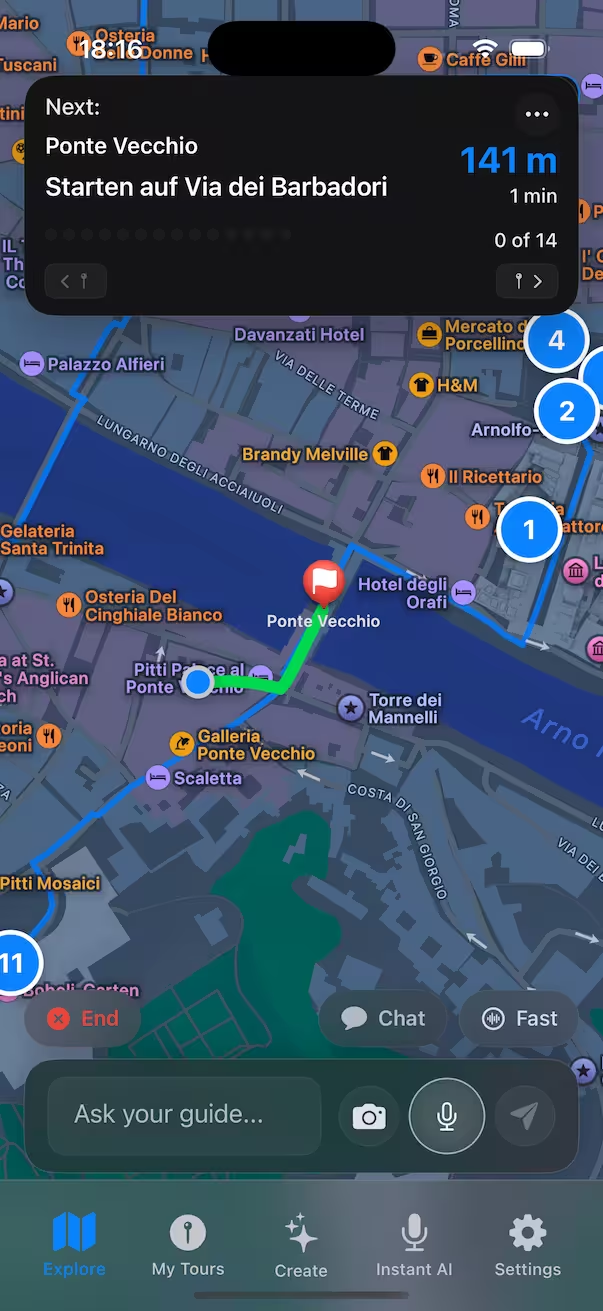
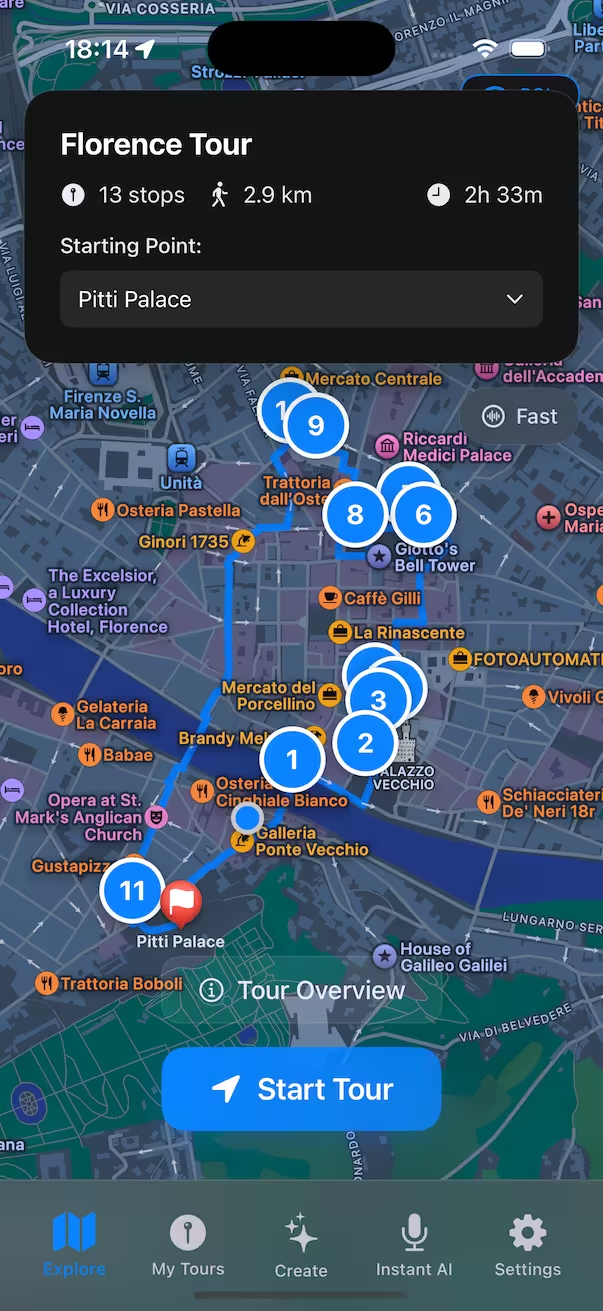
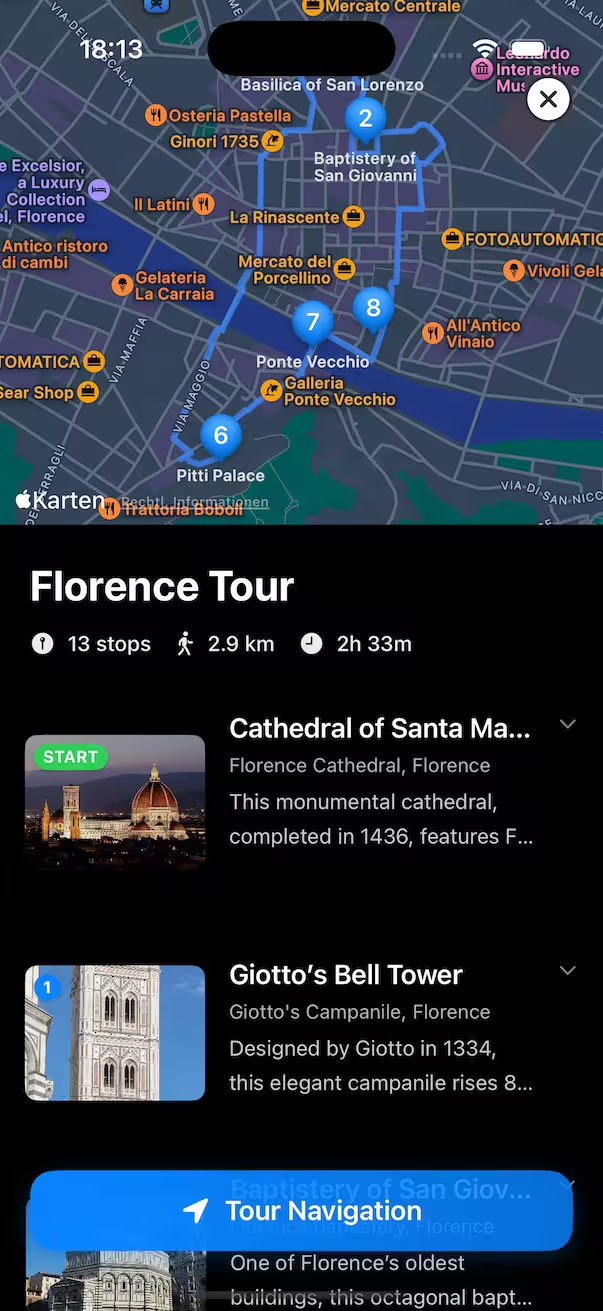
The classic Mexico City tour: 11 stops, 8.4 km, about 3 h on foot
Your live AI guide and the self-guided Mexico City route, together in your browser.