Best Time to Visit Seattle
Month-by-month weather, crowds and prices, plus a full calendar of festivals and events worth planning a trip around.
Best monthsJul, Aug, Sep
CheapestJan, Feb, Nov
AvoidJun
BusiestJun, Jul

When is the best time to visit Seattle?
Come in July, August or September. Seattle's dry season is the real secret: barely an inch of rain falls across July and August combined, the sun lingers until 9:30 pm, and every attraction runs at full tilt. September is the value pick, with hotels back to 170-240 USD once schools return. Steer clear of June 2026 unless you have a World Cup ticket, when six matches at Lumen Field push downtown rooms to 400-600 USD a night.
Start our tool and find your best time to visit Seattle
Your perfect month
Free · ~30 seconds
or tap a month directly
What matters to you?
And this?
Best overall: Jul, Aug. July and August deliver Seattle at its photogenic best: dry, sunny, 24-26°C, daylight until 9:30 pm, the farmers market overflowing and the waterfront and kayaking season in full swing. August edges July as the smarter pick, with rates easing 20-25% once the World Cup and the July 4 chaos are behind you.
Best value: Sep, Oct. September from the 7th onward, plus October, is the sweet spot for value. Temperatures hold at 18-22°C, rain stays light until late September, hotels drop to 170-240 USD, salmon are running at the Locks, and Seattle Restaurant Week (late October) opens up top kitchens at prix-fixe prices.
Avoid: Jun. June 2026 is the year's worst value unless you are here for the FIFA World Cup. Six matches at Lumen Field (15, 19, 24, 26 June plus 1 and 6 July) collide with Pride and the start of cruise season, pushing central rooms to 400-600 USD on match weekends and selling out inventory six months ahead.
- January: Good time, 8°C. This is the one month you have the Seattle Art Museum and Pike Place almost to yourself. Grey drizzle is the honest price, but a light waterproof and a museum-first plan turn it into a calm, cheap, very livable city. Espresso bars, the original 1971 Starbucks queue aside, and warm, slow days.
- February: Good time, 8°C. February is honest, unperformed Seattle, no festivals to dress it up and no seasonal markup. If you want the city without the crowds or the cost, this is it: drizzle, espresso, and the Frye Art Museum to yourself any day but Monday or Tuesday. Bring a waterproof and lean into the indoor pleasures.
- March: Good time, 11°C. March is the last genuinely quiet month before spring fills the city, and the cherry blossoms are the payoff. The UW Quad turning pink is the iconic Seattle spring shot, and if you go before 8 am on a weekday you get it nearly empty. Cool, changeable, but with the worst of the grey easing.
- April: Good time, 14°C. April is the bargain spring month before cruise season arrives. The city is green and waking up, the parks are at their freshest, and you still get a table without a fight. Pack a rain layer for the showers, but enjoy the value: this window closes the moment May's ships and festivals start filling the waterfront.
- May: Great time, 18°C. May is the quietly excellent month nobody markets: green, mild, alive with two big festivals, but without summer heat, summer crowds or summer prices. SIFF and Folklife give late May real cultural energy, and shoulder-season rates of 160-220 USD make it the smart couples' pick over July.
- June: Tough month, 21°C. June is electric if you came for the World Cup, and brutal value if you did not. The weather turns gloriously dry with the longest days of the year, but the football fills the city and drives prices to their annual peak. If you are not here for a match, push your trip to August or September instead.
- July: Tough month, 24°C. July is Seattle at its sunny, photogenic best, and its most crowded. The waterfront, the farmers market and the kayaking on Lake Union are all in full swing, and the long light evenings are magic. Just book early, confirm air conditioning (not universal here), and keep an eye on the late-July smoke risk that can wipe out the mountain views.
- August: Good time, 25°C. August is the family and weather sweet spot: reliably dry and warm, with the June football frenzy and the July 4 chaos behind you. Mid-August, after Seafair and before Labor Day, is the calmest, most pleasant window of the whole summer. Just keep a smoke-day backup plan of indoor museums ready for the haziest days.
- September: Great time, 21°C. September feels like Seattle exhaling: warm enough for the waterfront and the ferries, golden evening light, but without August's smoke worry or summer's prices. The week after Bumbershoot (from 7 September onward) is the genuine sweet spot, with everything still open and the weather still kind. The smart couples' and value pick.
- October: Great time, 15°C. October is the couples' and foodies' month: red and gold foliage in the parks, soft light, and Seattle Restaurant Week opening up the best kitchens at prix-fixe prices. The rain is back, but mostly as light drizzle, and the value is excellent. Bring a waterproof and lean into the food and the autumn calm.
- November: Good time, 10°C. November is Seattle at its most introverted: grey, wet, almost touristless, but cheap and unhurried. The trick is to plan indoors, the museums, the market, the coffee culture, and to time around Thanksgiving when much of the city shuts. The consolation is Restaurant Week running into the first week and WinterFest arriving at month's end.
- December: Good time, 7°C. December trades depth-of-winter quiet for a short burst of festive cheer: WinterFest lights, the ice rink under the Space Needle, and holiday windows downtown. Outside the Christmas-to-New-Year week it stays cheap and calm, but the short days mean an early start and an indoor-heavy plan. Cosy, low-key, and very affordable midweek.
Seattle weather by month
HighLowRainfall
Jan8°
Feb8°
Mar11°
Apr14°
May18°
Jun21°
Jul24°
Aug25°
Sep21°
Oct15°
Nov10°
Dec7°
| Month | Temp | Rain | Sun | Crowds | Prices | Highlight |
|---|---|---|---|---|---|---|
| Jan | 8° / 3° | 176mm · 17 rainy days | 4.3 h/day | ●○○○○ | ●○○○○ | |
| Feb | 8° / 2° | 130mm · 16 rainy days | 5.3 h/day | ●○○○○ | ●○○○○ | Tet in Seattle (Lunar New Year) |
| Mar | 11° / 4° | 126mm · 16 rainy days | 7.3 h/day | ●●○○○ | ●●○○○ | UW Cherry Blossom Bloom |
| Apr | 14° / 6° | 94mm · 15 rainy days | 9.3 h/day | ●●○○○ | ●●○○○ | Seattle Cherry Blossom and Japanese Cultural Festival |
| May | 18° / 10° | 56mm · 10 rainy days | 10.3 h/day | ●●●○○ | ●●●○○ | Seattle International Film Festival |
| Jun | 21° / 12° | 50mm · 9 rainy days | 11.7 h/day | ●●●●● | ●●●●● | FIFA World Cup 2026 (Seattle matches) |
| Jul | 24° / 15° | 16mm · 4 rainy days | 12.7 h/day | ●●●●● | ●●●●● | FIFA World Cup 2026 (Seattle matches) |
| Aug | 25° / 15° | 25mm · 5 rainy days | 11.7 h/day | ●●●●○ | ●●●●○ | Seafair Boeing Air Show (Blue Angels) |
| Sep | 21° / 13° | 65mm · 11 rainy days | 9.3 h/day | ●●●○○ | ●●●○○ | Bumbershoot Arts and Music Festival |
| Oct | 15° / 9° | 134mm · 14 rainy days | 6.5 h/day | ●●○○○ | ●●○○○ | Great Pumpkin Beer Festival |
| Nov | 10° / 5° | 180mm · 17 rainy days | 4.9 h/day | ●○○○○ | ●○○○○ | Seattle Restaurant Week |
| Dec | 7° / 3° | 186mm · 19 rainy days | 3.6 h/day | ●○○○○ | ●●○○○ | WinterFest at Seattle Center |
How we score this: weather = long-run climate normals (Open-Meteo), crowds & prices = relative season read, events checked yearly against official dates.
Best time to visit Seattle: weather, prices & crowds
Best months for good weather
Jul, Aug
July and August are reliably dry and warm, with highs of 24-26°C and a Mediterranean feel that shocks first-timers. July averages just 15mm of rain. The catch is occasional late-July wildfire smoke that can erase the mountain views, so check the AQI forecast before banking on a clear Space Needle day.
Quietest months to avoid the crowds
Jan, Feb, Nov
From November to February international visitors all but vanish. You walk straight into the Seattle Art Museum, Pike Place Market loses its summer elbow-to-elbow crush, and the ferries to Bainbridge run half-empty. The price is grey drizzle and barely 8.5 hours of December daylight.
Cheapest time to visit Seattle
Jan, Feb
January and February are the cheapest months by a clear margin: 3-star downtown hotels run 90-130 USD a night, roughly 35-40% below summer. The Frye Art Museum is permanently free and the Olympic Sculpture Park is a free outdoor walk, so a rainy-season budget trip goes a long way.
Best time for festivals and events
Aug, Sep, Oct
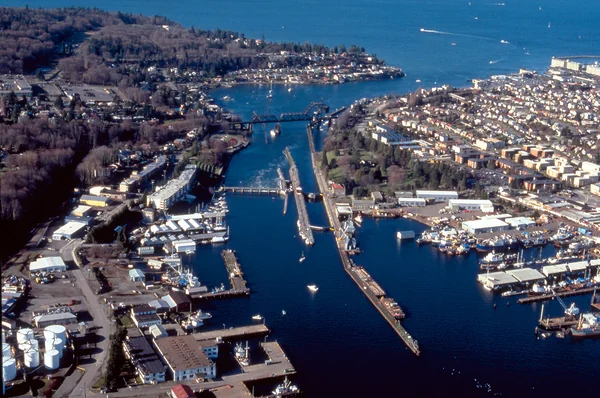
From July through November the Chinook and sockeye salmon run upstream through the fish ladder at the Ballard Locks, peaking August to October. You watch them push past through underwater viewing windows for free, a uniquely Seattle autumn ritual that almost no summer-crowd visitor knows about.
How many days do you need in Seattle?
Seattle needs three days to do it justice. The downtown core, from Pike Place Market to Pioneer Square, sits close enough to cover in a long first day, but the city's range of neighborhoods, waterways, and cultural anchors rewards the slower pace that a second and third morning allow.

One day
The downtown core in one shot
Start at Pike Place Market when it opens at 9 am, before the cruise-ship crowds arrive, and work through the fish stalls, the lower craft levels, and the Gum Wall in the alley below. From there, the self-guided Seattle walking tour links 7 stops across 4.1 km in roughly 1.9 hours, taking in the waterfront, the Seattle Art Museum, and Pioneer Square. End the evening with a ferry crossing to Bainbridge Island and back for the best skyline view in the city.
Two days
Seattle Center and the neighborhoods
Dedicate the morning to Seattle Center: ride the Space Needle for the panorama over Elliott Bay and Mount Rainier on clear days, then spend an hour in Chihuly Garden and Glass. In the afternoon, cross into Capitol Hill for the independent restaurants and coffee bars, or head north to Fremont for the quirky public art and the Sunday Market. Two days lets you breathe rather than sprint.
Three daysRecommended
The Ballard Locks, Bainbridge, and deeper Seattle
A third day opens up the outer districts. The Ballard Locks are free to visit and, from late summer into autumn, the underwater viewing windows let you watch salmon pushing upstream, a uniquely Seattle experience. Alternatively, take the Washington State Ferry to Bainbridge Island for a short walk and a waterfront lunch before sailing back through the Sound. The Museum of Flight in Tukwila is worth the half-day trip for aviation enthusiasts.
Four days or more
Day trips, Discovery Park, and slower time
Four days or longer lets you reach Mount Rainier National Park for a day, about two hours southeast by car, or spend a morning at Discovery Park for coastal trails and lighthouse views. In the city, the Washington Park Arboretum rewards a slow walk in any season, and the Museum of Pop Culture at Seattle Center deserves more time than a rushed afternoon. In summer, an evening kayak on Lake Union or a rooftop bar on Capitol Hill caps the day without any fixed itinerary.
Best time to visit Seattle by traveller type
Same city, different trip. Here's the month that fits how you're travelling.
🧭
Best time to visit Seattle for the first time
JulAug
July or early August: dry weather, every attraction open, the farmers market at full force, the waterfront alive and daylight until 9:30 pm for long evening exploring. Accept the 250-350 USD downtown room as the cost of the best conditions, and book a place that confirms air conditioning.
❤️
Best time to visit Seattle for couples
SepMay
September for post-summer warmth, golden light, Bumbershoot on Labor Day weekend and salmon starting their run at the Locks. Or late May, which stacks SIFF, Northwest Folklife and shoulder-season rates of 160-220 USD, with far fewer crowds than July.
💶
Best time to visit Seattle on a budget
JanFeb
January or February for the cheapest hotels at 90-130 USD a night. The Frye Art Museum is permanently free, Pike Place is free to wander, the Olympic Sculpture Park is free and outdoors, and the Bainbridge ferry is the cheapest excursion in town. The biggest budget trap is summer, above all World Cup June.
🍝
Best time to visit Seattle for food and wine
OctNov
Late October into early November for Seattle Restaurant Week, when top restaurants run 3-course prix-fixe menus at accessible prices and hotels sit at off-season lows. Dungeness crab season opens mid-November, salmon runs July to October, and the Great Pumpkin Beer Festival (early October) pours 80-plus Pacific Northwest brews.
Worst time to visit Seattle
June is Seattle's worst value month by a wide margin. FIFA World Cup matches at Lumen Field collide with Seattle Pride, the start of cruise season, and the beginning of school holidays, all at once. Central hotels on match weekends run to 400 to 600 USD a night and sell out months in advance. Even the non-match days carry elevated minimum-stay rules and congestion around SODO.
Still worth it for If you have a World Cup ticket, June is worth every dollar: the dry-season weather arrives, daylight stretches past 9 pm, and the Fremont Solstice Parade and Pride both fall in the same window. Come for the football and plan the city days around the matches.
Go instead in July, August, September, when Seattle is at its best.
Best time for a tour of Seattle
Seattle rewards walkers most generously from late May through September, when temperatures sit between 18 and 25 °C and rain days drop to as few as four in July. The 4.1 km route from Seattle Center south through Pike Place Market and on to Pioneer Square is genuinely comfortable in those months: long daylight hours let you linger at the Gum Wall without rushing, and the walk along the waterfront to the Seattle Aquarium rarely feels punishing. Outside that window the arithmetic shifts quickly. January through March brings highs barely above 8 °C, 16 to 17 rain days per month, and skies that close in by late afternoon. April is milder but still wet, and while the crowds are thin, you will earn every dry spell. The flip side is that June and July pack the market and the waterfront shoulder to shoulder; if the bustle of Pike Place Market at peak hour sounds exhausting, early September gives you almost the same weather with noticeably fewer people.
Because AI Tourguide runs entirely in your browser with no download and no fixed departure time, the question of when to walk is purely yours to answer. Set off on a still October morning when Pioneer Square is near-empty and the air is crisp at 15 °C, or time a summer start for 8 am before the crowds build at Pike Place Market. The voice-first guide leads you the whole way: greeting you at Seattle Center, telling the story of Chihuly Garden and Glass, asking what catches your eye, listening, and adapting the rest of the conversation to what you actually care about. No tour operator schedule to catch, no group to keep pace with. Whenever Seattle's famously fickle weather opens a clear window, start your Seattle tour and walk it on your own terms.

 +3
+3All 7 stops are already on the map.
You just press start.
You just press start.
 AI Tourguide
You just read the route.
Now walk it with a guide in your ear.
Press start wherever you are, even hundreds of kilometres from Seattle, and the guide begins telling its stories right away. In the city, pick any of the 7 stops to start from: it leads you there, then talks with you the whole route, asking, listening, remembering, and shaping the tour around your answers.
7stops4.1km1.9hours11languages
▶Start the tour freeFree to start · Runs in your browser · No app, no download
Seattle events and festivals calendar
Annual highlights worth timing a trip around, listed month by month.
February
🎉 FestivalTet in Seattle (Lunar New Year) Tết in Seattle
Feb 14–15 ~
the Lunar New Year weekend in February
A free Vietnamese Lunar New Year celebration at Seattle Center, part of the year-round Seattle Center Festal series, with cultural performances, food and activities over a weekend.
March
🌸 Seasonal natureUW Cherry Blossom Bloom UW Cherry Blossoms
Mar 20–23 ~
peak bloom mid-to-late March, roughly a two-week window
The 29 Yoshino cherry trees in the University of Washington's historic Quad turn pink for around two weeks each spring.
April
🎨 Art and cultureSeattle Cherry Blossom and Japanese Cultural Festival
Apr 10–12 ~
early to mid April
A free three-day festival at the Seattle Center Armory and Fisher Pavilion, with music, dance, food and taiko drumming from 11 am to 5 pm each day.
May
🎬 FilmSeattle International Film Festival SIFF
May 7–17 ~
early to mid May
The 52nd edition screens 203 films from 71 countries across multiple Seattle cinemas.
🎉 FestivalNorthwest Folklife Festival Northwest Folklife
May 22–25 ~
Memorial Day weekend
A free four-day folk, roots and world-music festival on the Seattle Center grounds, with more than 5,000 performers on 25-plus stages.
June
🏃 SportFIFA World Cup 2026 (Seattle matches) FIFA World Cup 26
Jun 15 – Jul 6
six matches between mid-June and early July
Six matches at Lumen Field (rebranded Seattle Stadium): four group-stage games on 15, 19, 24 and 26 June, a Round of 32 game on 1 July and a Round of 16 game on 6 July.
🎉 FestivalFremont Solstice Parade
Jun 20 ~
the Saturday on or before the summer solstice
A quirky neighborhood parade through Fremont, famous for the body-painted nude cyclists who lead the procession, following the Fremont Fair.
🏳️🌈 PrideSeattle Pride Parade Seattle Pride
Jun 28 ~
the last Sunday of June
Seattle's 52nd Pride celebration.
July
🌸 Seasonal natureSeafair Boeing Air Show (Blue Angels) Seafair Weekend Festival
Jul 31 – Aug 2
last weekend of July into the first of August
The Blue Angels air show over Lake Washington plus the Apollo Mechanical Cup hydroplane races, which hit 200-plus mph at Genesee Park.
September
🎵 MusicBumbershoot Arts and Music Festival Bumbershoot
Sep 5–6 ~
Labor Day weekend, first weekend of September
A two-day arts and music festival at Seattle Center held each Labor Day weekend, with major national and international headliners across multiple stages.
October
🍷 Food and wineGreat Pumpkin Beer Festival
Oct 3–4 ~
first weekend of October
An over-21 festival pouring 80-plus pumpkin and fall-harvest beers from Pacific Northwest breweries, with a costume contest, and all proceeds going to The Vera Project youth arts programme.
🍷 Food and wineSeattle Restaurant Week
Oct 26 – Nov 8 ~
late October into early November
A two-week citywide promotion where top restaurants offer multi-course prix-fixe menus at reduced prices, spanning fine dining and neighbourhood favourites across the city.
November
🎉 FestivalWinterFest at Seattle Center WinterFest
Nov 27 – Jan 3 ~
Thanksgiving through early January
A holiday festival at Seattle Center with an ice-skating rink (ticketed), lights and family events through the winter holidays, set around the Space Needle and Armory.
Insider tips for visiting Seattle
The rules buried in forums, in one place.
- For the UW Quad cherry blossoms, arrive before 8 am on a weekday. The 29 Yoshino trees draw genuine congestion by 10 am on peak weekends. The 2026 bloom peaked around 20-23 March; aim for a Tuesday or Wednesday morning in the window to have the Quad almost to yourself.
- Pike Place Market: go at 9 am, not 11 am. The market opens at 9 and the first hour has the fish-throwers at full energy with no crowd. By 11 am on a summer weekend it is elbow-to-elbow. The lower levels of antique and craft stalls stay quiet all day; most visitors never go below the main arcade.
- The Seattle Art Museum is closed Monday and Tuesday, the single most commonly missed fact in the city. Plan around it and never turn up on those days. Thursday until 8 pm is the only weekday late opening. The Frye Art Museum is also shut Monday and Tuesday but is free every other day.
- For the Seafair Blue Angels, free shoreline viewing from the I-90 lid or Seward Park costs nothing. The Genesee Park grandstand tickets sell out months ahead, but the jets fly over Lake Washington and are visible from dozens of free spots along the shore (Jul 31 to Aug 2, with practice on Thursday 30 July).
- On FIFA World Cup match days, book transit, not a car. Lumen Field sits beside King Street Station and the Stadium Link light-rail stop; driving and parking near SODO on match days is essentially impossible. All six 2026 match dates carry downtown hotel minimum-stay rules, so check the policy before booking.
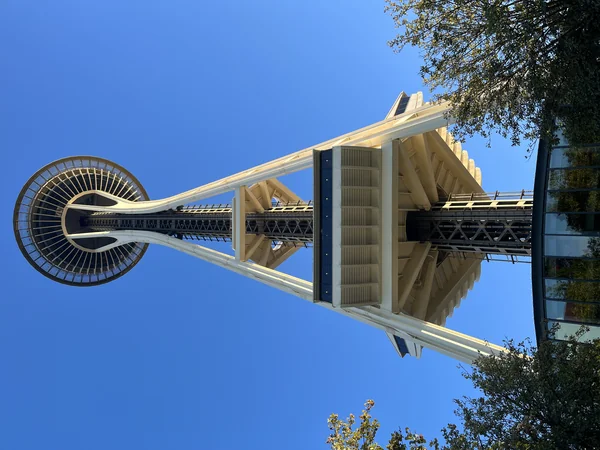
- For the Space Needle, book a timed-entry ticket online and skip Friday and Saturday evenings in summer, the most crowded window. Tuesday and Wednesday mornings at the 10 am open are consistently the quietest, and advance tickets let you bypass the on-site queue entirely.
- Check the Port of Seattle cruise schedule before heading to the waterfront. When two or three large ships call on the same day, they can land 10,000-plus passengers, and Pike Place Market and the Aquarium are swamped from 10 am to 3 pm. Do the waterfront on a no-ship morning instead.
- On smoky August days, when wildfire haze drifts in and the AQI climbs above 100, shift to indoor attractions: MoPOP, the Museum of Flight, Chihuly Garden and Glass, or SAM. The Rainier and Olympic mountain views vanish entirely in smoke, so if you came for the view from the Space Needle, wait for a clear forecast.
- Gas Works Park on July 4 means gridlock. The Lake Union fireworks are spectacular from its hilltop, but the park fills by 6 pm for the roughly 10 pm show. Arrive by 5 pm or walk in from Fremont or Capitol Hill; parking within a mile is impossible, so take a bus or the South Lake Union Streetcar.
Public holidays in Seattle
On these dates many shops and offices close, transport thins out, and sights can be mobbed or shut. Plan around them.
| Date | Holiday | What closes |
|---|---|---|
| Jan 1 | New Year's Day | Federal holiday: most government offices, banks and many businesses closed. Pike Place Market is open though individual tenants vary, and museums often run reduced hours. A quiet day after the New Year crowds. |
| Jan 19 | Martin Luther King Jr. Day | Federal holiday: government offices closed, but most attractions stay open. A normal off-season midwinter day for visitors. |
| Feb 16 | Presidents Day | Federal holiday and a modest domestic travel weekend, so hotel rates tick up 10-15% around the long weekend, otherwise little impact on sightseeing. |
| May 25 | Memorial Day | Federal holiday and the start of the summer travel season. It overlaps the free Northwest Folklife Festival at Seattle Center, so the city and hotels are noticeably busier for the long weekend. |
| Jul 3 | Independence Day (observed) | Federal observance, as July 4 falls on a Saturday. Government and banks closed. The build-up to the Lake Union fireworks brings heavy traffic and parking pressure around Lake Union and Gas Works Park. |
| Jul 4 | Independence Day | Major crowds at Gas Works Park and the Lake Union waterfront for the evening fireworks. Parking near the lake is near impossible without transit or arriving before 7 am. Most attractions stay open. |
| Sep 7 | Labor Day | Federal holiday closing the summer. It follows the Bumbershoot festival weekend (Sep 5-6), so downtown and transit are crowded, and it is the last big domestic travel push before the off-season. |
| Oct 12 | Indigenous Peoples Day | Washington State holiday replacing Columbus Day: state offices closed, but most attractions remain open. Little effect on a visitor's day. |
| Nov 11 | Veterans Day | Federal holiday with most attractions open. A quiet, low-season November day with little impact on hotels or sightseeing. |
| Nov 26 | Thanksgiving | Federal holiday when nearly everything closes, including Pike Place Market, with only some major hotel restaurants open and limited transit. Plan an indoor or hotel-based day, or use it as a quiet city stroll. |
| Nov 27 | Day after Thanksgiving | Washington State holiday: state offices closed and Black Friday retail crowds downtown and at the malls. Hotels still sit at off-season rates despite the brief domestic travel bump. |
| Dec 25 | Christmas Day | Federal holiday: most sights closed or on reduced hours, and hotels at their holiday-premium rates. Restaurants that open generally need a reservation. A still day across the city. |
Seattle month by month
January in Seattle
High8°C / 47°F
Low3°C
Rain176mm / 17 rainy days
Sun4.3 h/day
Daylight9 h/day
Humidity84%
Crowds●○○○○Prices●○○○○
January is Seattle at its quietest and cheapest. It is genuinely wet and grey, persistent light drizzle rather than downpours, with short days and few leisure travellers about. The post-holiday lull empties the city, and the museums and Pike Place lose their summer crush. It is the off-season at full tilt: low prices, no queues, and indoor sightseeing as the smart play.
The vibe This is the one month you have the Seattle Art Museum and Pike Place almost to yourself. Grey drizzle is the honest price, but a light waterproof and a museum-first plan turn it into a calm, cheap, very livable city. Espresso bars, the original 1971 Starbucks queue aside, and warm, slow days.
Don't miss Indoor Seattle at its best: MoPOP, Chihuly Garden and Glass, the Museum of Flight, and the permanently free Frye Art Museum (closed Monday and Tuesday). The Seattle Art Museum is also shut Monday and Tuesday, so plan around that. Pike Place is at its calmest, with the fish-throwers performing to almost no crowd at the 9 am open.
Crowd drivers The post-holiday lull, with the fewest international visitors of the year and grey, drizzly weather deterring leisure travel. The lowest pressure of the year.
In season Dungeness crab season is in full swing (November to April), so this is the month for cracked crab at the market and waterfront. A few independent restaurants take their own week off in January, so check ahead for a specific spot.
Heads up New Year's Day (1 January) closes most offices, banks and many businesses; museums often run reduced hours, though Pike Place is open with varying tenants. The Seattle Art Museum and Frye are closed every Monday and Tuesday year-round.
Cheapest month of the year: 3-star downtown hotels 90-130 USD a night, 35-40% below summer.
February in Seattle
High8°C / 46°F
Low2°C
Rain130mm / 16 rainy days
Sun5.3 h/day
Daylight10 h/day
Humidity81%
Crowds●○○○○Prices●○○○○
February is Seattle's other cheapest month, with rates matching January's floor. It stays damp and grey, and the cherry blossoms are still four to six weeks off. Presidents Day weekend brings a small midweek dip then a weekend bump, but otherwise this is deep off-season: quiet museums, empty ferries and the lowest prices of the year. Tet in Seattle adds a free splash of life mid-month.
The vibe February is honest, unperformed Seattle, no festivals to dress it up and no seasonal markup. If you want the city without the crowds or the cost, this is it: drizzle, espresso, and the Frye Art Museum to yourself any day but Monday or Tuesday. Bring a waterproof and lean into the indoor pleasures.
Don't miss Tet in Seattle at Seattle Center (14-15 February) brings free Vietnamese Lunar New Year performances and food. Otherwise it is indoor-museum weather: the Frye (free, closed Monday and Tuesday), MoPOP, and the Museum of Flight in Tukwila. The Bainbridge Island ferry is a cheap, near-empty 9.25 USD round trip with big sound and skyline views.
Crowd drivers Continued off-season, with international tourism at its annual low. Presidents Day weekend (16 February) causes a small weekend hotel bump but nothing more.
In season Dungeness crab season runs on, and oysters are good year-round; the market's cold-weather seafood is at its best without a single summer queue.
Prices at their annual floor alongside January, with midweek rates near 95-110 USD; the year's best hotel value.
Events this month
🎉 FestivalTet in Seattle (Lunar New Year) Tết in Seattle
Feb 14–15 ~
the Lunar New Year weekend in February
A free Vietnamese Lunar New Year celebration at Seattle Center, part of the year-round Seattle Center Festal series, with cultural performances, food and activities over a weekend.
Free, local and warming in the dead of the cheap winter season, with no hotel impact. A reason to choose a February weekend if you want some life in the off-season city.
March in Seattle
High11°C / 52°F
Low4°C
Rain126mm / 16 rainy days
Sun7.3 h/day
Daylight12 h/day
Humidity80%
Crowds●●○○○Prices●●○○○
March brings the first real lift, as the UW Quad cherry blossoms draw domestic visitors and the city's mood turns. The 2026 peak landed around 20-23 March, with the U District Cherry Blossom Festival running businesses citywide through the month. Rain is still frequent and temperatures cool, but the blossoms are the photogenic first sign of spring and hotel demand stays manageable.
The vibe March is the last genuinely quiet month before spring fills the city, and the cherry blossoms are the payoff. The UW Quad turning pink is the iconic Seattle spring shot, and if you go before 8 am on a weekday you get it nearly empty. Cool, changeable, but with the worst of the grey easing.
Don't miss The 29 Yoshino cherry trees in the UW Quad are the month's centrepiece; arrive before 8 am on a Tuesday or Wednesday to beat the peak-weekend crowds. The U District Cherry Blossom Festival adds cherry-themed food and retail at 80-plus neighbourhood businesses. Pair it with the Burke Museum on the UW campus.
Crowd drivers The UW cherry blossoms (peak bloom around 20-23 March) draw day-trippers, and spring break travel starts late in the month, but the city is far from packed.
In season Dungeness crab season holds through April, and the first spot prawns are weeks away. The U District's cherry-blossom food specials are a fun, cheap reason to eat your way around the campus neighbourhood.
Rates recover gently to 110-160 USD as cherry-blossom day-trippers arrive; demand still moderate.
Events this month
🌸 Seasonal natureUW Cherry Blossom Bloom UW Cherry Blossoms
Mar 20–23 ~
peak bloom mid-to-late March, roughly a two-week window
The 29 Yoshino cherry trees in the University of Washington's historic Quad turn pink for around two weeks each spring. Peak bloom typically falls between mid-March and early April, though the exact window can shift by up to two weeks from year to year depending on winter temperatures.
The iconic Seattle spring photo, and it is free. Crowds form fast on peak weekends, so arrive before 8 am on a weekday in the bloom window to have the Quad to yourself.
April in Seattle
High14°C / 57°F
Low6°C
Rain94mm / 15 rainy days
Sun9.3 h/day
Daylight14 h/day
Humidity77%
Crowds●●○○○Prices●●○○○
April is spring settling in, with improving weather and pleasant temperatures even as rain stays frequent. Spring-break travel adds some demand, and the Seattle Cherry Blossom and Japanese Cultural Festival (10-12 April) brings free taiko and dance to Seattle Center. It is the low-shoulder sweet spot: decent conditions, modest crowds and prices still well below the summer surge.
The vibe April is the bargain spring month before cruise season arrives. The city is green and waking up, the parks are at their freshest, and you still get a table without a fight. Pack a rain layer for the showers, but enjoy the value: this window closes the moment May's ships and festivals start filling the waterfront.
Don't miss The free Seattle Cherry Blossom and Japanese Cultural Festival at the Seattle Center Armory (10-12 April, 11 am to 5 pm) combines Japanese performance with spring festivity. With improving weather, it is a good month for Discovery Park, the Washington Park Arboretum and a first ferry to Bainbridge Island.
Crowd drivers Spring-break travel and improving weather lift demand modestly, and the Japanese Cultural Festival draws a weekend crowd, but pressure stays low ahead of cruise season.
In season Dungeness crab season wraps up this month, and spot-prawn season opens in May, so April is your last reliable run at cracked crab at the market.
Low-shoulder pricing at 120-170 USD; a value sweet spot before cruise season lifts rates in May.
Events this month
🎨 Art and cultureSeattle Cherry Blossom and Japanese Cultural Festival
Apr 10–12 ~
early to mid April
A free three-day festival at the Seattle Center Armory and Fisher Pavilion, with music, dance, food and taiko drumming from 11 am to 5 pm each day. Separate from the UW Quad bloom, it pairs Japanese cultural performances with spring festivity.
A free, family-friendly cultural anchor for an April visit, and an easy add-on to a Seattle Center day taking in the Space Needle, MoPOP and Chihuly Garden.

May in Seattle
High18°C / 64°F
Low10°C
Rain56mm / 10 rainy days
Sun10.3 h/day
Daylight15 h/day
Humidity74%
Crowds●●●○○Prices●●●○○
May is when Seattle's tourist season properly begins. The Alaska cruise season opens, with ships departing through September and starting to fill the waterfront hotels. SIFF (7-17 May) runs the largest US film festival across the city's cinemas, and the free Northwest Folklife Festival packs Seattle Center over Memorial Day weekend. Weather is improving though showers persist, and it remains a genuine value window before summer's peak.
The vibe May is the quietly excellent month nobody markets: green, mild, alive with two big festivals, but without summer heat, summer crowds or summer prices. SIFF and Folklife give late May real cultural energy, and shoulder-season rates of 160-220 USD make it the smart couples' pick over July.
Don't miss SIFF screens 203 films from 71 countries across multiple cinemas, so book tickets ahead. Northwest Folklife brings 5,000-plus performers to 25-plus free stages at Seattle Center over Memorial Day weekend. With longer, warmer days, the waterfront, the Olympic Sculpture Park and the first kayaking on Lake Union all come into season.
Crowd drivers Cruise-to-Alaska season opens and passenger traffic begins filling waterfront hotels. SIFF (7-17 May), Northwest Folklife (22-25 May) and Memorial Day weekend all lift demand 10-15%.
In season Spot-prawn season opens in May and June, a Pacific Northwest delicacy at the market and on raw bars. Spring produce starts filling the Pike Place stalls as the farmers market gathers momentum.
Rates climb to 160-220 USD as cruise season opens; SIFF and Folklife weekends push 10-15% higher.
Events this month
🎬 FilmSeattle International Film Festival SIFF
May 7–17 ~
early to mid May
The 52nd edition screens 203 films from 71 countries across multiple Seattle cinemas. It is the largest film festival in the US by attendance, spanning more than two weeks of premieres, panels and parties.
A core reason to visit in May, and one of the best value windows of the year before summer prices arrive. Book individual film tickets and passes in advance for the marquee screenings.
🎉 FestivalNorthwest Folklife Festival Northwest Folklife
May 22–25 ~
Memorial Day weekend
A free four-day folk, roots and world-music festival on the Seattle Center grounds, with more than 5,000 performers on 25-plus stages. It is one of the largest free music festivals in the US.
A massive, free, genuinely local event, and a highlight of late May. Hotel rates tick up 10-15% for the long Memorial Day weekend, so book a little ahead if you want to be near the center.

June in Seattle
High21°C / 70°F
Low12°C
Rain50mm / 9 rainy days
Sun11.7 h/day
Daylight16 h/day
Humidity70%
Crowds●●●●●Prices●●●●●
If you have a ticket, six World Cup matches at Lumen Field are the event of a generation; reach the stadium via King Street Station or the Stadium light-rail stop, never by car. The free Fremont Solstice Parade (around 20 June) is peak Seattle counterculture, and Pride fills downtown on the last Sunday of June. The longest daylight of the year, until past 9 pm, opens up late kayaking, waterfront evenings, and long walks through neighborhoods that feel transformed by the summer light.
The vibe June is electric if you came for the World Cup, and brutal value if you did not. The weather turns gloriously dry with the longest days of the year, but the football fills the city and drives prices to their annual peak. If you are not here for a match, push your trip to August or September instead.
Don't miss If you have a ticket, six World Cup matches at Lumen Field are the event of a generation; reach the stadium via King Street Station or the Stadium light-rail stop, never by car. The free Fremont Solstice Parade (20 June) is peak Seattle counterculture, and Pride fills downtown on the 28th. The longest daylight of the year, until past 9 pm, opens up late kayaking and lake evenings. With a World Cup ticket booked, our live in-browser AI guide is the flexible, flat-priced way to fill the days around the match: it walks the city with you, tells the story at each stop and answers your questions for 5 EUR an hour or 20 EUR all-in, no group tour to keep up with and no pricey private guide to pre-book.
Crowd drivers The FIFA World Cup (matches 15, 19, 24, 26 June) is the dominant driver, stacked with Pride (28 June), the Fremont Solstice Parade (20 June), cruise-season peak, summer school holidays and the dry-season onset.
In season Spot prawns are still in season, the farmers market is hitting its early-summer stride, and the city's patios and rooftop bars come fully alive for the long, light evenings.
Heads up No major holiday closures, but match days bring downtown hotel minimum-stay requirements and heavy street and transit congestion around SODO and the stadium.
The most expensive month of 2026: World Cup match weekends push central hotels to 400-600 USD; book six-plus months ahead.
Events this month
🏃 SportFIFA World Cup 2026 (Seattle matches) FIFA World Cup 26
Jun 15 – Jul 6
six matches between mid-June and early July
Six matches at Lumen Field (rebranded Seattle Stadium): four group-stage games on 15, 19, 24 and 26 June, a Round of 32 game on 1 July and a Round of 16 game on 6 July. USA versus Australia on 19 June is the most in-demand fixture.
The dominant hotel price spike of the year. Around match days the entire June downtown inventory runs 400-600 USD a night and sells out six months ahead. Avoid the city those weekends unless you are attending, and travel by transit, not car.
🎉 FestivalFremont Solstice Parade
Jun 20 ~
the Saturday on or before the summer solstice
A quirky neighborhood parade through Fremont, famous for the body-painted nude cyclists who lead the procession, following the Fremont Fair. Street closures hit Fremont from mid-morning.
The classic Seattle counterculture experience, free to watch and unmistakably local. A fun reason to be in the city for the longest days of the year, well away from the World Cup hotel zones.
🏳️🌈 PrideSeattle Pride Parade Seattle Pride
Jun 28 ~
the last Sunday of June
Seattle's 52nd Pride celebration. The parade steps off at 11 am on 4th Avenue downtown, with major street closures and the ticketed PrideFest event alongside the free parade.
A big, colourful downtown presence, but it lands on the same weekend as the World Cup price peak. LGBTQ+ travellers should book accommodation far ahead, as central rooms fill and rates run high.
July in Seattle
High24°C / 76°F
Low15°C
Rain16mm / 4 rainy days
Sun12.7 h/day
Daylight16 h/day
Humidity66%
Crowds●●●●●Prices●●●●●
July is the height of Seattle summer and the second-most-expensive month. The dry season is in full effect, with highs of 24-26°C and barely 15mm of rain all month, and daylight until 9:30 pm. The last World Cup knockout matches fall on 1 and 6 July, the Lake Union fireworks pack July 4, and Seafair's Blue Angels close the month (Jul 31 to Aug 2). It is glorious weather at peak prices and peak crowds.
The vibe July is Seattle at its sunny, photogenic best, and its most crowded. The waterfront, the farmers market and the kayaking on Lake Union are all in full swing, and the long light evenings are magic. Just book early, confirm air conditioning (not universal here), and keep an eye on the late-July smoke risk that can wipe out the mountain views.
Don't miss Long, dry days for the waterfront, Lake Union kayaking and the Bainbridge ferry. The Lake Union fireworks light up July 4 from Gas Works Park, where you should arrive by 5 pm. Seafair's Blue Angels roar over Lake Washington at month's end, best watched free from the I-90 lid or Seward Park. Salmon also begin running through the Ballard Locks fish ladder.
Crowd drivers Peak cruise season, summer school holidays and the warmest, driest weather of the year. The World Cup knockout matches (1 and 6 July) and the July 4 fireworks spike demand, and Seafair (from 31 July) sells out lake-view properties.
In season The farmers market is at full produce richness, and salmon season is underway (July to October). Patio dining and the city's many rooftop bars carry the long, warm evenings.
Busiest summer pricing at 300-480 USD; World Cup knockout days (1 and 6 July) and Seafair spike demand again.
Events this month
🏃 SportFIFA World Cup 2026 (Seattle matches) FIFA World Cup 26
Jun 15 – Jul 6
six matches between mid-June and early July
Six matches at Lumen Field (rebranded Seattle Stadium): four group-stage games on 15, 19, 24 and 26 June, a Round of 32 game on 1 July and a Round of 16 game on 6 July. USA versus Australia on 19 June is the most in-demand fixture.
The dominant hotel price spike of the year. Around match days the entire June downtown inventory runs 400-600 USD a night and sells out six months ahead. Avoid the city those weekends unless you are attending, and travel by transit, not car.
🌸 Seasonal natureSeafair Boeing Air Show (Blue Angels) Seafair Weekend Festival
Jul 31 – Aug 2
last weekend of July into the first of August
The Blue Angels air show over Lake Washington plus the Apollo Mechanical Cup hydroplane races, which hit 200-plus mph at Genesee Park. Practice flights run on Thursday 30 July ahead of the Friday-to-Sunday weekend.
A spectacular Seattle summer set-piece, but it sells out lake-view restaurants and hotels for the weekend. Watch the jets for free from the I-90 lid or Seward Park shoreline rather than paying for the grandstand.
August in Seattle
High25°C / 77°F
Low15°C
Rain25mm / 5 rainy days
Sun11.7 h/day
Daylight14 h/day
Humidity68%
Crowds●●●●○Prices●●●●○
August is the best weather of the year and, with the World Cup gone, better value than July. It is dry and sunny, with the warmest days of summer, and Seafair bleeds into the first weekend (Jul 31 to Aug 2). There is no big convention spike, school holidays continue, and rates ease 20-25% off the July peak. The one caveat is wildfire smoke, an increasing late-summer risk that can spike the AQI and hide the mountains.
The vibe August is the family and weather sweet spot: reliably dry and warm, with the June football frenzy and the July 4 chaos behind you. Mid-August, after Seafair and before Labor Day, is the calmest, most pleasant window of the whole summer. Just keep a smoke-day backup plan of indoor museums ready for the haziest days.
Don't miss Prime time for the salmon run at the Ballard Locks, peaking August to October and viewed free through underwater windows. The waterfront, kayaking and the Bainbridge ferry are all at their best. On smoky days when the AQI tops 100, shift indoors to MoPOP, the Museum of Flight, Chihuly Garden or SAM, and wait for a clear forecast before the Space Needle.
Crowd drivers Peak cruise season, the warmest and driest weather, and domestic summer holidays. Seafair (bleeding in from late July) still peaks the first weekend, but there is no major convention spike to follow.
In season Salmon season is at its height and the farmers market is overflowing with summer produce. Alki Beach in West Seattle is the spot for fish and chips and people-watching, though the Sound stays too cold to really swim at 14-16°C.
Rates ease 20-25% from July to 230-320 USD once the World Cup is over; Seafair's early-August days still peak.
Events this month
🌸 Seasonal natureSeafair Boeing Air Show (Blue Angels) Seafair Weekend Festival
Jul 31 – Aug 2
last weekend of July into the first of August
The Blue Angels air show over Lake Washington plus the Apollo Mechanical Cup hydroplane races, which hit 200-plus mph at Genesee Park. Practice flights run on Thursday 30 July ahead of the Friday-to-Sunday weekend.
A spectacular Seattle summer set-piece, but it sells out lake-view restaurants and hotels for the weekend. Watch the jets for free from the I-90 lid or Seward Park shoreline rather than paying for the grandstand.
September in Seattle
High21°C / 69°F
Low13°C
Rain65mm / 11 rainy days
Sun9.3 h/day
Daylight12 h/day
Humidity75%
Crowds●●●○○Prices●●●○○
September is the standout shoulder month, often the best value of the year. Bumbershoot fills Labor Day weekend (5-6 September), the cruise season winds down with the last ships in late September, and once the universities reopen the crowds thin out fast. Temperatures hold at 18-22°C and rain stays uncommon until late month. After Labor Day, prices and crowds drop sharply, and salmon are still running at the Locks.
The vibe September feels like Seattle exhaling: warm enough for the waterfront and the ferries, golden evening light, but without August's smoke worry or summer's prices. The week after Bumbershoot (from 7 September onward) is the genuine sweet spot, with everything still open and the weather still kind. The smart couples' and value pick.
Don't miss Bumbershoot brings two days of arts and music at Seattle Center, with 2026 headliners including Death Cab for Cutie and Japanese Breakfast. Salmon are still running through the Ballard Locks fish ladder. The light turns golden for the waterfront and the Bainbridge ferry, and the farmers market shifts into harvest season.
Crowd drivers Bumbershoot (5-6 September) spikes downtown hotels 20-30% for Labor Day weekend. After that, cruise season winds down and universities reopen, so crowds and prices drop quickly. Rain returns late in the month.
In season Harvest season hits the Pike Place stalls, salmon season runs strong (July to October), and the markets fill with Pacific Northwest produce. A fine month for seafood before the autumn restaurant deals arrive.
Shoulder pricing returns: 170-240 USD; Bumbershoot weekend (5-6 September) spikes 20-30%, then prices fall fast.
Events this month
🎵 MusicBumbershoot Arts and Music Festival Bumbershoot
Sep 5–6 ~
Labor Day weekend, first weekend of September
A two-day arts and music festival at Seattle Center held each Labor Day weekend, with major national and international headliners across multiple stages. Children under 12 enter free, with day and two-day passes available for everyone else.
The premier summer-closing event, and a great reason for couples and music fans to come in early September. Downtown hotels run 20-30% higher that weekend, then crowds and prices drop sharply afterward.
October in Seattle
High15°C / 60°F
Low9°C
Rain134mm / 14 rainy days
Sun6.5 h/day
Daylight11 h/day
Humidity82%
Crowds●●○○○Prices●●○○○
October is the start of the wet season again, with no major demand driver and shoulder pricing back in force. Foliage colours the parks, and two food highlights anchor the month: the Great Pumpkin Beer Festival (3-4 October) and the opening of Seattle Restaurant Week (26 October to 8 November). It is undervisited compared with summer, which makes it a quietly rewarding, well-priced time to eat and walk the city.
The vibe October is the couples' and foodies' month: red and gold foliage in the parks, soft light, and Seattle Restaurant Week opening up the best kitchens at prix-fixe prices. The rain is back, but mostly as light drizzle, and the value is excellent. Bring a waterproof and lean into the food and the autumn calm.
Don't miss Autumn foliage peaks mid-October through early November at Discovery Park, Volunteer Park and the Washington Park Arboretum, all undervisited compared with summer. The Great Pumpkin Beer Festival (3-4 October) pours 80-plus Pacific Northwest brews, and salmon are still pushing through the Ballard Locks.
Crowd drivers Rain season resumes and there is no major demand driver, so October is mostly quiet and low-pressure, with prices easing back to off-season levels.
In season Seattle Restaurant Week (from 26 October) is the best fine-dining value of the year, with 3-course prix-fixe menus citywide. Dungeness crab season opens mid-November, and salmon season runs to month's end.
Off-season pricing resumes at 130-190 USD; a strong value window for food-focused trips.
Events this month
🍷 Food and wineGreat Pumpkin Beer Festival
Oct 3–4 ~
first weekend of October
An over-21 festival pouring 80-plus pumpkin and fall-harvest beers from Pacific Northwest breweries, with a costume contest, and all proceeds going to The Vera Project youth arts programme.
The autumn highlight for craft-beer lovers, with no hotel price spike: a fun, low-key reason to visit in the good-value October shoulder season.
🍷 Food and wineSeattle Restaurant Week
Oct 26 – Nov 8 ~
late October into early November
A two-week citywide promotion where top restaurants offer multi-course prix-fixe menus at reduced prices, spanning fine dining and neighbourhood favourites across the city.
The best value window of the year for serious eating, and it lands when hotel rates are already at off-season lows. The single strongest reason for foodies to come in the rainy shoulder season.

November in Seattle
High10°C / 50°F
Low5°C
Rain180mm / 17 rainy days
Sun4.9 h/day
Daylight9 h/day
Humidity83%
Crowds●○○○○Prices●○○○○
November is low season, when the heaviest rain begins and tourist demand falls to a minimum. Seattle Restaurant Week runs into the first week, then Thanksgiving (26 November) and the day after (a Washington State holiday) bring a brief domestic travel bump. It is grey, wet and short on daylight, but cheap and calm, the weakest weather of the year traded for the lowest prices and quietest sights.
The vibe November is Seattle at its most introverted: grey, wet, almost touristless, but cheap and unhurried. The trick is to plan indoors, the museums, the market, the coffee culture, and to time around Thanksgiving when much of the city shuts. The consolation is Restaurant Week running into the first week and WinterFest arriving at month's end.
Don't miss Catch the tail of Seattle Restaurant Week in the first week. The salmon run finishes at the Ballard Locks, and Dungeness crab season opens mid-month. WinterFest at Seattle Center begins around Thanksgiving with lights and an ice rink. Otherwise it is indoor-museum and coffee-house weather: the Frye (free), MoPOP and the Museum of Flight.
Crowd drivers The heaviest rain begins and tourist demand is minimal. Thanksgiving week (26-27 November) brings a short domestic travel bump, but hotels stay discounted versus summer.
In season Dungeness crab season opens mid-November and runs to April, so cracked crab returns to the market. The first week of Seattle Restaurant Week is your last shot at the prix-fixe deals before the holidays.
Heads up Thanksgiving (26 November) closes nearly everything, including Pike Place Market, with only some hotel restaurants open and limited transit. The day after (27 November) is a Washington State holiday with Black Friday retail crowds.
Low season at 110-155 USD; Thanksgiving week brings a brief domestic bump but rates stay well below summer.
Events this month
🍷 Food and wineSeattle Restaurant Week
Oct 26 – Nov 8 ~
late October into early November
A two-week citywide promotion where top restaurants offer multi-course prix-fixe menus at reduced prices, spanning fine dining and neighbourhood favourites across the city.
The best value window of the year for serious eating, and it lands when hotel rates are already at off-season lows. The single strongest reason for foodies to come in the rainy shoulder season.
🎉 FestivalWinterFest at Seattle Center WinterFest
Nov 27 – Jan 3 ~
Thanksgiving through early January
A holiday festival at Seattle Center with an ice-skating rink (ticketed), lights and family events through the winter holidays, set around the Space Needle and Armory.
A festive reason to brave the dark, wet season, with low hotel rates except over Christmas week. The most family-friendly thing to do in town during the December lull.

December in Seattle
High7°C / 45°F
Low3°C
Rain186mm / 19 rainy days
Sun3.6 h/day
Daylight8 h/day
Humidity84%
Crowds●○○○○Prices●●○○○
December is a wet, dark month with only about 8.5 hours of daylight, which compresses sightseeing time. It is one of the cheapest periods of the year apart from the holiday week, when Christmas and New Year demand lifts rates 20-30%. WinterFest at Seattle Center brings festive lights and ice skating, and the city has a brief seasonal sparkle before settling back into the January lull.
The vibe December trades depth-of-winter quiet for a short burst of festive cheer: WinterFest lights, the ice rink under the Space Needle, and holiday windows downtown. Outside the Christmas-to-New-Year week it stays cheap and calm, but the short days mean an early start and an indoor-heavy plan. Cosy, low-key, and very affordable midweek.
Don't miss WinterFest at Seattle Center runs ice skating, lights and family events around the Space Needle and Armory. The short days suit indoor anchors: MoPOP, Chihuly Garden and Glass, the Museum of Flight and the free Frye (closed Monday and Tuesday). The Bainbridge ferry gives the best winter city-skyline view, lit up after about 4:30 pm dark.
Crowd drivers Holiday retail, festive lights and WinterFest bring a brief tourist uptick over Christmas week (24 December to 1 January), when rates rise 20-30%. The rest of the month stays low-season.
In season Dungeness crab season is in full swing for festive seafood feasts, and oysters are at their cold-water best. Holiday dinners book up over Christmas week, so reserve ahead for that stretch.
Heads up Christmas Day (25 December) closes most sights or cuts them to reduced hours, with hotels at holiday-premium rates and restaurants needing a reservation. New Year's Day brings a repeat of the same quiet pattern into January.
Mostly cheap at 120-170 USD, but the holiday week (24 December to 1 January) pushes rates 20-30% above the November floor.
Events this month
🎉 FestivalWinterFest at Seattle Center WinterFest
Nov 27 – Jan 3 ~
Thanksgiving through early January
A holiday festival at Seattle Center with an ice-skating rink (ticketed), lights and family events through the winter holidays, set around the Space Needle and Armory.
A festive reason to brave the dark, wet season, with low hotel rates except over Christmas week. The most family-friendly thing to do in town during the December lull.
Frequently asked questions
What is the best time to visit Seattle?
July, August and September are the best overall. The dry season is decisive: barely an inch of rain falls across July and August combined, daylight stretches to 9:30 pm, temperatures sit at a comfortable 24-26°C, and every attraction, the waterfront and kayaking season run at full tilt. September is the value pick, with hotels back to 170-240 USD and salmon running at the Ballard Locks once the schools return.
What is the cheapest time to visit Seattle?
January and February are the cheapest, with 3-star downtown hotels at 90-130 USD a night, roughly 35-40% below summer. November is also cheap at 110-155 USD, but it has the heaviest rain of the year. The trade for the winter price is persistent grey drizzle and short days, which makes an indoor, museum-focused itinerary the smart play.
What is the worst time to visit Seattle?
June 2026, unless you are here for the FIFA World Cup. Six matches at Lumen Field on 15, 19, 24 and 26 June (plus 1 and 6 July) collide with Pride and the start of cruise season, pushing central hotels to 400-600 USD a night on match weekends and selling out inventory six months ahead. In an ordinary year, November to January is weakest for weather: grey drizzle, short days and limited outdoor appeal, though it is the cheapest stretch.
Does it really rain all the time in Seattle?
Seattle's rainy reputation is measured in grey days, not rainfall volume; New York and Houston actually get more rain by total volume. October to April is genuinely wet, but mostly as light, persistent drizzle rather than downpours, so a waterproof jacket beats an umbrella. The surprise is summer: July and August are legitimately dry and sunny, with July averaging just 15mm of rain.
When do the cherry blossoms bloom in Seattle?
The 29 Yoshino cherry trees in the University of Washington's historic Quad typically peak between mid-March and early April; the 2026 peak landed around 20-23 March. Peak bloom lasts roughly 7-10 days and outer petals fall fast after rain. Go before 8 am on a weekday in the window to beat the peak-weekend crowds, and pair it with the U District Cherry Blossom Festival running citywide through March.
Is wildfire smoke a problem in Seattle in summer?
It can be, increasingly in late July and August. Wildfire smoke from Eastern Washington and Oregon has spiked Seattle's AQI above 150 in recent years, hiding the mountain views and making outdoor activity uncomfortable. It is not guaranteed but is a rising seasonal risk, so check the AQI forecast for any late-summer trip and keep an indoor-museum backup plan for the haziest days.
Can you swim in Seattle?
Not really for swimming proper. Elliott Bay and Puget Sound peak at just 14-16°C in August, cold even at the height of summer. Alki Beach in West Seattle is the main beach scene, but it is for wading and people-watching, not laps. The water is fine for kayaking, paddleboarding and watching harbour seals, all best from July through September.
How many days do you need in Seattle?
Two to three days cover the essentials: Pike Place Market (go at 9 am), the Space Needle, MoPOP and Chihuly Garden at Seattle Center, the Seattle Art Museum and the waterfront. Add a half-day for the Ballard Locks and a ferry to Bainbridge Island, or a full day for the Museum of Flight. In summer the long daylight until 9:30 pm lets you fit far more into each day.

Any month, any day: your guide is already there
Whatever date you pick, a private human guide gets pricier and harder to book on weekends, holidays and in peak season. Our live AI guide, the one that walks with you and answers anything you ask out loud, works the opposite way.
One flat price, every day
No holiday, weekend, night or peak-season surcharge. A private guide in Seattle runs well over 100 euro for a half day, and more on holidays. Ours stays the same.
Available the moment you want it
Start at midnight or at dawn, on Christmas, in the snow, in the August heat. No sold-out high season, no booking weeks ahead.
Your pace, no meter running
Pause for a long lunch, restart after dark, repeat a stop. The tour simply waits for you.
Free to try, a fraction of the cost
Test it for free, then a transparent flat price that undercuts any private guide, in every season.
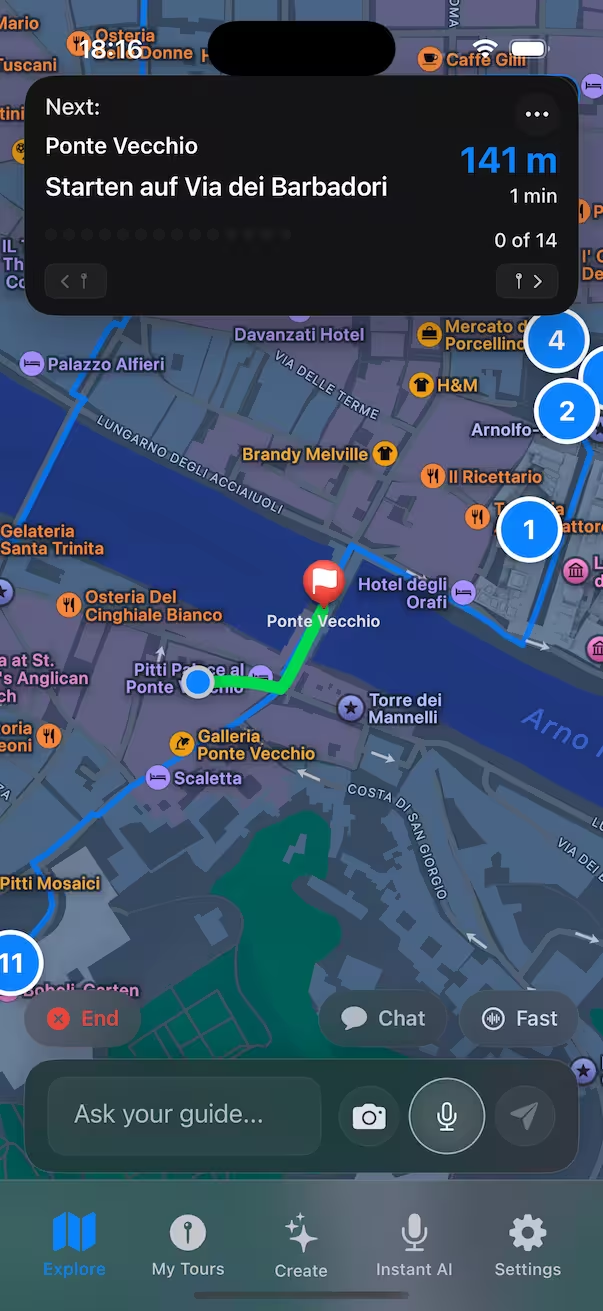
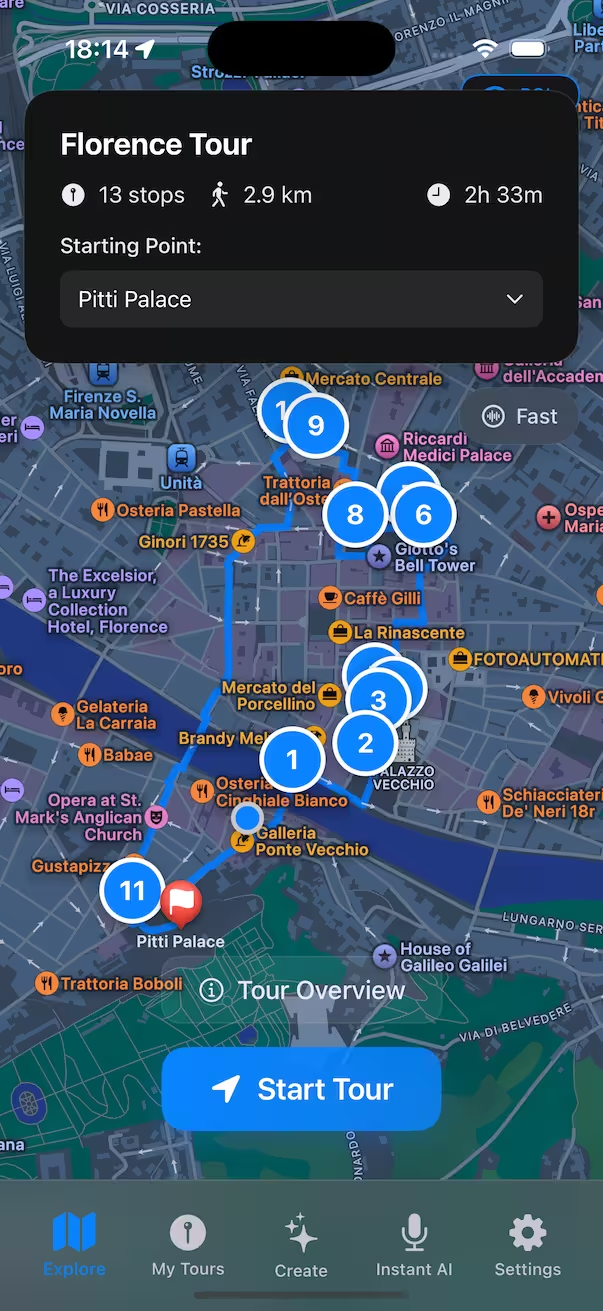
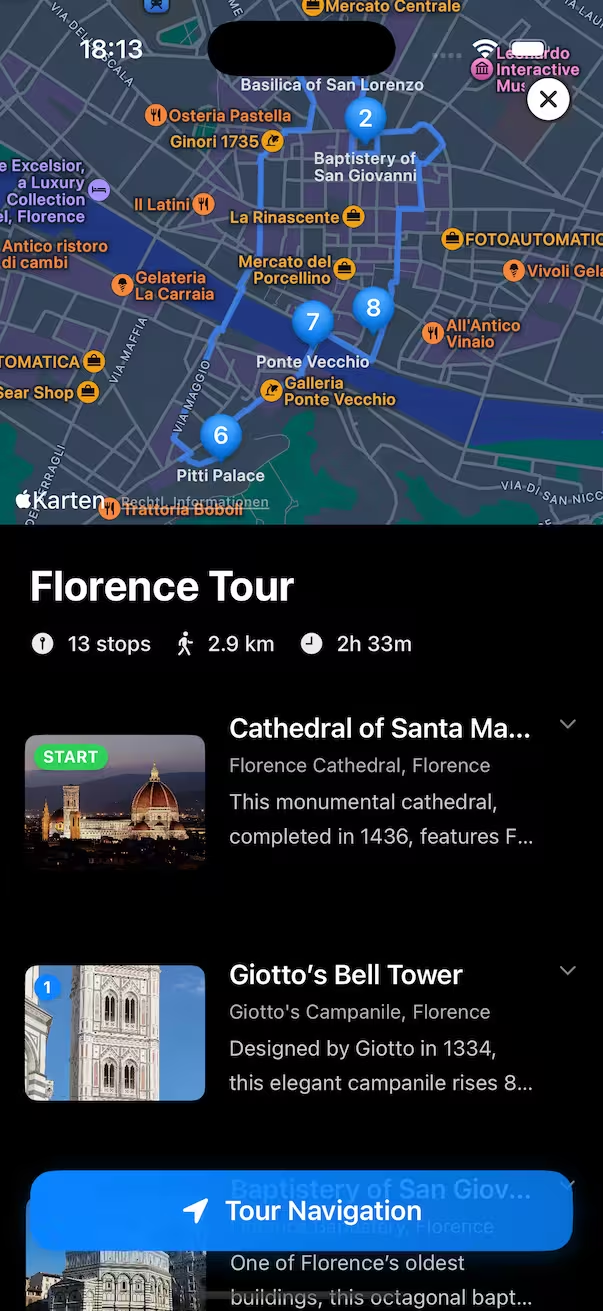
The classic Seattle tour: 7 stops, 4.1 km, about 2 h on foot
Your live AI guide and the self-guided Seattle route, together in your browser.