Best Time to Visit Seoul
Month-by-month weather, crowds and prices, plus a full calendar of festivals and events worth planning a trip around.
Best monthsApr, Sep, Oct
CheapestJan, Feb
AvoidJul, Aug
BusiestApr, Oct

When is the best time to visit Seoul?
Visit in late April for cherry blossom or October for blazing autumn foliage, the two months Seoul looks its absolute best. September runs them close with perfect 20-25°C weather and thinner crowds. Skip July and August: the jangma monsoon drops over 250mm of rain and 30°C-plus humidity makes sightseeing genuinely punishing.
Start our tool and find your best time to visit Seoul
Your perfect month
Free · ~30 seconds
or tap a month directly
What matters to you?
And this?
Best overall: Sep, Oct. October for peak foliage and the fireworks festival, September for the same gorgeous weather with fewer people. Both deliver clear 20-25°C days and every palace, market and mountain trail at its best. Book early, because October is Seoul's most expensive month for a reason.
Best value: Jan, Nov. January gives you the year's lowest hotel rates, crystal-clear views from N Seoul Tower and zero queues, the trade-off being -6°C cold. November brings mild prices, the last of the autumn gold along Deoksugung's stone wall, and none of October's crush.
Avoid: Jul, Aug. July and August are the jangma monsoon and the year's worst heat: 270mm of rain in July, 30-35°C and 80% humidity. You sightsee in soaked, draining heat or duck from mall to museum. The one month to skip if you can choose.
- January: Good time, 2°C. This is the month for travellers who would rather brave the cold than the crowds. The biting, crystal-clear high-pressure weather delivers the sharpest views of the year from N Seoul Tower, all the way to Bukhansan's ridgelines, with barely a soul in the queue. Pack thermal layers and lean into it.
- February: Good time, 5°C. Seollal is a strange, quiet magic. With the locals gone to their hometowns, the city feels hushed, and the free Lunar New Year programmes at Namsangol Hanok Village and Unhyeongung Palace give you tteokguk ceremonies and yutnori games in near-traditional calm. Outside the holiday week, February is honest low-season Seoul.
- March: Great time, 12°C. March is the last calm before the cherry-blossom storm. You get spring's first warmth and budding trees without April's wall-to-wall crowds or peak prices. If you want spring Seoul on a saner footing, the final week of March, just before full bloom, is a quietly clever choice.
- April: Tough month, 18°C. April is genuinely beautiful and no secret to anyone. This is peak season at peak prices, with blossom paths packed shoulder to shoulder on weekends. The trade-off is real: the blossoms are spectacular, but you share them with the world. Where private guides charge their cherry-blossom-peak rates and sell out, our live AI guide stays a flat 5 euro per hour on any day, so you can start before 8am, walk the empty Yeouido avenues, and ask it anything as you go, the way you would a guide beside you.
- May: Good time, 23°C. May is the month Seoul feels most alive after dark. The Yeondeunghoe Lotus Lantern parade, a UNESCO-listed spectacle, floats 100,000 lanterns through the centre at night, free to watch. The weather is close to perfect, the city is in festival mode, and the spring light makes evening palace walks magic. Just dodge the 5 May theme-park crush.
- June: Good time, 27°C. June is a month of two halves. The first weeks still feel like late spring, warm and walkable, while the back half tips into sticky pre-monsoon mugginess. It is a smart-value window: prices have dropped from May, the worst heat has not arrived, and the city is calmer between the spring festivals and the summer rains.
- July: Good time, 29°C. July is honestly hard going. The monsoon humidity is draining, midday outdoor sightseeing is a slog, and the rain can swallow whole afternoons. The upside is low prices and thin Western crowds. If you come, treat the heat seriously: out early, indoors at midday, riverside in the evening once the rain breaks.
- August: Good time, 29°C. August is survival-mode Seoul. The heat is the headline, oppressive and sapping, and midday is a write-off without air conditioning. With locals away over Liberation Day the city feels less pressured, but the weather does the gatekeeping. Do Gyeongbokgung and Namsan at dawn, then retreat to malls, cafés and museums until evening.
- September: Good time, 25°C. September is the insider's answer. You get October's gorgeous weather, all the palaces and mountain trails at their best, and during Chuseok a near-empty Gyeongbokgung that feels impossible in any other peak month. Bust the myth that autumn means October: September quietly outperforms it on crowds while matching it on light and temperature.
- October: Tough month, 18°C. October is the foliage-and-fireworks blockbuster, the month most people picture when they imagine autumn Seoul. It earns the hype, with crystal air, golden ginkgo avenues and the year's biggest fireworks night. But the crowds and prices are real, and the cluster of October holidays makes them worse. Book early and embrace the spectacle.
- November: Good time, 11°C. November is the quietly perfect compromise. You catch the tail of the gold foliage, dodge October's crowds and prices, and walk the Deoksugung stone-wall path in genuine calm. It is the value traveller's secret and the couple's romantic alternative to peak autumn, just pack for real cold by the end of the month.
- December: Tough month, 3°C. December is cold but cheerful. The illuminations along Myeongdong and the lantern festival on Cheonggyecheon make winter Seoul feel festive rather than bleak, and the dry, bright high-pressure days are surprisingly easy to walk if you layer up. Early December is calm and reasonably priced before the Christmas surge takes hold.
Seoul weather by month
HighLowRainfall
Jan2°
Feb5°
Mar12°
Apr18°
May23°
Jun27°
Jul29°
Aug29°
Sep25°
Oct18°
Nov11°
Dec3°
| Month | Temp | Rain | Sun | Crowds | Prices | Highlight |
|---|---|---|---|---|---|---|
| Jan | 2° / -7° | 17mm · 3 rainy days | 7.8 h/day | ●●○○○ | ●○○○○ | |
| Feb | 5° / -5° | 22mm · 4 rainy days | 8.6 h/day | ●●●○○ | ●●○○○ | Seollal (Lunar New Year) |
| Mar | 12° / 0° | 37mm · 5 rainy days | 9.2 h/day | ●●●○○ | ●●●○○ | Independence Movement Day |
| Apr | 18° / 6° | 64mm · 7 rainy days | 9.5 h/day | ●●●●● | ●●●●● | Yeouido Cherry Blossom Festival |
| May | 23° / 12° | 99mm · 8 rainy days | 10.2 h/day | ●●●●○ | ●●●●○ | Lotus Lantern Festival (Yeondeunghoe) |
| Jun | 27° / 18° | 115mm · 10 rainy days | 9.8 h/day | ●●●○○ | ●●●○○ | Gyeongbokgung Night Viewing (Spring) |
| Jul | 29° / 22° | 270mm · 16 rainy days | 8.5 h/day | ●●○○○ | ●●○○○ | |
| Aug | 29° / 22° | 267mm · 16 rainy days | 8.8 h/day | ●●○○○ | ●●○○○ | Liberation Day |
| Sep | 25° / 17° | 119mm · 8 rainy days | 8.6 h/day | ●●●●○ | ●●●●○ | Chuseok (Korean Thanksgiving) |
| Oct | 18° / 9° | 75mm · 6 rainy days | 8.5 h/day | ●●●●● | ●●●●● | Seoul International Fireworks Festival |
| Nov | 11° / 2° | 58mm · 7 rainy days | 7.2 h/day | ●●●○○ | ●●●○○ | |
| Dec | 3° / -6° | 28mm · 5 rainy days | 7.2 h/day | ●●●○○ | ●●●○○ | Seoul Lantern Festival |
How we score this: weather = long-run climate normals (Open-Meteo), crowds & prices = relative season read, events checked yearly against official dates.
Best time to visit Seoul: weather, prices & crowds
Best months for good weather
Sep, Oct
September and October are Seoul's reward: 20-25°C, low humidity and clear skies, the only stretch of the year you can hike Bukhansan and walk the palaces all day without sweating through your shirt or hiding from rain.
Quietest months to avoid the crowds
Jan, Sep
January empties the city out as deep-winter temperatures of -6°C keep tourists away, while during the Chuseok holiday in late September Koreans leave for their hometowns, handing foreign visitors a near-empty Gyeongbokgung and Bukchon.
Cheapest time to visit Seoul
Jan, Feb, Nov
January and February sit 30-40% below the spring peak on hotel rates, and November after the foliage fades runs 20-30% under October, the best value windows of the year outside the Seollal travel rush.
Best time for festivals and events
Apr, May
Late April puts 1,800 cherry trees in full bloom along Yeouido's Yunjong-ro, and in May the Yeondeunghoe Lotus Lantern parade floats 100,000 paper lanterns from Heunginjimun to Jogyesa Temple, a UNESCO-listed night you plan a trip around.
How many days do you need in Seoul?
Seoul needs at least three full days, and a fourth if you can manage it. It is a sprawling capital where the Joseon palace district, the traditional market belt, and the modern riverside neighbourhoods sit far enough apart that distances add up faster than the map suggests.

One day
The palace circuit and old city core
Start at Gyeongbokgung Palace at opening, walk the courtyards of 7,700 rooms, then cut through Bukchon Hanok Village's 600-year-old tiled rooflines to Changdeokgung and its 60-hectare Secret Garden. Finish the afternoon browsing Insadong's 100-plus galleries and tea houses. The self-guided Seoul walking tour covers these 8 stops across 10.6 km in roughly 3.2 hours, taking you onward to Gwangjang Market for a plate of bindaetteok.
Two days
Markets, Myeongdong, and downtown Seoul
Spend the morning at Namdaemun Market, the oldest daily market in Korea with 10,000 stalls dating to 1414, then walk south to Myeongdong for shopping along the pedestrian strip and lunch at the 19th-century Gothic-style cathedral square. Finish the day at Deoksugung Palace and stroll the stone-wall path along the palace perimeter as the evening light drops.
Three daysRecommended
Namsan, the war museums, and the Han River
Take the cable car or hike up Namsan to N Seoul Tower for panoramic views over the city and four palaces, then spend midday at the free National Museum of Korea or War Memorial of Korea in Yongsan. End the evening at the Han River promenade in Yeouido or Banpo, where locals picnic and cycle the river paths into the night.
Four days or more
Bukhansan, the DMZ, and the modern city
Day four divides well between a Bukhansan National Park ridge hike, free, with the city spreading out below from the Bibong Peak trail, and Gangnam or Hongdae for the night. A fifth day suits a DMZ day tour from central Seoul, or a slower deep-dive into Seochon Village's independent cafes and Gyeonghuigung Palace, quieter alternatives to the main tourist circuit.
Best time to visit Seoul by traveller type
Same city, different trip. Here's the month that fits how you're travelling.
🧭
Best time to visit Seoul for the first time
AprOct
Late April for cherry blossom or October for autumn foliage give you the most iconic Seoul images, every major sight open, and comfortable 15-22°C days for long walks between palaces.
❤️
Best time to visit Seoul for couples
SepNov
September for golden Han River sunset cruises in perfect 20-25°C evenings, or November for foliage-framed romance along the Deoksugung stone wall with hotels 20-30% cheaper than October.
💶
Best time to visit Seoul on a budget
JanNov
January for hotels 30-40% below spring, free entry to the National Museum and War Memorial, and a 3,000 KRW Gyeongbokgung ticket; the last Wednesday of any month is Culture Day, when 2,000-plus venues go free or discounted.
🍝
Best time to visit Seoul for food and wine
SepMay
September around Chuseok for songpyeon rice cakes and palace food programmes, or May for the street-food stalls strung along the Lotus Lantern parade route; Gwangjang Market delivers bindaetteok and mayak gimbap year-round.
Worst time to visit Seoul
July and August are Seoul's hardest months by a clear margin. July is the jangma monsoon's peak: 270mm of rain falls over 16 days, temperatures push to 29°C and humidity sits at 80%, turning outdoor sightseeing into a draining slog of early starts and midday retreats indoors. August holds the heat without the relief of rain letting up, regularly exceeding 35°C with thick humidity that makes even a 20-minute walk between palaces feel punishing. Air-conditioning becomes non-negotiable from mid-morning onward.
Still worth it for Both months suit budget travellers who have no date flexibility: hotel rates run 25-35% below the spring peak, and Western crowds thin sharply. Asian school-holiday visitors still come, so the city is not empty, but the savings are real if you plan your days around the cool early morning and the free, vast, air-conditioned National Museum of Korea at midday.
Go instead in April, September, October, when Seoul is at its best.
Best time for a tour of Seoul
Seoul rewards walkers who time their visit carefully. May is the standout month for this 10.6-kilometre route: highs of 22 to 23 °C, only eight rainy days, and enough breeze to make the climb through Bukchon Hanok Village genuinely enjoyable rather than a sweaty slog. Late September brings similar comfort at 25 °C, though both April and October see the city absolutely heaving, with every gate of Gyeongbokgung Palace ringed by tour groups and the stone lanes of the Hanok Village shoulder to shoulder by mid-morning. July and August are hot and sodden, reaching nearly 29 °C with sixteen rain days each month, and while the crowds thin out, the humidity turns long stretches between Insadong and Deoksugung Palace into an endurance test. January is quiet and nearly empty, but the cold bites hard: highs barely clear 2 °C and nights drop to minus seven, so the wide palace courtyards feel punishing in a north wind. If you must visit in a packed season, a very early start at Gyeongbokgung before 9 am buys you the courtyard almost to yourself before the crowds flood in.
With AI Tourguide you set the clock, not a tour operator. On a warm May morning you can step off the metro, open the guide in your browser without downloading a thing, and let it greet you right at the palace gate and lead you through the whole route at whatever pace suits you. The guide tells stories, asks what catches your eye, remembers your answers, and shapes the conversation from Bukchon all the way down to Namdaemun Market accordingly, in whichever of its thirteen languages you prefer. Ready to walk Seoul on your own terms? start your Seoul tour and pick the hour that fits your forecast.


 +4
+4All 8 stops are already on the map.
You just press start.
You just press start.
 AI Tourguide
You just read the route.
Now walk it with a guide in your ear.
Press start wherever you are, even hundreds of kilometres from Seoul, and the guide begins telling its stories right away. In the city, pick any of the 8 stops to start from: it leads you there, then talks with you the whole route, asking, listening, remembering, and shaping the tour around your answers.
8stops10.6km3.2hours11languages
▶Start the tour freeFree to start · Runs in your browser · No app, no download
Seoul events and festivals calendar
Annual highlights worth timing a trip around, listed month by month.
February
🇮 HolidaySeollal (Lunar New Year) 설날
Feb 16–18 ~
late January or February (lunar)
Korea's Lunar New Year, with tteokguk rice-cake ceremonies, yutnori games and free hanbok programmes at Namsangol Hanok Village and Unhyeongung Palace over 16-18 February.
March
🇮 HolidayIndependence Movement Day 삼일절
Mar 1
1 March
Commemorates the 1919 independence movement against colonial rule, with a memorial ceremony at Gwanghwamun and free special programming at the Seodaemun Prison History Museum.
April
🌸 Seasonal natureSeokchon Lake Cherry Blossom 석촌호수 벚꽃
Apr 7–14 ~
early to mid April (peak 7-14 April)
A 1,500m blossom-lined promenade around Seokchon Lake with Lotte World Tower as the backdrop, peaking the same week as Yeouido.
🌸 Seasonal natureYeouido Cherry Blossom Festival 여의도 벚꽃축제
Apr 8–12 ~
early to mid April (3-14 April typical)
1,800 cherry trees blossom along Yunjong-ro and Hangang Park, with stages, performances and pop-ups; full bloom forecast around 10 April.
May
🇮 HolidayChildren's Day 어린이날
May 5
5 May
A national holiday for children: Lotte World, Everland and Seoul Grand Park run special programming and are overrun, with 3-4 hour queues.
🎨 Art and cultureGyeongbokgung Night Viewing (Spring) 경복궁 야간특별관람
May 13 – Jun 14 ~
May to mid June (and again Sep-Oct)
The palace opens after dark, Tuesday to Sunday 7-9:30pm, with 3,000 tickets a night; 300 daily foreigner tickets sell at the Gwanghwamun booth (passport required), 3,000 KRW.
🌸 Seasonal natureJungnang Seoul Rose Festival 서울장미축제
May 15–23
mid May
A 5.45km rose tunnel through Jungnang Rose Park with 10 million roses and an artists' festival on 23 May.
⛪ ReligiousLotus Lantern Festival (Yeondeunghoe) 연등회
May 16–24 ~
May, around Buddha's Birthday (lunar)
A UNESCO Intangible Cultural Heritage festival: a parade of 100,000 paper lanterns from Heunginjimun through Jongno to Jogyesa Temple on 16 May, 7-9:30pm, with temple programmes from 8 May.
⛪ ReligiousBuddha's Birthday 부처님 오신 날
May 24 ~
May (lunar)
A Dharma ceremony at Jogyesa with temples lit all day; the substitute holiday on 25 May makes a long weekend, 23-25 May.
June
🏳️🌈 PrideSeoul Queer Culture Festival (Pride) 서울퀴어문화축제
Jun 13
June
South Korea's largest Pride, with a parade through central Seoul drawing around 150,000 participants.
August
🇮 HolidayLiberation Day 광복절
Aug 15
15 August
Marks the end of Japanese colonial rule in 1945, with ceremonies and fireworks; a substitute holiday follows on 17 August as Koreans travel out.
September
🎨 Art and cultureGyeongbokgung Night Viewing (Autumn) 경복궁 야간특별관람
Sep 15 – Oct 31 ~
September to October
The autumn edition of the palace night opening, identical format to spring but with foliage as the backdrop and even higher demand; 300 daily foreigner tickets at the Gwanghwamun booth, 3,000 KRW.
🇮 HolidayChuseok (Korean Thanksgiving) 추석
Sep 24–27 ~
September or October (lunar harvest)
Korea's biggest harvest festival, when Koreans return to their hometowns and Seoul empties; Gyeongbokgung and Changdeokgung open free with hanbok performances, while many shops and markets close for two to three days.
🎨 Art and cultureHanseong Baekje Cultural Festival 한성백제문화제
Sep 27–29
late September
Folk performances, food and historical re-enactments of the Baekje kingdom staged in Olympic Park in Songpa.
October
🎉 FestivalSeoul International Fireworks Festival 서울세계불꽃축제
Oct 3
early October
Around a million people gather along the Han River at Yeouido for a major international fireworks display, coinciding with National Foundation Day.
🌸 Seasonal natureHaneul Park Silver Grass Festival 하늘공원 억새축제
Oct 15 – Nov 5 ~
mid to late October
Fields of shimmering silver grass on Haneul Park in Mapo, with panoramic views over Seoul and golden autumn sunsets.
December
💡 LightsSeoul Lantern Festival 서울빛초롱축제
Dec 11 – Jan 3
December into early January
Hanji paper lanterns strung along the Cheonggyecheon stream and Cheonggye Plaza, with illuminated Myeongdong and Insadong next door.
Insider tips for visiting Seoul
The rules buried in forums, in one place.
- For the Gyeongbokgung Night Viewing, Koreans buy out the online Interpark tickets within minutes, but 300 tickets a night are held for foreigners at the Gwanghwamun ticket booth on the day, passport required, max two per person. The booth opens an hour or two before entry, so line up early. Renting a hanbok gets you in free, even for the night tour.
- Bukchon Hanok Village's red zone on Bukchon-ro 11-gil is only open 10am to 5pm, with a 100,000 KRW fine for breaking the curfew (enforced since 2025). Arrive Monday between 10 and 11am for the quietest hour before tour groups roll in. Weekdays draw up to four times fewer visitors than weekends.
- Time a visit to Chuseok in late September and you get Seoul almost empty: Koreans head to their hometowns, and Gyeongbokgung and Changdeokgung open free with hanbok performances. The catch is that Gwangjang Market and many small restaurants close for two to three days, so eat in tourist-zone Myeongdong, which stays open.
- For cherry blossom at Yeouido, weekend afternoons mean shoulder-to-shoulder gridlock on the paths. Come on a weekday at 7-8am and the avenues are deserted. Take Line 5 to Yeouinaru station. Seokchon Lake near Lotte World Tower hits its peak the same week with a better photo backdrop and lighter crowds.
- Gyeongbokgung closes every Tuesday and Changdeokgung every Monday, so never send your day to both back to back. Plan them at least a day apart. The National Museum of Korea and MMCA close Mondays, plus the Seollal and Chuseok holiday days themselves.
- During the jangma monsoon, run a museum sandwich: sightsee outdoors 7-11am, spend midday in the free, vast, air-conditioned National Museum of Korea or War Memorial, then walk the Han River promenade in the evening once the rain breaks. Pack a compact umbrella, not a poncho, the monsoon wind shreds ponchos.
- The last Wednesday of every month is Culture Day: over 2,000 venues go free or discounted, including the N Seoul Tower observatory, War Memorial, Lotte World Aquarium and Leeum Museum. Foreign tourists rarely know about it, so the crowds barely move despite the free entry.
- For autumn foliage at Bukhansan National Park, weekends in late October and early November jam the Ui Station trailhead. Go Tuesday to Thursday before 8am for quiet summit hikes. Entry is free. Peak colour runs 28 October to 5 November, while the ginkgo trees around Gwanghwamun and Deoksugung turn gold in early to mid November.
Public holidays in Seoul
On these dates many shops and offices close, transport thins out, and sights can be mobbed or shut. Plan around them.
| Date | Holiday | What closes |
|---|---|---|
| Jan 1 | New Year's Day | National museums close. New Year countdown celebrations run in Jongno into the early hours around the Bosingak bell. Otherwise a quiet day with reduced shop hours. |
| Feb 17 | Seollal (Lunar New Year) | Three-day holiday 16-18 February. National museums close on the 17th. KTX trains and buses sell out as Koreans travel home, and many restaurants shut for up to three days. Namsangol Hanok Village and Unhyeongung Palace run free Seollal programmes. |
| Mar 1 | Independence Movement Day | Commemorates the 1919 independence movement. Seodaemun Prison History Museum runs free special programming and draws big crowds; a memorial ceremony takes place at Gwanghwamun. |
| May 5 | Children's Day | Theme parks are overrun: Lotte World, Everland and Seoul Grand Park run 3-4 hour queues all day. Avoid them on 4-6 May or go at opening, and expect families everywhere. |
| May 24 | Buddha's Birthday | Jogyesa and Bongeunsa temples are extremely busy and lit all day, with free entry and special programmes. The substitute holiday on 25 May creates a long weekend; temple lodging and tours book out. |
| Jun 6 | Memorial Day | Memorial ceremonies honour fallen soldiers, with the main service at the National Cemetery. It falls on a Saturday in 2026, so shops stay open as normal. |
| Aug 15 | Liberation Day | Marks the end of Japanese colonial rule in 1945, with patriotic ceremonies and fireworks. A substitute holiday follows on 17 August. Koreans travel out, so Seoul is quieter for tourists, though hotel rates tick up over the long weekend. |
| Sep 25 | Chuseok (Korean Thanksgiving) | Korea's biggest holiday, 24-27 September. The 25th is the hardest closure day: supermarkets, small restaurants and markets like Namdaemun and Gwangjang often shut for two to three days. KTX sells out weeks ahead. Gyeongbokgung and Changdeokgung open free with special hours, and Seoul empties of locals. |
| Oct 3 | National Foundation Day | Public holiday coinciding with the Seoul International Fireworks Festival, which pulls roughly a million people to the Han River at Yeouido. Riverside parks fill completely; secure a viewing spot early. |
| Oct 9 | Hangeul Day | Celebrates the 1446 invention of the Korean alphabet, with special museum programmes. Combined with the 3 October holiday it creates extended October weekends, pushing hotel prices up. |
| Dec 25 | Christmas Day | Myeongdong, Lotte and Shinsegae department stores are spectacularly illuminated. Koreans celebrate as couples and families, and hotels run 20-30% above November rates through the Christmas-to-New-Year stretch. A substitute holiday follows on 27 December. |
Seoul month by month
January in Seoul
High2°C / 36°F
Low-7°C
Rain17mm / 3 rainy days
Sun7.8 h/day
Daylight10 h/day
Humidity58%
Crowds●●○○○Prices●○○○○
January is Seoul at its coldest and cheapest, with daytime highs barely above freezing at 2°C and nights dropping to -6°C or lower. The cold is dry and still rather than wet, so a good coat handles it. Tourist numbers are at their thinnest of the year, which means short queues everywhere and the rare feeling of having Gyeongbokgung's courtyards almost to yourself.
The vibe This is the month for travellers who would rather brave the cold than the crowds. The biting, crystal-clear high-pressure weather delivers the sharpest views of the year from N Seoul Tower, all the way to Bukhansan's ridgelines, with barely a soul in the queue. Pack thermal layers and lean into it.
Don't miss Climb N Seoul Tower on a clear morning at the 10:30am opening for the year's best long-distance views, no queue, 16,000 KRW. The last Wednesday is Culture Day, when the observatory, War Memorial and Leeum Museum go free or discounted.
Crowd drivers Deep winter and few inbound tourists; only faint New Year spillover keeps numbers up early in the month.
In season Steaming street food peaks in the cold: hotteok sugar pancakes and bungeoppang fish-shaped pastries at every corner, and a bowl of seolleongtang ox-bone soup to thaw out.
Heads up National museums close on 1 January. Gyeongbokgung closes Tuesdays, Changdeokgung Mondays, the national museums Mondays, all year round.
Year's lowest prices; hotels run 30-40% below the spring peak.
Events this month
💡 LightsSeoul Lantern Festival 서울빛초롱축제
Dec 11 – Jan 3
December into early January
Hanji paper lanterns strung along the Cheonggyecheon stream and Cheonggye Plaza, with illuminated Myeongdong and Insadong next door.
A free, genuinely festive way to enjoy winter Seoul, warm in spirit even when the air is freezing.
February in Seoul
High5°C / 41°F
Low-5°C
Rain22mm / 4 rainy days
Sun8.6 h/day
Daylight11 h/day
Humidity60%
Crowds●●●○○Prices●●○○○
February stays cold at around 5°C but the light lengthens and the first hint of spring shows late in the month. The defining event is Seollal, the Lunar New Year, on 16-18 February: Koreans travel home en masse, so Seoul itself empties even as the festival venues fill. Trains and buses sell out, and many restaurants close for up to three days around the holiday.
The vibe Seollal is a strange, quiet magic. With the locals gone to their hometowns, the city feels hushed, and the free Lunar New Year programmes at Namsangol Hanok Village and Unhyeongung Palace give you tteokguk ceremonies and yutnori games in near-traditional calm. Outside the holiday week, February is honest low-season Seoul.
Don't miss Catch the free Seollal programming at Namsangol Hanok Village and Unhyeongung Palace, 16-18 February: hanbok dressing, traditional games and tteokguk rice-cake soup ceremonies in a genuinely uncrowded setting.
Crowd drivers Seollal (16-18 February) drives massive domestic travel out of the city; March's incoming Japanese and Korean spring visitors have not yet arrived.
In season Tteokguk, the sliced rice-cake soup eaten to mark a new year of age, is everywhere during Seollal. It is the one dish every Korean eats this week.
Heads up National museums close on 17 February (the holiday itself). Many restaurants and small shops shut for two to three days around Seollal; KTX and intercity buses sell out.
Still low season outside Seollal; hotels outside Myeongdong stay cheap, KTX and buses sell out around the holiday.
Events this month
🇮 HolidaySeollal (Lunar New Year) 설날
Feb 16–18 ~
late January or February (lunar)
Korea's Lunar New Year, with tteokguk rice-cake ceremonies, yutnori games and free hanbok programmes at Namsangol Hanok Village and Unhyeongung Palace over 16-18 February.
A rare chance to see traditional New Year rites up close in a city quietly emptied of its commuters, with the palace programmes free.
March in Seoul
High12°C / 53°F
Low0°C
Rain37mm / 5 rainy days
Sun9.2 h/day
Daylight12 h/day
Humidity66%
Crowds●●●○○Prices●●●○○
March is Seoul shaking off winter: highs climb to a mild 12°C, the magnolias and forsythia open, and by the last week the first cherry blossoms appear. Japanese tourists arrive for the school-year break and Korean travellers start moving. Crowds are moderate but building fast, and prices rise in anticipation of the April blossom rush. A pleasant, in-between month with one foot still in winter.
The vibe March is the last calm before the cherry-blossom storm. You get spring's first warmth and budding trees without April's wall-to-wall crowds or peak prices. If you want spring Seoul on a saner footing, the final week of March, just before full bloom, is a quietly clever choice.
Don't miss On Independence Movement Day (1 March), the Seodaemun Prison History Museum runs free special programming with a charged, patriotic atmosphere. Magnolia and forsythia colour the palace grounds before the cherry trees take over.
Crowd drivers Japanese school-break travellers, returning Korean tourists, and the very start of the cherry-blossom rush as the late-March bloom begins.
In season Early spring greens like ssuk (mugwort) appear in soups and tteok rice cakes, the first taste of the season at traditional markets.
Prices climb toward the April peak but still sit 15-20% below it; book ahead if the blossom forecast moves early.
Events this month
🇮 HolidayIndependence Movement Day 삼일절
Mar 1
1 March
Commemorates the 1919 independence movement against colonial rule, with a memorial ceremony at Gwanghwamun and free special programming at the Seodaemun Prison History Museum.
The Seodaemun Prison programme is free and powerfully moving, the most resonant way to grasp Korea's modern history.
April in Seoul
High18°C / 64°F
Low6°C
Rain64mm / 7 rainy days
Sun9.5 h/day
Daylight13 h/day
Humidity64%
Crowds●●●●●Prices●●●●●
April is Seoul's showpiece and its busiest month. Highs reach a comfortable 17°C, and the cherry blossoms peak around 7-14 April, blanketing Yeouido and Seokchon Lake in pink. Visitors pour in from Japan, China, Southeast Asia and Europe at once, making this the most expensive and most crowded stretch of the year. Book accommodation and tours weeks ahead, because the city fills completely and the blossom window is brutally short. The trade-off is straightforward: the blossoms are genuinely spectacular, but you share them with the world. Come before 8am on a weekday to walk the Yeouido avenues before the gridlock sets in.
The vibe April is genuinely beautiful and no secret to anyone. This is peak season at peak prices, with blossom paths packed shoulder to shoulder on weekends. The trade-off is real: the blossoms are spectacular, but you share them with the world. Where private guides charge their cherry-blossom-peak rates and sell out, our live AI guide stays a flat 5 euro per hour on any day, so you can start before 8am, walk the empty Yeouido avenues, and ask it anything as you go, the way you would a guide beside you.
Don't miss The Yeouido Cherry Blossom Festival lines 1,800 trees along Yunjong-ro with stages and pop-ups, full bloom around 10 April. Seokchon Lake offers the same peak week with Lotte World Tower as a backdrop and lighter crowds. Walk both on a weekday before 9am to beat the gridlock.
Crowd drivers Cherry-blossom peak draws the year's heaviest international arrivals from Japan, China, Southeast Asia and Europe simultaneously.
In season Cherry-blossom-themed treats take over the cafés, but the real spring move is fresh ganjang-gejang (soy-marinated raw crab), at its prime as the weather warms.
Year's most expensive month: Seoul-Incheon hotel rates hit record highs around 296,000 KRW a night, and top hotels book out 4-6 weeks ahead.
Events this month
🌸 Seasonal natureYeouido Cherry Blossom Festival 여의도 벚꽃축제
Apr 8–12 ~
early to mid April (3-14 April typical)
1,800 cherry trees blossom along Yunjong-ro and Hangang Park, with stages, performances and pop-ups; full bloom forecast around 10 April.
The five most beautiful days of Seoul's year, worth building a whole trip around, if you can take the crowds.
🌸 Seasonal natureSeokchon Lake Cherry Blossom 석촌호수 벚꽃
Apr 7–14 ~
early to mid April (peak 7-14 April)
A 1,500m blossom-lined promenade around Seokchon Lake with Lotte World Tower as the backdrop, peaking the same week as Yeouido.
A quieter alternative to Yeouido with a far better photo backdrop, the tower rising over the pink-framed water.

May in Seoul
High23°C / 73°F
Low12°C
Rain99mm / 8 rainy days
Sun10.2 h/day
Daylight14 h/day
Humidity68%
Crowds●●●●○Prices●●●●○
May may be Seoul's most rewarding month for atmosphere: warm 23°C days, roses and a dense festival calendar. Buddha's Birthday falls on 24 May, the Lotus Lantern parade on 16 May, and the Jungnang Rose Festival fills a 5.45km rose tunnel from 15-23 May. Children's Day on 5 May overruns the theme parks, and Parents' Day on 8 May packs restaurants. Crowds are heavy but the events make it worth the company.
The vibe May is the month Seoul feels most alive after dark. The Yeondeunghoe Lotus Lantern parade, a UNESCO-listed spectacle, floats 100,000 lanterns through the centre at night, free to watch. The weather is close to perfect, the city is in festival mode, and the spring light makes evening palace walks magic. Just dodge the 5 May theme-park crush.
Don't miss The Yeondeunghoe Lotus Lantern parade (16 May, 7-9:30pm) carries 100,000 paper lanterns from Heunginjimun to Jogyesa. The Gyeongbokgung Night Viewing runs Tuesday to Sunday, 7-9:30pm, with 300 daily foreigner tickets at the Gwanghwamun booth, 3,000 KRW. The Jungnang Rose Festival opens its 5.45km rose tunnel 15-23 May.
Crowd drivers Spring festivals, Buddha's Birthday long weekend (23-25 May), Children's Day on the 5th and Parents' Day on the 8th all stack family and event demand.
In season Street-food stalls line the Lotus Lantern parade route, and seasonal naengmyeon (cold buckwheat noodles) starts appearing as the days warm.
Prices stay high on a packed events calendar; Children's Day and Parents' Day create short family-driven demand spikes.
Events this month
⛪ ReligiousLotus Lantern Festival (Yeondeunghoe) 연등회
May 16–24 ~
May, around Buddha's Birthday (lunar)
A UNESCO Intangible Cultural Heritage festival: a parade of 100,000 paper lanterns from Heunginjimun through Jongno to Jogyesa Temple on 16 May, 7-9:30pm, with temple programmes from 8 May.
The most spectacular night event of the Seoul spring, free, and a genuine reason to time a trip to mid May.
⛪ ReligiousBuddha's Birthday 부처님 오신 날
May 24 ~
May (lunar)
A Dharma ceremony at Jogyesa with temples lit all day; the substitute holiday on 25 May makes a long weekend, 23-25 May.
Temples like Jogyesa and Bongeunsa are at their most atmospheric and offer free entry with special programmes.
🌸 Seasonal natureJungnang Seoul Rose Festival 서울장미축제
May 15–23
mid May
A 5.45km rose tunnel through Jungnang Rose Park with 10 million roses and an artists' festival on 23 May.
Endlessly photogenic and far calmer than the cherry-blossom crush, an easy half-day in peak May.
🇮 HolidayChildren's Day 어린이날
May 5
5 May
A national holiday for children: Lotte World, Everland and Seoul Grand Park run special programming and are overrun, with 3-4 hour queues.
Worth knowing to avoid: skip the theme parks on 4-6 May unless you arrive at opening, or you will spend the day in line.
🎨 Art and cultureGyeongbokgung Night Viewing (Spring) 경복궁 야간특별관람
May 13 – Jun 14 ~
May to mid June (and again Sep-Oct)
The palace opens after dark, Tuesday to Sunday 7-9:30pm, with 3,000 tickets a night; 300 daily foreigner tickets sell at the Gwanghwamun booth (passport required), 3,000 KRW.
Gyeongbokgung lit at night is the most magical palace experience in Seoul, and the foreigner booth is your safest route to a ticket.

June in Seoul
High27°C / 80°F
Low18°C
Rain115mm / 10 rainy days
Sun9.8 h/day
Daylight15 h/day
Humidity73%
Crowds●●●○○Prices●●●○○
June is warm and increasingly humid, with highs near 27°C, and the jangma monsoon typically arrives around 19 June. Before the rain sets in, the early weeks are pleasant and a touch quieter as spring crowds thin. Seoul Pride brings 150,000 people to the centre on 13 June. The Gyeongbokgung spring Night Viewing wraps up by 14 June, so catch it in the first half of the month if you want it.
The vibe June is a month of two halves. The first weeks still feel like late spring, warm and walkable, while the back half tips into sticky pre-monsoon mugginess. It is a smart-value window: prices have dropped from May, the worst heat has not arrived, and the city is calmer between the spring festivals and the summer rains.
Don't miss Catch the Gyeongbokgung Night Viewing before it closes on 14 June, the palace lit after dark for 3,000 KRW. The Seoul Queer Culture Festival parade on 13 June is South Korea's largest Pride, 150,000 strong through the city centre.
Crowd drivers Seoul Pride (13 June) brings around 150,000 people downtown with possible central road closures; otherwise the approaching monsoon thins the off-season bookers.
In season Cold dishes take over as the humidity climbs: naengmyeon and patbingsu shaved ice become daily survival food.
Heads up The Gyeongbokgung spring Night Viewing ends on 14 June. Central roads may be closed around the Pride parade on 13 June.
Prices ease 10-15% below May as the monsoon nears; a good-value window before the summer slump.
Events this month
🏳️🌈 PrideSeoul Queer Culture Festival (Pride) 서울퀴어문화축제
Jun 13
June
South Korea's largest Pride, with a parade through central Seoul drawing around 150,000 participants.
The biggest LGBTQ+ celebration in the country, a vivid, defiant day in the heart of the city.
🎨 Art and cultureGyeongbokgung Night Viewing (Spring) 경복궁 야간특별관람
May 13 – Jun 14 ~
May to mid June (and again Sep-Oct)
The palace opens after dark, Tuesday to Sunday 7-9:30pm, with 3,000 tickets a night; 300 daily foreigner tickets sell at the Gwanghwamun booth (passport required), 3,000 KRW.
Gyeongbokgung lit at night is the most magical palace experience in Seoul, and the foreigner booth is your safest route to a ticket.
July in Seoul
High29°C / 84°F
Low22°C
Rain270mm / 16 rainy days
Sun8.5 h/day
Daylight14 h/day
Humidity81%
Crowds●●○○○Prices●●○○○
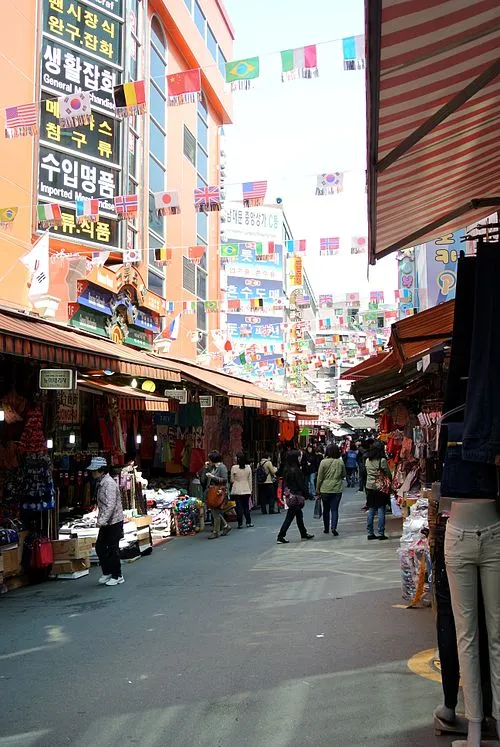
July is the heart of the jangma monsoon and Seoul's wettest month by a mile, with 270mm of rain over 16 days, highs near 29°C and humidity around 80%. The rain comes as a mix of multi-hour downpours and brief gaps, so a compact umbrella is essential. Western tourist numbers drop sharply, which makes it cheap, but sightseeing demands a heat-and-rain strategy to be bearable at all.
The vibe July is honestly hard going. The monsoon humidity is draining, midday outdoor sightseeing is a slog, and the rain can swallow whole afternoons. The upside is low prices and thin Western crowds. If you come, treat the heat seriously: out early, indoors at midday, riverside in the evening once the rain breaks.
Don't miss Run the monsoon museum sandwich: outdoors 7-11am, then the free, vast, air-conditioned National Museum of Korea or War Memorial at midday, and the Han River promenade in the evening once the rain lifts.
Crowd drivers The jangma monsoon deters most Western visitors, though Chinese and Korean school summer holidays keep Asian arrivals coming.
In season Samgyetang, ginseng chicken soup, is eaten on the sambok hottest days to beat heat with heat, a Korean summer ritual. Patbingsu shaved ice is the cooling counterpart.
Budget month: hotels run 25-35% below April as the monsoon deters Western visitors, though Asian school-holiday travellers keep some demand.

August in Seoul
High29°C / 84°F
Low22°C
Rain267mm / 16 rainy days
Sun8.8 h/day
Daylight14 h/day
Humidity82%
Crowds●●○○○Prices●●○○○
August is Seoul's hottest month, regularly topping 35°C with thick humidity and the monsoon's tail still dropping heavy rain early on. Liberation Day on 15 August is a national holiday, and Koreans travel out, so the city eases for foreign visitors even as the heat peaks. Domestic tourism dominates. Outdoor sightseeing only really works in the cool of early morning, 7-10am.
The vibe August is survival-mode Seoul. The heat is the headline, oppressive and sapping, and midday is a write-off without air conditioning. With locals away over Liberation Day the city feels less pressured, but the weather does the gatekeeping. Do Gyeongbokgung and Namsan at dawn, then retreat to malls, cafés and museums until evening.
Don't miss Beat the heat by climbing Gyeongbokgung and Namsan between 7 and 10am, before the worst of it lands. After dark, the Han River parks fill with locals escaping the heat with chimaek (fried chicken and beer) on the grass.
Crowd drivers Liberation Day weekend (15-17 August) sends Koreans out of the city; domestic summer-holiday tourism dominates what remains.
In season Chimaek, fried chicken paired with cold beer, is the August riverside ritual; mul-naengmyeon icy noodle broth is the midday cooldown.
Heads up A substitute holiday follows Liberation Day on 17 August. Namdaemun Market keeps its usual Sunday closure.
Low season on price; hotels stay cheap apart from a small bump over the Liberation Day weekend (15-17 August).
Events this month
🇮 HolidayLiberation Day 광복절
Aug 15
15 August
Marks the end of Japanese colonial rule in 1945, with ceremonies and fireworks; a substitute holiday follows on 17 August as Koreans travel out.
A charged national day, and the exodus of locals makes Seoul a touch quieter for visitors over the long weekend.
September in Seoul
High25°C / 77°F
Low17°C
Rain119mm / 8 rainy days
Sun8.6 h/day
Daylight12 h/day
Humidity77%
Crowds●●●●○Prices●●●●○
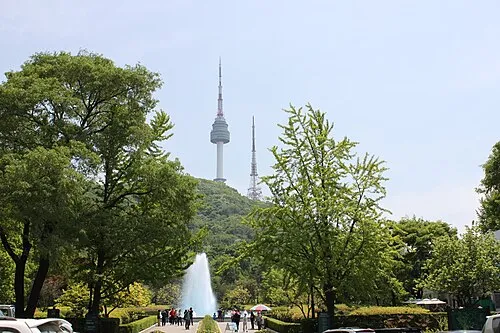
September is, weather-wise, Seoul's finest month: the monsoon lifts and clear 20-25°C days with low humidity take over. Chuseok, Korean Thanksgiving, falls on 24-27 September, when Koreans leave for their hometowns and the city empties for foreign visitors. The catch is that markets and small restaurants close for two to three days. For perfect weather without October's crush, September is the sharpest overall pick.
The vibe September is the insider's answer. You get October's gorgeous weather, all the palaces and mountain trails at their best, and during Chuseok a near-empty Gyeongbokgung that feels impossible in any other peak month. Bust the myth that autumn means October: September quietly outperforms it on crowds while matching it on light and temperature.
Don't miss Hike Bukhansan in perfect 20-25°C dry weather, the best trail conditions of the year. During Chuseok, Gyeongbokgung and Changdeokgung open free with hanbok performances. The Hanseong Baekje Cultural Festival (27-29 September) stages folk performances and re-enactments at Olympic Park.
Crowd drivers Chuseok (24-27 September) empties Seoul of locals, handing foreign tourists rare quiet at the major sights, while KTX sells out for domestic travel.
In season Songpyeon, the half-moon rice cakes filled with sesame and honey, are the taste of Chuseok, alongside japchae and jeon pancakes at palace food programmes.
Heads up Around Chuseok (hardest on 25 September), Namdaemun and Gwangjang markets, supermarkets and small restaurants often close for two to three days. Eat in tourist-zone Myeongdong, which stays open.
Autumn's first peak: September hotel ADR matches October's high around 296,000 KRW, and KTX sells out weeks before Chuseok.
Events this month
🇮 HolidayChuseok (Korean Thanksgiving) 추석
Sep 24–27 ~
September or October (lunar harvest)
Korea's biggest harvest festival, when Koreans return to their hometowns and Seoul empties; Gyeongbokgung and Changdeokgung open free with hanbok performances, while many shops and markets close for two to three days.
The single best window to see Seoul's palaces and sights without the crowds, as long as you plan around the restaurant and market closures.
🎨 Art and cultureHanseong Baekje Cultural Festival 한성백제문화제
Sep 27–29
late September
Folk performances, food and historical re-enactments of the Baekje kingdom staged in Olympic Park in Songpa.
An easygoing, low-key cultural festival that pairs perfectly with a quiet Chuseok stay in the city.
October in Seoul
High18°C / 65°F
Low9°C
Rain75mm / 6 rainy days
Sun8.5 h/day
Daylight11 h/day
Humidity73%
Crowds●●●●●Prices●●●●●
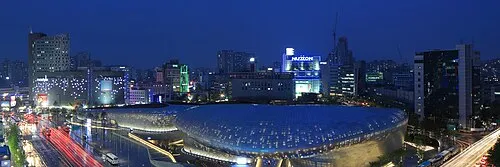
October is Seoul at its golden best and its second busiest. Highs settle at a crisp 18°C, humidity drops, and the autumn foliage peaks from 28 October at Bukhansan. The Seoul International Fireworks Festival on 3 October draws a million people to the Han River, coinciding with National Foundation Day, and Hangeul Day on 9 October extends the holiday weekends. Gorgeous and crowded in equal measure, with prices to match.
The vibe October is the foliage-and-fireworks blockbuster, the month most people picture when they imagine autumn Seoul. It earns the hype, with crystal air, golden ginkgo avenues and the year's biggest fireworks night. But the crowds and prices are real, and the cluster of October holidays makes them worse. Book early and embrace the spectacle.
Don't miss Watch the Seoul International Fireworks Festival over the Han River on 3 October from Mapo Bridge or Yeouido, secured early. The Haneul Park Silver Grass Festival turns the Mapo hilltop into shimmering grass fields with panoramic city views. Foliage peaks at Bukhansan from 28 October; hike Tuesday to Thursday before 8am.
Crowd drivers Autumn foliage peak, the million-strong fireworks festival on 3 October, National Foundation Day and Hangeul Day holidays stack into packed long weekends.
In season Autumn is jeon and makgeolli season: savoury pancakes with rice wine, best on a cool evening, and roasted chestnuts and sweet potatoes from street carts.
Heads up Expect packed long weekends around National Foundation Day (3 October) and Hangeul Day (9 October), with higher hotel prices and busier sights.
Second-priciest month, level with or above April when the foliage season overlaps the October holidays; book well ahead.
Events this month
🎉 FestivalSeoul International Fireworks Festival 서울세계불꽃축제
Oct 3
early October
Around a million people gather along the Han River at Yeouido for a major international fireworks display, coinciding with National Foundation Day.
Seoul's biggest night of the year over the river; stake out Mapo Bridge or Yeouido hours ahead for a clear view.
🌸 Seasonal natureHaneul Park Silver Grass Festival 하늘공원 억새축제
Oct 15 – Nov 5 ~
mid to late October
Fields of shimmering silver grass on Haneul Park in Mapo, with panoramic views over Seoul and golden autumn sunsets.
A perfect pairing with an autumn-foliage day; come for the sunset, but bring a layer for the cool hilltop evening.
🎨 Art and cultureGyeongbokgung Night Viewing (Autumn) 경복궁 야간특별관람
Sep 15 – Oct 31 ~
September to October
The autumn edition of the palace night opening, identical format to spring but with foliage as the backdrop and even higher demand; 300 daily foreigner tickets at the Gwanghwamun booth, 3,000 KRW.
Even more sought-after than the spring run, so reach the foreigner booth 30 minutes before it opens to secure a ticket.
November in Seoul
High11°C / 52°F
Low2°C
Rain58mm / 7 rainy days
Sun7.2 h/day
Daylight10 h/day
Humidity71%
Crowds●●●○○Prices●●●○○
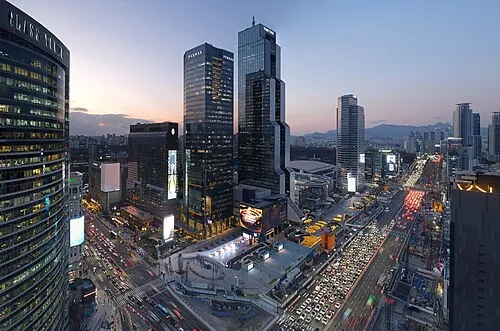
November cools fast, from a mild 11°C early on toward winter by month's end, and the last of the autumn colour clings on. The ginkgo trees around Gwanghwamun and Deoksugung turn gold into mid November before the leaves drop. The October crush is gone, prices fall 20-30%, and the city settles into a quiet, handsome post-peak lull. The Seoul Lantern Festival lights up Cheonggyecheon from around mid December, but the calm comes first.
The vibe November is the quietly perfect compromise. You catch the tail of the gold foliage, dodge October's crowds and prices, and walk the Deoksugung stone-wall path in genuine calm. It is the value traveller's secret and the couple's romantic alternative to peak autumn, just pack for real cold by the end of the month.
Don't miss Walk the Deoksugung stone-wall path and the gold ginkgo avenues around Gwanghwamun at their early-November peak. With the crowds gone, the palaces and Bukchon are at their calmest and most photogenic before winter sets in.
Crowd drivers A genuine post-peak lull: the foliage rush has passed and the Christmas-illumination season has not yet begun.
In season Gimjang, the communal making of winter kimchi, happens across the city in November, and street carts fill with hotteok and roasted chestnuts as the cold returns.
Strong value: hotel rates run 20-30% below October as the foliage fades, one of the best price-to-quality windows of the year.

December in Seoul
High3°C / 38°F
Low-6°C
Rain28mm / 5 rainy days
Sun7.2 h/day
Daylight10 h/day
Humidity62%
Crowds●●●○○Prices●●●○○
December turns properly cold, 3-4°C by day and down to -6°C at night, with occasional light snow but dry, still air rather than wind and rain. Myeongdong and the big department stores glow with Christmas illuminations from late November, and the Seoul Lantern Festival lights the Cheonggyecheon stream from around 11 December. Prices rise again from mid-month as Christmas and New Year demand builds.
The vibe December is cold but cheerful. The illuminations along Myeongdong and the lantern festival on Cheonggyecheon make winter Seoul feel festive rather than bleak, and the dry, bright high-pressure days are surprisingly easy to walk if you layer up. Early December is calm and reasonably priced before the Christmas surge takes hold.
Don't miss The Seoul Lantern Festival strings hanji paper lanterns along Cheonggyecheon from around 11 December, free, with illuminated Myeongdong and Insadong next door. Clear winter days give sharp views from N Seoul Tower with minimal queues.
Crowd drivers Christmas illuminations, the Seoul Lantern Festival and Korean staycation demand drive a mid-to-late-December price climb.
In season Hotteok and bungeoppang street snacks are at their cold-weather peak, and a hot bowl of tteokguk ushers in the New Year at month's end.
Heads up National museums close on 1 January at the turn of the month. A Christmas substitute holiday falls on 27 December.
Prices climb again from mid December into Christmas and New Year as illuminations and Korean staycations push rates 20-30% above November.
Events this month
💡 LightsSeoul Lantern Festival 서울빛초롱축제
Dec 11 – Jan 3
December into early January
Hanji paper lanterns strung along the Cheonggyecheon stream and Cheonggye Plaza, with illuminated Myeongdong and Insadong next door.
A free, genuinely festive way to enjoy winter Seoul, warm in spirit even when the air is freezing.
Frequently asked questions
What is the best time to visit Seoul?
Late April for cherry blossom and October for autumn foliage are Seoul's two visual peaks, both with comfortable 15-22°C days. September runs them close with perfect 20-25°C weather and thinner crowds, especially during the late-September Chuseok holiday when locals leave the city. For value, January and November cut hotel prices sharply.
What is the cheapest time to visit Seoul?
January and February outside the Seollal holiday are cheapest, with hotels 30-40% below the spring peak, the trade-off being -6°C cold. November is the next best value, running 20-30% under October once the foliage fades. Add the last Wednesday of any month, Culture Day, when 2,000-plus venues go free or discounted.
What is the worst time to visit Seoul?
July and August are the months to skip. July is the jangma monsoon's peak, dropping 270mm of rain over 16 days, while August tops 35°C with 80% humidity. Outdoor sightseeing becomes a draining slog of early-morning starts and midday retreats to air-conditioned malls and museums. Come only if you have no choice on dates.
When do the cherry blossoms bloom in Seoul?
Seoul's cherry blossoms peak around 7-14 April, with full bloom forecast near 10 April in 2026, a few days earlier than average. The best displays are along Yeouido's Yunjong-ro (1,800 trees) and around Seokchon Lake by Lotte World Tower. The window is short, roughly a week, and weekend crowds are intense, so visit on a weekday before 9am.
When is the autumn foliage in Seoul?
Foliage peaks at Bukhansan National Park from 28 October to 5 November, while Namsan Park and the Deoksugung stone-wall path turn from late October into mid November. The ginkgo trees around Gwanghwamun and Deoksugung glow gold in early to mid November. October is the busiest month, so weekday dawn hikes at Bukhansan beat the trailhead crush.
Is Chuseok a good time to visit Seoul?
For sightseeing, yes. During Chuseok (24-27 September in 2026), Koreans leave for their hometowns and Seoul empties, giving you near-deserted palaces, and Gyeongbokgung and Changdeokgung open free with hanbok shows. The catch: many markets and small restaurants close for two to three days, so eat in tourist-zone Myeongdong, which stays open.
What should I know about visiting Seoul in winter?
January and December bring dry, still cold, with daytime highs near 2-3°C and nights down to -6°C, plus occasional light snow. It is bearable with proper layers, and the clear high-pressure days deliver the year's sharpest views from N Seoul Tower. Crowds are thin, prices are low in January, and December glows with Myeongdong illuminations and the Cheonggyecheon lantern festival.
How many days do you need in Seoul?
Three to four full days cover the essentials: the grand palaces (Gyeongbokgung and Changdeokgung), Bukchon Hanok Village, N Seoul Tower, Myeongdong and a market like Gwangjang. Add a day for a Bukhansan hike or a DMZ trip, and a fifth for Hongdae nightlife or Gangnam. In spring or autumn, build in extra time for blossom or foliage spots.
How do I get tickets for the Gyeongbokgung Night Viewing?
Online Interpark tickets sell out to Koreans within minutes, but 300 tickets a night are reserved for foreigners at the Gwanghwamun ticket booth on the day, passport required, max two per person, for 3,000 KRW. Line up an hour or two before entry, especially for the popular autumn run. Renting a hanbok also gets you in free, including the night tour.

Any month, any day: your guide is already there
Whatever date you pick, a private human guide gets pricier and harder to book on weekends, holidays and in peak season. Our live AI guide, the one that walks with you and answers anything you ask out loud, works the opposite way.
One flat price, every day
No holiday, weekend, night or peak-season surcharge. A private guide in Seoul runs well over 100 euro for a half day, and more on holidays. Ours stays the same.
Available the moment you want it
Start at midnight or at dawn, on Christmas, in the snow, in the August heat. No sold-out high season, no booking weeks ahead.
Your pace, no meter running
Pause for a long lunch, restart after dark, repeat a stop. The tour simply waits for you.
Free to try, a fraction of the cost
Test it for free, then a transparent flat price that undercuts any private guide, in every season.
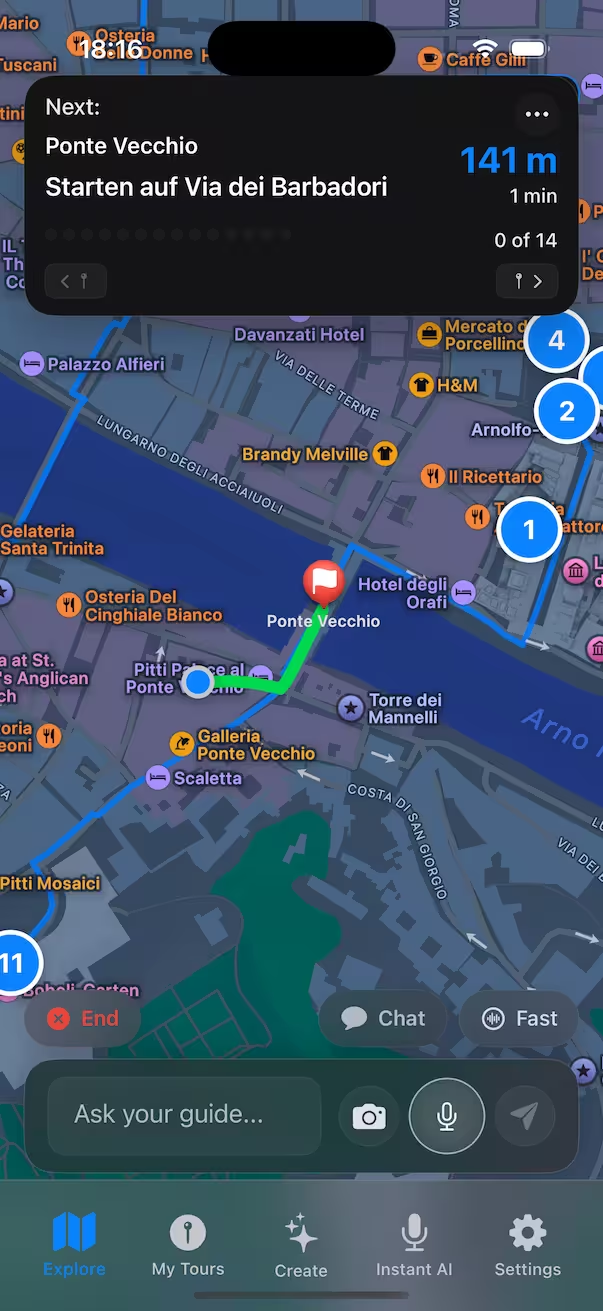
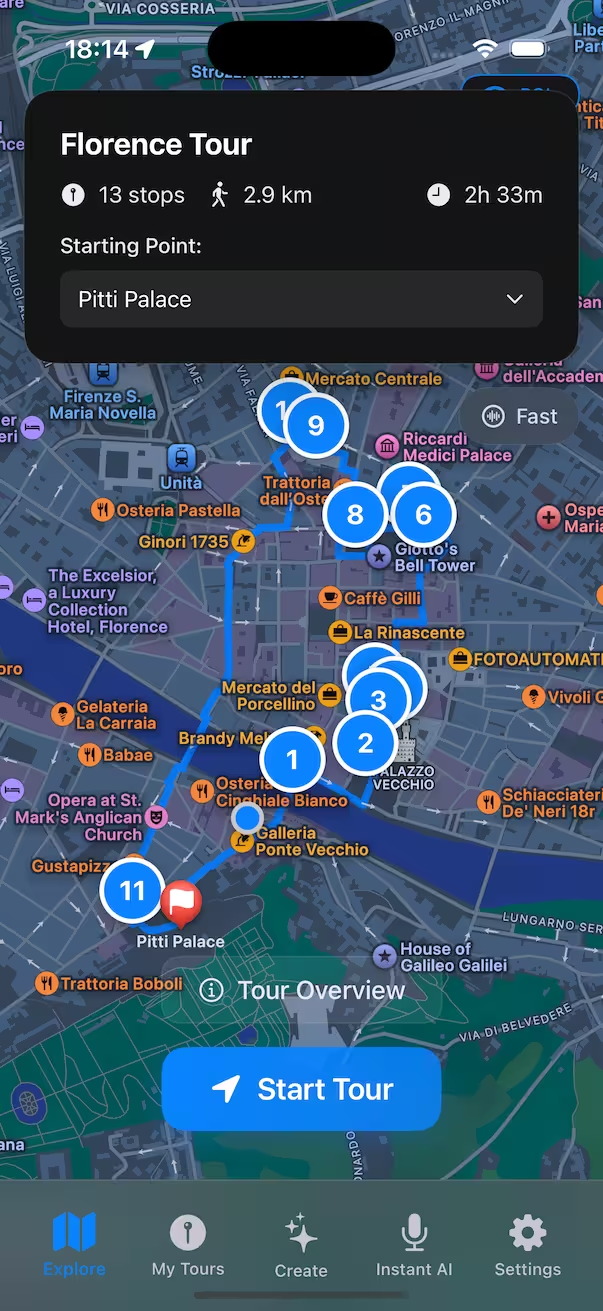
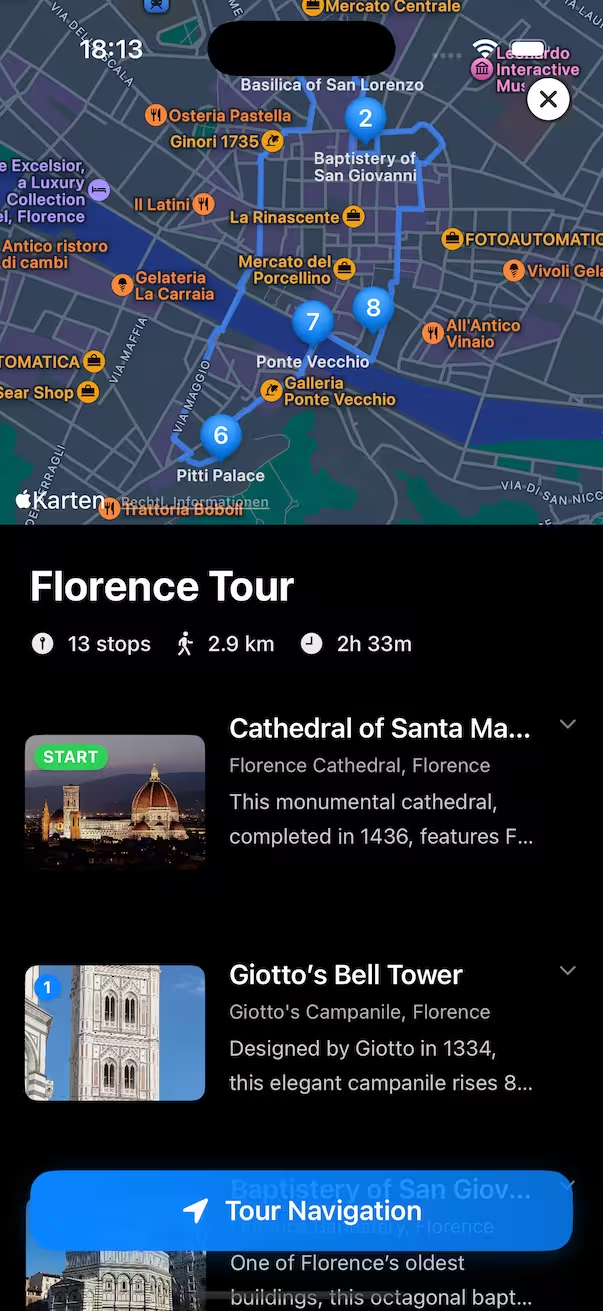
The classic Seoul tour: 8 stops, 10.6 km, about 3 h on foot
Your live AI guide and the self-guided Seoul route, together in your browser.