Best Time to Visit Lucerne
Month-by-month weather, crowds and prices, plus a full calendar of festivals and events worth planning a trip around.
Best monthsMay, Jun, Sep, Oct
CheapestJan, Nov
AvoidAug
BusiestAug
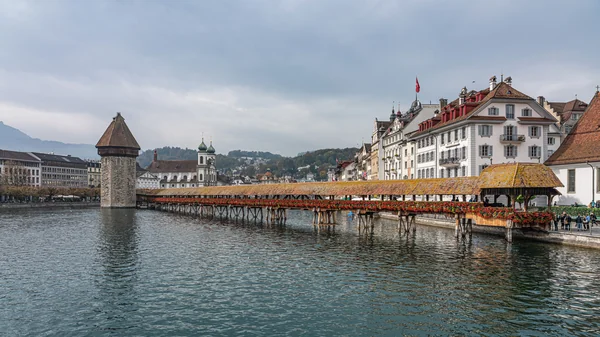
When is the best time to visit Lucerne?
Come in May, June, September or October: mild 15-23°C days, every mountain railway and lake boat running, and hotel rates 30-40% below the August peak. August is the year's crush, when Lucerne Festival Summer (13 August to 13 September) drives 3-star rooms to CHF 280-420 a night and the Old Town fills with cruise-ship groups by 09:00. November and January are the cheapest and quietest months, the trade being grey, foggy short days.
Start our tool and find your best time to visit Lucerne
Your perfect month
Free · ~30 seconds
or tap a month directly
What matters to you?
And this?
Best overall: May, Jun, Sep, Oct. May to mid-June and September to mid-October are the real sweet spots. Mountains and lake boats are in full operation, the Old Town is pleasant without the August crush, hotel rates sit 30-40% below the summer peak, and autumn brings clear high-pressure windows with foliage on Pilatus and Rigi. The Pilatus Golden Round Trip runs 11 May to 18 October, bracketing both windows neatly.
Best value: Jan, Mar, Nov. January, March and November bring hotel rates around CHF 120-180, all museums open, the Rosengart Collection and Swiss Museum of Transport quiet, and no cruise-ship day-trippers. The catch is grey, foggy short days and some boats on winter schedules, so plan a Pilatus or Rigi escape above the fog.
Avoid: Aug. August is the year's worst value. Lucerne Festival Summer (13 August onward) pushes 3-star rooms to CHF 280-420 a night, concerts sell out months ahead, and cruise-ship groups flood the Old Town 09:00-17:00 so the Chapel Bridge is barely photographable at midday. Glorious if classical music is the goal, expensive and crowded otherwise.
- January: Tough month, 4°C. This is the month you have the Chapel Bridge and the Lion Monument almost to yourself. The grey fog is the honest trade, but the answer is a cogwheel ride up Pilatus or Rigi into sunshine above the cloud. Slow, cheap and atmospheric, with LiLu lighting up the Old Town at night.
- February: Tough month, 7°C. February is two cities in one. For six days the Old Town goes wild with costumed guilds, brass bands and confetti, kicked off by the 05:00 Schmutzig Thursday drumming on Kapellplatz. Either dive into it or steer clear of those dates entirely, because there is no quiet middle ground that week.
- March: Good time, 10°C. March is the last genuinely quiet month before the spring crowds. The Old Town breathes, the magnolias and first blossom open along the lake, and you can still get a table or a quiet Chapel Bridge photo. Cool and changeable, but the worst of the winter grey is behind you.
- April: Good time, 14°C. April is spring finding its feet: cherry blossom in the city, terraces filling on sunny afternoons, and the lake promenade pleasant between showers. Outside the Easter weekend rush it stays quiet and well-priced, a good window before the mountain season fully opens.
- May: Good time, 17°C. May is the quietly perfect month before the summer crowds. The mountains and lake are fully open, the Old Town is pleasant without the August crush, and the rates are still moderate. Pack a rain layer for the showers and you get Lucerne close to its best for noticeably less than August.
- June: Good time, 22°C. June is the tipping point into full summer, and the long evenings are the payoff. The lake warms enough to swim, the mountains and boats all run, and the city feels alive after work without the August crush. School holidays elsewhere have not yet peaked, so it still breathes.
- July: Good time, 24°C. July is hot, busy and lake-focused. The Old Town has little shade, so 07:00-10:00 and 18:00-21:00 are the sweet spots and midday is best spent on the water or up a mountain. The lake and lidos are where the city decamps the moment the workday ends.
- August: Tough month, 23°C. August is full-throttle Lucerne, glorious if you came for world-class orchestras and miserable for value if you did not. The Festival fills the KKL nightly and the cruise ships fill the Old Town by day, so this is the month to come for the music or to avoid entirely for the crowds and cost.
- September: Good time, 20°C. September feels like Lucerne exhaling: still warm, alive with festivals, but with August's crush easing as the month goes on. After the 13th, the Festival winds down, foreign volumes thin, and the World Band Festival keeps the energy up while prices soften. This is the month for everything open and the weather still kind.
- October: Good time, 15°C. October is the couples' month: golden light, red and orange foliage on the mountain slopes, and Old Town restaurants without summer heat or cruise-ship crowds. Cool, romantic and quiet, with high-pressure days delivering the clearest mountain views of the year. Time the Pilatus Golden Round Trip before it closes on 18 October.
- November: Good time, 9°C. November is Lucerne at its most introverted: grey, foggy and almost touristless, but cheap and calm. The trick is the Pilatus or Rigi escape above the fog, and the consolation is two excellent festivals plus the first stirrings of the Christmas market. Bring warm layers and patience for the light.
- December: Tough month, 6°C. December trades November's emptiness for a low-key festive glow: market stalls, the big Advent wreath, skating at Europaplatz and mulled wine, but without Zurich's or Basel's crush. It is atmospheric and not over-commercialised, genuinely charming, and the inversion can still send you up a sunlit mountain on a foggy day.
Lucerne weather by month
HighLowRainfall
Jan4°
Feb7°
Mar10°
Apr14°
May17°
Jun22°
Jul24°
Aug23°
Sep20°
Oct15°
Nov9°
Dec6°
| Month | Temp | Rain | Sun | Crowds | Prices | Highlight |
|---|---|---|---|---|---|---|
| Jan | 4° / -1° | 113mm · 15 rainy days | 5.2 h/day | ●●○○○ | ●●○○○ | Piano Symphonique Festival |
| Feb | 7° / -1° | 91mm · 14 rainy days | 6.4 h/day | ●●●●○ | ●●●●○ | Lucerne Carnival |
| Mar | 10° / 1° | 93mm · 14 rainy days | 8.1 h/day | ●●○○○ | ●●○○○ | Lucerne Festival Spring |
| Apr | 14° / 4° | 135mm · 14 rainy days | 9.8 h/day | ●●○○○ | ●●○○○ | |
| May | 17° / 8° | 172mm · 18 rainy days | 9.9 h/day | ●●●○○ | ●●●○○ | |
| Jun | 22° / 13° | 158mm · 16 rainy days | 11.8 h/day | ●●●○○ | ●●●○○ | Corpus Christi Procession |
| Jul | 24° / 16° | 199mm · 17 rainy days | 11.7 h/day | ●●●●○ | ●●●●○ | Luzern Live |
| Aug | 23° / 15° | 178mm · 17 rainy days | 10.4 h/day | ●●●●● | ●●●●● | Swiss National Day |
| Sep | 20° / 12° | 128mm · 14 rainy days | 9.5 h/day | ●●●●○ | ●●●●○ | Lucerne Festival Summer |
| Oct | 15° / 8° | 123mm · 13 rainy days | 7.6 h/day | ●●●○○ | ●●●○○ | SwissCityMarathon Lucerne |
| Nov | 9° / 4° | 119mm · 14 rainy days | 5.4 h/day | ●●○○○ | ●●○○○ | Lucerne Blues Festival |
| Dec | 6° / 0° | 116mm · 15 rainy days | 4.8 h/day | ●●○○○ | ●●○○○ | Lucerne Christmas Market |
How we score this: weather = long-run climate normals (Open-Meteo), crowds & prices = relative season read, events checked yearly against official dates.
Best time to visit Lucerne: weather, prices & crowds
Best months for good weather
Jun, Sep, Oct
June, September and October give Lucerne its most reliable mix of warmth and clear mountain views. June brings 22°C highs and the longest days, while September and October deliver autumn high-pressure windows when Pilatus and Rigi stand cloud-free, best caught 07:00-10:00 before the valley heat builds thermal cloud.
Quietest months to avoid the crowds
Jan, Mar, Nov
January (outside the LiLu light week), March and November empty the Old Town right out. You walk the Chapel Bridge with no tour group in sight, have the Lion Monument grotto to yourself, and the cruise-ship day-trippers are gone.
Cheapest time to visit Lucerne
Jan, Mar, Nov
November is the cheapest full month, with 3-star centre hotels at CHF 120-160 a night, roughly half the August rate of CHF 280-420. January and March run CHF 130-180, both well below the summer and festival peaks.
Best time for festivals and events
Jan, Feb, Oct
When winter inversions settle the fog over the city from December to February, the cogwheel train up Pilatus or the Rigi railway lifts you into brilliant sunshine above a sea of fog, a uniquely satisfying Central-Swiss winter trick. Mid-October instead gives peak foliage on the same slopes.
How many days do you need in Lucerne?
Two days is the sweet spot for Lucerne. The medieval core is compact enough to cover on foot in a single full day, but the mountains and lake deserve a day of their own. Three days removes the rush if you want the Swiss Museum of Transport and a proper lake cruise alongside the peaks.
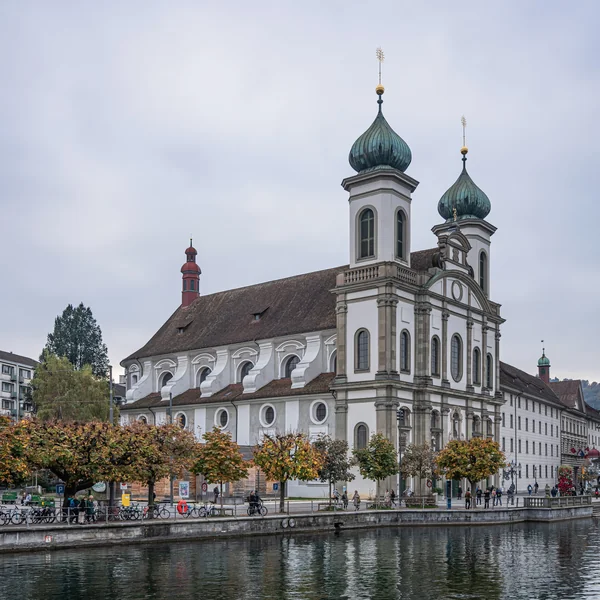
One day
Old Town, bridges and the Lion Monument
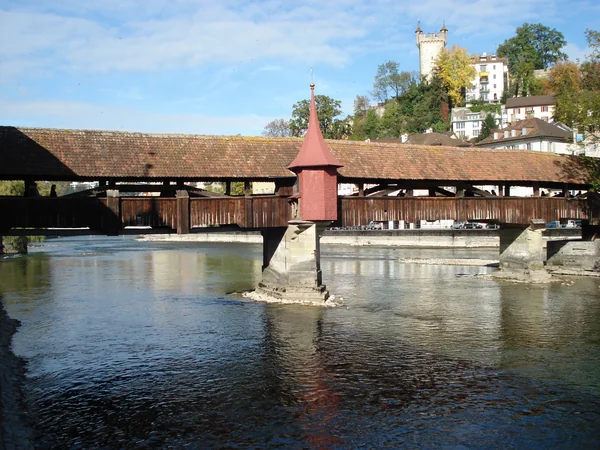
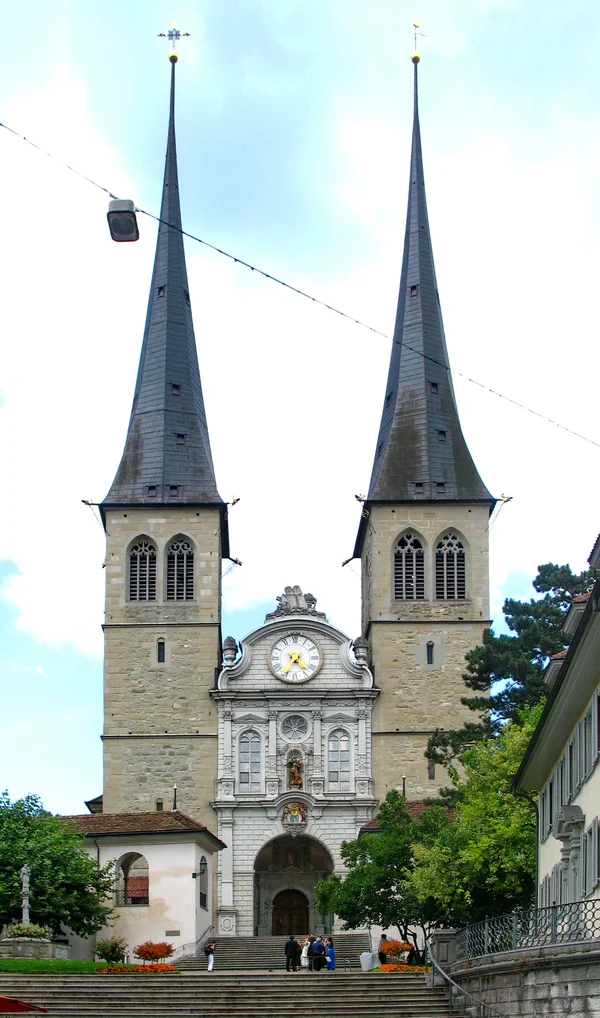
Start at the Chapel Bridge by 08:00 before the cruise-ship groups arrive, cross the river to the Jesuit Church, and walk the painted-house lanes of the Weinmarkt and Kornmarkt. The self-guided Lucerne walking tour links 14 stops across 4.5 km in about 2.5 hours, taking you over the Spreuer Bridge with its Dance of Death paintings and up the Musegg Wall towers for rooftop views. End with the Lion Monument before 09:00 or after 17:30 to avoid the 10:00 to 16:00 tour-group peak.
Two daysRecommended
Add a mountain and a lake cruise
Dedicate a full second day to a peak and the lake. The Pilatus Golden Round Trip (running 11 May to 18 October) pairs a lake boat to Alpnachstad with the world's steepest cogwheel railway up to 2,128 m and a gondola descent: take the first morning boat around 08:30 for clear summit views before midday cloud builds. A Lake Lucerne steamer from Bahnhofquai fills the afternoon with mountain reflections. Outside the Pilatus season, the Rigi railway is the alternative, and the Rosengart Collection makes a fine rainy-day anchor in the city.
Three days
Museums, Rigi and the Swiss Museum of Transport
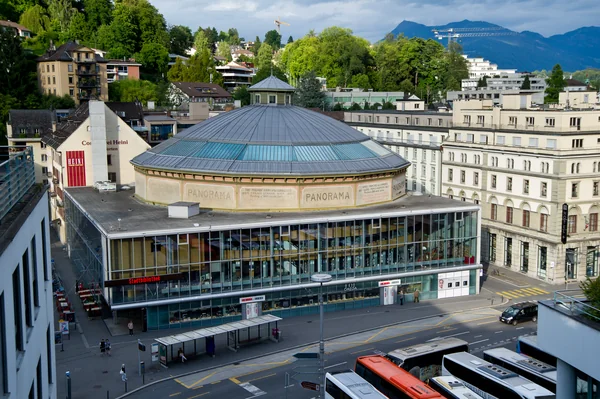
A third day removes every time pressure. The Swiss Museum of Transport near Tribschen, Switzerland's most-visited museum (open daily 10:00 to 17:00), takes a relaxed half-day with kids or alone. Add the Bourbaki Panorama, the 112 m circular painting depicting the Franco-Prussian War, and the Glacier Garden with its mirror maze. An evening boat cruise in the long summer light, or a Rigi overnight for the sunrise above the sea of fog, rounds out three days without feeling rushed.
Four days or more
Day trips and slower rhythms
With four days you can reach the Bürgenstock plateau by funicular or the Engelberg valley for skiing or alpine hiking, both within an hour of Lucerne. The covered market under the Egg on Wednesday and Saturday mornings rewards an unhurried breakfast stop, and the dense cluster of independent restaurants along the Weinmarkt lanes suits a long lunch before a slow lakeside afternoon. Autumn visitors should time this stretch for the October foliage peak on Pilatus and Rigi, roughly 10 to 25 October.
Best time to visit Lucerne by traveller type
Same city, different trip. Here's the month that fits how you're travelling.
🧭
Best time to visit Lucerne for the first time
MayJun
May or early June: the Pilatus Golden Round Trip is open from 11 May, lake boats run their full timetable, the Old Town is not yet overwhelmed, and hotel rates sit 25-30% below the August peak at CHF 160-220 versus CHF 280-420. Good-weather odds are high and every key sight is reachable without booking far ahead.
❤️
Best time to visit Lucerne for couples
SepOct
Late September to mid-October: Lucerne Festival Summer has just closed, the World Band Festival adds a backdrop, foliage on Pilatus and Rigi is in full colour, and golden-hour light on the lake is superb. Hotel rates drop sharply from the August peak and restaurants are far easier to book.
💶
Best time to visit Lucerne on a budget
JanMarNov
November (outside the Blues Festival 7-15 November and Forward 20-22 November weekends): 3-star centre hotels at CHF 120-160, all museums open and the Old Town quiet. January and March are nearly as cheap. If a summer visit is essential, arrive mid-June before the Swiss school holidays peak.
🍝
Best time to visit Lucerne for food and wine
JunSep
June or late September, when the covered market under the Egg (Wednesday and Saturday mornings) is at its freshest. Autumn brings Rigi apples and local lake whitefish (Felchen), and the Weinmarkt square and surrounding lanes hold the densest cluster of independent restaurants in the Old Town.
Worst time to visit Lucerne
August is the year's worst value by a clear margin. Lucerne Festival Summer opens on 13 August and runs through 13 September, driving 3-star rooms to CHF 280 to 420 a night, with the best concert dates selling out months in advance. Swiss summer holidays stack on top, and cruise-ship groups flood the Chapel Bridge and Old Town from 09:00 to 17:00: the wooden walkway is shoulder to shoulder and a clear photo is nearly impossible at midday. Hotel inventory is the tightest of the year and prices for lake excursions run at their highest.
Still worth it for August works well if classical music is the whole point: the Lucerne Festival Orchestra and visiting ensembles like the Berlin Philharmonic are genuinely world-class. Families with Swiss school-holiday constraints will also find the lake swimmable and all mountain railways running, provided they book well ahead and budget accordingly.
Go instead in May, June, September, October, when Lucerne is at its best.
Best time for a tour of Lucerne
Lucerne's 4.5 km loop rewards walkers who get the month right. May, June, and September are the sweet spots: temperatures hover between 14 and 22 °C, the light on Lake Lucerne is long and golden, and the Chapel Bridge postcard shot is actually achievable without a hundred tourists between you and the viewfinder. October is the quietest of the warm months, barely 13 rain days and a pleasing 15 °C, ideal for lingering at the Lion Monument without feeling rushed. July and August tip the balance: highs push to 24 °C, which sounds fine until you are crossing the Musegg Wall ramparts with nowhere to escape the sun, and August in particular is shoulder to shoulder on every bridge and cobblestone square. February looks mild on the calendar but draws surprisingly thick crowds, partly due to Fasnacht, Lucerne's famous carnival, so the old town is lively but chaotic if you want a contemplative walk. January and December are near-empty, and cold, topping out around 4 to 6 °C with overcast skies and rain on roughly half the days of the month; perfectly atmospheric for a moody winter wander if you dress for it, but a different experience altogether.
With AI Tourguide running in your browser, no departure time is ever locked in, so the climate becomes your only scheduler. On a clear September morning you can set off at 8 am before the tour coaches arrive at the Spreuer Bridge, letting the guide open with the story of the Dance of Death paintings while the light is still low and the crowds are thin. On a rainy May afternoon you can start later, take the covered arcades at your own pace, and ask the guide a question mid-route about the Jesuit Church's baroque ceiling without anyone behind you sighing. Start your Lucerne tour whenever the morning mist lifts or the afternoon sun breaks through, and let the walk follow the weather rather than a printed schedule.

+14
All 14 stops are already on the map.
You just press start.
You just press start.
 AI Tourguide
You just read the route.
Now walk it with a guide in your ear.
Press start wherever you are, even hundreds of kilometres from Lucerne, and the guide begins telling its stories right away. In the city, pick any of the 14 stops to start from: it leads you there, then talks with you the whole route, asking, listening, remembering, and shaping the tour around your answers.
14stops4.5km2.5hours11languages
▶Start the tour freeFree to start · Runs in your browser · No app, no download
Lucerne events and festivals calendar
Annual highlights worth timing a trip around, listed month by month.
January
🎵 MusicPiano Symphonique Festival Le piano symphonique
Jan 12–18 ~
a week in mid-January
A classical piano series by the Lucerne Symphony Orchestra at the KKL Luzern concert hall, pairing solo recitals with orchestral works over a mid-January week.
💡 LightsLiLu Light Festival Lucerne LiLu Lichtfestival Luzern
Jan 15–25 ~
eleven nights in mid-January
International light artists turn the Old Town and lake basin into an open-air light museum, with installations lit nightly 18:00-22:00 across eleven nights, free to walk.
February
🎭 CarnivalLucerne Carnival Lozärner Fasnacht
Feb 12–17 ~
six days before Lent, Schmutzig Thursday to Güdis Tuesday
Switzerland's most exuberant carnival: costumed guilds, brass bands and confetti, kicked off by the Tagwach 05:00 drum-and-fife wake-up on Kapellplatz, with the Grand Wey Parade on Monday and the Monstercorso on Tuesday evening.
March
🎵 MusicLucerne Festival Spring Lucerne Festival Frühling
Mar 27–29 ~
a three-day weekend in late March
A compact three-day classical programme at the KKL Luzern that opens the festival year, mixing chamber music and orchestral works.
June
⛪ ReligiousCorpus Christi Procession Fronleichnamsprozession
Jun 19 ~
60 days after Easter, in June
Lucerne's largest religious procession winds through the Old Town past the Jesuit Church, Kapellplatz and Metzgerrainle, a Catholic tradition preserved since medieval times.
🏃 SportLucerne Regatta
Jun 26–28 ~
a weekend in late June
An international rowing regatta on the Rotsee, with around 800 athletes from more than 40 nations and an expected 15,000 spectators over the weekend.
July
🎵 MusicLuzern Live
Jul 10–19 ~
around ten days in mid-July
An open-air pop and rock festival in the Old Town, with lakeside stages and club venues spanning a wide range of genres over about ten days, some stages free.
August
🇮 HolidaySwiss National Day Bundesfeiertag
Aug 1
1 August
Switzerland's national day, marked in Lucerne with free midnight fireworks over the lake from 31 July into 1 August, best watched from Nationalquai.
🎵 MusicLucerne Festival Summer Lucerne Festival Sommer
Aug 13 – Sep 13
mid-August to mid-September
The 32-day flagship classical festival at the KKL Luzern and partner venues: more than 120 events and 20 international symphony orchestras, themed American Dreams and led for the first time by artistic director Sebastian Nordmann.
September
🎵 MusicWorld Band Festival Lucerne World Band Festival Luzern
Sep 19–27
nine days in late September
A nine-day wind-band competition and concert festival at the KKL Luzern, with around 1,000 artists worldwide spanning brass and concert band, jazz, folk and salsa.
October
🏃 SportSwissCityMarathon Lucerne SwissCityMarathon Luzern
Oct 25
the last Sunday of October
A marathon, half and 10K with more than 13,000 runners and 50,000 spectators, on a route past the Museum of Transport, the lakeshore, the Horw peninsula, the KKL and the Old Town.
November
🎵 MusicLucerne Blues Festival
Nov 7–15
nine days in early-to-mid November
A nine-day blues, soul and zydeco festival across Lucerne venues, with 14 acts in its 31st edition, one of Central Europe's leading blues events.
🎵 MusicLucerne Festival Forward
Nov 20–22
a three-day weekend in late November
An experimental and contemporary classical music weekend at the KKL Luzern, a compact three-day edition that closes the festival year.
🎄 Christmas marketLucerne Christmas Market Weihnachtsmarkt Luzern
Nov 26 – Dec 23 ~
late November to 23 December
The main market at Franziskanerplatz, home to Central Switzerland's largest Advent wreath (over 3m across), plus the free Ice Magic skating rink at Europaplatz.
December
🌸 Seasonal natureNew Year's Eve Fireworks Silvester
Dec 31
midnight on 31 December
Fireworks over Lake Lucerne and the Old Town at midnight, with lakeside viewing from the Nationalquai.
Insider tips for visiting Lucerne
The rules buried in forums, in one place.
- Lucerne Festival Summer concert tickets sell out months ahead. The big orchestra nights, the opening concert, the Lucerne Festival Orchestra and visiting names like the Berlin Philharmonic, go within days of release, often the previous November. Book as soon as the programme publishes, typically January or February for the August edition. Mid-week chamber concerts stay available much later.
- For the Chapel Bridge (Kapellbrücke), go at 07:30-08:30 or after 18:30. Summer tour groups arrive at 09:00 and again 11:00-15:00, when the wooden walkway is shoulder to shoulder. The painted ceiling panels are original 1330s work except the lighter sections replaced after the 1993 fire.
- Take the first boat from Lucerne to Alpnachstad (around 08:30 in season) for Pilatus, to catch the cogwheel train before the 10:00 cruise-ship surge. Summit views are clearest 08:00-10:00 before thermal cloud forms, and the 11:00-14:00 window is the most crowded on both Pilatus and Rigi.
- The Musegg Wall walk is free, with views over the Old Town rooftops, but only open daily April to November, roughly 08:00-19:00, and closed entirely December to March. The Zyt tower clock famously rings one minute before every other clock in town, a genuine local quirk worth timing your climb for.
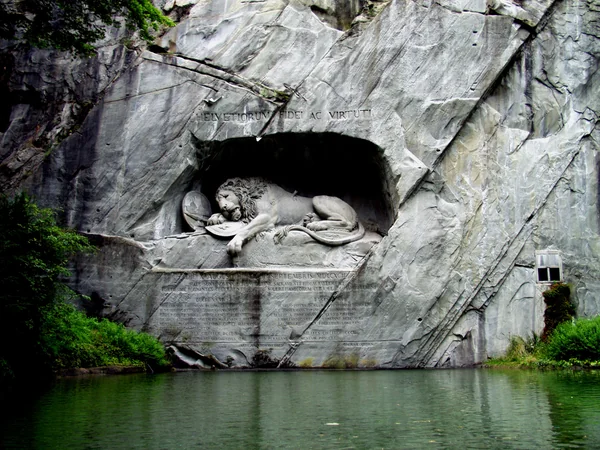
- The Lion Monument (Löwendenkmal) sits in a recessed grotto where midday sun is harsh and tour groups clog the viewpoint 10:00-16:00. Visit before 09:00 or after 17:30 for the contemplative experience Mark Twain called the most mournful piece of stone in the world.
- For the Rigi sunrise without a pre-dawn start, take the last evening train to Rigi Kulm and stay overnight at the summit hotel. You catch the famous Alpine sunset and then the 05:30-06:00 sunrise over the sea of fog before day-trippers arrive on the 07:45 first public train.
- Fasnacht (Carnival, 12-17 February in 2026) sells out central hotels six to eight weeks ahead. If you want to be there, book in January; the Schmutzig Thursday 05:00 drumming on Kapellplatz is literally designed to wake the city. If you hate crowds and noise, leave before it starts.
- The Richard Wagner Museum at Tribschen and the Kunstmuseum Luzern are both closed Mondays, and the Bourbaki Panorama often shuts Mondays in winter. The Rosengart Collection opens daily with no regular closing day, making it the reliable Monday alternative for art.
Public holidays in Lucerne
On these dates many shops and offices close, transport thins out, and sights can be mobbed or shut. Plan around them.
| Date | Holiday | What closes |
|---|---|---|
| Jan 1 | New Year's Day | Almost all shops, museums and restaurants closed. The Chapel Bridge and Old Town stay walkable, and the lakeside is quiet after the midnight fireworks. Public transport runs a reduced holiday timetable. |
| Jan 2 | Berchtold's Day | Cantonal holiday in Lucerne: banks and many shops closed, though tourist sights generally open. A quiet, slow start to the year in the Old Town. |
| Apr 19 | Good Friday | Cantonal holiday: many shops shut and a still, observed mood across the city. Catholic mass at the Jesuit Church, and the Lion Monument area stays quiet. |
| Apr 20 | Easter Monday | National holiday at the heart of the Easter weekend, when Swiss domestic tourists fill Lucerne and hotel rates run 20-30% above normal April. Lake boats operate and mountain excursions are popular, so book ahead. |
| May 29 | Ascension Day | National holiday and a popular Friday-to-Monday bridge for Swiss travellers, so the lake and mountains fill with domestic day-trippers. Many shops closed; book excursions early. |
| Jun 8 | Whit Monday | National holiday closing a two-day Pentecost weekend, with heavy domestic crowding on the lake boats and mountain railways. Reserve any excursion ahead; shops are closed. |
| Jun 19 | Corpus Christi | Canton Lucerne public holiday. The city's largest religious procession winds through the Old Town past the Jesuit Church and Kapellplatz, roughly 09:00-11:30, closing several streets. Most shops shut, so plan a lake or mountain day rather than Old Town shopping. |
| Aug 1 | Swiss National Day | National holiday. Free fireworks light up Lake Lucerne from midnight into 1 August, best seen from Nationalquai (arrive by 22:00). Hotels spike, transport is packed, and shops are closed for the day. |
| Dec 25 | Christmas Day | All shops closed; the Christmas market has already ended on 23 December. Services at the Jesuit Church, and a still day across the Old Town. Restaurants that open need a reservation. |
| Dec 26 | St. Stephen's Day | Public holiday: most shops and attractions closed. Tourism stays high between Christmas and New Year, with hotel rates near their winter peak. |
Lucerne month by month
January in Lucerne
High4°C / 40°F
Low-1°C
Rain113mm / 15 rainy days
Sun5.2 h/day
Daylight9 h/day
Humidity82%
Crowds●●○○○Prices●●○○○
January is Lucerne at its quietest, broken only by the LiLu Light Festival (15-25 January) and the Piano Symphonique series at the KKL. Daytime highs sit near 4°C with grey, often foggy skies, but the city rarely gets settling snow. Crowds are mainly domestic, hotels run CHF 130-180, and the real winter prize is the inversion trick: ride Pilatus or Rigi out of the city fog into brilliant sunshine above a sea of cloud.
The vibe This is the month you have the Chapel Bridge and the Lion Monument almost to yourself. The grey fog is the honest trade, but the answer is a cogwheel ride up Pilatus or Rigi into sunshine above the cloud. Slow, cheap and atmospheric, with LiLu lighting up the Old Town at night.
Don't miss When the city sits under inversion fog, take the cogwheel up Pilatus or the railway up Rigi into sunshine above the cloud deck, a uniquely satisfying Central-Swiss winter experience. After dark, the free LiLu installations light up the Old Town and lake basin nightly 18:00-22:00.
Crowd drivers The post-holiday lull keeps visitors mainly domestic. The LiLu Light Festival (15-25 January) and the Piano Symphonique series spike one mid-month week, but the rest is genuinely quiet.
In season Deep winter is fondue and raclette season in the Old Town cellars, eaten without any booking trouble, and warming local lake whitefish (Felchen) is on the menus.
Heads up 1 January (New Year) and 2 January (Berchtold's Day, a Lucerne cantonal holiday) close most shops; tourist sights generally stay open. The Musegg Wall towers are shut for winter.
Among the cheapest months at CHF 130-180; the LiLu light week (15-25 January) lifts rates only to CHF 160-220.
Events this month
🎵 MusicPiano Symphonique Festival Le piano symphonique
Jan 12–18 ~
a week in mid-January
A classical piano series by the Lucerne Symphony Orchestra at the KKL Luzern concert hall, pairing solo recitals with orchestral works over a mid-January week.
It pairs neatly with the LiLu light festival in the same window and delivers winter classical music without summer-festival prices. A strong reason for a low-season visit.
💡 LightsLiLu Light Festival Lucerne LiLu Lichtfestival Luzern
Jan 15–25 ~
eleven nights in mid-January
International light artists turn the Old Town and lake basin into an open-air light museum, with installations lit nightly 18:00-22:00 across eleven nights, free to walk.
It brings spectacular visuals to the quietest season, with hotels only 20-30% above the normal January floor. The best free reason to visit Lucerne in deep winter.
February in Lucerne
High7°C / 44°F
Low-1°C
Rain91mm / 14 rainy days
Sun6.4 h/day
Daylight10 h/day
Humidity77%
Crowds●●●●○Prices●●●●○
February is dominated by Fasnacht, Lucerne's exuberant carnival held the six days before Lent (Schmutzig Thursday to Güdis Tuesday), the single biggest domestic crowd event of the year. Highs creep toward 7°C but it stays cold and often grey. Carnival week sells out central hotels weeks ahead at CHF 180 to 280 and closes Old Town streets; outside it, the month falls back to a quiet CHF 130 to 160. The peaks stay reliably snow-covered, perfect for an above-the-fog day on Pilatus or Rigi.
The vibe February is two cities in one. For six days the Old Town goes wild with costumed guilds, brass bands and confetti, kicked off by the 05:00 Schmutzig Thursday drumming on Kapellplatz. Either dive into it or steer clear of those dates entirely, because there is no quiet middle ground that week.
Don't miss If you came for it, Fasnacht is unmissable: the Grand Wey Parade on Monday and the Monstercorso on Tuesday evening. If not, this is prime inversion season, when Pilatus and Rigi sit in brilliant sun above the valley fog, and the indoor Rosengart Collection (open daily) is quiet.
Crowd drivers Fasnacht (12-17 February) is the year's biggest domestic crowd surge, jamming the Old Town and selling out hotels weeks ahead. Outside Carnival week, February is one of the calmest months.
In season Still fondue and raclette weather, with carnival street stalls adding sausages and warming bites; the covered market under the Egg runs its Wednesday and Saturday mornings as usual.
Heads up No public holiday this month, but Güdis Tuesday (17 February) leaves the city in full carnival mode with high noise and crowds. The Musegg Wall towers remain closed for winter.
Sharply split: CHF 180-280 in Carnival week (book 2+ months ahead), but only CHF 130-160 outside it.
Events this month
🎭 CarnivalLucerne Carnival Lozärner Fasnacht
Feb 12–17 ~
six days before Lent, Schmutzig Thursday to Güdis Tuesday
Switzerland's most exuberant carnival: costumed guilds, brass bands and confetti, kicked off by the Tagwach 05:00 drum-and-fife wake-up on Kapellplatz, with the Grand Wey Parade on Monday and the Monstercorso on Tuesday evening.
The street celebration is free but the Old Town is jammed and central hotels sell out six to eight weeks ahead at CHF 180-280. Unbeatable for cultural immersion, miserable if you came for quiet.

March in Lucerne
High10°C / 51°F
Low1°C
Rain93mm / 14 rainy days
Sun8.1 h/day
Daylight12 h/day
Humidity74%
Crowds●●○○○Prices●●○○○
March is a quiet low shoulder, with highs climbing toward 10°C and the lakeshore magnolias and early cherry blossom appearing late in the month. The short Lucerne Festival Spring (27-29 March) opens the festival year with a high-quality classical weekend at the KKL. Mountain snow lingers up high, but the city wakes up, terraces start to reopen and prices stay at a comfortable CHF 130-170.
The vibe March is the last genuinely quiet month before the spring crowds. The Old Town breathes, the magnolias and first blossom open along the lake, and you can still get a table or a quiet Chapel Bridge photo. Cool and changeable, but the worst of the winter grey is behind you.
Don't miss Lucerne Festival Spring is the month's highlight for classical fans, a compact three-day programme at the KKL. Late March brings lakeshore magnolias and the first cherry blossom in the city, and high-pressure days still deliver clear, snow-capped mountain views.
Crowd drivers Lucerne Festival Spring (27-29 March) draws a classical audience for one weekend, but nothing like a mass crowd. Early-year tourism stays low and Swiss school holidays have not started.
In season A transitional kitchen season; the covered market under the Egg (Wednesday and Saturday mornings) brings the first spring produce, and the Weinmarkt lanes hold the densest cluster of independent restaurants.
Low shoulder at CHF 130-170; the Lucerne Festival Spring weekend (27-29 March) lifts rates to CHF 170-220.
Events this month
🎵 MusicLucerne Festival Spring Lucerne Festival Frühling
Mar 27–29 ~
a three-day weekend in late March
A compact three-day classical programme at the KKL Luzern that opens the festival year, mixing chamber music and orchestral works.
A high-quality classical weekend at a fraction of the Summer Festival's cost, lifting late-March hotel rates only to CHF 170-220 on the festival weekend.
April in Lucerne
High14°C / 57°F
Low4°C
Rain135mm / 14 rainy days
Sun9.8 h/day
Daylight14 h/day
Humidity73%
Crowds●●○○○Prices●●○○○
April is a quiet spring shoulder, with highs near 14°C and lengthening days, broken by a busy Easter weekend when Swiss domestic day-trippers fill the city and rates climb 20 to 30%. Mountain snow still lingers on the higher slopes, and it is a showery month, so pack a light waterproof. Lake boats are running ahead of the full May season opening.
The vibe April is spring finding its feet: cherry blossom in the city, terraces filling on sunny afternoons, and the lake promenade pleasant between showers. Outside the Easter weekend rush it stays quiet and well-priced, a good window before the mountain season fully opens.
Don't miss The lakeshore blossom and longer evenings make April good for walking the Old Town and the lake promenade. Lake boats run ahead of the full season, and the higher peaks still hold snow, so a Pilatus or Rigi day mixes spring valleys with winter summits.
Crowd drivers The Easter weekend (around 20 April) draws Swiss domestic tourists and lifts hotel rates 20-30%, with the lake and mountains popular. Outside it, April is a calm, low-pressure shoulder month.
In season Spring asparagus starts to appear on Old Town menus, and the covered market under the Egg fills out with early-season produce on Wednesday and Saturday mornings.
Heads up Good Friday (19 April, a Lucerne cantonal holiday) shuts many shops with a still, observed mood, and Easter Monday is a national holiday. Catholic mass fills the Jesuit Church over the weekend.
Quiet spring shoulder at CHF 140-190, rising to CHF 170-240 over the Easter weekend (Easter Sunday 20 April).
May in Lucerne
High17°C / 63°F
Low8°C
Rain172mm / 18 rainy days
Sun9.9 h/day
Daylight15 h/day
Humidity76%
Crowds●●●○○Prices●●●○○
May is one of Lucerne's sweet spots, the month the full season opens. From 11 May the lake boats run their complete timetable and the Pilatus Golden Round Trip (boat, cogwheel and gondola) begins. Highs near 17°C and long days draw spring hikers, and European long weekends lift demand. It is statistically the wettest month here (around 172mm), but the rain comes as showers between clear spells rather than all-day soakings, and hotels stay a reasonable CHF 160-220.
The vibe May is the quietly perfect month before the summer crowds. The mountains and lake are fully open, the Old Town is pleasant without the August crush, and the rates are still moderate. Pack a rain layer for the showers and you get Lucerne close to its best for noticeably less than August.
Don't miss The Pilatus Golden Round Trip opens on 11 May, pairing a lake boat to Alpnachstad with the world's steepest cogwheel railway and a gondola descent. Lake boats run their full timetable, and long days mean late lakeside walks. Take the first Pilatus boat to beat the cruise-ship surge.
Crowd drivers Spring hikers arrive as the mountain season opens on 11 May, and European long weekends (Ascension on 29 May is a national holiday and bridge day) lift weekend demand, but international pressure stays short of peak.
In season Peak Swiss asparagus season, and the covered market under the Egg (Wednesday and Saturday mornings) is at its spring best, with the Weinmarkt restaurants putting tables back outside.
Heads up Ascension Day (29 May) is a national holiday and a popular Friday-to-Monday bridge, so many shops close and the lake and mountains fill with domestic day-trippers.
Moderate at CHF 160-220, well below the summer peak, with European long weekends lifting weekend demand.
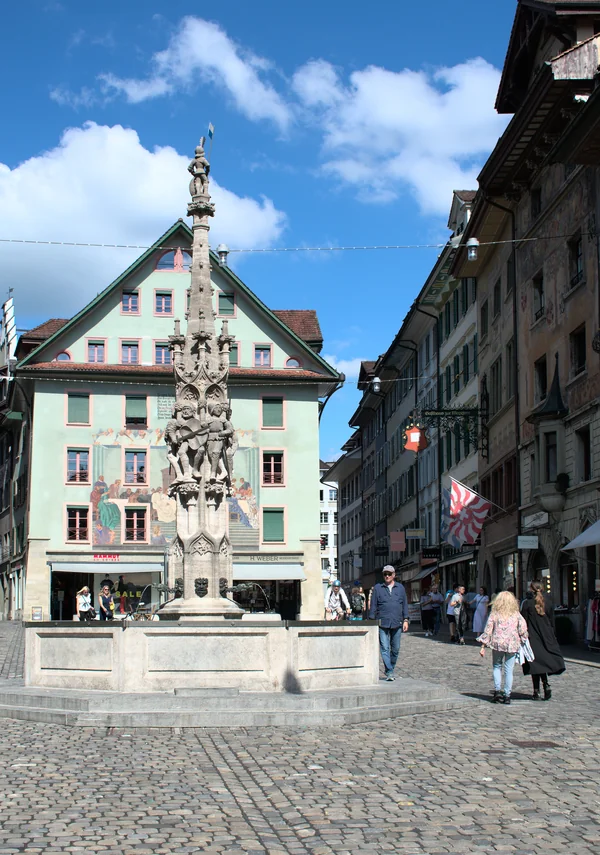
June in Lucerne
High22°C / 72°F
Low13°C
Rain158mm / 16 rainy days
Sun11.8 h/day
Daylight16 h/day
Humidity75%
Crowds●●●○○Prices●●●○○
June opens the Lucerne summer, with highs near 22°C, the longest days of the year (nearly 16 hours of light), and the lake warming to a swimmable 18°C-plus from late month. The Lucerne Regatta (26-28 June) brings 800 rowers to the Rotsee, and Corpus Christi (19 June) closes the Old Town for its big procession. Afternoon alpine thunderstorms can roll in, so plan mountains for the morning, but the long light evenings make June one of the best months to be here.
The vibe June is the tipping point into full summer, and the long evenings are the payoff. The lake warms enough to swim, the mountains and boats all run, and the city feels alive after work without the August crush. School holidays elsewhere have not yet peaked, so it still breathes.
Don't miss The lake reaches swimmable 18°C-plus from late June, with Lido Luzern and free access points near Tribschen. Take the first morning boat to Pilatus for clear summit views before midday cloud, and use the long evenings for late lakeside dinners after 21:00.
Crowd drivers The Lucerne Regatta (26-28 June) fills hotels near the Rotsee, and German and French school holidays begin late June and lift prices, but the full Swiss summer lockout has not yet hit. Corpus Christi (19 June) packs the Old Town for a day.
In season Farmers'-market produce peaks at the covered market under the Egg, and the lake whitefish (Felchen) is at its best; the Weinmarkt lanes hold the densest run of independent restaurants for an outdoor dinner.
Heads up Corpus Christi (19 June, a Lucerne cantonal holiday) closes most Old Town shops and blocks several streets 09:00-11:30 for the procession; Whit Monday (8 June) is also a national holiday with shops shut.
Climbing to CHF 180-250 as early summer builds; the Lucerne Regatta weekend (26-28 June) reaches CHF 220-280.
Events this month
⛪ ReligiousCorpus Christi Procession Fronleichnamsprozession
Jun 19 ~
60 days after Easter, in June
Lucerne's largest religious procession winds through the Old Town past the Jesuit Church, Kapellplatz and Metzgerrainle, a Catholic tradition preserved since medieval times.
Most Old Town shops close and the procession blocks several streets 09:00-11:30, so if you arrive that day plan a lake or mountain excursion rather than shopping.
🏃 SportLucerne Regatta
Jun 26–28 ~
a weekend in late June
An international rowing regatta on the Rotsee, with around 800 athletes from more than 40 nations and an expected 15,000 spectators over the weekend.
Hotels near the Rotsee fill quickly and rates edge up to CHF 220-280, but the city centre is largely unaffected and the racing is free to watch from the shore.
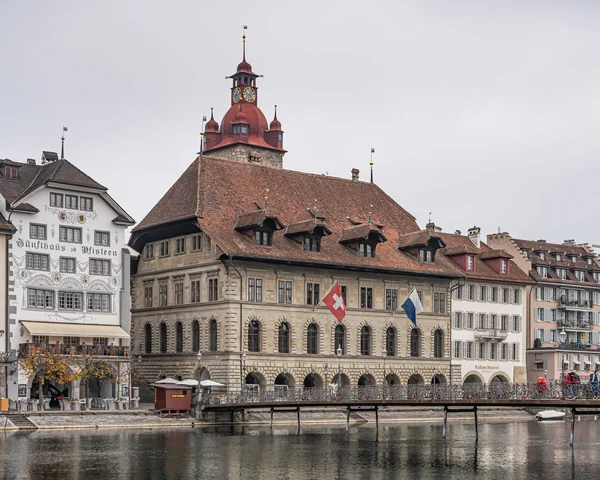
July in Lucerne
High24°C / 75°F
Low16°C
Rain199mm / 17 rainy days
Sun11.7 h/day
Daylight16 h/day
Humidity75%
Crowds●●●●○Prices●●●●○
Lake swimming is at its best from Lido Luzern, and the morning Pilatus rule pays off: the first boat to Alpnachstad beats the 10:00 cruise-ship surge for the clearest summit views. The Old Town has little shade at midday, so the 07:00 to 10:00 and 18:00 to 21:00 windows are the sweet spots for walking the medieval core.
The vibe July is hot, busy and lake-focused. The Old Town has little shade, so 07:00-10:00 and 18:00-21:00 are the sweet spots and midday is best spent on the water or up a mountain. The lake and lidos are where the city decamps the moment the workday ends.
Don't miss Lake swimming is at its best from Lido Luzern, and the morning Pilatus rule pays off, with the first boat to Alpnachstad beating the 10:00 cruise-ship surge for the clearest summit views. When midday heat and pre-booked guide prices climb, our live in-browser AI guide is the always-available, flat-priced alternative that tells you the story of everything you pass as you walk the Old Town in the cooler early hours.
Crowd drivers Swiss and European school holidays peak this month, packing the lake cruises and the Old Town. Luzern Live mid-July draws crowds but is far less hotel-crushing than Fasnacht or the August festival.
In season Farmers'-market produce stays at its summer peak, and lakeside terraces carry the long evenings; the covered market under the Egg runs its Wednesday and Saturday mornings.
Busy summer pricing at CHF 230-320 as Swiss and European school holidays peak.
Events this month
🎵 MusicLuzern Live
Jul 10–19 ~
around ten days in mid-July
An open-air pop and rock festival in the Old Town, with lakeside stages and club venues spanning a wide range of genres over about ten days, some stages free.
Busy and lively but nowhere near as hotel-crushing as Fasnacht or Lucerne Festival Summer, a good reason to enjoy a high-summer evening by the lake.
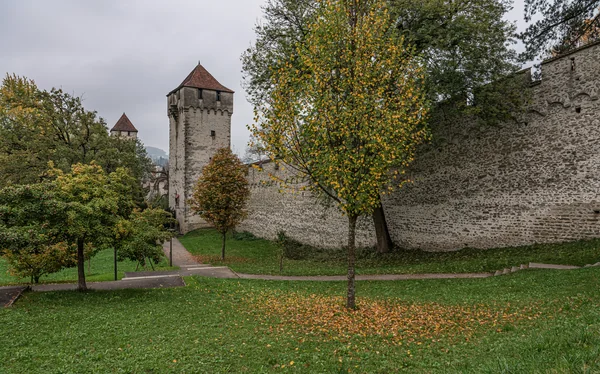
August in Lucerne
High23°C / 74°F
Low15°C
Rain178mm / 17 rainy days
Sun10.4 h/day
Daylight14 h/day
Humidity77%
Crowds●●●●●Prices●●●●●
August is Lucerne's peak and priciest month. Swiss summer holidays run into mid-month and Lucerne Festival Summer opens on 13 August, bringing 120-plus concerts and 20 international orchestras to the KKL through 13 September. Hotel inventory is at its tightest, rates hit CHF 280-420, and cruise-ship groups flood the Old Town 09:00-17:00, so the Chapel Bridge is barely photographable at midday. Highs near 23°C with afternoon thunderstorms, and Swiss National Day (1 August) opens the month with lake fireworks.
The vibe August is full-throttle Lucerne, glorious if you came for world-class orchestras and miserable for value if you did not. The Festival fills the KKL nightly and the cruise ships fill the Old Town by day, so this is the month to come for the music or to avoid entirely for the crowds and cost.
Don't miss If classical music is the goal, the Festival is unbeatable, but book big orchestra nights months ahead. For everything else, beat the cruise-ship crush with a 07:30 Chapel Bridge visit and a first-boat Pilatus morning, and watch the free Swiss National Day fireworks from Nationalquai on 1 August (arrive by 22:00).
Crowd drivers Lucerne Festival Summer (from 13 August) is the single biggest price driver of the year, stacked on Swiss summer holidays to mid-month and international music tourism, with hotel inventory the tightest of the year. Swiss National Day (1 August) packs the lakeside.
In season Lakeside terraces and farmers'-market produce stay at their summer peak; festival nights fill the KKL-area restaurants, so book ahead for dinner near the concert hall.
Heads up Swiss National Day (1 August) closes shops and packs transport, with free midnight fireworks over the lake. Otherwise museums and sights keep full summer hours.
Year's most expensive at CHF 280-420, with desirable festival concert dates adding a further 20-30%.
Events this month
🇮 HolidaySwiss National Day Bundesfeiertag
Aug 1
1 August
Switzerland's national day, marked in Lucerne with free midnight fireworks over the lake from 31 July into 1 August, best watched from Nationalquai.
Spectacular and free, but it pushes already-high August hotel rates higher and packs the lakeside walkway by 23:00, so arrive by 22:00 for a good spot and skip the overpriced cruises.
🎵 MusicLucerne Festival Summer Lucerne Festival Sommer
Aug 13 – Sep 13
mid-August to mid-September
The 32-day flagship classical festival at the KKL Luzern and partner venues: more than 120 events and 20 international symphony orchestras, themed American Dreams and led for the first time by artistic director Sebastian Nordmann.
It is the single biggest price driver of the year, with concerts sold out months ahead and hotel rates peaking at CHF 280-420. Come for world-class orchestras, or avoid August entirely for budget travel.
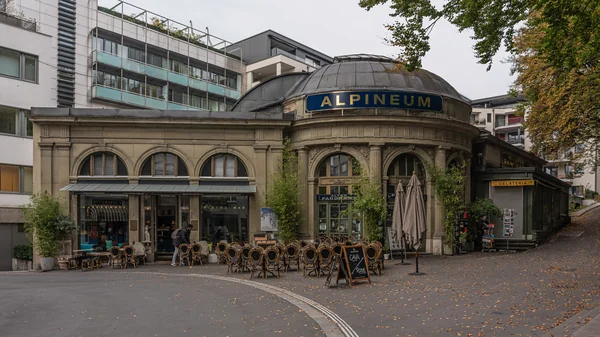
September in Lucerne
High20°C / 67°F
Low12°C
Rain128mm / 14 rainy days
Sun9.5 h/day
Daylight13 h/day
Humidity80%
Crowds●●●●○Prices●●●●○
September is the other sweet spot. Lucerne Festival Summer runs to 13 September, the World Band Festival (19-27 September) follows, and mountain foliage begins late in the month. Highs near 20°C keep the weather warm, the lake is still swimmable into early September, and foreign tourist volumes start dropping from mid-month so hotel rates ease from the August peak. It is one of the best months of all, with clear high-pressure windows and a strong cultural backdrop.
The vibe September feels like Lucerne exhaling: still warm, alive with festivals, but with August's crush easing as the month goes on. After the 13th, the Festival winds down, foreign volumes thin, and the World Band Festival keeps the energy up while prices soften. This is the month for everything open and the weather still kind.
Don't miss The lake is still swimmable into early September, and clear high-pressure days give superb summit views from Pilatus and Rigi, best 07:00-10:00. The World Band Festival fills the KKL and city venues with around 1,000 musicians, and the first autumn foliage appears on the lower slopes.
Crowd drivers Lucerne Festival Summer runs to 13 September and the World Band Festival (19-27 September) keeps demand up, but foreign tourist volumes start dropping mid-month, so general pressure eases from the August peak.
In season Autumn produce arrives: Rigi apples and local lake whitefish (Felchen) come into season, and the covered market under the Egg is rich with the late harvest.
Eases to CHF 220-340 as foreign volumes drop mid-month; the World Band Festival weekend (19-27 September) runs CHF 250-360.
Events this month
🎵 MusicLucerne Festival Summer Lucerne Festival Sommer
Aug 13 – Sep 13
mid-August to mid-September
The 32-day flagship classical festival at the KKL Luzern and partner venues: more than 120 events and 20 international symphony orchestras, themed American Dreams and led for the first time by artistic director Sebastian Nordmann.
It is the single biggest price driver of the year, with concerts sold out months ahead and hotel rates peaking at CHF 280-420. Come for world-class orchestras, or avoid August entirely for budget travel.
🎵 MusicWorld Band Festival Lucerne World Band Festival Luzern
Sep 19–27
nine days in late September
A nine-day wind-band competition and concert festival at the KKL Luzern, with around 1,000 artists worldwide spanning brass and concert band, jazz, folk and salsa.
It gives a late-September shoulder-season visit a lively music backdrop while hotel prices stay moderate at CHF 250-360 on the festival weekend, far below the August peak.
October in Lucerne
High15°C / 59°F
Low8°C
Rain123mm / 13 rainy days
Sun7.6 h/day
Daylight11 h/day
Humidity83%
Crowds●●●○○Prices●●●○○
October is golden-autumn Lucerne, with highs near 15°C and foliage peaking on the Rigi and Pilatus lower slopes from mid-month (best colour roughly 10-25 October). High-pressure weather is common, giving the clearest mountain panoramas of the year. The SwissCityMarathon (25 October) closes central streets but adds atmosphere against the lake-and-mountain backdrop. Note the Pilatus Golden Round Trip closes on 18 October, after which the cogwheel runs only from Alpnachstad.
The vibe October is the couples' month: golden light, red and orange foliage on the mountain slopes, and Old Town restaurants without summer heat or cruise-ship crowds. Cool, romantic and quiet, with high-pressure days delivering the clearest mountain views of the year. Time the Pilatus Golden Round Trip before it closes on 18 October.
Don't miss Autumn foliage peaks roughly 10-25 October on the Rigi and Pilatus slopes and along the lakeshore. Catch the Pilatus Golden Round Trip before it closes on 18 October, and use the frequent high-pressure days for crystal-clear summit panoramas. The lakeshore plane trees turn late in the month.
Crowd drivers The SwissCityMarathon (25 October) brings 13,000 runners and 50,000 spectators for the day, and autumn foliage draws weekend visitors, but October is mostly a calmer, good-value shoulder month.
In season Game and mushroom season opens on the Old Town menus, with Rigi apples and lake whitefish (Felchen) at their autumn best, the foodie high point of the year.
Heads up The SwissCityMarathon (25 October) closes central streets roughly 09:00-15:00, so if you check out that Sunday allow extra time, as taxis cannot reach hotels near the Kapellbrücke or Kornmarkt.
Good value at CHF 170-250; the SwissCityMarathon weekend (25 October) lifts rates to CHF 210-270.
Events this month
🏃 SportSwissCityMarathon Lucerne SwissCityMarathon Luzern
Oct 25
the last Sunday of October
A marathon, half and 10K with more than 13,000 runners and 50,000 spectators, on a route past the Museum of Transport, the lakeshore, the Horw peninsula, the KKL and the Old Town.
It adds atmosphere against a lake-and-mountain backdrop, but central streets close roughly 09:00-15:00, so if you check out that Sunday allow extra time, as taxis cannot reach hotels near the Kapellbrücke or Kornmarkt.
November in Lucerne
High9°C / 48°F
Low4°C
Rain119mm / 14 rainy days
Sun5.4 h/day
Daylight9 h/day
Humidity86%
Crowds●●○○○Prices●●○○○
November is the quietest, greyest and cheapest full month, with highs near 9°C and persistent low cloud common. The Musegg Wall towers have closed for winter and the lake boats run reduced schedules, but the Lucerne Blues Festival (7-15 November) and Lucerne Festival Forward (20-22 November) give two strong reasons to come anyway. Hotels fall to their annual floor at CHF 120-160, and the Christmas market begins to set up late in the month.
The vibe November is Lucerne at its most introverted: grey, foggy and almost touristless, but cheap and calm. The trick is the Pilatus or Rigi escape above the fog, and the consolation is two excellent festivals plus the first stirrings of the Christmas market. Bring warm layers and patience for the light.
Don't miss When the fog settles over the city, the Pilatus cogwheel (running to 29 November) or the Rigi railway lifts you into sunshine above the cloud. The Lucerne Blues Festival fills the city's venues for nine days, and the indoor Rosengart Collection and Swiss Museum of Transport are quiet all month.
Crowd drivers Low cloud and short days keep tourism at its annual low. The Lucerne Blues Festival (7-15 November) and Festival Forward (20-22 November) lift their weekends, and the Christmas market setup brings a first uptick at month-end.
In season Mulled wine and roasted chestnuts appear as the Christmas market sets up late in the month; game season continues on the Old Town menus and the covered market keeps its Wednesday and Saturday mornings.
Heads up The Musegg Wall towers are closed for the winter, and the lake boats switch to reduced winter schedules with the Alpnachstad line stopping. The Pilatus cogwheel runs to 29 November.
The cheapest full month at CHF 120-160; the Blues and Forward festival weekends lift rates only to CHF 150-190.
Events this month
🎵 MusicLucerne Blues Festival
Nov 7–15
nine days in early-to-mid November
A nine-day blues, soul and zydeco festival across Lucerne venues, with 14 acts in its 31st edition, one of Central Europe's leading blues events.
The best excuse for a low-season visit, with hotel rates staying moderate at CHF 150-190 on the festival weekend while November is otherwise the city's quietest, cheapest month.
🎵 MusicLucerne Festival Forward
Nov 20–22
a three-day weekend in late November
An experimental and contemporary classical music weekend at the KKL Luzern, a compact three-day edition that closes the festival year.
Niche but excellent, and it pairs with the early pre-Christmas city atmosphere as the markets begin to set up, lifting hotels only to CHF 150-190.
🎄 Christmas marketLucerne Christmas Market Weihnachtsmarkt Luzern
Nov 26 – Dec 23 ~
late November to 23 December
The main market at Franziskanerplatz, home to Central Switzerland's largest Advent wreath (over 3m across), plus the free Ice Magic skating rink at Europaplatz.
Atmospheric and not over-commercialised, quieter than the Zurich and Basel markets, and a low-key festive draw that keeps December hotel rates well below the summer peak.
December in Lucerne
High6°C / 43°F
Low0°C
Rain116mm / 15 rainy days
Sun4.8 h/day
Daylight9 h/day
Humidity85%
Crowds●●○○○Prices●●○○○
December is festive but unhurried, with highs near 6°C and the shortest days of the year (about 8.5 hours of light). The Christmas market at Franziskanerplatz runs to 23 December with Central Switzerland's largest Advent wreath, and the free Ice Magic rink fills Europaplatz. Festive domestic visitors come but there is no large international crowd, so hotels stay a reasonable CHF 140-190 until the New Year's Eve fireworks close the year over the lake.
The vibe December trades November's emptiness for a low-key festive glow: market stalls, the big Advent wreath, skating at Europaplatz and mulled wine, but without Zurich's or Basel's crush. It is atmospheric and not over-commercialised, genuinely charming, and the inversion can still send you up a sunlit mountain on a foggy day.
Don't miss The Franziskanerplatz market and the free Ice Magic rink at Europaplatz carry the early month. On a foggy day, the Pilatus or Rigi inversion trick still works, putting you in sunshine above the cloud. The year ends with free midnight fireworks over the lake, best from Nationalquai.
Crowd drivers The Christmas market (to 23 December) and festive domestic visitors are the main draw, but there is no large international crowd. New Year's Eve brings the year's lakeside fireworks and lifts rates over the holiday stretch.
In season Mulled wine, roasted chestnuts and raclette fill the Christmas market; Old Town cellar restaurants serve fondue and the festive game season at their warming peak.
Heads up Christmas Day (25 December) closes nearly everything, with the market already ended on 23 December, and St. Stephen's Day (26 December) is a public holiday with most shops and attractions shut.
Quiet at CHF 140-190, rising to CHF 180-260 over the 20 December to 1 January holiday stretch.
Events this month
🎄 Christmas marketLucerne Christmas Market Weihnachtsmarkt Luzern
Nov 26 – Dec 23 ~
late November to 23 December
The main market at Franziskanerplatz, home to Central Switzerland's largest Advent wreath (over 3m across), plus the free Ice Magic skating rink at Europaplatz.
Atmospheric and not over-commercialised, quieter than the Zurich and Basel markets, and a low-key festive draw that keeps December hotel rates well below the summer peak.
🌸 Seasonal natureNew Year's Eve Fireworks Silvester
Dec 31
midnight on 31 December
Fireworks over Lake Lucerne and the Old Town at midnight, with lakeside viewing from the Nationalquai.
A free, spectacular send-off to the year, but book a hotel by October as rates rise 40-80% over the 28 December to 2 January window.
Frequently asked questions
What is the best time to visit Lucerne?
May to mid-June and September to mid-October are the best overall. The mountain railways and lake boats are in full operation, the Old Town is pleasant without the August crush, autumn brings clear high-pressure windows with foliage on Pilatus and Rigi, and hotel rates sit 30-40% below the summer peak. The Pilatus Golden Round Trip runs 11 May to 18 October, bracketing both windows.
What is the cheapest time to visit Lucerne?
November is the cheapest full month, with 3-star centre hotels at CHF 120-160 a night, roughly half the August rate of CHF 280-420. January and March run CHF 130-180. All museums stay open and the Old Town is quiet, the trade being grey, foggy short days, so plan a Pilatus or Rigi trip above the fog. Avoid the Blues Festival and Forward weekends if you want November's lowest rates.
What is the worst time to visit Lucerne?
August, unless classical music is the reason you came. Lucerne Festival Summer (from 13 August) drives 3-star rooms to CHF 280-420 a night, concerts sell out months ahead, and cruise-ship groups flood the Old Town 09:00-17:00 so the Chapel Bridge is barely photographable at midday. For value, February's Carnival week is the next most expensive and crowded stretch.
When can you swim in Lake Lucerne?
Late June to August is the swimming window. The water reaches a comfortable 18°C-plus from late June and peaks at 20-22°C in July and August, then cools below comfortable through September. Lido Luzern offers paid entry with full facilities, and there are free lakeside access points near Tribschen. Lucerne sits at 433m, so the lake never gets truly warm, but high summer is reliably swimmable.
What is the weather like in Lucerne in winter?
Cold, grey and often foggy rather than deeply snowy. January and December highs sit near 4-6°C, with persistent low cloud common and the city itself rarely getting settling snow. The peaks, however, are reliably white: Pilatus (2,128m) holds snow November to May. The winter prize is the inversion, when the cogwheel up Pilatus or the Rigi railway lifts you out of the city fog into brilliant sunshine above a sea of cloud.
Is Lucerne worth visiting in December?
Yes, for a low-key festive city. The Christmas market at Franziskanerplatz runs to 23 December with Central Switzerland's largest Advent wreath (over 3m across), and the free Ice Magic rink fills Europaplatz. It is atmospheric and not over-commercialised, quieter than Zurich or Basel, with hotels a reasonable CHF 140-190 until the holiday stretch. Expect short 8.5-hour days and grey skies, fixable with a sunny mountain trip above the fog.
How many days do you need in Lucerne?
Two to three days. One day covers the compact Old Town on foot: the Chapel Bridge and Water Tower, the Lion Monument, the Musegg Wall (April to November), the Jesuit Church and the Rosengart Collection. Add a full day for a mountain, either the Pilatus Golden Round Trip or the Rigi railway, plus a Lake Lucerne boat cruise. A third day lets you fit the Swiss Museum of Transport, Switzerland's most-visited museum, without rushing.
When is Fasnacht and Lucerne Festival Summer?
Fasnacht (Carnival) runs the six days before Lent, from Schmutzig Thursday to Güdis Tuesday, which is 12-17 February in 2026; book central hotels two-plus months ahead, as they sell out at CHF 180-280. Lucerne Festival Summer, the 32-day flagship classical festival, runs 13 August to 13 September, with big orchestra nights selling out months ahead and hotels peaking at CHF 280-420, so reserve as soon as the programme publishes, typically the previous January.

Any month, any day: your guide is already there
Whatever date you pick, a private human guide gets pricier and harder to book on weekends, holidays and in peak season. Our live AI guide, the one that walks with you and answers anything you ask out loud, works the opposite way.
One flat price, every day
No holiday, weekend, night or peak-season surcharge. A private guide in Lucerne runs well over 100 euro for a half day, and more on holidays. Ours stays the same.
Available the moment you want it
Start at midnight or at dawn, on Christmas, in the snow, in the August heat. No sold-out high season, no booking weeks ahead.
Your pace, no meter running
Pause for a long lunch, restart after dark, repeat a stop. The tour simply waits for you.
Free to try, a fraction of the cost
Test it for free, then a transparent flat price that undercuts any private guide, in every season.
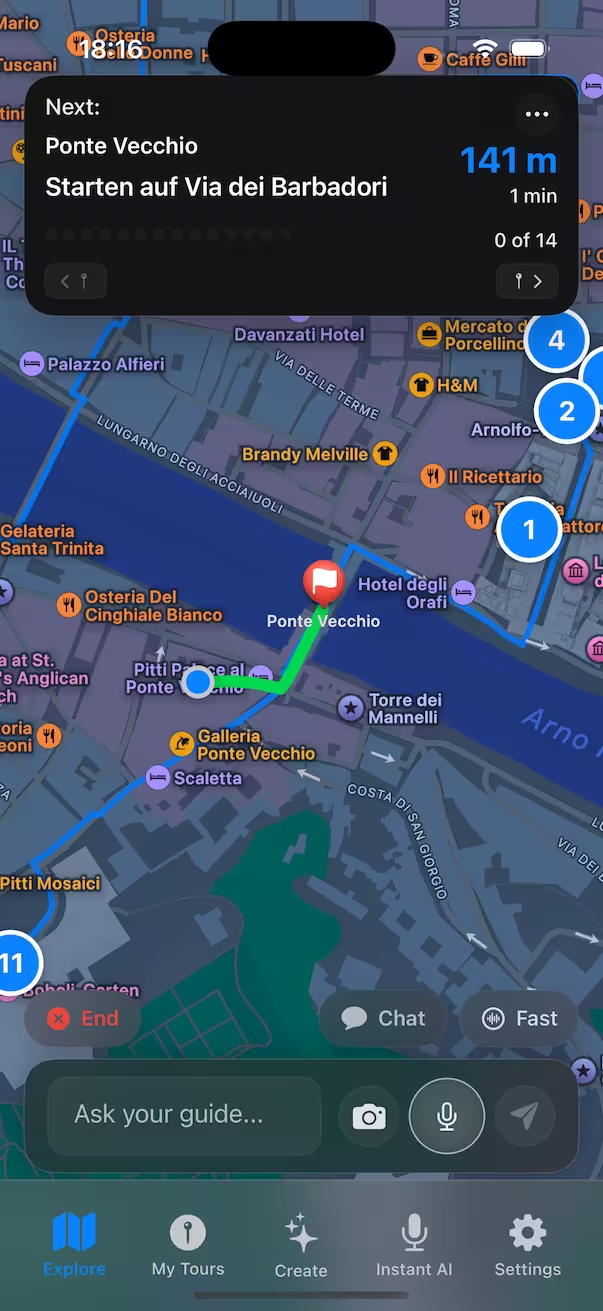
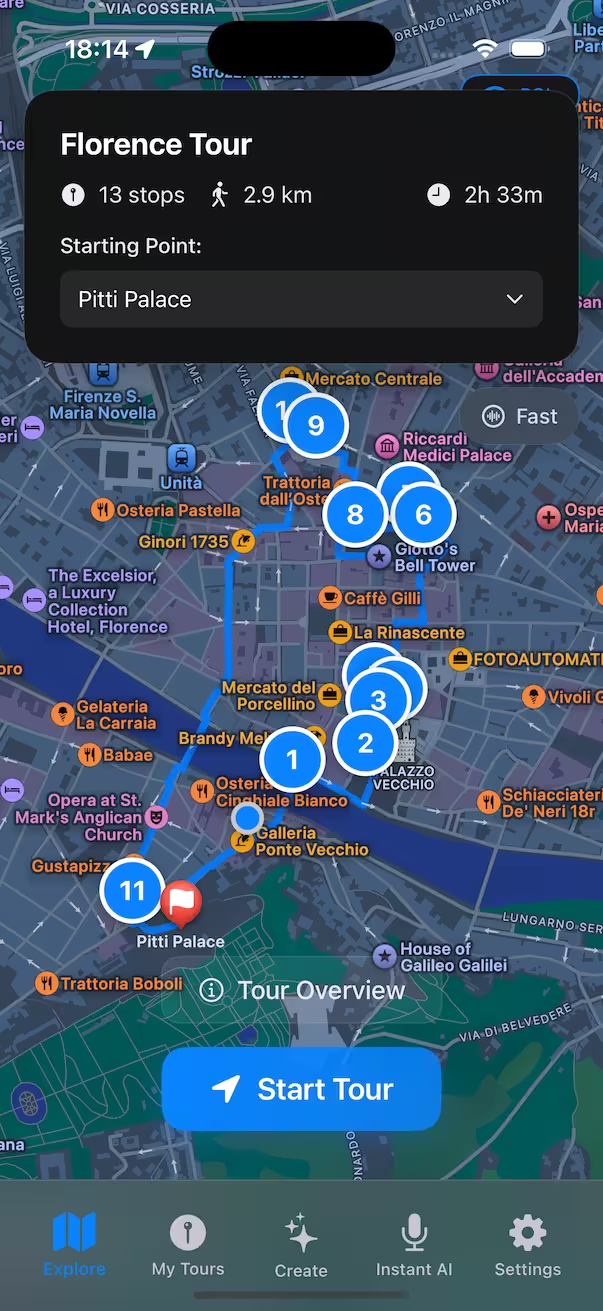
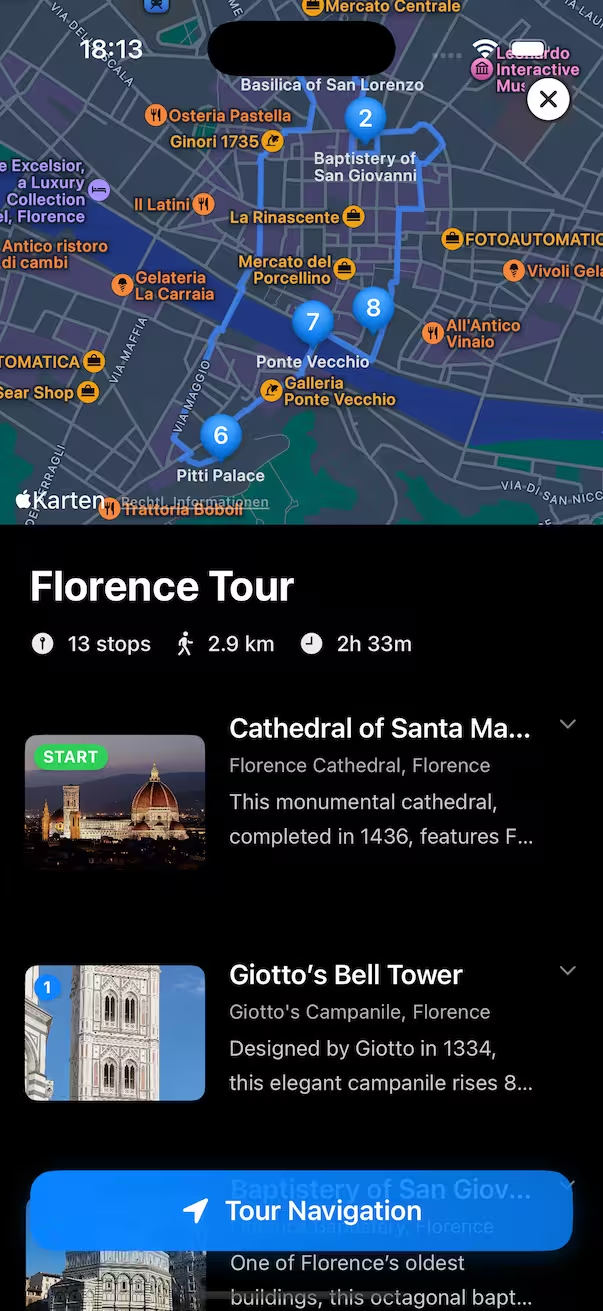
The classic Lucerne tour: 14 stops, 4.5 km, about 2 h on foot
Your live AI guide and the self-guided Lucerne route, together in your browser.