Best Time to Visit Marrakech
Month-by-month weather, crowds and prices, plus a full calendar of festivals and events worth planning a trip around.
Best monthsMar, Apr, Oct, Nov
CheapestJul, Aug
AvoidJul, Aug
BusiestApr, Oct

When is the best time to visit Marrakech?
Come in March, April, October or early November: 22-28°C, full opening hours at every sight, and the city's best light. July and August bring 38-44°C midday heat that compresses sightseeing into a few early and late hours. July is the cheapest and emptiest month, the trade being brutal afternoons.
Start our tool and find your best time to visit Marrakech
Your perfect month
Free · ~30 seconds
or tap a month directly
What matters to you?
And this?
Best overall: Mar, Apr, Oct. March after Ramadan ends, April, and October are the real thing: 22-28°C, every sight open, gardens in bloom or autumn light raking the Medina. Book early, because Easter and the autumn half-term send everyone else the same dates.
Best value: Nov, Jul. The first three weeks of November bring near-April weather at riad rates around 130 USD instead of 210, before the Film Festival spike. For the truly brave, July halves every accommodation price if you can master the heat.
Avoid: Jul, Aug. July and August: 38-44°C midday heat shrinks outdoor sightseeing to roughly 8-10:30 am and 5-8 pm. Not unbearable, but every plan bends around the sun, and the open Jemaa el-Fnaa at noon is genuinely punishing.
- January: Great time, 19°C. This is the honest budget-friendly Marrakech that few expect: warm afternoons on the rooftops, genuinely chilly evenings, and a Medina that feels lived-in rather than overrun. Pack a jumper for the riad courtyards, which hold the night cold long into the morning.
- February: Great time, 21°C. If you come during Ramadan, the rhythm shifts entirely: daytime quiet, then a Jemaa el-Fnaa that erupts the moment the sun drops. It is one of the most atmospheric times to be here, as long as you accept reduced daytime dining and the sundown taxi vanishing act.
- March: Great time, 23°C. After Eid, mid-to-late March is arguably the single best moment of the year: temperatures kind, blossom out, full opening hours returning, and prices not yet at the April peak. The few days of Eid itself are a wonderful family spectacle but a poor time for serious sightseeing.
- April: Good time, 26°C. Everyone has read that April is perfect, and it is, which is also the catch: this is peak-price, peak-crowd Marrakech behind a shoulder-season reputation. The weather genuinely is the year's finest, but you pay top rates and queue at Majorelle. Book weeks ahead or accept the leftovers.
- May: Good time, 30°C. Early May still feels like spring's tail and books like it. The shadow over the month is Eid al-Adha: arrive in the days around it and you find souks shut, food stalls thinned, and the sheep-sacrifice tradition visible in the streets. Plan around it or embrace it as a rare window into Moroccan family life.
- June: Tough month, 33°C. June is the smart traveller's bargain if you respect the sun: empty courtyards, slashed prices, and a Medina that feels yours before 10 am. The midday hours are for a shaded riad or an air-conditioned museum, not the open Jemaa el-Fnaa. Pair it with an Atlas escape for instant relief.
- July: Tough month, 38°C. July is not unbearable, but it is uncompromising: your sightseeing day shrinks to roughly 8-10:30 am and 5-8 pm, with the middle reserved for shade. The reward is the emptiest, cheapest Marrakech of the year and a Jemaa el-Fnaa at night that feels purely local. For heat-tolerant budget travellers, it is a genuine opportunity.
- August: Tough month, 38°C. August doubles down on July's bargain: yearly-low prices and a city left to locals and the truly heat-hardy. If you can structure a day around 40°C, the night-time Jemaa el-Fnaa is unforgettable and uncrowded. If you can't, this is the month the verdict says to skip. There is no middle ground with the heat.
- September: Tough month, 33°C. September is the honest transition: still warm enough that midday wants caution, but no longer the furnace of August. It is a quietly good-value window, with prices rebuilding but not yet at peak. Early in the month feels like late summer; by the end it tips toward the golden autumn season.
- October: Good time, 30°C. October delivers everything April does with arguably better light and a more relaxed energy after the summer reset. The catch is the same: it is genuinely peak season behind the shoulder-month label, so the top riads sell out and walk-up booking is wishful thinking. Plan ahead and it is hard to beat.
- November: Great time, 23°C. Early November is the local's secret: the single best balance of warm weather, low prices, and zero queues all year, with a romance to the autumn evenings. Then the Film Festival flips the city into glamour overdrive for a week, stars on the Jemaa el-Fnaa and hotel rates to match. Choose your November deliberately.
- December: Great time, 20°C. Early December is one of the year's quiet gems: warm enough by day, genuinely cold at night, and refreshingly empty before the holiday rush. The 10th-to-19th window is the budget traveller's secret. From the 20th it becomes a festive, pricey short-break city, with New Year's Eve fireworks over the Jemaa el-Fnaa and dinners booked weeks ahead.
Marrakech weather by month
HighLowRainfall
Jan19°
Feb21°
Mar23°
Apr26°
May30°
Jun33°
Jul38°
Aug38°
Sep33°
Oct30°
Nov23°
Dec20°
| Month | Temp | Rain | Sun | Crowds | Prices | Highlight |
|---|---|---|---|---|---|---|
| Jan | 19° / 5° | 34mm · 5 rainy days | 9.2 h/day | ●●●○○ | ●●●○○ | Marrakech International Marathon |
| Feb | 21° / 6° | 38mm · 6 rainy days | 9.7 h/day | ●●●○○ | ●●●○○ | 1-54 Contemporary African Art Fair |
| Mar | 23° / 8° | 49mm · 6 rainy days | 10.3 h/day | ●●●○○ | ●●●○○ | Ramadan |
| Apr | 26° / 12° | 34mm · 5 rainy days | 11.4 h/day | ●●●●○ | ●●●●○ | May of Photography |
| May | 30° / 15° | 19mm · 4 rainy days | 12.0 h/day | ●●●●○ | ●●●●○ | May of Photography |
| Jun | 33° / 17° | 3mm · 1 rainy days | 12.3 h/day | ●●○○○ | ●●○○○ | Marrakech Comedy Festival |
| Jul | 38° / 20° | 2mm · 1 rainy days | 12.6 h/day | ●●○○○ | ●○○○○ | National Festival of Popular Arts |
| Aug | 38° / 21° | 5mm · 2 rainy days | 12.2 h/day | ●●○○○ | ●○○○○ | Prophet's Birthday |
| Sep | 33° / 18° | 7mm · 2 rainy days | 10.7 h/day | ●●●○○ | ●●●○○ | |
| Oct | 30° / 15° | 18mm · 3 rainy days | 10.0 h/day | ●●●●○ | ●●●●○ | |
| Nov | 23° / 10° | 39mm · 5 rainy days | 9.2 h/day | ●●●○○ | ●●●○○ | Marrakech International Film Festival |
| Dec | 20° / 6° | 27mm · 4 rainy days | 8.9 h/day | ●●●○○ | ●●●○○ | Christmas and New Year |
How we score this: weather = long-run climate normals (Open-Meteo), crowds & prices = relative season read, events checked yearly against official dates.
Best time to visit Marrakech: weather, prices & crowds
Best months for good weather
Mar, Apr, Oct
March, April and October hold Marrakech at its kindest: 23-28°C in the daytime, deep-blue skies, and evenings warm enough to sit on a rooftop terrace over the Medina without a jacket.
Quietest months to avoid the crowds
Jul, Aug
July and August empty the city of European tourists. You walk into the Medersa Ben Youssef courtyard with no queue and find Jardin Majorelle quiet by mid-morning, the trade being 40°C heat you plan your day around.
Cheapest time to visit Marrakech
Jul, Aug
July and August are Marrakech's cheapest months: luxury riads drop rates 40-50% below the April peak and budget rooms start around 30-40 USD a night, with European flights at their lowest too.
Best time for festivals and events
Nov
Late November belongs to the Marrakech International Film Festival, when stars and directors mingle on the Jemaa el-Fnaa and free open-air screenings light up Africa's most glamorous film week.
How many days do you need in Marrakech?
Give Marrakech at least three days. One day barely scratches the surface of the Medina, and the city genuinely rewards the slower pace that lets you separate the monuments from the markets, the gardens from the squares, and the morning light from the evening rooftop. A fourth day opens up Atlas day trips or a run to Essaouira.

One day
Imperial core and the square
A tight single day focuses on the triangle that defines Marrakech: the Koutoubia Mosque as your first landmark, then the Saadian Tombs tucked behind the Kasbah, and Bahia Palace's 150 painted rooms. The self-guided Marrakech walking tour threads all 9 stops across 7.2 km in roughly 2.9 hours, covering Medersa Ben Youssef and Jemaa el-Fnaa too. Stay on the square after dark when food stalls and Gnawa musicians take over.
Two days
Northern Medina and the garden
The second day belongs to the northern Medina and Jardin Majorelle. Start at Dar El Bacha in the morning, cross through the souk streets to the Museum of Marrakech and Le Jardin Secret, then take a taxi to Jardin Majorelle before 10 am to beat the crowds. The Yves Saint Laurent Museum next door rounds out a culturally dense afternoon.
Three daysRecommended
Slow down, souks, and Dar Si Said
The third day is for depth rather than ticking: the Dar Si Said Museum's carved cedar galleries in the morning, a long negotiated loop through the souk quarter, and a late afternoon at a rooftop café overlooking the Koutoubia. Mornings in the souks before 10:30 am bring the most genuine trading atmosphere and the least pressure.
Four days or more
Atlas escape or Essaouira coast
A fourth or fifth day earns a day trip out of the city. The Ourika Valley in the Atlas foothills runs 10 to 15°C cooler and is less than an hour away, passing through Berber villages and river gorges. Essaouira on the Atlantic coast is a three-hour drive and pairs a medina, ramparts, and strong sea winds with an entirely different pace.
Best time to visit Marrakech by traveller type
Same city, different trip. Here's the month that fits how you're travelling.
🧭
Best time to visit Marrakech for the first time
MarOct
March after Ramadan, or October: perfect 22-26°C, every sight open with no religious closure traps, gardens in spring bloom or golden autumn light, and a Jemaa el-Fnaa at its liveliest in October.
❤️
Best time to visit Marrakech for couples
Nov
The first half of November: golden autumn light, prices 30-40% below peak, rooftop dinners over the Medina, and Jardin Majorelle in its autumn colours before the Film Festival crowds arrive.
💶
Best time to visit Marrakech on a budget
JulNov
July for accommodation 40-50% below the April peak and no queues at any sight, or the first three weeks of November for autumn weather at off-peak rates.
🍝
Best time to visit Marrakech for food and wine
AprOct
April and May during orange-blossom season and the Mai de la Photo openings, or October for the autumn harvest, pomegranates and figs, with Jemaa el-Fnaa's food stalls at their yearly peak.
Worst time to visit Marrakech
July and August are the months to reconsider. Midday temperatures hit 38°C as a baseline and spike past 44°C on the worst days, compressing every outdoor plan into two narrow windows: roughly 8 to 10:30 am and 5 to 8 pm. The open Jemaa el-Fnaa at noon is genuinely punishing, the souks lose their energy in the afternoon siesta, and the Eid al-Adha week around late May into early June leaves the food stalls on the square thinned for up to two weeks as butchers and fish suppliers pause.
Still worth it for July and August work well for heat-tolerant budget travellers: luxury riads drop 40 to 50% below the April peak, there are no queues at Medersa Ben Youssef or the Saadian Tombs, and the night-time Jemaa el-Fnaa feels authentically local rather than tourist-heavy.
Go instead in March, April, October, November, when Marrakech is at its best.
Best time for a tour of Marrakech
The 7.2-kilometre route through Marrakech's medina is shaped as much by temperature as by curiosity. October and November are the sweet spot: highs of 23 to 30 °C, barely any rain, and thin crowds that let you linger at Bahia Palace without pressing against other visitors. March and April work nearly as well, warm but not scorching, the light clean and sharp across the ochre walls. January and February are cooler, dipping to 5 to 6 °C at night, and while the days are mild enough at 19 to 21 °C, the mornings can feel raw in the open courtyards of Medersa Ben Youssef. The real wall to plan around is summer: July and August push highs to 38 °C and the medina's narrow lanes offer almost no shade. The walk from Koutoubia Mosque to Jemaa el-Fnaa is exposed mid-morning, and by noon the stone of the Saadian Tombs radiates enough heat to make the whole visit punishing. Summer does bring notably quieter streets, but unless you are out before 9 am and again after 5 pm you will feel every degree.
With AI Tourguide running in your browser, no login, no download, you set the clock yourself. On a July morning, start your Marrakech tour at sunrise and let the guide lead you through the cool shadows of the medina before the heat builds. In October you can stroll at midday without a second thought. A voice-first guide leads the walk, tells the story of Dar Si Said Museum while you stand in front of it, asks what you want to hear more about, and shapes the rest of the tour around your answers. No departure time set by an operator, no group moving faster than you want, just the medina at whatever hour the weather makes right for you.


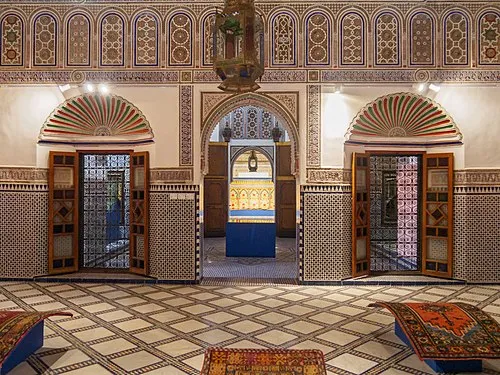 +5
+5All 9 stops are already on the map.
You just press start.
You just press start.
 AI Tourguide
You just read the route.
Now walk it with a guide in your ear.
Press start wherever you are, even hundreds of kilometres from Marrakech, and the guide begins telling its stories right away. In the city, pick any of the 9 stops to start from: it leads you there, then talks with you the whole route, asking, listening, remembering, and shaping the tour around your answers.
9stops7.2km2.9hours11languages
▶Start the tour freeFree to start · Runs in your browser · No app, no download
Marrakech events and festivals calendar
Annual highlights worth timing a trip around, listed month by month.
January
🏃 SportMarrakech International Marathon Marathon International de Marrakech
Jan 25
Last Sunday of January
One of Africa's largest marathons, with 13,000-plus runners on a route winding through the Medina and the Palmeraie.
February
🎨 Art and culture1-54 Contemporary African Art Fair 1-54 Foire d'Art Africain Contemporain
Feb 5–8
Early February, with a VIP preview the first days and the public the final weekend
The only art fair in the world devoted solely to contemporary African art, gathering 20-plus galleries from 10 countries across La Mamounia, the MACAAL museum and LE 18.
⛪ ReligiousRamadan
Feb 18 – Mar 19 ~
Roughly mid-February to mid-March, shifting about 11 days earlier each year
The Islamic holy month of dawn-to-sunset fasting.
March
🇮 HolidayEid al-Fitr
Mar 20–21 ~
Two days at the end of Ramadan, moveable by about a day
The two-day festival ending Ramadan: a family celebration where souks and markets partly close, but the Jemaa el-Fnaa celebrates deep into the night.
April
🎨 Art and cultureMay of Photography Mai de la Photo
Apr 29 – May 31
Late April through the end of May
A month-long photography festival with around 30 exhibitions spread across the Institut Francais, Maison de la Photographie, Jardin Majorelle, MACAAL and the YSL Museum, with a new theme each edition.
May
🌸 Seasonal natureRose Festival, Valley of Roses Festival des Roses, Kelaat M'Gouna
May 6–9 ~
Early May, following the rose bloom
A celebration in the Dades Valley 330km away, with a rose-queen contest, parade, craft markets and Damascene rose-oil production amid pink-carpeted fields at 1,450m.
🇮 HolidayEid al-Adha
May 26–27 ~
Two days in late May or early June, moveable about 11 days earlier each year
The Festival of Sacrifice: a two-day holiday when souks and many restaurants close for 1-2 days, and the Jemaa el-Fnaa food stalls run reduced for up to two weeks as butchers and fish suppliers pause.
June
🎵 MusicMarrakech Comedy Festival
Jun 4–6
Early June
The revival of the legendary 'Marrakech du Rire' under a new name, with an Arabic-language gala and francophone galas headlined by Malik Bentalha at the Palais des Congres, broadcast on Disney+.
🎵 MusicGnaoua World Music Festival Festival Gnaoua et Musiques du Monde
Jun 25–27
Late June
Held in Essaouira 3 hours away, this UNESCO-recognised festival fuses mystical Gnaoua ritual music with world music on the Place Moulay Hassan, drawing over 500,000 visitors.
July
🎉 FestivalNational Festival of Popular Arts Festival National des Arts Populaires
Jul 2–6
Early July
Morocco's foremost folklore festival, gathering Ahidous from the Atlas, Gnaoua rituals and Taskiwin from the Souss in national costume at the Palais El Badi and the Jemaa el-Fnaa.
August
⛪ ReligiousProphet's Birthday Mawlid
Aug 24–25 ~
Late August or early September, moveable about 11 days earlier each year
A national religious holiday marking the Prophet's birthday: mosques fill and souks close for half the day in quiet observance.
November
🎬 FilmMarrakech International Film Festival Festival International du Film de Marrakech
Nov 20–28
Late November
Africa's most prestigious film festival, with an international competition, retrospectives and stars on the Jemaa el-Fnaa, where free open-air screenings draw huge crowds.
December
🌸 Seasonal natureChristmas and New Year Noel et Nouvel An
Dec 20–31
20-31 December
European short-break travellers flood the city for warm-weather Christmas and New Year, with fireworks over the Jemaa el-Fnaa on New Year's Eve.
Insider tips for visiting Marrakech
The rules buried in forums, in one place.
- Buy Jardin Majorelle tickets online and aim to be in line before 8 am, never arriving after 10. Weekend and school-holiday slots sell out days ahead, and even at opening you will already meet a queue. A weekday morning, Monday to Thursday before 10, is the best mix of soft light and breathing room.
- During Ramadan, lock in a taxi 45-60 minutes before sunset. In the half hour before the Ftour fast-breaking, every taxi vanishes from the streets, and you can wait 45-90 minutes or walk. Arrange a riad transfer in advance, or simply stay on the Jemaa el-Fnaa and watch the food stalls roar to life at sundown.
- After Eid al-Adha, the Jemaa el-Fnaa food stalls run reduced for up to two weeks. Butchers and fish suppliers take the family holiday, so many of the roughly 100 grills stay shut. If the open-air dinner is on your list, build in at least a 10-day buffer after the festival.
- On Marathon Sunday, late January, the centre is closed to traffic from 7 am to noon as the route runs through the Medina and Palmeraie. If your riad sits near the course, check out early or arrange luggage the night before. To watch, claim a spot near the Jemaa el-Fnaa by 8 am.
- Medersa Ben Youssef is almost empty on a Tuesday morning before 9:30. Most tour groups arrive between 10 am and 2 pm, so an early start gives you one of North Africa's finest Islamic courtyards more or less to yourself. The school is open daily, roughly 9 am to 4:30 pm.
- Never try to enter Koutoubia or any working mosque: non-Muslims are not admitted. Plan for the exterior view instead. The best Koutoubia photo light is early morning, around 8-9 am with low backlight from the east, or the hour after sunset when the minaret is lit.
- Time the souks for 8-10:30 am to actually talk to traders, and 5-7 pm for atmosphere. Between noon and 4 pm the summer heat peaks and merchants drift into a siesta rhythm. Mornings bring genuine sellers with less haggling pressure; evenings bring the most atmospheric lantern light.
- Maison de la Photographie usually closes on Tuesdays, so check ahead before building a day around it. More broadly, on Eid days and the morning of Mawlid in late August, some monuments open only in the afternoon, so put indoor sights later in the day.
Public holidays in Marrakech
On these dates many shops and offices close, transport thins out, and sights can be mobbed or shut. Plan around them.
| Date | Holiday | What closes |
|---|---|---|
| Jan 1 | New Year's Day | Some souks and restaurants close; the Jemaa el-Fnaa stays lively until the early hours. International sights largely open as normal. |
| Jan 11 | Independence Manifesto Day | National holiday: government offices and banks closed, but tourist sights mostly stay open. Minimal practical impact on a visit. |
| Jan 14 | Amazigh New Year (Yennayer) | New official paid holiday since 2024: banks closed, tourist sights open. Some local cultural celebrations around the Medina. |
| Feb 18 | Ramadan begins | Through to around 19 March, local Medina cafés and restaurants close until sunset; tourist restaurants stay open. Taxis vanish in the half hour before sunset; the Jemaa el-Fnaa is twice as lively after dark. |
| Mar 20 | Eid al-Fitr (end of Ramadan) | Two-day moveable holiday: souks shut for 1-2 days, many local restaurants close, and the Jemaa el-Fnaa celebrates late into the night. Riads booked out; not the window for intensive sightseeing. |
| Apr 5 | Easter Sunday | Not a Moroccan holiday, but the peak European demand date: April is the most expensive month, and Jardin Majorelle sells out days ahead. Sights operate normally. |
| May 1 | Labour Day | National holiday: some sights may keep shorter hours. Jardin Majorelle and Bahia Palace generally open as usual. |
| May 26 | Eid al-Adha | Heaviest tourist impact: the Jemaa el-Fnaa food stalls run sharply reduced for up to two weeks as butchers and fish suppliers pause. Souks shut 1-2 days; top riads book out months ahead. |
| Jul 30 | Throne Day | National holiday with parades and a festive mood. Sights stay open. Falls in the hottest stretch of the year. |
| Aug 21 | Youth Day (King's Birthday) | National holiday with celebrations. Practical impact on sightseeing is light, beyond a more festive city. |
| Aug 24 | Mawlid (Prophet's Birthday) | Moveable religious holiday: souks close for half the day and mosques fill. Some monuments may only open in the afternoon, so schedule indoor sights later. |
| Nov 18 | Independence Day | National holiday: most sights stay open. Falls in the quieter first half of November, before the Film Festival spike. |
| Dec 25 | Christmas Day | Not a Moroccan holiday, but European short-break crowds peak from 20 December. Before that date the city is half-empty and cheap; New Year's Eve dinners need booking 4-6 weeks ahead. |
Marrakech month by month
January in Marrakech
High19°C / 66°F
Low5°C
Rain34mm / 5 rainy days
Sun9.2 h/day
Daylight10 h/day
Humidity63%
Crowds●●●○○Prices●●●○○
January is Marrakech's mild-winter escape: 19°C highs under strong 9-hour sun, but cold 5°C nights that catch out anyone packing only for the day. Around 34mm of rain falls over five days, usually as short showers rather than a soak. Crowds are moderate, swelled mainly by European sun-seekers from Britain, France and Germany and by the marathon weekend at month's end.
The vibe This is the honest budget-friendly Marrakech that few expect: warm afternoons on the rooftops, genuinely chilly evenings, and a Medina that feels lived-in rather than overrun. Pack a jumper for the riad courtyards, which hold the night cold long into the morning.
Don't miss Almond blossom opens in the Ourika Valley an hour away, the year's first signal of spring in the Atlas. The marathon turns the Medina and Palmeraie into a running stage for one spectacular Sunday morning.
Crowd drivers The Marrakech Marathon on the last Sunday spikes central bookings; otherwise European winter-sun travellers keep it steady but never crushed.
In season Citrus season peaks: stalls pile up oranges and clementines, and fresh orange juice on the Jemaa el-Fnaa is at its cheapest and best.
Average riad nights around 75 USD, but Marathon weekend adds 30-40% to central hotels.
Events this month
🏃 SportMarrakech International Marathon Marathon International de Marrakech
Jan 25
Last Sunday of January
One of Africa's largest marathons, with 13,000-plus runners on a route winding through the Medina and the Palmeraie. The city centre closes to traffic from 7 am to noon, and a half-marathon runs alongside the full distance.
Even if you are not running, the Medina makes a spectacular backdrop, and a spot near the Jemaa el-Fnaa by 8 am puts you on the front-runners' route.
February in Marrakech
High21°C / 69°F
Low6°C
Rain38mm / 6 rainy days
Sun9.7 h/day
Daylight11 h/day
Humidity61%
Crowds●●●○○Prices●●●○○
February warms gently to 21°C highs with the year's clearest air, though nights still drop near 6°C. Around 38mm of rain over six days keeps the gardens green. The mood splits this year: Ramadan begins around 18 February, so culture-minded visitors travel on while party tourism thins, and the 1-54 contemporary African art fair pushes the luxury end to full capacity for one glittering week.
The vibe If you come during Ramadan, the rhythm shifts entirely: daytime quiet, then a Jemaa el-Fnaa that erupts the moment the sun drops. It is one of the most atmospheric times to be here, as long as you accept reduced daytime dining and the sundown taxi vanishing act.
Don't miss 1-54, the only fair worldwide devoted to contemporary African art, takes over La Mamounia, MACAAL and LE 18 with 20-plus galleries. Almond blossom blankets the Ourika Valley foothills.
Crowd drivers The 1-54 fair early in the month fills La Mamounia and high-end riads; Ramadan starting mid-month draws cultural travellers but deters the party crowd.
In season During Ramadan, evening harira soup and chebakia pastries appear everywhere for the Ftour; the post-sunset food scene is at its most authentic.
1-54 art-fair week pushes La Mamounia and central riads up 20-35%; Ramadan from mid-month softens last-minute rates in simple guesthouses.
Events this month
🎨 Art and culture1-54 Contemporary African Art Fair 1-54 Foire d'Art Africain Contemporain
Feb 5–8
Early February, with a VIP preview the first days and the public the final weekend
The only art fair in the world devoted solely to contemporary African art, gathering 20-plus galleries from 10 countries across La Mamounia, the MACAAL museum and LE 18.
It is the rare chance to meet leading African artists in a luxury setting that still carries Medina character, and a high point of Marrakech's cultural calendar.
⛪ ReligiousRamadan
Feb 18 – Mar 19 ~
Roughly mid-February to mid-March, shifting about 11 days earlier each year
The Islamic holy month of dawn-to-sunset fasting. Local Medina cafés and restaurants close during daylight, while tourist restaurants stay open, and the Jemaa el-Fnaa erupts twice as lively after the sunset Ftour.
Experiencing the city find its own nocturnal rhythm is unforgettable, as long as you accept reduced daytime dining and the taxi shortage in the half hour before sunset.
March in Marrakech
High23°C / 73°F
Low8°C
Rain49mm / 6 rainy days
Sun10.3 h/day
Daylight12 h/day
Humidity60%
Crowds●●●○○Prices●●●○○
March is when Marrakech turns the corner into spring: 23°C highs, gardens greening, and the first orange blossom scenting the Medina. Around 49mm of rain over six days makes it the wettest month, but the showers are brief. Ramadan ends around 19 March into the two-day Eid al-Fitr, a short, intense spike of closures and family celebration before the European spring season builds.
The vibe After Eid, mid-to-late March is arguably the single best moment of the year: temperatures kind, blossom out, full opening hours returning, and prices not yet at the April peak. The few days of Eid itself are a wonderful family spectacle but a poor time for serious sightseeing.
Don't miss Orange and citrus blossom fills riad courtyards and the Koutoubia gardens from late March, an intense scent you only get now. Jardin Majorelle's cacti and roses begin their April-May peak.
Crowd drivers Eid al-Fitr and Moroccan school holidays from 15-22 March drive a domestic spike; European travellers ramp up from late March as spring weather settles.
In season Eid al-Fitr brings sweet pastries and family feasts; once it passes, spring produce and fresh herbs return to the souk stalls.
Eid al-Fitr around 20-21 March spikes rates 40-60% for a few days; the post-Ramadan lull mid-month is spring's cheapest window, around 70-90 USD a night.
Events this month
🇮 HolidayEid al-Fitr
Mar 20–21 ~
Two days at the end of Ramadan, moveable by about a day
The two-day festival ending Ramadan: a family celebration where souks and markets partly close, but the Jemaa el-Fnaa celebrates deep into the night.
A unique window into Moroccan family life as the city follows its own 48-hour rhythm, though it is not the moment for intensive sightseeing.
⛪ ReligiousRamadan
Feb 18 – Mar 19 ~
Roughly mid-February to mid-March, shifting about 11 days earlier each year
The Islamic holy month of dawn-to-sunset fasting. Local Medina cafés and restaurants close during daylight, while tourist restaurants stay open, and the Jemaa el-Fnaa erupts twice as lively after the sunset Ftour.
Experiencing the city find its own nocturnal rhythm is unforgettable, as long as you accept reduced daytime dining and the taxi shortage in the half hour before sunset.
April in Marrakech
High26°C / 79°F
Low12°C
Rain34mm / 5 rainy days
Sun11.4 h/day
Daylight13 h/day
Humidity57%
Crowds●●●●○Prices●●●●○
April is Marrakech at its postcard best and busiest: faultless 26°C highs, gardens in full bloom, and no heat to plan around. Just 34mm of rain over five days keeps skies clear. This is the year's single busiest month, driven by European Easter, ideal weather and the spring bloom all landing together, which is exactly why prices peak and the best riads vanish from the booking sites.
The vibe Everyone has read that April is perfect, and it is, which is also the catch: this is peak-price, peak-crowd Marrakech behind a shoulder-season reputation. The weather genuinely is the year's finest, but you pay top rates and queue at Majorelle. Book weeks ahead or accept the leftovers.
Don't miss Jardin Majorelle's cacti and roses hit their most spectacular now, and the wider Mai de la Photo festival opens from 29 April across the city's galleries and museums.
Crowd drivers European Easter (5 April this year) plus flawless weather and the garden bloom converge into the year's demand peak.
In season Orange-blossom season is at its height, scenting pastries and the famous orange-flower water used across Moroccan cooking.
April is the most expensive month: averages around 216 USD a night, and the Easter weekend sells out Jardin Majorelle days ahead.
Events this month
🎨 Art and cultureMay of Photography Mai de la Photo
Apr 29 – May 31
Late April through the end of May
A month-long photography festival with around 30 exhibitions spread across the Institut Francais, Maison de la Photographie, Jardin Majorelle, MACAAL and the YSL Museum, with a new theme each edition.
A rare chance to see Marrakech's gallery scene at full strength, with most exhibitions free to enter.

May in Marrakech
High30°C / 87°F
Low15°C
Rain19mm / 4 rainy days
Sun12.0 h/day
Daylight14 h/day
Humidity50%
Crowds●●●●○Prices●●●●○
May tips toward summer: 30°C highs, the first real heat building toward afternoon, and just 19mm of rain over four days under nearly 12 hours of daily sun. Mornings and evenings stay glorious. European travellers are still active and the Moroccan school holidays of 3-10 May add domestic demand, but the late-month Eid al-Adha around 26-27 May is the month's pivot point.
The vibe Early May still feels like spring's tail and books like it. The shadow over the month is Eid al-Adha: arrive in the days around it and you find souks shut, food stalls thinned, and the sheep-sacrifice tradition visible in the streets. Plan around it or embrace it as a rare window into Moroccan family life.
Don't miss The Rose Festival in the Valley of Roses, 330km away in the Dades, peaks in early May, a fragrant pink-fields day trip; the month-long Mai de la Photo runs across the city's galleries.
Crowd drivers Moroccan school holidays (3-10 May) and the Eid al-Adha booking rush drive demand; European visitors are still present before the summer drop-off.
In season Damascene roses are harvested mid-April into June for rose water; in the city, spring produce and early stone fruit fill the markets.
First half holds near April levels around 190-210 USD; Eid al-Adha at month's end fills top riads up to three months ahead with last rooms up 50-100%.
Events this month
🌸 Seasonal natureRose Festival, Valley of Roses Festival des Roses, Kelaat M'Gouna
May 6–9 ~
Early May, following the rose bloom
A celebration in the Dades Valley 330km away, with a rose-queen contest, parade, craft markets and Damascene rose-oil production amid pink-carpeted fields at 1,450m.
A genuinely sensory day trip or overnight, fragrant and far from a tourist-only festival, and a fine pairing with a Marrakech base.
🇮 HolidayEid al-Adha
May 26–27 ~
Two days in late May or early June, moveable about 11 days earlier each year
The Festival of Sacrifice: a two-day holiday when souks and many restaurants close for 1-2 days, and the Jemaa el-Fnaa food stalls run reduced for up to two weeks as butchers and fish suppliers pause.
A profound look at Moroccan family tradition, but plan around it if you want the full souk and food-stall experience, and book riads months ahead.
🎨 Art and cultureMay of Photography Mai de la Photo
Apr 29 – May 31
Late April through the end of May
A month-long photography festival with around 30 exhibitions spread across the Institut Francais, Maison de la Photographie, Jardin Majorelle, MACAAL and the YSL Museum, with a new theme each edition.
A rare chance to see Marrakech's gallery scene at full strength, with most exhibitions free to enter.
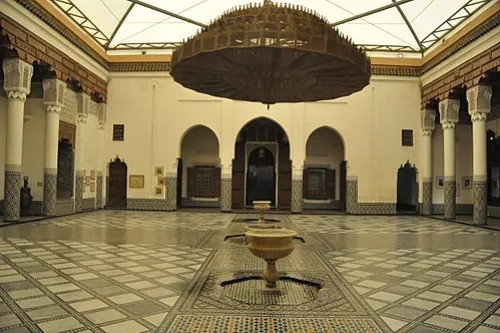
June in Marrakech
High33°C / 91°F
Low17°C
Rain3mm / 1 rainy days
Sun12.3 h/day
Daylight14 h/day
Humidity47%
Crowds●●○○○Prices●●○○○
June is when the heat arrives in earnest: 33°C highs, spiking to 35-40°C on the worst days, with almost no rain at 3mm. The dry heat is more bearable than humid coasts but still reshapes the day around early mornings and late evenings. European mass tourism falls away sharply, so this is your first month of real space at the sights and the year's cheapest riad rates beginning to appear.
The vibe June is the smart traveller's bargain if you respect the sun: empty courtyards, slashed prices, and a Medina that feels yours before 10 am. The midday hours are for a shaded riad or an air-conditioned museum, not the open Jemaa el-Fnaa. Pair it with an Atlas escape for instant relief.
Don't miss The Gnaoua World Music Festival in Essaouira, 3 hours away (25-27 June this year), pairs perfectly with Marrakech, and the Atlas foothills an hour out run 10-15°C cooler for a heat-beating day trip.
Crowd drivers Heat clears out European crowds; the new Comedy Festival early in the month and the Gnaoua Festival near Essaouira are niche draws rather than city-fillers.
In season Early stone fruit, apricots and the first melons appear; cold almond-milk and avocado juices on the Jemaa el-Fnaa become the drink of choice.
The cheapest month begins: averages around 180 USD, luxury riads cutting rates 40-50%, and cheaper direct flights from Europe.
Events this month
🎵 MusicMarrakech Comedy Festival
Jun 4–6
Early June
The revival of the legendary 'Marrakech du Rire' under a new name, with an Arabic-language gala and francophone galas headlined by Malik Bentalha at the Palais des Congres, broadcast on Disney+.
A cult festival under Malik Bentalha, but the venue seats only about 3,000, so book tickets early.
🎵 MusicGnaoua World Music Festival Festival Gnaoua et Musiques du Monde
Jun 25–27
Late June
Held in Essaouira 3 hours away, this UNESCO-recognised festival fuses mystical Gnaoua ritual music with world music on the Place Moulay Hassan, drawing over 500,000 visitors.
Free open-air stages and a one-of-a-kind musical tradition make it a natural Marrakech-plus-coast combination, though full festival nights warrant an overnight booked months ahead.

July in Marrakech
High38°C / 100°F
Low20°C
Rain2mm / 1 rainy days
Sun12.6 h/day
Daylight14 h/day
Humidity40%
Crowds●●○○○Prices●○○○○
July is high summer and the year's most extreme month: 38°C highs that spike past 44°C, direct midday sun on the open Jemaa el-Fnaa that is genuinely punishing, and effectively no rain. The dry Saharan heat is underrated precisely because it is not humid. International tourists are scarce, and the Festival National des Arts Populaires from 2-6 July draws mainly a Moroccan audience.
The vibe July is not unbearable, but it is uncompromising: your sightseeing day shrinks to roughly 8-10:30 am and 5-8 pm, with the middle reserved for shade. The reward is the emptiest, cheapest Marrakech of the year and a Jemaa el-Fnaa at night that feels purely local. For heat-tolerant budget travellers, it is a genuine opportunity.
Don't miss The Festival National des Arts Populaires, Morocco's foremost folklore festival, fills Palais El Badi and the Jemaa el-Fnaa with Atlas, Gnaoua and Souss dance, with El Badi by Night especially spectacular. The Toubkal massif and Ourika Valley offer cool escape an hour away.
Crowd drivers Peak heat keeps Europeans away entirely; the folklore festival draws a domestic crowd, not international tourism.
In season Watermelon, figs and grapes flood the souks; the Jemaa el-Fnaa snail and grilled-meat stalls run late into the cooler night air.
The cheapest month overall: accommodation 40-50% below spring, budget riads from 30-40 USD a night, and frequently cheap European flights.
Events this month
🎉 FestivalNational Festival of Popular Arts Festival National des Arts Populaires
Jul 2–6
Early July
Morocco's foremost folklore festival, gathering Ahidous from the Atlas, Gnaoua rituals and Taskiwin from the Souss in national costume at the Palais El Badi and the Jemaa el-Fnaa.
The single moment to see Morocco's whole folklore tradition in one place, with El Badi by Night a spectacular setting.

August in Marrakech
High38°C / 100°F
Low21°C
Rain5mm / 2 rainy days
Sun12.2 h/day
Daylight13 h/day
Humidity41%
Crowds●●○○○Prices●○○○○
August holds the extreme heat: 38°C highs, frequent 40-44°C afternoons, and warm 21°C nights that barely cool the Medina. Rain is negligible at 5mm. Like July, the open city is for early and late only. Few international tourists come, and the Prophet's Birthday around 24-25 August adds local observance. The Jemaa el-Fnaa after dark is at its most authentically Moroccan.
The vibe August doubles down on July's bargain: yearly-low prices and a city left to locals and the truly heat-hardy. If you can structure a day around 40°C, the night-time Jemaa el-Fnaa is unforgettable and uncrowded. If you can't, this is the month the verdict says to skip. There is no middle ground with the heat.
Don't miss Long warm evenings stretch the Jemaa el-Fnaa night life later than any other month, and the Atlas day-trip escape to cooler air is at its most valuable now.
Crowd drivers Extreme heat keeps international numbers at the year's lowest; Mawlid late in the month brings local closures rather than tourist crowds.
In season Late-summer figs, grapes and prickly pears are everywhere; cold avocado and almond-milk shakes are the survival drink of choice.
Accommodation sits at the yearly floor, luxury riads about 50% cheaper than April, with budget rooms widely available.
Events this month
⛪ ReligiousProphet's Birthday Mawlid
Aug 24–25 ~
Late August or early September, moveable about 11 days earlier each year
A national religious holiday marking the Prophet's birthday: mosques fill and souks close for half the day in quiet observance.
Little disruption for tourists, but plan indoor sights for the afternoon, as some monuments only open later on the main day.

September in Marrakech
High33°C / 91°F
Low18°C
Rain7mm / 2 rainy days
Sun10.7 h/day
Daylight12 h/day
Humidity51%
Crowds●●●○○Prices●●●○○
September is the relief month: heat eases to 33°C highs, nights soften, and 7mm of rain keeps it dry and clear. European autumn travellers begin returning, though EU school terms restarting keep families away early on, making this the first comfortable shoulder month. The worst of summer is behind, but the genuine sweet spot only really lands once October arrives.
The vibe September is the honest transition: still warm enough that midday wants caution, but no longer the furnace of August. It is a quietly good-value window, with prices rebuilding but not yet at peak. Early in the month feels like late summer; by the end it tips toward the golden autumn season.
Don't miss Cooling evenings bring the rooftop-terrace season back to life over the Medina, and Atlas day trips become comfortable again without the summer heat planning.
Crowd drivers European autumn travellers return as the heat breaks; EU school terms restarting hold back families and keep numbers below the October peak.
In season The autumn harvest begins: early pomegranates and the last figs appear, and the souk produce stalls refill after the summer.
Prices climb back 20-30% above August as demand returns; average riad nights around 130-150 USD.
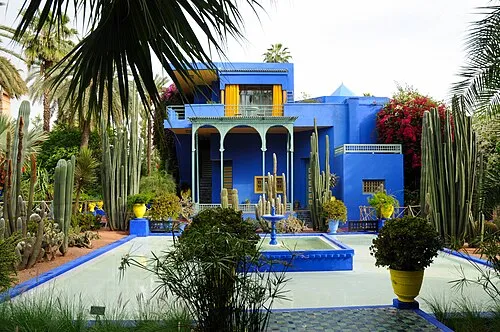
October in Marrakech
High30°C / 86°F
Low15°C
Rain18mm / 3 rainy days
Sun10.0 h/day
Daylight11 h/day
Humidity49%
Crowds●●●●○Prices●●●●○
October is autumn's peak and one of the two best months of the year: faultless 30°C highs, golden light, and only 18mm of rain over three days. The Jemaa el-Fnaa is at its liveliest, every sight runs full hours, and the food stalls reach their yearly high. British half-term and the French Toussaint holidays pour in, plus early Film Festival industry visitors, which is why this rivals April for price and crowds.
The vibe October delivers everything April does with arguably better light and a more relaxed energy after the summer reset. The catch is the same: it is genuinely peak season behind the shoulder-month label, so the top riads sell out and walk-up booking is wishful thinking. Plan ahead and it is hard to beat.
Don't miss The Jemaa el-Fnaa food stalls hit their yearly peak now, and the autumn light over the Medina and gardens is the most photogenic of the year. Atlas trekking is in prime condition.
Crowd drivers British half-term and French Toussaint holidays drive the autumn peak, with early Film Festival visitors adding to demand.
In season Autumn-harvest cooking peaks: pomegranates and figs are everywhere, and the Jemaa el-Fnaa grills are at their best and busiest.
Prices match April at around 190-200 USD; short-notice booking is barely possible for top riads.

November in Marrakech
High23°C / 74°F
Low10°C
Rain39mm / 5 rainy days
Sun9.2 h/day
Daylight11 h/day
Humidity58%
Crowds●●●○○Prices●●●○○
November splits in two. The first three weeks are the year's best price-to-weather deal: 23°C highs, golden autumn light, the peak season over, and the Film Festival not yet begun, at riad rates around 130 USD instead of 210. Then 20-28 November the Marrakech International Film Festival lands and prices explode. Around 39mm of rain over five days means real but brief showers.
The vibe Early November is the local's secret: the single best balance of warm weather, low prices, and zero queues all year, with a romance to the autumn evenings. Then the Film Festival flips the city into glamour overdrive for a week, stars on the Jemaa el-Fnaa and hotel rates to match. Choose your November deliberately.
Don't miss The Marrakech International Film Festival, Africa's most prestigious, puts stars and free open-air screenings on the Jemaa el-Fnaa. Outside that week, the year's softest light and emptiest sights reward early-November visitors.
Crowd drivers The first weeks are genuinely quiet; the Film Festival (20-28 Nov) then sends hotel prices soaring across the Palmeraie and Medina for one week.
In season Late-autumn produce, the first winter citrus and seasonal tagine vegetables fill the souks; rooftop dinners are still comfortable most evenings.
The first three weeks are the best value of the year, around 130 USD; the Film Festival week (20-28 Nov) spikes Medina and Palmeraie hotels 50-80%.
Events this month
🎬 FilmMarrakech International Film Festival Festival International du Film de Marrakech
Nov 20–28
Late November
Africa's most prestigious film festival, with an international competition, retrospectives and stars on the Jemaa el-Fnaa, where free open-air screenings draw huge crowds.
The glamour is immense as stars mingle in the Medina, but hotel prices explode, so book very early or deliberately visit the quieter, cheaper first week of November instead.

December in Marrakech
High20°C / 69°F
Low6°C
Rain27mm / 4 rainy days
Sun8.9 h/day
Daylight10 h/day
Humidity64%
Crowds●●●○○Prices●●●○○
December is two cities in one. Until around 20 December it is quiet and well-priced: mild 21°C days, cold 6°C nights, and 27mm of rain over four days. After the 20th, European short-break crowds pour in for Christmas and New Year warmth, and prices and crowds jump. Days are short, with sunset near 5:30 pm, but the Jemaa el-Fnaa fills early in the evening regardless.
The vibe Early December is one of the year's quiet gems: warm enough by day, genuinely cold at night, and refreshingly empty before the holiday rush. The 10th-to-19th window is the budget traveller's secret. From the 20th it becomes a festive, pricey short-break city, with New Year's Eve fireworks over the Jemaa el-Fnaa and dinners booked weeks ahead.
Don't miss New Year's Eve brings fireworks over the Jemaa el-Fnaa and a packed celebration; before 20 December, the city is half-empty for crisp, sunlit winter sightseeing without queues.
Crowd drivers European Christmas and New Year short breaks from 20 December drive the spike; before that, December is one of the quietest stretches of the year.
In season Winter citrus peaks, fresh orange juice at its cheapest on the square, and warming harira soup and tagines suit the cold evenings.
Before 20 December, luxury riads run about 50% below summer; from 20-31 December a 20-40% Christmas and New Year spike kicks in.
Events this month
🌸 Seasonal natureChristmas and New Year Noel et Nouvel An
Dec 20–31
20-31 December
European short-break travellers flood the city for warm-weather Christmas and New Year, with fireworks over the Jemaa el-Fnaa on New Year's Eve. Before 20 December the city stays half-empty and cheap.
Lively festive energy and a winter-sun escape, but the best value for budget travellers is the 10-19 December window just before the rush.
Frequently asked questions
What is the best time to visit Marrakech?
March after Ramadan ends, April, October and the first half of November are the best months to visit Marrakech. You get 22-28°C, full opening hours at every sight, gardens in bloom or golden autumn light, and no heat stress. April and October are peak-priced, so early November offers the best balance of weather and value.
What are the cheapest months to visit Marrakech?
July and August are the cheapest months to visit Marrakech, with luxury riads cutting rates 40-50% and budget rooms from 30-40 USD a night. The first half of December is also good value before the Christmas rush. The catch with summer is 38-44°C heat that limits sightseeing to early mornings and evenings.
What is the worst time to visit Marrakech?
July and August are the hardest months, with midday temperatures of 38-44°C that compress outdoor sightseeing into roughly 8-10:30 am and 5-8 pm. The Eid al-Adha week, late May this year, is also tricky: souks shut and the Jemaa el-Fnaa food stalls run reduced for up to two weeks afterwards.
How hot is Marrakech in summer?
Marrakech summers are extreme, with July and August highs around 38°C that regularly spike past 44°C, and warm nights near 21°C. The heat is dry rather than humid, which makes it more bearable but easy to underestimate. Plan sightseeing for before 10:30 am and after 5 pm, and escape to the Atlas Mountains for cooler air.
Is it worth visiting Marrakech during Ramadan?
Yes, if you know what to expect. During Ramadan, around 18 February to 19 March this year, local Medina restaurants close until sunset while tourist restaurants stay open, and the Jemaa el-Fnaa becomes twice as lively after the Ftour. Taxis vanish in the half hour before sunset, so arrange a riad transfer or stay near the square.
When is Marrakech the most crowded and expensive?
April is the busiest and most expensive month, averaging around 216 USD a night, driven by European Easter, perfect weather and the spring bloom. October matches it for crowds and price during British half-term and the French Toussaint. The Film Festival week, 20-28 November, also spikes hotels 50-80%.
What is the best time to visit Marrakech with kids?
March after Ramadan, or October, suits families best: 20-26°C that children can handle, gardens in bloom, and easy Atlas day trips an hour away. Avoid July and August, when 40-44°C afternoons make the souks and Jemaa el-Fnaa miserable, and steer clear of the Eid al-Adha week when sheep-sacrifice scenes appear in the streets.
Does it rain much in Marrakech?
Marrakech is semi-arid, so rain is light and rarely lasts. Most falls between November and March as brief showers rather than all-day soaks, peaking around 49mm in March. July and August are effectively rainless at 2-5mm. Even in the wetter months, a light rain layer is enough and the showers usually pass quickly.
How many days do you need in Marrakech?
Three to four days covers Marrakech's core: the Jemaa el-Fnaa, the souks, Jardin Majorelle, Bahia Palace, the Saadian Tombs and Medersa Ben Youssef, with time to slow down on a riad rooftop. Add a day or two for an Atlas Mountains or Essaouira excursion, especially in summer when a cooler escape is welcome.

Any month, any day: your guide is already there
Whatever date you pick, a private human guide gets pricier and harder to book on weekends, holidays and in peak season. Our live AI guide, the one that walks with you and answers anything you ask out loud, works the opposite way.
One flat price, every day
No holiday, weekend, night or peak-season surcharge. A private guide in Marrakech runs well over 100 euro for a half day, and more on holidays. Ours stays the same.
Available the moment you want it
Start at midnight or at dawn, on Christmas, in the snow, in the August heat. No sold-out high season, no booking weeks ahead.
Your pace, no meter running
Pause for a long lunch, restart after dark, repeat a stop. The tour simply waits for you.
Free to try, a fraction of the cost
Test it for free, then a transparent flat price that undercuts any private guide, in every season.
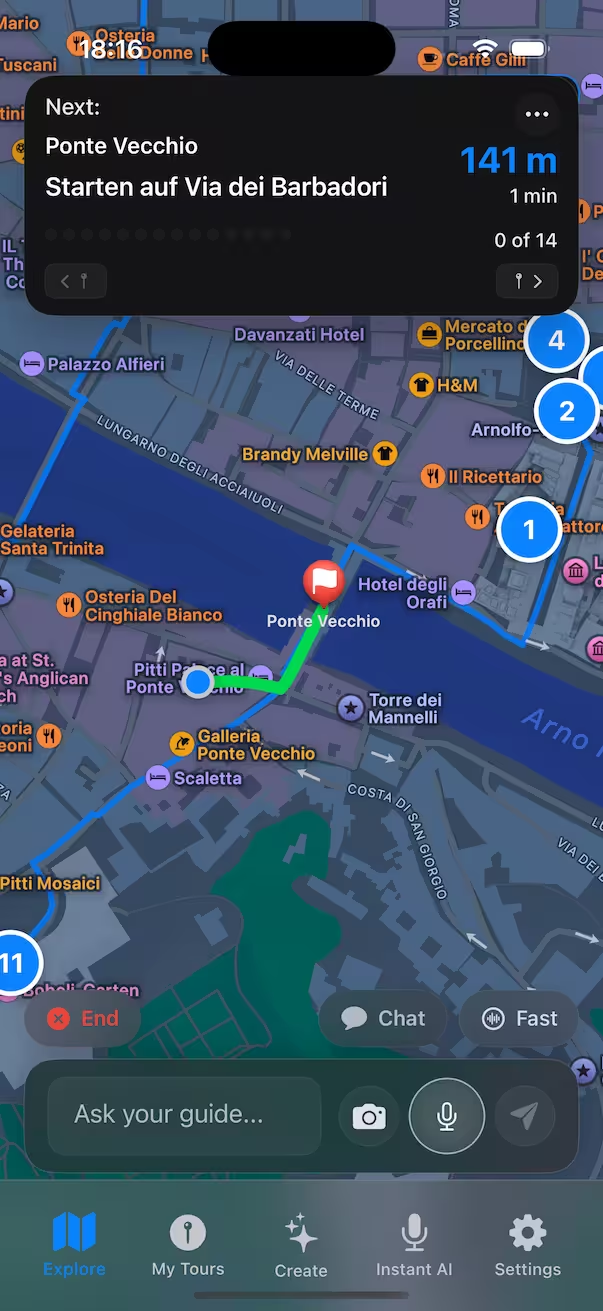
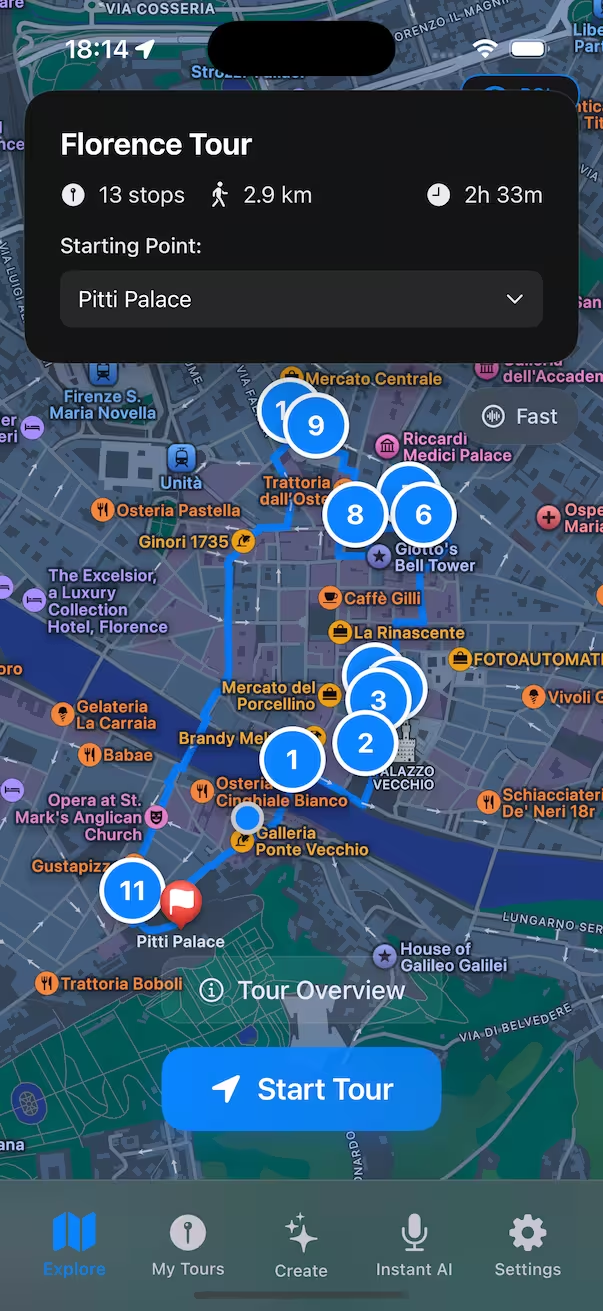
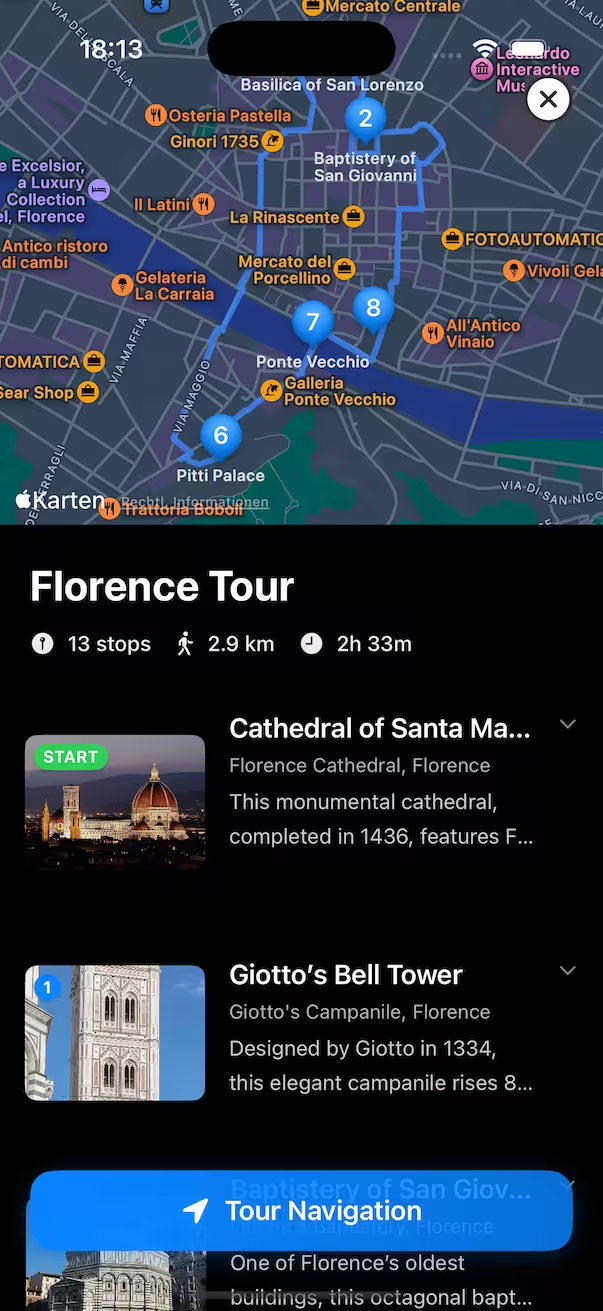
The classic Marrakech tour: 9 stops, 7.2 km, about 3 h on foot
Your live AI guide and the self-guided Marrakech route, together in your browser.