Best Time to Visit Munich
Month-by-month weather, crowds and prices, plus a full calendar of festivals and events worth planning a trip around.
Best monthsMay, Oct
CheapestJan, Feb, Nov
AvoidSep
BusiestSep
When is the best time to visit Munich?
Come in May or the first half of October: 15-22°C, beer gardens open, and crowds you can still walk through. September is the most expensive and packed because of Oktoberfest. January is the cheapest and emptiest, the trade being grey skies near freezing and 14 wet days.
Start our tool and find your best time to visit Munich
Your perfect month
Free · ~30 seconds
or tap a month directly
What matters to you?
And this?
Best overall: May, Oct. May and the first half of October are the real sweet spots: May brings the Frühlingsfest, open beer gardens and 18-24°C with no crush, while early October delivers post-Oktoberfest calm, peak autumn foliage in the third week and short museum queues. Book ahead, the locals have worked this out too.
Best value: Jan, Feb, Nov. January, February and November bring the year's lowest hotel rates, near-empty Pinakotheken, and the 1-euro Sunday museum trick that gets you a world-class painting collection for the price of a pretzel. The trade is cold, grey, often near-freezing days.
Avoid: Sep. September around Oktoberfest if the festival is not your aim: hotels triple, the centre overflows, and tent reservations need to be locked in months ahead. August also bites on price as Bavaria's school holidays peak.
- January: Tough month, 4°C. This is the one month the galleries feel almost private and the Romans, here the Münchners, are actually home. Café and Wirtshaus life is unhurried, and a Nymphenburg park dusted with snow is a postcard with no one in it. Grey, near-freezing days are the price, and a fair one.
- February: Tough month, 7°C. February is honest, unperformed Munich, no show put on for tourists and no seasonal markup. The Faschingsdienstag finale on 17 February is the one afternoon you see Münchners in full costumed abandon, the dance of the market women on the Viktualienmarkt the highlight.
- March: Good time, 10°C. March is the insider's Oktoberfest. The Starkbierzeit is a real Münchner ritual, the satirical Derbleck'n roast of politicians at the Nockherberg, that most tourists never even hear about. Drink a Salvator fresh from the tap in one of the city's oldest brewery halls, no costume crush required.
- April: Good time, 14°C. The Frühlingsfest is the festival atmosphere of Oktoberfest without the crush or the price spike, a local secret hiding in plain sight on the same Theresienwiese. April still has quiet edges, you can walk into a Schwabing Wirtshaus on a weekday evening, but that window is closing.
- May: Good time, 17°C. May genuinely earns its reputation, no asterisk needed. The crowds are present but never overwhelming, the beer gardens hum, and Nymphenburg park in spring green with the fountains running is Munich at its most effortless. Pack a rain layer for the afternoon storms and you have close to the perfect month.
- June: Good time, 22°C. June is the tipping point, when Munich shifts from busy-but-easy into full summer mode. The long evenings redeem the warm, crowded days: the Isar fills with swimmers, the beer gardens stay loud past sunset, and Tollwood turns the Olympiapark into one big open-air world-music party. The city genuinely comes alive once the sun drops.
- July: Good time, 24°C. July is summer Munich firing on all cylinders, hot, busy, and best lived outdoors and late. Midday in the sun can drag, but an evening at the Chinesischer Turm beer garden or an Isar swim at the Flaucher is the city at its happiest. This is where a private human guide gets expensive and books out, while our live AI guide stays a flat 5 euro an hour, walks you out at 8 am before the heat, and answers anything you ask along the way.
- August: Good time, 24°C. August is not empty-romantic Munich, it is survival-mode summer. The heat is real and the city has no coast to escape to, so the locals' trick is to live by the water: the Flaucher, the Eisbach, the Kleinhesseloher See. Do your sightseeing before 10 am, hit the Isar from noon, and come back out late. Done that way, August works.
- September: Tough month, 19°C. September is two cities in one. Until 18 September it is a beautiful, calm late-summer Munich. From the 19th it becomes Oktoberfest Munich, electric if you came for the Wiesn, overwhelming and overpriced if you did not. There is no half-measure: either commit to the festival and book months ahead, or come in the first half and leave before the tents open.
- October: Good time, 15°C. The second and third weeks of October are a secret hiding behind Oktoberfest's noise: the Wiesn is over, the prices have dropped, the foliage in the Englischer Garten and Nymphenburg park is at its golden peak, and you can get a dinner table without a queue. This is the most romantic, best-value window of the entire Munich year.
- November: Good time, 9°C. Early November is the off-season trough, low light, bare trees, and the city at its most local and unhurried, which is exactly why the galleries are a joy. Then the Christmas markets switch on in the last week and the whole mood flips: Glühwein steam, fairy lights, and Advent music drifting off the Marienplatz balcony.
- December: Tough month, 6°C. December Munich is a proper Christmas-card city: the Marienplatz market under the Neues Rathaus, snow dusting the Frauenkirche towers, the smell of roasted almonds everywhere. Weekday market visits are calm and magical; weekends are a crush. Just remember the city goes dead silent from Christmas Eve afternoon through the 25th.
Munich weather by month
HighLowRainfall
Jan4°
Feb7°
Mar10°
Apr14°
May17°
Jun22°
Jul24°
Aug24°
Sep19°
Oct15°
Nov9°
Dec6°
| Month | Temp | Rain | Sun | Crowds | Prices | Highlight |
|---|---|---|---|---|---|---|
| Jan | 4° / -3° | 78mm · 14 rainy days | 4.6 h/day | ●○○○○ | ●○○○○ | |
| Feb | 7° / -2° | 58mm · 12 rainy days | 6.4 h/day | ●●○○○ | ●○○○○ | Munich Carnival (Fasching) |
| Mar | 10° / 0° | 56mm · 11 rainy days | 8.3 h/day | ●●○○○ | ●●○○○ | Strong Beer Festival |
| Apr | 14° / 4° | 65mm · 12 rainy days | 9.7 h/day | ●●●○○ | ●●○○○ | Munich Spring Festival |
| May | 17° / 8° | 124mm · 16 rainy days | 9.8 h/day | ●●●○○ | ●●●○○ | Munich Spring Festival |
| Jun | 22° / 13° | 108mm · 14 rainy days | 11.8 h/day | ●●●●○ | ●●●○○ | Munich Pride (CSD) |
| Jul | 24° / 14° | 109mm · 14 rainy days | 11.7 h/day | ●●●●○ | ●●●●○ | Auer Dult Fair |
| Aug | 24° / 14° | 120mm · 14 rainy days | 10.6 h/day | ●●●●● | ●●●●○ | |
| Sep | 19° / 10° | 81mm · 12 rainy days | 9.1 h/day | ●●●●● | ●●●●● | Oktoberfest |
| Oct | 15° / 7° | 73mm · 11 rainy days | 6.8 h/day | ●●●●○ | ●●●●○ | Auer Dult Fair |
| Nov | 9° / 2° | 67mm · 11 rainy days | 5.1 h/day | ●●○○○ | ●●○○○ | Munich Christmas Market |
| Dec | 6° / -1° | 73mm · 14 rainy days | 4.2 h/day | ●●●○○ | ●●●○○ | Munich Christmas Market |
How we score this: weather = long-run climate normals (Open-Meteo), crowds & prices = relative season read, events checked yearly against official dates.
Best time to visit Munich: weather, prices & crowds
Best months for good weather
Jun, Jul
June and July give Munich its warmest, longest days: highs of 22-24°C, up to 16 hours of daylight, and full beer-garden season, though afternoon thunderstorms can roll off the Alps with little warning.
Quietest months to avoid the crowds
Jan, Feb, Nov
January, February and November are the emptiest months: the Pinakotheken galleries are near silent on a weekday, queues at the Residenz disappear, and you hear Bavarian instead of holiday English on the U-Bahn.
Cheapest time to visit Munich
Jan, Feb, Nov
January is the cheapest month of the year, with mid-range hotels from around 80 euro a night and state museums at 1 euro on Sundays. November keeps rates moderate and adds the free Christkindlmarkt as a no-ticket experience.
Best time for festivals and events
Sep, Dec
Oktoberfest (19 September to 4 October) is the world's largest folk festival, 6.7 million visitors across 17 beer tents on the Theresienwiese, while December brings the Christkindlmarkt on Marienplatz, with daily Advent music from the town-hall balcony.
How many days do you need in Munich?
Two full days cover Munich's historic core and one great museum. A third day opens the outer palaces, parks, and day trips. The compact Altstadt can be walked in an afternoon, but the city's depth in beer-garden culture, world-class collections, and surrounding countryside rewards staying longer.
One day
The Altstadt in a day
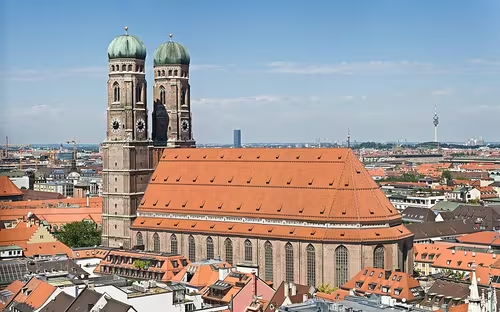
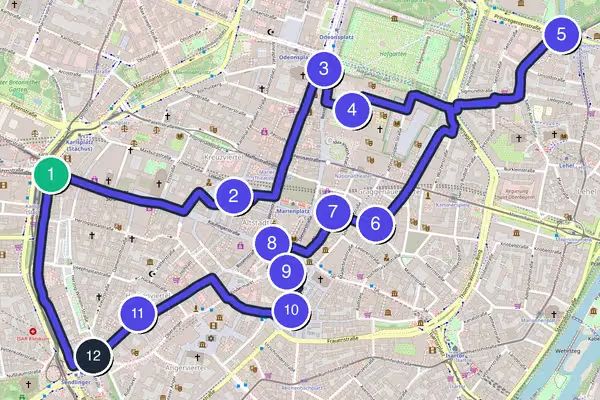
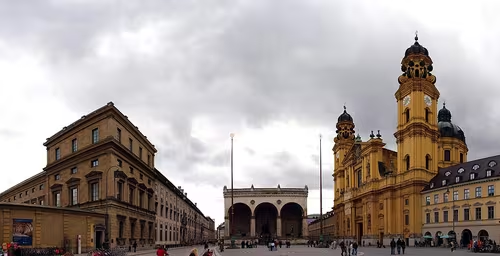
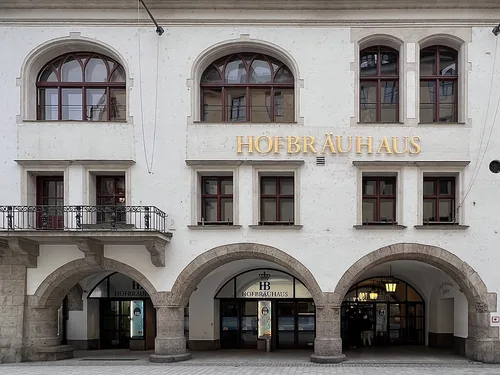
Start at Marienplatz, climb the tower of St. Peter's Church for the rooftop view over the Frauenkirche's twin copper domes, then graze the Viktualienmarkt's 140 stalls before walking past the Alter Hof to the Munich Residenz and Odeonsplatz. Finish at the Eisbachwelle to watch the surfers. This route is exactly what our self-guided Munich walking tour covers: 12 stops, 5.8 km, around 2.9 hours, closing with a stein at the Hofbräuhaus.
Two days
Museums and the English Garden
Dedicate your second day to the Pinakotheken quarter and the Englischer Garten. The Alte Pinakothek holds Rubens, Raphael and Dürer on Maxvorstadt's museum mile. Afterward, follow the Eisbach north through the park to the Chinesischer Turm beer garden for a Maß under the chestnuts, then walk south past the Monopteros for sunset. Tuesday or Wednesday evenings the Pinakotheken stay open until 8 pm, giving you two collections in one go.
Three daysRecommended
Nymphenburg and beyond the centre
Take tram 17 west to Schloss Nymphenburg, walk the baroque park to the Amalienburg hunting lodge, and time your visit before 16 October, when the park pavilions close for the season. Back in the city, the BMW Welt and Olympiaturm are within a single U-Bahn stop of each other. On a Föhn day, the tower gives a clear sightline all the way to the Zugspitze.
Four days or more
Day trips and deep dives
A fourth or fifth day opens up the surroundings. Neuschwanstein is a 2-hour train and bus ride from the Hauptbahnhof, reachable in a long day. Dachau Memorial is 25 minutes by S-Bahn and commuter bus. Back in the city, the Deutsches Museum on the Isar island holds 73,000 exhibits across nine floors and can absorb a full day on its own. On any free morning, the Viktualienmarkt (Mon-Sat, 8 am to 7 pm) is the best breakfast stop in Bavaria.
Best time to visit Munich by traveller type
Same city, different trip. Here's the month that fits how you're travelling.
🧭
Best time to visit Munich for the first time
MaySepOct
May, the first half of September before the Wiesn, or early October: pleasant weather, beer gardens in full swing, and every sight from the Residenz to Nymphenburg open without summer-peak crowds or Oktoberfest madness.
❤️
Best time to visit Munich for couples
Oct
The second and third weeks of October: golden light, autumn foliage in the Englischer Garten and Nymphenburg park, dinner without a queue, and Föhn days that put the Alps on the horizon.
💶
Best time to visit Munich on a budget
JanFebNov
January, February or November for the lowest rates of the year, the 1-euro Sunday museum deal that bundles the Alte Pinakothek and Brandhorst for 2 euro total, and the free Christkindlmarkt as winter's best no-cost evening.
🍝
Best time to visit Munich for food and wine
MarMayOct
March for the Starkbierfest strong-beer season at the Paulaner Nockherberg, May for white asparagus and strawberries at the Viktualienmarkt, or October for Oktoberfest roast and the Auer Kirchweihdult food stalls.
Worst time to visit Munich
September is the month to avoid unless Oktoberfest is your whole reason to come. From the festival opening around 19 September through the first Sunday of October, hotels near the Theresienwiese hit 300 to 500 euro a night, central rooms run 200 to 350, every U-Bahn carriage during Wiesn rush hours is packed shoulder to shoulder, and restaurant tables across the centre disappear days in advance. Without a tent reservation booked months earlier, weekend entry to the main tents is near impossible. August bites too: Bavaria's school summer holidays keep the city at capacity with afternoon temperatures regularly reaching 32 to 34°C and no coast to escape to.
Still worth it for If Oktoberfest is the point, September is the best month of the year: commit fully, book tent reservations from as early as December for the following season, and the first-week energy is genuinely electric. Early September before the 19th is also a calm, warm, excellent window for normal sightseeing.
Go instead in May, October, when Munich is at its best.
Best time for a tour of Munich
The 5.8-kilometre loop from Karlsplatz through Marienplatz, up to the Munich Residenz and back via the Viktualienmarkt is genuinely enjoyable in a narrow window: late April through early June and again in October. Those months give you 14 to 17 °C highs, dry enough pavements and crowds that are noticeable but not suffocating. July and August push to 24 °C with 14 rain days each, which sounds manageable until you are standing on the open cobbles of Odeonsplatz at noon, nowhere to shelter, with visitors packed shoulder to shoulder in every direction. August is the worst of it, with tourism at its absolute peak driven by Oktoberfest preparations and summer holidays converging. September is no quieter: Oktoberfest itself fills the city and the old town becomes heaving from the third week onward. Winter is the other extreme. January highs barely reach 4 °C, lows drop to -3 °C and the city sees 14 rain or sleet days; walking the full route to St. Peter's Church tower and back down through the Asamkirche is genuinely unpleasant in those conditions. February and March improve slightly but remain cold and grey, though the thin crowds mean the Hofbräuhaus courtyard is actually navigable.
With AI Tourguide running in your browser, no download needed, the climate becomes your schedule rather than a constraint imposed by a tour operator. If you are visiting in August, set off at 8 am before the Marienplatz fills and the sun hits the exposed sections of the route hard: the guide meets you at your starting point, opens the walk with the story of Karlsplatz and keeps the conversation going the whole way at whatever pace you choose. On a crisp October morning you can take your time at every stop, linger over the Viktualienmarkt stalls, and the guide adapts to what you find interesting rather than rushing a group to the next point. Whenever you are ready to go, start your Munich tour and let the city decide the rest.
 +8
+8All 12 stops are already on the map.
You just press start.
You just press start.
 AI Tourguide
You just read the route.
Now walk it with a guide in your ear.
Press start wherever you are, even hundreds of kilometres from Munich, and the guide begins telling its stories right away. In the city, pick any of the 12 stops to start from: it leads you there, then talks with you the whole route, asking, listening, remembering, and shaping the tour around your answers.
12stops5.8km2.9hours11languages
▶Start the tour freeFree to start · Runs in your browser · No app, no download
Munich events and festivals calendar
Annual highlights worth timing a trip around, listed month by month.
February
🎭 CarnivalMunich Carnival (Fasching) Fasching / Münchner Karneval
Feb 15–17 ~
The days before Lent, peaking on the weekend through Shrove Tuesday. The Gaudiwurm parade takes place on Shrove Tuesday from 10:30 am; dates move each year with the Easter calendar.
Bavaria's street carnival, with costume parades, dancing and the Gaudiwurm procession winding through Karlsplatz, Marienplatz and the Viktualienmarkt.
March
🍷 Food and wineStrong Beer Festival Starkbierfest / Starkbierzeit
Mar 6–29
A multi-week season through March, anchored by the Paulaner Nockherberg festival, typically running from early to late March.
Munich's strong-beer season, when breweries tap their double-malted Starkbier (Salvator, Triumphator and others).
April
🎉 FestivalMunich Spring Festival Frühlingsfest
Apr 17 – May 10
Mid-April to mid-May on the Theresienwiese, typically running for around three weeks.
The 'little Wiesn' on the Theresienwiese: two beer tents, more than 100 showmen, two fireworks displays, Bavaria's largest flea market in the opening weekend and a classic-car meet.
May
🎉 FestivalAuer Dult Fair Auer Dult
Apr 25 – Oct 25
Three editions a year at the Mariahilfplatz: Maidult (25 April to 3 May), Jakobidult (25 July to 2 August), Kirchweihdult (17-25 October).
A centuries-old fair at the Mariahilfplatz in the Au district: antiques, a rummage market, carousels, ceramics and Bavarian food stalls, held three times a year in spring, summer and autumn.
June
⛪ ReligiousCorpus Christi Procession Fronleichnam-Prozession
Jun 4 ~
60 days after Easter, a moveable Bavarian public holiday falling in late May or early June.
A large procession through the Munich Altstadt, the bishop carrying the monstrance past decorated altars, with hymns and a festive atmosphere on a Bavarian public holiday.
🏳️🌈 PrideMunich Pride (CSD) CSD München / Pride Weeks
Jun 11–28 ~
Two weeks of Pride events in mid-to-late June, with the main PolitParade near the end of the month. Exact dates shift year to year.
Bavaria's largest LGBTQ+ event: a two-week programme of over 100 events culminating in the PolitParade with 100,000-plus participants, plus a three-day Pride mile on the Ludwigstraße.
🎨 Art and cultureTollwood Summer Festival Tollwood Sommerfestival
Jun 19 – Jul 19
Four weeks across late June and July in the Olympiapark, typically opening around the third week of June.
A multicultural open-air festival in the Olympiapark: world music, theatre, circus, an organic market and international food, running every afternoon and evening for four weeks.
🎬 FilmMunich Film Festival Filmfest München
Jun 26 – Jul 5 ~
Ten days spanning the end of June and start of July. The festival runs annually in late June to early July.
One of Germany's largest film festivals: around 28 world premieres, daily screenings from 9 am to midnight, galas and an industry programme across ten days at cinemas around the city.
September
🎉 FestivalOktoberfest Oktoberfest / Wiesn
Sep 19 – Oct 4 ~
Always from a Saturday in mid-to-late September to the first Sunday of October, running 16 days. The opening tapping takes place at noon on day one.
The world's largest folk festival, drawing 6.7 million visitors in 2024 to 17 beer tents on the Theresienwiese.
October
🌙 Museum nightLong Night of Munich Museums Lange Nacht der Münchner Museen
Oct 17 ~
One Saturday in mid-October, 6 pm to 1 am. The date moves year to year; check the official website for the current edition.
Around 100 museums, collections and galleries stay open from 6 pm to 1 am on a single night, linked by a shuttle bus, on one combined ticket of about 18 euro.
November
🎄 Christmas marketMunich Christmas Market Münchner Christkindlmarkt
Nov 20 – Dec 24
From late November to Christmas Eve on Marienplatz, typically opening in the third or fourth week of November.
Germany's best-known Christmas market, with over 130 stalls across Marienplatz and the Rindermarkt, daily Advent music from the town-hall balcony, a children's 'Himmelswerkstatt' workshop and a Krampus run.
🎄 Christmas marketTollwood Winter Festival Tollwood Winterfestival
Nov 24 – Dec 23
Late November to just before Christmas on the Theresienwiese, plus a New Year's Eve party. Typically opens in the last week of November.
An eco-minded winter festival on the Theresienwiese: a fair-trade and organic Christmas market, concerts in a covered music arena, and international food, run as a greener alternative to the classic Christkindlmarkt.
Insider tips for visiting Munich
The rules buried in forums, in one place.
- Never plan a Monday around the big galleries. The Alte Pinakothek, Neue Pinakothek, Pinakothek der Moderne, Brandhorst, Glyptothek and Bavarian National Museum all close on Mondays. For a Monday, switch to the Deutsches Museum (open daily), the BMW Museum (Tuesday to Sunday) or the Residenz (open daily).
- The 1-euro Sunday at the state museums (Alte and Neue Pinakothek, Pinakothek der Moderne, Brandhorst, Glyptothek) is a steal everyone knows about, so it gets packed. For the same collections at half the crowd, go Tuesday or Wednesday evening, when the Pinakotheken stay open until 8 pm.
- For Oktoberfest without a reservation, aim for Wednesday to Friday between 10 am and 3 pm, the only realistic window to walk into a main tent and find a seat. Weekends are hopeless without a booking, and the first and last weekends are the most crammed of all. The middle of the second week is the best value-to-experience ratio.
- Reserve Oktoberfest tent tables months ahead. Many tents open bookings as early as December to March for the following season. For the 19 September to 4 October dates, lock in a weekend table by April or May, as the first and last weekends sell out within hours.
- The Viktualienmarkt runs Monday to Saturday 8 am to 7 pm and closes on Sundays and public holidays, so do not plan a Sunday food crawl there. Monday 8-10 am is the quietest slot of the week, while Saturday 11 am to 1 pm is busier than a Frühlingsfest afternoon.
- Use Föhn days for Alpine panorama photos. This warm Alpine wind hits most often March to May and September to October, clearing the air so the mountains are visible up to 60 km away. On a Föhn day, head straight up the Olympiaturm for a view all the way to the Zugspitze.
- The Nymphenburg park pavilions, Amalienburg, Badenburg, Pagodenburg and the Magdalenenklause, are only open from April to 15 October. From 16 October through March they shut completely, so plan your visit before mid-October to see these baroque jewels.
- At the classic Munich beer gardens (the ones without a kitchen), you are allowed to bring your own food, only the drinks must come from the garden. The Hirschgarten, with 8,000 seats, is the largest. For a family of four this saves a serious amount over a sit-down meal.
Public holidays in Munich
On these dates many shops and offices close, transport thins out, and sights can be mobbed or shut. Plan around them.
| Date | Holiday | What closes |
|---|---|---|
| Jan 1 | New Year's Day | Everything closes: the Deutsches Museum, the Residenz, shops and most restaurants. Beer gardens are shut. Public transport runs a reduced Sunday timetable. |
| Jan 6 | Epiphany (Three Kings' Day) | A Bavaria-only public holiday: shops closed, most museums shut, a quiet city. An ideal lazy start for a January visit before the deep off-season calm and bargain prices set in. |
| Apr 3 | Good Friday | A strict holiday in Bavaria with a public dancing ban: clubs and many theatres close, cinemas are limited. Museums stay open and churches are full. A solemn, very quiet day across the city. |
| Apr 6 | Easter Monday | Many shops close and tourism peaks thanks to the German Easter school holidays (30 March to 10 April). Museums and the big sights stay open but are busy. |
| May 1 | Labour Day | A workers' demonstration fills Marienplatz, beer gardens are packed, and the Frühlingsfest is in full swing on the Theresienwiese. Most shops close. |
| May 14 | Ascension Day (Father's Day) | A long bridge weekend in Germany: many locals head out for day trips, and the Englischer Garten fills with crowds. Beer gardens run at full capacity. |
| May 25 | Whit Monday | Another long-weekend holiday, with Bavaria's Whitsun school holidays (26 May to 5 June) starting straight after. Some shops close; book accommodation ahead. |
| Jun 4 | Corpus Christi | A Bavaria-only public holiday: a large procession winds through the Altstadt, shops close, some sights shut, and traffic in the centre is disrupted. A striking photo opportunity but public life pauses. |
| Aug 15 | Assumption Day | A Bavaria-only public holiday in the middle of the school summer holidays: shops close, and the Isar banks and Englischer Garten fill with picnickers. Combined with the August heat, this is one of the busiest days of late summer. |
| Oct 3 | German Unity Day | A national holiday that overlaps the final phase of Oktoberfest: heavy occupancy and a long bridge weekend. Most museums stay open under the Sunday rule. Public celebrations at Odeonsplatz. |
| Nov 1 | All Saints' Day | A Bavaria-only public holiday: shops close and locals visit cemeteries. A quiet, reflective city day and an excellent low-crowd museum day, since the galleries stay open. |
| Dec 25 | Christmas Day | Everything closes. The Christkindlmarkt has already wrapped up on 24 December, so the city is still and shuttered apart from churches and hotel dining. |
| Dec 26 | St. Stephen's Day (Boxing Day) | A national holiday: some sights reopen and families head out on relaxed excursions. Calmer and more open than Christmas Day itself. |
Munich month by month
January in Munich
High4°C / 39°F
Low-3°C
Rain78mm / 14 rainy days
Sun4.6 h/day
Daylight9 h/day
Humidity81%
Crowds●○○○○Prices●○○○○
January is Munich at its quietest and cheapest, daytime highs around 4°C and nights below freezing, with roughly 14 damp or snowy days. Snow comes and goes, and you rarely need more than a warm coat. The Pinakotheken and the Residenz are close to queue-free. After Epiphany on 6 January the Christmas-market crowds are long gone and the city settles into a slow, bargain-priced winter rhythm.
The vibe This is the one month the galleries feel almost private and the Romans, here the Münchners, are actually home. Café and Wirtshaus life is unhurried, and a Nymphenburg park dusted with snow is a postcard with no one in it. Grey, near-freezing days are the price, and a fair one.
Don't miss When frost holds for a few days, locals skate on the frozen Nymphenburg canal. The Eisbach surfers ride year-round in 5/4 mm wetsuits, a free spectacle in 2-6°C water just inside the Englischer Garten.
Crowd drivers No festivals once Epiphany passes on 6 January, no school holidays, and the lowest international visitor pressure of the whole year.
In season Hot Glühwein and roast-chestnut stands linger early in the month, and a steaming bowl of Leberknödelsuppe in a wood-panelled Wirtshaus is the proper January warm-up.
Heads up 1 January and 6 January (Epiphany, a Bavarian holiday) close museums and shops; transport runs a reduced timetable. The Deutsches Museum is shut on 1 January.
The cheapest month of the year; mid-range hotels from around 80 euro a night.
February in Munich
High7°C / 44°F
Low-2°C
Rain58mm / 12 rainy days
Sun6.4 h/day
Daylight10 h/day
Humidity76%
Crowds●●○○○Prices●○○○○
February stays cold (highs near 7°C, lows around freezing) but a touch brighter than January. The big draw is Fasching, Bavaria's street carnival, peaking 15-17 February with the costumed Gaudiwurm parade winding through Karlsplatz, Marienplatz and the Viktualienmarkt on the 17th from 10:30 am. Museums remain uncrowded and ticket prices sit at their winter low. Ski day-trippers from across Bavaria and Austria pass through, but the city itself is quiet.
The vibe February is honest, unperformed Munich, no show put on for tourists and no seasonal markup. The Faschingsdienstag finale on 17 February is the one afternoon you see Münchners in full costumed abandon, the dance of the market women on the Viktualienmarkt the highlight.
Don't miss Catch the Gaudiwurm carnival parade on 17 February and the Tanz der Marktweiber on the Viktualienmarkt. Föhn days can already arrive, clearing the air for sharp Alpine views from the Olympiaturm.
Crowd drivers The Fasching weekend pulls in some extra visitors, and Bavarian and Austrian skiers use Munich as a base, but nothing near peak season.
In season Fasching means Krapfen, the jam-filled Bavarian doughnuts, piled in every bakery window through carnival week.
Heads up The Residenz closes on Faschingsdienstag (17 February 2026), and Nymphenburg palace shuts its park pavilions until April.
Still low season and great hotel value; the Fasching weekend can book up at short notice.
Events this month
🎭 CarnivalMunich Carnival (Fasching) Fasching / Münchner Karneval
Feb 15–17 ~
The days before Lent, peaking on the weekend through Shrove Tuesday. The Gaudiwurm parade takes place on Shrove Tuesday from 10:30 am; dates move each year with the Easter calendar.
Bavaria's street carnival, with costume parades, dancing and the Gaudiwurm procession winding through Karlsplatz, Marienplatz and the Viktualienmarkt. The dance of the market women on the Viktualienmarkt on Shrove Tuesday is the signature local moment.
If you want to see Münchners drop their reserve and let loose in costume, the mid-February carnival weekend is the one time it happens in the street rather than a beer tent.
March in Munich
High10°C / 50°F
Low0°C
Rain56mm / 11 rainy days
Sun8.3 h/day
Daylight12 h/day
Humidity72%
Crowds●●○○○Prices●●○○○
March wakes Munich up: highs climbing to 10°C, café terraces reappearing, and the ski season winding down. The signature event is the Starkbierfest strong-beer season, with the Paulaner Nockherberg festival (a tradition since 1870) running roughly 6 to 29 March. Crowds stay moderate, the strong-beer halls being the one place that books out. It is the last genuinely quiet month before spring fills the city.
The vibe March is the insider's Oktoberfest. The Starkbierzeit is a real Münchner ritual, the satirical Derbleck'n roast of politicians at the Nockherberg, that most tourists never even hear about. Drink a Salvator fresh from the tap in one of the city's oldest brewery halls, no costume crush required.
Don't miss The Starkbierfest at the Paulaner Nockherberg is the month's must-do. Föhn days are common in March, so watch the forecast and head up the Olympiaturm for a clear line to the Zugspitze.
Crowd drivers Strong-beer week fills the brewery festival halls and nudges hotel rates up, but the rest of the city stays low-season quiet.
In season Strong beer (Salvator, Triumphator and their kin) is poured fresh from the tap, double-malted and powerful, the seasonal drink that built the festival.
Moderate; strong-beer week pushes hotels up 10-15% and fills the festival halls, otherwise calm.
Events this month
🍷 Food and wineStrong Beer Festival Starkbierfest / Starkbierzeit
Mar 6–29
A multi-week season through March, anchored by the Paulaner Nockherberg festival, typically running from early to late March.
Munich's strong-beer season, when breweries tap their double-malted Starkbier (Salvator, Triumphator and others). The Paulaner Nockherberg festival, running since 1870, pairs the beer with the satirical Derbleck'n roast of leading politicians.
This is the insider's Oktoberfest: a genuine Münchner ritual most tourists never hear about, with powerful beer fresh from the tap in one of the city's oldest brewery halls, and no crowds to fight.
April in Munich
High14°C / 57°F
Low4°C
Rain65mm / 12 rainy days
Sun9.7 h/day
Daylight14 h/day
Humidity70%
Crowds●●●○○Prices●●○○○
April brings real spring, highs around 14°C, blossom in the parks, and the first warm beer-garden afternoons. The Frühlingsfest, the smaller spring sister of Oktoberfest, opens on 17 April on the Theresienwiese with two tents, fireworks and Bavaria's largest flea market. The Auer Maidult fair starts 25 April at the Mariahilfplatz. Easter falls early (Good Friday 3 April), so the school-holiday weeks bring a moderate crowd bump.
The vibe The Frühlingsfest is the festival atmosphere of Oktoberfest without the crush or the price spike, a local secret hiding in plain sight on the same Theresienwiese. April still has quiet edges, you can walk into a Schwabing Wirtshaus on a weekday evening, but that window is closing.
Don't miss The Frühlingsfest runs from 17 April with two fireworks displays and Bavaria's biggest flea market on 18 April. Beer gardens fully reopen as soon as it tops 12°C, and the Nymphenburg park pavilions open again for the season.
Crowd drivers German Easter school holidays (30 March to 10 April) and the Frühlingsfest opening weekend stack a moderate bump onto an otherwise calm shoulder month.
In season Bavarian white asparagus (Spargel) season opens, piled at the Viktualienmarkt and served Hollandaise-drenched as the dish of spring.
Heads up Good Friday (3 April) brings Bavaria's strict public dancing ban; clubs and many theatres shut, though museums stay open.
Still shoulder season; the Frühlingsfest opening weekend and the German Easter holidays lift prices slightly.
Events this month
🎉 FestivalMunich Spring Festival Frühlingsfest
Apr 17 – May 10
Mid-April to mid-May on the Theresienwiese, typically running for around three weeks.
The 'little Wiesn' on the Theresienwiese: two beer tents, more than 100 showmen, two fireworks displays, Bavaria's largest flea market in the opening weekend and a classic-car meet. A spring crafts market is a regular feature of recent editions.
All the festival atmosphere of Oktoberfest, the same Theresienwiese ground, but relaxed and without the masses or the price spike. It is the locals' favourite, and almost no foreign visitor knows it exists.
🎉 FestivalAuer Dult Fair Auer Dult
Apr 25 – Oct 25
Three editions a year at the Mariahilfplatz: Maidult (25 April to 3 May), Jakobidult (25 July to 2 August), Kirchweihdult (17-25 October).
A centuries-old fair at the Mariahilfplatz in the Au district: antiques, a rummage market, carousels, ceramics and Bavarian food stalls, held three times a year in spring, summer and autumn.
A genuine Munich local-colour event with no tourist sheen, perfect for stretching a longer stay, and the autumn Kirchweihdult pairs beautifully with peak foliage and the post-Oktoberfest calm.

May in Munich
High17°C / 63°F
Low8°C
Rain124mm / 16 rainy days
Sun9.8 h/day
Daylight15 h/day
Humidity75%
Crowds●●●○○Prices●●●○○
May is the month many name as Munich's best: comfortable highs of 17°C climbing toward 24°C on good days, beer gardens in full operation, and the parks in fresh green. It is also the wettest month on paper (124 mm over about 16 days), but the rain usually comes as short afternoon showers, not all-day soak. The Frühlingsfest runs until 10 May. Three public holidays (1 May, Ascension on 14 May, Whit Monday on 25 May) drive long-weekend crowds from across Germany.
The vibe May genuinely earns its reputation, no asterisk needed. The crowds are present but never overwhelming, the beer gardens hum, and Nymphenburg park in spring green with the fountains running is Munich at its most effortless. Pack a rain layer for the afternoon storms and you have close to the perfect month.
Don't miss Beer gardens hit full stride, the 8,000-seat Hirschgarten included. The Nymphenburg park pavilions are open, and the long, mild evenings are made for an Isar-side stroll or a Monopteros sunset in the Englischer Garten.
Crowd drivers Three holiday long weekends (Labour Day, Ascension, Whitsun) pull day-trippers and weekenders from all over Germany, and Bavaria's Whitsun school holidays begin on 26 May.
In season Peak white-asparagus and strawberry season at the Viktualienmarkt, with fresh radishes and the first Biergarten Brotzeit boards of the year.
Rates climb around 20% above January; the three holiday long weekends (1 May, Ascension, Whitsun) book up fast.
Events this month
🎉 FestivalMunich Spring Festival Frühlingsfest
Apr 17 – May 10
Mid-April to mid-May on the Theresienwiese, typically running for around three weeks.
The 'little Wiesn' on the Theresienwiese: two beer tents, more than 100 showmen, two fireworks displays, Bavaria's largest flea market in the opening weekend and a classic-car meet. A spring crafts market is a regular feature of recent editions.
All the festival atmosphere of Oktoberfest, the same Theresienwiese ground, but relaxed and without the masses or the price spike. It is the locals' favourite, and almost no foreign visitor knows it exists.
🎉 FestivalAuer Dult Fair Auer Dult
Apr 25 – Oct 25
Three editions a year at the Mariahilfplatz: Maidult (25 April to 3 May), Jakobidult (25 July to 2 August), Kirchweihdult (17-25 October).
A centuries-old fair at the Mariahilfplatz in the Au district: antiques, a rummage market, carousels, ceramics and Bavarian food stalls, held three times a year in spring, summer and autumn.
A genuine Munich local-colour event with no tourist sheen, perfect for stretching a longer stay, and the autumn Kirchweihdult pairs beautifully with peak foliage and the post-Oktoberfest calm.
June in Munich
High22°C / 72°F
Low13°C
Rain108mm / 14 rainy days
Sun11.8 h/day
Daylight16 h/day
Humidity72%
Crowds●●●●○Prices●●●○○
June is Munich's warmest stretch, highs of 22-24°C and up to 16 hours of daylight. The city's summer calendar fills out: the Tollwood Sommerfestival opens in the Olympiapark on 19 June, the CSD Pride Weeks run 11-28 June with the big PolitParade on 27 June, and the Filmfest München begins 26 June. Corpus Christi (4 June) is a Bavarian holiday with a procession through the Altstadt. Expect afternoon thunderstorms rolling off the Alps.
The vibe June is the tipping point, when Munich shifts from busy-but-easy into full summer mode. The long evenings redeem the warm, crowded days: the Isar fills with swimmers, the beer gardens stay loud past sunset, and Tollwood turns the Olympiapark into one big open-air world-music party. The city genuinely comes alive once the sun drops.
Don't miss The Isar becomes Munich's urban beach, swimmable from mid-June at the Flaucher and Praterinsel in 16-20°C water. Tollwood brings free open-air world music, theatre and an organic market to the Olympiapark nightly from the 19th.
Crowd drivers CSD Pride Weeks and the 27 June PolitParade (100,000-plus), the start of the Tollwood and Filmfest seasons, and Bavaria's Whitsun school holidays running into early June.
In season Tollwood's international food market and the Biergarten classics (Obatzda, Brezn, Radi) are at their summer best.
Heads up Corpus Christi (4 June) closes shops and some sights, with central traffic disrupted by the procession. Nymphenburg palace closes entirely on 18 June for a city event.
City hotels run 150-200 euro a night; the CSD Pride weekend tightens central availability.
Events this month
🎨 Art and cultureTollwood Summer Festival Tollwood Sommerfestival
Jun 19 – Jul 19
Four weeks across late June and July in the Olympiapark, typically opening around the third week of June.
A multicultural open-air festival in the Olympiapark: world music, theatre, circus, an organic market and international food, running every afternoon and evening for four weeks. Around 90% of it is free, with ticketed headline concerts.
The Olympiapark is a must-see anyway, and for four summer weeks it becomes a free, family-friendly world-music village. An easy, joyful evening with no ticket required.
🏳️🌈 PrideMunich Pride (CSD) CSD München / Pride Weeks
Jun 11–28 ~
Two weeks of Pride events in mid-to-late June, with the main PolitParade near the end of the month. Exact dates shift year to year.
Bavaria's largest LGBTQ+ event: a two-week programme of over 100 events culminating in the PolitParade with 100,000-plus participants, plus a three-day Pride mile on the Ludwigstraße.
The biggest, loudest celebration on Munich's summer calendar, taking over the Ludwigstraße and the city centre for a fortnight, and a high point of the early-summer energy.
🎬 FilmMunich Film Festival Filmfest München
Jun 26 – Jul 5 ~
Ten days spanning the end of June and start of July. The festival runs annually in late June to early July.
One of Germany's largest film festivals: around 28 world premieres, daily screenings from 9 am to midnight, galas and an industry programme across ten days at cinemas around the city.
For film lovers, late June is ideal, and it overlaps with CSD Pride and Tollwood, making it one of the most alive stretches in the Munich year.

July in Munich
High24°C / 75°F
Low14°C
Rain109mm / 14 rainy days
Sun11.7 h/day
Daylight16 h/day
Humidity70%
Crowds●●●●○Prices●●●●○
July is warm and lively, average highs of 24°C with hot spells pushing higher, and the longest, fullest beer-garden days of the year. The Tollwood Sommerfestival runs until 19 July and the Filmfest wraps in early July. The Auer Jakobidult fair runs 25 July to 2 August at the Mariahilfplatz. It is high season but still ahead of the August family rush, so it has energy without the absolute peak. Midday in the sun can drag: do your sightseeing before 10 am, swim the Isar from noon at the Flaucher, and come back out late. An evening at the Chinesischer Turm beer garden or a last Tollwood night in the Olympiapark is the city at its happiest.
The vibe July is summer Munich firing on all cylinders, hot, busy, and best lived outdoors and late. Midday in the sun can drag, but an evening at the Chinesischer Turm beer garden or an Isar swim at the Flaucher is the city at its happiest. This is where a private human guide gets expensive and books out, while our live AI guide stays a flat 5 euro an hour, walks you out at 8 am before the heat, and answers anything you ask along the way.
Don't miss Isar swimming is at its best (16-20°C at the Flaucher), the Eisbach standing wave draws surfers all day, and the Englischer Garten beer gardens run from midday to dusk. Catch the last Tollwood nights in the Olympiapark before 19 July.
Crowd drivers European school holidays starting to roll in, the tail of Tollwood and Filmfest, and high-summer leisure travel filling the centre.
In season Bring your own picnic to a kitchen-free beer garden (only the drinks must be bought there), the classic Münchner summer move, and finish with an Italian gelato off the main drag.
High season begins; hotels 160-220 euro a night and beer gardens at capacity.
Events this month
🎨 Art and cultureTollwood Summer Festival Tollwood Sommerfestival
Jun 19 – Jul 19
Four weeks across late June and July in the Olympiapark, typically opening around the third week of June.
A multicultural open-air festival in the Olympiapark: world music, theatre, circus, an organic market and international food, running every afternoon and evening for four weeks. Around 90% of it is free, with ticketed headline concerts.
The Olympiapark is a must-see anyway, and for four summer weeks it becomes a free, family-friendly world-music village. An easy, joyful evening with no ticket required.
🎉 FestivalAuer Dult Fair Auer Dult
Apr 25 – Oct 25
Three editions a year at the Mariahilfplatz: Maidult (25 April to 3 May), Jakobidult (25 July to 2 August), Kirchweihdult (17-25 October).
A centuries-old fair at the Mariahilfplatz in the Au district: antiques, a rummage market, carousels, ceramics and Bavarian food stalls, held three times a year in spring, summer and autumn.
A genuine Munich local-colour event with no tourist sheen, perfect for stretching a longer stay, and the autumn Kirchweihdult pairs beautifully with peak foliage and the post-Oktoberfest calm.

August in Munich
High24°C / 75°F
Low14°C
Rain120mm / 14 rainy days
Sun10.6 h/day
Daylight14 h/day
Humidity74%
Crowds●●●●●Prices●●●●○
August is hot and full. Bavaria's school summer holidays (3 August to 14 September) make it the family high season, and afternoon temperatures regularly reach 32-34°C with no sea to cool off in. The Isar swimming spots peak, and Assumption Day on 15 August (a Bavarian holiday) fills the riverbanks and the Englischer Garten with picnickers. It is the priciest standard summer month, and rooms book out, so reserve early.
The vibe August is not empty-romantic Munich, it is survival-mode summer. The heat is real and the city has no coast to escape to, so the locals' trick is to live by the water: the Flaucher, the Eisbach, the Kleinhesseloher See. Do your sightseeing before 10 am, hit the Isar from noon, and come back out late. Done that way, August works.
Don't miss Isar swimming peaks at the Flaucher and Praterinsel, the Englischer Garten turns into an urban beach without reservations, and the long evenings keep the beer gardens busy past 9 pm. Pick the quieter northern Englischer Garten (Hirschau, Kleinhesseloher See) over the tourist-packed south.
Crowd drivers Bavaria's school summer holidays (3 August to 14 September) at their peak, the Assumption Day holiday on 15 August, and continued European holiday travel.
In season Beer gardens are in their element; bring a Brotzeit board of cold cuts, radishes and pretzels to the Hirschgarten and buy only the Maß there.
Heads up Assumption Day (15 August) is a Bavarian holiday: shops close and the Viktualienmarkt is shut, so stock up the day before.
The most expensive regular summer month; hotels 180-250 euro a night, so book early.
Events this month
🎉 FestivalAuer Dult Fair Auer Dult
Apr 25 – Oct 25
Three editions a year at the Mariahilfplatz: Maidult (25 April to 3 May), Jakobidult (25 July to 2 August), Kirchweihdult (17-25 October).
A centuries-old fair at the Mariahilfplatz in the Au district: antiques, a rummage market, carousels, ceramics and Bavarian food stalls, held three times a year in spring, summer and autumn.
A genuine Munich local-colour event with no tourist sheen, perfect for stretching a longer stay, and the autumn Kirchweihdult pairs beautifully with peak foliage and the post-Oktoberfest calm.
September in Munich
High19°C / 67°F
Low10°C
Rain81mm / 12 rainy days
Sun9.1 h/day
Daylight13 h/day
Humidity79%
Crowds●●●●●Prices●●●●●
September is the absolute peak of the Munich year, driven entirely by Oktoberfest, which opens on 19 September on the Theresienwiese. The world's largest folk festival drew 6.7 million visitors in 2024 across 17 beer tents. Weather is still pleasant (highs near 19°C) and the early days before the festival, up to 18 September, are genuinely excellent. From the opening tapping at noon, though, the city runs at maximum capacity and prices triple.
The vibe September is two cities in one. Until 18 September it is a beautiful, calm late-summer Munich. From the 19th it becomes Oktoberfest Munich, electric if you came for the Wiesn, overwhelming and overpriced if you did not. There is no half-measure: either commit to the festival and book months ahead, or come in the first half and leave before the tents open.
Don't miss Oktoberfest is the experience, 17 tents, the noon opening tapping by the mayor, fairground rides and Tracht everywhere. For a seat without a reservation, go Wednesday to Friday, 10 am to 3 pm. The first half of the month, before the Wiesn, is the calm, sunny window for normal sightseeing.
Crowd drivers Oktoberfest (from 19 September) is the single biggest crowd driver of the year, on top of the tail of Bavaria's school holidays ending 14 September.
In season Oktoberfest fare runs to roast chicken (Hendl), oxen on the spit, giant pretzels and Obatzda, washed down with the special Wiesn-strength Festbier poured only here.
The most expensive month: Oktoberfest weekends push hotels to 300-500 euro near the Theresienwiese, 200-350 central; book months ahead.
Events this month
🎉 FestivalOktoberfest Oktoberfest / Wiesn
Sep 19 – Oct 4 ~
Always from a Saturday in mid-to-late September to the first Sunday of October, running 16 days. The opening tapping takes place at noon on day one.
The world's largest folk festival, drawing 6.7 million visitors in 2024 to 17 beer tents on the Theresienwiese. It opens with the mayor tapping the first keg at noon, and runs alongside fairground rides, Tracht and traditional Bavarian music. There is no entry fee, but tent tables need reserving for weekends.
Either the entire reason to come or the thing to deliberately avoid: plan the festival months ahead and book a tent, or pick another month entirely, because the weekends are near-hopeless without a reservation.

October in Munich
High15°C / 59°F
Low7°C
Rain73mm / 11 rainy days
Sun6.8 h/day
Daylight11 h/day
Humidity81%
Crowds●●●●○Prices●●●●○
October splits in two. Oktoberfest runs until 4 October and German Unity Day (3 October) makes that opening weekend a crowded bridge holiday. After the 5th, prices fall sharply and the city exhales into one of its best windows: peak autumn foliage in the third week (roughly 15-25 October), the Auer Kirchweihdult fair 17-25 October, and the Long Night of Munich Museums on 17 October. Highs settle around 15°C with crisp, clear Föhn days.
The vibe The second and third weeks of October are a secret hiding behind Oktoberfest's noise: the Wiesn is over, the prices have dropped, the foliage in the Englischer Garten and Nymphenburg park is at its golden peak, and you can get a dinner table without a queue. This is the most romantic, best-value window of the entire Munich year.
Don't miss Autumn foliage peaks in the third week at the Englischer Garten, Nymphenburg park and the Isar meadows, with the Kleinhesseloher See reflecting the colour. The Long Night of Munich Museums (17 October) opens around 100 museums until 1 am with a shuttle between them.
Crowd drivers The Oktoberfest finale plus the German Unity Day bridge weekend (3 October) keep the first days packed; from 5 October the crowds drop away.
In season The Auer Kirchweihdult (17-25 October) brings regional food stalls and Kirchweih treats, the autumn counterpart to the spring Maidult.
Heads up The Nymphenburg park pavilions (Amalienburg, Badenburg and the rest) close for the season from 16 October, so visit before then.
Prices drop fast once Oktoberfest ends on 4 October; the second half of the month is excellent value.
Events this month
🎉 FestivalAuer Dult Fair Auer Dult
Apr 25 – Oct 25
Three editions a year at the Mariahilfplatz: Maidult (25 April to 3 May), Jakobidult (25 July to 2 August), Kirchweihdult (17-25 October).
A centuries-old fair at the Mariahilfplatz in the Au district: antiques, a rummage market, carousels, ceramics and Bavarian food stalls, held three times a year in spring, summer and autumn.
A genuine Munich local-colour event with no tourist sheen, perfect for stretching a longer stay, and the autumn Kirchweihdult pairs beautifully with peak foliage and the post-Oktoberfest calm.
🌙 Museum nightLong Night of Munich Museums Lange Nacht der Münchner Museen
Oct 17 ~
One Saturday in mid-October, 6 pm to 1 am. The date moves year to year; check the official website for the current edition.
Around 100 museums, collections and galleries stay open from 6 pm to 1 am on a single night, linked by a shuttle bus, on one combined ticket of about 18 euro.
A rare chance to sweep through Munich's museums in one evening, with a festive late-night atmosphere, set well clear of the Oktoberfest weeks.

November in Munich
High9°C / 48°F
Low2°C
Rain67mm / 11 rainy days
Sun5.1 h/day
Daylight9 h/day
Humidity85%
Crowds●●○○○Prices●●○○○
November is grey, cool (highs near 9°C) and the quietest, dampest stretch before the festive season. All Saints' Day (1 November) is a calm Bavarian holiday. From 20 November the Christkindlmarkt opens on Marienplatz and the Tollwood Winterfestival starts on the Theresienwiese on 24 November, lifting the mood as the first markets light up. Museums are pleasantly empty and prices stay moderate, making it a strong value month.
The vibe Early November is the off-season trough, low light, bare trees, and the city at its most local and unhurried, which is exactly why the galleries are a joy. Then the Christmas markets switch on in the last week and the whole mood flips: Glühwein steam, fairy lights, and Advent music drifting off the Marienplatz balcony.
Don't miss The Christkindlmarkt on Marienplatz (from 20 November) and the eco-minded Tollwood Winterfestival on the Theresienwiese (from 24 November) open the festive season. Weekdays at the Pinakotheken are about as empty and unhurried as Munich's great collections ever get.
Crowd drivers Almost none early on, the lowest pressure since winter, until the Christmas markets from 20 November start filling weekends in the centre.
In season Christmas-market season brings Glühwein, roast chestnuts, Lebkuchen and Bratwurst as the first cold-weather street food of the year.
Heads up All Saints' Day (1 November) is a Bavarian holiday: shops close, though the museums stay open for a quiet day out.
Moderate hotel rates; Christmas-market weekends from late November fill up but the museums stay cheap and calm.
Events this month
🎄 Christmas marketMunich Christmas Market Münchner Christkindlmarkt
Nov 20 – Dec 24
From late November to Christmas Eve on Marienplatz, typically opening in the third or fourth week of November.
Germany's best-known Christmas market, with over 130 stalls across Marienplatz and the Rindermarkt, daily Advent music from the town-hall balcony, a children's 'Himmelswerkstatt' workshop and a Krampus run.
The Marienplatz setting under the Neues Rathaus is the picture-book Christmas market. Weekends get extremely crowded, so go on a weekday for the same magic with room to breathe.
🎄 Christmas marketTollwood Winter Festival Tollwood Winterfestival
Nov 24 – Dec 23
Late November to just before Christmas on the Theresienwiese, plus a New Year's Eve party. Typically opens in the last week of November.
An eco-minded winter festival on the Theresienwiese: a fair-trade and organic Christmas market, concerts in a covered music arena, and international food, run as a greener alternative to the classic Christkindlmarkt.
Less touristy and more local than the Marienplatz market, with live music under cover, ideal for a cold evening when you want atmosphere without the centre's crush.

December in Munich
High6°C / 42°F
Low-1°C
Rain73mm / 14 rainy days
Sun4.2 h/day
Daylight8 h/day
Humidity83%
Crowds●●●○○Prices●●●○○
December is festive and atmospheric, cold (highs near 5°C, often below freezing at night) with the chance of snow. The Christkindlmarkt fills Marienplatz with over 130 stalls until 24 December, with Advent music from the town-hall balcony, and the Tollwood Winterfestival runs to 23 December plus a New Year's Eve party. Christmas Eve closes everything from midday, and Christmas Day is fully shut, so plan those dates carefully.
The vibe December Munich is a proper Christmas-card city: the Marienplatz market under the Neues Rathaus, snow dusting the Frauenkirche towers, the smell of roasted almonds everywhere. Weekday market visits are calm and magical; weekends are a crush. Just remember the city goes dead silent from Christmas Eve afternoon through the 25th.
Don't miss The Marienplatz Christkindlmarkt (until 24 December) with its 130-plus stalls and balcony Advent concerts is the centrepiece, and the Tollwood Winterfestival offers a less touristy, more local alternative on the Theresienwiese. A snowy Nymphenburg park is the winter postcard shot.
Crowd drivers Christmas-market weekends through to 24 December and the New Year's Eve crowd are the spikes; weekdays stay manageable.
In season Glühwein, Lebkuchen, roasted chestnuts and Bratwurst define the market menu, with the occasional Feuerzangenbowle for the brave.
Heads up Christmas Eve (24 December) closes everything from midday, including the market; Christmas Day (25 December) is fully shut. The Deutsches Museum closes 24 and 31 December, the Residenz 24, 25 and 31 December.
Hotels 150-250 euro a night; market weekends and New Year's Eve are the busy, pricier dates.
Events this month
🎄 Christmas marketMunich Christmas Market Münchner Christkindlmarkt
Nov 20 – Dec 24
From late November to Christmas Eve on Marienplatz, typically opening in the third or fourth week of November.
Germany's best-known Christmas market, with over 130 stalls across Marienplatz and the Rindermarkt, daily Advent music from the town-hall balcony, a children's 'Himmelswerkstatt' workshop and a Krampus run.
The Marienplatz setting under the Neues Rathaus is the picture-book Christmas market. Weekends get extremely crowded, so go on a weekday for the same magic with room to breathe.
🎄 Christmas marketTollwood Winter Festival Tollwood Winterfestival
Nov 24 – Dec 23
Late November to just before Christmas on the Theresienwiese, plus a New Year's Eve party. Typically opens in the last week of November.
An eco-minded winter festival on the Theresienwiese: a fair-trade and organic Christmas market, concerts in a covered music arena, and international food, run as a greener alternative to the classic Christkindlmarkt.
Less touristy and more local than the Marienplatz market, with live music under cover, ideal for a cold evening when you want atmosphere without the centre's crush.
Frequently asked questions
What is the best time to visit Munich?
May and the first half of October are the best times to visit Munich. May brings the Frühlingsfest, open beer gardens and 18-24°C with manageable crowds. Early October (5-20 October) offers post-Oktoberfest calm, peak autumn foliage around the third week, short museum queues and lower hotel rates than September.
What are the cheapest months to visit Munich?
January is the cheapest month, with mid-range hotels from around 80 euro a night and near-empty museums. February and November are also low-priced. A standout budget move is the 1-euro Sunday at the state museums, pairing the Alte Pinakothek and Brandhorst for about 2 euro total, plus the free Christkindlmarkt in late November.
When is Oktoberfest 2026 and should I plan around it?
Oktoberfest 2026 runs from 19 September to 4 October on the Theresienwiese. If the festival is your goal, book a hotel and tent reservation months ahead, as weekends sell out within hours. If it is not, avoid those dates: hotels triple to 300-500 euro near the grounds and the centre overflows. Either commit fully or come before 19 September or after 5 October.
When should I avoid visiting Munich?
Avoid September around Oktoberfest (19 September to 4 October) unless you are going for the festival: prices triple and the centre is overwhelmed. August is the priciest standard summer month, packed by Bavaria's school holidays (3 August to 14 September), with 32-34°C afternoons and no sea to cool off in.
What is Munich like in winter and December?
Winter Munich is cold (highs near 5°C in December, often below freezing at night) with occasional snow. December is festive: the Christkindlmarkt fills Marienplatz with 130-plus stalls until 24 December, and the Tollwood Winterfestival runs to 23 December. Note that Christmas Eve closes everything from midday and Christmas Day is fully shut, so plan those two dates carefully.
Is May a good time to visit Munich despite the rain?
Yes. May is one of Munich's best months: 17°C climbing toward 24°C, beer gardens in full operation and the parks in fresh green. It is the wettest month on paper (124 mm over about 16 days), but the rain usually comes as short afternoon showers rather than all-day soak, so pack a light rain layer and plan around it.
Which day should I avoid for Munich's museums?
Avoid Mondays for the major galleries. The Alte Pinakothek, Neue Pinakothek, Pinakothek der Moderne, Brandhorst, Glyptothek and Bavarian National Museum all close on Mondays. For a Monday, visit the Deutsches Museum (open daily), the BMW Museum (Tuesday to Sunday) or the Residenz (open daily) instead.
When can you swim in the Isar in Munich?
The Isar is swimmable by Munich standards from about mid-June to early September, when the Alpine river water reaches 16-20°C. The most popular spots are the Flaucher and Praterinsel. On July and August weekends the riverbanks fill with local grillers by late morning, so go on a weekday or arrive before 11 am.
How many days do I need in Munich?
Two to three days cover the essentials: the Marienplatz and Altstadt, the Residenz, a Pinakothek or the Deutsches Museum, and the Englischer Garten with its Eisbach surfers. Four to five days let you add Nymphenburg palace, BMW Welt and Olympiapark, a beer-garden afternoon, and a day trip to Neuschwanstein or Dachau.

Any month, any day: your guide is already there
Whatever date you pick, a private human guide gets pricier and harder to book on weekends, holidays and in peak season. Our live AI guide, the one that walks with you and answers anything you ask out loud, works the opposite way.
One flat price, every day
No holiday, weekend, night or peak-season surcharge. A private guide in Munich runs well over 100 euro for a half day, and more on holidays. Ours stays the same.
Available the moment you want it
Start at midnight or at dawn, on Christmas, in the snow, in the August heat. No sold-out high season, no booking weeks ahead.
Your pace, no meter running
Pause for a long lunch, restart after dark, repeat a stop. The tour simply waits for you.
Free to try, a fraction of the cost
Test it for free, then a transparent flat price that undercuts any private guide, in every season.
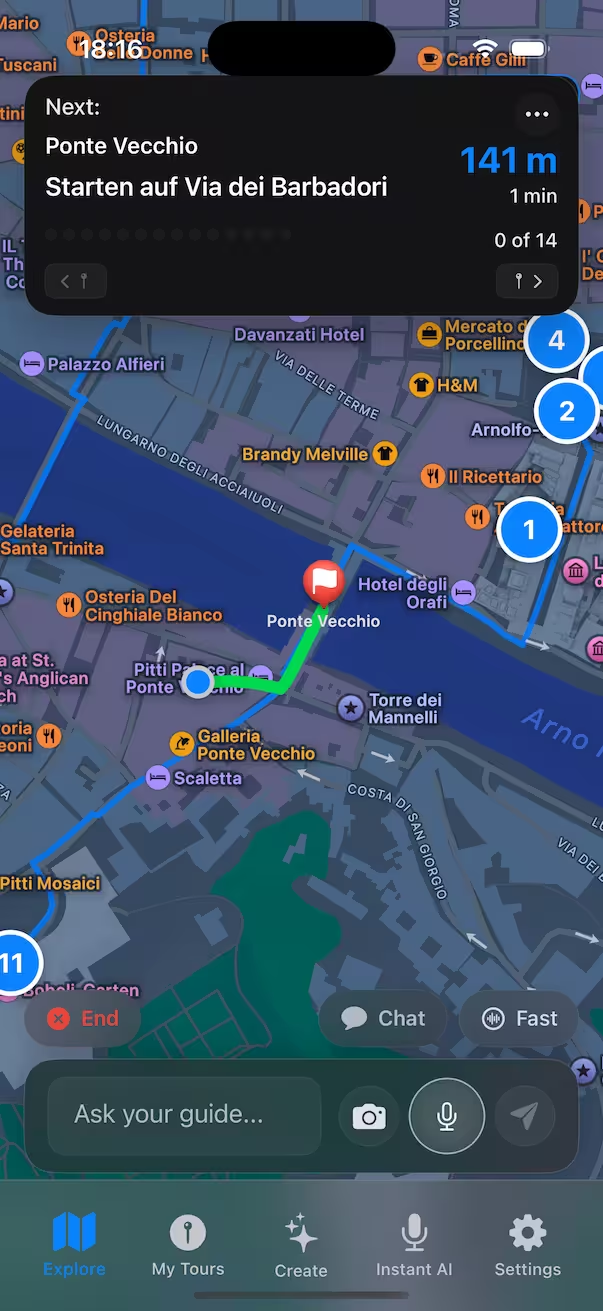
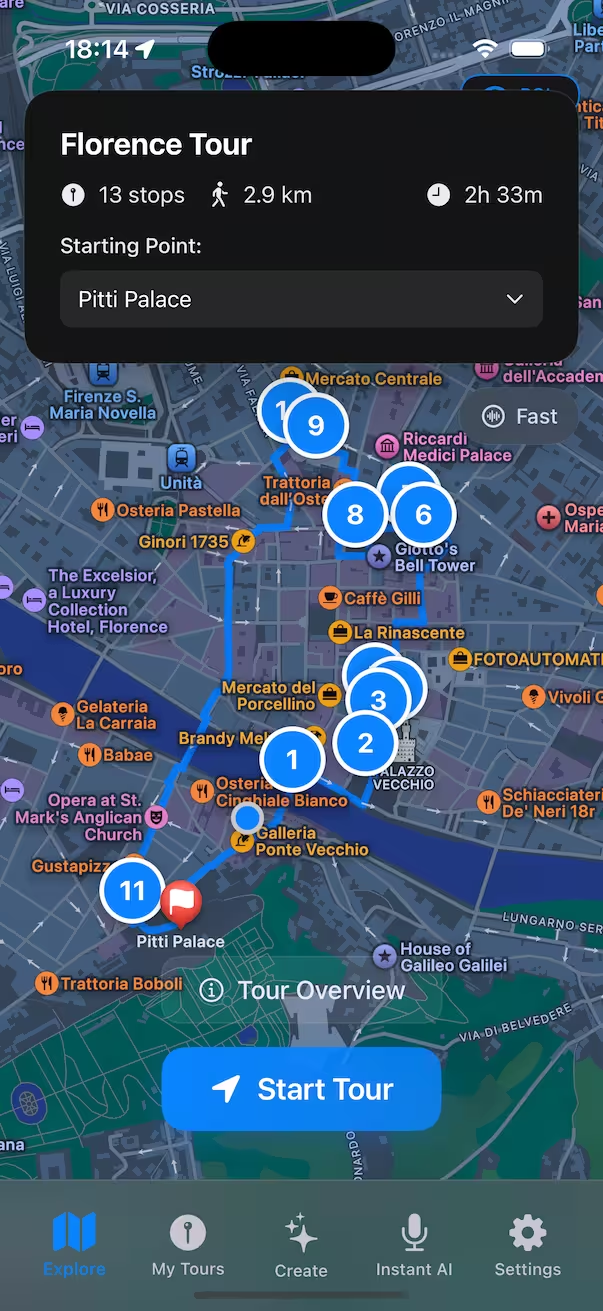
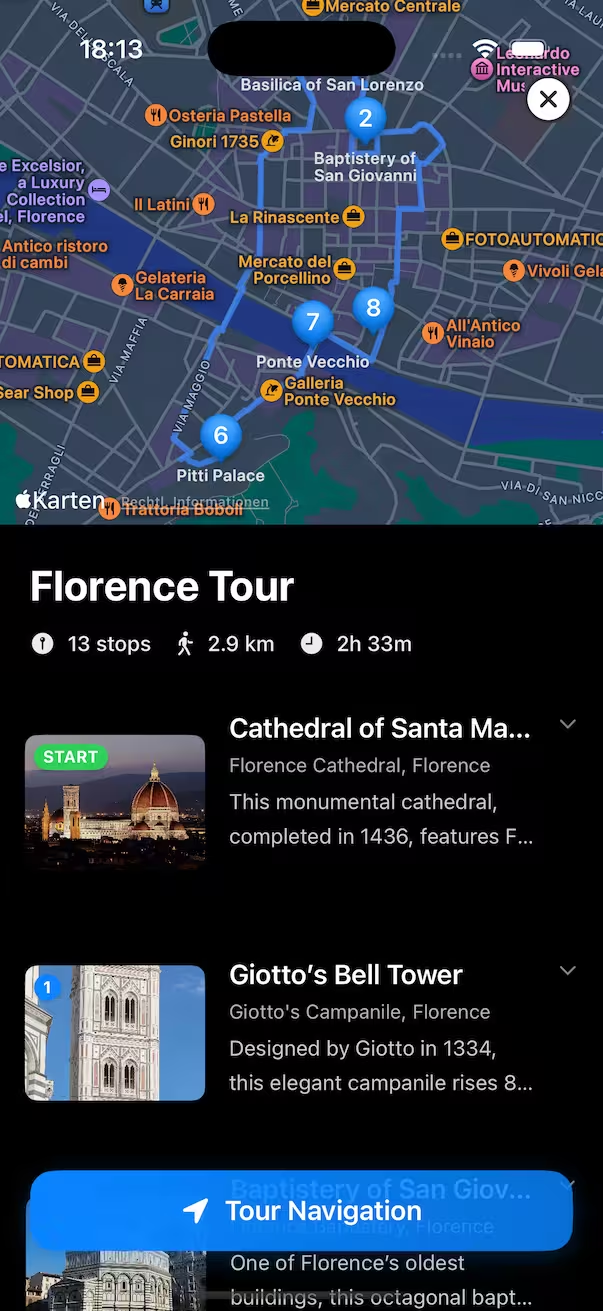
The classic Munich tour: 12 stops, 5.8 km, about 3 h on foot
Your live AI guide and the self-guided Munich route, together in your browser.