Best Time to Visit Oslo
Month-by-month weather, crowds and prices, plus a full calendar of festivals and events worth planning a trip around.
Best monthsMay, Jun, Sep
CheapestJan, Feb, Nov
AvoidJul
BusiestJul, Aug
When is the best time to visit Oslo?
Come in late May, June or early September: long Nordic days, comfortable 15-22°C, manageable crowds and prices well below summer peak. July and August bring the year's highest rates and the longest queues at the Bygdøy museums. January and November are cheapest, the trade being short days and cold.
Start our tool and find your best time to visit Oslo
Your perfect month
Free · ~30 seconds
or tap a month directly
What matters to you?
And this?
Best overall: May, Jun. Late May and June are the real sweet spot: 14-22°C, daylight to 22:00 and beyond, Constitution Day and the first summer festivals, and prices still below the July surge. Book ahead for the 17 May and Pride weekends, because those two sell rooms out fast.
Best value: Sep. September: gold foliage in Ekebergparken, 14-18°C days, every museum open, and hotel rates 25-35% below the August peak. The Oslo Marathon adds buzz on the 12th without summer's queues or prices.
Avoid: Jul. July: the year's highest prices, the longest queues at the Bygdøy museums and Vigeland Park overrun by tour groups. The weather is pleasant but you pay peak for the privilege of sharing it with everyone else.
- January: Tough month, 0°C. This is the one month you stand alone among the Vigeland sculptures and walk straight up to The Scream with no queue at all. The cold keeps the crowds away, so Grünerløkka's cafés are full of locals, not tour groups. Short days are the price, and for the emptiness it is a fair one.
- February: Tough month, 1°C. February is honest, unperformed Oslo in winter mode. No show put on for tourists, no seasonal markup, just a real Nordic city getting on with the cold. Locals are out cross-country skiing in Nordmarka at the weekend, and the half-term Vinterferie is the one week you see Oslo families let loose on the slopes.
- March: Good time, 5°C. March is the last genuinely quiet, cheap month before spring fills the city, and Holmenkollen weekend is its one wild exception. On the FIS World Cup days the ridge is packed with Norwegians in bunad and body paint, an electric, beer-soaked spectacle that is unmistakably local. Time your trip for that weekend, or deliberately around it.
- April: Good time, 10°C. April is the quiet, underrated month: spring arrives, terraces reopen, yet the summer crowds and prices are still weeks away. The Easter cabin exodus actually empties the city for a few days, so Vigeland Park and Aker Brygge feel like your own. The catch is the Good Friday shutdown, when even alcohol sales stop.
- May: Good time, 16°C. May is the genuine sweet spot most visitors miss: long bright days, comfortable temperatures, and the most authentic Norwegian experience of the whole calendar on 17 May. This is not a hot tourist trap yet. If you dislike crowds, note that 17 May puts over 100,000 people on Karl Johan, so come for it deliberately or plan around it.
- June: Good time, 21°C. June is when Oslo comes fully alive, and the long Nordic evenings are the real prize: golden light until 23:00, locals out late on the fjord and in the parks. The first three weeks before the price surge are ideal. By Pride and Tons of Rock weekend the city is packed and rooms are gone, so the early-June window is the smart play.
- July: Tough month, 22°C. July is the month to come only if you genuinely don't mind paying the year's top prices to share the city with everyone else. Oslo's summer is lovely and never punishingly hot, but Vigeland Park is overrun with tour groups by mid-morning and the Bygdøy ferry queues out the door. Sightsee before 09:00, or come a different month.
- August: Tough month, 20°C. Early August is still full peak, but the city has a different, more cultural energy than July thanks to Øya and the jazz week. Late August is the quiet secret: warmth holds, the school crowds thin, prices drop and you get summer Oslo without the July tax. That post-20th window is one of the smartest times to come.
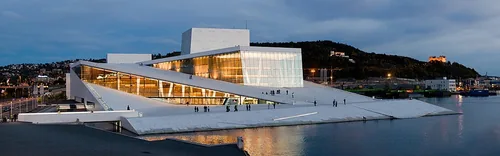
- September: Great time, 16°C. September is the locals' favourite and it shows: warm enough for terraces, gorgeous low autumn light, every museum open and the tourist crush gone. The Opera House roof at sunset around 20:00 is still stunning. This is the month to come if you want summer Oslo's pleasures without summer Oslo's prices or queues.
- October: Good time, 10°C. October is moody, atmospheric, and cheap, the city wrapped in gold leaves and grey drizzle. It is not the month for sun-seekers, but for foliage walks along the Akerselva and the forested ridge above the city it is unbeatable, and you will have it largely to yourself. Pack a compact waterproof and lean into the cosy indoor café culture.
- November: Tough month, 4°C. November is honest, stripped-back Oslo with no tourists and no markup. The days are short and grey, but the trade is real solitude: the Vigeland sculptures, the Munch Museum and the National Museum are yours. If darkness and cold do not bother you, this is the city at its cheapest and most authentic.
- December: Tough month, 0°C. December is moody and magical in equal measure. Yes, it is dark by mid-afternoon and properly cold, but the Christmas market, the skating rink and the candlelit Advent atmosphere on Karl Johan make it feel like a Nordic fairy tale. Early December is still cheap and quiet, before the Christmas-week price spike, the smartest time for the festive mood without the crowds.
Oslo weather by month
HighLowRainfall
Jan0°
Feb1°
Mar5°
Apr10°
May16°
Jun21°
Jul22°
Aug20°
Sep16°
Oct10°
Nov4°
Dec0°
| Month | Temp | Rain | Sun | Crowds | Prices | Highlight |
|---|---|---|---|---|---|---|
| Jan | 0° / -5° | 76mm · 12 rainy days | 2.4 h/day | ●○○○○ | ●○○○○ | Jul i Vinterland Christmas Market |
| Feb | 1° / -4° | 68mm · 11 rainy days | 4.6 h/day | ●○○○○ | ●○○○○ | |
| Mar | 5° / -2° | 56mm · 8 rainy days | 7.3 h/day | ●●○○○ | ●●○○○ | Holmenkollen Ski Festival |
| Apr | 10° / 1° | 49mm · 8 rainy days | 10.4 h/day | ●●○○○ | ●●○○○ | Cherry Blossom |
| May | 16° / 6° | 78mm · 12 rainy days | 11.4 h/day | ●●●○○ | ●●○○○ | Constitution Day |
| Jun | 21° / 12° | 80mm · 11 rainy days | 13.2 h/day | ●●●●○ | ●●●●○ | Musikkfest Oslo |
| Jul | 22° / 14° | 102mm · 13 rainy days | 12.9 h/day | ●●●●● | ●●●●● | |
| Aug | 20° / 12° | 96mm · 14 rainy days | 10.5 h/day | ●●●●● | ●●●●● | Øya Festival |
| Sep | 16° / 10° | 96mm · 11 rainy days | 7.6 h/day | ●●●○○ | ●●●○○ | Oslo Marathon |
| Oct | 10° / 5° | 97mm · 13 rainy days | 4.7 h/day | ●●○○○ | ●●○○○ | |
| Nov | 4° / 1° | 91mm · 13 rainy days | 2.3 h/day | ●○○○○ | ●○○○○ | Jul i Vinterland Christmas Market |
| Dec | 0° / -4° | 65mm · 13 rainy days | 1.9 h/day | ●●○○○ | ●●○○○ | Jul i Vinterland Christmas Market |
How we score this: weather = long-run climate normals (Open-Meteo), crowds & prices = relative season read, events checked yearly against official dates.
Best time to visit Oslo: weather, prices & crowds
Best months for good weather
Jun, Jul, Aug
June through August deliver Oslo's warmest, brightest weather: 20-22°C highs, sea-cool evenings, and daylight stretching past 22:00, so you can picnic in Frognerparken or swim off Bygdøy beaches well into the night.
Quietest months to avoid the crowds
Jan, Feb, Nov
From November to February the international crowd disappears entirely. You can stand alone among the Vigeland sculptures, walk straight into the National Museum to see The Scream, and hear Norwegian instead of English on Grünerløkka's café streets.
Cheapest time to visit Oslo
Jan, Feb, Nov
January, February and November are Oslo's cheapest: mid-range hotels drop to roughly 750-950 NOK a night versus 1.600-2.100 NOK in July, and flights run 40-50% below summer fares.
Best time for festivals and events
May
Constitution Day on 17 May is the single most Norwegian experience there is: a children's parade of 120-plus schools marches up Karl Johans gate to the Royal Palace, the royal family waves from the balcony, and the whole city wears bunad and floods the streets.
How many days do you need in Oslo?
Oslo rewards three full days. The compact, walkable centre ties the waterfront, museum district and royal axis together in under two days, but the Bygdøy peninsula alone deserves a leisurely half-day, and a third day opens up Holmenkollen, the Nordmarka forest and the island ferries of the inner fjord.
One day
Waterfront to Royal Palace
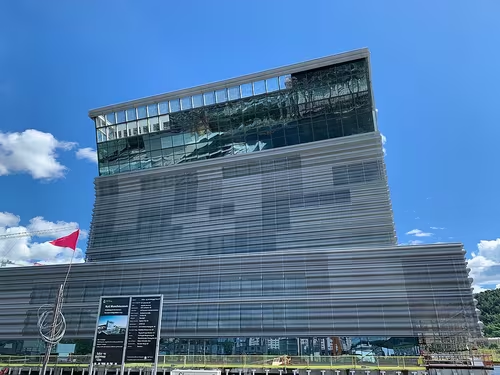
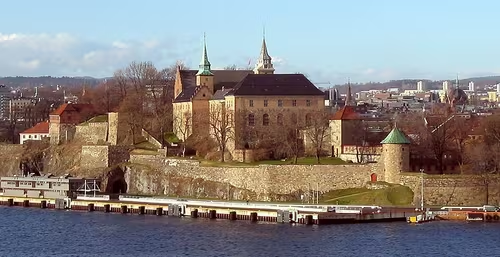
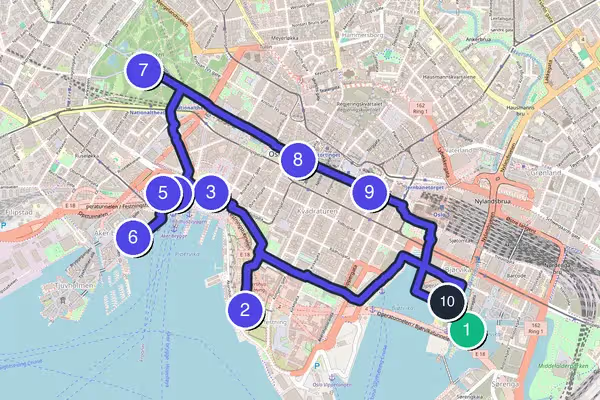
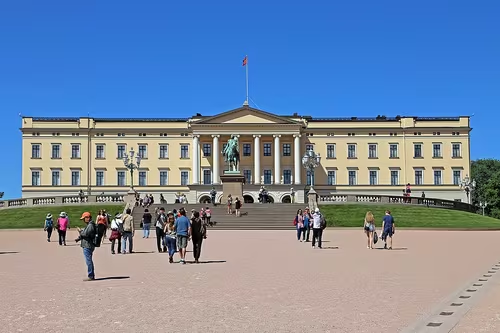
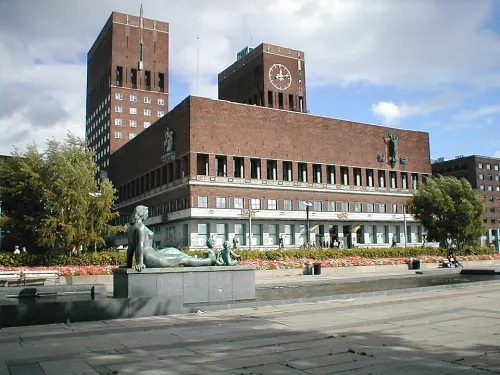
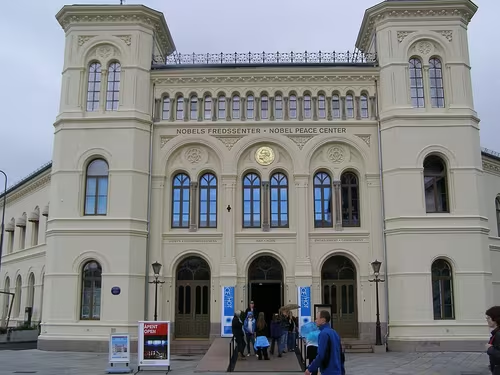
Start at the Munch Museum on the waterfront, walk the sloping white marble roof of the Oslo Opera House for a harbour panorama, then follow the Aker Brygge quays past the Nobel Peace Center to Oslo City Hall. From there it is a short climb to Akershus Fortress, with the fjord spread out below. The self-guided Oslo walking tour covers these 10 stops across 6.5 km in about 2.9 hours, looping along Karl Johans gate to the Royal Palace and Oslo Cathedral before finishing back on the waterfront.
Two days
Bygdøy museums and Grünerløkka
Catch the seasonal Bygdøy ferry from Rådhuskaia to the museum peninsula, where the Fram polar ship museum, the Norwegian Folk Museum open-air village and the Kon-Tiki galleries each need an hour. The National Museum, a short walk back in the centre, holds The Scream. In the evening, head east to Grünerløkka for dinner at one of the neighbourhood's independent restaurants along Thorvald Meyers gate.
Three daysRecommended
Vigeland, Holmenkollen and the fjord islands
Morning in Frognerparken: 212 bronze and granite sculptures by Gustav Vigeland spread across a free, open park best seen before the tour buses arrive at 10:00. Take T-bane line 1 up to Holmenkollen for the ski museum and the view over Oslo and the Oslofjord from the jump tower. On the way back, stop at Majorstuen or Frogner for coffee, then take an afternoon ferry from Aker Brygge to Hovedøya or Langøyene for a swim or a picnic on the inner fjord islands.
Four days or more
Day trips, Nordmarka and deeper Oslo
A fourth day opens the Nordmarka forest directly by T-bane line 1 to Frognerseteren, the starting point for a network of 2,600 km of marked trails. Alternatively, take a longer fjord cruise past the Oslofjord islands toward Drøbak, or head to Ekebergparken for the sculpture trail and its panoramic terrace over the city. The Mathallen food hall at Vulkan is a good anchor for a slow morning with Oslo's best food stalls.
Best time to visit Oslo by traveller type
Same city, different trip. Here's the month that fits how you're travelling.
🧭
Best time to visit Oslo for the first time
MayJun
Late May or June: long days, comfortable 14-19°C, the unmissable 17 May celebration and the first summer buzz, all before the July price peak hits.
❤️
Best time to visit Oslo for couples
Sep
Early September: gold light on the Opera House roof at sunset, foliage turning in Ekebergparken, warm restaurant terraces and far fewer tourists than August.
💶
Best time to visit Oslo on a budget
JanFebNov
January, February or November: hotels 40-50% below peak, cheapest flights, museums open as normal, and the free Opera House roof and Vigeland Park year-round.
🍝
Best time to visit Oslo for food and wine
AugSep
August and September: Øya and Mela festivals fill the parks with street food, and September opens the root-vegetable season with easier tables at Maaemo, Kontrast and the Mathallen food hall.
Worst time to visit Oslo
July is the clearest month to avoid for value-conscious travellers. Hotels average 1,600 to 2,100 NOK a night, the highest rates of the year, and the Bygdøy ferry queues out the door from mid-morning. By 10:00 the Vigeland Park is packed with tour groups, and every museum queue is at its longest. Rain is also most frequent in July at 102mm across 13 days, arriving in short sharp showers rather than all-day drizzle.
Still worth it for July works if you genuinely want the warmest swimming at the Bygdøy beaches and the inner fjord islands, or if you are travelling with children in the middle of summer school holidays and flexibility on timing is limited.
Go instead in May, June, September, when Oslo is at its best.
Best time for a tour of Oslo
Oslo rewards walkers most in May and in September. May brings mild highs of around 15 °C, the city's parks flush green, and daylight stretches past 9 pm, giving you time to linger at the Nobel Peace Center or wander Karl Johans gate without any pressure to rush. September is the quieter companion: temperatures still reach 16 °C, rain days ease back from July's relentless 13, and the summer crowds that had packed Aker Brygge shoulder-to-shoulder thin out noticeably. June and July are bright and warm, peaking near 21 to 22 °C, but they draw the heaviest visitor traffic the city sees all year, and the waterfront promenade from the Oslo Opera House to Akershus Fortress becomes genuinely congested by mid-morning. Winter is a different calculus. January maxes out below freezing at around -0.3 °C, nights drop to -5 °C, and by late afternoon darkness has already settled over the Royal Palace grounds. The fjord path is scenic under snow but icy underfoot, and the 6.5 km route across 10 stops asks a lot when you're battling 12 days of precipitation and cold that bites through any pause.
The good news is that AI Tourguide runs entirely in your browser, with no app to download, and starts whenever you're ready, so the calendar is yours. On a crisp May morning, when the light is already bright at 7 am and Akershus Fortress is near-empty before the tour groups arrive, you can start your Oslo tour at that exact hour and go at whatever pace suits you. A voice-first AI guide leads the whole way: greeting you at the first stop, telling you a concrete story about each place, asking you questions, listening to what you say, and weaving your answers into what comes next. No fixed departure time, no group to keep up with, no guide waiting at a bus. If you pick a clear day in late September, the same flexibility lets you start mid-afternoon and still finish at the Opera House in the golden hour.
 +6
+6All 10 stops are already on the map.
You just press start.
You just press start.
 AI Tourguide
You just read the route.
Now walk it with a guide in your ear.
Press start wherever you are, even hundreds of kilometres from Oslo, and the guide begins telling its stories right away. In the city, pick any of the 10 stops to start from: it leads you there, then talks with you the whole route, asking, listening, remembering, and shaping the tour around your answers.
10stops6.5km2.9hours11languages
▶Start the tour freeFree to start · Runs in your browser · No app, no download
Oslo events and festivals calendar
Annual highlights worth timing a trip around, listed month by month.
March
🏃 SportHolmenkollen Ski Festival Holmenkollen Skifestival
Mar 13–15
second weekend of March
FIS World Cup cross-country, ski jumping and Nordic combined at the iconic Holmenkollen ski jump, with mass-start and pursuit races on Saturday and individual ski jumping on Sunday.
🎵 MusicOslo International Church Music Festival Oslo Internasjonale Kirkemusikkfestival
Mar 13–22
mid- to late March
A 10-day choral and orchestral programme staged in Oslo's churches, featuring leading Scandinavian and European ensembles in sacred and contemporary repertoire, with world premieres on the closing night.
April
🌸 Seasonal natureCherry Blossom Kirsebærblomstring
Apr 25 – May 5
late April to early May
Cherry blossom blooms on the Bygdøy peninsula and across the lawns of Slottsparken (the Royal Palace garden) for a weather-dependent 5-10 days, best along Bygdøy Allé.
June
🎵 MusicMusikkfest Oslo
Jun 6
first Saturday of June
A free city-wide music day with 50-plus outdoor concert stages across Oslo from morning to midnight in every genre, marking the official opening of the Oslo summer.
🎵 MusicPiknik i Parken (PiP) Piknik i Parken
Jun 11–13
mid-June
An intimate 18-plus festival in Sofienbergparken in east Oslo, with a curated indie and folk lineup that typically includes both established international acts and Nordic favourites.
🎵 MusicOverOslo
Jun 17–20
mid- to late June
A three-stage festival on the Grefsenkollen forest ridge high above the city, with a mix of international rock, pop and electronic acts alongside Norwegian headliners, set against sweeping views of the Oslofjord.
🏳️🌈 PrideOslo Pride
Jun 17–27
late June
Norway's largest LGBTIQ+ festival.
🎵 MusicTons of Rock
Jun 24–27
late June
Norway's biggest outdoor rock and metal festival at Ekebergsletta, drawing major international headliners across hard rock, classic rock and metal on a multi-stage site with sweeping city views from the Ekeberg plateau.
August
🎵 MusicOslo Jazz Festival Oslo Jazzfestival
Aug 9–15
mid-August
60-70 concerts at 15-18 venues across central Oslo over seven days, some free, most ticketed at ~200-500 NOK.
🎵 MusicØya Festival Øyafestivalen
Aug 12–15
mid-August
Oslo's flagship indie, alternative and electronica festival at Tøyen Park, with a 60,000 capacity and a strong sustainability focus.
🎉 FestivalMela Festival Mela
Aug 14–16
mid-August
An annual multicultural family festival at Rådhusplassen (Town Hall Square) with world music, food and dance, free to enter.
🎵 MusicOslo Swing Jazz Festival
Aug 21–23
late August
A dedicated swing and lindy hop dance festival drawing a smaller, specialist crowd of social dancers.
September
🏃 SportOslo Marathon DNB Oslo Maraton
Sep 12
mid-September
A 20,000-plus-runner event (marathon, half and 10 km) on a course through the city centre and waterfront, closing key streets from 07:00 to about 15:00.
November
🎄 Christmas marketJul i Vinterland Christmas Market Jul i Vinterland
Nov 7 – Jan 4
early November to early January
Oslo's main Christmas market at Spikersuppa on Karl Johans gate, with 60-plus stalls, a Ferris wheel and the Spikersuppa ice-skating rink, open Mon-Thu 12-20, Fri 12-21, Sat 10-21, Sun 10-20.
Insider tips for visiting Oslo
The rules buried in forums, in one place.
- Vigeland Park is free and open 24/7, but tour buses pile in from 10:00 to 16:00 in July and August. Come before 09:00 for near-solitude, often in morning mist, or after 18:00 for golden evening light and locals picnicking among the sculptures.
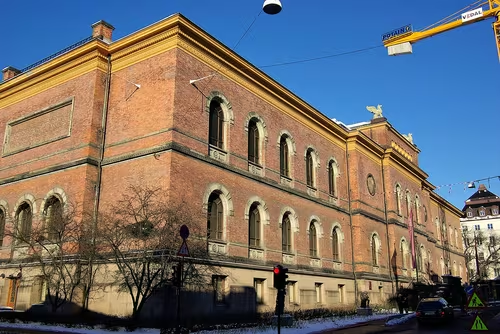
- The Scream hangs in the National Museum, not the Munch Museum as many assume. The National Museum stays open until 20:00 on Thursdays versus 17:00 other days, and is far quieter after 17:00. Arrive at 17:15 on a Thursday and you can have the hall almost to yourself. Note it closes every Monday.
- The seasonal Bygdøy ferry from the City Hall pier (Rådhuskaia, roughly mid-April to October) beats Bus 30: an 8-10 minute crossing with fjord views. It is not covered by a normal Ruter ticket but is included in the Oslo Pass. Take the first ferry to beat the 10:00 rush.
- The Oslo Pass (24h ~595 NOK, 48h ~845 NOK, 72h ~1.055 NOK) pays off if you see three or more paid museums in a day. Fram plus Munch plus the National Museum already exceeds the 48-hour pass, and it also covers all metro, tram, bus and the Bygdøy ferry.
- For the Holmenkollen Ski Festival weekend in mid-March, book accommodation 8-10 weeks ahead. Central hotels sell out completely, so look at Grünerløkka or east Oslo. T-bane line 1 toward Frognerseteren runs straight to Holmenkollen, roughly every 6 minutes on race days.
- On Oslo Marathon day (12 September), key streets along Karl Johans gate, Aker Brygge and Bjørvika close from 07:00 to about 15:00. Plan a museum morning, the National Museum opens at 10:00, then watch the runners free from the Opera House roof or the Akershus ramparts once roads reopen.
- Easter is a tourist windfall. From Good Friday to Easter Sunday Norwegians flee to mountain cabins and Oslo feels half-empty: Vigeland Park and Aker Brygge are pleasantly quiet and most sights stay open. Just check individual museums, as Good Friday brings near-total closure and an alcohol-sales ban.
- Alcohol sales are banned on Sundays and public holidays, when the Vinmonopolet liquor stores close, though restaurants and bars still serve. Stock up on a Saturday if you want wine or beer for a Sunday picnic in Frognerparken or on the islands.
Public holidays in Oslo
On these dates many shops and offices close, transport thins out, and sights can be mobbed or shut. Plan around them.
| Date | Holiday | What closes |
|---|---|---|
| Jan 1 | New Year's Day | Almost all shops and museums close and public transport runs a reduced timetable. Restaurants reopen in the evening. A quiet, slow start to the year in a near-empty city. |
| Apr 2 | Maundy Thursday | The Easter cabin exodus begins. Many Norwegians leave the city, shops close early and transport thins. Paradoxically the tourist sights are quieter than usual on this day. |
| Apr 3 | Good Friday | Full closure: government offices, shops and most museums shut, and alcohol sales are banned. Oslo feels half-empty, which makes it superb for crowd-free photography at Vigeland Park and Aker Brygge. |
| Apr 5 | Easter Sunday | The city stays quiet and most restaurants close or run a limited menu. Plan ahead for meals, and check museum hours individually before setting out. |
| Apr 6 | Easter Monday | Shops stay closed and some museums open, while Norwegians returning from their cabins make transport busy. The cabin-exodus calm of the long weekend ends here. |
| May 1 | Labour Day | An official holiday with some museum closures and small May Day parades through the centre. A low-key day compared to the 17 May spectacle two weeks later. |
| May 14 | Ascension Day | A Thursday public holiday with partial closures. Many Norwegians take the Friday off too for a four-day weekend, so domestic travel picks up. |
| May 17 | Constitution Day | Norway's National Day and the biggest street party of the year. The children's parade takes over the city centre, public offices and many shops shut, and Karl Johans gate is packed with over 100,000 people in bunad. |
| May 24 | Whit Sunday (Pentecost) | A public holiday with reduced services across the city. Shops are largely shut and transport runs a Sunday timetable. |
| May 25 | Whit Monday | A public holiday on which most shops stay closed. Major sights and outdoor spaces like Vigeland Park remain open and pleasant in the late-spring weather. |
| Dec 25 | Christmas Day | Everything closes as Norwegians stay home with family. Plan meals in advance, as even many tourist restaurants shut. The Jul i Vinterland market at Spikersuppa is the main thing still running. |
| Dec 26 | Boxing Day | Most things stay closed, though some restaurants reopen. The Christmas market at Spikersuppa keeps its festive momentum into the days after Christmas. |
Oslo month by month
January in Oslo
High0°C / 31°F
Low-5°C
Rain76mm / 12 rainy days
Sun2.4 h/day
Daylight7 h/day
Humidity85%
Crowds●○○○○Prices●○○○○
January is Oslo at its quietest and coldest, daytime highs hovering around freezing and the sun barely clearing the treeline for just under 7 hours of light. Snow is likely but never guaranteed at sea level. International tourists are gone entirely, so museums and monuments feel close to private. This is deep-winter Oslo: blue-hour light, frost on the fjord, and the cheapest hotel rates of the year.
The vibe This is the one month you stand alone among the Vigeland sculptures and walk straight up to The Scream with no queue at all. The cold keeps the crowds away, so Grünerløkka's cafés are full of locals, not tour groups. Short days are the price, and for the emptiness it is a fair one.
Don't miss Nordmarka's 2.600 km of groomed cross-country ski trails are reachable directly by T-bane line 1, a rarity for a capital city. Holmenkollen and Tryvann (25 minutes by metro) reliably hold snow from January. In the city, the blue-hour light on the Opera House marble around midday is unforgettable.
Crowd drivers No cruise ships, no festivals and no school holidays once the Christmas market closes around 4 January. The lowest visitor pressure of the entire year.
In season The covered Mathallen food hall at Vulkan is a warm refuge for a long lunch of Norwegian cheeses, cured meats and fresh fish out of the cold.
Heads up 1 January is a national holiday: museums and shops shut and transport runs a reduced timetable. The Jul i Vinterland Christmas market at Spikersuppa runs until around 4 January, then the city settles into its slow winter rhythm.
Cheapest month of the year: mid-range hotels from ~750-950 NOK versus 1.600-2.000 NOK in peak, flights 40-50% below summer.
Events this month
🎄 Christmas marketJul i Vinterland Christmas Market Jul i Vinterland
Nov 7 – Jan 4
early November to early January
Oslo's main Christmas market at Spikersuppa on Karl Johans gate, with 60-plus stalls, a Ferris wheel and the Spikersuppa ice-skating rink, open Mon-Thu 12-20, Fri 12-21, Sat 10-21, Sun 10-20.
Stretches over eight weeks of Advent atmosphere right in the heart of the city, free to enter, with candlelit charm against the short midwinter days.
February in Oslo
High1°C / 34°F
Low-4°C
Rain68mm / 11 rainy days
Sun4.6 h/day
Daylight9 h/day
Humidity83%
Crowds●○○○○Prices●○○○○
February stays firmly in the off-season, mild for Oslo at highs around 1°C but still properly cold, with the sun out about 4.6 hours a day and daylight back up past 9 hours. The Norwegian school winter break (Vinterferie, week 8, around 16-20 February) brings some domestic visitors, but international numbers stay at their lowest. Snow on the Holmenkollen ridge is most reliable now, prime ski-touring weather.
The vibe February is honest, unperformed Oslo in winter mode. No show put on for tourists, no seasonal markup, just a real Nordic city getting on with the cold. Locals are out cross-country skiing in Nordmarka at the weekend, and the half-term Vinterferie is the one week you see Oslo families let loose on the slopes.
Don't miss This is the best month for cross-country skiing in Nordmarka, with the longest reliable snow cover on trails you can reach by metro. Daylight has returned enough (over 9 hours) to ski a full loop and still make a museum before dark.
Crowd drivers The Vinterferie school break (~16-20 February) pulls in some Norwegian families, but nothing close to peak. No cruise ships call until spring.
In season Peak season for warming Norwegian winter food: try fårikål (mutton-and-cabbage stew) or a bowl of fiskesuppe at a Grünerløkka café between ski outings.
Still off-peak for internationals; hotels barely above January, with only a minor uplift on the Vinterferie half-term weekend.
March in Oslo
High5°C / 41°F
Low-2°C
Rain56mm / 8 rainy days
Sun7.3 h/day
Daylight12 h/day
Humidity78%
Crowds●●○○○Prices●●○○○
March brings Oslo back to life: highs climb toward 5°C, the sun returns to over 7 hours a day, and daylight stretches past 11 hours. Crowds stay light apart from one big spike. Mid-month the Holmenkollen Ski Festival fills the iconic ski jump with 50,000-plus fans, the busiest single weekend before summer. The rest of March is quiet and well-priced, with snow still on the higher ridges.
The vibe March is the last genuinely quiet, cheap month before spring fills the city, and Holmenkollen weekend is its one wild exception. On the FIS World Cup days the ridge is packed with Norwegians in bunad and body paint, an electric, beer-soaked spectacle that is unmistakably local. Time your trip for that weekend, or deliberately around it.
Don't miss The Holmenkollen Ski Festival delivers world-class cross-country and ski jumping at the iconic jump, with T-bane line 1 running every 6 minutes to the venue on race days. It is the world's most-attended ski event and a free spectacle from the spectator slopes.
Crowd drivers The Holmenkollen Ski Festival (13-15 March) is the one sharp spike, selling out central hotels weeks ahead. The Church Music Festival overlaps the same week.
In season Race-weekend tradition at Holmenkollen is a kvikk lunsj chocolate bar and a thermos of hot blackcurrant toddy on the spectator slopes, the most Norwegian ski snack there is.
Budget-friendly except the Holmenkollen weekend, when central hotels sell out 1-2 months ahead at summer prices.
Events this month
🏃 SportHolmenkollen Ski Festival Holmenkollen Skifestival
Mar 13–15
second weekend of March
FIS World Cup cross-country, ski jumping and Nordic combined at the iconic Holmenkollen ski jump, with mass-start and pursuit races on Saturday and individual ski jumping on Sunday.
The world's most-attended ski event, with 50,000-plus fans in bunad and body paint on the spectator slopes, an unmissable, electric spectacle that lights up the whole city for the weekend.
🎵 MusicOslo International Church Music Festival Oslo Internasjonale Kirkemusikkfestival
Mar 13–22
mid- to late March
A 10-day choral and orchestral programme staged in Oslo's churches, featuring leading Scandinavian and European ensembles in sacred and contemporary repertoire, with world premieres on the closing night.
Pair it with Holmenkollen weekend for a full cultural March week, sacred music in atmospheric historic churches.
April in Oslo
High10°C / 51°F
Low1°C
Rain49mm / 8 rainy days
Sun10.4 h/day
Daylight15 h/day
Humidity66%
Crowds●●○○○Prices●●○○○
April is true spring in Oslo: highs reaching a comfortable 10-11°C, the sun out over 10 hours a day, and daylight near 15 hours. Crowds stay moderate, with Oslo quieter than Bergen or the fjords over Easter. Cherry blossom breaks out on the Bygdøy peninsula and in Slottsparken from late April into early May, the city's prettiest free spectacle. Strong shoulder-season value outside the Easter long weekend.
The vibe April is the quiet, underrated month: spring arrives, terraces reopen, yet the summer crowds and prices are still weeks away. The Easter cabin exodus actually empties the city for a few days, so Vigeland Park and Aker Brygge feel like your own. The catch is the Good Friday shutdown, when even alcohol sales stop.
Don't miss Cherry blossom blooms along Bygdøy Allé and across the lawns of Slottsparken from late April into the first days of May, lasting only 5-10 weather-dependent days. It is free, unticketed, and best photographed early before the picnic crowds arrive.
Crowd drivers Easter (2-6 April) brings Scandinavian domestic travel, but the cabin exodus paradoxically empties Oslo. Many shops shut on Good Friday and Easter Monday.
In season Spring lamb starts appearing on Oslo menus around Easter, often served as Norwegian-style fenalår (cured leg of lamb) alongside flatbread.
Heads up Good Friday (3 April) brings a near-total shutdown of shops and most museums, with alcohol sales banned. Easter Monday (6 April) keeps shops closed though some museums open.
Solid shoulder value, but Easter long-weekend hotels jump 20-30% and many shops close on Good Friday and Easter Monday.
Events this month
🌸 Seasonal natureCherry Blossom Kirsebærblomstring
Apr 25 – May 5
late April to early May
Cherry blossom blooms on the Bygdøy peninsula and across the lawns of Slottsparken (the Royal Palace garden) for a weather-dependent 5-10 days, best along Bygdøy Allé.
Oslo's prettiest free, unticketed spring spectacle, best photographed early before the picnic crowds gather.
May in Oslo
High16°C / 60°F
Low6°C
Rain78mm / 12 rainy days
Sun11.4 h/day
Daylight17 h/day
Humidity67%
Crowds●●●○○Prices●●○○○
May is arguably the best-value month in Oslo: highs around 15-16°C, the sun out over 11 hours a day, and daylight stretching past 17 hours by month's end. The headline is Constitution Day on 17 May, the biggest street party of the year, when all of Karl Johans gate fills with bunad-clad locals for the children's parade. Crowds build but stay short of summer pitch, and prices outside the 17 May weekend are still reasonable.
The vibe May is the genuine sweet spot most visitors miss: long bright days, comfortable temperatures, and the most authentic Norwegian experience of the whole calendar on 17 May. This is not a hot tourist trap yet. If you dislike crowds, note that 17 May puts over 100,000 people on Karl Johan, so come for it deliberately or plan around it.
Don't miss Constitution Day on 17 May is the one unmissable Oslo experience: the children's parade of 120-plus schools marches from Akershus Fortress to the Royal Palace from 10:00, the royal family waving from the balcony. Arrive on Karl Johans gate by 09:30 for a spot near the palace end.
Crowd drivers Constitution Day (17 May) packs the centre with 100,000-plus people and spikes hotels for that weekend. Ascension Day (14 May) creates a domestic four-day-weekend uplift.
In season On 17 May the traditional treat is ice cream and pølse (hot dogs) by the bucket, plus champagne breakfasts. The first asparagus and early strawberries also reach the markets late in the month.
Cheapest month with genuinely good weather; hotels spike only around the 17 May weekend, early May stays shoulder-priced.
Events this month
🇮 HolidayConstitution Day Syttende mai
May 17
17 May, fixed
Norway's National Day. A children's parade of 120-plus schools and brass bands marches from Akershus Fortress to the Royal Palace from 10:00, the royal family waving from the balcony, and all of Karl Johans gate fills with people in bunad.
The single most Norwegian experience there is, a free, city-wide street party, though anyone who dislikes crowds should note 100,000-plus pack Karl Johan.
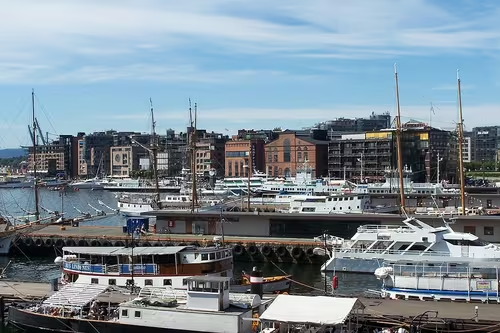
June in Oslo
High21°C / 69°F
Low12°C
Rain80mm / 11 rainy days
Sun13.2 h/day
Daylight19 h/day
Humidity66%
Crowds●●●●○Prices●●●●○
June opens Oslo's international summer: highs hitting 20-21°C, over 13 hours of sun, and daylight peaking near 19 hours, with the sun setting after 22:00 and never going fully dark. The festival calendar explodes, Musikkfest, Piknik i Parken, OverOslo, Pride and Tons of Rock all land this month. The golden-hour light on the Opera House and waterfront from 21:00 to 23:00 is extraordinary. Peak pricing arrives from mid-month.
The vibe June is when Oslo comes fully alive, and the long Nordic evenings are the real prize: golden light until 23:00, locals out late on the fjord and in the parks. The first three weeks before the price surge are ideal. By Pride and Tons of Rock weekend the city is packed and rooms are gone, so the early-June window is the smart play.
Don't miss The midsummer light is the signature June experience: with the sun setting after 22:00 and only civil twilight all night, plan sunset photos of the Opera House and Akershus Fortress for 22:00 and later. Musikkfest on the 6th turns the whole city into 50-plus free outdoor stages.
Crowd drivers International summer season opens, plus a festival pile-up: Musikkfest, PiP, OverOslo, Pride (17-27 June) and Tons of Rock (24-27 June). Fjord cruise ships begin calling.
In season Norwegian strawberries (jordbær) hit their peak in June and are sold from street stalls all over the centre, the taste of Nordic summer.
Peak pricing kicks in mid-June; Pride week and the Tons of Rock weekend sell hotels out or push rates 40-60% above normal.
Events this month
🎵 MusicMusikkfest Oslo
Jun 6
first Saturday of June
A free city-wide music day with 50-plus outdoor concert stages across Oslo from morning to midnight in every genre, marking the official opening of the Oslo summer.
A completely free, no-booking-needed concert day across the whole city, superb value and a great way to feel Oslo's summer kick off.
🎵 MusicPiknik i Parken (PiP) Piknik i Parken
Jun 11–13
mid-June
An intimate 18-plus festival in Sofienbergparken in east Oslo, with a curated indie and folk lineup that typically includes both established international acts and Nordic favourites.
A relaxed, boutique alternative to the city's mega-festivals, set in a leafy neighbourhood park.
🎵 MusicOverOslo
Jun 17–20
mid- to late June
A three-stage festival on the Grefsenkollen forest ridge high above the city, with a mix of international rock, pop and electronic acts alongside Norwegian headliners, set against sweeping views of the Oslofjord.
A unique outdoor setting high above the fjord, kicking off Oslo's mega-festival fortnight as Pride week begins.
🏳️🌈 PrideOslo Pride
Jun 17–27
late June
Norway's largest LGBTIQ+ festival. Pride Park at Kontraskjæret opens 24 June with live music, a market and beer tents, and the parade sets off from Grønland at 12:00 on 27 June for a 3 km route.
The biggest Pride in Scandinavia, closing June on a high, though hotels pack out around the parade weekend.
🎵 MusicTons of Rock
Jun 24–27
late June
Norway's biggest outdoor rock and metal festival at Ekebergsletta, drawing major international headliners across hard rock, classic rock and metal on a multi-stage site with sweeping city views from the Ekeberg plateau.
The biggest rock festival in the country, on an all-ages site with sweeping city views from the Ekeberg plateau.
July in Oslo
High22°C / 71°F
Low14°C
Rain102mm / 13 rainy days
Sun12.9 h/day
Daylight18 h/day
Humidity70%
Crowds●●●●●Prices●●●●●
This is the season for fjord swimming and island-hopping: the ferries from Aker Brygge to Hovedøya and the inner Oslofjord islands run frequently all summer, and the Bygdøy beaches are warm enough to swim. The trade-off is the year's highest prices and the longest queues, so sightsee before 09:00 or come a different month if crowds and cost are a concern.
The vibe July is the month to come only if you genuinely don't mind paying the year's top prices to share the city with everyone else. Oslo's summer is lovely and never punishingly hot, but Vigeland Park is overrun with tour groups by mid-morning and the Bygdøy ferry queues out the door. Sightsee before 09:00, or come a different month.
Don't miss This is the season for fjord swimming and island-hopping: the ferries from Aker Brygge to Hovedøya and the inner Oslofjord islands run frequently, and the Bygdøy beaches are warm enough to swim. A private guide charges summer-maximum rates and books out, while our live AI guide stays a flat 5€ an hour on any day and lets you walk the early, cool, crowd-free hours on your own clock, telling you the story of everything you pass.
Crowd drivers Every major European school system on summer break at once, Norwegian school holidays (mid-June to mid-August), and peak fjord-cruise season all stack together.
In season Reker (fjord shrimp) eaten by the bag on the harbour with bread, mayonnaise and lemon is the quintessential Oslo summer lunch, best from the boats at Aker Brygge.
Busiest and most expensive month: average hotel rates ~1.600-2.100 NOK a night, with Bygdøy museums and the ferry at their most crowded.
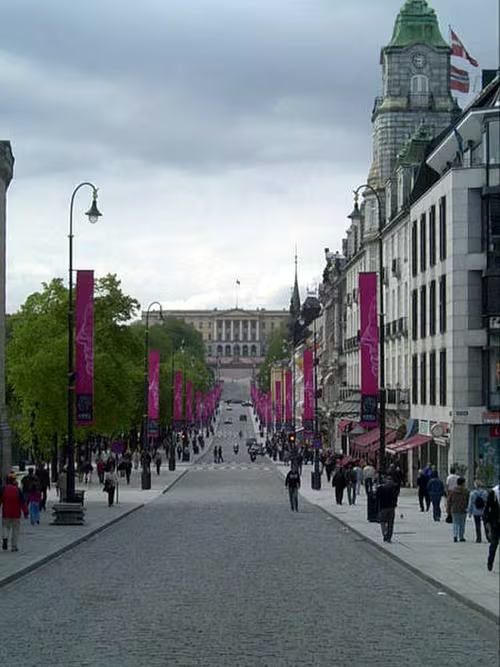
August in Oslo
High20°C / 68°F
Low12°C
Rain96mm / 14 rainy days
Sun10.5 h/day
Daylight16 h/day
Humidity76%
Crowds●●●●●Prices●●●●●
August keeps Oslo in high season, highs near 20°C and the wettest month of summer at 96mm over 14 days, the rain typically showery rather than all-day. The mid-month festival week is the draw: Øya Festival (12-15 August) at Tøyen Park and the Oslo Jazz Festival (9-15 August) across the centre run almost back to back. Norwegian schools return mid-month and prices ease after 20 August, opening a late-summer value window.
The vibe Early August is still full peak, but the city has a different, more cultural energy than July thanks to Øya and the jazz week. Late August is the quiet secret: warmth holds, the school crowds thin, prices drop and you get summer Oslo without the July tax. That post-20th window is one of the smartest times to come.
Don't miss Øya Festival at Tøyen Park is Oslo's cultural centrepiece, 60,000 capacity in a central, sustainability-focused setting, and it overlaps the Oslo Jazz Festival's 60-70 concerts across town for a genuine festival mega-week. The Mela Festival adds free world music at Rådhusplassen.
Crowd drivers Øya Festival and the Oslo Jazz Festival pack central hotels in the first half. Crowds and prices ease sharply once Norwegian schools return mid-month.
In season Festival street food fills Tøyen Park and Rådhusplassen during Øya and Mela, and late August opens the wild-mushroom and early-game season on Oslo's better restaurant menus.
Prices match July until mid-month; Øya and Jazz week sells out central hotels, then rates ease noticeably after 20 August.
Events this month
🎵 MusicØya Festival Øyafestivalen
Aug 12–15
mid-August
Oslo's flagship indie, alternative and electronica festival at Tøyen Park, with a 60,000 capacity and a strong sustainability focus. The lineup typically spans established international acts across rock, electronic and world music.
Oslo's cultural centrepiece, in a central park, and easy to combine with the Oslo Jazz Festival running the same week.
🎵 MusicOslo Jazz Festival Oslo Jazzfestival
Aug 9–15
mid-August
60-70 concerts at 15-18 venues across central Oslo over seven days, some free, most ticketed at ~200-500 NOK.
The best jazz week in Norway, doubling up with Øya in mid-August for a genuine festival mega-week in the city centre.
🎉 FestivalMela Festival Mela
Aug 14–16
mid-August
An annual multicultural family festival at Rådhusplassen (Town Hall Square) with world music, food and dance, free to enter.
Free, family-friendly, and a window onto Oslo's multicultural city identity, right on the waterfront.
🎵 MusicOslo Swing Jazz Festival
Aug 21–23
late August
A dedicated swing and lindy hop dance festival drawing a smaller, specialist crowd of social dancers.
Pairs neatly with the late-August shoulder-value window, and a niche treat for dancers.
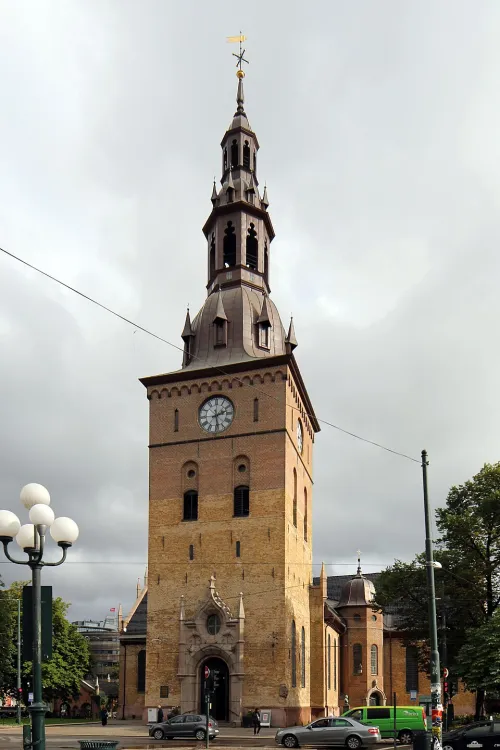
September in Oslo
High16°C / 61°F
Low10°C
Rain96mm / 11 rainy days
Sun7.6 h/day
Daylight13 h/day
Humidity79%
Crowds●●●○○Prices●●●○○
September is Oslo's quiet reward: highs around 16°C, the sun out over 7 hours a day, and the first autumn foliage turning gold in Ekebergparken and Nordmarka. Crowds thin sharply as the summer rush clears, cruise ships still call but in fewer numbers, and prices drop well below the August peak. The Oslo Marathon on the 12th sends 20,000-plus runners through the centre and waterfront. Pleasant weather, thin crowds, one of the best months overall.
The vibe September is the locals' favourite and it shows: warm enough for terraces, gorgeous low autumn light, every museum open and the tourist crush gone. The Opera House roof at sunset around 20:00 is still stunning. This is the month to come if you want summer Oslo's pleasures without summer Oslo's prices or queues.
Don't miss Autumn foliage peaks in the first two weeks of October but starts turning gold in late September across Ekebergparken and the Akerselva riverbank. The Oslo Marathon on the 12th is free to watch from the Opera House roof or the Akershus ramparts once roads reopen around 15:00.
Crowd drivers Crowds drop steeply after the August festivals. Only the Oslo Marathon weekend (12 September) brings a localised hotel and street-closure uplift.
In season Root-vegetable and game season opens, and tables at Oslo's top restaurants, Maaemo, Kontrast, Arakataka, are far easier to book than in July.
One of the best-value months; only the Oslo Marathon weekend pushes central hotels up about 20%, otherwise solid value.
Events this month
🏃 SportOslo Marathon DNB Oslo Maraton
Sep 12
mid-September
A 20,000-plus-runner event (marathon, half and 10 km) on a course through the city centre and waterfront, closing key streets from 07:00 to about 15:00.
Free to watch from the Opera House roof or the Akershus ramparts, and it adds energy to one of Oslo's best-value months. Book central hotels 2-3 months ahead.
October in Oslo
High10°C / 49°F
Low5°C
Rain97mm / 13 rainy days
Sun4.7 h/day
Daylight10 h/day
Humidity85%
Crowds●●○○○Prices●●○○○
October is autumn in full colour and the wettest month of the year (97mm over 13 days, persistent drizzle rather than downpours). Highs slip to around 9-10°C and daylight drops back to about 10 hours. Foliage peaks in the first two weeks across Ekebergparken and Nordmarka, the city's most photogenic fortnight. International tourists are thin, the Norwegian autumn school break (around the week of 12 October) brings a small domestic uplift, and prices are low.
The vibe October is moody, atmospheric, and cheap, the city wrapped in gold leaves and grey drizzle. It is not the month for sun-seekers, but for foliage walks along the Akerselva and the forested ridge above the city it is unbeatable, and you will have it largely to yourself. Pack a compact waterproof and lean into the cosy indoor café culture.
Don't miss Peak autumn foliage in the first two weeks lights up Ekebergparken's forested ridge and the Akerselva riverbank in vivid gold and red. Most sightseeing is rain-proof anyway: the National Museum, the Munch Museum and the Opera House interior are all unaffected by the drizzle.
Crowd drivers International tourists are thin. A small domestic uplift comes with the Norwegian autumn school break, roughly the week of 12 October.
In season Autumn is game season: reindeer, elk and grouse appear on Oslo menus, often paired with lingonberries and wild mushrooms foraged from the surrounding forests.
Cheaper than shoulder, with only a domestic weekend uplift for the autumn school break; good deals on flights.

November in Oslo
High4°C / 40°F
Low1°C
Rain91mm / 13 rainy days
Sun2.3 h/day
Daylight8 h/day
Humidity89%
Crowds●○○○○Prices●○○○○
November is the darkest, quietest stretch before Christmas: highs around 4°C, the sun out barely 2.3 hours a day, and daylight down to about 7.6 hours. No major events run until the Christmas market opens at the end of the month. International tourists vanish and prices fall to their year-low, matching January. It is bleak weather, but the cheapest time to come and the emptiest the city ever gets.
The vibe November is honest, stripped-back Oslo with no tourists and no markup. The days are short and grey, but the trade is real solitude: the Vigeland sculptures, the Munch Museum and the National Museum are yours. If darkness and cold do not bother you, this is the city at its cheapest and most authentic.
Don't miss Winter blue-hour photography is the November speciality: with the sun barely above the treeline, the two-hour window around midday gives stunning low-angle light on the Opera House marble and the Astrup Fearnley waterfront. By 15:00 use the city lights at Aker Brygge.
Crowd drivers No festivals, no cruise ships and no school holidays. The Jul i Vinterland Christmas market opens around 7 November and slowly builds an Advent buzz toward month's end.
In season The Mathallen food hall is a warm refuge from the dark and cold, and the first Christmas-market gløgg (mulled wine) and pepperkaker (gingerbread) appear at Spikersuppa late in the month.
Heads up No holiday closures, but the short daylight (under 8 hours) means planning outdoor sightseeing tightly around the 10:00-15:00 light window.
The very cheapest period alongside January; good for budget travellers happy to layer up against the dark and cold.
Events this month
🎄 Christmas marketJul i Vinterland Christmas Market Jul i Vinterland
Nov 7 – Jan 4
early November to early January
Oslo's main Christmas market at Spikersuppa on Karl Johans gate, with 60-plus stalls, a Ferris wheel and the Spikersuppa ice-skating rink, open Mon-Thu 12-20, Fri 12-21, Sat 10-21, Sun 10-20.
Stretches over eight weeks of Advent atmosphere right in the heart of the city, free to enter, with candlelit charm against the short midwinter days.
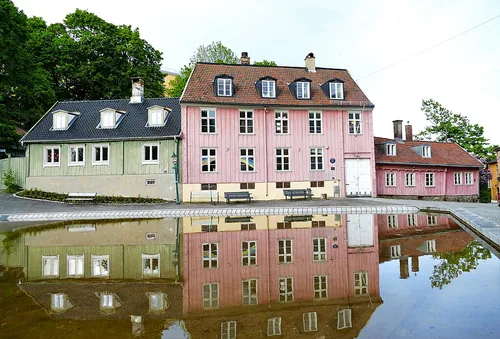
December in Oslo
High0°C / 33°F
Low-4°C
Rain65mm / 13 rainy days
Sun1.9 h/day
Daylight6 h/day
Humidity89%
Crowds●●○○○Prices●●○○○
December is deep, dark midwinter, only about 6 hours of daylight, highs around freezing, and the sun reaching just 7° above the horizon at the solstice. But it is also Oslo at its most atmospheric: Jul i Vinterland fills Spikersuppa on Karl Johans gate with 60-plus stalls, a Ferris wheel and an ice-skating rink. Advent brings domestic and Nordic visitors, and the blue-hour light on the waterfront at dusk (14:30-16:00) is magical.
The vibe December is moody and magical in equal measure. Yes, it is dark by mid-afternoon and properly cold, but the Christmas market, the skating rink and the candlelit Advent atmosphere on Karl Johan make it feel like a Nordic fairy tale. Early December is still cheap and quiet, before the Christmas-week price spike, the smartest time for the festive mood without the crowds.
Don't miss Jul i Vinterland at Spikersuppa runs 8-plus weeks with 60-plus stalls, a Ferris wheel and the Spikersuppa ice-skating rink, open Mon-Thu 12-20, Fri 12-21, Sat 10-21, Sun 10-20. The short midwinter days make the candlelit market and the dusk light on the Opera House especially atmospheric.
Crowd drivers Jul i Vinterland and Advent pull in domestic and Nordic visitors, with a sharp spike in Christmas week. Early December stays quiet and well-priced.
In season The Christmas table (julebord) season peaks: try pinnekjøtt (salted lamb ribs) and ribbe (pork belly), plus gløgg and pepperkaker at the Spikersuppa market.
Heads up Christmas Day (25 December) and Boxing Day (26 December) close almost everything as Norwegians stay home, though the Spikersuppa market keeps running. Plan meals in advance over those two days.
Cheap in early December; Christmas-week hotels spike and Advent weekends bring a moderate uplift.
Events this month
🎄 Christmas marketJul i Vinterland Christmas Market Jul i Vinterland
Nov 7 – Jan 4
early November to early January
Oslo's main Christmas market at Spikersuppa on Karl Johans gate, with 60-plus stalls, a Ferris wheel and the Spikersuppa ice-skating rink, open Mon-Thu 12-20, Fri 12-21, Sat 10-21, Sun 10-20.
Stretches over eight weeks of Advent atmosphere right in the heart of the city, free to enter, with candlelit charm against the short midwinter days.
Frequently asked questions
What is the best time to visit Oslo?
Late May to mid-June is the best time. By late May temperatures are a pleasant 14-19°C, daylight stretches past 20:00, crowds are manageable and hotel prices run 30-40% below the July peak. Constitution Day on 17 May is unmissable, and June adds long golden evenings, Musikkfest and the start of festival season before prices surge.
What is the cheapest month to visit Oslo?
January is the cheapest, tied with November. Mid-range hotels drop to roughly 750-950 NOK a night versus 1.600-2.000 NOK at peak, and flights run 40-50% below summer fares. It is cold and dark, with under 7 hours of daylight, but museums run normally and crowds are at their year-low.
What is the worst time to visit Oslo?
July is the worst for value: the year's highest hotel prices (~1.600-2.100 NOK a night), the longest queues at the Bygdøy museums and Vigeland Park overrun by tour groups. If darkness bothers you, November to January is hard too, with only about 6 hours of daylight by December, though it is cheap and culturally rich.
How many days do you need in Oslo?
Two to three days suits most visitors. One day covers the centre, Aker Brygge, the Opera House and Vigeland Park; a second handles the Bygdøy museums (Fram, Folk Museum, Kon-Tiki) and the National Museum. A third lets you ride T-bane line 1 up to Holmenkollen or into the Nordmarka forest for hiking or skiing.
What is the weather like in Oslo in December?
December is deep midwinter: highs around freezing, lows near -4°C, and only about 6 hours of daylight, with the sun just 7° above the horizon at the solstice. Snow is possible but not guaranteed at sea level. The trade-off is atmosphere: the Jul i Vinterland Christmas market and magical blue-hour light on the waterfront at dusk.
When can you see the cherry blossom in Oslo?
Cherry blossom blooms from late April into the first days of May, lasting a weather-dependent 5-10 days. The best spots are the Bygdøy peninsula, along Bygdøy Allé, and the lawns of Slottsparken at the Royal Palace. It is free and unticketed, so go early in the morning before the picnic crowds arrive.
Is Oslo good to visit in winter?
Yes, if you embrace the cold and dark. January and February bring the year's lowest prices, near-empty museums and reliable cross-country skiing in Nordmarka, reachable by T-bane line 1. The Holmenkollen ridge holds snow from January to March. Daylight is short (under 9 hours), but the Opera House, Vigeland Park and Mathallen food hall are all open year-round.
When is Oslo least crowded?
November to February is the quietest, with international visitors all but gone. You can stand alone among the Vigeland sculptures, walk straight up to The Scream in the National Museum and hear Norwegian rather than English on Grünerløkka's streets. The trade is cold and short days. For warm weather with thin crowds, early September is the best compromise.
Should I plan a trip around Constitution Day (17 May)?
If you want the most authentic Norwegian experience, yes. On 17 May a children's parade of 120-plus schools marches up Karl Johans gate to the Royal Palace from 10:00, the royal family waving from the balcony, and the whole city wears bunad. Book hotels early, as that weekend spikes, and arrive on Karl Johan by 09:30. Avoid it if you dislike crowds: 100,000-plus fill the centre.

Any month, any day: your guide is already there
Whatever date you pick, a private human guide gets pricier and harder to book on weekends, holidays and in peak season. Our live AI guide, the one that walks with you and answers anything you ask out loud, works the opposite way.
One flat price, every day
No holiday, weekend, night or peak-season surcharge. A private guide in Oslo runs well over 100 euro for a half day, and more on holidays. Ours stays the same.
Available the moment you want it
Start at midnight or at dawn, on Christmas, in the snow, in the August heat. No sold-out high season, no booking weeks ahead.
Your pace, no meter running
Pause for a long lunch, restart after dark, repeat a stop. The tour simply waits for you.
Free to try, a fraction of the cost
Test it for free, then a transparent flat price that undercuts any private guide, in every season.
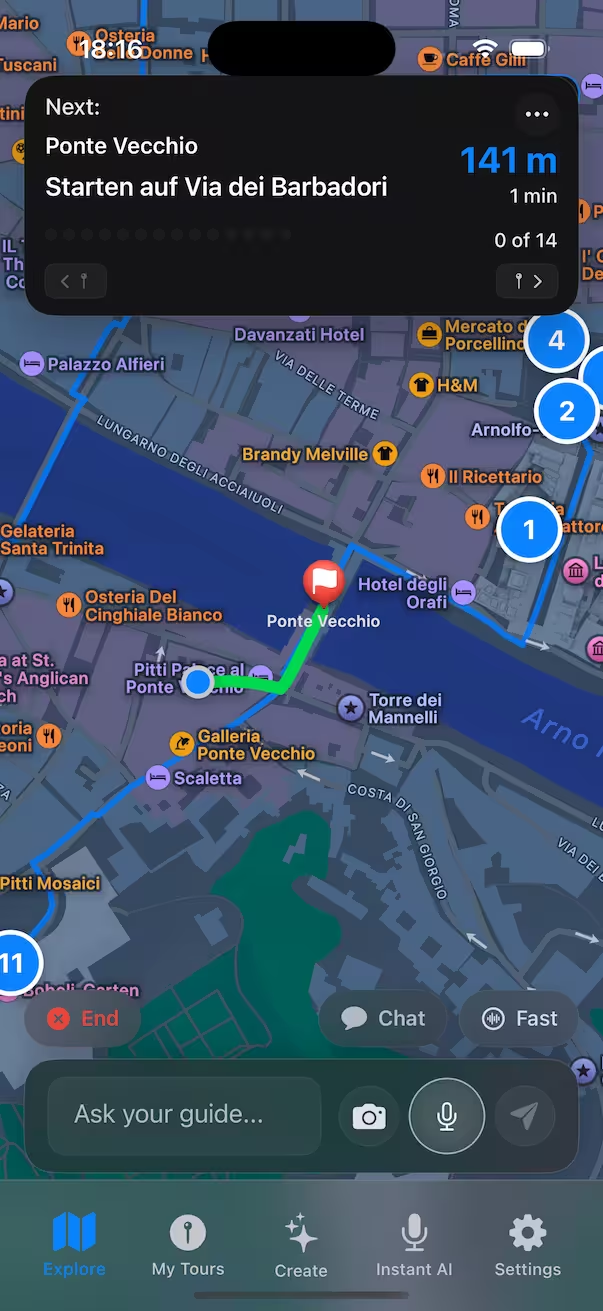
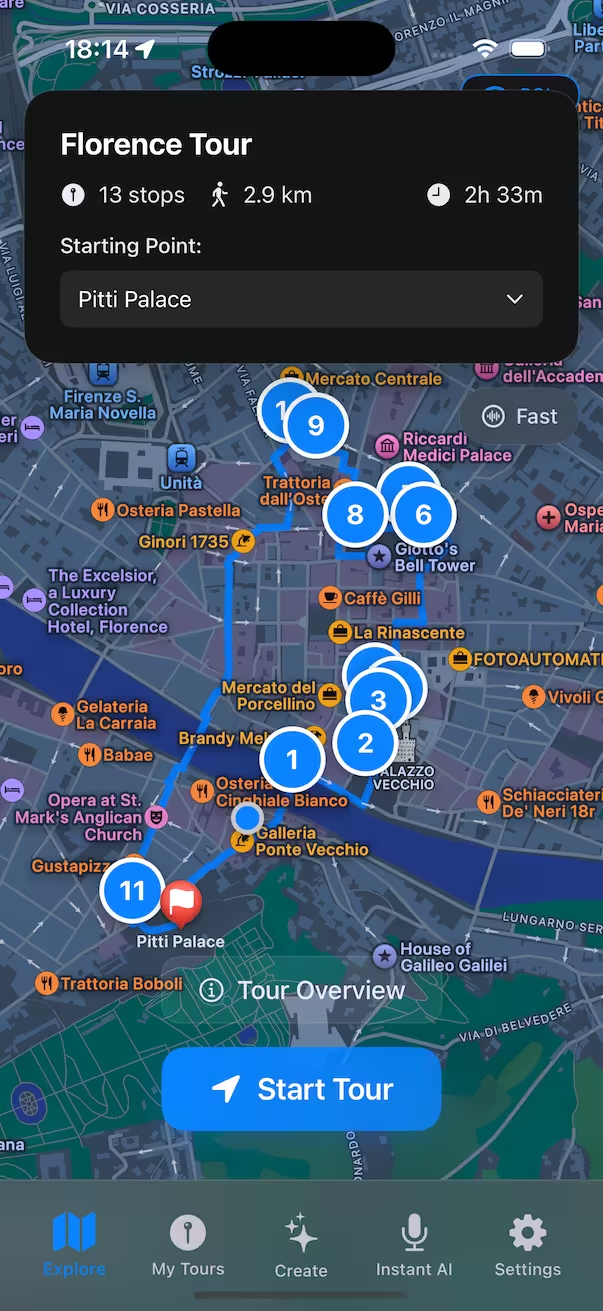
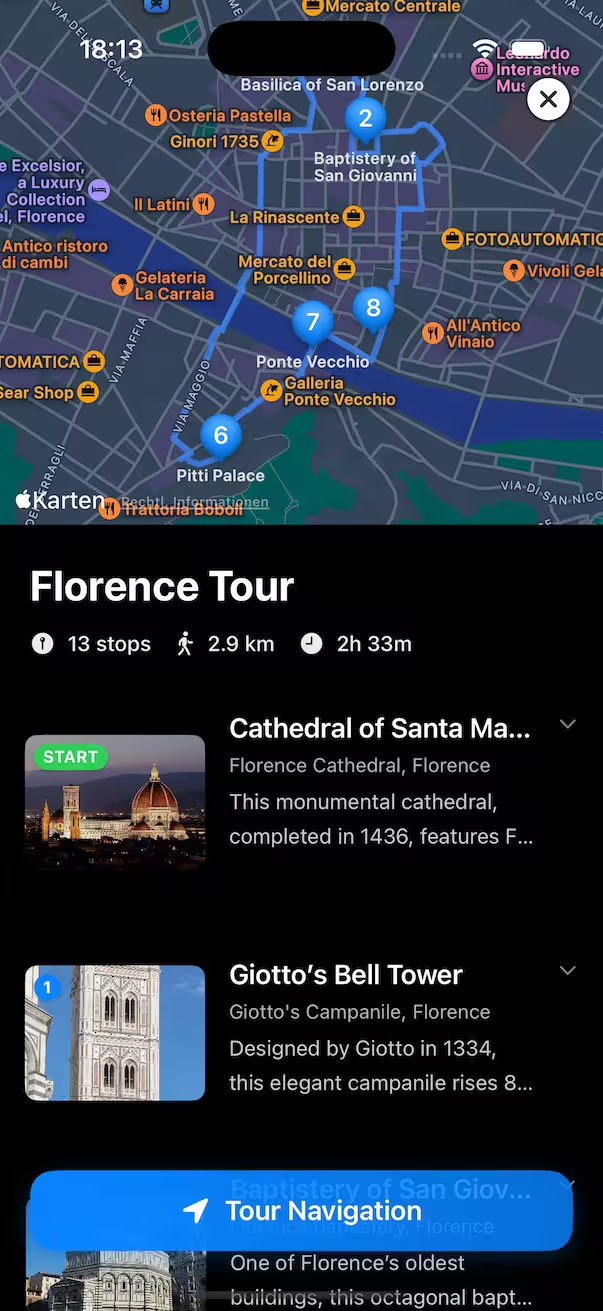
The classic Oslo tour: 10 stops, 6.5 km, about 3 h on foot
Your live AI guide and the self-guided Oslo route, together in your browser.