Best Time to Visit Vienna
Month-by-month weather, crowds and prices, plus a full calendar of festivals and events worth planning a trip around.
Best monthsMay, Sep, Oct
CheapestJan, Feb, Nov
AvoidJul, Aug
BusiestJul, Aug, Dec
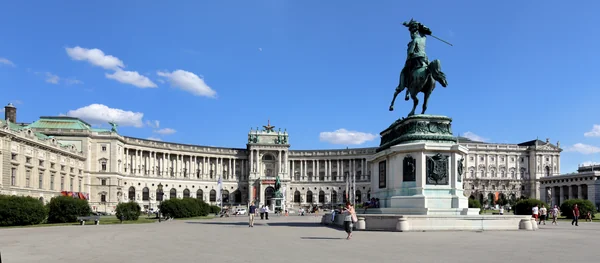
When is the best time to visit Vienna?
Come in May or September: 18-25°C, the cultural season in full swing, and crowds you can still navigate. July and August bring 30-35°C heat with no shade on the Ringstrasse and the Staatsoper dark for its summer break. January is the cheapest and quietest month by a clear margin.
Start our tool and find your best time to visit Vienna
Your perfect month
Free · ~30 seconds
or tap a month directly
What matters to you?
And this?
Best overall: May, Sep. May and September are the real answer: the cultural season at full tilt, mild 18-23°C, spring blossom or first autumn colour, and queues you can work around. Just dodge the Eurovision week of 10-16 May, when hotels sell out months ahead.
Best value: Jan, Feb, Nov. January, February and the first half of November bring hotel rates 30-40% below summer, near-empty palaces, and Ball Season glamour you can watch for free from outside the Musikverein and Staatsoper.
Avoid: Jul, Aug. July and August: 30-35°C heat with no shade, Schönbrunn queues of 60-120 minutes, peak hotel prices, and the State Opera dark for its summer break. Vienna's worst value of the year.
- January: Tough month, 3°C. This is the one month the Viennese have their city back. Café life is slow and unhurried, you walk into the Kunsthistorisches Museum without a herd, and the only real cost is grey skies and 4-5 hours of weak sun a day. A fair trade for the emptiest palaces of the year.
- February: Good time, 6°C. February is honest, unperformed Vienna in winter mode, and better for it. Apart from the Opera Ball spectacle, there is no show put on for tourists and no seasonal markup. You hear German on the U-Bahn, not a dozen tour-group languages.
- March: Good time, 10°C. March is the shoulder nobody markets, and that is exactly its appeal. The city is waking up, the first sun-warmed café tables appear on the squares, and you still get the quiet, the value and the elbow room of deep winter.
- April: Great time, 16°C. April is classic Viennese spring: sun and showers trading places hour by hour, so layers are essential. It is lovely and still not a tourist crush outside Easter, but the secret-season quiet of March is gone for the year by month's end.
- May: Good time, 20°C. Everyone calls May a shoulder-season secret, and it stopped being one years ago. The weather genuinely is the best of the year, but with Festwochen, Eurovision and three long weekends stacked up, expect crowds and high rates. Come anyway, just book early and go in clear-eyed.
- June: Good time, 24°C. June is Vienna at its most alive: festival-packed, sun-soaked and bright until late evening, the city out in its parks and Schanigärten. This is the last month before the July-August heat turns midday into a slog, so it catches summer at its best.
- July: Tough month, 26°C. July is for people who genuinely don't mind 30-35°C and peak prices. Midday on the Ringstrasse is a write-off, but the long warm evenings are a different city: the free Rathausplatz film festival, a swim in the Alte Donau, the Tiber-cool U-Bahn between sights. That part is genuinely good.
- August: Tough month, 26°C. August is not romantic-empty Vienna, it is survival-mode Vienna. The heat is draining rather than photogenic, and what fills the streets is international tour groups, not locals. If you must come, do your sights before 10:00 and retreat into the marble-cool museums by midday.
- September: Great time, 20°C. September is the payoff for skipping summer: warm enough for the gardens, cool enough to walk all day, and the tour-group crush gone after the first week. The opera is back, the Heurigen are pouring, and the city feels like itself again.
- October: Great time, 15°C. October is romance season in Vienna: autumn gold in the Prater, the Heurigen pouring young Sturm by candlelight in Grinzing, Viennale evenings paired with a Beisl dinner. The greyer skies and morning fog only add to it. Genuinely the city's most atmospheric month.
- November: Good time, 9°C. Early November is one of Vienna's best-value secrets: the Schönbrunn Advent market already glowing in the palace courtyard, but none of the December crowds yet. Add a rainy-day Kaffeehaus afternoon at Café Central and the grey weather stops mattering.
- December: Tough month, 4°C. December Vienna is the Christmas-market city of the postcards, and it earns the cliché. The trade is genuine cold, the year's shortest days, and Ringstrasse crowds thick in the evenings. Go to the markets on a weekday morning to actually move, not a Saturday night when the Glühwein queue runs 20 minutes.
Vienna weather by month
HighLowRainfall
Jan3°
Feb6°
Mar10°
Apr16°
May20°
Jun24°
Jul26°
Aug26°
Sep20°
Oct15°
Nov9°
Dec4°
| Month | Temp | Rain | Sun | Crowds | Prices | Highlight |
|---|---|---|---|---|---|---|
| Jan | 3° / -3° | 35mm · 8 rainy days | 4.8 h/day | ●●○○○ | ●○○○○ | Vienna Ball Season |
| Feb | 6° / -2° | 32mm · 8 rainy days | 6.4 h/day | ●●○○○ | ●●○○○ | Vienna Ball Season |
| Mar | 10° / 1° | 46mm · 9 rainy days | 8.1 h/day | ●●○○○ | ●●○○○ | |
| Apr | 16° / 6° | 45mm · 9 rainy days | 10.3 h/day | ●●●○○ | ●●●○○ | Vienna City Marathon |
| May | 20° / 10° | 73mm · 12 rainy days | 10.9 h/day | ●●●●○ | ●●●●○ | Eurovision Song Contest |
| Jun | 24° / 14° | 76mm · 12 rainy days | 11.9 h/day | ●●●●○ | ●●●●○ | Vienna Festival |
| Jul | 26° / 16° | 78mm · 12 rainy days | 11.8 h/day | ●●●●● | ●●●●● | Danube Island Festival |
| Aug | 26° / 16° | 70mm · 10 rainy days | 11.2 h/day | ●●●●● | ●●●●● | Music Film Festival on Rathausplatz |
| Sep | 20° / 12° | 72mm · 9 rainy days | 8.9 h/day | ●●●○○ | ●●●○○ | Music Film Festival on Rathausplatz |
| Oct | 15° / 7° | 48mm · 9 rainy days | 6.7 h/day | ●●●○○ | ●●●○○ | Long Night of Museums |
| Nov | 9° / 3° | 44mm · 9 rainy days | 4.9 h/day | ●●○○○ | ●●○○○ | Vienna International Film Festival |
| Dec | 4° / -2° | 39mm · 9 rainy days | 4.5 h/day | ●●●●○ | ●●●●○ | Schönbrunn Advent and Christmas Market |
How we score this: weather = long-run climate normals (Open-Meteo), crowds & prices = relative season read, events checked yearly against official dates.
Best time to visit Vienna: weather, prices & crowds
Best months for good weather
May, Jun, Sep
May, June and September give Vienna its best balance: 20-24°C, long evenings light until past 21:00 in June, and the parks and Heurigen gardens in full use without the punishing July-August heat.
Quietest months to avoid the crowds
Jan, Feb, Nov
January, February (outside the Opera Ball weekend) and early November are the quietest: Schönbrunn drops to a 15-minute wait, hotel rates fall 30-40% below summer, and the Kaffeehäuser fill with locals rather than tour groups.
Cheapest time to visit Vienna
Jan, Feb, Nov
January is Vienna's cheapest month, with mid-range hotels around €90-110 a night, 30-40% below the summer peak. February (away from the Opera Ball) and the first half of November match it closely.
Best time for festivals and events
Jun, Dec
The free Sommernachtskonzert at Schönbrunn on 19 June draws over 100,000 to the palace lawn for the Vienna Philharmonic, while December turns the Rathausplatz Christkindlmarkt into Europe's most visited Christmas market.
How many days do you need in Vienna?
Vienna is a full capital that rewards three days at minimum, and four if you want to go beyond the imperial core. Two days leave you rushing between palaces and missing the neighbourhood character that sets Vienna apart. Five or more days unlock the outer districts, the Heurigen wine villages, and the kind of slow café afternoon that the city was built for.
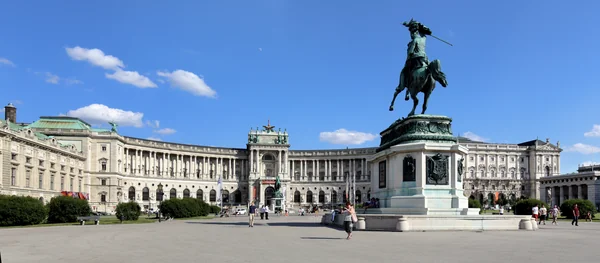
One day
The imperial circuit
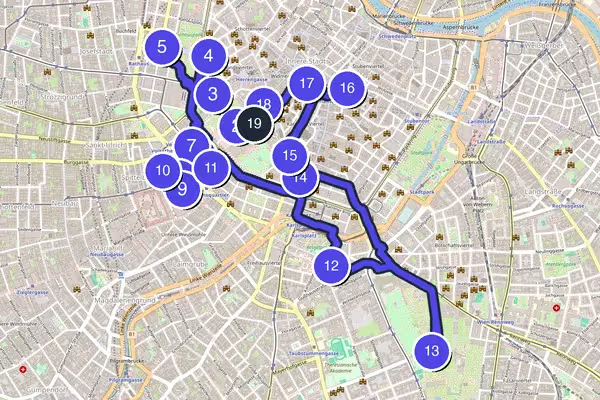
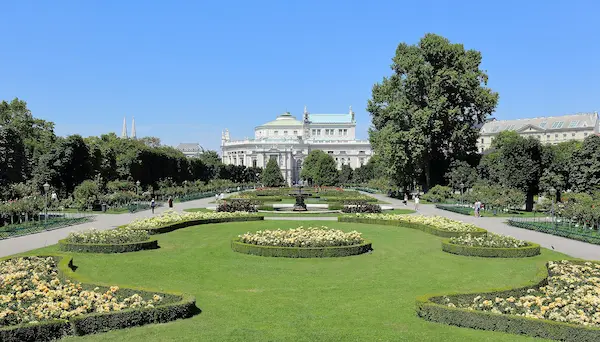
One day is enough for the essentials if you start early. Begin at the Hofburg, cross Heldenplatz, walk the Volksgarten rose garden, and follow the Ringstrasse past the Burgtheater and the City Hall to Maria-Theresien-Platz. The self-guided Vienna walking tour covers this imperial arc in 19 stops across 6.8 km in about 4.5 hours, leaving the afternoon for St. Stephen's Cathedral and the Albertina. A standing ticket at the State Opera from €3 (September to June only) rounds off the evening.
Two days
Museums and the Belvedere
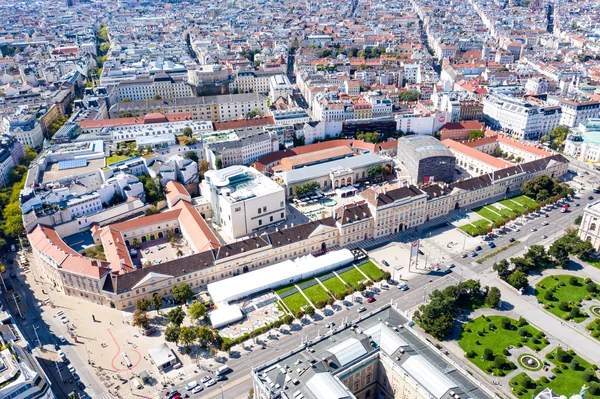
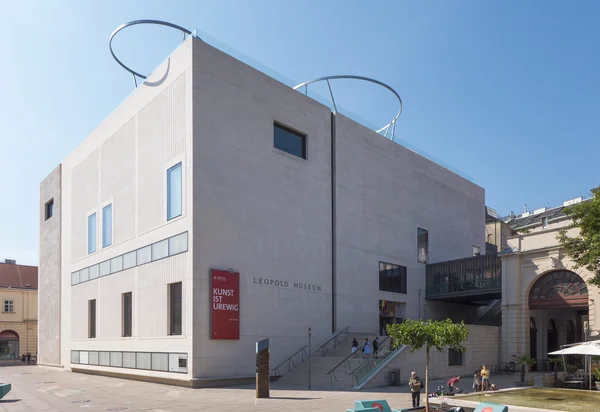
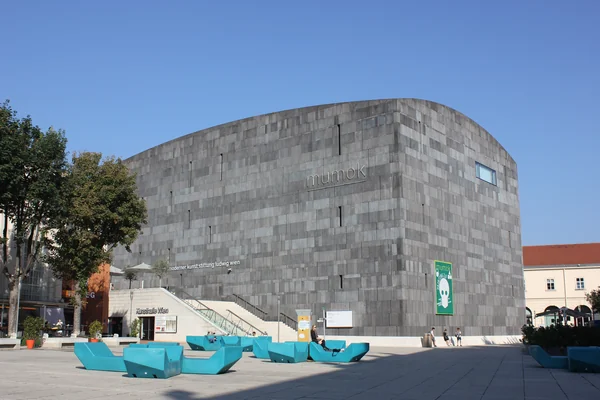
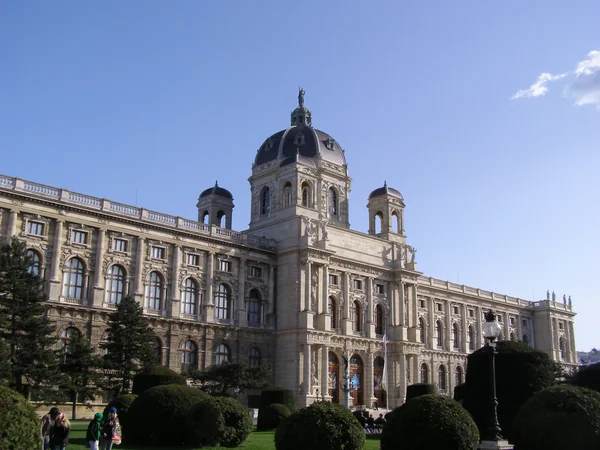
Dedicate the morning to the MuseumsQuartier: the Leopold Museum holds the world's largest Egon Schiele collection, while MUMOK is steps away for contemporary art. After lunch, walk south to the Kunsthistorisches Museum on Maria-Theresien-Platz, then on to the Belvedere Palace to see Klimt's The Kiss. The baroque gardens at the Belvedere stay open until dusk and are free to walk through.
Three daysRecommended
Schönbrunn and the Naschmarkt
Take the U4 to Schönbrunn Palace early, before the queues build after 10:00, and allow two hours for the palace rooms and the hilltop Gloriette. The afternoon belongs to the Naschmarkt, open Tuesday to Friday until 18:00, for lunch at the stalls and a wander through the flea market on Saturday. Dinner in a Beisl in the 6th or 7th district keeps you clear of the tourist-strip prices near the cathedral.
Four days or more
Kaffeehäuser, Heurigen, and the Prater
A fourth day opens the slower Vienna: a long Kaffeehaus morning at Café Central on Herrengasse or Café Landtmann opposite the Burgtheater, then an afternoon walk along the 4.5 km Prater Hauptallee under the chestnut trees. In late September and October, take the D tram to Heiligenstadt or Grinzing for a Heuriger evening, where a pine branch over the door means the wine is flowing.
Best time to visit Vienna by traveller type
Same city, different trip. Here's the month that fits how you're travelling.
🧭
Best time to visit Vienna for the first time
MaySep
May or September deliver the complete Vienna: opera season running, Schönbrunn and Ringstrasse gorgeous, cafés and gardens in full use, all without the July-August heat and queues.
❤️
Best time to visit Vienna for couples
AprOct
Early April for cherry blossom in the Stadtpark and Volksgarten, or late October for autumn gold in the Prater and candlelit Heurigen in Grinzing pouring the year's young Sturm wine.
💶
Best time to visit Vienna on a budget
JanFebNov
January and February (skip the Opera Ball weekend) or the first two weeks of November, with hotels 30-40% below summer and free Ball-Season spectacle outside the Musikverein.
🍝
Best time to visit Vienna for food and wine
SepOct
September and October for the Heurigen Sturm season in Grinzing and Heiligenstadt, Naschmarkt at peak autumn produce, and Kaffeehauskultur best savoured on a grey weekday.
Worst time to visit Vienna
Late July and August are the months most worth skipping. Heat waves push temperatures to 30-35°C with almost no shade along the Ringstrasse or the Prater Hauptallee, and Schönbrunn queues run 60-120 minutes from late morning. Hotel rates hit their yearly peak, at €180-220 for mid-range rooms, and the Vienna State Opera is dark from 1 July to 2 September. Some neighbourhood restaurants also take a two-week summer closure in August, which hollows out the local feel.
Still worth it for July and August still work for visitors who genuinely don't mind the heat and come for the free Rathausplatz film festival, the Donauinselfest in early July, or a swim at the Alte Donau. Plan sightseeing before 10:00 and after 18:00.
Go instead in May, September, October, when Vienna is at its best.
Best time for a tour of Vienna
Vienna rewards walkers most generously in April, May, September, and October. In April and May temperatures climb from around 15 to 20 °C, the chestnut trees in Volksgarten bloom, and the light on the Kunsthistorisches Museum's façade stays golden well into the evening. May brings 12 rain days, so carry a light layer, but showers are usually short and the streets recover quickly. June and July push highs to nearly 26 °C: the exposed stone of Heldenplatz and Maria-Theresien-Platz radiates heat back at you, and the route's open squares offer little refuge at midday. July and August are also wall-to-wall visitors, and Hofburg Palace's inner courtyards can feel genuinely heaving. September drops back to a comfortable 20 °C, crowds thin to a manageable level, and the early autumn clarity is perfect for the long sight lines across Belvedere Palace's formal gardens. Winter is a different city: January barely reaches 3 °C, with lows dipping below freezing, and the 4.5-hour walk feels punishing in wind. December is surprisingly busy thanks to Christmas markets, so the relative quiet of January and February has its own strange appeal for those who prefer near-empty plazas.
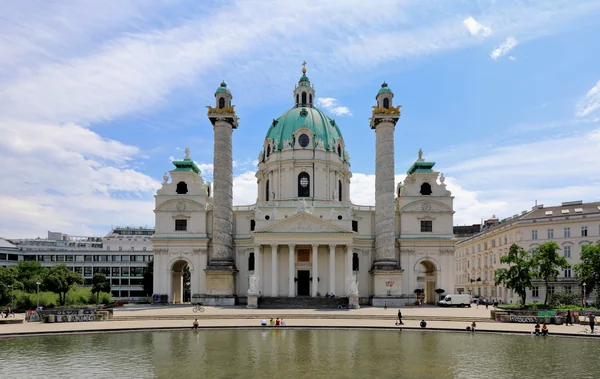
With AI Tourguide running in your browser, no download or login needed, you decide when to set off and how long to linger. On a hot August day you can start your Vienna tour at seven in the morning, reach Karlskirche before the tour groups arrive, and be done with the open plazas before noon. On a crisp October afternoon you can stretch the final stretch along the Ring boulevard into the dusk. A voice guide leads the walk the whole way, telling concrete stories, asking you questions, and remembering your answers to shape what comes next. No fixed departure time, no group pace to match.
+19
All 19 stops are already on the map.
You just press start.
You just press start.
 AI Tourguide
You just read the route.
Now walk it with a guide in your ear.
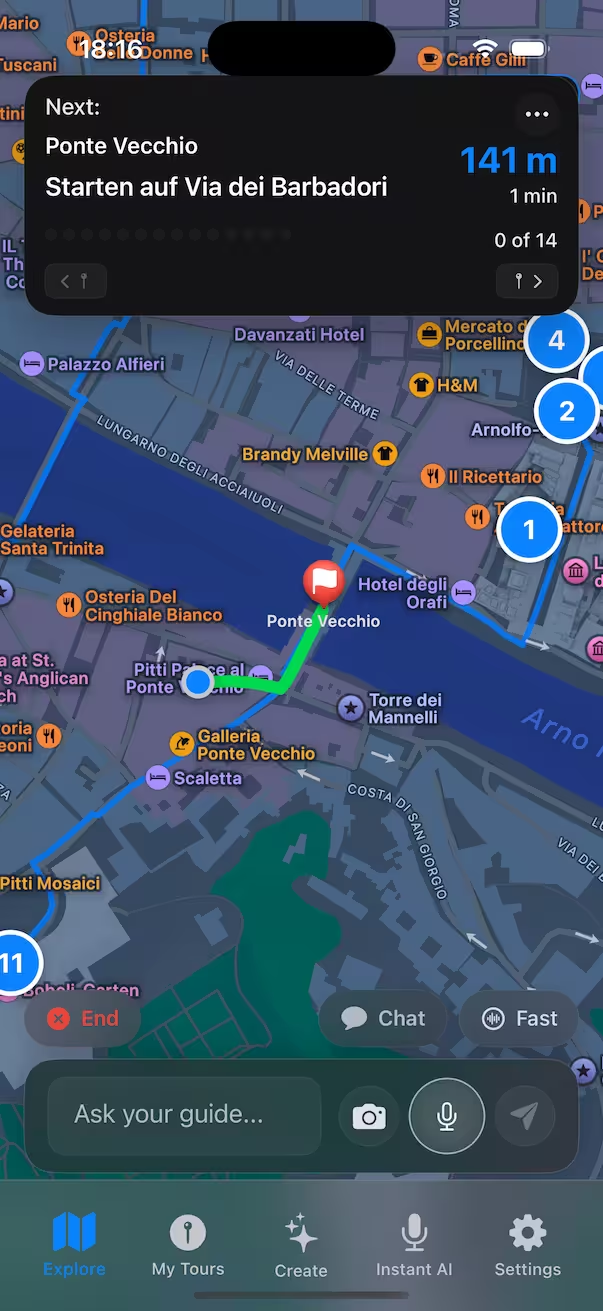
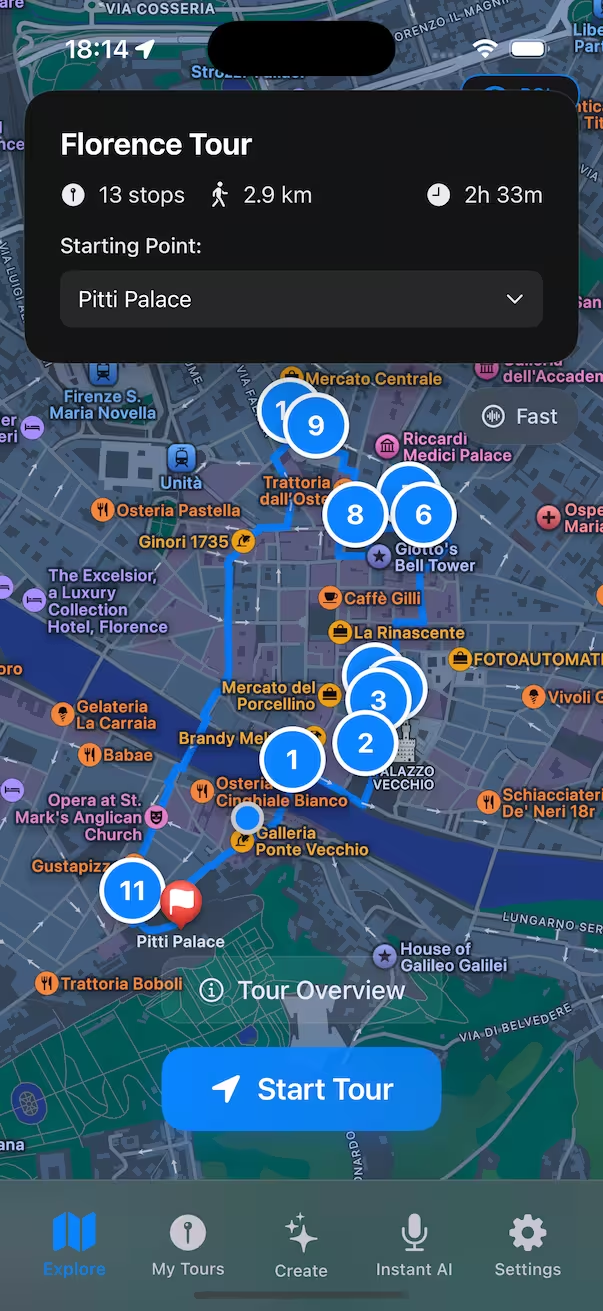
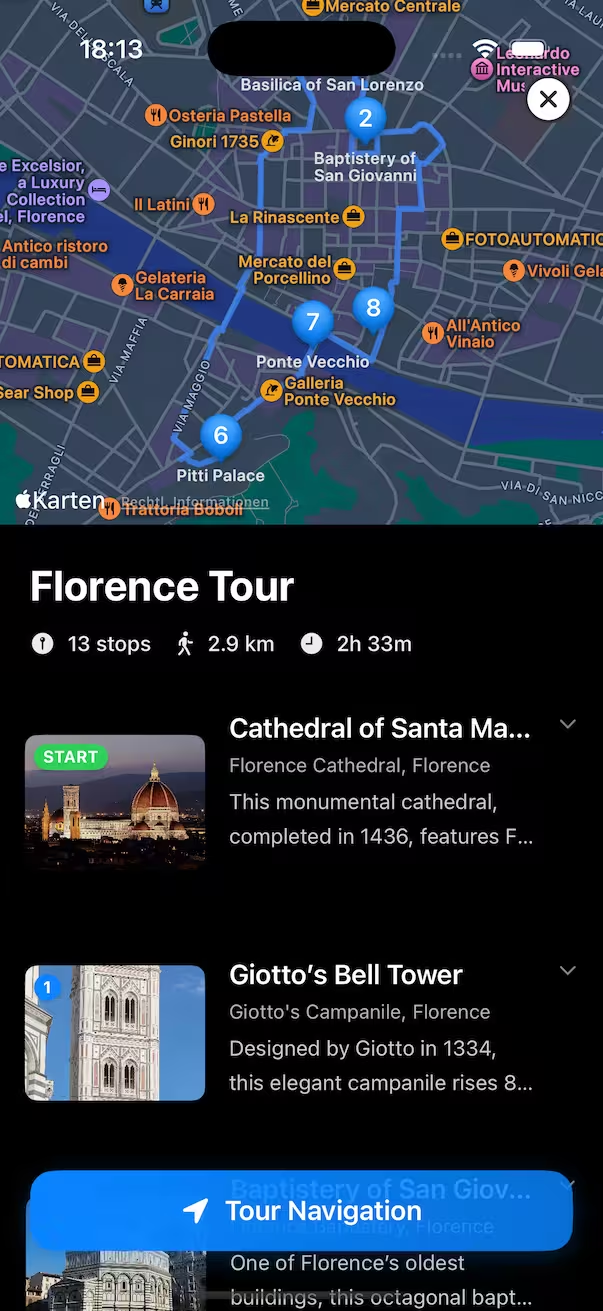
Press start wherever you are, even hundreds of kilometres from Vienna, and the guide begins telling its stories right away. In the city, pick any of the 19 stops to start from: it leads you there, then talks with you the whole route, asking, listening, remembering, and shaping the tour around your answers.
19stops6.8km4.5hours11languages
▶Start the tour freeFree to start · Runs in your browser · No app, no download
Vienna events and festivals calendar
Annual highlights worth timing a trip around, listed month by month.
January
🎵 MusicVienna Ball Season Wiener Ballsaison
Jan 15 – Feb 17 ~
Mid-January through Shrove Tuesday (Fasching), peaking with the Philharmonic Ball on 22 January and the Opera Ball on 12 February.
For roughly six weeks each winter, Vienna hosts over 450 balls, from the Philharmonic Ball at the Musikverein to the Flower Ball, Coffeehouse Owners' Ball and Hunters' Ball.
🎵 MusicVienna Philharmonic Ball Wiener Philharmoniker Ball
Jan 22 ~
One Thursday in late January at the Musikverein, peaking the Ball Season opener. Dates shift by a few days each year; check the Philharmonic's site in autumn for the current season.
The Vienna Philharmonic Ball fills the gilded Musikverein, home of the New Year's Concert, with white-tie guests for an evening of waltz and quadrille.
February
🎵 MusicVienna Opera Ball Wiener Opernball
Feb 12 ~
Always the Thursday before Ash Wednesday, so the date shifts with Easter each year. Expect it in early-to-mid February.
The Vienna Opera Ball transforms the State Opera into a ballroom for 9,000 guests, opened by 144 debutante couples of the Eröffnungskomitee.
April
🏃 SportVienna City Marathon
Apr 19 ~
A Sunday in mid-to-late April, with a kids' run the day before. The exact date shifts by a week or two from year to year; check the official site in winter.
The Vienna City Marathon sends runners on a 42.195 km route past the State Opera and Schönbrunn to a finish on the Ringstrasse near Heldenplatz.
May
🎵 MusicEurovision Song Contest Eurovision Song Contest 2026
May 10–16 ~
Mid-May when Vienna hosts, with semi-finals and a Grand Final across one week. The Eurovision Village runs from the first show day.
When Vienna hosts the Eurovision Song Contest, a free Eurovision Village opens on Rathausplatz daily from afternoon until midnight.
🎨 Art and cultureVienna Festival Wiener Festwochen
May 15 – Jun 21 ~
Mid-May to late June, roughly six weeks. The opening free concert at Heldenplatz marks the start; check the Festwochen site each season for the exact dates.
The Wiener Festwochen marks its 75th anniversary with 168-plus performances, 35 productions and 13 world premieres across the city, from a free opening concert at Heldenplatz to theatre, dance and music in venues citywide.
🏳️🌈 PrideVienna Pride and Rainbow Parade Vienna Pride / Regenbogenparade
May 29 – Jun 14 ~
Late May to mid-June, with the Rainbow Parade on the second Saturday of June.
Vienna Pride builds over two weeks to the Regenbogenparade, when 300,000-plus march the Ringstrasse.
June
🎵 MusicSummer Night Concert at Schönbrunn Sommernachtskonzert Schönbrunn
Jun 19 ~
One evening in mid-to-late June on the Schönbrunn palace lawn. The date is announced by the Vienna Philharmonic each spring.
The Vienna Philharmonic plays a free open-air concert on the lawn of Schönbrunn Palace, with a star guest soloist.
July
🎵 MusicDanube Island Festival Donauinselfest
Jul 3–5 ~
First weekend of July on the Donauinsel, typically Friday to Sunday. Dates confirmed each spring.
The Donauinselfest spreads rock, pop, folk and electronic music across 14 stages on the Donauinsel over three days, drawing 3 million-plus visitors.
🎬 FilmMusic Film Festival on Rathausplatz Filmfestival am Rathausplatz
Jul 4 – Sep 6 ~
Early July to early September on the square in front of City Hall, running nightly throughout the summer.
A giant screen on Rathausplatz shows opera, classical concerts and pop performances free every evening, drawing 900,000-plus visitors a season.
October
🌙 Museum nightLong Night of Museums Lange Nacht der Museen
Oct 3 ~
One Saturday in early October, from 18:00 to midnight. The exact date is announced by ORF in late summer each year.
On one Saturday night, a single ticket of around €18 opens 100-plus museums, palaces and collections across Vienna from 18:00 until midnight, with shuttle buses linking the clusters.
🎬 FilmVienna International Film Festival Viennale
Oct 22 – Nov 3 ~
Late October into early November, typically twelve to thirteen days. The programme is announced in September each year.
The Viennale is Austria's premier film festival, screening 180-plus international arthouse films across the Gartenbaukino, Filmmuseum and Stadtkino.
November
🎄 Christmas marketSchönbrunn Advent and Christmas Market Weihnachtsmarkt Schloss Schönbrunn
Nov 6 – Jan 6
Early November through 6 January in the palace courtyard, opening about a week before the bigger Rathausplatz market.
Set in the baroque courtyard of Schönbrunn Palace, this market gathers 60-plus stalls of crafts, food and decorations, plus family rides, with the palace as backdrop.
🎄 Christmas marketRathausplatz Christmas Market Christkindlmarkt am Rathausplatz
Nov 14 – Dec 26
Mid-November through 26 December in front of City Hall, running daily including weekends.
Vienna's flagship Christmas market fills the square before the neo-Gothic City Hall with 150-plus stalls, an adjacent Ice Dream skating rink and an illuminated Rathauspark.
December
🎉 FestivalVienna New Year's Eve Trail Wiener Silvesterpfad
Dec 31 – Jan 1
Every 31 December from 14:00 into the early hours of 1 January, across the city centre and the Prater.
The Silvesterpfad strings eight free stages through the city centre and the Prater, with everything from waltz to pop and a street waltz at midnight by the Rathaus.
Insider tips for visiting Vienna
The rules buried in forums, in one place.
- Schönbrunn Palace gets 15,000-plus visitors a day in July and August, with ticket-office queues of 60-120 minutes. Book your timed entry online at schoenbrunn.at and skip the line entirely, or arrive before 09:30 or after 15:30 for a tolerable wait.
- Most Viennese museums close on Mondays, but not all: the Kunsthistorisches Museum stays open Monday, while the Natural History Museum closes Tuesday instead. Always check the specific museum's day before you build a day around it.
- Vienna enforces Sunday shop closure strictly under the Ladenschlussgesetz. Buy groceries on Saturday. The only supermarkets open Sunday are inside Hauptbahnhof and Westbahnhof stations, plus the airport.
- The Naschmarkt is best Tuesday to Friday from 09:00 to 10:00. Saturday morning is famous but chaotic, with the flea market running alongside, and on Sunday the food stalls are shut entirely, leaving only the restaurants open.
- Standing tickets at the Vienna State Opera cost just €3-18 and go on sale 80 minutes before curtain at Box Office 10 on the Operngasse side. Queue from around 18:00 for a 19:30 performance. The house is dark July and August, so this only works September to June.
- Heurigen wine taverns open on rotating two-weeks-on, two-weeks-off schedules. A pine branch (Buschen) hung over the door means open (ausg'steckt). Check the tavern's own site or wien.info/wein before crossing the city to Grinzing or Heiligenstadt.
- For the free Sommernachtskonzert at Schönbrunn on 19 June, gates open around 17:00 for a 20:45 start and over 100,000 people fill the lawn. Arrive by 17:00 for a real sightline, or watch the live ORF 2 broadcast that same evening instead.
- Vienna's U-Bahn runs underground and stays noticeably cooler than the street in a heat wave, and the marble halls of the Kunsthistorisches Museum and Hofburg act as natural air conditioning. Save those for 11:00-15:00 in July and August and walk before 10:00 or after 18:00.
Public holidays in Vienna
On these dates many shops and offices close, transport thins out, and sights can be mobbed or shut. Plan around them.
| Date | Holiday | What closes |
|---|---|---|
| Jan 1 | New Year's Day (Neujahr) | Almost everything closes. Silvesterpfad crowds linger in the city centre until around 02:00, and Schönbrunn Palace is shut for the day. Public transport runs a reduced holiday timetable. |
| Jan 6 | Epiphany (Heilige Drei Könige) | Public holiday: most shops closed. It is also the last day of the Schönbrunn Advent and Christmas market, so the palace courtyard is busy. |
| Apr 5 | Easter Sunday (Ostersonntag) | All shops closed and churches packed. Stephansdom limits tourist access during Mass, and Schönbrunn sees 3,000-plus daily visitors over the Easter weekend. |
| Apr 6 | Easter Monday (Ostermontag) | National holiday: museums run reduced hours and the Naschmarkt is closed. A good day for the palace gardens or a Wienerwald walk rather than shopping. |
| May 1 | Labour Day (Tag der Arbeit) | National holiday with large demonstrations along the Ringstrasse. Expect street closures around the centre, and the Naschmarkt stalls are shut. |
| May 14 | Ascension (Christi Himmelfahrt) | National holiday that bridges to the weekend, peaking Austrian domestic tourism. Schönbrunn and the city-centre sights are noticeably busier than a normal Thursday. |
| May 25 | Whit Monday (Pfingstmontag) | National holiday: shops closed and the Naschmarkt shut. Another long-weekend bridge day that fills hotels with Austrian and German visitors. |
| Jun 4 | Corpus Christi (Fronleichnam) | National holiday with a religious procession through the Innere Stadt that disrupts walking routes and tram lines around the cathedral in the morning. |
| Aug 15 | Assumption of Mary (Mariä Himmelfahrt) | National holiday in the middle of the summer holiday season: many restaurants and shops close, especially in the quieter outer districts. Major sights stay open. |
| Oct 26 | Austrian National Holiday (Nationalfeiertag) | Austria's biggest domestic celebration, with a military display at Heldenplatz and free entry to many federal museums. The Ringstrasse and centre are crowded all day. |
| Nov 1 | All Saints' Day (Allerheiligen) | National holiday: most shops and the Naschmarkt closed, cemeteries busy with flowers. A quiet, reflective day across the city. |
| Dec 8 | Immaculate Conception (Mariä Empfängnis) | National holiday: shops closed but the Christmas markets stay open and crowds spike sharply. The first major shopping-free market day of Advent. |
| Dec 25 | Christmas Day (Christtag) | Everything closes except hotels and a handful of restaurants. Schönbrunn is shut and the Christmas markets pause. A still, quiet day in the city. |
| Dec 26 | St. Stephen's Day (Stefanitag) | National holiday: shops closed but the markets reopen and Stephansdom fills with worshippers. It is the last day of the Rathausplatz Christkindlmarkt. |
Vienna month by month
January in Vienna
High3°C / 38°F
Low-3°C
Rain35mm / 8 rainy days
Sun4.8 h/day
Daylight9 h/day
Humidity80%
Crowds●●○○○Prices●○○○○
January is Vienna at its quietest and cheapest. Daytime highs sit near 3°C and frosts are normal, so pack a proper coat, but heavy snow is rare and the cold is dry rather than biting. Schönbrunn and the Ringstrasse museums are close to queue-free once the New Year crowds clear. From 15 January the Ball Season begins, lending the city a quiet glamour even if you never set foot inside a ballroom.
The vibe This is the one month the Viennese have their city back. Café life is slow and unhurried, you walk into the Kunsthistorisches Museum without a herd, and the only real cost is grey skies and 4-5 hours of weak sun a day. A fair trade for the emptiest palaces of the year.
Don't miss Ball Season opens with the Vienna Philharmonic Ball at the Musikverein on 22 January, white tie and waltz. You can watch the arrivals from the street for free, or just enjoy a near-private Hofburg and a frost-rimed Schönbrunn garden.
Crowd drivers Post-Christmas trough, no school holidays once Epiphany passes on 6 January. The lowest visitor pressure of the year.
In season Deep Kaffeehaus season: a Melange and an Apfelstrudel at Café Central or Landtmann, warm and unhurried while it is grey outside, is the most Viennese thing you can do in January.
Heads up 1 January (Schönbrunn closed) and 6 January are public holidays with shops shut and reduced transport. Plan those two days around what stays open.
Cheapest month of the year; mid-range hotels around €90-110, 30-40% below summer.
Events this month
🎵 MusicVienna Ball Season Wiener Ballsaison
Jan 15 – Feb 17 ~
Mid-January through Shrove Tuesday (Fasching), peaking with the Philharmonic Ball on 22 January and the Opera Ball on 12 February.
For roughly six weeks each winter, Vienna hosts over 450 balls, from the Philharmonic Ball at the Musikverein to the Flower Ball, Coffeehouse Owners' Ball and Hunters' Ball. White tie, debutante openings, Viennese waltz and quadrille fill venues like the Hofburg and the Musikverein night after night.
No other city turns a whole season into a living waltz, and even without a ticket you can feel it in the streets and watch the gowned arrivals outside the Musikverein for free.
February in Vienna
High6°C / 42°F
Low-2°C
Rain32mm / 8 rainy days
Sun6.4 h/day
Daylight10 h/day
Humidity75%
Crowds●●○○○Prices●●○○○
February stays cold and quiet, with highs near 6°C and the year's second-cheapest rates outside one weekend. The Opera Ball on 12 February transforms the Staatsoper for 9,000 guests and sends luxury prices soaring for a night or two, but the rest of the month is calm. Crowds at the Ringstrasse museums stay light, and the Austrian semester break in mid-February brings only a modest domestic bump.
The vibe February is honest, unperformed Vienna in winter mode, and better for it. Apart from the Opera Ball spectacle, there is no show put on for tourists and no seasonal markup. You hear German on the U-Bahn, not a dozen tour-group languages.
Don't miss The Opera Ball (12 February) is the climax of Ball Season. Even non-attendees can soak up the atmosphere, though central Vienna around Opernring and Kärntner Strasse is gridlocked from 18:00 to midnight that day.
Crowd drivers Austrian school semester break (Semesterferien) in mid-February lifts domestic visitors slightly; the Opera Ball weekend packs the city centre for one night.
In season Faschingskrapfen, jam-filled carnival doughnuts, fill every bakery window through Fasching until Ash Wednesday. Buy one fresh from a traditional Konditorei.
Heads up The Naschmarkt is closed Sundays year-round, but no public holidays fall in February, so most of the month runs normally.
Low season continues; Opera Ball weekend (12 Feb) spikes 5-star rates 2-3x for a few nights only.
Events this month
🎵 MusicVienna Opera Ball Wiener Opernball
Feb 12 ~
Always the Thursday before Ash Wednesday, so the date shifts with Easter each year. Expect it in early-to-mid February.
The Vienna Opera Ball transforms the State Opera into a ballroom for 9,000 guests, opened by 144 debutante couples of the Eröffnungskomitee. Tickets start at €410, with standing room also ticketed. It is broadcast live on ORF to millions.
It is the single most glamorous black-tie event in the German-speaking world, though avoid the city centre that evening if you dislike crowds, as Opernring and Kärntner Strasse seize up from 18:00.
March in Vienna
High10°C / 50°F
Low1°C
Rain46mm / 9 rainy days
Sun8.1 h/day
Daylight12 h/day
Humidity69%
Crowds●●○○○Prices●●○○○
March is the last genuinely quiet month before spring fills the city. Highs climb toward 10°C and café terraces start reopening, though surprise snow flurries are still possible. There are no major holidays until Easter, so the Ringstrasse museums stay manageable and rates remain reasonable. Use the window now, because it closes the moment Easter and the first warm weekends arrive.
The vibe March is the shoulder nobody markets, and that is exactly its appeal. The city is waking up, the first sun-warmed café tables appear on the squares, and you still get the quiet, the value and the elbow room of deep winter.
Don't miss Cherry blossom begins from late March in the Stadtpark and the Volksgarten, weather depending. The first lunch eaten outdoors after winter, espresso in the sun on a city square, feels like a small reward.
Crowd drivers No school holidays and no major events until Easter; the city is still firmly in its low-season rhythm.
In season Bärlauch (wild garlic) appears on menus across Vienna in March, folded into soups, dumplings and pasta at Beisl all over the city while the short season lasts.
Good-value window closing fast; mid-range hotels around €120, rising as Easter nears.
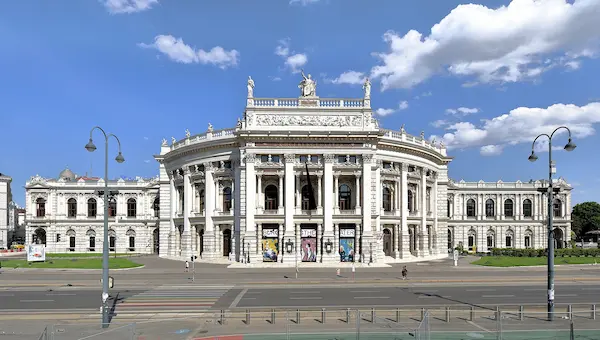
April in Vienna
High16°C / 60°F
Low6°C
Rain45mm / 9 rainy days
Sun10.3 h/day
Daylight14 h/day
Humidity62%
Crowds●●●○○Prices●●●○○
April brings Vienna properly to life: highs near 16°C, cherry and chestnut blossom, and longer days. Crowds pick up, especially over the Easter weekend (5-6 April) and around the Vienna City Marathon on 19 April, which closes the Ringstrasse to traffic on race morning. Outside those two weekends the shoulder-season value still holds, with blossom in the parks and manageable queues at the palaces.
The vibe April is classic Viennese spring: sun and showers trading places hour by hour, so layers are essential. It is lovely and still not a tourist crush outside Easter, but the secret-season quiet of March is gone for the year by month's end.
Don't miss Chestnut blossom opens along the 4.5 km Prater Hauptallee from late April, lined by 2,500 trees. Cherry blossom peaks in the Stadtpark and Volksgarten, both free and far quieter than any palace.
Crowd drivers Easter weekend (5-6 April) and Austrian Easter school holidays, plus the Vienna City Marathon on 19 April, which shuts the Ringstrasse and snarls central traffic that Sunday.
In season Spargel (white asparagus) season opens in April, served classically with hollandaise and ham at traditional Vienna restaurants through into June.
Shoulder rates with two spikes: Easter weekend (5-6 Apr) and Marathon weekend (19 Apr) push hotels up 20-30%.
Events this month
🏃 SportVienna City Marathon
Apr 19 ~
A Sunday in mid-to-late April, with a kids' run the day before. The exact date shifts by a week or two from year to year; check the official site in winter.
The Vienna City Marathon sends runners on a 42.195 km route past the State Opera and Schönbrunn to a finish on the Ringstrasse near Heldenplatz. Spectating is free; running entry is paid. The Ringstrasse closes to traffic for the morning.
It is one of Europe's most scenic city marathons and a great free spectator event, but plan detours, because the Ringstrasse and central traffic are shut down on race morning.
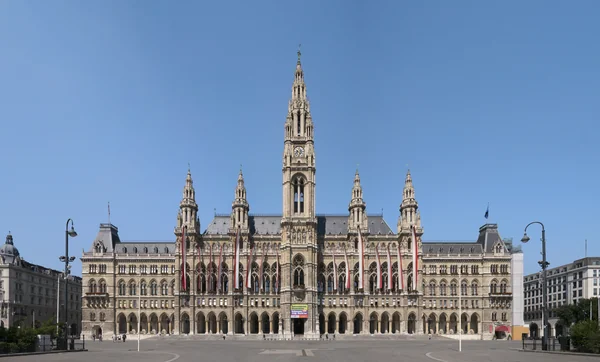
May in Vienna
High20°C / 68°F
Low10°C
Rain73mm / 12 rainy days
Sun10.9 h/day
Daylight15 h/day
Humidity68%
Crowds●●●●○Prices●●●●○
May is the month most people name as Vienna's sweet spot: mild 18-23°C, gardens in full bloom, and the cultural season at its peak as the Wiener Festwochen opens on 15 May. Three public holidays and bridge days also drive heavy Austrian domestic travel. Come outside the Eurovision window if that event is hosted in Vienna in a given year, when hotels sell out and rates surge for the whole week.
The vibe Everyone calls May a shoulder-season secret, and it stopped being one years ago. The weather genuinely is the best of the year, but with Festwochen, Eurovision and three long weekends stacked up, expect crowds and high rates. Come anyway, just book early and go in clear-eyed.
Don't miss The Wiener Festwochen opens on 15 May with a free concert at Heldenplatz and runs 168-plus performances through to 21 June. The Volksgarten rose garden hits full colour from mid-May, free and gloriously fragrant.
Crowd drivers Eurovision Song Contest (10-16 May) at the Stadthalle, the Wiener Festwochen opening (15 May), and three public holidays plus bridge days driving Austrian domestic tourism.
In season Peak Spargel season: white asparagus is at its best in May across the city, and the first strawberries from the Marchfeld east of Vienna reach the Naschmarkt.
Eurovision week (10-16 May) causes a severe hotel shortage; book 6-plus months ahead for those dates.
Events this month
🎵 MusicEurovision Song Contest Eurovision Song Contest 2026
May 10–16 ~
Mid-May when Vienna hosts, with semi-finals and a Grand Final across one week. The Eurovision Village runs from the first show day.
When Vienna hosts the Eurovision Song Contest, a free Eurovision Village opens on Rathausplatz daily from afternoon until midnight. Show tickets run €20-300. It is one of the world's largest live music broadcasts, and the city centre is festive even without a ticket.
A must-visit for fans, but a near-avoid for budget travellers: the city centre is festive even without a ticket, yet hotels sell out months ahead and rates surge for the whole week.
🎨 Art and cultureVienna Festival Wiener Festwochen
May 15 – Jun 21 ~
Mid-May to late June, roughly six weeks. The opening free concert at Heldenplatz marks the start; check the Festwochen site each season for the exact dates.
The Wiener Festwochen marks its 75th anniversary with 168-plus performances, 35 productions and 13 world premieres across the city, from a free opening concert at Heldenplatz to theatre, dance and music in venues citywide. Most productions cost €15-80, several events are free.
It is the artistic highlight of Vienna's year, and the free opening night on Heldenplatz alone is worth timing a trip around.
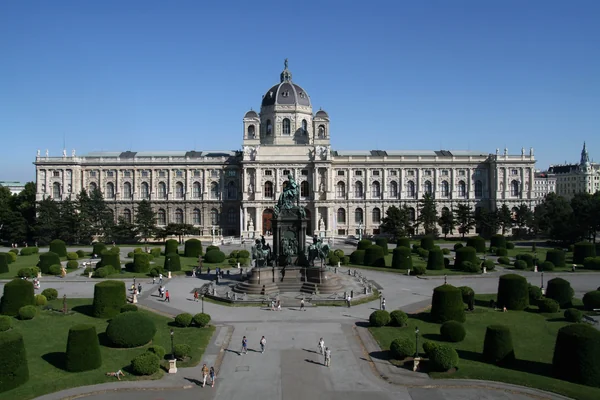
June in Vienna
High24°C / 75°F
Low14°C
Rain76mm / 12 rainy days
Sun11.9 h/day
Daylight16 h/day
Humidity65%
Crowds●●●●○Prices●●●●○
June opens the Viennese summer warm but not yet punishing, with highs near 24°C and the year's longest days, light until past 21:00. The Festwochen runs to 21 June, the Rainbow Parade brings 300,000-plus to the Ringstrasse on 13 June, and the free Sommernachtskonzert draws 100,000 to Schönbrunn on 19 June. It is busy and festive, with the heat still mild enough to walk the city comfortably all day.
The vibe June is Vienna at its most alive: festival-packed, sun-soaked and bright until late evening, the city out in its parks and Schanigärten. This is the last month before the July-August heat turns midday into a slog, so it catches summer at its best.
Don't miss The free Sommernachtskonzert at Schönbrunn on 19 June puts the Vienna Philharmonic on the palace lawn for over 100,000 people. Arrive by 17:00 for a sightline, or watch the live ORF 2 broadcast that evening.
Crowd drivers Vienna Pride and the Rainbow Parade (13 June, 300,000-plus on the Ringstrasse), the Sommernachtskonzert (19 June), and the start of European school holidays late in the month.
In season Marillen (apricots) from the Wachau valley upriver start reaching Vienna's markets in late June, the start of the season behind the city's famed Marillenknödel.
Prices stay high; Pride weekend (13 Jun) and the Sommernachtskonzert (19 Jun) fill hotels fast.
Events this month
🎨 Art and cultureVienna Festival Wiener Festwochen
May 15 – Jun 21 ~
Mid-May to late June, roughly six weeks. The opening free concert at Heldenplatz marks the start; check the Festwochen site each season for the exact dates.
The Wiener Festwochen marks its 75th anniversary with 168-plus performances, 35 productions and 13 world premieres across the city, from a free opening concert at Heldenplatz to theatre, dance and music in venues citywide. Most productions cost €15-80, several events are free.
It is the artistic highlight of Vienna's year, and the free opening night on Heldenplatz alone is worth timing a trip around.
🏳️🌈 PrideVienna Pride and Rainbow Parade Vienna Pride / Regenbogenparade
May 29 – Jun 14 ~
Late May to mid-June, with the Rainbow Parade on the second Saturday of June.
Vienna Pride builds over two weeks to the Regenbogenparade, when 300,000-plus march the Ringstrasse. A free Pride Village sets up on Rathausplatz and a Pride Run takes over the Prater in late May.
It is one of central Europe's biggest and most family-friendly Pride celebrations, taking over the grand Ringstrasse for an afternoon, though hotels around 12-13 June book out fast.
🎵 MusicSummer Night Concert at Schönbrunn Sommernachtskonzert Schönbrunn
Jun 19 ~
One evening in mid-to-late June on the Schönbrunn palace lawn. The date is announced by the Vienna Philharmonic each spring.
The Vienna Philharmonic plays a free open-air concert on the lawn of Schönbrunn Palace, with a star guest soloist. Gates open around 17:00 for a 20:45 start and over 100,000 people attend. It is broadcast live on ORF 2.
It may be the finest free classical concert on earth, with the floodlit baroque palace as a backdrop, so arrive by 17:00 for a real sightline.
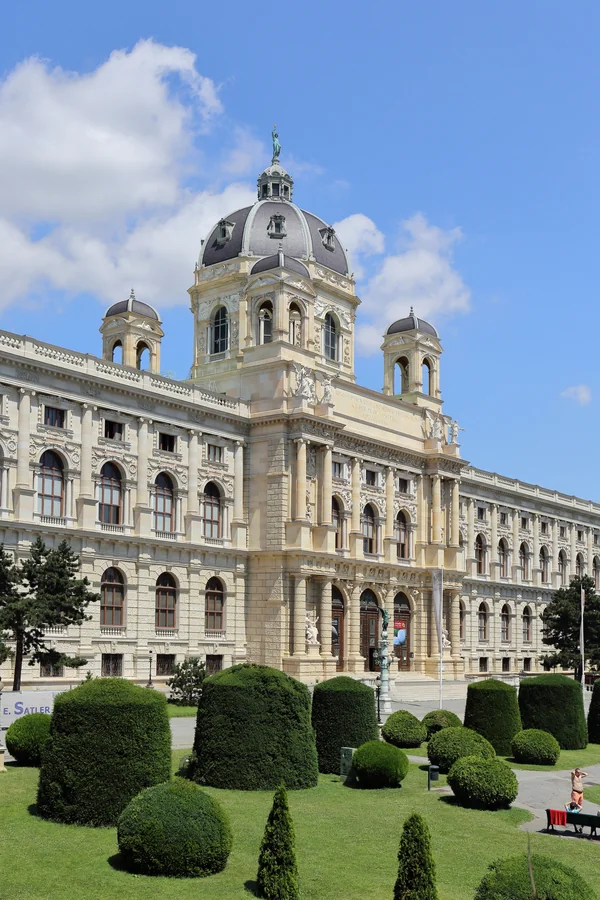
July in Vienna
High26°C / 79°F
Low16°C
Rain78mm / 12 rainy days
Sun11.8 h/day
Daylight16 h/day
Humidity60%
Crowds●●●●●Prices●●●●●
July is Vienna at full intensity and the busiest month of the year. Highs near 26°C are the average, but heat waves regularly push 30-35°C with almost no shade on the Ringstrasse or in the Prater. Austrian school holidays start on 4 July and German, Italian and Dutch breaks pile on, so Schönbrunn queues run 60-120 minutes from late morning. The State Opera is dark all month, but the free open-air screen on Rathausplatz and the giant Donauinselfest soften the heat.
The vibe July is for people who genuinely don't mind 30-35°C and peak prices. Midday on the Ringstrasse is a write-off, but the long warm evenings are a different city: the free Rathausplatz film festival, a swim in the Alte Donau, the Tiber-cool U-Bahn between sights. That part is genuinely good.
Don't miss The free Film Festival on Rathausplatz runs nightly from 4 July, a giant screen showing opera and concerts with a global food village open 11:00-23:00. The Donauinselfest (3-5 July) is the world's largest free open-air festival.
Crowd drivers Austrian Sommerferien from 4 July plus German, Italian and Dutch school holidays all at once; the Donauinselfest (3-5 July) brings 3 million over three days.
In season Eis is survival gear in July. Walk a few streets off the sights to a proper artisan Eissalon for half the price and twice the quality of the tourist-strip counters.
Heads up The Vienna State Opera is closed from 1 July to 2 September for its summer break. Building tours still run daily, but there are no performances.
Year's highest prices; mid-range hotels €180-220 a night.
Events this month
🎵 MusicDanube Island Festival Donauinselfest
Jul 3–5 ~
First weekend of July on the Donauinsel, typically Friday to Sunday. Dates confirmed each spring.
The Donauinselfest spreads rock, pop, folk and electronic music across 14 stages on the Donauinsel over three days, drawing 3 million-plus visitors. Entry is completely free, reached by U-Bahn to Donauinsel or Neue Donau.
It is the largest free open-air festival in the world, and a chance to see Vienna at its most exuberant, though city accommodation books out solid for the weekend.
🎬 FilmMusic Film Festival on Rathausplatz Filmfestival am Rathausplatz
Jul 4 – Sep 6 ~
Early July to early September on the square in front of City Hall, running nightly throughout the summer.
A giant screen on Rathausplatz shows opera, classical concerts and pop performances free every evening, drawing 900,000-plus visitors a season. A global food village of stalls is open 11:00 to 23:00 alongside the screen.
It is the best free evening activity of the Viennese summer, ideal for cooling off after a hot day, so arrive at dusk and graze the food village.
August in Vienna
High26°C / 78°F
Low16°C
Rain70mm / 10 rainy days
Sun11.2 h/day
Daylight14 h/day
Humidity63%
Crowds●●●●●Prices●●●●●
August is the hottest month, with heat waves hitting 30-35°C and humidity making the afternoons draining. European school holidays continue, so the major sights stay packed and queues at Schönbrunn run long all day. The State Opera is still dark, and some neighbourhood restaurants take a two-week summer break, thinning the local fabric. The free Rathausplatz screen and the Prater fun fair keep the evenings lively once the worst heat lifts.
The vibe August is not romantic-empty Vienna, it is survival-mode Vienna. The heat is draining rather than photogenic, and what fills the streets is international tour groups, not locals. If you must come, do your sights before 10:00 and retreat into the marble-cool museums by midday.
Don't miss Beat the heat at the Alte Donau, an urban lake rated excellent for swimming and 20 minutes out by U-Bahn, or the Donau-Auen beaches. The Prater Hauptallee gives deep shade for an early-morning walk.
Crowd drivers Summer school holidays across all of Europe continue; the Rathausplatz film festival and the full Wurstelprater fun fair keep evening crowds high.
In season Marillenknödel (apricot dumplings) made with Wachau apricots are at their peak in August, the dessert to seek out before the season ends.
Heads up Many family-run restaurants take a two-week summer closure in August, especially in the quieter districts. 15 August (Assumption) is a public holiday with shops shut. The State Opera stays dark until 2 September.
Second-priciest month; rates stay near the July peak.
Events this month
🎬 FilmMusic Film Festival on Rathausplatz Filmfestival am Rathausplatz
Jul 4 – Sep 6 ~
Early July to early September on the square in front of City Hall, running nightly throughout the summer.
A giant screen on Rathausplatz shows opera, classical concerts and pop performances free every evening, drawing 900,000-plus visitors a season. A global food village of stalls is open 11:00 to 23:00 alongside the screen.
It is the best free evening activity of the Viennese summer, ideal for cooling off after a hot day, so arrive at dusk and graze the food village.
September in Vienna
High20°C / 69°F
Low12°C
Rain72mm / 9 rainy days
Sun8.9 h/day
Daylight13 h/day
Humidity69%
Crowds●●●○○Prices●●●○○
September is the connoisseur's month. The first six days overlap Austrian school holidays, but from around 7 September the crowds drop sharply and Schönbrunn queues fall from 90 minutes to 15. Highs ease to a comfortable 20°C, the opera season resumes on 3 September, and the Heurigen wine taverns hit full swing for the harvest. Prices fall 25-30% below summer. This is arguably the single best time to visit Vienna.
The vibe September is the payoff for skipping summer: warm enough for the gardens, cool enough to walk all day, and the tour-group crush gone after the first week. The opera is back, the Heurigen are pouring, and the city feels like itself again.
Don't miss The State Opera season resumes on 3 September after the summer break, so standing tickets from €3 return. Heurigen open in full across Grinzing and Heiligenstadt as the grape harvest begins.
Crowd drivers The first six days still overlap Austrian Sommerferien; from around 7 September local schools resume and international crowds drop sharply.
In season Sturm season starts in September: this semi-fermented, cloudy young wine is poured at the Heurigen in Grinzing, Heiligenstadt, Nussdorf and Sievering only while it lasts into October.
Rates fall 25-30% from peak after the first week; mid-range around €130-150.
October in Vienna
High15°C / 58°F
Low7°C
Rain48mm / 9 rainy days
Sun6.7 h/day
Daylight11 h/day
Humidity78%
Crowds●●●○○Prices●●●○○
October is Vienna's autumn at its best: highs near 15°C, foliage turning red-gold in the Prater and Stadtpark, and persistent grey drizzle with morning fog setting in. Crowds stay moderate apart from the National Holiday on 26 October, which fills the centre. The Long Night of Museums on 3 October opens 100-plus venues till midnight on one ticket, and the Viennale film festival runs from 22 October, a strong reason to come this month.
The vibe October is romance season in Vienna: autumn gold in the Prater, the Heurigen pouring young Sturm by candlelight in Grinzing, Viennale evenings paired with a Beisl dinner. The greyer skies and morning fog only add to it. Genuinely the city's most atmospheric month.
Don't miss The Long Night of Museums on 3 October opens 100-plus museums and palaces until midnight on a single shuttle ticket (around €18). Autumn foliage peaks 15-25 October in the Prater and the Wienerwald, 20 minutes out by S-Bahn.
Crowd drivers The Austrian National Holiday on 26 October packs the city centre, and the autumn half-term (Herbstferien) around it lifts domestic travel; the Viennale draws a film crowd.
In season Sturm and the first Most (apple cider) flow at the Heurigen, while roast chestnut (Maroni) vendors set up on the streets, the taste and smell of Viennese autumn.
Good value, except the National Holiday (26 Oct) fills the centre; mid-range stays moderate.
Events this month
🌙 Museum nightLong Night of Museums Lange Nacht der Museen
Oct 3 ~
One Saturday in early October, from 18:00 to midnight. The exact date is announced by ORF in late summer each year.
On one Saturday night, a single ticket of around €18 opens 100-plus museums, palaces and collections across Vienna from 18:00 until midnight, with shuttle buses linking the clusters. The Kunsthistorisches Museum, Albertina and Natural History Museum all stay open late.
It is extraordinary value, letting you wander the city's great collections by night for the price of one normal ticket, so book the shuttle pass online to cover the distance.
🎬 FilmVienna International Film Festival Viennale
Oct 22 – Nov 3 ~
Late October into early November, typically twelve to thirteen days. The programme is announced in September each year.
The Viennale is Austria's premier film festival, screening 180-plus international arthouse films across the Gartenbaukino, Filmmuseum and Stadtkino. Tickets run €13-16 a film and are far easier to get than at Cannes or Venice.
It is a serious arthouse festival with genuinely accessible tickets, and the best reason to time an autumn city break around Vienna's most intellectually alive season.
November in Vienna
High9°C / 48°F
Low3°C
Rain44mm / 9 rainy days
Sun4.9 h/day
Daylight9 h/day
Humidity82%
Crowds●●○○○Prices●●○○○
November is the quiet pre-Christmas value window. Highs drop to around 9°C, grey drizzle and morning fog are common, and daylight shrinks to nine hours. The Schönbrunn Advent market opens on 6 November and the Rathausplatz Christkindlmarkt around 14 November, so you can have the markets a week or two early without the December crush. The first half of the month is genuinely calm and well-priced before the festive surge arrives.
The vibe Early November is one of Vienna's best-value secrets: the Schönbrunn Advent market already glowing in the palace courtyard, but none of the December crowds yet. Add a rainy-day Kaffeehaus afternoon at Café Central and the grey weather stops mattering.
Don't miss The Schönbrunn Advent market opens on 6 November in the baroque palace courtyard, a week before the bigger Rathausplatz market and far less crowded. The ideal window is 6-13 November, before the tourist rush.
Crowd drivers Quiet until the Christmas markets open mid-month, after which weekend evenings start to fill. Allerheiligen (1 November) is a quiet national holiday.
In season Martinigansl, the traditional roast goose around St. Martin's Day (11 November), appears on menus across Vienna's restaurants for a few weeks only.
Heads up All Saints' Day on 1 November closes most shops and the Naschmarkt. Shops are shut every Sunday year-round, so plan grocery runs for Saturday.
Pre-Christmas value window; mid-range hotels around €100-130 in the first two weeks.
Events this month
🎄 Christmas marketRathausplatz Christmas Market Christkindlmarkt am Rathausplatz
Nov 14 – Dec 26
Mid-November through 26 December in front of City Hall, running daily including weekends.
Vienna's flagship Christmas market fills the square before the neo-Gothic City Hall with 150-plus stalls, an adjacent Ice Dream skating rink and an illuminated Rathauspark. It is one of Europe's most visited Christmas markets, drawing millions across Advent.
It is the postcard Vienna Christmas, but go on a weekday morning to actually move, because Saturday evenings mean a 20-minute queue just for a Glühwein.
🎄 Christmas marketSchönbrunn Advent and Christmas Market Weihnachtsmarkt Schloss Schönbrunn
Nov 6 – Jan 6
Early November through 6 January in the palace courtyard, opening about a week before the bigger Rathausplatz market.
Set in the baroque courtyard of Schönbrunn Palace, this market gathers 60-plus stalls of crafts, food and decorations, plus family rides, with the palace as backdrop. It opens about a week before the bigger Rathausplatz market and runs latest, to 6 January.
It is the most atmospheric of Vienna's markets and the least crowded of the big ones, ideal in the 6-13 November window before the tourist rush arrives.
December in Vienna
High4°C / 39°F
Low-2°C
Rain39mm / 9 rainy days
Sun4.5 h/day
Daylight8 h/day
Humidity83%
Crowds●●●●○Prices●●●●○
December is Vienna's festive peak and its busiest winter month. Highs hover near 4°C with frost likely and dark by 15:45, so dress for cold. The Rathausplatz Christkindlmarkt runs through 26 December and draws over 3 million, while the Schönbrunn market runs to 6 January. The Silvesterpfad turns the centre into a free open-air party on 31 December. Hotel rates spike 40-60% over the holiday week, so book those dates early.
The vibe December Vienna is the Christmas-market city of the postcards, and it earns the cliché. The trade is genuine cold, the year's shortest days, and Ringstrasse crowds thick in the evenings. Go to the markets on a weekday morning to actually move, not a Saturday night when the Glühwein queue runs 20 minutes.
Don't miss The Silvesterpfad on 31 December strings eight free stages across the city centre and the Prater, with a street waltz at midnight by the Rathaus. It is the best free New Year's Eve in Europe, so take the U-Bahn, never a car.
Crowd drivers Christmas-market season draws 3 million-plus to the Rathausplatz alone; the 23 December to 2 January holiday week is the densest, with Dec 8, 25 and 26 as public holidays.
In season Glühwein and Punsch at the Christmas markets, plus Vanillekipferl and Lebkuchen from the stalls, are the flavours of December. Go weekday mornings to skip the Saturday-evening Glühwein queues.
Heads up 25 December closes almost everything, including Schönbrunn, and pauses the markets. 8 and 26 December are public holidays with shops shut but the markets open.
Rates spike 40-60% from 23 Dec to 2 Jan; book accommodation 3-plus months ahead for those dates.
Events this month
🎄 Christmas marketRathausplatz Christmas Market Christkindlmarkt am Rathausplatz
Nov 14 – Dec 26
Mid-November through 26 December in front of City Hall, running daily including weekends.
Vienna's flagship Christmas market fills the square before the neo-Gothic City Hall with 150-plus stalls, an adjacent Ice Dream skating rink and an illuminated Rathauspark. It is one of Europe's most visited Christmas markets, drawing millions across Advent.
It is the postcard Vienna Christmas, but go on a weekday morning to actually move, because Saturday evenings mean a 20-minute queue just for a Glühwein.
🎄 Christmas marketSchönbrunn Advent and Christmas Market Weihnachtsmarkt Schloss Schönbrunn
Nov 6 – Jan 6
Early November through 6 January in the palace courtyard, opening about a week before the bigger Rathausplatz market.
Set in the baroque courtyard of Schönbrunn Palace, this market gathers 60-plus stalls of crafts, food and decorations, plus family rides, with the palace as backdrop. It opens about a week before the bigger Rathausplatz market and runs latest, to 6 January.
It is the most atmospheric of Vienna's markets and the least crowded of the big ones, ideal in the 6-13 November window before the tourist rush arrives.
🎉 FestivalVienna New Year's Eve Trail Wiener Silvesterpfad
Dec 31 – Jan 1
Every 31 December from 14:00 into the early hours of 1 January, across the city centre and the Prater.
The Silvesterpfad strings eight free stages through the city centre and the Prater, with everything from waltz to pop and a street waltz at midnight by the Rathaus. More than a million people fill the streets and over 100 hours of programming run across the trail.
It is the best free New Year's Eve in Europe, with the city centre turned into one open-air party, so take the U-Bahn and never attempt to drive.
Frequently asked questions
What is the best time to visit Vienna?
May and September are the best months. Both bring mild 18-23°C weather, the cultural season in full swing, and crowds you can navigate. May has the Wiener Festwochen and spring blossom, September has the opera season resuming and prices 25-30% below summer. Just avoid Eurovision week (10-16 May), when hotels sell out months ahead.
What are the cheapest months to visit Vienna?
January is the cheapest month by a clear margin, with mid-range hotels around €90-110 a night, 30-40% below the summer peak. February (away from the Opera Ball weekend of 12 February) and the first half of November match it closely. All the top attractions stay open, and queues at Schönbrunn drop to about 15 minutes.
When should I avoid visiting Vienna?
Late July and August are the months most worth avoiding. Heat waves hit 30-35°C with almost no shade on the Ringstrasse, Schönbrunn queues run 60-120 minutes, hotel rates peak, and the State Opera is dark for its summer break until 2 September. Some neighbourhood restaurants also close for two weeks in August.
How is Vienna in December?
December is festive and busy, the city's peak winter month. The Rathausplatz Christkindlmarkt runs through 26 December and draws over 3 million, the Schönbrunn market runs to 6 January, and the Silvesterpfad fills the centre free on 31 December. Highs hover near 4°C with frost likely. Hotel rates spike 40-60% from 23 December to 2 January, so book early.
Is September a good time to visit Vienna?
September is arguably the single best month. After the first six days, Austrian school holidays end and Schönbrunn queues fall from 90 minutes to 15. Highs ease to a comfortable 20°C, the opera season resumes on 3 September, the Heurigen pour young Sturm wine for the harvest, and prices drop 25-30% below the summer peak.
Does it rain a lot in Vienna?
Vienna has moderate rainfall, wettest in late spring and summer. June and July see about 76-78mm over 12 days each, but summer rain falls as short afternoon thunderstorms, not all-day drizzle, so mornings usually stay fine. Winter is drier, with 32-39mm a month, while October and November bring persistent grey drizzle and morning fog.
When can I see the Vienna Opera and the balls?
The State Opera runs September to June and is dark from 1 July to 2 September, with standing tickets from just €3-18 in season. Ball Season runs mid-January to Shrove Tuesday, with over 450 balls. The Philharmonic Ball is on 22 January and the famous Opera Ball on 12 February in 2026.
How many days do I need in Vienna?
Three days cover the essentials: Schönbrunn Palace, the Hofburg and Ringstrasse, and the historic centre around Stephansdom. Four to five days let you add the Belvedere, the Kunsthistorisches Museum, a Heurigen evening in Grinzing and the Prater. A week reveals the café and district character that makes Vienna hard to leave.
What is the best time to visit Vienna with kids?
June and early September are best for families. June keeps the heat mild at 20-25°C with the free Sommernachtskonzert and the Wurstelprater fun fair, before Austrian school holidays start on 4 July. From around 7 September the crowds drop and Schönbrunn queues fall to 15 minutes. Avoid the 30-35°C afternoons of late July and August with small children.

Any month, any day: your guide is already there
Whatever date you pick, a private human guide gets pricier and harder to book on weekends, holidays and in peak season. Our live AI guide, the one that walks with you and answers anything you ask out loud, works the opposite way.
One flat price, every day
No holiday, weekend, night or peak-season surcharge. A private guide in Vienna runs well over 100 euro for a half day, and more on holidays. Ours stays the same.
Available the moment you want it
Start at midnight or at dawn, on Christmas, in the snow, in the August heat. No sold-out high season, no booking weeks ahead.
Your pace, no meter running
Pause for a long lunch, restart after dark, repeat a stop. The tour simply waits for you.
Free to try, a fraction of the cost
Test it for free, then a transparent flat price that undercuts any private guide, in every season.
The classic Vienna tour: 19 stops, 6.8 km, about 4 h on foot
Your live AI guide and the self-guided Vienna route, together in your browser.