Best Time to Visit Valencia
Month-by-month weather, crowds and prices, plus a full calendar of festivals and events worth planning a trip around.
Best monthsApr, May, Sep, Oct
CheapestJan, Feb, Nov
AvoidAug
BusiestJul, Aug
When is the best time to visit Valencia?
Come in April, May, September or October: highs of 20 to 28°C, sea warm enough to swim from June through October, and the festival calendar at its best. July and August bring sticky 30°C heat and the year's highest prices. January and February are the cheapest and emptiest, the trade being cooler 16°C days.
Start our tool and find your best time to visit Valencia
Your perfect month
Free · ~30 seconds
or tap a month directly
What matters to you?
And this?
Best overall: May, Oct. May and October are the real thing: 24°C days, the sea still or already swimmable, every sight open, and crowds you can work around. April and September deliver too, just book ahead, because everyone else has read the same advice.
Best value: Jan, Feb, Nov. January, February and November bring hotel rates around 131 to 175 euros a night, near-empty museums, and the rare pleasure of hearing Valencian spoken in a market that is not wall-to-wall tour groups.
Avoid: Aug. August: sticky 30°C heat, the year's highest prices near 224 euros a night, Malvarrosa beach jammed at weekends, and many local restaurants shuttered for their summer break. The worst value of the year.
- January: Great time, 16°C. This is the one month Valencia belongs to the Valencians. Café terraces still fill on sunny afternoons because 16°C and sunshine beats most of northern Europe, the Ruzafa bars hum with locals rather than tourists, and you pay the year's lowest rates for it. The trade is a sea too cold for swimming, and that is a fair one.
- February: Great time, 17°C. February is honest, unperformed Valencia: no festival markup, no crush, just a real Mediterranean city in winter mode and better for it. Watch for the quiet build-up as Fallas casals start prepping, the early sign of the storm of noise and colour that lands in March.
- March: Good time, 19°C. Las Fallas is a genuinely extraordinary experience and the most intense situation Valencia offers all year: prices double, hotels sell out months ahead, and the daily 2 pm Mascletà plus the all-night fireworks mean real sleep deprivation. Worth it only if Fallas itself is the reason you are coming. Otherwise, come the week before.
- April: Great time, 20°C. April is gorgeous and far less hectic than the summer, the kind of shoulder month Valencia does best. The Easter week pulls a crowd to the beach and the Cabanyal at once, but step outside those few days and you get warm spring weather, full opening hours, and prices well below July. This is a smart, underrated time to come.
- May: Great time, 24°C. May is the sweet spot most people miss. Spring is at full tilt, the jacarandas are in bloom, the terraces are buzzing, and yet there is none of the August crush or pricing. If you can only come once and want the best weather-to-crowd ratio of the year, this is it. The one catch is the sea is still a touch cool for casual swimming.
- June: Great time, 28°C. June is the tipping point, when Valencia shifts from spring-quiet into full summer mode. Early in the month the beach is usable and the city is still calm. By the last week, with school holidays and the Gay Games, it is loud, hot and packed. The long light evenings, with sunset after 9:30 pm, are the redeeming feature: this is terrace and seafront-dinner weather at its best.
- July: Good time, 30°C. July is for people who want the beach, the warm sea and a packed festival calendar and don't mind the heat and the prices to get them. The humidity makes 30°C feel heavier than the number suggests, and the midday City of Arts and Sciences concrete is brutal. But the Gran Fira evenings and the long Mediterranean nights are exactly why people pick a summer city by the sea.
- August: Tough month, 30°C. August is Valencia at its most touristy and least authentic. The locals who can leave have left, family restaurants put up the closed-for-holidays sign, and you pay top rates for a city in full beach-resort mode. If sun, sea and a buzzing seafront are all you want it delivers. If you came for the real Valencia, this is the wrong month.
- September: Good time, 28°C. September quietly outperforms its reputation. You get the warmest sea of the whole year, the gold of the rice harvest, and a city that empties out as the month goes on, all the upside of summer with the edge taken off. The catch is the price, which stays high, and the first risk of an autumn storm. Worth it, just book ahead.
- October: Great time, 24°C. October is the connoisseur's month: warm enough for the beach early on, the city dressed in golden autumn light, and the summer crush gone. The Community Day bridge brings real local euphoria with the Moros y Cristianos parade, which is worth timing for. The one shadow over the month is the DANA storm risk, very real here, so watch the weather and you will be fine.
- November: Great time, 20°C. November is Valencia exhaling. The summer machine has switched off, day-trippers from Madrid thin out, and you get the city back at a gentle, mild pace for a fraction of the peak price. It is not beach weather and the sea has cooled, but for museums, food and unhurried wandering it is one of the most underrated months of the year.
- December: Great time, 17°C. December is mild, festive and mostly relaxed, with the markets giving it real warmth despite the absence of snow. The two exceptions are the marathon weekend and New Year, when prices jump and the centre fills. Outside those, it is a quietly lovely time to wander a softly lit old town and duck into a bar for hot chocolate and buñuelos.
Valencia weather by month
HighLowRainfall
Jan16°
Feb17°
Mar19°
Apr20°
May24°
Jun28°
Jul30°
Aug30°
Sep28°
Oct24°
Nov20°
Dec17°
| Month | Temp | Rain | Sun | Crowds | Prices | Highlight |
|---|---|---|---|---|---|---|
| Jan | 16° / 7° | 33mm · 3 rainy days | 8.2 h/day | ●○○○○ | ●○○○○ | Three Kings Parade |
| Feb | 17° / 8° | 18mm · 4 rainy days | 8.8 h/day | ●○○○○ | ●○○○○ | |
| Mar | 19° / 9° | 68mm · 8 rainy days | 9.5 h/day | ●●●●● | ●●●●○ | Las Fallas |
| Apr | 20° / 11° | 42mm · 6 rainy days | 10.4 h/day | ●●●○○ | ●●●○○ | Maritime Holy Week |
| May | 24° / 15° | 27mm · 4 rainy days | 12.7 h/day | ●●○○○ | ●●○○○ | International Museums Night |
| Jun | 28° / 19° | 25mm · 4 rainy days | 13.1 h/day | ●●●○○ | ●●●○○ | Corpus Christi |
| Jul | 30° / 22° | 17mm · 2 rainy days | 13.4 h/day | ●●●●○ | ●●●●○ | Gay Games XII |
| Aug | 30° / 22° | 23mm · 4 rainy days | 12.2 h/day | ●●●●● | ●●●●● | |
| Sep | 28° / 20° | 79mm · 8 rainy days | 10.5 h/day | ●●●●○ | ●●●●○ | World Paella Day |
| Oct | 24° / 16° | 45mm · 6 rainy days | 9.1 h/day | ●●●○○ | ●●●○○ | Moors and Christians Parade |
| Nov | 20° / 12° | 64mm · 6 rainy days | 8.0 h/day | ●○○○○ | ●●○○○ | Christmas Markets |
| Dec | 17° / 9° | 31mm · 3 rainy days | 7.7 h/day | ●●○○○ | ●●○○○ | Valencia Marathon |
How we score this: weather = long-run climate normals (Open-Meteo), crowds & prices = relative season read, events checked yearly against official dates.
Best time to visit Valencia: weather, prices & crowds
Best months for good weather
May, Jun, Sep, Oct
May, June, September and October give you Valencia's most reliable warmth: highs of 24 to 28°C, dry sunny days, and evenings long enough to eat outside on a terrace until well after dark.
Quietest months to avoid the crowds
Jan, Feb, Nov
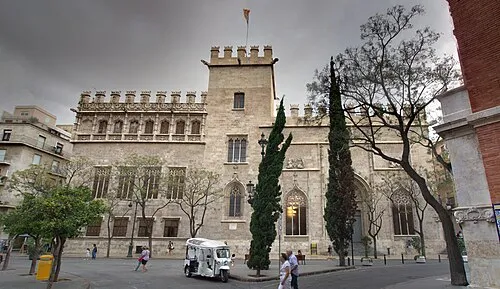
From November to February the international crowd thins right out. The Mercat Central, the cathedral and the museums are close to empty, and you can stand under the Llotja's twisted columns without another visitor in the hall.
Cheapest time to visit Valencia
Jan, Feb, Nov
January and February are Valencia's cheapest months, with hotel rates around 131 to 140 euros a night, roughly a third below the summer peak. November runs cheap too, and you can walk into a paella restaurant on a Saturday without a booking.
Best time for festivals and events
Mar
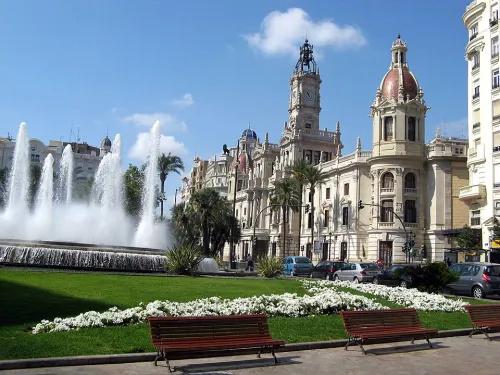
Las Fallas in mid-March has no equal in Spain: hundreds of towering papier-mâché sculptures fill the streets, a deafening Mascletà firecracker show goes off daily at 2 pm in Plaza del Ayuntamiento, and on the 19th the whole lot burns in the Cremà.
How many days do you need in Valencia?
Give Valencia three full days. Spain's third city spreads its highlights across a wide area, from the medieval old town near the Torres de Serranos to the futuristic City of Arts and Sciences at the far end of the Jardín del Turia, and the distances alone make a single day feel breathless. A fourth day, best used in spring or autumn, lets you slow down, reach the Albufera lagoon, and eat a proper paella in El Palmar.
One day
Old town essentials
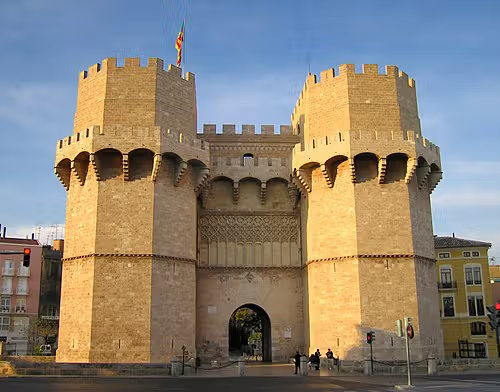
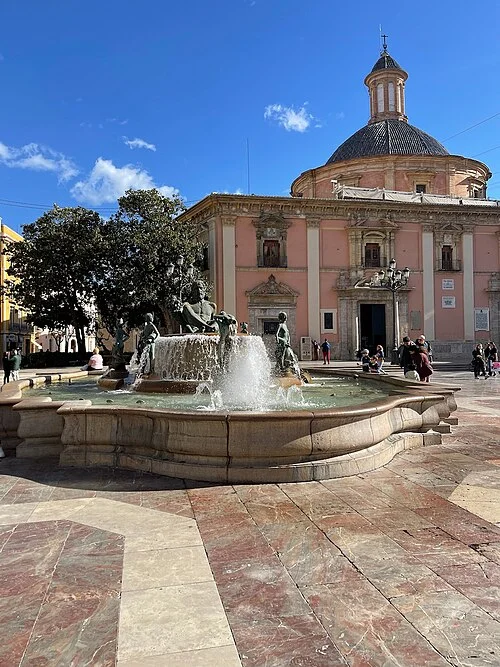
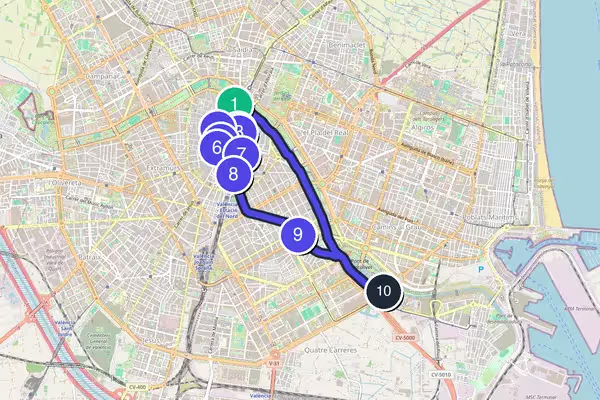
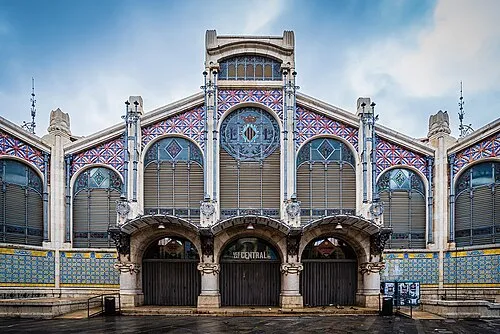
Start at the Torres de Serranos, Valencia's 33-metre medieval gate towers, and work south through the Plaza de la Virgen to the Valencia Cathedral, then west to the Church of San Nicolás with its nearly 2,000 square metres of Baroque ceiling frescoes. End at the Gothic Silk Exchange and the Central Market. The self-guided Valencia walking tour links all ten stops across 9.3 km in about 3.5 hours, threading the historic centre from the gate towers down through the National Museum of Ceramics to the Plaza del Ayuntamiento.
Two days
River park and futuristic skyline
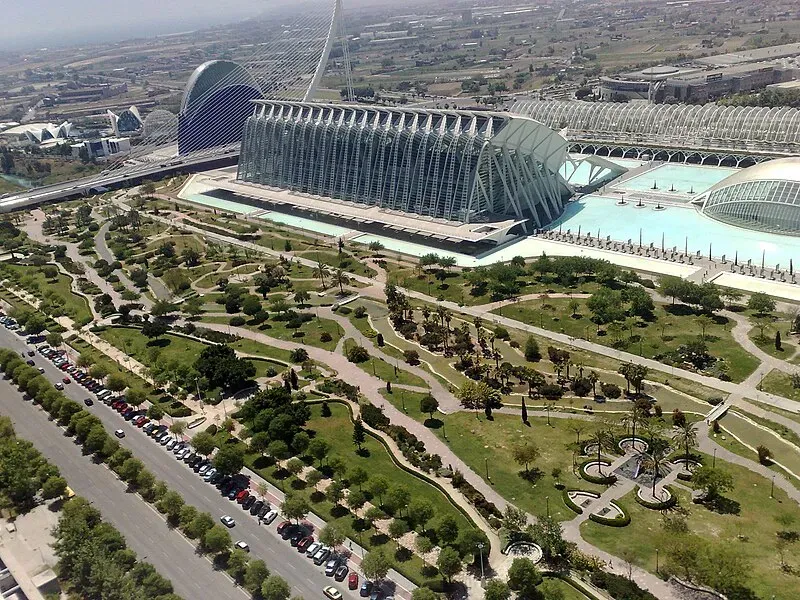
Spend the morning walking the Jardín del Turia, the 9-kilometre tree-shaded former riverbed turned linear park, where you can stop at the giant Gulliver statue before continuing to the City of Arts and Sciences. Visit the Hemisfèric and the Oceanogràfic in the afternoon; the combined ticket undercuts buying each separately. In summer, visit the outdoor plaza before 10 am before the white concrete starts radiating heat.
Three daysRecommended
Beach and Albufera
Take the tram east to Playa de la Malvarrosa for a morning swim, then head south to the Albufera lagoon. From El Palmar, catch a sunset boat tour across the rice paddies, which turn gold from September onward. Eat paella at one of the waterside arrocerías in El Palmar rather than at the Malvarrosa tourist strip: the rice is fresher and the setting is worth it.
Four days or more
Neighbourhood wandering and day trips
Use the extra time for the Ruzafa barrio, Valencia's most lived-in neighbourhood, where independent cafés, tile-fronted bars and vintage shops fill the streets around Calle Cuba. The Cabanyal fishing quarter, a short walk from the beach, rewards slow exploration with its painted tile facades and the covered market on Calle de la Reina. A day trip to the Albufera village of El Palmar outside the harvest season gives you the lagoon almost to yourself.
Best time to visit Valencia by traveller type
Same city, different trip. Here's the month that fits how you're travelling.
🧭
Best time to visit Valencia for the first time
AprMaySepOct
April, May, September or October: the shoulder-season sweet spot with comfortable 20 to 25°C, every sight open, and crowds you can work around. April adds spring blossom and the TastArròs rice festival, October the golden light and the Moros y Cristianos parade.
❤️
Best time to visit Valencia for couples
MayOct
May for the jacaranda trees turning Avenida de Aragón purple and sunsets near 9 pm, or October for warm evening light, golden Albufera rice paddies, and terrace weather with the summer crush gone.
💶
Best time to visit Valencia on a budget
JanFebNov
January, February or November: the lowest hotel rates of the year, empty museums, and a city where the Turia park, the cathedral and the central market cost nothing to enjoy.
🍝
Best time to visit Valencia for food and wine
SepOct
September for World Paella Day on the 20th and the fresh Albufera rice harvest, or October for wild mushrooms from the Huerta, both away from the tourist-menu crush of high summer.
Worst time to visit Valencia
August is the month most worth skipping. Afternoon highs sit at 30°C and feel heavier because of the Mediterranean humidity, with inland DANA wind shifts occasionally pushing heatwaves toward 40°C. Hotel rates peak near 224 euros a night, roughly 50 to 70 percent above winter, Playa de la Malvarrosa is packed at weekends with all of Europe on school holiday, and around Assumption Day on 15 August many family-run restaurants shut for one to two weeks while the staff take their own break.
Still worth it for August still works if the beach and warm sea are the whole point: the Mediterranean reaches 25°C and the Jardín del Turia stays the coolest walking route in the city even at the height of summer. Families who need to travel in school holidays will find the Oceanogràfic and the City of Arts and Sciences fully open and easy to reach.
Go instead in April, May, September, October, when Valencia is at its best.
Best time for a tour of Valencia
The sweet spot for walking Valencia's 9.3 km loop falls in April, May, and October, when temperatures sit between 20 and 24 °C, skies are mostly clear, and the streets around the Silk Exchange and Plaza de la Virgen are pleasantly thin. Nights are cool enough that you can walk straight through the afternoon without wilting. June and September are workable, warming to 27 to 28 °C, though September brings up to eight rain days that can turn the long open stretch of Jardín del Turia into a slog. July and August hit a sustained 30 °C with almost no shade on the exposed sections between the City of Arts and Sciences and the old city, and crowds are dense. March looks mild on paper, but Las Fallas floods the city with visitors and makes Torres de Serranos and the entire historic core shoulder-to-shoulder for much of the month. January and February are quiet to the point of near-empty, the highs only reaching 16 to 17 °C, which is acceptable for walking but the short days mean you lose light well before the tour is naturally done.
With AI Tourguide running in your browser, no tour operator sets your departure time, so the climate becomes your only scheduler. On a July morning you can be at Torres de Serranos by eight o'clock, finishing the City of Arts and Sciences segment well before the midday heat takes hold, then sit in the shade of Jardín del Turia and continue the conversation with your guide at your own pace. The guide leads the whole way, telling stories, asking what you noticed, and adapting to what you find most interesting, whether you stop for twenty minutes at the Silk Exchange or push straight through. Start your Valencia tour whenever the temperature suits you, not when a group itinerary says to.

 +6
+6All 10 stops are already on the map.
You just press start.
You just press start.
 AI Tourguide
You just read the route.
Now walk it with a guide in your ear.
Press start wherever you are, even hundreds of kilometres from Valencia, and the guide begins telling its stories right away. In the city, pick any of the 10 stops to start from: it leads you there, then talks with you the whole route, asking, listening, remembering, and shaping the tour around your answers.
10stops9.3km3.5hours11languages
▶Start the tour freeFree to start · Runs in your browser · No app, no download
Valencia events and festivals calendar
Annual highlights worth timing a trip around, listed month by month.
January
🎉 FestivalThree Kings Parade Cabalgata de Reyes Magos
Jan 5
evening of 5 January
A grand evening parade of 1,300 participants with four tonnes of sweets thrown to the crowd, as the Three Kings arrive from the sea at the Marina Norte from 4:30 pm and process into the centre.
March
🎉 FestivalLas Fallas Falles de València
Mar 1–19
1 to 19 March, core week 15 to 19 March
Valencia's UNESCO-listed signature festival: hundreds of giant papier-mâché sculptures fill the streets, a deafening Mascletà firecracker show runs daily at 2 pm in Plaza del Ayuntamiento, a flower offering to the Virgin takes place on the 17th and 18th, and the sculptures all burn in the Cremà on the 19th.
⛪ ReligiousMaritime Holy Week Setmana Santa Marinera
Mar 27 – Apr 5 ~
Holy Week, late March into early April
Holy Week in the Cabanyal and Canyamelar seaside districts, with processions along the beach that carry figures of Christ down to the water.
April
🍷 Food and wineTastArròs Rice and Paella Festival TastArròs
Apr 25–26
a weekend in late April
Plaza del Ayuntamiento becomes a rice arena with 10,000 kg of rice spread out, top chefs, show-cooking, and tastings of the Bomba, Senia and Albufera varieties for around 5 euros a portion.
May
🌙 Museum nightInternational Museums Night Noche de los Museos
May 16–18
mid-May evening
Museums open for free in the evening until 10 pm, including the CaixaForum and the Palacio del Marqués de Dos Aguas, with reservation recommended.
June
⛪ ReligiousCorpus Christi Corpus Christi de València
Jun 7 ~
Thursday after Pentecost, in June
A solemn procession from the cathedral at 7 pm with medieval Rocas wagons, a cavalcade at noon, and a Mascletà at 2 pm.
🏳️🌈 PrideValencia Pride Orgull LGTBI+ València
Jun 20
late June
A demonstration and street celebration through the centre, typically coinciding with or running close to the Gay Games when that event is held in Valencia, giving the Pride weekend an extra international dimension.
🏃 SportGay Games XII
Jun 27 – Jul 4
late June into early July
The world's largest LGBTQ+ sporting event, bringing 9,000 athletes across more than 30 sports including Valencian pilota, with a parallel music and culture festival.
July
🎉 FestivalGreat July Fair Gran Fira de València
Jul 1–31
all of July
A month-long summer city festival of concerts, fireworks, traditional Valencian celebrations and folk activities, most of them free.
🎉 FestivalBattle of Flowers Batalla de Flors
Jul 26
last Sunday of July, from 8 pm
The grand finale of the Gran Fira: 30 to 40 decorated floats carrying falleras, 1.2 million carnations thrown into the crowd, and the Els Focs de la Fira fireworks at a 360-degree show near midnight at the Porta de la Mar.
September
🍷 Food and wineWorld Paella Day Día Mundial de la Paella
Sep 20
20 September every year
A global cook-off with chefs from three continents, whose finalists visit the Albufera rice fields and the central market, celebrating the dish in its birthplace.
October
🎉 FestivalMoors and Christians Parade Moros i Cristians
Oct 9
9 October, Valencia Community Day
A five-hour pageant through the city centre marking the entry into Valencia in 1238 under King James I, with the annual Entrada de Moros y Cristianos drawing thousands of participants in period costume.
November
🎄 Christmas marketChristmas Markets Mercados de Navidad
Nov 26 – Jan 6
late November to early January
Several markets across the city, including crafts at Plaza de la Reina and the Cabanyal Three Kings market from 3 to 6 January, with more than 600 family activities.
December
🏃 SportValencia Marathon Marató Trinidad Alfonso Zurich
Dec 6
first Sunday of December
A World Athletics Platinum Label marathon on one of the world's fastest courses, starting and finishing at the City of Arts and Sciences and closing central streets.
Insider tips for visiting Valencia
The rules buried in forums, in one place.
- For Las Fallas, book the week before instead of the festival week itself. The giant sculptures are already standing from around 15 March and the daily 2 pm Mascletà in Plaza del Ayuntamiento runs from 1 March, so arriving 10 to 14 March gets you the spectacle without the doubled hotel prices or the crush.
- Visit the Mercat Central on a weekday before 9 am, when locals do their shopping and the aisles still breathe. From around 10:30 am tour groups take over. Friday has the best selection, and the market is closed on Sundays.
- IVAM and MuVIM close on Mondays, so if you only have one day for museums, plan it for Tuesday through Sunday. The cathedral runs 10 am to 5:30 pm, and the Llotja silk exchange opens 10 am to 7 pm except Sundays when it shuts at 2 pm.
- For Albufera, go in September or October rather than August. In the August heat the lagoon can smell stagnant on a windless day and the boats are packed. By September the rice paddies have turned gold, the air is bearable, and sunset boat tours leave from El Palmar with far fewer people aboard.
- Visit the City of Arts and Sciences outdoor plaza before 10 am in summer. The vast white concrete throws back brutal heat by midday, while the open grounds are free to walk and just as photogenic in the cool early light. A combined Oceanogràfic and Hemisfèric ticket also undercuts buying each separately.
- Through July and August, walk before 10 am and after 7 pm and treat 1 pm to 5 pm as a forced siesta. The Jardín del Turia, an 8.5 km tree-shaded park sunk into the old riverbed, stays the coolest walking route in the city even at the peak of summer.
- In October and November, take the DANA flood-risk weather seriously. These two months carry the chance of a sudden cold-drop storm that can dump months of rain in hours. If a heavy-rain alert is out, skip low-lying excursion areas south of the city like Albufera and stay on the higher ground of the old centre.
- Book a room three months ahead for Valencia Marathon weekend around 6 December. It is one of Europe's biggest winter races, the course closes the centre, and city-centre hotels near the City of Arts and Sciences sell out from September.
Public holidays in Valencia
On these dates many shops and offices close, transport thins out, and sights can be mobbed or shut. Plan around them.
| Date | Holiday | What closes |
|---|---|---|
| Jan 1 | New Year's Day | Everything closes: shops, museums, and most restaurants. The Mercat Central is shut and dining options are very limited until the evening. |
| Jan 6 | Epiphany (Three Kings) | National holiday and the main gift-giving day in Spain: almost everything closes and the central market is shut. The evening Three Kings parade the night before fills the centre with families. |
| Mar 19 | Saint Joseph's Day (Las Fallas finale) | Regional Valencia holiday and the climax of Las Fallas: the whole city shuts down for the Cremà burning the night before, and most businesses stay closed. Hotels empty out fast once the festival ends. |
| Apr 3 | Good Friday | National holiday during Semana Santa: many shops closed, the Mercat Central open only 7:30 am to 3 pm, and the seafront Cabanyal processions draw thousands. The main Good Friday procession runs around five hours. |
| Apr 6 | Easter Monday | Public holiday in the Valencia region: shops mostly closed and beaches busy as Spanish families take the long weekend before schools go back. |
| May 1 | Labour Day | National holiday: most museums and shops closed. The streets are quiet in the morning before demonstrations gather in the centre. |
| Jun 24 | Saint John's Eve (San Juan) | Regional holiday: bonfires light up the beaches overnight and the seafront is loud and festive. Museums and central sights are largely unaffected during the day. |
| Aug 15 | Assumption Day | National holiday at the peak of summer: many family-run restaurants close for one to two weeks, local businesses shut, and the beaches are at their most crowded. |
| Oct 9 | Valencia Community Day | Regional holiday marking the 1238 reconquest: the Moros y Cristianos parade fills the centre, institutions close, and it forms a four-day bridge weekend with Hispanic Day on 12 October. |
| Oct 12 | Hispanic Day (Día de la Hispanidad) | National holiday combining with the 9 October regional day to make a four-day bridge. The historic centre is very busy and rooms run scarce across the long weekend. |
| Dec 8 | Immaculate Conception | National holiday: most museums and shops closed, while the Christmas markets run at full swing across the city centre. |
| Dec 25 | Christmas Day | Everything closes for a family day: shops and museums shut, and restaurants need booking well ahead. Mild weather around 14°C means the markets still draw a crowd in the days around it. |
Valencia month by month
January in Valencia
High16°C / 61°F
Low7°C
Rain33mm / 3 rainy days
Sun8.2 h/day
Daylight10 h/day
Humidity64%
Crowds●○○○○Prices●○○○○
January is Valencia at its calmest and cheapest. Daytime highs sit near 16°C, mild for a European winter, and rain is rare at just three wet days, though the sea is too cold to swim at around 14°C. Museums and the cathedral are close to empty, and you can wander the Mercat Central without a single tour group in the aisles. The Three Kings season closes on the 6th, then the city settles into its slow winter rhythm.
The vibe This is the one month Valencia belongs to the Valencians. Café terraces still fill on sunny afternoons because 16°C and sunshine beats most of northern Europe, the Ruzafa bars hum with locals rather than tourists, and you pay the year's lowest rates for it. The trade is a sea too cold for swimming, and that is a fair one.
Don't miss The Cabalgata de Reyes on 5 January sends a 1,300-strong Three Kings parade up from the marina from 4:30 pm, with four tonnes of sweets thrown to the crowd. The botanical garden's winter migration brings flamingos and herons to the Albufera lagoon nearby.
Crowd drivers Post-holiday low point: cruise calls are minimal, school holidays end after Epiphany, and international arrivals are at their thinnest of the year.
In season Citrus season is at its peak: Valencia oranges come straight off the surrounding Huerta groves, and a fresh-squeezed glass at the Mercat Central is the local breakfast.
Heads up 1 and 6 January are holidays with almost everything shut, including the central market. IVAM and MuVIM also close every Monday year-round.
Year's lowest prices, hotels around 131 euros a night, roughly a third below summer.
Events this month
🎉 FestivalThree Kings Parade Cabalgata de Reyes Magos
Jan 5
evening of 5 January
A grand evening parade of 1,300 participants with four tonnes of sweets thrown to the crowd, as the Three Kings arrive from the sea at the Marina Norte from 4:30 pm and process into the centre.
A uniquely Spanish tradition and the real children's highlight of the holidays, far more magical than New Year's Eve.
🎄 Christmas marketChristmas Markets Mercados de Navidad
Nov 26 – Jan 6
late November to early January
Several markets across the city, including crafts at Plaza de la Reina and the Cabanyal Three Kings market from 3 to 6 January, with more than 600 family activities.
A calm alternative to the August peak, with a genuine Valencian Christmas atmosphere, no snow but a mild 14°C.
February in Valencia
High17°C / 62°F
Low8°C
Rain18mm / 4 rainy days
Sun8.8 h/day
Daylight11 h/day
Humidity65%
Crowds●○○○○Prices●○○○○
February stays quiet and cheap, with mild 17°C highs, the year's lowest rainfall at around 18mm, and museums you have largely to yourself. It is the dry, bright end of winter rather than anything you would call beach weather, with the sea still cold near 14°C. Toward the end of the month the first Fallas sculptures and stands start appearing as the city gears up for its biggest festival in March.
The vibe February is honest, unperformed Valencia: no festival markup, no crush, just a real Mediterranean city in winter mode and better for it. Watch for the quiet build-up as Fallas casals start prepping, the early sign of the storm of noise and colour that lands in March.
Don't miss The Botanic Garden's spring bloomers open from February, and the almond and early cherry blossom appears toward March. With museums near-empty, the CaixaForum and the Fine Arts Museum, which is always free, feel almost private.
Crowd drivers Spring preparation lull: barely any international arrivals and only a handful of cruise ships calling.
In season Peak citrus and the start of the artichoke season from the Huerta. This is the time to try fresh local oranges and an authentic paella valenciana without the summer queues.
Still low season, hotels around 140 euros; Fallas build-up nudges late-month rates.
March in Valencia
High19°C / 66°F
Low9°C
Rain68mm / 8 rainy days
Sun9.5 h/day
Daylight12 h/day
Humidity64%
Crowds●●●●●Prices●●●●○
March is dominated by Las Fallas, which turns the fullest week of the year into a wall of noise, fire and crowds from across Spain and Europe. Weather warms to 19°C highs but March is also the wettest spring month at around 68mm, often as short afternoon showers. Outside the festival days the city is pleasant and far quieter, so timing is everything: the 10th to the 14th gets you the standing sculptures and the daily Mascletà without the peak-week crush.
The vibe Las Fallas is a genuinely extraordinary experience and the most intense situation Valencia offers all year: prices double, hotels sell out months ahead, and the daily 2 pm Mascletà plus the all-night fireworks mean real sleep deprivation. Worth it only if Fallas itself is the reason you are coming. Otherwise, come the week before.
Don't miss Las Fallas: hundreds of towering papier-mâché sculptures, a deafening Mascletà firecracker show daily at 2 pm in Plaza del Ayuntamiento, the flower offering to the Virgin on the 17th and 18th, and the Cremà burning on the 19th. The botanical garden's cherry blossom also peaks now.
Crowd drivers Las Fallas from 1 to 19 March, with the core 15 to 19 March drawing the heaviest crowds of the entire year from all of Spain plus European tourists.
In season Horchata season begins: the local tiger-nut drink starts appearing in the bars, and Fallas brings buñuelos, fried pumpkin fritters dusted with sugar, sold at street stalls.
Heads up Around 19 March (Saint Joseph's Day, the Fallas finale) the city effectively shuts down for the Cremà. Easter may also fall in late March in some years.
Las Fallas week doubles or more on hotels; book months ahead. Off-festival days stay moderate.
Events this month
🎉 FestivalLas Fallas Falles de València
Mar 1–19
1 to 19 March, core week 15 to 19 March
Valencia's UNESCO-listed signature festival: hundreds of giant papier-mâché sculptures fill the streets, a deafening Mascletà firecracker show runs daily at 2 pm in Plaza del Ayuntamiento, a flower offering to the Virgin takes place on the 17th and 18th, and the sculptures all burn in the Cremà on the 19th.
The most important festival in Valencia and unlike anything else on earth, but book hotels months ahead because the core week is the busiest of the year.

April in Valencia
High20°C / 69°F
Low11°C
Rain42mm / 6 rainy days
Sun10.4 h/day
Daylight13 h/day
Humidity67%
Crowds●●●○○Prices●●●○○
April is one of the best months to be in Valencia: comfortable 20°C highs, spring blossom, and the city back to normal after Fallas. Crowds are moderate and spike only around Easter, when Spanish, German and Dutch school holidays land together. Showers are brief and refreshing rather than all-day soaks. The Semana Santa Marinera in the Cabanyal seafront district brings dramatic processions that carry figures of Christ down to the sea, found nowhere else in Spain.
The vibe April is gorgeous and far less hectic than the summer, the kind of shoulder month Valencia does best. The Easter week pulls a crowd to the beach and the Cabanyal at once, but step outside those few days and you get warm spring weather, full opening hours, and prices well below July. This is a smart, underrated time to come.
Don't miss Semana Santa Marinera processions on the Cabanyal beachfront, with the five-hour Good Friday procession. TastArròs on the 25th and 26th spreads 10,000 kg of rice across Plaza del Ayuntamiento for tastings of Bomba, Senia and Albufera varieties with top chefs.
Crowd drivers Semana Santa from 27 March to 5 April plus Easter school holidays in the UK, Germany and the Netherlands. The TastArròs rice festival on the 25th and 26th adds a weekend draw.
In season Rice takes over at TastArròs, where you can taste authentic versions of all three local varieties. April is also the last of the artichoke season from the Huerta.
Peak Easter pricing during Semana Santa; off-Easter shoulder days stay reasonable.
Events this month
⛪ ReligiousMaritime Holy Week Setmana Santa Marinera
Mar 27 – Apr 5 ~
Holy Week, late March into early April
Holy Week in the Cabanyal and Canyamelar seaside districts, with processions along the beach that carry figures of Christ down to the water. The main Good Friday procession lasts around five hours.
A festival of national tourist interest, and its dramatic beachfront processions are found nowhere else in Spain.
🍷 Food and wineTastArròs Rice and Paella Festival TastArròs
Apr 25–26
a weekend in late April
Plaza del Ayuntamiento becomes a rice arena with 10,000 kg of rice spread out, top chefs, show-cooking, and tastings of the Bomba, Senia and Albufera varieties for around 5 euros a portion.
A must for paella lovers and a rare chance to taste authentic versions of all three local rice varieties side by side.
May in Valencia
High24°C / 75°F
Low15°C
Rain27mm / 4 rainy days
Sun12.7 h/day
Daylight14 h/day
Humidity64%
Crowds●●○○○Prices●●○○○
May is arguably Valencia's finest month: 24°C highs, long days with sun until nearly 9 pm, dry weather, and the jacaranda trees turning whole avenues purple. Crowds stay light because the big school holidays have not begun, so it is the rare combination of perfect weather and breathing room. The sea is just about swimmable for the hardy at around 18°C, though most will wait for June.
The vibe May is the sweet spot most people miss. Spring is at full tilt, the jacarandas are in bloom, the terraces are buzzing, and yet there is none of the August crush or pricing. If you can only come once and want the best weather-to-crowd ratio of the year, this is it. The one catch is the sea is still a touch cool for casual swimming.
Don't miss The jacaranda bloom turns Avenida de Aragón, the Jardín del Turia and the Ensanche district lilac. The Noche de los Museos on 16 May opens museums free until 10 pm, including the CaixaForum and the Palacio del Marqués de Dos Aguas, with barely any queue.
Crowd drivers Light pressure overall: pleasant weather draws city-break travellers, and the Noche de los Museos on the 16th brings a local evening crowd to the museums.
In season Terrace and horchata season is in full swing: a chilled horchata with fartons in Alboraya, the suburb where the drink originates, is the classic May afternoon.
Good value shoulder month, hotels around 199 euros, below summer pricing.
Events this month
🌙 Museum nightInternational Museums Night Noche de los Museos
May 16–18
mid-May evening
Museums open for free in the evening until 10 pm, including the CaixaForum and the Palacio del Marqués de Dos Aguas, with reservation recommended.
Free access to houses that normally charge, with barely any queue, the easiest cultural night of the year.
June in Valencia
High28°C / 82°F
Low19°C
Rain25mm / 4 rainy days
Sun13.1 h/day
Daylight15 h/day
Humidity64%
Crowds●●●○○Prices●●●○○
June opens the beach season with warm 28°C highs, long 15-hour days, and a sea finally swimmable at around 22°C. It is hot but not yet brutal, and the evenings stay glorious. Crowds build through the month as European school holidays start. Late June brings the Gay Games, drawing thousands of athletes from around the world, so the last week runs busy and hotels fill fast, but early June still has a manageable, holiday-warm feel before the summer peak.
The vibe June is the tipping point, when Valencia shifts from spring-quiet into full summer mode. Early in the month the beach is usable and the city is still calm. By the last week, with school holidays and the Gay Games, it is loud, hot and packed. The long light evenings, with sunset after 9:30 pm, are the redeeming feature: this is terrace and seafront-dinner weather at its best.
Don't miss Corpus Christi on 7 June marks its 700th anniversary with a solemn cathedral procession and medieval Rocas wagons. San Juan on the 23rd lights bonfires across the beaches overnight, and the Albufera rice paddies start greening up for the late-summer harvest.
Crowd drivers Start of beach season, EU school holidays beginning, Valencia Pride on 20 June, Corpus Christi on 7 June, and the Gay Games drawing 9,000 athletes from 27 June.
In season Beach-shack paella season opens along Malvarrosa, and chilled horchata and aigua de València, the local cava-and-orange cocktail, become the afternoon staples.
Prices climb as beach season opens, hotels around 214 euros; Gay Games push demand late month.
Events this month
⛪ ReligiousCorpus Christi Corpus Christi de València
Jun 7 ~
Thursday after Pentecost, in June
A solemn procession from the cathedral at 7 pm with medieval Rocas wagons, a cavalcade at noon, and a Mascletà at 2 pm. Valencia's Corpus Christi is one of the oldest continuously held processions in Europe, tracing its roots back to the 14th century.
Seven centuries of history played out in the streets, rarely as historically significant as on this anniversary.
🏳️🌈 PrideValencia Pride Orgull LGTBI+ València
Jun 20
late June
A demonstration and street celebration through the centre, typically coinciding with or running close to the Gay Games when that event is held in Valencia, giving the Pride weekend an extra international dimension.
A lively, welcoming community atmosphere with an extra international charge from the parallel Gay Games.
🏃 SportGay Games XII
Jun 27 – Jul 4
late June into early July
The world's largest LGBTQ+ sporting event, bringing 9,000 athletes across more than 30 sports including Valencian pilota, with a parallel music and culture festival.
A rare opportunity to watch the world's largest LGBTQ+ sporting event live in the city, though hotels fill fast during the event week so book well ahead.

July in Valencia
High30°C / 87°F
Low22°C
Rain17mm / 2 rainy days
Sun13.4 h/day
Daylight15 h/day
Humidity66%
Crowds●●●●○Prices●●●●○
July is high summer: 30°C highs, the driest month of the year at near-zero rain, and the sea at a perfect 24°C. The city runs hot and busy, with European school holidays in full swing and the month-long Gran Fira de València filling the calendar with free concerts, fireworks and traditional events. Midday is for the beach or a siesta, not for pounding pavement, so walk early and late and save the open grounds of the City of Arts and Sciences for the cool hours.
The vibe July is for people who want the beach, the warm sea and a packed festival calendar and don't mind the heat and the prices to get them. The humidity makes 30°C feel heavier than the number suggests, and the midday City of Arts and Sciences concrete is brutal. But the Gran Fira evenings and the long Mediterranean nights are exactly why people pick a summer city by the sea.
Don't miss The Gran Fira de València fills the whole month with concerts, fireworks and traditional fiestas, most of them free. The Battle of Flowers on the 26th from 8 pm is the grand finale, with decorated floats and 1.2 million carnations thrown, capped by a 360-degree fireworks show near midnight.
Crowd drivers Peak European and Spanish school holidays, the month-long Gran Fira de València, and the Gay Games running to 4 July.
In season Peak season for an evening paella on the sand and for aigua de València. The trick is to eat at the actual beachside arrocerías of El Palmar rather than the tourist menus on the Malvarrosa front.
High-summer rates, hotels around 216 euros; beachfront hotels sharply up.
Events this month
🎉 FestivalGreat July Fair Gran Fira de València
Jul 1–31
all of July
A month-long summer city festival of concerts, fireworks, traditional Valencian celebrations and folk activities, most of them free.
The heartbeat of Valencia's summer, with free events nearly every day across the whole month.
🎉 FestivalBattle of Flowers Batalla de Flors
Jul 26
last Sunday of July, from 8 pm
The grand finale of the Gran Fira: 30 to 40 decorated floats carrying falleras, 1.2 million carnations thrown into the crowd, and the Els Focs de la Fira fireworks at a 360-degree show near midnight at the Porta de la Mar.
An iconic Valencian summer evening and an unforgettable spectacle of flowers and fireworks.
🏃 SportGay Games XII
Jun 27 – Jul 4
late June into early July
The world's largest LGBTQ+ sporting event, bringing 9,000 athletes across more than 30 sports including Valencian pilota, with a parallel music and culture festival.
A rare opportunity to watch the world's largest LGBTQ+ sporting event live in the city, though hotels fill fast during the event week so book well ahead.
August in Valencia
High30°C / 87°F
Low22°C
Rain23mm / 4 rainy days
Sun12.2 h/day
Daylight14 h/day
Humidity68%
Crowds●●●●●Prices●●●●●
August is the busiest, hottest and most expensive month. Highs of 30°C feel heavier still because of the Mediterranean humidity, and inland DANA wind shifts can push heatwaves toward 40°C. The beaches and the sea, at a warm 25°C, are the whole point of the month, but Malvarrosa is jammed at weekends with all of Europe on holiday. Many local restaurants close for one to two weeks around the 15th, so the authentic side of the city thins out.
The vibe August is Valencia at its most touristy and least authentic. The locals who can leave have left, family restaurants put up the closed-for-holidays sign, and you pay top rates for a city in full beach-resort mode. If sun, sea and a buzzing seafront are all you want it delivers. If you came for the real Valencia, this is the wrong month.
Don't miss Beach life is the experience: long swimming days with the sea at its warmest of the year. Visit the City of Arts and Sciences plaza before 10 am, and use the shaded 8.5 km Jardín del Turia as the one comfortable place to walk in the heat.
Crowd drivers Peak load: beach season, school holidays across all of Europe at once, and 33°C-plus heat driving everyone to the coast.
In season Albufera rice ripens from August, the paddies turning gold around the lagoon. Watch for the two-week closures at family arrocerías around Assumption Day.
Heads up Many family-run restaurants and small shops close for one to two weeks around Assumption Day on 15 August for the staff summer break.
Year's most expensive, hotels around 224 euros, 30 to 50% above winter.
September in Valencia
High28°C / 82°F
Low20°C
Rain79mm / 8 rainy days
Sun10.5 h/day
Daylight12 h/day
Humidity70%
Crowds●●●●○Prices●●●●○
September is one of the best all-rounders: 28°C highs easing off the August peak, the warmest sea of the year at 26°C, and the Albufera rice paddies turned gold. The beach is still in full swing but the worst of the crowds thin once Spanish schools go back late in the month. Rain returns to around 79mm and this is when the autumn DANA storm risk begins, so keep an eye on the forecast. Hotel averages are paradoxically the year's highest here on conference traffic, so book early.
The vibe September quietly outperforms its reputation. You get the warmest sea of the whole year, the gold of the rice harvest, and a city that empties out as the month goes on, all the upside of summer with the edge taken off. The catch is the price, which stays high, and the first risk of an autumn storm. Worth it, just book ahead.
Don't miss World Paella Day on 20 September brings a global cook-off with chefs from three continents visiting the Albufera rice fields and the central market. Sunset boat tours from El Palmar across the gold paddies are at their best now, with fewer boats than in August.
Crowd drivers Beach season still running, World Paella Day on the 20th, plus a strong conference and convention calendar keeping demand and prices up despite the start of the off-season.
In season The fresh Albufera rice harvest lands, the prime moment for an authentic paella, alongside the start of the suckling-pig season.
Paradoxically the priciest average, hotels near 237 euros, on conferences plus late-season demand.
Events this month
🍷 Food and wineWorld Paella Day Día Mundial de la Paella
Sep 20
20 September every year
A global cook-off with chefs from three continents, whose finalists visit the Albufera rice fields and the central market, celebrating the dish in its birthplace.
The world's best paella concentrated into a single day, in the city that invented it.

October in Valencia
High24°C / 75°F
Low16°C
Rain45mm / 6 rainy days
Sun9.1 h/day
Daylight11 h/day
Humidity71%
Crowds●●●○○Prices●●●○○
October is the golden-light month: comfortable 24°C highs, the sea still swimmable at the start, warm low-angled light ideal for photography, and noticeably fewer tourists than summer. The 9 October Valencia Community Day and the Moros y Cristianos parade make a four-day bridge weekend when rooms run scarce. Rain picks up to around 45mm and the DANA flood risk is at its highest, so this is the month to take heavy-rain alerts seriously, especially around the Albufera.
The vibe October is the connoisseur's month: warm enough for the beach early on, the city dressed in golden autumn light, and the summer crush gone. The Community Day bridge brings real local euphoria with the Moros y Cristianos parade, which is worth timing for. The one shadow over the month is the DANA storm risk, very real here, so watch the weather and you will be fine.
Don't miss The Moros y Cristianos parade on 9 October stages a five-hour pageant through the centre marking the 1238 reconquest. The Albufera is in its migration window, with flamingos and herons arriving, and the autumn light is the best of the year for photographing the old town.
Crowd drivers Día de la Comunitat Valenciana on the 9th plus Hispanic Day on the 12th create a four-day bridge that fills hotels, and this is peak cruise-ship season.
In season Wild-mushroom season opens in the Huerta, appearing in the rice dishes and on the market stalls, alongside the last of the year's fresh local rice.
Fair shoulder pricing, hotels around 220 euros; rooms scarce on the 9 to 12 October bridge.
Events this month
🎉 FestivalMoors and Christians Parade Moros i Cristians
Oct 9
9 October, Valencia Community Day
A five-hour pageant through the city centre marking the entry into Valencia in 1238 under King James I, with the annual Entrada de Moros y Cristianos drawing thousands of participants in period costume.
The city's proudest day, falling on a four-day bridge weekend in a wave of local euphoria.

November in Valencia
High20°C / 67°F
Low12°C
Rain64mm / 6 rainy days
Sun8.0 h/day
Daylight10 h/day
Humidity66%
Crowds●○○○○Prices●●○○○
November is the quiet, well-priced reset. Highs settle to a mild 20°C, the international crowd drops away, and the museums are almost empty. Rainfall stays elevated near 64mm and the DANA storm risk lingers into the month, but the days are still pleasant for walking the old town under low golden light. The first Christmas markets open from late November, easing the city into its festive season.
The vibe November is Valencia exhaling. The summer machine has switched off, day-trippers from Madrid thin out, and you get the city back at a gentle, mild pace for a fraction of the peak price. It is not beach weather and the sea has cooled, but for museums, food and unhurried wandering it is one of the most underrated months of the year.
Don't miss Museums sit almost empty, ideal for the always-free Fine Arts Museum and the IVAM. The Albufera bird migration is in full flow, with flamingos, ducks and herons on the lagoon, and the Christmas markets begin opening from 26 November.
Crowd drivers A clear drop-off in visitors, with the first Christmas markets from late in the month bringing the only real uptick.
In season Mushroom and autumn-rice cooking continues, and the warming all i pebre eel stew from the Albufera comes into its own as the weather cools.
Quiet and good value, hotels around 175 euros; rates dip well below summer.
Events this month
🎄 Christmas marketChristmas Markets Mercados de Navidad
Nov 26 – Jan 6
late November to early January
Several markets across the city, including crafts at Plaza de la Reina and the Cabanyal Three Kings market from 3 to 6 January, with more than 600 family activities.
A calm alternative to the August peak, with a genuine Valencian Christmas atmosphere, no snow but a mild 14°C.

December in Valencia
High17°C / 63°F
Low9°C
Rain31mm / 3 rainy days
Sun7.7 h/day
Daylight9 h/day
Humidity69%
Crowds●●○○○Prices●●○○○
December stays mild for the season at 17°C highs, with festive Christmas markets running across the centre from late November and a Valencian holiday atmosphere without any snow. It is a low-price base month overall, but two events spike it: the Valencia Marathon around 6 December, which packs the hotels and closes central streets, and the New Year turn. The sea is cold near 14°C, so this is a city-and-markets month rather than a beach one.
The vibe December is mild, festive and mostly relaxed, with the markets giving it real warmth despite the absence of snow. The two exceptions are the marathon weekend and New Year, when prices jump and the centre fills. Outside those, it is a quietly lovely time to wander a softly lit old town and duck into a bar for hot chocolate and buñuelos.
Don't miss The Valencia Marathon on 6 December is a World Athletics Platinum Label race on one of the world's fastest courses, starting and finishing at the City of Arts and Sciences. The Christmas markets run from Plaza de la Reina, and the Cabanyal hosts its Three Kings market from 3 to 6 January.
Crowd drivers The Valencia Marathon around 6 December and the Christmas-to-New-Year period both drive sharp demand spikes against an otherwise quiet month.
In season Christmas brings turrón nougat and local pastries to the markets, and the warming Albufera rice and eel dishes suit the cooler 17°C days.
Heads up 8 and 25 December are holidays with most museums and shops closed, though Christmas-market activity stays strong on the 8th.
Low base around 158 euros, but marathon weekend and New Year spike rates sharply.
Events this month
🏃 SportValencia Marathon Marató Trinidad Alfonso Zurich
Dec 6
first Sunday of December
A World Athletics Platinum Label marathon on one of the world's fastest courses, starting and finishing at the City of Arts and Sciences and closing central streets.
A bucket-list race for runners worldwide, though it fills the December hotels, so book early.
🎄 Christmas marketChristmas Markets Mercados de Navidad
Nov 26 – Jan 6
late November to early January
Several markets across the city, including crafts at Plaza de la Reina and the Cabanyal Three Kings market from 3 to 6 January, with more than 600 family activities.
A calm alternative to the August peak, with a genuine Valencian Christmas atmosphere, no snow but a mild 14°C.
Frequently asked questions
What is the best time to visit Valencia?
April, May, September and October are the best months. You get comfortable 20 to 28°C days, a sea warm enough to swim from June through October, full opening hours, and the festival calendar at its richest. These shoulder months avoid both the August heat and prices and the winter chill, with May and October the standout picks.
What is the cheapest time to visit Valencia?
January and February are the cheapest, with hotel rates around 131 to 140 euros a night, roughly a third below the summer peak. November is also good value near 175 euros. Museums are near-empty and you can walk into a paella restaurant on a Saturday without booking. The trade is cooler 16 to 17°C days and a sea too cold to swim.
When is the worst time to visit Valencia?
August is the month to avoid. Afternoon highs sit at 30°C and feel hotter in the Mediterranean humidity, hotel rates peak near 224 euros a night, Malvarrosa beach is jammed at weekends, and many family-run restaurants close for one to two weeks around Assumption Day on 15 August. October and November also carry a real DANA flood-storm risk.
When is Las Fallas and should I plan around it?
Las Fallas runs 1 to 19 March, with the core week of 15 to 19 March the busiest of the entire year. Hotel prices double or more and rooms sell out months ahead. If Fallas itself is your goal, book early. If not, come the week before, around 10 to 14 March, to see the sculptures and the daily 2 pm Mascletà without the crush.
When can you swim in the sea at Valencia?
The comfortable swimming window runs June through October, when the sea sits above 20°C. It is warmest in August and September at 25 to 26°C. May at around 18°C and November near 19°C are tolerable only for the hardy. From December to March the water is cold at 13 to 16°C and only the bravest go in.
What is the weather like in Valencia in winter?
Winter is mild by European standards. January and February highs reach 16 to 17°C with plenty of sun and little rain, so café terraces still fill on sunny afternoons. It is not beach weather, since the sea is cold near 14°C, but it is excellent for walking the old town, visiting museums and enjoying the city at the year's lowest prices.
Is October a good time to visit Valencia?
October is one of the best months: comfortable 24°C highs, the sea still swimmable early on, golden light, and fewer tourists than summer. The 9 October Community Day and Moros y Cristianos parade make a four-day bridge weekend when rooms run scarce. The one caveat is the DANA flood-storm risk is at its highest, so watch heavy-rain alerts.
How many days do you need in Valencia?
Three full days suit most visitors: one for the old town with the cathedral, Mercat Central and the Llotja silk exchange, one for the City of Arts and Sciences and the beach, and one for the Albufera lagoon and a proper paella in El Palmar. Add a fourth day in spring or autumn to slow down and enjoy the terraces.

Any month, any day: your guide is already there
Whatever date you pick, a private human guide gets pricier and harder to book on weekends, holidays and in peak season. Our live AI guide, the one that walks with you and answers anything you ask out loud, works the opposite way.
One flat price, every day
No holiday, weekend, night or peak-season surcharge. A private guide in Valencia runs well over 100 euro for a half day, and more on holidays. Ours stays the same.
Available the moment you want it
Start at midnight or at dawn, on Christmas, in the snow, in the August heat. No sold-out high season, no booking weeks ahead.
Your pace, no meter running
Pause for a long lunch, restart after dark, repeat a stop. The tour simply waits for you.
Free to try, a fraction of the cost
Test it for free, then a transparent flat price that undercuts any private guide, in every season.
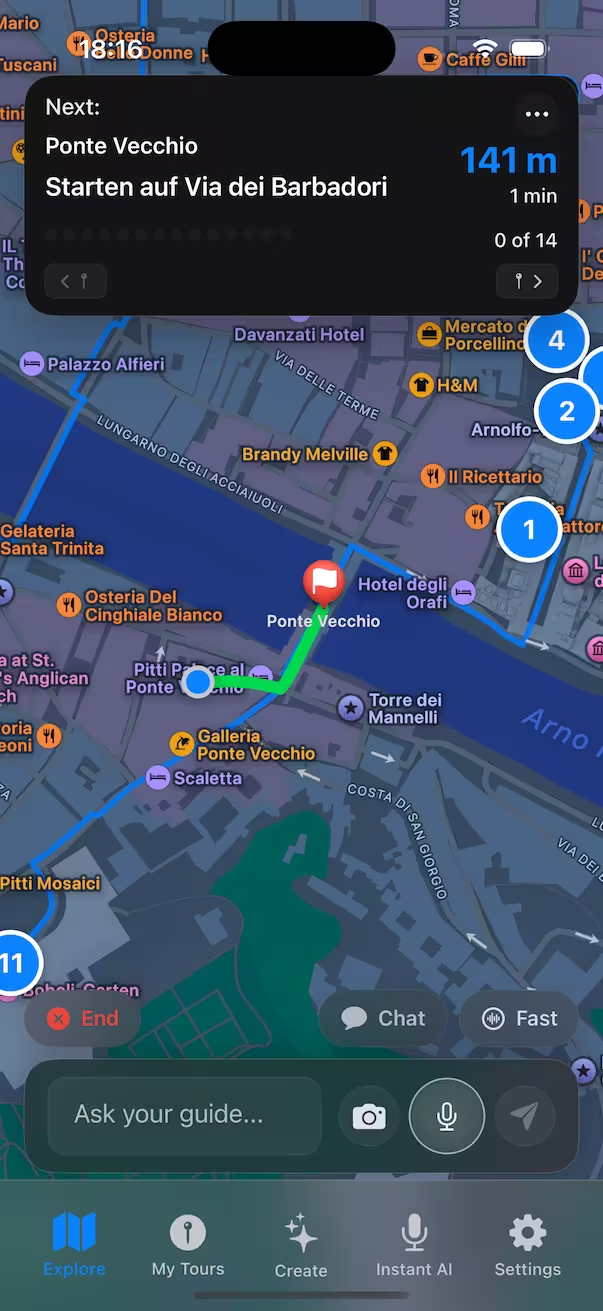
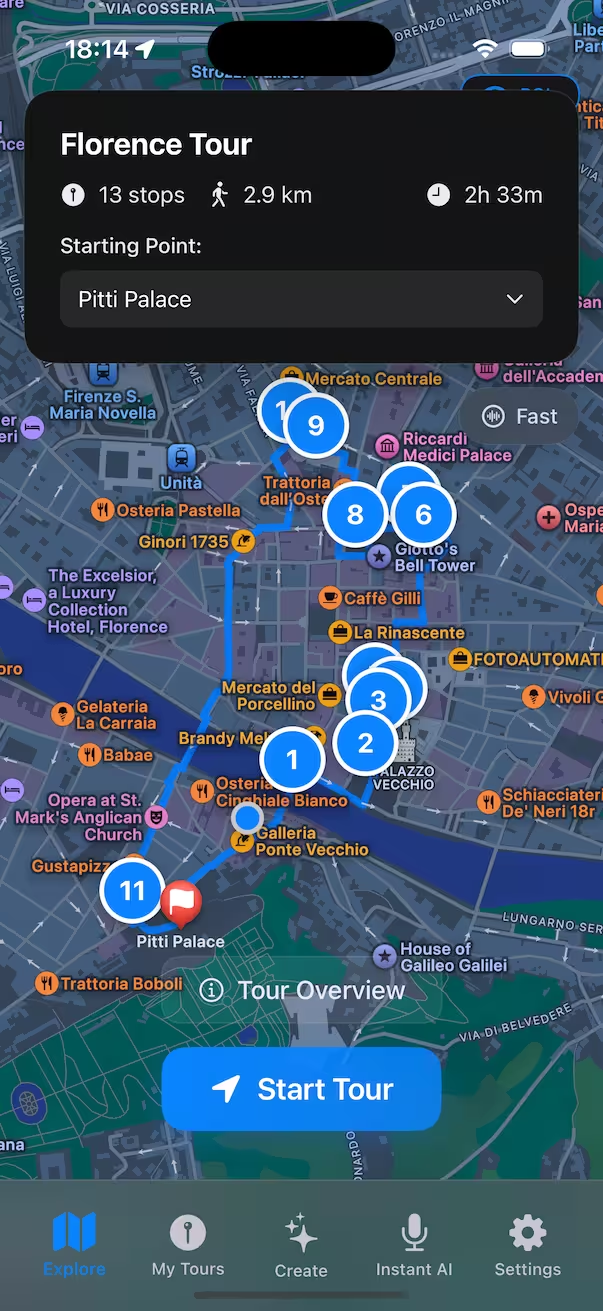
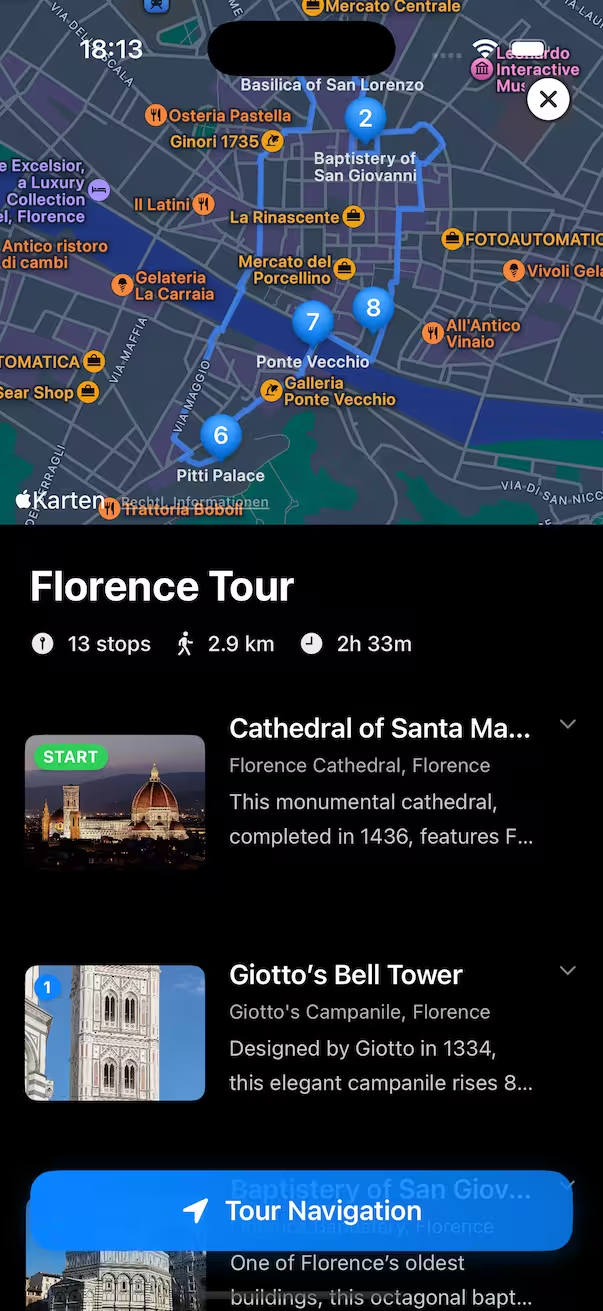
The classic Valencia tour: 10 stops, 9.3 km, about 3 h on foot
Your live AI guide and the self-guided Valencia route, together in your browser.