Best Time to Visit Madrid
Month-by-month weather, crowds and prices, plus a full calendar of festivals and events worth planning a trip around.
Best monthsMay, Oct
CheapestJan, Feb, Nov
AvoidAug
BusiestJul
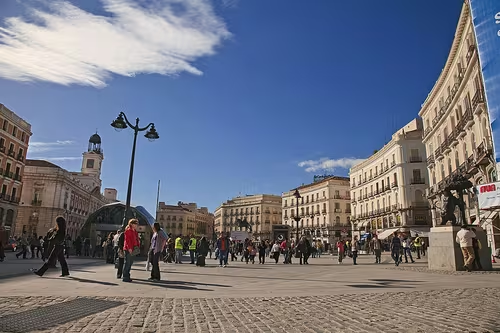
When is the best time to visit Madrid?
Visit Madrid in May or October. May brings the San Isidro fiesta, jacaranda blooms and 24°C days; October delivers golden Retiro foliage and 22°C with the summer crowds gone. Skip August, when 34°C afternoons and a wave of restaurant closures empty the city. January is cheapest and quietest.
Start our tool and find your best time to visit Madrid
Your perfect month
Free · ~30 seconds
or tap a month directly
What matters to you?
And this?
Best overall: May, Oct. May and October are the real answer: 22-24°C, everything open, and the city at its most alive without July's heat. May adds San Isidro and the jacaranda bloom, October the golden Retiro and harvest-season tapas. Book early, because both are no longer secrets.
Best value: Jan, Feb, Nov. January, February and late November bring hotel rates 40-50% below summer, a queue-free Prado, and the Art Walk almost free if you time the evening slots: Prado 18:00-20:00, Reina Sofia 19:00-21:00, Thyssen Monday 12:00-16:00.
Avoid: Aug. August: 34°C afternoons with no sea breeze to relieve them, and family-run restaurants and shops shuttered for weeks as Madrileños head for the coast. You pay for a half-emptied local city while tourist queues stay long.
- January: Great time, 10°C. This is the one month the Prado feels almost private and Plaza Mayor sounds Spanish again. Forget the myth that Madrid shuts down in winter: cafe and tapas life carries on indoors, just without a single tour group in sight. The grey-cold days are the trade, and a fair one for the city to yourself.
- February: Great time, 13°C. February is honest Madrid with nothing staged for visitors. The cold keeps the crowds thin, but the low humidity and sharp blue skies make it one of the best months to actually photograph the city. Pack layers, claim a sunny terrace at midday, and enjoy a centre that belongs to its residents.
- March: Great time, 16°C. March is the last genuinely quiet stretch before spring fills the centre. Madrid stretches awake with terrace tables and spring produce piling up at the markets, and you can still get a Saturday table without booking. Once Semana Santa hits, that window slams shut, so use the first three weeks.
- April: Great time, 19°C. April is gorgeous and, just after Easter, briefly uncrowded, the best of both worlds for a few days. Do not believe it stays empty: European spring holidays and the marathon weekend pack the centre at the bookends. Aim for the calm middle of the month and you get warm sun, full opening hours and short queues.
- May: Good time, 24°C. Everyone calls May Madrid's perfect month, and for once the hype holds: the weather genuinely is the best of the year. The catch is that everyone else knows too, so hotels hit their second-highest rates and San Isidro packs the centre. Come anyway, book early, and time your trip to catch 15 May on the Pradera de San Isidro.
- June: Good time, 29°C. June is the tipping point, when Madrid shifts from comfortable into full summer mode. By the last week it is hot and Pride-busy, but the long light redeems it: terraces and rooftop bars run late, and Veranos de la Villa events from 7 July onward start filling the warm evenings. Go early in the month for the calmer half.
- July: Tough month, 34°C. July is for people who genuinely do not mind 34°C and peak prices. With no sea breeze, the paved expanses of Plaza Mayor and Puerta del Sol turn into ovens between noon and 17:00, and midday is a write-off. But the Orgullo energy, an open-air film under the stars, and a slow walk once the heat breaks after 21:00 are a different, worthwhile Madrid.
- August: Tough month, 33°C. August is not romantic-empty Madrid, it is survival-mode Madrid. The locals are at the beach, and what fills their place is a heat with no relief and a rolling wave of shuttered neighbourhood places. If you must come, do your sights before 11:00, retreat to an air-conditioned museum by midday, and treat the August verbenas as the one genuinely local thing left.
- September: Great time, 27°C. September is the grown-up version of May: the same warmth and open-air evenings, minus the San Isidro crush and the worst of the heat. Locals are back from the coast, restaurants reopen, and the city feels itself again. This is when Madrid is most liveable, and far fewer people have worked that out than for the spring.
- October: Good time, 22°C. October quietly rivals May for the title of Madrid's best month, with golden Retiro foliage standing in for the spring bloom and noticeably thinner crowds. The only catch is the IFEMA trade-fair weeks, which can make hotels feel oddly tight and pricey near the fairground. Stay central, and you get warm days, cool evenings and the city's most flattering light.
- November: Great time, 14°C. November is the underrated month: cool, damp at times, but genuinely cheap and crowd-free once the early-month holidays pass. The myth that there is nothing to do is wrong, the Suma Flamenca runs into early November and the Retiro's late foliage is glorious. Bring a warm layer and you get a real local city at a real local price.
- December: Good time, 11°C. December trades the autumn calm for full festive theatre: lights strung over Gran Via, the Plaza Mayor market in its postcard setting, and a genuinely warm holiday buzz. The honest catch is the dead days, 24 and 25 December, when the city all but shuts, and the Nochevieja crush at Sol with almost no view. Plan around those and December is magical.
Madrid weather by month
HighLowRainfall
Jan10°
Feb13°
Mar16°
Apr19°
May24°
Jun29°
Jul34°
Aug33°
Sep27°
Oct22°
Nov14°
Dec11°
| Month | Temp | Rain | Sun | Crowds | Prices | Highlight |
|---|---|---|---|---|---|---|
| Jan | 10° / 1° | 38mm · 7 rainy days | 7.0 h/day | ●○○○○ | ●○○○○ | Three Kings Parade |
| Feb | 13° / 2° | 28mm · 6 rainy days | 8.3 h/day | ●○○○○ | ●○○○○ | Mercado de Motores Market |
| Mar | 16° / 5° | 49mm · 8 rainy days | 9.3 h/day | ●●●○○ | ●●○○○ | ARCOmadrid Contemporary Art Fair |
| Apr | 19° / 8° | 61mm · 9 rainy days | 10.7 h/day | ●●●○○ | ●●●○○ | Holy Week |
| May | 24° / 12° | 31mm · 6 rainy days | 12.6 h/day | ●●●●○ | ●●●●○ | Madrid Region Day |
| Jun | 29° / 16° | 16mm · 4 rainy days | 13.5 h/day | ●●●○○ | ●●●○○ | Night of the Museums |
| Jul | 34° / 20° | 8mm · 1 rainy days | 13.9 h/day | ●●●●● | ●●●●● | Madrid Pride |
| Aug | 33° / 19° | 11mm · 2 rainy days | 12.7 h/day | ●●●●○ | ●●●○○ | Madrid Summer Festival |
| Sep | 27° / 15° | 52mm · 5 rainy days | 11.1 h/day | ●●●○○ | ●●●○○ | White Night |
| Oct | 22° / 11° | 63mm · 8 rainy days | 8.8 h/day | ●●●●○ | ●●●●○ | Suma Flamenca Festival |
| Nov | 14° / 6° | 55mm · 9 rainy days | 7.2 h/day | ●●○○○ | ●●○○○ | Suma Flamenca Festival |
| Dec | 11° / 3° | 45mm · 7 rainy days | 6.4 h/day | ●●●○○ | ●●●○○ | Plaza Mayor Christmas Market |
How we score this: weather = long-run climate normals (Open-Meteo), crowds & prices = relative season read, events checked yearly against official dates.
Best time to visit Madrid: weather, prices & crowds
Best months for good weather
May, Jun, Sep, Oct
May and September are Madrid's most reliable: 24-27°C daytime highs, dry skies, and warm evenings long enough to sit out on a Plaza de Santa Ana terrace until well past 22:00.
Quietest months to avoid the crowds
Jan, Feb, Nov
January, February and mid-to-late November empty the city out. You walk into the Prado on a Tuesday morning with no queue, and Plaza Mayor belongs to Madrileños again rather than tour groups.
Cheapest time to visit Madrid
Jan, Feb
January and February are Madrid's cheapest months: three-star hotels drop to around 70-90 euros a night, roughly 40-50% below the July peak, and you can book a Saturday-night table on the same day.
Best time for festivals and events
May, Sep
San Isidro (7-17 May) puts the whole city in chulapo costume on the Pradera de San Isidro, while September's Noche en Blanco throws open the Prado, Reina Sofia and Thyssen for one free all-night art crawl.
How many days do you need in Madrid?
Madrid rewards three full days and can comfortably fill four if the museums pull you deep. This is a spread-out capital where even the central sights cover real ground, and each of the three world-class galleries on the Paseo del Arte deserves a half day of its own.
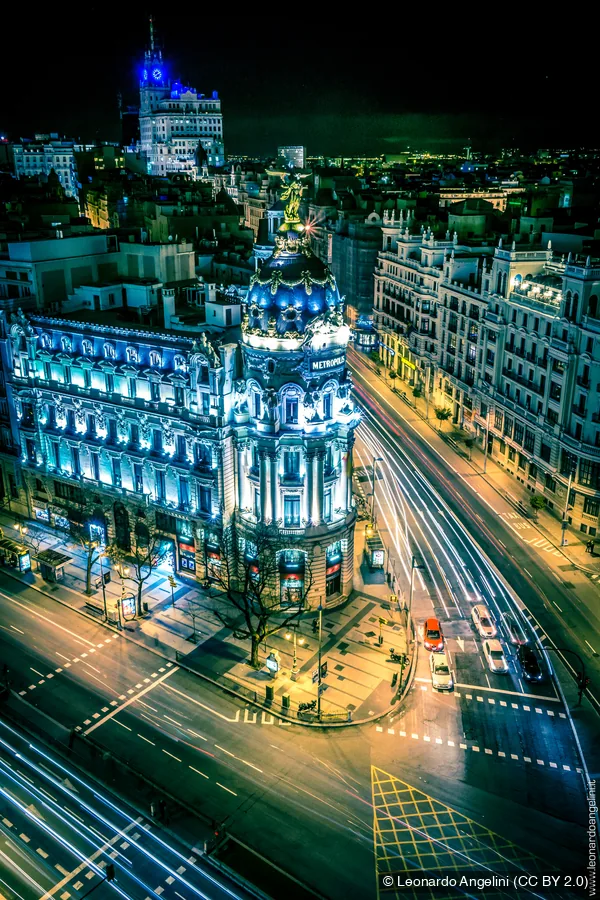
One day
Historic core, royal quarter, Gran Vía
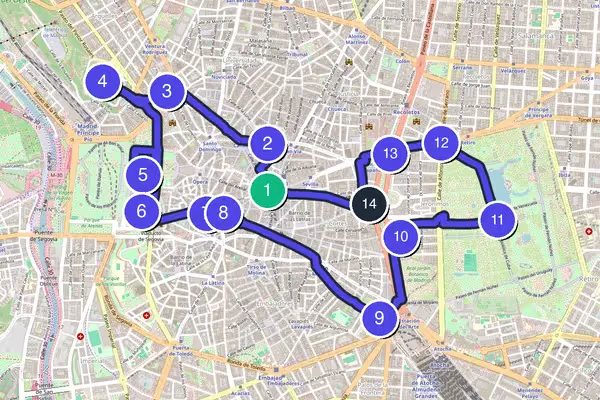
Start at Puerta del Sol, Spain's Kilometre Zero, and follow the self-guided Madrid Historic Walk: 14 stops across 10.8 km in about 4.4 hours, taking in Gran Vía, the Egyptian Temple of Debod at sunset, the Royal Palace, Almudena Cathedral, and the arcaded Plaza Mayor. Refuel at San Miguel Market's tapas counters and end the evening on the terraces of Plaza de Santa Ana.
Two days
The Golden Triangle of Art
Dedicate the morning to the Prado Museum, home to Velázquez and Goya, arriving at 10:00 on a weekday to avoid the worst queues. Cross to the Reina Sofía Museum after lunch to stand in front of Picasso's Guernica, then close the triangle at the Thyssen-Bornemisza Museum. Note that the Reina Sofía closes on Tuesdays. Use the evening free-entry windows (Prado 18:00-20:00, Reina Sofía 19:00-21:00 on open days) if budget matters.
Three daysRecommended
Retiro, tapas neighbourhoods, El Rastro
Spend the morning in Retiro Park, circling the Crystal Palace and the boating lake before the midday crowds arrive. Walk south through La Latina for a long tapas lunch on Calle Cava Baja, then explore the Mercado de San Antón or catch El Rastro flea market if the day falls on a Sunday (09:00-15:00). The Cibeles Palace rooftop, free to visit, gives you one of Madrid's best panoramic views to cap the day.
Four days or more
Day trips, neighbourhoods, and the slow city
A fourth day opens Toledo or El Escorial as a half-day excursion (trains run from Atocha in 30 minutes to Toledo, about an hour to El Escorial). Back in the city, the neighbourhood life of Malasaña and Lavapiés takes an evening to absorb properly: record shops, craft vermouth bars, and dinner tables that do not fill until 22:00. If you arrive in May, the Pradera de San Isidro fiestas and the jacaranda bloom on Gran Vía side streets justify a fifth day on their own.
Best time to visit Madrid by traveller type
Same city, different trip. Here's the month that fits how you're travelling.
🧭
Best time to visit Madrid for the first time
MayOct
May or October: comfortable 22-24°C, every sight on full hours, and a genuine fiesta (San Isidro in May) or golden Retiro light (October) on top of the headline museums.
❤️
Best time to visit Madrid for couples
SepOct
September or October for warm evenings, the romantic all-night Noche en Blanco (12-13 September), and golden-hour walks down the Paseo del Prado once the summer crush clears.
💶
Best time to visit Madrid on a budget
JanFebNov
January, February or mid-November for the year's lowest hotel rates plus the free Art Walk: Prado, Reina Sofia and Thyssen all have free windows, so you can do the whole golden triangle in a day for almost nothing.
🍝
Best time to visit Madrid for food and wine
MayOct
May for spring asparagus and the markets of San Miguel and San Anton at full tilt, or October for jamon iberico season, new Ribera del Duero vintages, and easier tables at top restaurants than in summer.
Worst time to visit Madrid
August is the month most worth skipping. Afternoon highs sit at 33-34°C with no sea breeze for relief, which turns the open plazas of Puerta del Sol and Plaza Mayor into radiators between noon and 17:00. At the same time, many family-run restaurants, neighbourhood shops and small tabernas shut for one to two weeks around the 15 August Assumption holiday as Madrileños head for the coast, so the city you experience is a half-emptied shell: tourist queues stay long but the authentic local fabric thins right out.
Still worth it for August works for visitors who plan their sightseeing before 11:00 and after 19:00, treat the Prado and Reina Sofía as midday cool-down refuges, and want to catch the La Paloma and San Cayetano street fiestas in La Latina and Embajadores (5-17 August), the last genuinely local folk festival of the summer.
Go instead in May, October, when Madrid is at its best.
Best time for a tour of Madrid
Madrid's 10.8-kilometre route through the city centre rewards walkers most generously in April, May, October, and the first half of June. April and May bring highs of 19 to 24 °C with only 6 to 9 rain days, long daylight hours, and enough energy in the streets to feel the pulse of the city without being overwhelmed. The walk from Puerta del Sol west to the Temple of Debod and Royal Palace sits almost entirely exposed to the sky, so temperatures matter: in July the thermometer regularly hits 34 °C and the stone plaza surfaces radiate heat back up at you, making the midday stretch past Plaza Mayor genuinely punishing. August is fractionally cooler at 33 °C but the streets are thin with madrileños themselves on holiday, lending the city an odd quiet. November through February flip the problem: lows drop to 1 to 6 °C, the light goes flat by 5 pm, and the 4-plus hours this tour takes means you will finish the final leg through Retiro Park in the dark. March is rainy (8 wet days) and still cool at 10 to 16 °C. The sweet spot, if you can only pick one month, is October: highs of 22 °C, 8 rain days spread thinly across the month, warm afternoon light on Plaza de Cibeles, and the city at a comfortable tempo after the summer rush.
With AI Tourguide you set your own hour, which in Madrid makes all the difference. Beat the midday heat in July by setting off at 8 am when Puerta del Sol is still quiet and the Royal Palace glows in soft morning light. In October, linger as long as you like in Retiro Park without a tour bus schedule pulling you away. The guide runs entirely in your browser, no download or login needed: a voice-led AI talks with you the whole way, telling stories about the places you are passing, asking what catches your eye, remembering your answers, and shaping the conversation around what interests you. It is nothing like an audioguide reading out facts. Whenever the light and temperature feel right, start your Madrid tour and let the city's rhythm, not an operator's timetable, dictate your pace.
+14
All 14 stops are already on the map.
You just press start.
You just press start.
 AI Tourguide
You just read the route.
Now walk it with a guide in your ear.
Press start wherever you are, even hundreds of kilometres from Madrid, and the guide begins telling its stories right away. In the city, pick any of the 14 stops to start from: it leads you there, then talks with you the whole route, asking, listening, remembering, and shaping the tour around your answers.
14stops10.8km4.4hours11languages
▶Start the tour freeFree to start · Runs in your browser · No app, no download
Madrid events and festivals calendar
Annual highlights worth timing a trip around, listed month by month.
January
🎉 FestivalThree Kings Parade Cabalgata de Reyes
Jan 5
Every 5 January from 18:00, down the Paseo de la Castellana to Plaza de Cibeles.
The eve-of-Epiphany parade sends 2,100 performers and floats showering 1,200kg of sweets down the Paseo de la Castellana to Plaza de Cibeles from 18:00.
🎨 Art and cultureFITUR Tourism Fair FITUR
Jan 22–26
Late January at IFEMA; trade days midweek, public on the weekend.
One of the world's largest travel trade fairs, drawing around 255,000 visitors to IFEMA each year and worth hundreds of millions of euros to Madrid's economy.
🍷 Food and wineMercado de Motores Market Mercado de Motores
Jun 13–14 ~
The second weekend of each month (except August) at the Railway Museum.
A monthly market of 150-plus vendors selling vintage, books, design and street food inside the Railway Museum on the Paseo de las Delicias, Saturday 11:00-21:00 and Sunday 11:00-20:00.
March
🎨 Art and cultureARCOmadrid Contemporary Art Fair ARCOmadrid
Mar 4–8
Early March at IFEMA; professional days first, public from 6 March 15:00.
Spain's flagship contemporary-art fair fills IFEMA halls with over 200 galleries from more than 30 countries.
⛪ ReligiousHoly Week Semana Santa
Mar 27 – Apr 5 ~
The week before Easter; dates move each year with the Easter calendar, falling anywhere from late March to mid-April.
More than 30 official processions move through the centre, from La Borriquita on Palm Sunday to the candle-lit Hermandad del Silencio on Good Friday evening and the Tamborrada drumming on Plaza Mayor at Easter.
April
🏃 SportMadrid Marathon Maraton de Madrid
Apr 26 ~
Late April on a Sunday; start on the Paseo de la Castellana.
Around 47,000 runners set off from the Paseo de la Castellana through Gran Vía, Sol, the Royal Palace and Casa de Campo to finish on the Paseo de Recoletos.
May
🇮 HolidayMadrid Region Day Fiesta de la Comunidad de Madrid (2 de Mayo)
May 2
2 May every year; events around Malasana and the Cuna Verde de Latina.
The regional holiday marks the 1808 uprising against Napoleon with historical reenactments, free concerts, and a 1,000-drone show, Madrid en el Cielo, unique in Spain.
🎉 FestivalSan Isidro Festival Fiestas de San Isidro
May 7–17
Around 7-17 May, peaking on the 15th, on the Pradera de San Isidro and Plaza Mayor.
Madrid's patron-saint festival fills the Pradera de San Isidro and Plaza Mayor with verbenas, chotis dancing, zarzuela, chulapa parades and fireworks on 15 May, plus free concerts from names like Fangoria and Miguel Rios.
June
🌙 Museum nightNight of the Museums Noche en Blanco y Amarillo (Noche de los Museos)
Jun 6–7 ~
Early June, 20:00-02:00; aligns with International Museum Day.
The Prado, Reina Sofia, Thyssen, CaixaForum and a dozen more houses open free at night from 20:00 to 02:00, with special tours and exhibitions across the Art Walk.
🏳️🌈 PrideMadrid Pride Madrid Orgullo (MADO)
Jun 25 – Jul 5 ~
Late June into early July; the main parade typically falls on the first Saturday or Sunday of July, with the proclamation a few days before.
Europe's biggest Pride draws over two million people, with the parade running down the Paseo del Prado from Atocha to Colon on 4 July, the High-Heel Race on 3 July, and the proclamation on 1 July.
July
🎉 FestivalMadrid Summer Festival Veranos de la Villa
Jul 7 – Aug 29 ~
Early July to late August; evening events across the city.
Dozens of performances spread across 14 districts each summer, with jazz, flamenco, circus, dance and open-air cinema at venues like Conde Duque, Matadero and the Serrería Belga, mostly from 21:00 or 22:00.
August
🎉 FestivalAugust Street Fiestas Verbenas de Agosto (San Cayetano, San Lorenzo, La Paloma)
Aug 5–17
5-17 August (La Paloma 14-17), in Embajadores, Lavapies and La Latina.
Three back-to-back street fiestas roll through Embajadores, Lavapies and La Latina with chotis dancing, mantones, chulapo costumes and zarzuela, the La Paloma fiesta peaking 14-17 August.
September
🌙 Museum nightWhite Night Noche en Blanco
Sep 12–13 ~
Mid-September, 21:00-07:00; 250-plus institutions open through the night.
More than 250 public and private institutions stay open for one night, 21:00 to 07:00, with concerts, installations and exhibitions across the whole city.
October
🎨 Art and cultureFruit Attraction Trade Fair Fruit Attraction
Oct 6–8 ~
First week of October at IFEMA.
A major international fresh-produce trade fair at IFEMA that fills the fairground-area hotels for its run in the first week of October.
🎵 MusicSuma Flamenca Festival Suma Flamenca
Oct 15 – Nov 8 ~
Mid-October to early November at the Teatros del Canal and regional stages.
Around 50 shows at the Teatros del Canal and regional venues each autumn, with a Suma Flamenca Joven strand in late September as a warm-up for the main programme.
November
⛪ ReligiousFeast of Our Lady of Almudena Virgen de la Almudena
Nov 9
9 November every year; mass and procession from the Almudena Cathedral to Plaza Mayor.
Madrid's patron-saint day brings a mass and procession from the Almudena Cathedral, next to the Royal Palace, through to Plaza Mayor.
December
🇮 HolidayNew Year's Eve Nochevieja en la Puerta del Sol
Dec 31
31 December at the Puerta del Sol, building from late evening to midnight.
Crowds pack the Puerta del Sol for the midnight clock, eating twelve grapes on the twelve chimes for luck, in the tradition that started here.
Insider tips for visiting Madrid
The rules buried in forums, in one place.
- The Prado is free Monday to Saturday 18:00-20:00, but the queue starts building by 17:30 and can mean a 90-minute wait in high season. Buy an online ticket for a 10:00 entry on a Tuesday to Thursday instead and you wait 25-40 minutes at most, with the galleries at their calmest.
- The Reina Sofia closes every Tuesday, the only one of Madrid's big three museums to do so. If you have come to see Picasso's Guernica, plan around it. Its own free window runs Monday and Wednesday to Saturday 19:00-21:00.
- The Royal Palace lets EU citizens and residents in free Monday to Thursday, 17:00-19:00 from April to September and 16:00-18:00 from October to March, with no online booking, so the queue forms by 16:30. Non-EU visitors get in free on 12 October, the national holiday, when entry is free for all nationalities.
- El Rastro flea market runs only Sundays and public holidays, 09:00-15:00. Come 09:00-11:00 for the local rhythm before the 11:00-13:00 tourist peak, and stay for the vermouth culture that fires up on the surrounding terraces of Calle del Rastro from noon.
- In July and August, do your outdoor sights before 11:00 or after 19:00 and treat the Prado and Reina Sofia as midday heat refuges. Madrid eats late, around 14:30, so restaurants are emptiest between 13:30 and 14:00 if you want a table without a wait.
- Skip the first week of October for budget. The Fruit Attraction trade fair at IFEMA triples hotel prices near the fairground, so book at least 2 km away or shift your dates to mid-month.
- The Templo de Debod, the free Egyptian temple in the Parque del Oeste, is a sunset Instagram crush at 18:00 in golden hour. Come at 07:30 or on a cloudy day to have it nearly to yourself, with the same view west over the city.
- Madrid rain comes in short sharp showers, not all-day soaks. October and November are the wettest at roughly 55-63mm, but you can walk a full day in summer without an umbrella. Snow in the centre is rare, the last serious fall being Storm Filomena in early 2021.
Public holidays in Madrid
On these dates many shops and offices close, transport thins out, and sights can be mobbed or shut. Plan around them.
| Date | Holiday | What closes |
|---|---|---|
| Jan 1 | New Year's Day | Everything closes: shops, museums, most restaurants, with the city still recovering from the Puerta del Sol crush the night before. Metro runs a reduced timetable. |
| Jan 6 | Epiphany (Three Kings) | National holiday and the real Spanish gift-giving day for children. Shops and banks closed; the Cabalgata de Reyes parade the evening before shuts the main avenues from 17:00. |
| Mar 19 | San Jose (Saint Joseph's Day) | Regional holiday in the Madrid area. Some museums and shops close; not a full shutdown, but check opening hours before you plan a museum-heavy day. |
| Apr 3 | Good Friday | National holiday at the height of Semana Santa: many museums close or run reduced hours, restaurants often serve lunch only, and the historic centre is packed for the processions, including the Hermandad del Silencio that evening. |
| May 1 | Labour Day | National holiday: almost everything closed. No public transport strike risk since it is an official day off, but plan around shut museums and shops. |
| May 2 | Dia de la Comunidad de Madrid | Regional holiday for the whole Madrid region, marking the 1808 uprising with historical reenactments and a thousand-drone show. The centre fills with Madrileños; many shops close. |
| May 15 | San Isidro | Madrid city holiday for the patron saint. Offices close, and the Pradera de San Isidro and Plaza Mayor fill with crowds for the verbenas, fireworks and chulapo parades. Go early to beat the afternoon crush. |
| Aug 15 | Assumption of Mary | National holiday in the middle of the summer holiday exodus, so many bars and restaurants are already shut for weeks. The La Paloma street fiesta in La Latina runs at the same time. |
| Oct 12 | Spanish National Day | National holiday: a military parade closes the Paseo de la Castellana, and the Royal Palace offers free entry to all nationalities. Some shops close; expect crowds along the parade route. |
| Nov 2 | All Saints' Day (observed) | Regional substitute holiday in Madrid after 1 November falls on a Sunday. Shops mostly closed; the Cementerio de la Almudena is busy with families visiting graves. |
| Nov 9 | La Almudena (Our Lady of Almudena) | Madrid city holiday for the city's patron. Mass and a procession run from the Almudena Cathedral to Plaza Mayor; city offices close, though most museums stay open. |
| Dec 8 | Immaculate Conception | National holiday, often bridged with 7 December into a long weekend that pushes domestic tourism up. Shops closed, but the Plaza Mayor Christmas market is in full swing. |
| Dec 25 | Christmas Day | Almost everything closes. Restaurants that do open have been booked solid for weeks, so reserve well ahead or plan a self-catered day. |
| Dec 31 | New Year's Eve (Nochevieja) | Puerta del Sol fills to capacity for the midnight twelve-grapes tradition, with little visibility unless you arrive hours early. Hotels charge a New Year premium; many restaurants are fully booked. |
Madrid month by month
January in Madrid
High10°C / 50°F
Low1°C
Rain38mm / 7 rainy days
Sun7.0 h/day
Daylight10 h/day
Humidity78%
Crowds●○○○○Prices●○○○○
January is Madrid stripped back to its locals: cold, clear and properly cheap, with highs around 10°C and crisp 1°C nights. Snow in the centre is rare, so a warm coat is usually enough. The Three Kings parade on 5 January closes the festive season with sweets raining down the Paseo de la Castellana, then the city settles into its quietest, most queue-free stretch of the whole year.
The vibe This is the one month the Prado feels almost private and Plaza Mayor sounds Spanish again. Forget the myth that Madrid shuts down in winter: cafe and tapas life carries on indoors, just without a single tour group in sight. The grey-cold days are the trade, and a fair one for the city to yourself.
Don't miss The free Art Walk pays off best now: Prado 18:00-20:00, Reina Sofia evenings, and Thyssen Monday 12:00-16:00, all with the shortest queues of the year. The Cabalgata de Reyes on 5 January is the city's biggest children's spectacle.
Crowd drivers Only the FITUR tourism fair (22-26 January) nudges hotel demand, and that is trade visitors, not sightseers. The lowest international pressure of the year.
In season Cocido madrileno, the city's slow-simmered chickpea-and-meat stew, is exactly what January was built for. Order it at midday at a classic taberna like Malacatin.
Heads up 1 January and 6 January are national holidays: museums and shops shut, transport on a reduced timetable. Plan those two days around what stays open.
The cheapest month of the year; three-star hotels from around 70-90 euros, roughly 40-50% below the summer peak.
Events this month
🎉 FestivalThree Kings Parade Cabalgata de Reyes
Jan 5
Every 5 January from 18:00, down the Paseo de la Castellana to Plaza de Cibeles.
The eve-of-Epiphany parade sends 2,100 performers and floats showering 1,200kg of sweets down the Paseo de la Castellana to Plaza de Cibeles from 18:00. It is the climax of the Spanish festive season, when the Three Kings, not Santa, bring children their gifts.
It is the heart of how Spain actually does Christmas, and the single biggest children's spectacle of the Madrid year; the Cibeles junction is the most packed spot, so stake out a place early.
🎨 Art and cultureFITUR Tourism Fair FITUR
Jan 22–26
Late January at IFEMA; trade days midweek, public on the weekend.
One of the world's largest travel trade fairs, drawing around 255,000 visitors to IFEMA each year and worth hundreds of millions of euros to Madrid's economy. The final weekend opens to the public.
Not a sightseeing draw, but it nudges hotel prices up with business travellers, so booking early in late January pays off even though the city stays tourist-quiet.
February in Madrid
High13°C / 55°F
Low2°C
Rain28mm / 6 rainy days
Sun8.3 h/day
Daylight11 h/day
Humidity70%
Crowds●○○○○Prices●○○○○
February is Madrid's quietest tourist month, cold but bright with highs near 13°C, only 6 rainy days and the year's clearest light for photography. Core European school holidays have not yet hit, so the museums stay calm and ticket prices sit near their floor. It is unperformed Madrid: a working winter city you mostly have to yourself, no seasonal markup, no queues to speak of.
The vibe February is honest Madrid with nothing staged for visitors. The cold keeps the crowds thin, but the low humidity and sharp blue skies make it one of the best months to actually photograph the city. Pack layers, claim a sunny terrace at midday, and enjoy a centre that belongs to its residents.
Don't miss Indoor Madrid is the move: the three big museums are calm enough to linger, and the CaixaForum and its vertical garden make a warm afternoon escape. Sunset at the Templo de Debod comes early, near 18:30, with hardly a soul there.
Crowd drivers No major school holidays in the core source markets of Germany, the UK, France and the Netherlands yet. International visitor pressure is near its annual low.
In season Still cocido and callos (tripe stew) season, the heavy comfort dishes Madrid does best, before the spring menus arrive.
The second-cheapest month; winter hotel bargains continue with rates well below summer.
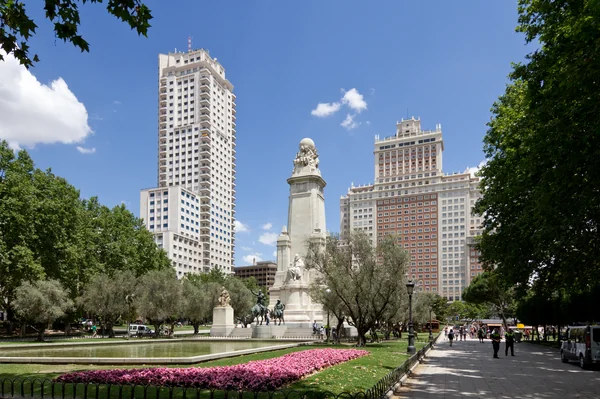
March in Madrid
High16°C / 61°F
Low5°C
Rain49mm / 8 rainy days
Sun9.3 h/day
Daylight12 h/day
Humidity62%
Crowds●●●○○Prices●●○○○
March wakes Madrid up: highs reach 16°C, terraces refill, and the light turns soft and warm. Crowds stay moderate until Semana Santa, which falls in late March or early April depending on the year, and brings a sharp surge of Spanish and European school-holiday travellers. Early March, around the ARCOmadrid contemporary art fair, is still calm and good value before the Easter wave lands.
The vibe March is the last genuinely quiet stretch before spring fills the centre. Madrid stretches awake with terrace tables and spring produce piling up at the markets, and you can still get a Saturday table without booking. Once Semana Santa hits, that window slams shut, so use the first three weeks.
Don't miss ARCOmadrid at IFEMA (public from 6 March, 15:00) turns the city into a contemporary-art hub; pair it with a Prado visit for the full art-capital weekend. The lesser-known Madrid processions, like the Hermandad del Silencio on Good Friday evening, are more accessible than Seville's.
Crowd drivers Semana Santa from 27 March drives the year's first big domestic surge, layered onto Spanish and European school holidays. ARCOmadrid (4-8 March) brings an art-professional crowd that nudges central hotels.
In season Spring asparagus and the first artichokes reach the Mercado de San Miguel and San Anton stalls as the heavy winter stews give way.
Prices climb, sharply so in the Semana Santa week, when hotels run 30-50% above the rest of March; flights from Germany and the UK book out early.
Events this month
🎨 Art and cultureARCOmadrid Contemporary Art Fair ARCOmadrid
Mar 4–8
Early March at IFEMA; professional days first, public from 6 March 15:00.
Spain's flagship contemporary-art fair fills IFEMA halls with over 200 galleries from more than 30 countries. The first days are for professionals, with public access opening on the third day at 15:00.
The ideal weekend for collectors and contemporary-art lovers, and a perfect pairing with the Prado and Reina Sofia for an art-capital city break before the Easter crowds.
⛪ ReligiousHoly Week Semana Santa
Mar 27 – Apr 5 ~
The week before Easter; dates move each year with the Easter calendar, falling anywhere from late March to mid-April.
More than 30 official processions move through the centre, from La Borriquita on Palm Sunday to the candle-lit Hermandad del Silencio on Good Friday evening and the Tamborrada drumming on Plaza Mayor at Easter. It is the city's biggest domestic tourism peak.
Madrid's processions are less famous and far more accessible than Seville's, an impressive religious spectacle without the same crush; just expect hotels 30-50% above the rest of March.

April in Madrid
High19°C / 66°F
Low8°C
Rain61mm / 9 rainy days
Sun10.7 h/day
Daylight13 h/day
Humidity60%
Crowds●●●○○Prices●●●○○
April is spring at its most photogenic: 19°C highs, the city in bloom, and the post-Easter lull from around 6 April leaving the Prado and Royal Palace genuinely walkable. Semana Santa runs into the first days of the month, and the Madrid Marathon on the last Sunday of April sends 47,000 runners down the Paseo de la Castellana and Gran Vía, closing the avenues for the day. Mid-April is the quiet sweet spot: warm sun, full opening hours and the jacaranda and madroño trees beginning their bloom across the Retiro and Parque del Oeste.
The vibe April is gorgeous and, just after Easter, briefly uncrowded, the best of both worlds for a few days. Do not believe it stays empty: European spring holidays and the marathon weekend pack the centre at the bookends. Aim for the calm middle of the month and you get warm sun, full opening hours and short queues.
Don't miss The post-Easter week is the year's quiet sweet spot for the big sights. From mid-April the jacaranda and madrono trees start their bloom across the Retiro, the Parque del Oeste and the Gran Via side streets.
Crowd drivers Semana Santa runs to 5 April, European school spring holidays continue, and the Madrid Marathon (26 April) shuts the Castellana and Gran Via and pushes hotel prices up for that weekend.
In season Peak spring-asparagus and artichoke season at the markets, with the new season's produce at its best before summer heat takes over.
Solid value once Easter ends, but the marathon weekend (26 April) pushes central hotels up 20-30%.
Events this month
🏃 SportMadrid Marathon Maraton de Madrid
Apr 26 ~
Late April on a Sunday; start on the Paseo de la Castellana.
Around 47,000 runners set off from the Paseo de la Castellana through Gran Vía, Sol, the Royal Palace and Casa de Campo to finish on the Paseo de Recoletos. Major central avenues close for the day.
Great as a free spectator event, but it closes the Castellana and Gran Via and snarls Sunday mobility, so plan to walk that day and expect hotels 20-30% higher for the weekend.

May in Madrid
High24°C / 76°F
Low12°C
Rain31mm / 6 rainy days
Sun12.6 h/day
Daylight14 h/day
Humidity49%
Crowds●●●●○Prices●●●●○
May is the month locals and writers both name as Madrid's best: 24°C highs, low humidity, the year's clearest stretch of sun, and the city in full bloom. San Isidro (7-17 May, peaking 15 May) puts the whole city in costume for verbenas, zarzuela and fireworks. The jacarandas turn the avenues blue-violet in the last week. Crowds are heavy but the weather and the fiesta more than earn it.
The vibe Everyone calls May Madrid's perfect month, and for once the hype holds: the weather genuinely is the best of the year. The catch is that everyone else knows too, so hotels hit their second-highest rates and San Isidro packs the centre. Come anyway, book early, and time your trip to catch 15 May on the Pradera de San Isidro.
Don't miss San Isidro is the authentically madrileno experience: free verbenas, chotis dancing and big-name concerts. The jacaranda bloom peaks in the last week of May, blue-violet over the Parque del Oeste and the Gran Via side streets.
Crowd drivers San Isidro (15 May), the 2 May regional holiday, the run-up to Pride, and spring city-break travellers from across Europe all stack onto the same warm fortnight.
In season Spring produce peaks: asparagus, the first stone fruit, and the Mercado de San Miguel and San Anton at full tilt for an early-evening tapas crawl.
The second-priciest month: average rates around 140-170 euros, with the San Isidro days adding a further 15-20%.
Events this month
🇮 HolidayMadrid Region Day Fiesta de la Comunidad de Madrid (2 de Mayo)
May 2
2 May every year; events around Malasana and the Cuna Verde de Latina.
The regional holiday marks the 1808 uprising against Napoleon with historical reenactments, free concerts, and a 1,000-drone show, Madrid en el Cielo, unique in Spain. The centre fills with Madrilenos.
A genuinely local civic spectacle, and the drone show is the photo-worthy highlight; just note that many shops close for the regional day off.
🎉 FestivalSan Isidro Festival Fiestas de San Isidro
May 7–17
Around 7-17 May, peaking on the 15th, on the Pradera de San Isidro and Plaza Mayor.
Madrid's patron-saint festival fills the Pradera de San Isidro and Plaza Mayor with verbenas, chotis dancing, zarzuela, chulapa parades and fireworks on 15 May, plus free concerts from names like Fangoria and Miguel Rios.
This is the authentically madrileno experience, the one week the whole city is in costume and on the street; the Pradera is mobbed on the 15th, so go early.
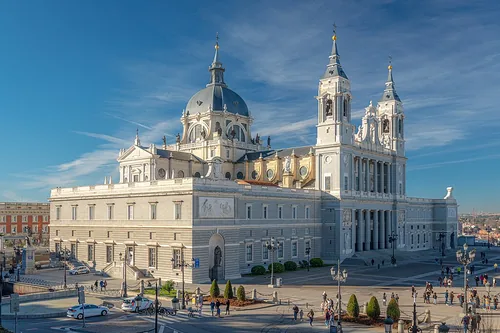
June in Madrid
High29°C / 85°F
Low16°C
Rain16mm / 4 rainy days
Sun13.5 h/day
Daylight15 h/day
Humidity41%
Crowds●●●○○Prices●●●○○
June opens the Madrid summer: 29°C highs, near-dry at just 16mm of rain, and the year's longest days at 15 hours of light. The Noche en Blanco on 6-7 June throws open the Prado, Reina Sofia, Thyssen and a dozen more houses free until 02:00. Spanish schools break up around 19 June, and the Orgullo build-up starts on 25 June, so the last week tips toward peak. Heat is rising but still bearable.
The vibe June is the tipping point, when Madrid shifts from comfortable into full summer mode. By the last week it is hot and Pride-busy, but the long light redeems it: terraces and rooftop bars run late, and Veranos de la Villa events from 7 July onward start filling the warm evenings. Go early in the month for the calmer half.
Don't miss The Noche en Blanco (6-7 June, 20:00-02:00) opens the Art Walk free at night, a one-night gift you have to prioritise across just six hours. June's 15-hour days let you walk in natural light until 21:30.
Crowd drivers Spanish schools finish around 19 June, the Orgullo (Pride) build-up begins 25 June, and the first wave of international summer tourists arrives.
In season Rooftop and terrace aperitivo season is in full swing; the long evenings are made for a vermut on a Calle del Rastro terrace before a late Madrid dinner.
Mid-range, but rates climb toward month-end as Orgullo and the school break begin.
Events this month
🌙 Museum nightNight of the Museums Noche en Blanco y Amarillo (Noche de los Museos)
Jun 6–7 ~
Early June, 20:00-02:00; aligns with International Museum Day.
The Prado, Reina Sofia, Thyssen, CaixaForum and a dozen more houses open free at night from 20:00 to 02:00, with special tours and exhibitions across the Art Walk.
A one-night free triptych of Madrid's great museums in a single go, but only six hours long, so prioritise the three on the Paseo del Prado.

July in Madrid
High34°C / 93°F
Low20°C
Rain8mm / 1 rainy days
Sun13.9 h/day
Daylight15 h/day
Humidity32%
Crowds●●●●●Prices●●●●●
July is Madrid at full pitch and full heat: 34°C average highs, near-zero rain, and the year's peak tourist pressure. The Orgullo parade in early July pulls two million people through the centre, and all of Europe's summer holidays land at once. Veranos de la Villa scatters open-air cinema, flamenco and jazz concerts across the city after dark from early July to late August. With no sea breeze, the paved expanses of Plaza Mayor and Puerta del Sol turn into ovens between noon and 17:00, so plan outdoor sights before 11:00 or after 19:00.
The vibe July is for people who genuinely do not mind 34°C and peak prices. With no sea breeze, the paved expanses of Plaza Mayor and Puerta del Sol turn into ovens between noon and 17:00, and midday is a write-off. But the Orgullo energy, an open-air film under the stars, and a slow walk once the heat breaks after 21:00 are a different, worthwhile Madrid.
Don't miss Veranos de la Villa (from 7 July) is the heat antidote: evening jazz, flamenco, circus and open-air cinema from 21:00 or 22:00 across 14 districts. Europe's biggest Pride takes over Chueca and the Paseo del Prado around 4 July.
Crowd drivers The Orgullo parade (4 July) draws two million, every European school system is on summer break at once, and the international flight schedule is at its densest.
In season Switch to Madrid's cold dishes: gazpacho, salmorejo, and a salty caña of beer on a shaded terrace are survival food in this heat.
The year's most expensive month: average rates around 180-220 euros, and the Orgullo weekend can sell out the city entirely.
Events this month
🏳️🌈 PrideMadrid Pride Madrid Orgullo (MADO)
Jun 25 – Jul 5 ~
Late June into early July; the main parade typically falls on the first Saturday or Sunday of July, with the proclamation a few days before.
Europe's biggest Pride draws over two million people, with the parade running down the Paseo del Prado from Atocha to Colon on 4 July, the High-Heel Race on 3 July, and the proclamation on 1 July. Chueca is its beating heart.
A spectacular, joyous atmosphere that takes over the whole centre, but Chueca and the inner city are packed and the parade weekend sells out hotels months ahead.
🎉 FestivalMadrid Summer Festival Veranos de la Villa
Jul 7 – Aug 29 ~
Early July to late August; evening events across the city.
Dozens of performances spread across 14 districts each summer, with jazz, flamenco, circus, dance and open-air cinema at venues like Conde Duque, Matadero and the Serrería Belga, mostly from 21:00 or 22:00.
The antidote to high-summer heat: evening events let you escape the worst of the day and see a culturally alive Madrid when the temperature finally drops.

August in Madrid
High33°C / 91°F
Low19°C
Rain11mm / 2 rainy days
Sun12.7 h/day
Daylight14 h/day
Humidity34%
Crowds●●●●○Prices●●●○○
August is Madrid's paradox month: still fiercely hot at 33°C, yet partly drained of locals as Madrilenos head for the coast. Many family-run restaurants and shops shut for weeks, so whole streets feel quiet. The La Paloma fiestas (5-17 August) light up La Latina with chotis and street parties, the last real folk festival of the summer. Tourist queues stay long, but the authentic local fabric thins right out.
The vibe August is not romantic-empty Madrid, it is survival-mode Madrid. The locals are at the beach, and what fills their place is a heat with no relief and a rolling wave of shuttered neighbourhood places. If you must come, do your sights before 11:00, retreat to an air-conditioned museum by midday, and treat the August verbenas as the one genuinely local thing left.
Don't miss The August verbenas of San Cayetano, San Lorenzo and La Paloma (5-17 August) in Embajadores, Lavapies and La Latina are the last authentic folk fiestas of summer, with photogenic costumed streets.
Crowd drivers The Spanish summer exodus thins out residents, while international tourists keep arriving. The 15 August Assumption holiday marks the peak of the local shutdown.
In season Stick to gazpacho and tinto de verano, and accept that many of the best small restaurants are closed; aim for the tourist-tested ones still open or eat at the markets.
Heads up Around 15 August (Assumption), many family-run restaurants, shops and neighbourhood trattorias close for one to two weeks; El Rastro and the Mercado de Motores run reduced in midsummer.
Paradoxically a touch cheaper than July as the heat deters visitors; three-star hotels around 120-150 euros.
Events this month
🎉 FestivalAugust Street Fiestas Verbenas de Agosto (San Cayetano, San Lorenzo, La Paloma)
Aug 5–17
5-17 August (La Paloma 14-17), in Embajadores, Lavapies and La Latina.
Three back-to-back street fiestas roll through Embajadores, Lavapies and La Latina with chotis dancing, mantones, chulapo costumes and zarzuela, the La Paloma fiesta peaking 14-17 August.
The last genuinely local folk festival of the summer, and with the city half-emptied of residents, the photogenic La Latina streets are one of the few authentic August experiences left.

September in Madrid
High27°C / 80°F
Low15°C
Rain52mm / 5 rainy days
Sun11.1 h/day
Daylight12 h/day
Humidity51%
Crowds●●●○○Prices●●●○○
September is one of Madrid's best-kept timings: 27°C highs softening through the month, warm evenings, and the summer crowds gone. The Noche en Blanco on 12-13 September opens 250-plus institutions through the night. European school holidays end, so the city refills with couples and culture travellers rather than families, and business life returns. Comfortable weather without July's punishment.
The vibe September is the grown-up version of May: the same warmth and open-air evenings, minus the San Isidro crush and the worst of the heat. Locals are back from the coast, restaurants reopen, and the city feels itself again. This is when Madrid is most liveable, and far fewer people have worked that out than for the spring.
Don't miss The September Noche en Blanco (12-13 September, 21:00-07:00) is the year's best culture night, 250-plus venues open through pleasant temperatures; pre-register for the popular slots. Warm evenings make the Paseo del Prado a perfect after-dark walk.
Crowd drivers European school holidays end, shifting the mix toward couples, culture travellers and returning conference guests rather than families.
In season Early autumn brings the first game and mushroom dishes to the menus, and the markets transition from summer salads back to warm tapas.
Prices ease from the summer peak to around 120-140 euros as the heat breaks; good value for great weather.
Events this month
🌙 Museum nightWhite Night Noche en Blanco
Sep 12–13 ~
Mid-September, 21:00-07:00; 250-plus institutions open through the night.
More than 250 public and private institutions stay open for one night, 21:00 to 07:00, with concerts, installations and exhibitions across the whole city.
The best culture night of the year, set in pleasant September temperatures; pre-register for the most popular venue slots to avoid missing out.
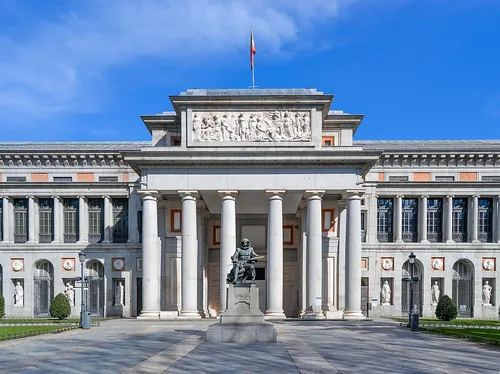
October in Madrid
High22°C / 71°F
Low11°C
Rain63mm / 8 rainy days
Sun8.8 h/day
Daylight11 h/day
Humidity63%
Crowds●●●●○Prices●●●●○
October is Madrid at its golden best: 22°C highs, the year's finest light, and the Retiro turning to autumn gold from mid-month. The summer heat is gone and the photography is superb. Suma Flamenca brings Spain's top flamenco to the Teatros del Canal, and the Fruit Attraction trade fair in the first week spikes hotel prices around IFEMA. A popular, beautiful month, so book ahead.
The vibe October quietly rivals May for the title of Madrid's best month, with golden Retiro foliage standing in for the spring bloom and noticeably thinner crowds. The only catch is the IFEMA trade-fair weeks, which can make hotels feel oddly tight and pricey near the fairground. Stay central, and you get warm days, cool evenings and the city's most flattering light.
Don't miss The Retiro's full autumn colour, second half of October into mid-November, frames the Crystal Palace for the city's iconic fall photo. Suma Flamenca at the Teatros del Canal is Spain's highest-calibre flamenco; book tickets 4-6 weeks ahead.
Crowd drivers The Fruit Attraction fair at IFEMA in the first week spikes hotels near the fairground, while autumn city-break travellers and the Suma Flamenca culture crowd fill the centre.
In season Jamon iberico season and the new Ribera del Duero vintages arrive, and the De Tapas por Madrid contest typically runs this month; top tables like DiverXO are easier to book than in summer.
The second-priciest month: October rates run around 198 euros on average, and the Fruit Attraction fair triples hotel prices near IFEMA.
Events this month
🎵 MusicSuma Flamenca Festival Suma Flamenca
Oct 15 – Nov 8 ~
Mid-October to early November at the Teatros del Canal and regional stages.
Around 50 shows at the Teatros del Canal and regional venues each autumn, with a Suma Flamenca Joven strand in late September as a warm-up for the main programme.
The highest-calibre concentration of flamenco in Spain; book tickets four to six weeks ahead, because the marquee names sell out.
🎨 Art and cultureFruit Attraction Trade Fair Fruit Attraction
Oct 6–8 ~
First week of October at IFEMA.
A major international fresh-produce trade fair at IFEMA that fills the fairground-area hotels for its run in the first week of October.
Not a tourist event, but it tripled hotel prices near IFEMA, so for budget, book at least 2 km away or shift your dates to mid-month.
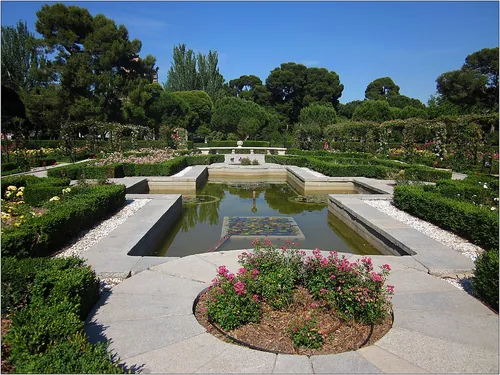
November in Madrid
High14°C / 58°F
Low6°C
Rain55mm / 9 rainy days
Sun7.2 h/day
Daylight10 h/day
Humidity77%
Crowds●●○○○Prices●●○○○
November turns Madrid quiet and cool: 14°C highs, the wettest stretch of the year at around 55mm but in short showers, not all-day rain. The Retiro holds its last autumn colour into mid-month. La Almudena (9 November), the city's patron-saint day, brings a procession to Plaza Mayor. From mid-November tourist numbers fall away and prices follow, making it one of the year's best value windows before the Christmas build-up.
The vibe November is the underrated month: cool, damp at times, but genuinely cheap and crowd-free once the early-month holidays pass. The myth that there is nothing to do is wrong, the Suma Flamenca runs into early November and the Retiro's late foliage is glorious. Bring a warm layer and you get a real local city at a real local price.
Don't miss Catch the Retiro's last autumn gold around the Crystal Palace in the first half of the month, and the closing nights of Suma Flamenca at the Teatros del Canal. Quiet museums make this a strong indoor-culture month.
Crowd drivers All Saints (observed 2 November) and La Almudena (9 November) bring brief local upticks, then tourist volume falls off sharply for the rest of the month.
In season Stews and roasts return to the menus, and the season's first roasted chestnuts appear on street corners across the centre.
Heads up 2 November (All Saints, observed) closes most shops, and the Cementerio de la Almudena draws crowds visiting family graves.
Value returns from mid-month: three-star hotels around 85-100 euros as tourist volume drops sharply.
Events this month
⛪ ReligiousFeast of Our Lady of Almudena Virgen de la Almudena
Nov 9
9 November every year; mass and procession from the Almudena Cathedral to Plaza Mayor.
Madrid's patron-saint day brings a mass and procession from the Almudena Cathedral, next to the Royal Palace, through to Plaza Mayor. City offices close for the local holiday.
A quieter, deeply local religious occasion in the off-season, and a chance to see the Almudena Cathedral at its most alive without summer-level crowds.

December in Madrid
High11°C / 53°F
Low3°C
Rain45mm / 7 rainy days
Sun6.4 h/day
Daylight9 h/day
Humidity81%
Crowds●●●○○Prices●●●○○
December is festive Madrid: cold at 11°C highs, the shortest days at around 9 hours of light, and the city lit up from late November. The Plaza Mayor Christmas market (27 November to 31 December) runs its century-old tradition of 104 stalls. Christmas Eve and Christmas Day close almost everything, while Nochevieja packs the Puerta del Sol for the midnight twelve-grapes ritual. Atmospheric, but the holiday days need planning.
The vibe December trades the autumn calm for full festive theatre: lights strung over Gran Via, the Plaza Mayor market in its postcard setting, and a genuinely warm holiday buzz. The honest catch is the dead days, 24 and 25 December, when the city all but shuts, and the Nochevieja crush at Sol with almost no view. Plan around those and December is magical.
Don't miss The Plaza Mayor Christmas market (from 27 November), a 100-year tradition of 104 stalls, is the postcard scene; go on a weekday morning to beat the 22-31 December rush. The Gran Via and Cibeles light displays peak this month, and the short days put sunset at the Templo de Debod near 16:00.
Crowd drivers The Christmas market and the Navidad lights draw domestic families through December, with a sharp spike around Christmas week and New Year.
In season Christmas sweets take over: turron, polvorones and mazapan fill the bakeries, and roasted chestnuts warm every street corner.
Heads up 24-25 December close almost everything, and restaurants that open are booked out for weeks; 31 December packs the Puerta del Sol for the twelve-grapes tradition.
Mid-range overall, but the Christmas-market weeks (15-31 December) and New Year push central hotels to around 110-130 euros with a Nochevieja premium.
Events this month
🎄 Christmas marketPlaza Mayor Christmas Market Mercado Navideno de la Plaza Mayor
Nov 27 – Dec 31
Late November to 31 December; daily roughly 10:00 to 21:00 or 22:00.
A 100-year-old tradition fills Plaza Mayor with 104 stalls selling nativity figures, toys and Christmas decorations, open daily from late November to New Year's Eve.
Plaza Mayor framed by Christmas lights is the city's postcard scene; go on a weekday morning to beat the 22-31 December rush.
🇮 HolidayNew Year's Eve Nochevieja en la Puerta del Sol
Dec 31
31 December at the Puerta del Sol, building from late evening to midnight.
Crowds pack the Puerta del Sol for the midnight clock, eating twelve grapes on the twelve chimes for luck, in the tradition that started here.
Iconic but the Sol crush leaves almost no visibility, so consider watching the TVE broadcast from a bar instead; expect a hotel premium for the night.
Frequently asked questions
What is the best time to visit Madrid?
May and October are the best times to visit Madrid. May brings 24°C days, the San Isidro fiesta (7-17 May) and the jacaranda bloom; October offers 22°C, the golden Retiro foliage and the year's clearest light, with the summer crowds gone. Both are popular, so book hotels well ahead.
What are the cheapest months to visit Madrid?
January and February are the cheapest months. Three-star hotels drop to around 70-90 euros a night, roughly 40-50% below the July peak, and the Art Walk is almost free in the evening windows. The trade-off is cold days near 10-13°C and shorter daylight, though snow in the centre is rare.
When should I avoid visiting Madrid?
August is the month most worth avoiding. Afternoons hit 33-34°C with no sea breeze for relief, and many family-run restaurants and shops shut for weeks as Madrilenos head to the coast. July is just as hot and the busiest month of the year, with the Orgullo parade drawing two million people on 4 July.
Is August a good time to visit Madrid? Are things closed?
August is Madrid at its most extreme: 33-34°C afternoons and a wave of closures around the 15th (Assumption), when family-run restaurants, small shops and neighbourhood places shut for one to two weeks. Tourist-area bars stay open, but the real local fabric thins right out. The La Paloma fiestas (5-17 August) are the one genuinely local highlight.
How is Madrid in October?
October is one of Madrid's best months: 22°C daytime highs, the year's finest light, and the Retiro turning autumn-gold from mid-month. The summer heat is gone. Suma Flamenca brings Spain's top flamenco to the Teatros del Canal. One caveat: the Fruit Attraction fair in the first week triples hotel prices near IFEMA, so book central or mid-month.
Does it rain a lot in Madrid?
No, Madrid is dry. The wettest months are October (63mm, 8 days) and November (55mm, 9 days), and even those come as short sharp showers, not all-day rain. Summer is almost bone-dry, with July at just 8mm over a single rainy day. You can usually walk a full summer day without an umbrella.
How many days do I need in Madrid?
Three days cover the essentials: the Art Walk (Prado, Reina Sofia, Thyssen), the Royal Palace and Plaza Mayor, and a Retiro-and-tapas day. Four to five days let you add a day trip to Toledo or El Escorial and slow down for the markets and El Rastro on a Sunday. A week reveals the neighbourhood life of Malasana, La Latina and Lavapies.
What is Madrid like in December?
December is festive and cold, with 11°C highs and the shortest days near 9 hours of light. The city lights up from late November, and the Plaza Mayor Christmas market (from 27 November) runs its century-old tradition of 104 stalls. Plan around 24-25 December, when almost everything closes, and the Nochevieja crush at the Puerta del Sol on the 31st.
When is San Isidro and is it worth visiting for?
San Isidro, Madrid's patron-saint festival, runs 7-17 May 2026 and peaks on 15 May, a city holiday. The Pradera de San Isidro and Plaza Mayor fill with verbenas, chotis dancing, fireworks and free concerts. It is the most authentically madrileno week of the year and well worth timing a May trip around, though hotels run 15-20% higher for those dates.

Any month, any day: your guide is already there
Whatever date you pick, a private human guide gets pricier and harder to book on weekends, holidays and in peak season. Our live AI guide, the one that walks with you and answers anything you ask out loud, works the opposite way.
One flat price, every day
No holiday, weekend, night or peak-season surcharge. A private guide in Madrid runs well over 100 euro for a half day, and more on holidays. Ours stays the same.
Available the moment you want it
Start at midnight or at dawn, on Christmas, in the snow, in the August heat. No sold-out high season, no booking weeks ahead.
Your pace, no meter running
Pause for a long lunch, restart after dark, repeat a stop. The tour simply waits for you.
Free to try, a fraction of the cost
Test it for free, then a transparent flat price that undercuts any private guide, in every season.
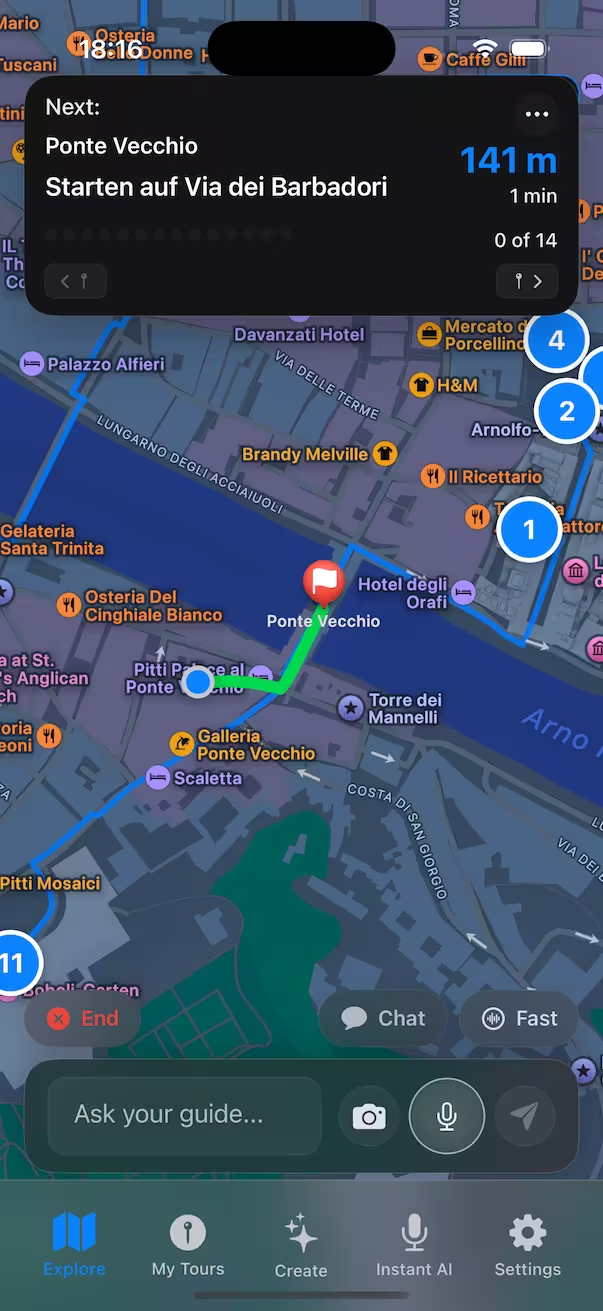
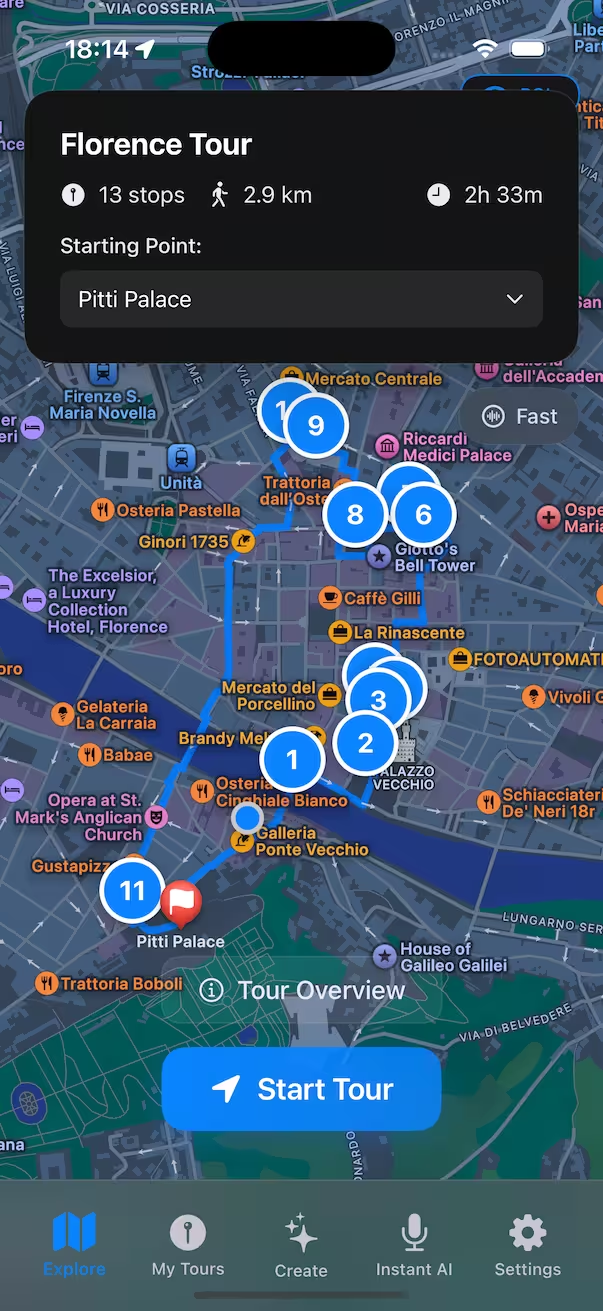
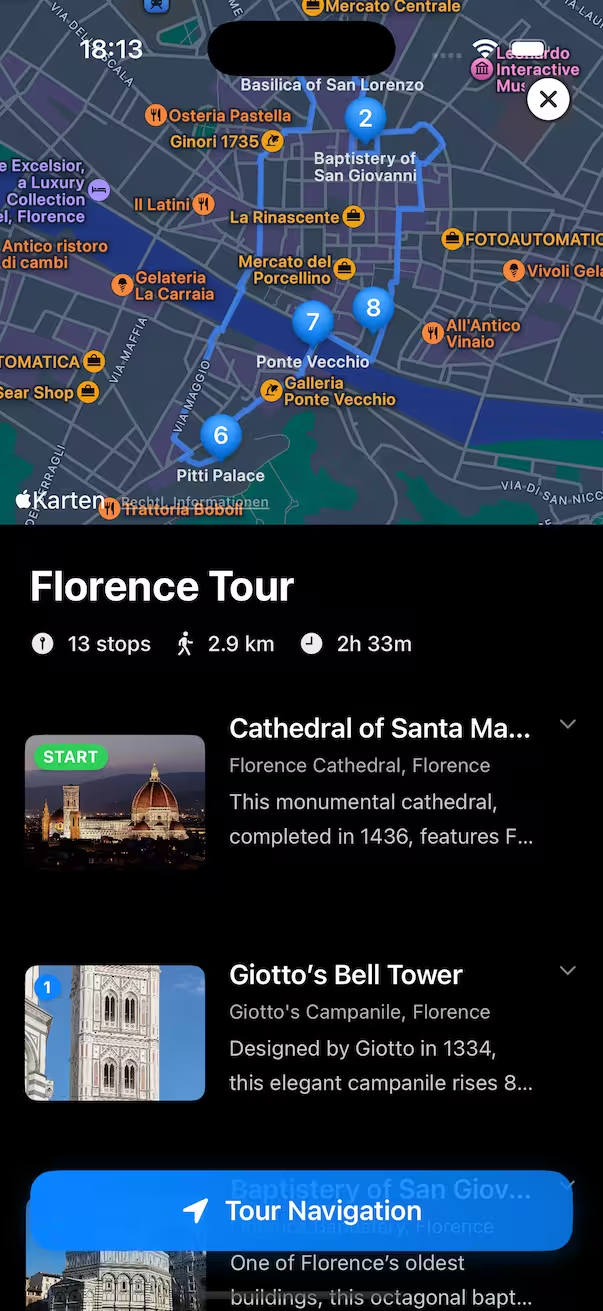
The classic Madrid tour: 14 stops, 10.8 km, about 4 h on foot
Your live AI guide and the self-guided Madrid route, together in your browser.