Best Time to Visit Cordoba
Month-by-month weather, crowds and prices, plus a full calendar of festivals and events worth planning a trip around.
Best monthsApr, Oct
CheapestJan, Feb, Aug
AvoidJul, Aug
BusiestMay

When is the best time to visit Cordoba?
Come in late April or October: 22-26°C, orange blossom or a second courtyard bloom, and prices well below the May peak. May is glorious but maxed out, with the Patios and the Feria back to back. Skip July and August, when 40°C afternoons make the historic centre genuinely unwalkable from late morning.
Start our tool and find your best time to visit Cordoba
Your perfect month
Free · ~30 seconds
or tap a month directly
What matters to you?
And this?
Best overall: Apr, Oct. Late April (after Holy Week) and October are the real sweet spot: warm but walkable weather, the orange-blossom scent or the FLORA flower festival, prices 20-40% under May, and monuments you can actually move through. Book ahead anyway, because the locals and the smart travellers both know it.
Best value: Jan, Feb, Nov. January, February and November bring the year's lowest hotel rates, zero queues at the Mezquita and the Alcázar, and a mild 15-18°C that beats most of northern Europe. The free Thursday at the Alcázar feels almost private in winter.
Avoid: Jul, Aug. July and August: 40°C afternoons that make outdoor sightseeing genuinely punishing from late morning, many local restaurants shuttered for the holidays, and a city that only comes alive after 9pm. Cheap, but you pay for it in heat.
- January: Great time, 14°C. This is the month the city belongs to its own people again. No tour buses, no festival crush, just locals filling the tapas bars and the courtyards quiet behind their gates. The flowers are gone and the patios are shut to visitors, but if you want Córdoba at its calmest and cheapest, January is honest and unperformed.
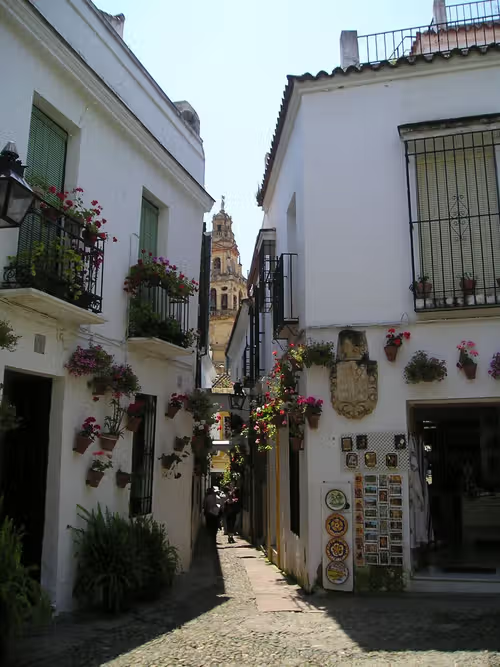
- February: Great time, 17°C. February is Córdoba in unhurried winter mode, with no show put on for tourists and no seasonal markup. You will hear far more Spanish than English in the bars of the Judería, and you can walk into the Calle de las Flores view with nobody else there. The trade-off is bare patios and chilly evenings, a fair one for the calm.
- March: Great time, 20°C. March is the last genuinely quiet month before spring fills the city. The orange blossom from late March is one of the most distinctive sensory experiences in all of Andalusia, free and unticketed, and the patios behind their gates are getting ready. That calm window closes fast once Holy Week approaches, so use it while you have it.
- April: Good time, 22°C. Córdoba's Semana Santa is among the most emotionally powerful in Spain, more solemn and silent than Seville's spectacle, with spontaneous flamenco saetas sung from balconies. If you want that, come and book three months ahead. If you want the warmth without the crush, the weeks after Easter are the year's quiet secret: blossom fading, patios about to open, prices softening.
- May: Tough month, 28°C. Everyone calls May the time to come, and they are right and that is exactly the problem. This is the defining Córdoba experience, geraniums and jasmine spilling over whitewashed walls, but it is also maximum crowds and maximum prices, with the most famous patios queued 45 minutes at midday. Come for it, but book months ahead and visit the courtyards in the evening.
- June: Tough month, 33°C. June is the tipping point, when Córdoba shifts from spring-perfect into proper summer heat by the third week. Early June still feels easy and the crowds have eased after the Feria, but the afternoons are starting to bite. The long evenings redeem it: this is when the terrace and flamenco culture moves fully outdoors and the city stays alive past midnight.
- July: Tough month, 37°C. July is for travellers who genuinely don't mind 40°C and structuring their whole day around it. The reward is a near-empty Mezquita and rock-bottom prices; the cost is that the city is in survival mode, restaurants thin out, and you are nocturnal whether you planned to be or not. Manage the rhythm and it works, but it is not Córdoba at its best.
- August: Tough month, 37°C. August is Córdoba half-asleep: the city becomes nocturnal, the midday streets feel deserted, and the social life relocates entirely to the late evening. If you embrace that and treat 2-6pm as non-negotiable rest, it is cheap and atmospheric after dark. Go expecting a quieter, sleepier city with thinner dining, not the lively Córdoba of spring.
- September: Good time, 31°C. September feels like Córdoba exhaling after the summer furnace. Early in the month it is still hot, but the rhythm relaxes, the locals come back, and the terraces fill again at a civilised hour. It lacks a marquee festival, which is exactly its charm: warm, uncrowded, and affordable, with the city quietly returning to itself.
- October: Great time, 26°C. October is the answer for travellers who want May's beauty without May's prices or crowds. The light is the best of the year, the FLORA installations bring the courtyards back to life, and you can dine outdoors on Plaza de la Corredera in cool comfort. It feels like a shared secret, a city that is alive and fully open but no longer overrun.
- November: Great time, 19°C. November is Córdoba off-stage: no festival, no crowds, just a quiet, mild city you can have largely to yourself. The patios are shut and the weather is changeable, but the trade is real solitude at the great monuments and prices near the winter floor. For travellers who value calm over spectacle, it is one of the year's underrated months.
- December: Great time, 16°C. December is the gentle, festive face of low-season Córdoba: lights strung over Plaza de las Tendillas, a Christmas market in the cold, mild air, and no queues at the Mezquita. Apart from the early-December bridge weekend, it is calm and affordable, a city in holiday mood without the spring crush. A lovely month if you want monuments and markets without crowds.
Cordoba weather by month
HighLowRainfall
Jan14°
Feb17°
Mar20°
Apr22°
May28°
Jun33°
Jul37°
Aug37°
Sep31°
Oct26°
Nov19°
Dec16°
| Month | Temp | Rain | Sun | Crowds | Prices | Highlight |
|---|---|---|---|---|---|---|
| Jan | 14° / 5° | 42mm · 7 rainy days | 7.5 h/day | ●○○○○ | ●○○○○ | Córdoba Christmas Programme |
| Feb | 17° / 6° | 38mm · 6 rainy days | 8.9 h/day | ●○○○○ | ●○○○○ | Andalusia Day |
| Mar | 20° / 8° | 77mm · 9 rainy days | 9.6 h/day | ●●○○○ | ●●○○○ | Holy Week |
| Apr | 22° / 11° | 60mm · 8 rainy days | 10.8 h/day | ●●●●○ | ●●●●○ | Holy Week |
| May | 28° / 15° | 32mm · 5 rainy days | 12.4 h/day | ●●●●● | ●●●●● | Córdoba Patio Festival |
| Jun | 33° / 19° | 9mm · 2 rainy days | 13.5 h/day | ●●●○○ | ●●●○○ | White Night of Flamenco |
| Jul | 37° / 22° | 1mm · 0 rainy days | 13.5 h/day | ●●○○○ | ●●○○○ | Medina Azahara Night Visits |
| Aug | 37° / 22° | 4mm · 1 rainy days | 12.7 h/day | ●●○○○ | ●●○○○ | Medina Azahara Night Visits |
| Sep | 31° / 19° | 26mm · 4 rainy days | 11.1 h/day | ●●○○○ | ●●○○○ | Grape Harvest |
| Oct | 26° / 15° | 56mm · 6 rainy days | 9.2 h/day | ●●●○○ | ●●●○○ | Grape Harvest |
| Nov | 19° / 9° | 74mm · 8 rainy days | 7.9 h/day | ●●○○○ | ●●○○○ | Córdoba Christmas Programme |
| Dec | 16° / 6° | 60mm · 6 rainy days | 7.5 h/day | ●●○○○ | ●●○○○ | Córdoba Christmas Programme |
How we score this: weather = long-run climate normals (Open-Meteo), crowds & prices = relative season read, events checked yearly against official dates.
Best time to visit Cordoba: weather, prices & crowds
Best months for good weather
Apr, May, Oct
Late April, early May and October give Córdoba's friendliest walking weather: 22-28°C, long bright days, and the kind of warm evenings that let you eat outside on Plaza de la Corredera well after dark.
Quietest months to avoid the crowds
Jan, Feb, Nov
January, February and November empty the city of foreign tourists. You can walk into the Mezquita's free morning slot almost alone and stand in front of the Calle de las Flores view without waiting your turn.
Cheapest time to visit Cordoba
Jan, Feb, Aug
January and February are the floor on prices, with four-star hotels from around 70 euros a night, 40-60% below spring rates. August matches them on price but trades the saving for 40°C heat.
Best time for festivals and events
May
Early May is the Festival de los Patios (4-17 May), when around 50 private courtyards in San Basilio and the Judería throw open their flower-drenched walls to compete, a UNESCO-listed experience impossible to replicate any other month.
How many days do you need in Cordoba?
Córdoba rewards three full days: the Mezquita-Catedral and Judería take a proper morning each, Medina Azahara needs a half-day excursion, and the evenings deserve time at a plaza terrace or on the Roman Bridge. Two days covers the highlights in a rush, but the third day is where the city stops feeling like a checklist.

One day
The essential historic core
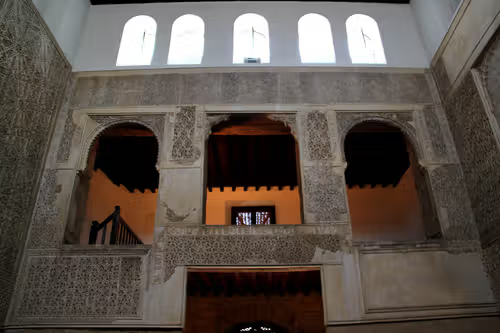
Start at the Puerta del Perdón by 8:15am to catch the free morning slot at the Mezquita-Catedral, the 856-column forest to yourself before the tour buses arrive. Walk the Judería lanes, duck into the Synagogue on Calle de los Judíos, and frame the Calle de las Flores photo before 9am. Finish the morning at the Alcázar de los Reyes Cristianos and its gardens, then cross the Roman Bridge at dusk. One day works, but you skip Medina Azahara and have no time to wander without a plan.
Two days
Old town deep and Medina Azahara
Day one covers the Mezquita, Judería and Alcázar at a pace that lets you stop and read the detail. On the second day, take the first 9am slot at Medina Azahara, the 10th-century Umayyad palace 8km out, back in the city by noon. Afternoon: Palacio de Viana's 12 patios, then an evening on Plaza de la Corredera with a long tapas dinner and Montilla-Moriles Fino at a bar on Calle del Buen Pastor.
Three daysRecommended
The full picture, including the walking tour
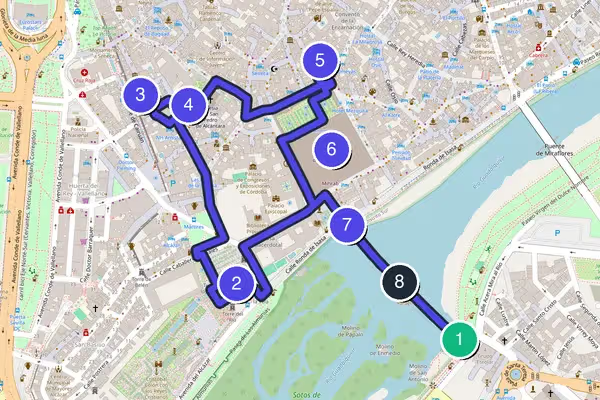
Three days lets you take the self-guided Córdoba walking tour linking all 8 stops from the Calahorra Tower to the Roman Bridge (2.6 km, about 1.7 hours) without watching the clock. Use the extra time for the Archaeological Museum, a morning at the Mercado Victoria, and an evening following the Noche Blanca flamenco stages if the dates overlap. Three days is the recommended length for first-time visitors who want to leave feeling they understood the place.
Four days or more
Side trips and the slow rhythm
A fourth day opens the option of a half-day to Montilla, 45km south, for a bodega visit and barrel tasting of Pedro Ximénez at source. Back in the city, the quieter sights, Capilla de Villaviciosa inside the Mezquita complex, the Carmen de los Mártires gardens, the Molino de la Albolafia watermill, reward the extra time. Four or more days suits anyone who wants to overlap with a festival (Patios, Feria, FLORA or Semana Santa) without feeling rushed.
Best time to visit Cordoba by traveller type
Same city, different trip. Here's the month that fits how you're travelling.
🧭
Best time to visit Cordoba for the first time
AprOct
Late April or October: warm weather without the May heat, every monument open, the orange-blossom or autumn bloom in the air, and crowds you can work around. Book the Mezquita and Alcázar ahead and you have Córdoba at its best with none of the peak-May crush.
❤️
Best time to visit Cordoba for couples
MayOct
Early May for the patios just opening at peak colour before the festival crowds, or October for golden light on the Mezquita and long, cool dinners on Plaza de la Corredera.
💶
Best time to visit Cordoba on a budget
JanFeb
January or February: four-star hotels from around 70 euros, hostel dorms at 12-18 euros, the Mezquita's free morning slot nearly empty, and free Thursdays at the Alcázar. Skip May entirely, when accommodation doubles.
🍝
Best time to visit Cordoba for food and wine
SepOct
Late September into October for the Montilla-Moriles grape harvest 45km south, with Pedro Ximénez pressed fresh and barrel tastings, or late April for the Cata del Vino wine festival right in the city centre.
Worst time to visit Cordoba
July and August are the months to skip. Córdoba is one of the hottest cities in continental Europe, with average highs of 37°C and afternoon peaks above 40°C that make the historic centre genuinely unwalkable from late morning. The Roman Bridge and riverfront are fully exposed with no shade, most of the narrow Judería lanes offer only partial relief, and many family-run restaurants close for one to three weeks while owners take their summer holidays. Outdoor sightseeing is confined to before 11am and after 6pm, which cuts the usable day nearly in half.
Still worth it for The trade-off is rock-bottom prices, empty monuments, and an atmospheric late-evening city that comes alive after 9pm on Plaza de la Corredera. Heat-resilient travellers who structure around the nocturnal rhythm, morning Mezquita first, long siesta indoors, terrace dinner at 10pm, can make it work on a budget.
Go instead in April, October, when Cordoba is at its best.
Best time for a tour of Cordoba
Córdoba is a city to walk slowly, and the calendar is brutally honest about when that is comfortable. The patio season of April and May is the obvious sweet spot in theory, with highs of 22 to 28 °C and bright light bouncing off the whitewash, but it is also the most packed window of the year, and the lanes around the Mosque-Cathedral and the narrow Calle de las Flores choke with crowds when the patios open. July and August are the real test: highs of 37 °C with almost no rain turn the open stretch over the Roman Bridge and the Puerta del Puente into a furnace by mid-morning, with no shade to soften the glare off the Guadalquivir. Far better are the shoulder months. October still hands you 26 °C and thinner crowds, while a January or February morning, 14 to 17 °C, dry enough between the six or seven rain days, lets you cross to the Calahorra Tower and wander the Alcázar gardens with almost nobody around.
That is exactly where doing it yourself pays off, because in a city this hot the hour matters more than the month. With AI Tourguide the timing is entirely yours: no fixed departure, no operator's clock, just open it in your browser and a voice-first guide starts the moment you do, telling the story of the Synagogue and the Mosque-Cathedral as you walk and adapting to what you ask. On a fierce August day you can start your Córdoba tour at first light, crossing the Roman Bridge while the stone is still cool and the bridge is empty, then duck into the shaded courtyards before the heat lands.
 +4
+4All 8 stops are already on the map.
You just press start.
You just press start.
 AI Tourguide
You just read the route.
Now walk it with a guide in your ear.
Press start wherever you are, even hundreds of kilometres from Cordoba, and the guide begins telling its stories right away. In the city, pick any of the 8 stops to start from: it leads you there, then talks with you the whole route, asking, listening, remembering, and shaping the tour around your answers.
8stops2.6km1.7hours11languages
▶Start the tour freeFree to start · Runs in your browser · No app, no download
Cordoba events and festivals calendar
Annual highlights worth timing a trip around, listed month by month.
February
🇮 HolidayAndalusia Day Día de Andalucía
Feb 28
28 February every year, marking the 1980 Andalusian autonomy referendum.
A regional holiday with cultural events and displays of Andalusian pride across the city; when it falls on a weekend, a compensatory working day off is typically added the following Monday.
March
⛪ ReligiousHoly Week Semana Santa de Córdoba
Mar 29 – Apr 5 ~
Palm Sunday through Easter Sunday, varying with Easter, typically late March to mid-April.
More than 30 silent religious processions cross the city across the week, all passing the Mezquita-Catedral, with spontaneous flamenco saetas sung from the balconies as the floats go by.
April
🎨 Art and cultureMedina Azahara Night Visits Visitas Nocturnas Medina Azahara
Apr 1 – Oct 31 ~
Spring to autumn season, typically April to October on Friday and Saturday evenings.
Guided night visits to the floodlit 10th-century Umayyad palace ruins 8km from the city, with an audio guide and strictly limited capacity.
🍷 Food and wineMontilla-Moriles Wine Tasting Cata del Vino Montilla-Moriles
Apr 22–26
Late April, usually over five days.
More than 20 wineries pour Montilla-Moriles DO wines, the Pedro Ximénez and Fino, open-air on Avenida del Alcázar, with tasting sessions and open-air concerts through the run.
May
🎉 FestivalCórdoba Patio Festival Festival de los Patios de Córdoba
May 4–17
First two weeks of May, typically running about two weeks.
Around 50 private courtyards in San Basilio, the Judería and the historic centre compete for the best patio, open free along six walking routes, drowning in geraniums, jasmine and bougainvillaea.
🎉 FestivalCórdoba Fair Feria de Nuestra Señora de la Salud
May 23–30
Late May, a week-long fair starting around the last Saturday of the month.
A six-day fair at the El Arenal site with 84 public casetas, flamenco dresses, horses, rebujitos and late nights.
June
🎵 MusicWhite Night of Flamenco Noche Blanca del Flamenco
Jun 20–21
Around the summer solstice in June, running from around 10:30pm to dawn on one night.
An all-night free flamenco programme across 10 historic venues and plazas, including Plaza de las Tendillas and San Agustín, mixing traditional and contemporary cante and dance.
September
🍷 Food and wineGrape Harvest Vendimia Montilla-Moriles
Sep 1 – Oct 31 ~
September into October, weather-dependent, in the bodegas around Montilla 45km south.
The Pedro Ximénez grapes are harvested and pressed in the bodegas around Montilla, about 45km south, with barrel tastings of the year's pressing.
October
🎨 Art and cultureFLORA International Flower Festival FLORA Festival Internacional de Arte Floral
Oct 12–22
Mid-October.
International floral artists transform Córdoba's courtyards, monuments and public spaces with contemporary site-specific floral installations across the run.
November
More in November →Insider tips for visiting Cordoba
The rules buried in forums, in one place.
- The Mezquita-Catedral is free Monday to Saturday from 8:30 to 9:30am, but you need to queue at the Puerta del Perdón by 8:15am because the slot fills in five to ten minutes. No tour groups are allowed in that window, so you get the forest of columns almost to yourself. Latecomers pay the standard 13 euros.
- Avoid the Mezquita between 11am and 3pm, when queues are longest. The post-4pm slot is the second-best time: the Seville and Granada tour buses have left, queues are short, and the afternoon light angles beautifully through the arches.
- The Alcázar de los Reyes Cristianos is free every Thursday except public holidays, and the gardens are the highlight, so budget about 1.5 hours. It closes every Monday and runs different summer hours from mid-June to mid-September, so check before you go.
- Monday is the worst day for Córdoba's secondary sights: the Alcázar, Palacio de Viana and most municipal museums all close. The Archaeological Museum is the exception and opens daily. Counterintuitively, Monday is one of the best days for the Mezquita itself, which keeps its full open window with no Sunday mass restriction.
- During the Patios Festival the courtyards open 11am-2pm and 6pm-10pm, and the evening slot is far better. The flowers glow in the warm light, it is cooler, and the most famous patios in San Basilio see 10-15 minute waits in the evening versus 45 minutes at midday.
- The Judería's narrow lanes stay 3-5°C cooler than the open plazas because the high walls block direct sun, so use them as a route corridor even on hot days. The famous Calle de las Flores photo spot draws crowds from 10am, so shoot it before 9am or after 7pm for a clear frame.
- Medina Azahara, the 10th-century palace ruins 8km out of town, needs a timed ticket. Take the first 9am slot on a Tuesday or Thursday to beat the day-tripper buses. The floodlit night visits (Friday and Saturday evenings in season) sell out weeks ahead from May to September.
- In July and August the city goes nocturnal: do all outdoor sightseeing before 11am and after 6pm, and treat 2-6pm as a long lunch indoors. Carry 1.5 litres of water for a two-hour morning walk. The evening terrace scene on Plaza de la Corredera and along the river from 9pm is where locals actually are.
Public holidays in Cordoba
On these dates many shops and offices close, transport thins out, and sights can be mobbed or shut. Plan around them.
| Date | Holiday | What closes |
|---|---|---|
| Jan 1 | New Year's Day | Nearly everything closes, including the Mezquita. Some bars and restaurants open in the evening, but plan a low-key arrival day. |
| Jan 6 | Epiphany (Three Kings) | The Three Kings procession fills the streets the evening before, on 5 January. Most attractions are closed on the 6th, including the Alcázar. |
| Feb 28 | Andalusia Day | Regional holiday with cultural events and local pride. It falls on a Saturday in 2026, so Monday 2 March becomes a compensatory day off. Mostly affects transport and some attraction hours. |
| Apr 2 | Maundy Thursday | Andalusian regional holiday in the heart of Holy Week. Major processions cross the centre, transport is reduced, and the streets around the Mezquita are packed. |
| Apr 3 | Good Friday | National holiday and the emotional peak of Semana Santa. Most shops close, the biggest processions block the centre, and accommodation is at a premium. |
| May 1 | Labour Day | National holiday with most shops closed, though bars and restaurants stay open. The Patios Festival is in full swing, so the city is busy regardless. |
| Oct 12 | Spain's National Day | National holiday that overlaps with the FLORA festival's opening week. Some attractions run reduced hours and shops close, adding a mini long-weekend crowd. |
| Nov 1 | All Saints' Day | National holiday with cemeteries busy and many businesses closed. The 2nd of November is a compensatory day off, so it can stretch into a long weekend. |
| Dec 8 | Immaculate Conception | National holiday that, with Constitution Day on 6 December, creates a four-day bridge weekend. Accommodation books up and the Christmas market in Plaza de las Tendillas is at its busiest. |
| Dec 25 | Christmas Day | Everything closes, including the Mezquita and the Alcázar. A quiet day in a near-empty city, mild at 15-16°C. |
Cordoba month by month
January in Cordoba
High14°C / 58°F
Low5°C
Rain42mm / 7 rainy days
Sun7.5 h/day
Daylight10 h/day
Humidity76%
Crowds●○○○○Prices●○○○○
January is Córdoba stripped back to itself: emptiest of the year, properly cheap, and unbothered. Days sit around a mild 15°C, brighter than most of northern Europe, with some 7 rainy days but rarely an all-day soak. The Mezquita and Alcázar have no queues to speak of, and the free morning slot at the Mezquita is genuinely deserted. Cold mornings near freezing give way to gentle afternoons made for slow walking.
The vibe This is the month the city belongs to its own people again. No tour buses, no festival crush, just locals filling the tapas bars and the courtyards quiet behind their gates. The flowers are gone and the patios are shut to visitors, but if you want Córdoba at its calmest and cheapest, January is honest and unperformed.
Don't miss The Mezquita's free 8:30-9:30am slot is at its emptiest in January, so you can stand among the candy-striped arches in near silence. The Christmas programme in Plaza de las Tendillas runs to 8 January with its market and nativity scenes before the city settles into winter.
Crowd drivers Almost no foreign tourism once the Three Kings holiday passes on 6 January. The lowest international visitor pressure of the entire year.
In season Peak season for salmorejo's heartier winter cousins and slow-cooked rabo de toro (oxtail stew), the dish to order when the evenings are cold.
Heads up 1 January and 6 January are holidays: the Mezquita and Alcázar close and most shops shut. Plan those two days around what stays open.
The year's cheapest month: four-star hotels from around 70 euros, 40-60% below spring.
Events this month
🎄 Christmas marketCórdoba Christmas Programme Córdoba es Navidad
Nov 21 – Jan 8
Late November to early January, typically from around 21 November through the first week of January.
A 47-stall Christmas market in Plaza de las Tendillas with nativity scenes, concerts and a Christmas tree, plus a Patios Christmas Market for artisan crafts.
It is the low-season alternative, with mild 15-17°C days, zero queues at the monuments, and a festive atmosphere without the spring crowds.
February in Cordoba
High17°C / 62°F
Low6°C
Rain38mm / 6 rainy days
Sun8.9 h/day
Daylight11 h/day
Humidity70%
Crowds●○○○○Prices●○○○○
February is the quietest shoulder month, mild and often dry at around 17°C by day, with February actually drier than autumn. Andalusia Day on the 28th brings only a minor domestic bump. Major monuments stay uncrowded and prices sit at their winter floor. Mornings are still cool, but the light is climbing and the first hints of the coming spring start to show in the gardens and on the café terraces.
The vibe February is Córdoba in unhurried winter mode, with no show put on for tourists and no seasonal markup. You will hear far more Spanish than English in the bars of the Judería, and you can walk into the Calle de las Flores view with nobody else there. The trade-off is bare patios and chilly evenings, a fair one for the calm.
Don't miss One of the best months for Palacio de Viana, the living aristocratic palace with 12 patios, visited on a Tuesday morning without the festival crowds of May. The Mezquita and Alcázar are calm enough to linger in.
Crowd drivers Andalusia Day (28 February) pulls a small domestic weekend crowd, but nothing near peak season. Foreign tourism is still at its low.
In season Flamenquín and salmorejo are year-round, but winter is prime time for the local Montilla-Moriles Fino and Amontillado sherries poured straight from the barrel in old taverns.
Heads up Andalusia Day on 28 February is a regional holiday, with Monday 2 March a compensatory day off; expect reduced transport and some shorter attraction hours.
Near-cheapest, on par with January; zero queues and the best hotel value of the year.
Events this month
🇮 HolidayAndalusia Day Día de Andalucía
Feb 28
28 February every year, marking the 1980 Andalusian autonomy referendum.
A regional holiday with cultural events and displays of Andalusian pride across the city; when it falls on a weekend, a compensatory working day off is typically added the following Monday.
It is mostly a domestic occasion rather than a tourist draw, worth knowing about because it affects transport and some attraction hours.
March in Cordoba
High20°C / 67°F
Low8°C
Rain77mm / 9 rainy days
Sun9.6 h/day
Daylight12 h/day
Humidity65%
Crowds●●○○○Prices●●○○○
March brings Córdoba back to life: highs climbing toward 20°C, café terraces busy, and the unmistakable orange-blossom scent filling the streets around the Mezquita and the Judería from late March. It is also the wettest month, with around 9 rainy days, though showers are usually brief and intense rather than all-day grey. Crowds stay moderate until the pre-Easter buildup pulls in day-trippers at the end of the month.
The vibe March is the last genuinely quiet month before spring fills the city. The orange blossom from late March is one of the most distinctive sensory experiences in all of Andalusia, free and unticketed, and the patios behind their gates are getting ready. That calm window closes fast once Holy Week approaches, so use it while you have it.
Don't miss The orange-blossom scent (azahar) peaks from late March to mid-April around the Mezquita and the Judería and lasts about three weeks. Wettest month or not, a shower here is usually over in an hour, followed by washed, brilliant light.
Crowd drivers Late-March orange-blossom day-trippers and the pre-Semana-Santa buildup start lifting weekend numbers. Book early if Holy Week lands in late March.
In season Spring artichokes and the first asparagus reach the Mercado Victoria, and salmorejo season begins as tomatoes improve toward April.
Prices start rising late in the month; book ahead if Semana Santa falls in late March.
April in Cordoba
High22°C / 72°F
Low11°C
Rain60mm / 8 rainy days
Sun10.8 h/day
Daylight13 h/day
Humidity62%
Crowds●●●●○Prices●●●●○
April is beautiful and busy. Highs reach a comfortable 22-25°C, with the orange blossom still fading early in the month and around 8 rainy days possible. Semana Santa (29 March-5 April) is the single busiest week of the year, packing the city with 30-plus silent processions that all pass the Mezquita. Once Easter clears, the Cata del Vino wine festival (22-26 April) keeps the calendar full while prices ease back below the Holy Week peak.
The vibe Córdoba's Semana Santa is among the most emotionally powerful in Spain, more solemn and silent than Seville's spectacle, with spontaneous flamenco saetas sung from balconies. If you want that, come and book three months ahead. If you want the warmth without the crush, the weeks after Easter are the year's quiet secret: blossom fading, patios about to open, prices softening.
Don't miss The Cata del Vino Montilla-Moriles (22-26 April) pours Pedro Ximénez and Fino from 20-plus wineries open-air on Avenida del Alcázar, the only place in Spain to drink real Montilla-Moriles at source. The last of the orange blossom lingers early in the month.
Crowd drivers Semana Santa (29 March-5 April), UK and German Easter holidays, and the Cata del Vino (22-26 April) stack on top of one another to make April the year's second-busiest month.
In season Prime season for salmorejo and flamenquín at their best-ingredient peak, paired with young Montilla-Moriles wine at the Cata.
Heads up Maundy Thursday (2 April) and Good Friday (3 April) are holidays with most shops closed and processions blocking the centre; reaching a Judería hotel with luggage on foot can take 30 extra minutes during procession hours.
Hotels double or triple for the Holy Week weekend; shoulder weeks still run 20-30% above winter.
Events this month
⛪ ReligiousHoly Week Semana Santa de Córdoba
Mar 29 – Apr 5 ~
Palm Sunday through Easter Sunday, varying with Easter, typically late March to mid-April.
More than 30 silent religious processions cross the city across the week, all passing the Mezquita-Catedral, with spontaneous flamenco saetas sung from the balconies as the floats go by.
It is the most emotionally powerful Spanish Holy Week outside Seville, more solemn and silent than Seville's spectacle, and worth timing a trip around if you book accommodation three or more months ahead.
🍷 Food and wineMontilla-Moriles Wine Tasting Cata del Vino Montilla-Moriles
Apr 22–26
Late April, usually over five days.
More than 20 wineries pour Montilla-Moriles DO wines, the Pedro Ximénez and Fino, open-air on Avenida del Alcázar, with tasting sessions and open-air concerts through the run.
It is the only place in Spain to drink real Montilla-Moriles Fino and Amontillado at source, and it pairs perfectly with an evening tapas crawl through the old town.
May in Cordoba
High28°C / 83°F
Low15°C
Rain32mm / 5 rainy days
Sun12.4 h/day
Daylight14 h/day
Humidity50%
Crowds●●●●●Prices●●●●●
May is Córdoba at its peak in every sense: 28°C highs, courtyards in full bloom, and the city's two biggest festivals back to back. The Festival de los Patios (4-17 May) opens around 50 private courtyards to competition, then the Feria de Córdoba (23-30 May) takes over at El Arenal. Crowds and prices hit their maximum, with hostel beds gone six to eight weeks ahead. The weather is genuinely the best of the year, but you share it with everyone.
The vibe Everyone calls May the time to come, and they are right and that is exactly the problem. This is the defining Córdoba experience, geraniums and jasmine spilling over whitewashed walls, but it is also maximum crowds and maximum prices, with the most famous patios queued 45 minutes at midday. Come for it, but book months ahead and visit the courtyards in the evening.
Don't miss The Patios Festival is impossible to replicate any other month, with six walking routes through San Basilio, the Judería and the historic centre. The Feria follows with 84 public casetas, every one open to anyone, unlike Seville's invitation-only fair. Jacaranda trees bloom purple along Paseo de la Victoria from late May.
Crowd drivers The Festival de los Patios (4-17 May) and the Feria de Córdoba (23-30 May) run back to back, drawing Spanish domestic visitors and European short-breaks into a single peak month.
In season Feria means rebujitos (sherry and lemon soda) and late-night fried fish in the casetas; the patios season pairs with cold salmorejo on every terrace.
Heads up Labour Day (1 May) closes most shops, though bars and restaurants stay open and the Patios Festival runs regardless.
Busiest and most expensive month: four-star around 180 euros; Patios accommodation sells out months ahead.
Events this month
🎉 FestivalCórdoba Patio Festival Festival de los Patios de Córdoba
May 4–17
First two weeks of May, typically running about two weeks.
Around 50 private courtyards in San Basilio, the Judería and the historic centre compete for the best patio, open free along six walking routes, drowning in geraniums, jasmine and bougainvillaea. The festival is UNESCO Intangible Heritage.
It is the defining Córdoba experience, impossible to replicate any other month, so book three to six months ahead and visit the courtyards in the cooler, quieter evening slot.
🎉 FestivalCórdoba Fair Feria de Nuestra Señora de la Salud
May 23–30
Late May, a week-long fair starting around the last Saturday of the month.
A six-day fair at the El Arenal site with 84 public casetas, flamenco dresses, horses, rebujitos and late nights. Unlike Seville's, every caseta is open to everyone with no invitation needed.
It is the most authentically open Andalusian fair, where any visitor can step into any caseta, though it stacks on top of the Patios to make May both the best experience and the peak of crowds and prices.
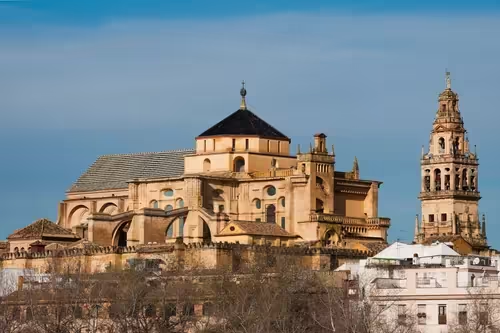
June in Cordoba
High33°C / 91°F
Low19°C
Rain9mm / 2 rainy days
Sun13.5 h/day
Daylight15 h/day
Humidity41%
Crowds●●●○○Prices●●●○○
June opens the long, dry Córdoban summer: 33°C average highs, almost no rain (just 9mm), and 15 hours of daylight that stretch the comfortable early-morning and post-6pm sightseeing window. The post-Feria drop thins the crowds, and early June is the last genuinely pleasant stretch before July's extreme heat. The Noche Blanca del Flamenco around the summer solstice fills the plazas with free all-night flamenco.
The vibe June is the tipping point, when Córdoba shifts from spring-perfect into proper summer heat by the third week. Early June still feels easy and the crowds have eased after the Feria, but the afternoons are starting to bite. The long evenings redeem it: this is when the terrace and flamenco culture moves fully outdoors and the city stays alive past midnight.
Don't miss The Noche Blanca del Flamenco (20-21 June, 10:30pm to dawn) is free world-class flamenco across 10 historic venues and plazas including Plaza de las Tendillas, in the city that is the cradle of cante jondo. Jacaranda trees are still in purple bloom through mid-June.
Crowd drivers The post-Feria drop eases numbers, though the heat starting to deter visitors does most of the thinning. The Noche Blanca (20-21 June) brings a short one-night spike.
In season Cold salmorejo and gazpacho come into their own as the heat rises, and the first long terrace dinners on Plaza de la Corredera run late into the warm night.
Mid-range, 15-20% below May; early June is still comfortable before the extreme heat sets in.
Events this month
🎵 MusicWhite Night of Flamenco Noche Blanca del Flamenco
Jun 20–21
Around the summer solstice in June, running from around 10:30pm to dawn on one night.
An all-night free flamenco programme across 10 historic venues and plazas, including Plaza de las Tendillas and San Agustín, mixing traditional and contemporary cante and dance.
It is one night only of world-class flamenco at no cost, in Córdoba, the cradle of cante jondo, an unmissable date if your trip overlaps it.
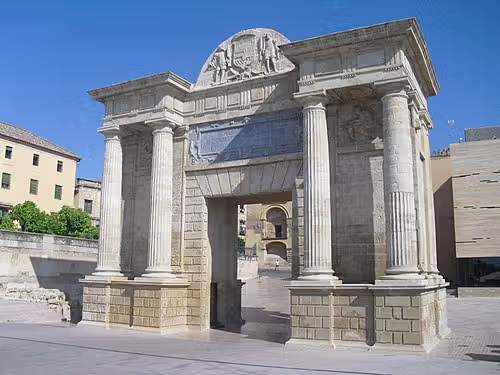
July in Cordoba
High37°C / 99°F
Low22°C
Rain1mm / 0 rainy days
Sun13.5 h/day
Daylight14 h/day
Humidity36%
Crowds●●○○○Prices●●○○○
July is Córdoba at its most extreme: average highs of 37°C with peaks above 40°C several times in the month, and effectively no rain. The heat empties the city of locals and few international tourists brave it, so prices drop and queues vanish. But the historic centre has almost no shade, and the Roman Bridge and riverfront are brutal at midday. Sightseeing works only before 11am and after 6pm; the middle of the day is a write-off.
The vibe July is for travellers who genuinely don't mind 40°C and structuring their whole day around it. The reward is a near-empty Mezquita and rock-bottom prices; the cost is that the city is in survival mode, restaurants thin out, and you are nocturnal whether you planned to be or not. Manage the rhythm and it works, but it is not Córdoba at its best.
Don't miss The Mezquita's interior and the Alcázar gardens are the rare cool refuges, and the Medina Azahara night visits (Friday and Saturday evenings) are a far better experience than the floodlit ruins by day, though they sell out weeks ahead. The evening terrace scene from 9pm is where the city actually lives.
Crowd drivers Extreme heat empties the city of locals and deters most foreign tourism, leaving heat-resilient Spanish travellers and budget visitors. The lightest crowds outside deep winter.
In season Cold salmorejo and gazpacho are everywhere, and ice-cold Fino sherry is the local survival drink, but be aware many traditional restaurants begin closing for the holidays.
Heads up Many family-run restaurants close for one to three weeks in July and August; expect thinner dining options than in spring, and check that secondary museums keep their summer hours.
Rooms cheap at around 80-110 euros for four-star, but restaurants thin out as locals leave.
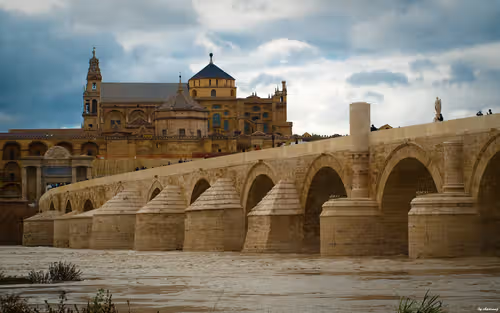
August in Cordoba
High37°C / 98°F
Low22°C
Rain4mm / 1 rainy days
Sun12.7 h/day
Daylight14 h/day
Humidity38%
Crowds●●○○○Prices●●○○○
August stays brutally hot at 37°C highs, with the locals largely gone to the coast and the city feeling empty through the midday hours. Prices are at the floor, tied with January, and dominated by heat-resilient Spanish and budget travellers. The historic centre is silent from 2-6pm, then comes back to life after dark. As in July, you build the whole day around the cool early morning and the long, warm evening.
The vibe August is Córdoba half-asleep: the city becomes nocturnal, the midday streets feel deserted, and the social life relocates entirely to the late evening. If you embrace that and treat 2-6pm as non-negotiable rest, it is cheap and atmospheric after dark. Go expecting a quieter, sleepier city with thinner dining, not the lively Córdoba of spring.
Don't miss The long evening terrace scene on Plaza de la Corredera and along the riverfront from 9pm to midnight is at its most atmospheric and locals-heavy. The Judería's high-walled lanes stay 3-5°C cooler than the open plazas, the best daytime route corridor in the heat.
Crowd drivers Locals leave for the coast and the heat keeps most international visitors away, so demand and prices sit at the year's low alongside January.
In season Salmorejo, gazpacho and cold ajoblanco are summer staples, but many traditional local restaurants are closed for owners' holidays, so book ahead at the ones that stay open.
Heads up Many local restaurants close for one to three weeks in August; Palacio de Viana and several sights run shortened summer hours. Confirm opening times before you go.
Low demand, low prices; one of the cheapest months alongside January for accommodation.

September in Cordoba
High31°C / 88°F
Low19°C
Rain26mm / 4 rainy days
Sun11.1 h/day
Daylight12 h/day
Humidity51%
Crowds●●○○○Prices●●○○○
September is the slow return to normal: still warm at around 31°C highs early on, easing as the month goes, with the city refilling as the heat relents. The grape harvest begins in the Montilla-Moriles region to the south, and prices recover gently without yet reaching May levels. The light softens and the first rains return after the bone-dry summer, making this one of the best value-for-weather windows of the year.
The vibe September feels like Córdoba exhaling after the summer furnace. Early in the month it is still hot, but the rhythm relaxes, the locals come back, and the terraces fill again at a civilised hour. It lacks a marquee festival, which is exactly its charm: warm, uncrowded, and affordable, with the city quietly returning to itself.
Don't miss The Pedro Ximénez grape harvest (vendimia) starts in the bodegas around Montilla, 45km south, the only time to see the pressing live and taste the PX grapes at peak sweetness on a day trip. Evenings are warm enough for long dinners without the summer extreme.
Crowd drivers A gradual return of domestic visitors as the heat eases, but no major event to spike numbers, keeping crowds light.
In season The grape harvest makes September prime time for bodega visits and barrel tastings; salmorejo is still in full tomato season.
Prices begin recovering but stay below May; a genuinely good-value window.
Events this month
🍷 Food and wineGrape Harvest Vendimia Montilla-Moriles
Sep 1 – Oct 31 ~
September into October, weather-dependent, in the bodegas around Montilla 45km south.
The Pedro Ximénez grapes are harvested and pressed in the bodegas around Montilla, about 45km south, with barrel tastings of the year's pressing.
It is the only time to see the harvest process live and taste the PX grapes at peak sweetness, an easy day trip to pair with a Córdoba city visit.
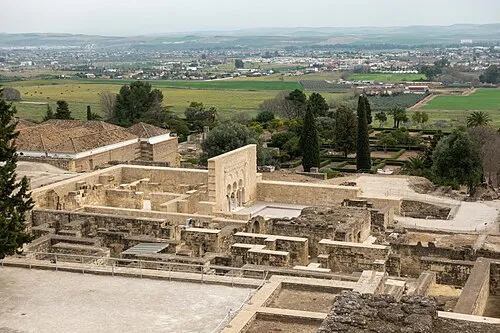
October in Cordoba
High26°C / 80°F
Low15°C
Rain56mm / 6 rainy days
Sun9.2 h/day
Daylight11 h/day
Humidity60%
Crowds●●●○○Prices●●●○○
October is Córdoba's other sweet spot, and arguably its best all-round month. Ideal walking weather of 14-24°C, a second flowering in the patio gardens, and golden autumn light on the Mezquita. The FLORA international flower festival (12-22 October) turns courtyards and monuments into a mini-Patios season with far fewer crowds than May. Prices sit 30-40% below the May peak and sights are near-empty, the rare month that gets the balance right.
The vibe October is the answer for travellers who want May's beauty without May's prices or crowds. The light is the best of the year, the FLORA installations bring the courtyards back to life, and you can dine outdoors on Plaza de la Corredera in cool comfort. It feels like a shared secret, a city that is alive and fully open but no longer overrun.
Don't miss FLORA transforms courtyards, monuments and public spaces with contemporary site-specific floral installations, a mini-Patios season in autumn with a fraction of May's crowds. The patios themselves get a second bloom, and the softer light is ideal for the Mezquita and the Roman Bridge.
Crowd drivers The FLORA festival (12-22 October) and Spain's National Day (12 October) bring a culture crowd and a mini long weekend, but nothing near the May crush.
In season The Montilla-Moriles harvest carries into October for bodega tastings, and the autumn brings the first hearty stews like rabo de toro back onto menus.
Heads up Spain's National Day (12 October) closes shops and runs some sights on reduced hours, coinciding with FLORA's opening week.
Hotel rates 30-40% below May, around 110 euros for four-star: the best price-weather-crowd balance of the year.
Events this month
🎨 Art and cultureFLORA International Flower Festival FLORA Festival Internacional de Arte Floral
Oct 12–22
Mid-October.
International floral artists transform Córdoba's courtyards, monuments and public spaces with contemporary site-specific floral installations across the run.
It is a mini-Patios season in autumn with a fraction of May's crowds, combining with October's ideal walking weather for the year's best balance of beauty and calm.
🍷 Food and wineGrape Harvest Vendimia Montilla-Moriles
Sep 1 – Oct 31 ~
September into October, weather-dependent, in the bodegas around Montilla 45km south.
The Pedro Ximénez grapes are harvested and pressed in the bodegas around Montilla, about 45km south, with barrel tastings of the year's pressing.
It is the only time to see the harvest process live and taste the PX grapes at peak sweetness, an easy day trip to pair with a Córdoba city visit.

November in Cordoba
High19°C / 66°F
Low9°C
Rain74mm / 8 rainy days
Sun7.9 h/day
Daylight10 h/day
Humidity73%
Crowds●●○○○Prices●●○○○
November is the quietest shoulder of the year: mild at around 19°C by day, with few events and one of the cheapest hotel windows. It is also a wetter month, with around 8 rainy days and the year's heaviest rainfall, though showers tend to be brief. All Saints' Day on the 1st brings a brief domestic movement, then the city settles into a calm, near-empty rhythm with no queues at the Mezquita or the Alcázar.
The vibe November is Córdoba off-stage: no festival, no crowds, just a quiet, mild city you can have largely to yourself. The patios are shut and the weather is changeable, but the trade is real solitude at the great monuments and prices near the winter floor. For travellers who value calm over spectacle, it is one of the year's underrated months.
Don't miss The Mezquita and Alcázar are genuinely queue-free, and the free Thursday at the Alcázar feels almost private. The Christmas programme in Plaza de las Tendillas starts from around 21 November, with the market and lights going up at the end of the month.
Crowd drivers All Saints' Day (1 November) brings a brief domestic weekend bump, then crowds drop to among the lightest of the year.
In season Cooler weather brings rabo de toro, oxtail stew, and slow-cooked winter dishes back to the front of the menu, paired with the local Montilla-Moriles sherries.
Heads up All Saints' Day (1 November) closes many businesses, with 2 November a compensatory day off; cemeteries are busy and some sights keep holiday hours.
Near-cheapest at around 80-100 euros for four-star, with zero queues at the major sights.
Events this month
🎄 Christmas marketCórdoba Christmas Programme Córdoba es Navidad
Nov 21 – Jan 8
Late November to early January, typically from around 21 November through the first week of January.
A 47-stall Christmas market in Plaza de las Tendillas with nativity scenes, concerts and a Christmas tree, plus a Patios Christmas Market for artisan crafts.
It is the low-season alternative, with mild 15-17°C days, zero queues at the monuments, and a festive atmosphere without the spring crowds.

December in Cordoba
High16°C / 61°F
Low6°C
Rain60mm / 6 rainy days
Sun7.5 h/day
Daylight10 h/day
Humidity78%
Crowds●●○○○Prices●●○○○
December is mild and low-key, around 16°C by day with zero queues at the great monuments. The Córdoba es Navidad programme runs through the month, with a 47-stall Christmas market and nativity scenes in Plaza de las Tendillas. Constitution Day (6 December) and the Immaculate Conception (8 December) create a four-day bridge weekend that books up fast. Outside that spike, it is a quiet, atmospheric low-season month with a festive edge.
The vibe December is the gentle, festive face of low-season Córdoba: lights strung over Plaza de las Tendillas, a Christmas market in the cold, mild air, and no queues at the Mezquita. Apart from the early-December bridge weekend, it is calm and affordable, a city in holiday mood without the spring crush. A lovely month if you want monuments and markets without crowds.
Don't miss The Córdoba es Navidad market in Plaza de las Tendillas runs to 8 January with 47 stalls, nativity scenes and concerts, plus an artisan-crafts Patios Christmas Market. The monuments are queue-free in the mild 15-17°C winter air.
Crowd drivers The 6-8 December bridge weekend (Constitution Day plus Immaculate Conception) draws a domestic crowd and spikes accommodation; the rest of the month stays quiet.
In season Christmas-season pestiños and roscos (fried anise pastries) appear in the bakeries, alongside warming rabo de toro and Pedro Ximénez sweet wine.
Heads up Christmas Day (25 December) closes everything, including the Mezquita and Alcázar; the 6-8 December holidays also shutter many shops.
Mid-range for the holidays; the 6-8 December bridge weekend pushes rates up sharply.
Events this month
🎄 Christmas marketCórdoba Christmas Programme Córdoba es Navidad
Nov 21 – Jan 8
Late November to early January, typically from around 21 November through the first week of January.
A 47-stall Christmas market in Plaza de las Tendillas with nativity scenes, concerts and a Christmas tree, plus a Patios Christmas Market for artisan crafts.
It is the low-season alternative, with mild 15-17°C days, zero queues at the monuments, and a festive atmosphere without the spring crowds.
Frequently asked questions
What is the best time to visit Córdoba?
Late April (after Holy Week, around 6-22 April) and October are the best times. Both give you 22-26°C walking weather, the orange blossom or the FLORA flower festival, and prices 20-40% below the May peak. April brings the Cata del Vino wine festival, while October delivers golden light and near-empty monuments. Skip the heat of July and August.
What is the cheapest month to visit Córdoba?
January is the cheapest and best-value month, with four-star hotels from around 70 euros a night, 40-60% below spring rates, and near-zero queues at the Mezquita and Alcázar. February is almost as cheap. August matches January on accommodation price but trades the saving for 40°C heat and many restaurants closed for the holidays.
What is the worst time to visit Córdoba?
July and August are the months most people should avoid. Córdoba is one of the hottest cities in continental Europe, with average highs of 37°C and peaks above 40°C, and the historic centre has almost no shade. Locals leave for the coast, many restaurants close, and outdoor sightseeing only works before 11am and after 6pm.
When is the Córdoba Patios Festival?
The Festival de los Patios runs the first two weeks of May, 4-17 May in 2026. Around 50 private courtyards open free along six walking routes, drowning in geraniums and jasmine. It is the defining Córdoba experience but also the year's peak for crowds and prices, so book accommodation three to six months ahead and visit the patios in the cooler evening slot.
How hot does Córdoba get in summer?
Very hot. July and August average highs of 37°C, with peaks above 40°C several times a month, making Córdoba one of the hottest cities in continental Europe. The Roman Bridge and riverfront are fully exposed and brutal at midday. Carry 1.5 litres of water for a morning walk and treat 2-6pm as indoor rest time.
Is October a good time to visit Córdoba?
October is arguably the best all-round month. You get ideal 14-24°C walking weather, a second flowering in the patio gardens, golden light on the Mezquita, and the FLORA flower festival (12-22 October). Hotel rates run 30-40% below May, sights are near-empty, and the balance of weather, crowds and price is the year's best.
How many days do you need in Córdoba?
Two full days cover Córdoba well: one for the Mezquita-Catedral, the Judería and the Roman Bridge, and a second for the Alcázar, Palacio de Viana and Medina Azahara 8km out of town. A third day lets you add the Montilla-Moriles wine region. Many visitors come on a day trip from Seville, which is enough only for the Mezquita and a quick walk.
When can you see the orange blossom in Córdoba?
The orange-blossom scent (azahar) peaks from late March to mid-April and lasts about three weeks. It is most intense in the streets around the Mezquita and the Judería and is one of the most distinctive sensory experiences in all of Andalusia. It is free and unticketed, so simply walk those lanes early in the morning when the air is stillest.

Any month, any day: your guide is already there
Whatever date you pick, a private human guide gets pricier and harder to book on weekends, holidays and in peak season. Our live AI guide, the one that walks with you and answers anything you ask out loud, works the opposite way.
One flat price, every day
No holiday, weekend, night or peak-season surcharge. A private guide in Cordoba runs well over 100 euro for a half day, and more on holidays. Ours stays the same.
Available the moment you want it
Start at midnight or at dawn, on Christmas, in the snow, in the August heat. No sold-out high season, no booking weeks ahead.
Your pace, no meter running
Pause for a long lunch, restart after dark, repeat a stop. The tour simply waits for you.
Free to try, a fraction of the cost
Test it for free, then a transparent flat price that undercuts any private guide, in every season.
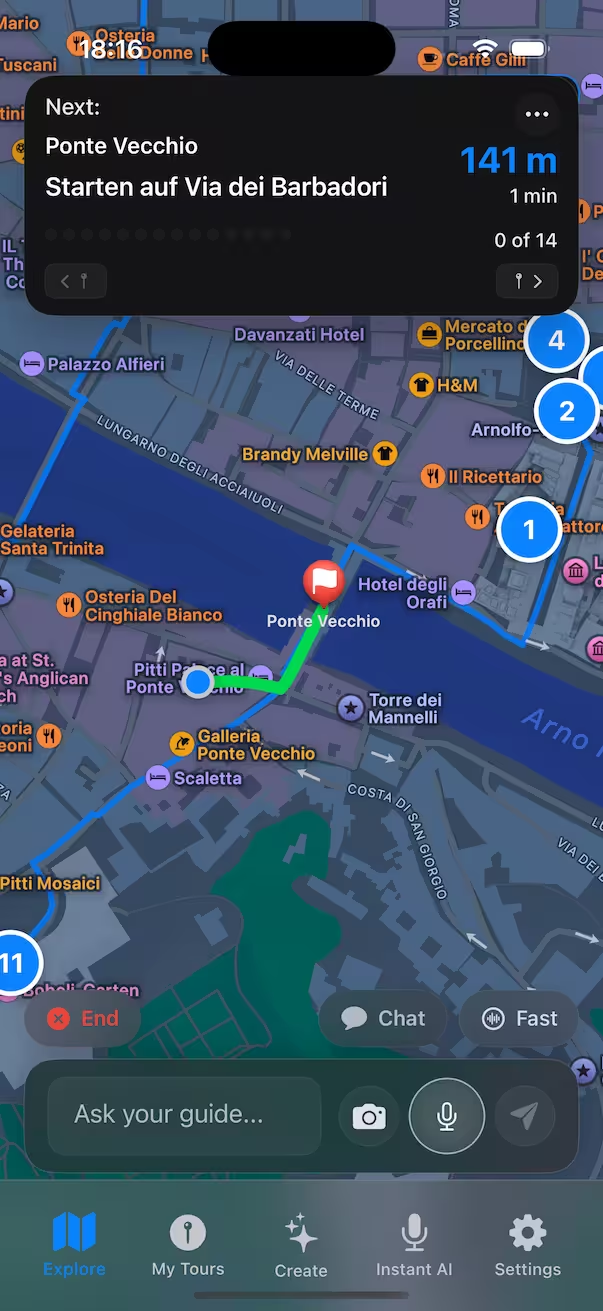
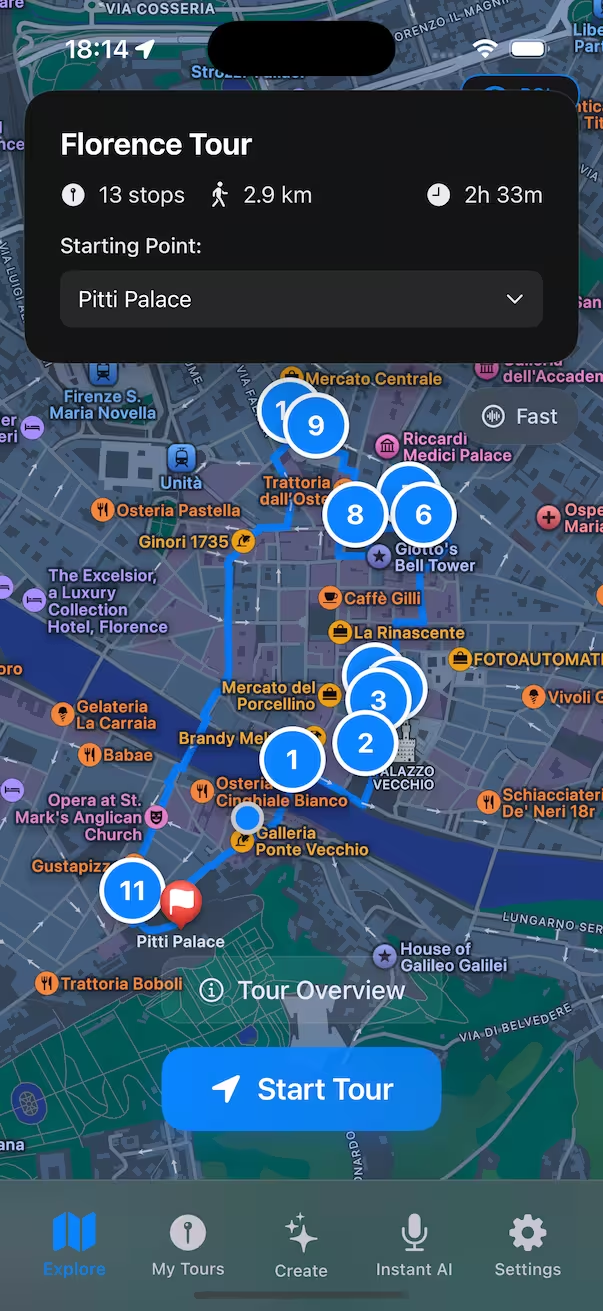
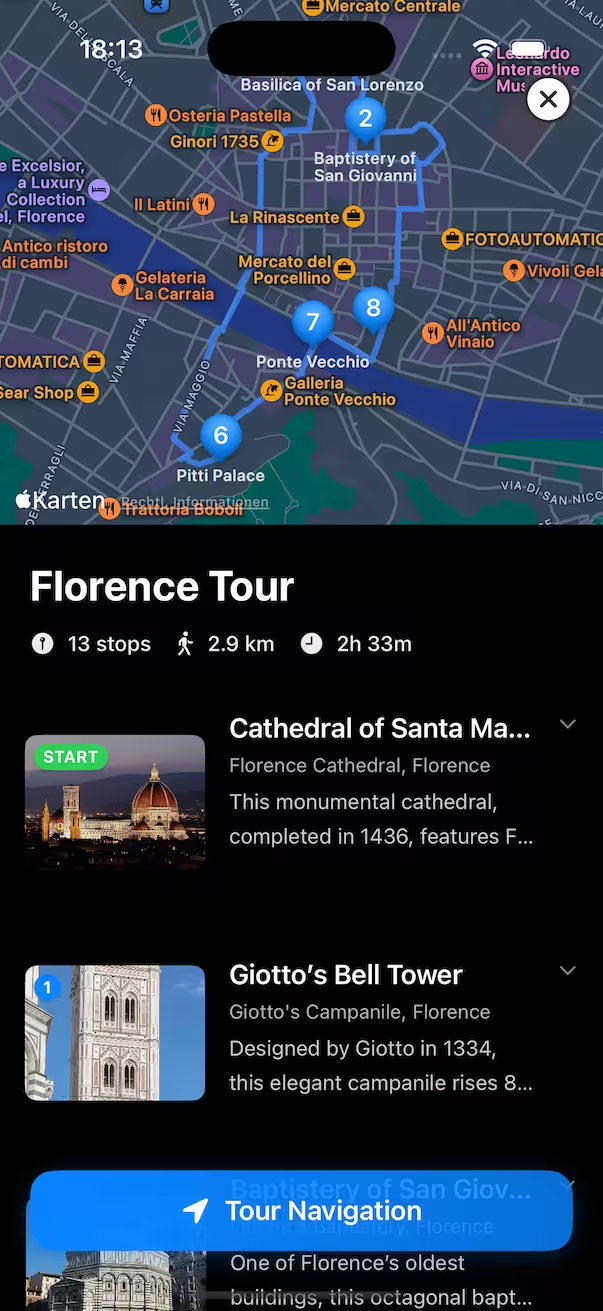
The classic Cordoba tour: 8 stops, 2.6 km, about 2 h on foot
Your live AI guide and the self-guided Cordoba route, together in your browser.