Best Time to Visit Wrocław
Month-by-month weather, crowds and prices, plus a full calendar of festivals and events worth planning a trip around.
Best monthsMay, Sep
CheapestJan, Feb, Nov
AvoidJul
BusiestJul, Aug
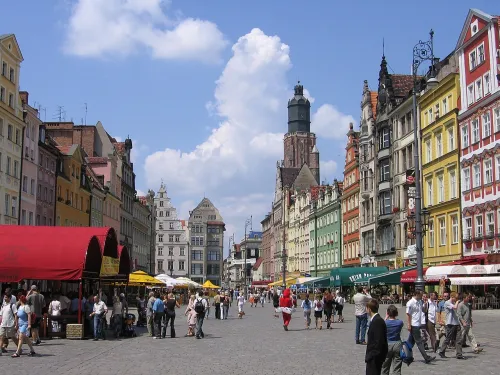
When is the best time to visit Wrocław?
Come in May or September. May brings the St. John's Fair, Museum Night, blooming parks and 16+ hour days without the July crush; September stacks Wratislavia Cantans, early autumn colour and mild walking weather at hotel rates 15-25% below peak. January and February are cheapest (130-210 zł a night, roughly 30-47 €) but the trade is grey 7.5-hour days. Avoid the New Horizons Film Festival week (23 July to 2 August) and the Good Beer Festival weekend (19-21 June) unless you came for them, when central rooms are scarce and overpriced.
Start our tool and find your best time to visit Wrocław
Your perfect month
Free · ~30 seconds
or tap a month directly
What matters to you?
And this?
Best overall: May, Sep. May and September are the real sweet spot. May has St. John's Fair on the Market Square, Museum Night, the Multimedia Fountain season opening and blooming parks, with long light evenings and manageable crowds. September brings Wratislavia Cantans (3-13 September), cooler walking temperatures, the first autumn foliage and hotel rates 15-25% below July and August.
Best value: Jan, Feb, Nov. January, February and November bring hotel rates 35-40% below the summer peak, no queue for Panorama Racławicka, and the National Museum free on Tuesdays. The catch is short grey days (December has just 1.7 hours of sun) and the dormant outdoor scene, so lean on warm indoor draws like Hydropolis and the Panorama.
Avoid: Jul. The New Horizons Film Festival week (23 July to 2 August) is the year's tightest squeeze if you are not here for the cinema: around 170,000 viewers, central hotels full weeks ahead and rooms reaching 500-600 zł a night. The Good Beer Festival weekend (19-21 June) is the other one to dodge, filling every hotel within 2 km of Tarczyński Arena and pushing centre rates up 40-80%.
- January: Tough month, 4°C. January is introverted Wrocław: cold, grey and almost touristless, but cheap and calm. The outdoor character of the city is dormant, so this is a month for warm interiors and short walks. If you want the Market Square and Ostrów Tumski almost to yourself, this is when you get them.
- February: Good time, 6°C. February is still winter Wrocław: cheap, calm and uncrowded, with the parks and riverbanks asleep. The reward is space, walk into any museum without a booking, and a city going about its everyday rhythm rather than performing for tourists.
- March: Good time, 10°C. March is the in-between month, neither winter-quiet nor spring-alive, but it carries a sense of release as the light returns and the parks start to bud. Prices are still low, crowds still light, and the first warm afternoons feel earned.
- April: Great time, 14°C. April is the couples' month: golden spring light, blossom in the parks, dry days and the lamplighter ritual at dusk, all at shoulder-season prices. Around Easter it gets busier and a little pricier, but the rest of the month is Wrocław at its quiet, fresh best.
- May: Good time, 19°C. May is Wrocław coming fully to life: blooming parks, long evenings, terraces open and a festival nearly every week, with manageable crowds outside the Majówka cluster. It is the priciest month, but you are paying for the city at its most vibrant and the best of its events stacked together.
- June: Great time, 24°C. June is the tipping point into full summer, and the long evenings are the payoff: light until 21:00 means late riverbank walks, fountain shows and outdoor dinners. The school holidays have not hit yet, so the city is busy but still breathes, except over the beer-festival weekend, which is a different animal.
- July: Good time, 25°C. July is hot, busy and festival-charged. The Market Square has little shade, so midday walking is best avoided; go before 11:00 or after 18:00. The real July Wrocław is on the Odra riverbanks and in the cinema queues, with the city at its liveliest and most expensive.
- August: Good time, 25°C. August is full-summer Wrocław: warm, crowded and outdoor-focused, with the riverbanks and Market Square humming late into the long evenings. It is busy and pricey, but the weather is at its most dependable and the city is alive after dark.
- September: Great time, 20°C. September feels like Wrocław exhaling: still warm enough for terraces, alive with one of Europe's great vocal festivals, but without August's crowds or prices. This is the month to come if you want everything open, the weather still kind and the locals back in their normal rhythm.
- October: Great time, 15°C. October is the second couples' month: cool, romantic and quiet, with red and gold foliage in the parks and along the moat, and the riverbanks at their most photogenic. The crowds are gone, the prices have dropped, and the light is soft and low.
- November: Good time, 9°C. November is introverted Wrocław again: grey, cold and almost touristless, but cheap and calm, with the bonus of two strong festivals at the NFM and cinemas. The consolation is that the Christmas market arrives to light up the Market Square as the month closes.
- December: Tough month, 5°C. December trades the autumn quiet for festive bustle: lights, mulled wine, crafts and crowds on the Market Square. It is genuinely atmospheric, especially in the early evening, but the days are dark and short, so plan the daylight hours for sights and the evenings for the market.
Wrocław weather by month
HighLowRainfall
Jan4°
Feb6°
Mar10°
Apr14°
May19°
Jun24°
Jul25°
Aug25°
Sep20°
Oct15°
Nov9°
Dec5°
| Month | Temp | Rain | Sun | Crowds | Prices | Highlight |
|---|---|---|---|---|---|---|
| Jan | 4° / -2° | 44mm · 12 rainy days | 3.7 h/day | ●○○○○ | ●○○○○ | |
| Feb | 6° / -1° | 41mm · 9 rainy days | 5.7 h/day | ●○○○○ | ●○○○○ | |
| Mar | 10° / 1° | 44mm · 12 rainy days | 7.4 h/day | ●●○○○ | ●●○○○ | |
| Apr | 14° / 5° | 45mm · 11 rainy days | 9.6 h/day | ●●○○○ | ●●○○○ | Easter Long Weekend |
| May | 19° / 9° | 67mm · 12 rainy days | 10.8 h/day | ●●●○○ | ●●●○○ | Wrocław Museum Night |
| Jun | 24° / 14° | 70mm · 11 rainy days | 12.3 h/day | ●●●○○ | ●●●○○ | St. John's Fair |
| Jul | 25° / 16° | 77mm · 13 rainy days | 12.4 h/day | ●●●●○ | ●●●●○ | Multimedia Fountain Season |
| Aug | 25° / 16° | 77mm · 12 rainy days | 10.8 h/day | ●●●●○ | ●●●●○ | Multimedia Fountain Season |
| Sep | 20° / 12° | 67mm · 10 rainy days | 8.9 h/day | ●●●○○ | ●●●○○ | Multimedia Fountain Season |
| Oct | 15° / 8° | 66mm · 11 rainy days | 6.4 h/day | ●●○○○ | ●●○○○ | Multimedia Fountain Season |
| Nov | 9° / 3° | 46mm · 10 rainy days | 4.5 h/day | ●○○○○ | ●●○○○ | All Saints' Day |
| Dec | 5° / 0° | 44mm · 12 rainy days | 3.3 h/day | ●●●○○ | ●●●○○ | Wrocław Christmas Market |
How we score this: weather = long-run climate normals (Open-Meteo), crowds & prices = relative season read, events checked yearly against official dates.
Best time to visit Wrocław: weather, prices & crowds
Best months for good weather
May, Jun, Sep
May, June and September give Wrocław its most comfortable conditions: highs of 18-23°C, long daylight (16+ hours in June, sunrise around 04:40), and the Market Square terraces and Odra riverbanks in full swing without July's heatwave spikes of 30-35°C.
Quietest months to avoid the crowds
Jan, Feb, Nov
From November through February the foreign tourist wave thins right out. You walk into Panorama Racławicka without a weeks-ahead booking and have the Market Square and Ostrów Tumski lanes almost to yourself, the trade being short, grey, cold days.
Cheapest time to visit Wrocław
Jan, Feb, Nov
January and February are the cheapest months: 3-star city-centre hotels run 130-210 zł a night (roughly 30-47 €), about 35-40% below the May and summer peak. November is nearly as cheap before the Christmas market lifts December rates.
Best time for festivals and events
May, Jun, Sep
From May to October the Multimedia Fountain at Pergola, next to Centennial Hall, runs up to 11 free water-and-light shows daily. The 21:00 weekday slot is the one to catch: about 20 minutes of music and colour against the night sky, far thinner crowds than the packed weekend shows of 1,000-plus.
How many days do you need in Wrocław?
Two days is the right call for Wrocław. The compact Old Town packs the Market Square, Ostrów Tumski, Panorama Racławicka and Centennial Hall into a walkable core, and two days lets you move between them without rushing. Add a third if you want to slow down for the zoo, the Japanese Garden in Szczytnicki Park or a long evening on the Odra riverbanks.
One day
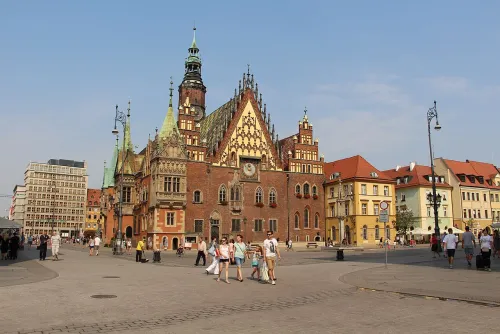
Rynek, dwarfs and the cathedral island
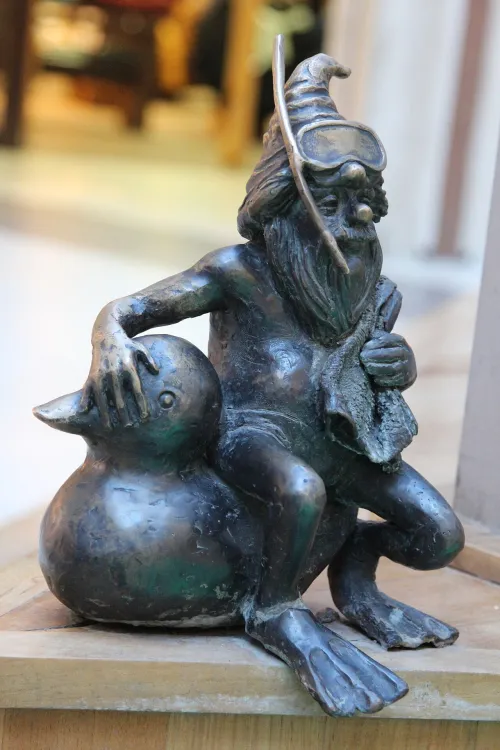
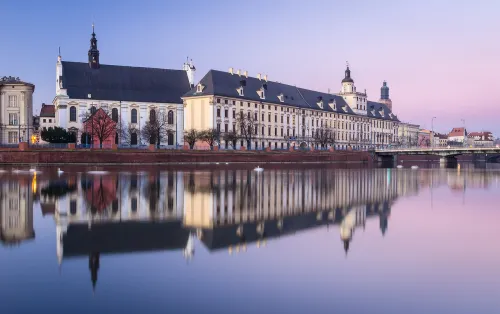
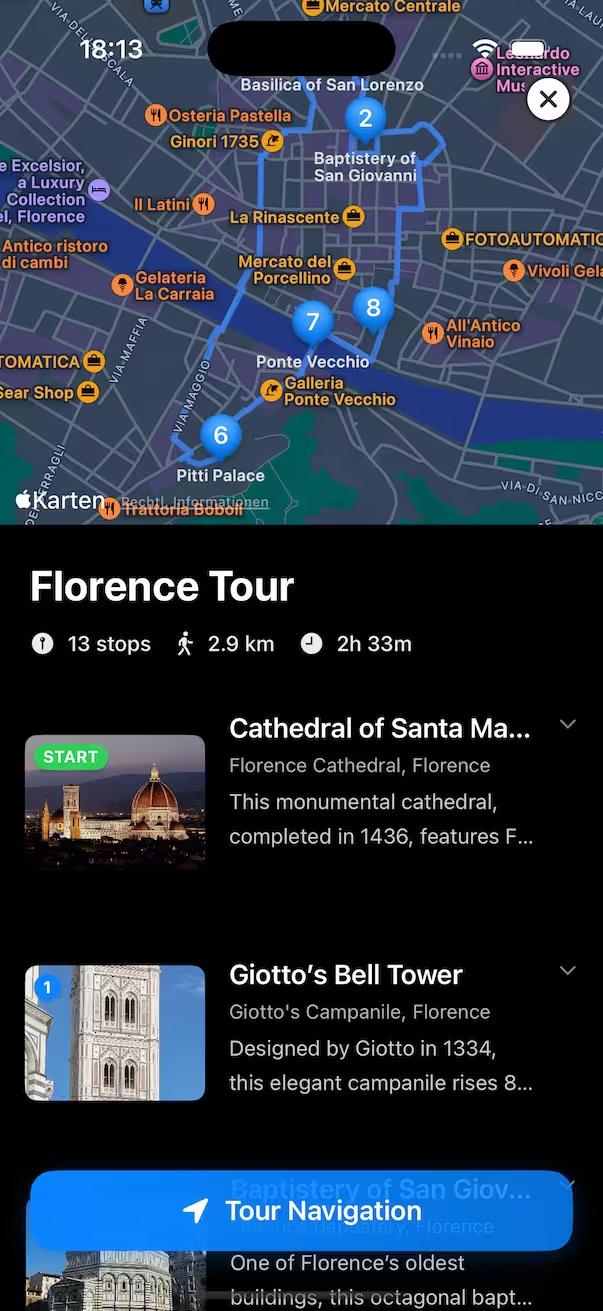
Start at the vast Wrocław Market Square, circle the Gothic Old Town Hall and hunt the bronze dwarf figurines scattered across the cobblestones nearby. Walk north to Wrocław University for the Baroque Aula Leopoldina, then cross the river to Ostrów Tumski to end at the twin-spired Cathedral of St. John the Baptist at dusk, timing your arrival for the gas-lamp lighting at around 21:30 in summer or 18:00 in winter. A self-guided Wrocław walking tour strings all 9 stops, including Hala Targowa, Panorama Racławicka and Centennial Hall, into a 6.2 km route taking roughly 2.6 hours.
Two daysRecommended
Panorama, Centennial Hall and the fountain
Dedicate the morning to Panorama Racławicka, the monumental 360-degree cyclorama between the Old Town and the Odra; book timed entry online in advance, especially between May and September. After lunch, take the tram east to Centennial Hall, a UNESCO World Heritage modernist dome from 1913, and stay for the free Multimedia Fountain show at Pergola next door, best at the 21:00 weekday slot. Round the evening off with dinner on the Bulwar Dunikowskiego riverside promenade.
Three days
Parks, the zoo and Nadodrze
A third day opens up the broader city. In the morning, walk Szczytnicki Park (100 ha, 350 tree species) and the Japanese Garden, at their best in late April for cherry blossom and azaleas or in October for autumn colour. The zoo next door is the oldest in Poland with more than 10,500 animals and the Afrykarium tropical pavilion. In the evening, head to the Nadodrze neighbourhood for the liveliest independent restaurant scene in the city.
Four days or more
Day trips and deep cuts
With four days or more, Wrocław becomes a base for Lower Silesia. Ksiaz Castle, the largest in Silesia, is 65 km south and reachable by train; the walled town of Paczków and the underground Project Riese tunnels at Osówka are worth a full day. Back in the city, Hydropolis, the underground water-science centre, and the City Arsenal and Museum of Architecture fill any remaining gaps.
Best time to visit Wrocław by traveller type
Same city, different trip. Here's the month that fits how you're travelling.
🧭
Best time to visit Wrocław for the first time
MaySep
May or September: mild walking weather, the full set of must-sees (Panorama Racławicka, Ostrów Tumski, Market Square, Centennial Hall) without peak-summer queues, and hotel prices below the July-August maximum. May adds St. John's Fair and Museum Night; September adds Wratislavia Cantans and autumn colour.
❤️
Best time to visit Wrocław for couples
OctApr
Late April or early October for golden light, quiet riverbank walks and the Ostrów Tumski lamplighter ritual at dusk. April brings cherry blossom and azaleas in Szczytnicki Park; October turns the same park amber and gold. Hotel rates run 20-30% below summer.
💶
Best time to visit Wrocław on a budget
JanFebNov
January, February or November: hotels at 130-210 zł a night, the National Museum free on Tuesdays, and most of the city's character (Market Square, Ostrów Tumski, the dwarf hunt, Bulwar Dunikowskiego) free year-round. Museum Night (16 May) is the single best free cultural event, with 110 institutions open in one evening.
🍝
Best time to visit Wrocław for food and wine
JunJul
June for St. John's Fair street food, the Nocny Targ Tęczowa night market and the Good Beer Festival (19-21 June, the largest in Poland). July adds Fine Dining Week (1 July to 13 August) and New Horizons restaurant offers. The Hala Targowa food hall is open Monday to Saturday year-round, and Nadodrze has the liveliest independent restaurant scene on a Friday evening.
Worst time to visit Wrocław
July is the month to think twice about. Average highs of around 25°C can spike to 30-35°C in heatwaves, and the Market Square offers almost no shade at midday. The New Horizons Film Festival, running from late July into early August, draws around 170,000 visitors: central hotels sell out weeks ahead and rooms reach 500-600 zł a night. Even outside the festival, peak EU school holidays keep pressure high and prices at 280-450 zł a night all month.
Still worth it for July works well if you came for the cinema or the Brave Festival, and the long evenings on the Odra riverbanks and the free Multimedia Fountain are genuinely good. Just book everything well ahead and plan sightseeing before 11:00 or after 18:00 to avoid the heat.
Go instead in May, September, when Wrocław is at its best.
Best time for a tour of Wrocław
The 6.2 km loop through Wrocław rewards you most generously in May, June, and September, when temperatures sit between 14 and 24 °C and rain-days drop to 10 or 11 per month. Those are the months when the Rynek, Wrocław's vast Market Square, feels genuinely alive without becoming oppressively packed: cafe terraces are open, the light on the Old Town Hall's Gothic facade is warm and long-lasting, and the cobblestones through Ostrów Tumski dry quickly after a brief shower. July and August push highs to 25 °C, which sounds pleasant until you're crossing the sun-exposed Cathedral Island with no shade, both months clocking 12 to 13 rain-days and streets that are noticeably busier. At the other end of the calendar, November through February is honest about its hardships: highs barely scrape 3 to 9 °C, January and February bring 9 to 12 wet days, and the light fades early. The interiors along the route, including the Panorama of the Battle of Racławice and the Centennial Hall, give you good shelter and are worth prioritising on grey winter afternoons. March and April offer a genuine shoulder window: manageable temperatures climbing from 10 to 14 °C, thin crowds, and a quiet Old Town that feels nothing like the summer version.
The practical upside of walking Wrocław with AI Tourguide is that the schedule is entirely yours. On a warm August morning you can set off at 7 am, when the Market Square holds only a handful of cyclists and the light hits the Old Town Hall at a low, flattering angle, rather than joining any group whose departure time was fixed months ago. The guide runs entirely in your browser, no download, no login, and a voice-first AI leads you from stop to stop, telling the stories of Wrocław's dwarfs, the cathedral spires, and the Centennial Hall as you walk, asking what catches your eye, and adapting what comes next to what you actually want to hear. When September afternoon rain rolls in, you pause at a cafe and the tour simply waits. Start your Wrocław tour whenever the weather, and the morning, feels right.

 +5
+5All 9 stops are already on the map.
You just press start.
You just press start.
 AI Tourguide
You just read the route.
Now walk it with a guide in your ear.
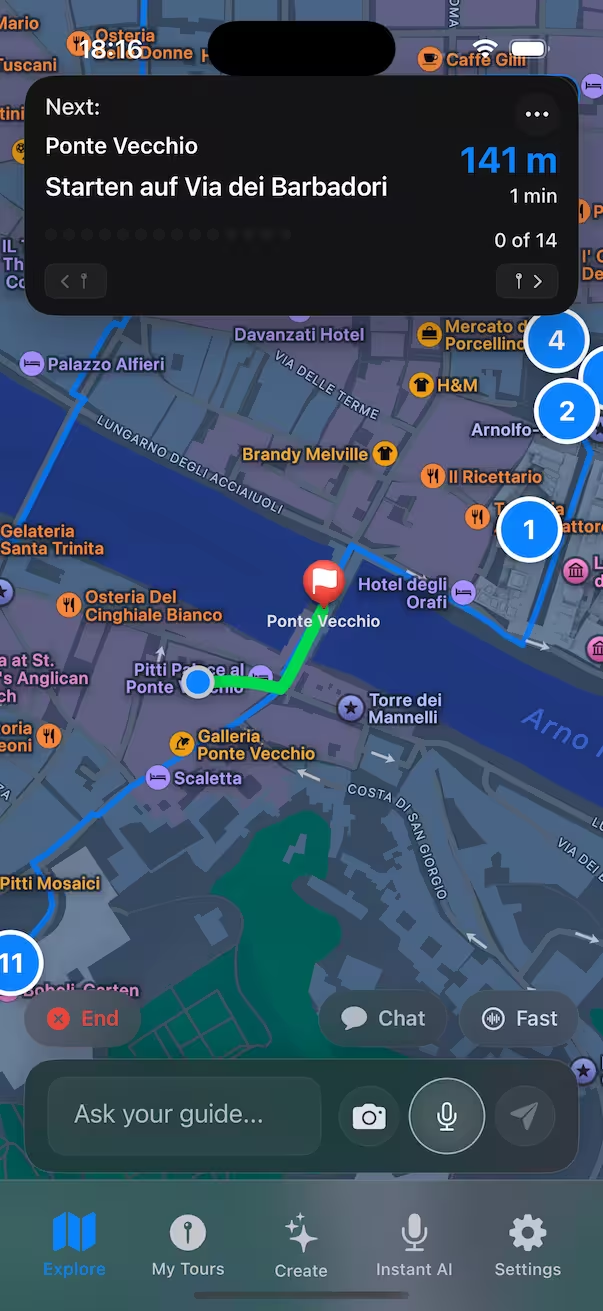
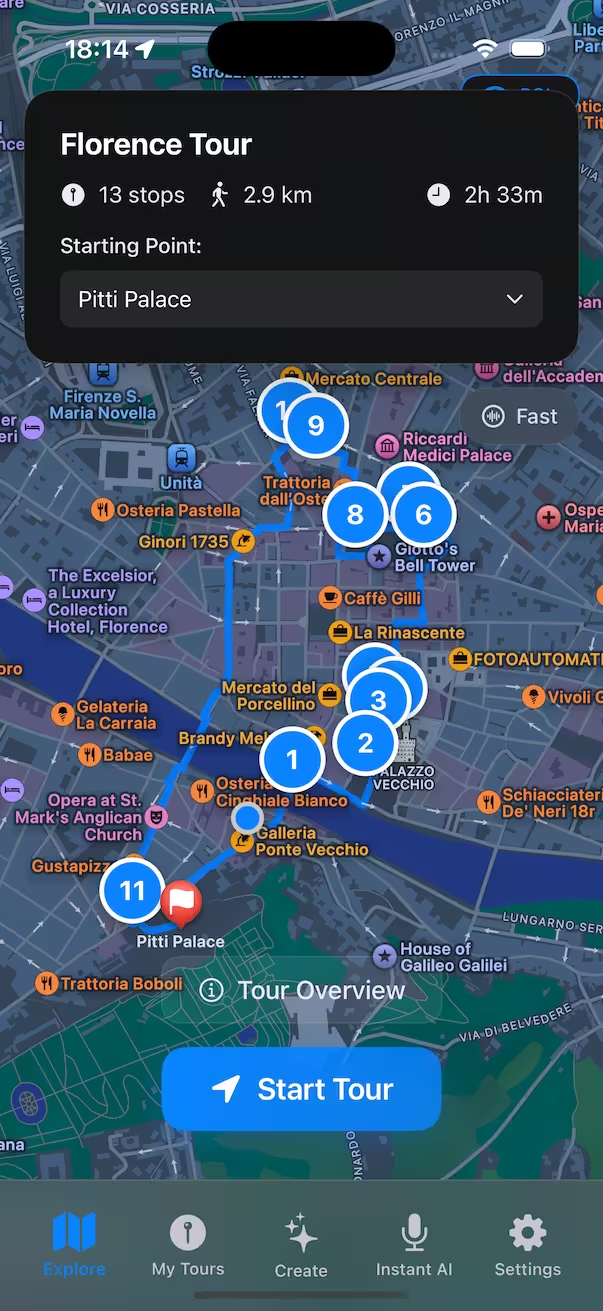
Press start wherever you are, even hundreds of kilometres from Wrocław, and the guide begins telling its stories right away. In the city, pick any of the 9 stops to start from: it leads you there, then talks with you the whole route, asking, listening, remembering, and shaping the tour around your answers.
9stops6.2km2.6hours11languages
▶Start the tour freeFree to start · Runs in your browser · No app, no download
Wrocław events and festivals calendar
Annual highlights worth timing a trip around, listed month by month.
April
⛪ ReligiousEaster Long Weekend Wielkanoc
Apr 3–6 ~
the four-day Easter weekend, moveable between late March and April
A four-day public holiday weekend.
May
🌸 Seasonal natureMultimedia Fountain Season Fontanna Multimedialna na Pergoli
May 1 – Oct 31
1 May to October, daily shows that end once temperatures drop below freezing
Free water, music and light shows at Pergola beside Centennial Hall, with up to 11 shows daily from 10:00 to 21:40 and special weekend shows.
🌙 Museum nightWrocław Museum Night Noc Muzeów we Wrocławiu
May 16–17 ~
the third Saturday of May, evening into the small hours
The 17th edition opens 110 institutions from 19:00 to 02:00 with free entry and 150+ special programmes, including Odra river cruises.
🌸 Seasonal natureSt. John's Fair Jarmark Świętojański
May 22 – Jun 28 ~
late May to late June, daily from 10:00
Around 80 wooden stalls spread across the Market Square, ul.
🏳️🌈 PrideWrocław Equality March Wrocławski Marsz Równości
May 30 ~
a Saturday in late May, from 15:00
The 18th edition of Wrocław's Pride parade, marching from plac Wolności through the historic city centre from 15:00.
🎨 Art and cultureNingyo Festival of Japan and Asian Culture Ningyo - Festiwal Japonii i Kultury Azjatyckiej
May 30–31 ~
a late-May weekend
A weekend of Japanese and Asian cultural performances, cosplay, food and exhibitions at Centennial Hall (Hala Stulecia).
June
🍷 Food and wineGood Beer Festival Festiwal Dobrego Piwa
Jun 19–21 ~
a weekend in mid-June
The largest beer festival in Poland, with 150+ exhibitors, craft breweries, cider and mead at Tarczyński Arena (capacity 42,000).
🎵 MusicChamber Music Festival Evenings at the Arsenal Wieczory w Arsenale
Jun 26 – Jul 5 ~
late June into early July
The 29th edition of an outdoor and indoor chamber-music series at the Gothic City Arsenal and surrounding historic venues.
July
🎨 Art and cultureBrave Festival Against Cultural Exile Brave Festival - Przeciw Wypędzeniom z Kultury
Jul 6–12 ~
early to mid-July, exact dates confirmed closer to the festival each year
An annual festival of music and performing arts from endangered world cultures, founded in 2005, with the Song of the Goat Theatre across Lower Silesia venues.
🎬 FilmNew Horizons International Film Festival Nowe Horyzonty
Jul 23 – Aug 2 ~
late July into early August
The 26th edition and Central-Eastern Europe's leading arthouse festival, with hundreds of films and screenings drawing around 170,000 viewers, centred on Kino Nowe Horyzonty.
September
🎵 MusicWratislavia Cantans
Sep 3–13 ~
the first eleven days of September
One of Europe's most prestigious early-music and vocal festivals, founded in 1966, with 50+ concerts at the National Forum of Music, the Cathedral of St.
November
🇮 HolidayAll Saints' Day Wszystkich Świętych
Nov 1
1 November
A major national observance when families visit cemeteries.
🎵 MusicJazztopad Festival Jazztopad
Nov 13–22 ~
the second and third weeks of November, exact dates confirmed closer to the festival each year
An international jazz festival at the National Forum of Music, known for world premieres and global jazz names.
🎬 FilmTAURON American Film Festival
Nov 17–22 ~
a week in mid-to-late November
An annual showcase of American independent film, with screenings, Q&As and industry events across the city.
🎄 Christmas marketWrocław Christmas Market Jarmark Bożonarodzeniowy
Nov 21 – Jan 7 ~
late November to 7 January (exact opening date confirmed closer to the season)
One of Poland's most visited Christmas markets, with wooden stalls on the Rynek, plac Solny, ul.
Insider tips for visiting Wrocław
The rules buried in forums, in one place.
- Book Panorama Racławicka online weeks ahead in summer. The circular painting has timed entry capped at 40 per session, and in July and August sessions sell out 2-3 weeks in advance. A walk-in on a sunny summer Saturday is almost impossible; book at mnwr.pl. Admission is discounted on Tuesdays.
- On Museum Night (16 May) the queues form before 18:00. The most popular venues, Panorama Racławicka, Hydropolis and the National Museum, begin queueing by 18:30 for the 19:00 opening. Start at second-tier venues like the Architecture Museum or the Arsenal at 19:00, then move to the big draws around 21:00 when the first queues thin.
- The Good Beer Festival weekend (19-21 June) fills every 3-star hotel within 2 km of Tarczyński Arena and spills into the centre. If you are visiting for sightseeing rather than the festival, rates run 40-80% higher and Market Square restaurants are overwhelmed, so either base yourself elsewhere or shift your dates.
- Hunt the dwarfs in the early morning. The 600-plus bronze krasnale are best photographed before 09:00, when you can frame them without other tourists. The interactive map at visitwroclaw.eu/krasnale is the navigation tool, and a printed map is free at the Tourist Information Centre at Rynek 14.
- The Ostrów Tumski lamplighter lights the gas street lamps by hand every evening at dusk, around 18:00 in winter and 21:30 in summer. It is one of the last such traditions in Europe and takes about 30 minutes to walk the circuit. Arrive 15 minutes before sunset and position at the main island bridge.
- Watch the museum-closed days. The National Museum, City Arsenal and Museum of Architecture all close on Mondays, while the Mathematical Tower closes on Wednesdays and the Wrocław University main building and tower only open from May to September. Panorama Racławicka is the exception, open daily 08:30 to 19:30.
- The Multimedia Fountain's best show is the 21:00 weekday slot: free, about 20 minutes, with noticeably thinner crowds than the weekend 19:00-21:00 shows that draw 1,000-plus. There is no seating, so bring a blanket or use the lawn beside Pergola. The season runs May to October, closing once temperatures drop below freezing.
- Wratislavia Cantans cathedral concerts sell out within days of tickets going on sale, typically in June. The performances in the Cathedral of St. Mary Magdalene and the Cathedral of St. John the Baptist on Ostrów Tumski are the atmospheric ones; the NFM main-hall concerts are easier to get.
Public holidays in Wrocław
On these dates many shops and offices close, transport thins out, and sights can be mobbed or shut. Plan around them.
| Date | Holiday | What closes |
|---|---|---|
| Jan 1 | New Year's Day | Everything closed: shops, museums, most restaurants. The Market Square is quiet and many Old Town restaurants stay shut into the first days of January. The Christmas market runs through 7 January but with thinner crowds. |
| Jan 6 | Epiphany (Trzech Króli) | Public holiday: shops closed, with processions in Ostrów Tumski. Panorama Racławicka and some museums may be closed, so check before you go. |
| Apr 5 | Easter Sunday | Museums closed or on reduced hours and the cathedral packed for mass. A still, observed day across the city; few shops open. |
| Apr 6 | Easter Monday | Public holiday: most shops closed and tourist sights on limited hours. The Old Town stays lively with Easter atmosphere on the Market Square. |
| May 1 | Labour Day | Public holiday that opens the Majówka long weekend, the year's biggest domestic-travel cluster. The Multimedia Fountain season opens. Shops closed, the city festive but busy. |
| May 3 | Constitution Day | Public holiday closing the Majówka weekend: shops closed, the city festive and crowded with Polish weekend visitors. Hotel rates are at their annual high around this cluster. |
| Jun 4 | Corpus Christi | Public holiday: shops and some restaurants closed, with religious processions through the Old Town. A quieter day for sightseeing outside the procession routes. |
| Aug 15 | Assumption Day | Public holiday (a Saturday in 2026): shops closed. Falls in peak summer, so the Market Square and riverbanks stay busy despite the closures. |
| Nov 1 | All Saints' Day | Major national observance: virtually all shops and museums closed, and the cemeteries, above all the vast Grabiszyński cemetery, deeply crowded from dawn with families and candles. Do not plan museum visits or rely on restaurants this day. |
| Nov 11 | Independence Day | Public holiday with patriotic marches and most shops closed. Some museums stay open, so check ahead; a good day for café culture and city walks. |
| Dec 25 | Christmas Day | Everything closed, including the Christmas market (closed 24-25 December). A still day across the city, with only a handful of hotel restaurants open by reservation. |
| Dec 26 | Second Christmas Day | Public holiday: shops still closed. The Christmas market reopens, and Old Town crowds return between Christmas and New Year, though many independent restaurants stay shut. |
Wrocław month by month
January in Wrocław
High4°C / 39°F
Low-2°C
Rain44mm / 12 rainy days
Sun3.7 h/day
Daylight8 h/day
Humidity81%
Crowds●○○○○Prices●○○○○
January is Wrocław's quietest, cheapest month. Highs sit near 4°C and nights around -3°C, with just a few hours of daylight and the grey, overcast skies typical of a Central-European winter. Snow falls but rarely lies deep, and a dusting on the Market Square is photogenic when it comes. The Christmas market runs through 7 January, then the city settles into a calm post-holiday lull with the warm indoor draws, Panorama Racławicka, Hydropolis and the museums, easy to visit without queues.
The vibe January is introverted Wrocław: cold, grey and almost touristless, but cheap and calm. The outdoor character of the city is dormant, so this is a month for warm interiors and short walks. If you want the Market Square and Ostrów Tumski almost to yourself, this is when you get them.
Don't miss The warm indoor sights carry the month: Panorama Racławicka (open daily, discounted Tuesdays), the underground Hydropolis water-science centre (45 zł) and the National Museum (free Tuesdays). A snow-dusted Market Square and the Ostrów Tumski lamplighter lighting the gas lamps around 18:00 are the winter set-pieces.
Crowd drivers An off-season lull after the holidays. The Christmas market closes on 7 January, drawing a few last visitors, and ski weekenders from Germany and the Czech Republic pass through, but domestic travel is at its lowest.
Heads up New Year's Day (1 January) and Epiphany (6 January) close shops and some museums, and many Old Town restaurants stay shut into early January after their Christmas break.
The year's cheapest month alongside February: 3-star city-centre hotels run 130-200 zł a night (roughly 30-45 €), about 35-40% below the summer peak.
February in Wrocław
High6°C / 43°F
Low-1°C
Rain41mm / 9 rainy days
Sun5.7 h/day
Daylight10 h/day
Humidity77%
Crowds●○○○○Prices●○○○○
February continues the deep off-season. Highs reach about 5°C and the days lengthen slowly, but the skies stay grey and cold. As a student city of 300,000-plus, Wrocław keeps a steady midweek pulse even now, and the occasional short-break visitor arrives for Valentine's. It is a quiet, low-cost month best built around indoor culture and café life rather than the dormant outdoor scene.
The vibe February is still winter Wrocław: cheap, calm and uncrowded, with the parks and riverbanks asleep. The reward is space, walk into any museum without a booking, and a city going about its everyday rhythm rather than performing for tourists.
Don't miss A museum month: the National Museum (free Tuesdays), the City Arsenal and the Museum of Architecture, all warm and uncrowded. Hydropolis and Panorama Racławicka are easy walk-ins. The Hala Targowa food hall (Monday to Saturday) is a good lunch refuge from the cold.
Crowd drivers Continued off-season. University life keeps some midweek activity, and a few couples arrive around Valentine's, but foreign tourism is minimal.
Among the cheapest months: 130-210 zł a night (30-47 €). Rates stay at their winter floor before the spring shoulder begins.
March in Wrocław
High10°C / 49°F
Low1°C
Rain44mm / 12 rainy days
Sun7.4 h/day
Daylight12 h/day
Humidity73%
Crowds●●○○○Prices●●○○○
March is the spring shoulder. Temperatures climb into the low teens by month-end, the Polish school winter holidays wrap up, and the first blossom appears in Szczytnicki Park and the Botanical Garden in the last week. It stays changeable and often grey, but the city begins to wake: terraces test the air, daylight stretches past 12 hours, and the outdoor season is visibly on its way.
The vibe March is the in-between month, neither winter-quiet nor spring-alive, but it carries a sense of release as the light returns and the parks start to bud. Prices are still low, crowds still light, and the first warm afternoons feel earned.
Don't miss Early cherry blossom starts to show in Szczytnicki Park and the Botanical Garden in the final week. The indoor sights stay the reliable core, and the lengthening days make the Ostrów Tumski lamplighter walk easier to catch at a civilised dusk.
Crowd drivers A quiet shoulder. The end of the Polish school winter holidays brings a little domestic movement, and an early Easter can lift late-March demand, but 2026's Easter falls in April.
Spring-shoulder pricing begins: 160-260 zł a night (36-58 €), still well below the May peak.
April in Wrocław
High14°C / 58°F
Low5°C
Rain45mm / 11 rainy days
Sun9.6 h/day
Daylight14 h/day
Humidity68%
Crowds●●○○○Prices●●○○○
April is one of Wrocław's prettiest and best-value months. Statistically the driest of the year (around 45 mm), it brings cherry blossom and azaleas to Szczytnicki Park and the Japanese Garden, peaking around the second week. The Easter long weekend (3-6 April) packs the Ostrów Tumski churches and lifts hotel rates briefly, but outside it the city is mild, blooming and uncrowded, ideal for slow riverbank walks.
The vibe April is the couples' month: golden spring light, blossom in the parks, dry days and the lamplighter ritual at dusk, all at shoulder-season prices. Around Easter it gets busier and a little pricier, but the rest of the month is Wrocław at its quiet, fresh best.
Don't miss Cherry blossom and azaleas peak around mid-April in Szczytnicki Park, the Botanical Garden and the Japanese Garden (30 zł, season from April). The driest month makes long walks along the Odra and through the Old Town moat gardens a pleasure.
Crowd drivers The Easter long weekend (3-6 April) is the one spike, filling the cathedral island and the museums on Easter Monday. The rest of the month sees only moderate domestic visitors.
Heads up Easter Sunday (5 April) closes or reduces museums and packs the cathedral; Easter Monday (6 April) closes most shops, though the Market Square stays lively.
180-290 zł a night (40-65 €), with the Easter long weekend (3-6 April) running 20-30% above the monthly base.
Events this month
⛪ ReligiousEaster Long Weekend Wielkanoc
Apr 3–6 ~
the four-day Easter weekend, moveable between late March and April
A four-day public holiday weekend. The Ostrów Tumski churches fill for masses, and Old Town stalls on the Market Square sell Easter crafts against the spring blossom in nearby parks.
A beautiful spring atmosphere on the cathedral island, but expect crowds at Panorama Racławicka and the museums on Easter Monday, and reduced hours or closures on Easter Sunday itself.
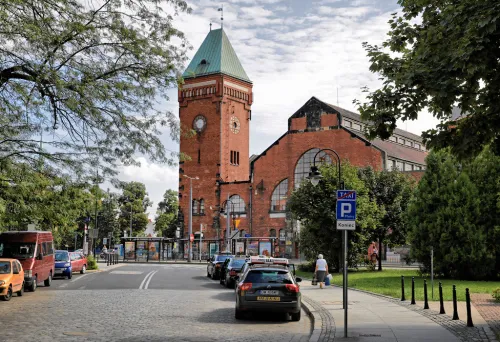
May in Wrocław
High19°C / 66°F
Low9°C
Rain67mm / 12 rainy days
Sun10.8 h/day
Daylight16 h/day
Humidity69%
Crowds●●●○○Prices●●●○○
May is one of the two best months and the busiest for prices. Highs reach the high teens, the parks are in full bloom, and the calendar fills: the Majówka long weekend (1-3 May) draws big domestic crowds, the Multimedia Fountain season opens, St. John's Fair starts on the Market Square from 22 May, and Museum Night (16 May) opens 110 venues free. It is the wettest stretch of spring, but the rain comes as short afternoon showers rather than all-day grey.
The vibe May is Wrocław coming fully to life: blooming parks, long evenings, terraces open and a festival nearly every week, with manageable crowds outside the Majówka cluster. It is the priciest month, but you are paying for the city at its most vibrant and the best of its events stacked together.
Don't miss Museum Night (16 May) opens 110 institutions free from 19:00 to 02:00, the single best free cultural night of the year. St. John's Fair fills the Market Square with crafts and food from 22 May, and the Multimedia Fountain begins its season of free evening light shows at Pergola. Azaleas peak in Szczytnicki Park.
Crowd drivers The Majówka long weekend (1-3 May) is the year's domestic-travel peak. Museum Night (16 May), the St. John's Fair opening (22 May), the Ningyo festival and the Equality March (30 May) and graduation season all add to demand.
Statistically Wrocław's highest-price month: 230-380 zł a night (51-85 €), driven by the Majówka long weekend and the festival calendar.
Events this month
🌙 Museum nightWrocław Museum Night Noc Muzeów we Wrocławiu
May 16–17 ~
the third Saturday of May, evening into the small hours
The 17th edition opens 110 institutions from 19:00 to 02:00 with free entry and 150+ special programmes, including Odra river cruises. It is the largest edition in the event's Wrocław history.
The single best night to see Panorama Racławicka, the National Museum, Hydropolis and the Arsenal for free, though the queue for the Panorama forms by 18:00.
🌸 Seasonal natureSt. John's Fair Jarmark Świętojański
May 22 – Jun 28 ~
late May to late June, daily from 10:00
Around 80 wooden stalls spread across the Market Square, ul. Świdnicka and ul. Oławska selling handmade crafts, flowers, folk art and regional food, with Midsummer Night traditions, live music and sand relaxation zones.
The best outdoor market atmosphere of the Wrocław year and the reason June feels so alive. It is most photogenic on weekday mornings around 10:00-11:00, before the afternoon crowds arrive.
🏳️🌈 PrideWrocław Equality March Wrocławski Marsz Równości
May 30 ~
a Saturday in late May, from 15:00
The 18th edition of Wrocław's Pride parade, marching from plac Wolności through the historic city centre from 15:00. It is one of Poland's larger pride marches.
A strong, colourful presence downtown that dovetails with the start of St. John's Fair. Avoid driving in the centre that afternoon.
🎨 Art and cultureNingyo Festival of Japan and Asian Culture Ningyo - Festiwal Japonii i Kultury Azjatyckiej
May 30–31 ~
a late-May weekend
A weekend of Japanese and Asian cultural performances, cosplay, food and exhibitions at Centennial Hall (Hala Stulecia).
A good family event that ties in with the Japanese Garden nearby in Szczytnicki Park, in late cherry-blossom and early azalea season.
🌸 Seasonal natureMultimedia Fountain Season Fontanna Multimedialna na Pergoli
May 1 – Oct 31
1 May to October, daily shows that end once temperatures drop below freezing
Free water, music and light shows at Pergola beside Centennial Hall, with up to 11 shows daily from 10:00 to 21:40 and special weekend shows.
The evening light shows around 21:00 are the highlight, free and about 20 minutes long. Go on a weekday for thinner crowds, and avoid the first sunny May weekend when opening-day crowds peak.

June in Wrocław
High24°C / 75°F
Low14°C
Rain70mm / 11 rainy days
Sun12.3 h/day
Daylight16 h/day
Humidity67%
Crowds●●●○○Prices●●●○○
June opens the Wrocław summer with the longest days of the year, 16-plus hours of light and sunsets near 21:00. Highs reach the low twenties, the Odra terraces are at their liveliest, and St. John's Fair runs on the Market Square through 28 June. The Good Beer Festival (19-21 June) at Tarczyński Arena is the largest in Poland and books out the city for its weekend, so plan around it. Afternoon thunderstorms can roll through, but the long light evenings make June one of the most enjoyable months to be here.
The vibe June is the tipping point into full summer, and the long evenings are the payoff: light until 21:00 means late riverbank walks, fountain shows and outdoor dinners. The school holidays have not hit yet, so the city is busy but still breathes, except over the beer-festival weekend, which is a different animal.
Don't miss St. John's Fair is most photogenic on weekday mornings around 10:00-11:00 before the afternoon crowds. The free Multimedia Fountain runs its best 21:00 weekday shows, and 16-plus hours of daylight make for long evening strolls on the Rynek and Bulwar Dunikowskiego. The Japanese Garden and zoo are at their summer best for families.
Crowd drivers St. John's Fair runs through 28 June and the long days draw German and Czech weekend visitors. The Good Beer Festival (19-21 June) is the big spike, filling every hotel within 2 km of the arena and spilling into the centre.
In season Peak food-market season: St. John's Fair street food, the Nocny Targ Tęczowa night market (Thursday to Saturday evenings), the Saturday EkoBazar, and the Good Beer Festival with 150+ exhibitors of craft beer, cider and mead.
220-360 zł a night (49-80 €), spiking to 350-500 zł over the Good Beer Festival weekend (19-21 June) near Tarczyński Arena.
Events this month
🌸 Seasonal natureSt. John's Fair Jarmark Świętojański
May 22 – Jun 28 ~
late May to late June, daily from 10:00
Around 80 wooden stalls spread across the Market Square, ul. Świdnicka and ul. Oławska selling handmade crafts, flowers, folk art and regional food, with Midsummer Night traditions, live music and sand relaxation zones.
The best outdoor market atmosphere of the Wrocław year and the reason June feels so alive. It is most photogenic on weekday mornings around 10:00-11:00, before the afternoon crowds arrive.
🍷 Food and wineGood Beer Festival Festiwal Dobrego Piwa
Jun 19–21 ~
a weekend in mid-June
The largest beer festival in Poland, with 150+ exhibitors, craft breweries, cider and mead at Tarczyński Arena (capacity 42,000).
A draw for beer tourism, but a bad weekend for quiet sightseeing: it fills the city, books out central hotels four-plus months ahead, and pushes rates within 2 km of the arena up 40-80%.
🎵 MusicChamber Music Festival Evenings at the Arsenal Wieczory w Arsenale
Jun 26 – Jul 5 ~
late June into early July
The 29th edition of an outdoor and indoor chamber-music series at the Gothic City Arsenal and surrounding historic venues.
Atmospheric evening concerts in a Gothic building, an easy pairing with an Old Town walk on a long summer evening.
🌸 Seasonal natureMultimedia Fountain Season Fontanna Multimedialna na Pergoli
May 1 – Oct 31
1 May to October, daily shows that end once temperatures drop below freezing
Free water, music and light shows at Pergola beside Centennial Hall, with up to 11 shows daily from 10:00 to 21:40 and special weekend shows.
The evening light shows around 21:00 are the highlight, free and about 20 minutes long. Go on a weekday for thinner crowds, and avoid the first sunny May weekend when opening-day crowds peak.
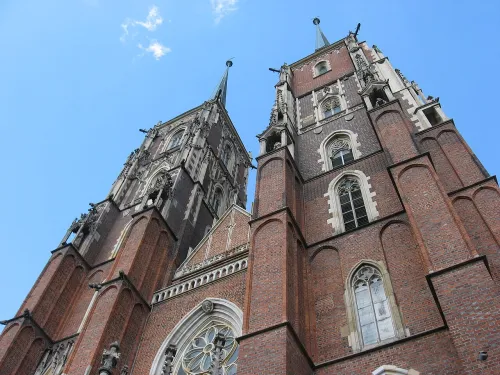
July in Wrocław
High25°C / 77°F
Low16°C
Rain77mm / 13 rainy days
Sun12.4 h/day
Daylight16 h/day
Humidity67%
Crowds●●●●○Prices●●●●○
New Horizons turns the city into Central-Eastern Europe's arthouse-cinema capital, so buy passes ahead. The free Multimedia Fountain is at its summer best on quiet Tuesday and Wednesday evenings. Book Panorama Racławicka 2-3 weeks ahead, and on heatwave days seek shade and Odra breezes along Bulwar Dunikowskiego.
The vibe July is hot, busy and festival-charged. The Market Square has little shade, so midday walking is best avoided; go before 11:00 or after 18:00. The real July Wrocław is on the Odra riverbanks and in the cinema queues, with the city at its liveliest and most expensive.
Don't miss New Horizons turns the city into Central-Eastern Europe's arthouse-cinema capital, so buy passes ahead. The free Multimedia Fountain is at its summer best on quiet Tuesday and Wednesday evenings. Book Panorama Racławicka 2-3 weeks ahead, and on heatwave days seek shade and Odra breezes along Bulwar Dunikowskiego. When the heat builds or a pre-booked private guide looks pricey, our live in-browser AI guide is the flexible, flat-priced alternative: it walks you through the Old Town at your own pace in the cooler hours, telling the story at each stop and answering your questions, for 5 € an hour or 20 € all in, with 100 free credits to start.
Crowd drivers Peak EU summer holidays plus the New Horizons Film Festival (23 July to 2 August), which draws around 170,000 viewers and fills central hotels weeks ahead. The Brave Festival typically overlaps in early July, making the month intensely cultural.
In season Fine Dining Week runs from 1 July to 13 August with set menus across the city, and New Horizons brings restaurant offers. The Hala Targowa food hall (Monday to Saturday) and the Nadodrze restaurant scene, liveliest on Friday evenings, carry the summer.
Peak summer pricing: 280-450 zł a night (62-100 €), with the New Horizons film-festival week (from 23 July) reaching 500-600 zł at central hotels.
Events this month
🎬 FilmNew Horizons International Film Festival Nowe Horyzonty
Jul 23 – Aug 2 ~
late July into early August
The 26th edition and Central-Eastern Europe's leading arthouse festival, with hundreds of films and screenings drawing around 170,000 viewers, centred on Kino Nowe Horyzonty.
A must for arthouse cinema fans, who should buy passes weeks ahead. Avoid this week if you dislike festival crowds and queues, as central rooms fill and prices climb to 500-600 zł a night.
🎨 Art and cultureBrave Festival Against Cultural Exile Brave Festival - Przeciw Wypędzeniom z Kultury
Jul 6–12 ~
early to mid-July, exact dates confirmed closer to the festival each year
An annual festival of music and performing arts from endangered world cultures, founded in 2005, with the Song of the Goat Theatre across Lower Silesia venues.
A unique ethnomusicology experience that often overlaps with New Horizons, making July an intensely cultural month and central hotels tight.
🌸 Seasonal natureMultimedia Fountain Season Fontanna Multimedialna na Pergoli
May 1 – Oct 31
1 May to October, daily shows that end once temperatures drop below freezing
Free water, music and light shows at Pergola beside Centennial Hall, with up to 11 shows daily from 10:00 to 21:40 and special weekend shows.
The evening light shows around 21:00 are the highlight, free and about 20 minutes long. Go on a weekday for thinner crowds, and avoid the first sunny May weekend when opening-day crowds peak.
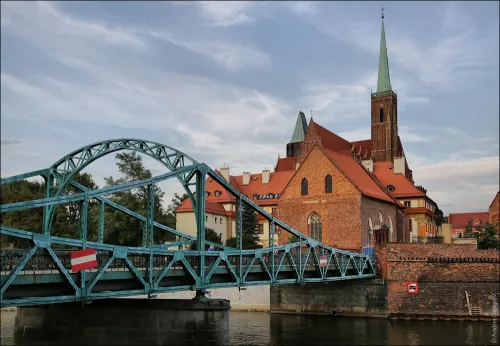
August in Wrocław
High25°C / 77°F
Low16°C
Rain77mm / 12 rainy days
Sun10.8 h/day
Daylight14 h/day
Humidity69%
Crowds●●●●○Prices●●●●○
August stays in peak summer. Highs hold near 25-26°C with the occasional heatwave, and the rainfall pattern of short afternoon storms continues. The New Horizons Film Festival wraps on 2 August, Polish domestic tourism is at its highest, and the Odra riverfront terraces run at capacity. Market Square crowds build from 9 am, but the weather is warm and reliable and the city is in full summer flow.
The vibe August is full-summer Wrocław: warm, crowded and outdoor-focused, with the riverbanks and Market Square humming late into the long evenings. It is busy and pricey, but the weather is at its most dependable and the city is alive after dark.
Don't miss The Odra riverbank terraces along Bulwar Dunikowskiego are at their best for evening drinks and breezes on hot days. The free Multimedia Fountain runs its full summer schedule, and the dwarf hunt is best photographed before 09:00 to beat the Market Square crowds. Book Panorama Racławicka well ahead.
Crowd drivers Peak Polish domestic holidays and continued EU summer travel keep crowds high all month, with only a slight easing after the New Horizons festival ends on 2 August. Assumption Day (15 August) adds a busy holiday Saturday.
Heads up Assumption Day (15 August, a Saturday in 2026) closes shops, though the peak-summer Market Square and riverbanks stay busy.
Still peak: 270-430 zł a night (60-95 €), softening slightly once the film festival ends on 2 August.
Events this month
🎬 FilmNew Horizons International Film Festival Nowe Horyzonty
Jul 23 – Aug 2 ~
late July into early August
The 26th edition and Central-Eastern Europe's leading arthouse festival, with hundreds of films and screenings drawing around 170,000 viewers, centred on Kino Nowe Horyzonty.
A must for arthouse cinema fans, who should buy passes weeks ahead. Avoid this week if you dislike festival crowds and queues, as central rooms fill and prices climb to 500-600 zł a night.
🌸 Seasonal natureMultimedia Fountain Season Fontanna Multimedialna na Pergoli
May 1 – Oct 31
1 May to October, daily shows that end once temperatures drop below freezing
Free water, music and light shows at Pergola beside Centennial Hall, with up to 11 shows daily from 10:00 to 21:40 and special weekend shows.
The evening light shows around 21:00 are the highlight, free and about 20 minutes long. Go on a weekday for thinner crowds, and avoid the first sunny May weekend when opening-day crowds peak.
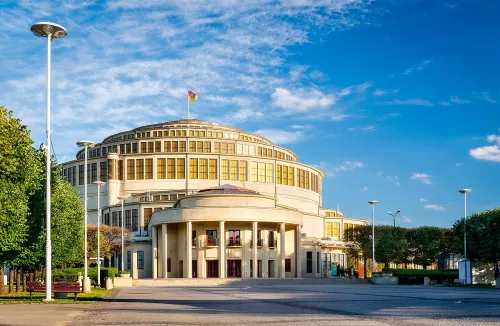
September in Wrocław
High20°C / 69°F
Low12°C
Rain67mm / 10 rainy days
Sun8.9 h/day
Daylight13 h/day
Humidity74%
Crowds●●●○○Prices●●●○○
September is the other sweet spot, often the best month of all. Highs ease into the low twenties, the summer crush fades as schools go back, and the weather stays mild and pleasant for walking. Wratislavia Cantans (3-13 September) brings 50-plus concerts to the cathedrals and the National Forum of Music, the city's 300,000-plus students return, and the first autumn colour begins. Hotel rates settle 15-25% below July and August.
The vibe September feels like Wrocław exhaling: still warm enough for terraces, alive with one of Europe's great vocal festivals, but without August's crowds or prices. This is the month to come if you want everything open, the weather still kind and the locals back in their normal rhythm.
Don't miss Wratislavia Cantans puts early-music and vocal concerts in the atmospheric Cathedral of St. Mary Magdalene and the National Forum of Music; book the cathedral nights the moment tickets drop. The Multimedia Fountain runs through the month, the weather suits long Old Town and Ostrów Tumski walks, and the first foliage shows in Szczytnicki Park.
Crowd drivers Wratislavia Cantans (3-13 September) is the main draw, filling hotels near the NFM and selling out the cathedral concerts within days. The summer crush is gone now that EU schools are back, so general pressure is moderate.
Shoulder pricing returns: 200-330 zł a night (44-73 €), with a 15-25% premium during the Wratislavia Cantans week around the NFM.
Events this month
🎵 MusicWratislavia Cantans
Sep 3–13 ~
the first eleven days of September
One of Europe's most prestigious early-music and vocal festivals, founded in 1966, with 50+ concerts at the National Forum of Music, the Cathedral of St. Mary Magdalene and historic churches of Lower Silesia.
Essential for classical and vocal-music fans. The cathedral concerts are the atmospheric ones and sell out within days, so book early; hotels near the NFM fill in festival week.
🌸 Seasonal natureMultimedia Fountain Season Fontanna Multimedialna na Pergoli
May 1 – Oct 31
1 May to October, daily shows that end once temperatures drop below freezing
Free water, music and light shows at Pergola beside Centennial Hall, with up to 11 shows daily from 10:00 to 21:40 and special weekend shows.
The evening light shows around 21:00 are the highlight, free and about 20 minutes long. Go on a weekday for thinner crowds, and avoid the first sunny May weekend when opening-day crowds peak.
October in Wrocław
High15°C / 59°F
Low8°C
Rain66mm / 11 rainy days
Sun6.4 h/day
Daylight11 h/day
Humidity79%
Crowds●●○○○Prices●●○○○
October is golden-autumn Wrocław. Highs ease into the low teens, the foliage peaks from mid-October into early November across Szczytnicki Park (100 ha, 350 tree species), Park Południowy and the Old Town moat gardens in amber and gold. The Multimedia Fountain season closes as temperatures fall, and foreign tourists thin out, leaving a calm, atmospheric, well-priced month for couples and walkers.
The vibe October is the second couples' month: cool, romantic and quiet, with red and gold foliage in the parks and along the moat, and the riverbanks at their most photogenic. The crowds are gone, the prices have dropped, and the light is soft and low.
Don't miss Autumn foliage peaks from mid-October in Szczytnicki Park, Park Południowy and the Promenada Staromiejska moat gardens. The Multimedia Fountain runs its final shows of the season. With the crowds gone, Panorama Racławicka, Hydropolis and the museums are easy walk-ins, and the lamplighter walk on Ostrów Tumski is calm at dusk.
Crowd drivers A genuine shoulder month. Foreign tourism falls away, and the only mild draws are the closing days of the Multimedia Fountain season and autumn weekend visitors. Generally low pressure and good value.
Good-value shoulder: 170-280 zł a night (38-62 €), as foreign tourists thin and the Christmas-market run-up has not started.
Events this month
🌸 Seasonal natureMultimedia Fountain Season Fontanna Multimedialna na Pergoli
May 1 – Oct 31
1 May to October, daily shows that end once temperatures drop below freezing
Free water, music and light shows at Pergola beside Centennial Hall, with up to 11 shows daily from 10:00 to 21:40 and special weekend shows.
The evening light shows around 21:00 are the highlight, free and about 20 minutes long. Go on a weekday for thinner crowds, and avoid the first sunny May weekend when opening-day crowds peak.
November in Wrocław
High9°C / 48°F
Low3°C
Rain46mm / 10 rainy days
Sun4.5 h/day
Daylight9 h/day
Humidity84%
Crowds●○○○○Prices●●○○○
November is the quietest, greyest month before the Christmas market. Highs fall toward 7°C, the skies turn overcast, and All Saints' Day (1 November) sees the city's cemeteries packed and most shops closed. It is a strong shoulder-season value, with the TAURON American Film Festival (17-22 November) and the Jazztopad jazz festival giving cultural reasons to visit, and the Christmas market opening around late November to brighten the month's end.
The vibe November is introverted Wrocław again: grey, cold and almost touristless, but cheap and calm, with the bonus of two strong festivals at the NFM and cinemas. The consolation is that the Christmas market arrives to light up the Market Square as the month closes.
Don't miss All Saints' Day brings an atmospheric, candle-lit scene at the vast Grabiszyński cemetery, worth a respectful visit. The TAURON American Film Festival and Jazztopad fill the NFM and cinemas, and the warm indoor sights, Panorama Racławicka, Hydropolis and the museums, suit the short grey days.
Crowd drivers Mostly low pressure. All Saints' Day (1 November) fills the cemeteries, the TAURON American Film Festival (17-22 November) and Jazztopad add moderate demand, and the Christmas market opening around late November brings the first uptick toward month-end.
Heads up All Saints' Day (1 November) closes nearly all shops and museums and packs the cemeteries; Independence Day (11 November) closes most shops, though some museums stay open.
Near the annual floor: 150-250 zł a night (33-56 €), with the film and jazz festival weeks adding only moderate demand before the Christmas market opens.
Events this month
🇮 HolidayAll Saints' Day Wszystkich Świętych
Nov 1
1 November
A major national observance when families visit cemeteries. The vast Grabiszyński cemetery glows with candles, and most shops and museums close.
A respectful and photogenic cemetery visit is worthwhile, but do not expect museums or restaurants to be open, and the cemeteries are crowded from dawn.
🎬 FilmTAURON American Film Festival
Nov 17–22 ~
a week in mid-to-late November
An annual showcase of American independent film, with screenings, Q&As and industry events across the city.
A good reason to visit in otherwise quiet November, with only moderate hotel pressure during shoulder-season rates.
🎵 MusicJazztopad Festival Jazztopad
Nov 13–22 ~
the second and third weeks of November, exact dates confirmed closer to the festival each year
An international jazz festival at the National Forum of Music, known for world premieres and global jazz names.
Strong programming at the NFM during the November shoulder season, when you pair top-tier jazz with the year's lower room rates.
🎄 Christmas marketWrocław Christmas Market Jarmark Bożonarodzeniowy
Nov 21 – Jan 7 ~
late November to 7 January (exact opening date confirmed closer to the season)
One of Poland's most visited Christmas markets, with wooden stalls on the Rynek, plac Solny, ul. Świdnicka and ul. Oławska open 10:00 to 21:00 daily, serving mulled wine, pierogi, crafts and ornaments. It is closed 24-25 December and 1 January.
The market draws a German and Czech tourist wave from mid-December. Early December and the first week of January have the lower crowds, and early evening is best for the lights.
December in Wrocław
High5°C / 41°F
Low0°C
Rain44mm / 12 rainy days
Sun3.3 h/day
Daylight8 h/day
Humidity84%
Crowds●●●○○Prices●●●○○
December is Christmas-market Wrocław. The market on the Rynek, plac Solny and the surrounding streets is one of Poland's most visited, open 10:00 to 21:00 daily with mulled wine, pierogi and crafts. Days are the shortest of the year, about 7.5 hours of light and only 1.7 hours of sun, so the city feels grey by day and glows by the market lights at night. A German, Czech and UK visitor wave builds mid-month, and 24-25 December close almost everything.
The vibe December trades the autumn quiet for festive bustle: lights, mulled wine, crafts and crowds on the Market Square. It is genuinely atmospheric, especially in the early evening, but the days are dark and short, so plan the daylight hours for sights and the evenings for the market.
Don't miss The Christmas market is best in the early evening for the lights, and calmest in early December and the first week of January. The market closes 24-25 December and 1 January. Snow-dusted, the Market Square and Ostrów Tumski are at their most photogenic, and the lamplighter lights the island lamps around 18:00 in winter.
Crowd drivers The Christmas market is the main draw, building a German, Czech and UK visitor wave from mid-December and peaking 19-23 December and through Christmas week. The market closes 24-25 December, and crowds ease from 26 December to early January.
Heads up Christmas Day (25 December) and Second Christmas Day (26 December) close shops, museums and the market itself (closed 24-25 December); many Old Town restaurants shut for around two weeks over Christmas and New Year.
Christmas-market pricing: 200-350 zł a night (44-78 €), peaking 19-23 December and through Christmas week, then dropping back from 26 December to 5 January.
Events this month
🎄 Christmas marketWrocław Christmas Market Jarmark Bożonarodzeniowy
Nov 21 – Jan 7 ~
late November to 7 January (exact opening date confirmed closer to the season)
One of Poland's most visited Christmas markets, with wooden stalls on the Rynek, plac Solny, ul. Świdnicka and ul. Oławska open 10:00 to 21:00 daily, serving mulled wine, pierogi, crafts and ornaments. It is closed 24-25 December and 1 January.
The market draws a German and Czech tourist wave from mid-December. Early December and the first week of January have the lower crowds, and early evening is best for the lights.
Frequently asked questions
What is the best time to visit Wrocław?
May and September are the best overall. May brings St. John's Fair, Museum Night, the Multimedia Fountain season opening and blooming parks with long light evenings and manageable crowds. September brings Wratislavia Cantans (3-13 September), cooler walking temperatures, the first autumn foliage and hotel rates 15-25% below July and August. Both months give you the full set of must-sees, Panorama Racławicka, Ostrów Tumski, the Market Square and Centennial Hall, without peak-summer queues.
What is the cheapest time to visit Wrocław?
January and February are the cheapest, with 3-star city-centre hotels around 130-210 zł a night (roughly 30-47 €), about 35-40% below the May and summer peak. November is nearly as cheap before the Christmas market lifts December rates. The trade for winter is short, grey, cold days with little daylight, so lean on warm indoor sights like Panorama Racławicka, Hydropolis and the museums.
What is the worst time to visit Wrocław?
If you are crowd- and budget-averse, the New Horizons Film Festival week (23 July to 2 August), when around 170,000 viewers fill central hotels weeks ahead and rooms reach 500-600 zł a night. The Good Beer Festival weekend (19-21 June) is the other one to dodge, filling every hotel within 2 km of Tarczyński Arena and pushing centre rates up 40-80%. Both are wonderful if you came for the cinema or the beer, and miserable if you did not.
What is the weather like in Wrocław through the year?
Continental and four-seasoned. Summer (June to August) brings highs near 25-26°C with occasional heatwaves of 30-35°C and short afternoon thunderstorms rather than all-day rain. Spring and autumn are mild and pleasant, with April the driest month (around 45 mm). Winter is cold and grey, with January highs near 4°C and nights around -3°C, snow that rarely lies deep, and December offering just 1.7 hours of sun a day.
Is Wrocław worth visiting in December?
Yes, if you come for the Christmas market, one of Poland's most visited, with wooden stalls on the Rynek, plac Solny and the surrounding streets open 10:00 to 21:00 daily for mulled wine, pierogi and crafts. Expect short 7.5-hour days, a mid-December visitor wave from Germany and the Czech Republic, and rates of 200-350 zł a night. Go in early December or the first week of January for thinner crowds, and visit in the early evening for the lights. Note the market closes 24-25 December and 1 January.
How many days do you need in Wrocław?
Two to three days cover the essentials: the Market Square and the dwarf hunt, Panorama Racławicka, Ostrów Tumski with the cathedral and the lamplighter at dusk, the Centennial Hall and Multimedia Fountain, and Hydropolis. Add a day in summer for the riverbanks, the zoo and the Japanese Garden, or in winter to focus on the warm indoor sights. Wrocław's compact, walkable centre means you see a lot on foot in a short stay.
Do I need to book Panorama Racławicka in advance?
In summer, yes. The circular painting has timed entry capped at 40 per session, and in July and August sessions sell out online 2-3 weeks ahead, so a walk-in on a sunny Saturday is almost impossible. Book at mnwr.pl. In the off-season (November to February) you can usually walk in, and admission is discounted on Tuesdays year-round. It is open daily 08:30 to 19:30, one of the few sights not closed on Mondays.
When are the main festivals in Wrocław?
St. John's Fair runs late May to late June on the Market Square; the Good Beer Festival, Poland's largest, is 19-21 June; New Horizons, Central-Eastern Europe's leading arthouse film festival, runs 23 July to 2 August; and Wratislavia Cantans, a prestigious early-music and vocal festival, runs 3-13 September. Museum Night opens 110 venues free on 16 May. November brings the TAURON American Film Festival (17-22 November) and the Jazztopad jazz festival, and the Christmas market opens around late November through 7 January.

Any month, any day: your guide is already there
Whatever date you pick, a private human guide gets pricier and harder to book on weekends, holidays and in peak season. Our live AI guide, the one that walks with you and answers anything you ask out loud, works the opposite way.
One flat price, every day
No holiday, weekend, night or peak-season surcharge. A private guide in Wrocław runs well over 100 euro for a half day, and more on holidays. Ours stays the same.
Available the moment you want it
Start at midnight or at dawn, on Christmas, in the snow, in the August heat. No sold-out high season, no booking weeks ahead.
Your pace, no meter running
Pause for a long lunch, restart after dark, repeat a stop. The tour simply waits for you.
Free to try, a fraction of the cost
Test it for free, then a transparent flat price that undercuts any private guide, in every season.
The classic Wrocław tour: 9 stops, 6.2 km, about 3 h on foot
Your live AI guide and the self-guided Wrocław route, together in your browser.