Best Time to Visit Dublin
Month-by-month weather, crowds and prices, plus a full calendar of festivals and events worth planning a trip around.
Best monthsMay, Sep
CheapestJan, Feb, Nov
Avoid–
BusiestJul, Aug
When is the best time to visit Dublin?
Come in May or September. You get the longest comfortable days, parks at their greenest, mild 15-17°C, and prices around 20-25% below the July and August peak. Winter is cheapest, with January and February the quietest and most affordable, though days are short and grey.
Start our tool and find your best time to visit Dublin
Your perfect month
Free · ~30 seconds
or tap a month directly
What matters to you?
And this?
Best overall: May, Sep. May and September are the sweet spot: 15-17°C, long evenings, green parks, and prices roughly 20-25% under the summer peak. September adds Culture Night and the Fringe and Theatre festivals as a bonus. Book ahead for either, the word is out.
Best value: Jan, Feb. January and February bring the lowest rates of the year, hotels from around 80 euro, free entry to every national museum, and free trad sessions in Temple Bar pubs nightly. The price is short, grey days and a jacket-and-layers wardrobe.
Avoid: Mar, Aug. St Patrick's weekend (14-17 March) and the August Bank Holiday weekend (around 3 August) are the two value traps: hotels sell out, rates hit peak, and the Guinness Storehouse and Kilmainham Gaol book out. Brilliant if the event is the reason you came, painful if it is not.
- January: Good time, 8°C. This is the month you have the city largely to yourself: short walk-up queues, locals back in their own pubs, and the cheapest rates of the year. Grey skies and a 16:00 sunset are the trade, but the Forty Foot at Dun Laoghaire still has its hardy January swimmers, and that is the real, unperformed Dublin.
- February: Good time, 8°C. February is honest, unperformed Dublin in winter mode, and better for it: no markup, no crowds, just the real city. DIFF gives the month a quiet cultural buzz around the IFI and Light House Cinema, and you can still get a table or a museum slot on the day, something that vanishes by May.
- March: Tough month, 10°C. If you come for St Patrick's, accept that it is glorious chaos: the world's greatest parade on home soil, and a city in full song, but hotels at 200-1,400 euro and Temple Bar best avoided entirely. Come any other week and March is one of the last genuinely calm, cheap windows before spring fills the city.
- April: Good time, 12°C. April is one of Dublin's most underrated months: blossom everywhere, the driest weather of the year, real evening light, and rates well below summer. The Easter commemoration at the GPO is genuinely moving rather than touristy. This is the quiet sweet spot couples come for, before the city gets busy.
- May: Good time, 15°C. May is the answer most first-timers are actually after: long bright evenings, mild temperatures, parks in full bloom, and crowds you can still work around. The Forty Foot becomes swimmable, the beer gardens fill, and the city feels alive without the July crush. The word is out, so book ahead, but the payoff is real.
- June: Good time, 18°C. June is when Dublin tips into full summer mode: long, bright, sociable evenings and a real buzz, especially over the Pride and Bloomsday weekends. It is busy and rates are up, but the daylight is unbeatable. This is the city at its most outwardly festive, just don't expect a bargain or a quiet pub.
- July: Tough month, 19°C. July is for people who want the city at full tilt and don't mind paying for it. It is busy, hotels are at their dearest, and the headline sights book out, but the weather is reliably mild and the evenings are long. The myth that Dublin summers are washed out is mostly wrong: July is actually one of the drier months.
- August: Tough month, 18°C. August is Dublin at its fullest and least flexible: book ahead or miss out. The Bank Holiday weekend is the single busiest stretch, with hostel dorms over 80 euro and hotels effectively sold out. The energy is great if you want it, but for value or a quiet pint, this is the month to avoid.
- September: Good time, 17°C. September feels like getting Dublin back. The crowds thin, the prices ease, the pubs settle into a local rhythm again, and the arts scene fires up after summer. Phoenix Park's foliage starts to turn. It has the same quality-to-crowd payoff as May, with a richer cultural programme stacked on top.
- October: Good time, 14°C. October is the connoisseur's Dublin: cheap, atmospheric, and quietly spectacular. The deer rut in Phoenix Park, the foliage turning, candle-lit pubs, and the Bram Stoker Festival giving the city a gloriously Gothic edge for Halloween. Outside the Bank Holiday weekend it is one of the best-value windows of the whole year.
- November: Good time, 10°C. November is Dublin's quietest, cosiest month: short days, wet weather, and the city retreating indoors into its pubs and galleries. It is bargain-priced and crowd-free, the trade being a 16:00 dusk and a need for a good jacket. When the Christmas lights flick on mid-month, it gets quietly magical without the December price spike.
- December: Tough month, 9°C. December is cosy-pub, Christmas-lights Dublin: dark by 16:00, often wet, but warm and festive inside. The two-day Christmas shutdown is total, so plan around it. Either side of that, the city has a real holiday glow, just be aware the 27th onward and New Year's Eve bring their own price spike and sellouts.
Dublin weather by month
HighLowRainfall
Jan8°
Feb8°
Mar10°
Apr12°
May15°
Jun18°
Jul19°
Aug18°
Sep17°
Oct14°
Nov10°
Dec9°
| Month | Temp | Rain | Sun | Crowds | Prices | Highlight |
|---|---|---|---|---|---|---|
| Jan | 8° / 3° | 70mm · 13 rainy days | 3.9 h/day | ●○○○○ | ●○○○○ | TradFest Dublin |
| Feb | 8° / 3° | 77mm · 14 rainy days | 5.4 h/day | ●○○○○ | ●○○○○ | Dublin International Film Festival (DIFF) |
| Mar | 10° / 4° | 79mm · 15 rainy days | 6.9 h/day | ●●●●○ | ●●●●○ | St Patrick's Festival |
| Apr | 12° / 5° | 61mm · 12 rainy days | 9.1 h/day | ●●○○○ | ●●○○○ | Easter Rising Commemoration |
| May | 15° / 8° | 72mm · 14 rainy days | 10.7 h/day | ●●●○○ | ●●●○○ | Vhi Women's Mini Marathon |
| Jun | 18° / 11° | 76mm · 14 rainy days | 11.2 h/day | ●●●●○ | ●●●●○ | Bloomsday Festival |
| Jul | 19° / 13° | 79mm · 15 rainy days | 10.0 h/day | ●●●●● | ●●●●● | Trinity Summer Series |
| Aug | 18° / 12° | 86mm · 14 rainy days | 9.4 h/day | ●●●●● | ●●●●● | Croke Park Stadium Concerts |
| Sep | 17° / 11° | 77mm · 12 rainy days | 8.2 h/day | ●●●○○ | ●●●○○ | Dublin Fringe Festival |
| Oct | 14° / 8° | 91mm · 14 rainy days | 6.1 h/day | ●●○○○ | ●●○○○ | Dublin Theatre Festival |
| Nov | 10° / 6° | 92mm · 13 rainy days | 4.5 h/day | ●○○○○ | ●●○○○ | TwinkleTown Christmas Market |
| Dec | 9° / 4° | 95mm · 14 rainy days | 3.3 h/day | ●●●○○ | ●●●○○ | TwinkleTown Christmas Market |
How we score this: weather = long-run climate normals (Open-Meteo), crowds & prices = relative season read, events checked yearly against official dates.
Best time to visit Dublin: weather, prices & crowds
Best months for good weather
May, Jun
May and June give Dublin its best run of light: highs of 15-18°C, the driest stretch of the year, and up to 17 hours of daylight around the June solstice, so you can still be sightseeing at 21:00.
Quietest months to avoid the crowds
Jan, Feb, Nov
January, February and November are when the city empties out: short queues at the Guinness Storehouse, walk-up availability across the museums, and the Forty Foot swimmers at Dun Laoghaire largely to yourself.
Cheapest time to visit Dublin
Jan, Feb
January and February are Dublin's cheapest months, with 3-star city-centre hotels from around 80 euro a night, flights 30-40% below summer, and every national museum free every day of the week.
Best time for festivals and events
Mar, Oct
St Patrick's Festival (14-17 March) is the world's biggest St Patrick's celebration on home soil, while late October turns Dublin into Europe's best Halloween city around the Bram Stoker Festival.
How many days do you need in Dublin?
Two days is the sweet spot for Dublin, with three if you want to fold in the museums and a slower pub crawl. The centre is compact and genuinely walkable, with the main sights gathered on both sides of the River Liffey. A fourth day earns you Phoenix Park and a coastal DART escape.

One day
Trinity to Temple Bar
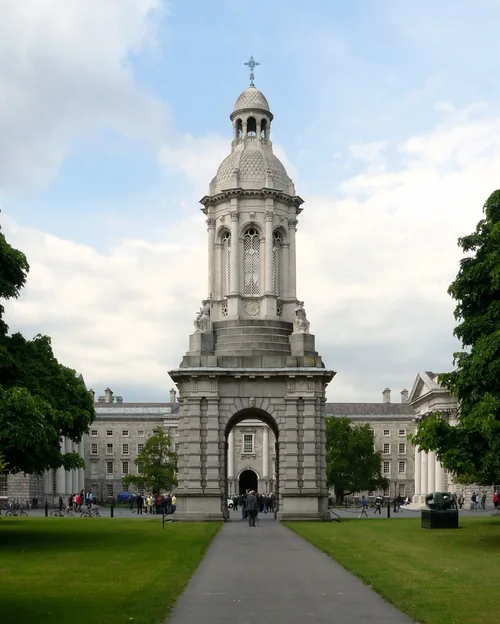
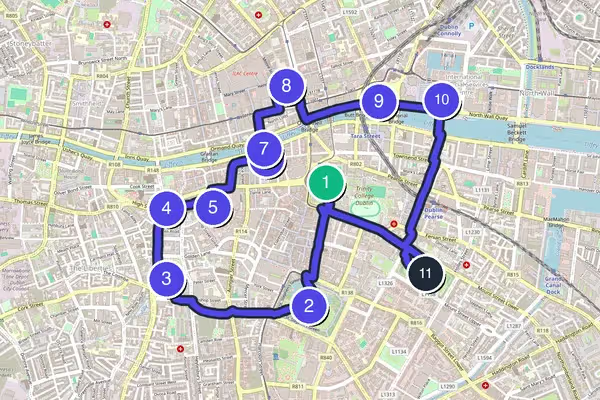
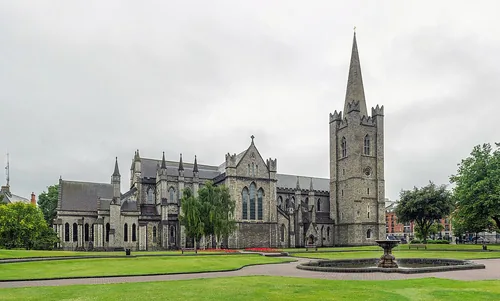
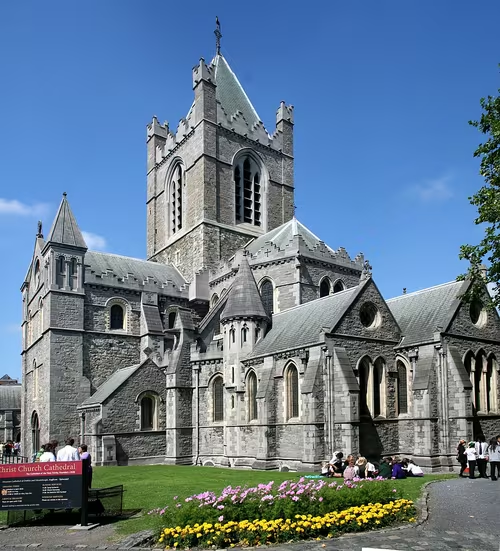
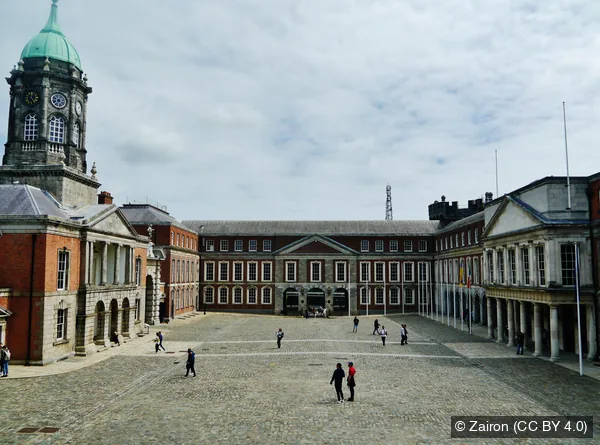
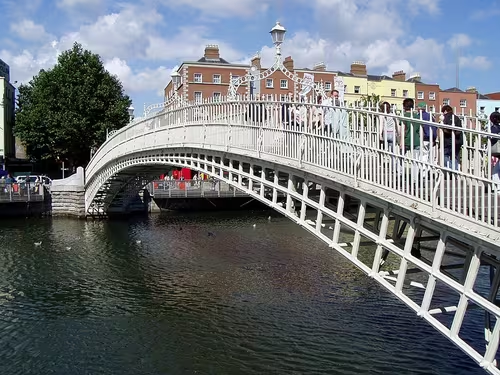
Start at Trinity College Dublin for the Book of Kells and the Long Room, then cut south through St Stephen's Green before heading west to Dublin Castle and Christ Church Cathedral. Cross the Ha'penny Bridge into the cobbled lanes of Temple Bar and finish with a pint. The self-guided Dublin Historic Walk threads 11 stops across 7.2 km in about 3.1 hours, making it a full and satisfying first day.
Two daysRecommended
History and the Liffey quays
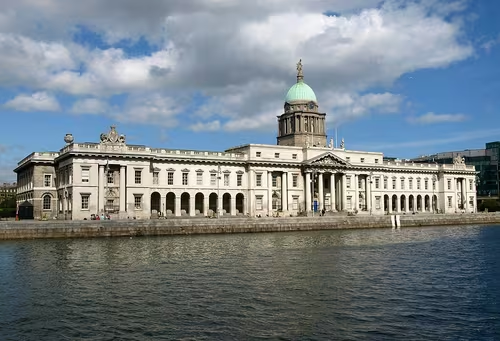
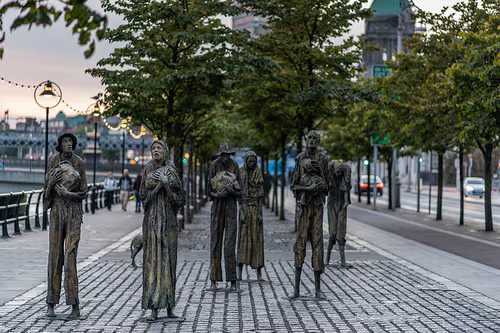
Spend the morning at the Guinness Storehouse, arriving early to beat the queues, then walk east along the quays to the General Post Office on O'Connell Street, where bullet holes still mark the 1916 Easter Rising. Continue to the Custom House and the bronze Famine Memorial figures at Custom House Quay, then loop back through Merrion Square to the National Gallery, free all week. Book Kilmainham Gaol for early afternoon.
Three days
Museums, markets, and the Wicklow coast
Use a third day for the free National Museum of Ireland at Collins Barracks or Kildare Street, the Chester Beatty Library in Dublin Castle's gardens, and the Saturday farmers market at Temple Bar. In good weather, take the DART south to Dun Laoghaire for a swim at the Forty Foot, or north to Howth for a cliff walk and fresh seafood on the pier.
Four days or more
Phoenix Park and day trips
A fourth day belongs to Phoenix Park: arrive before 10:00 to watch the fallow deer herd around the Fifteen Acres before the coaches arrive, then visit the free Áras an Uachtaráin gardens on Saturdays. Beyond four days, the Wicklow Mountains and Glendalough monastic valley are an easy bus or car trip south, and Malahide Castle to the north takes a half day.
Best time to visit Dublin by traveller type
Same city, different trip. Here's the month that fits how you're travelling.
🧭
Best time to visit Dublin for the first time
MaySep
May or September: long days (15+ hours of light in May), parks in full bloom, mild temperatures, and prices about 20% under peak with no summer crush. September throws in Culture Night and the Theatre Festival for free or close to it.
❤️
Best time to visit Dublin for couples
AprOct
Late April for cherry blossom in Herbert Park and St Stephen's Green and golden evenings to 20:30, or early October for dawn deer walks in Phoenix Park and the Gothic atmosphere of the Bram Stoker Festival in candle-lit pubs.
💶
Best time to visit Dublin on a budget
JanFeb
January or February: hotels from 80 euro a night, the cheapest flights of the year, every national museum free every day, and DIFF film screenings at 11-16 euro each in late February.
🍝
Best time to visit Dublin for food and wine
JunSep
June for Bloomsday literary pub menus, strawberry season and the start of Dublin Bay prawns, or September for peak harvest farmers' markets at Temple Bar and Marlay Park and autumn menus arriving in the restaurants.
Best time for a tour of Dublin
Dublin is a flat, compact walking city, and the months that suit the 7.2 km loop best are the dry shoulder weeks of late April through September, when the high sits around 12 to 19 °C and the long northern evenings keep light over Trinity College and St. Stephen's Green well past 9 pm. May and September are the sweet spot: mild, a touch drier at twelve rain days each, and far calmer than the July to August peak, when crowds in Temple Bar and across the Ha'penny Bridge thicken to a crush. Be honest about the rain. Every month here logs twelve to fifteen wet days, so this is a city you walk with a packable jacket whatever the season; there is no sheltering plan that beats simply expecting a shower between Dublin Castle and St. Patrick's Cathedral. Winter is the real test. January and February barely scrape 8 °C, daylight is gone by half four, and the wind off the Liffey at the Custom House cuts hard, though the streets are quiet and the cathedrals feel yours alone.
The weather changes from month to month, but your timetable does not have to bend to anyone else's. With AI Tourguide everything runs in your web browser, no app, no download, no login, so you set off the moment the sky clears and a voice-first guide leads the whole way, telling the story of the Famine Memorial, asking what you want to see next, and remembering your answers as it goes. On a bright September morning you can start your Dublin tour early, beat the Temple Bar crowds to the river, and pause for coffee whenever the next shower rolls through, at your own pace, in your own light.
 +7
+7All 11 stops are already on the map.
You just press start.
You just press start.
 AI Tourguide
You just read the route.
Now walk it with a guide in your ear.
Press start wherever you are, even hundreds of kilometres from Dublin, and the guide begins telling its stories right away. In the city, pick any of the 11 stops to start from: it leads you there, then talks with you the whole route, asking, listening, remembering, and shaping the tour around your answers.
11stops7.2km3.1hours11languages
▶Start the tour freeFree to start · Runs in your browser · No app, no download
Dublin events and festivals calendar
Annual highlights worth timing a trip around, listed month by month.
January
🎵 MusicTradFest Dublin TradFest Átha Cliath
Jan 21–25
Late January every year, typically across five days.
Ireland's largest traditional-music festival brings 200-plus artists to landmark venues including St Patrick's Cathedral, Dublin Castle, City Hall and the Temple Bar pubs, mixing free sessions with ticketed concerts from 15-45 euro.
February
🎬 FilmDublin International Film Festival (DIFF) Dublin International Film Festival
Feb 19 – Mar 1
Late February into early March every year, running around eleven days.
An 11-day festival of 83 films and 17 world premieres across the IFI, Light House Cinema and the Savoy, blending Irish and international cinema with director Q&As, at 11-16 euro a screening.
March
🇮 HolidaySt Patrick's Festival Féile Naomh Pádraig
Mar 14–17
The four days up to and including 17 March every year.
A four-day citywide festival climaxing in the 17 March parade down O'Connell Street, with 150-plus artists, 12 floats, 3,000-plus participants and eight US marching bands.
April
🇮 HolidayEaster Rising Commemoration Comóradh na Cásca
Apr 5 ~
Easter Sunday every year (moveable feast; dates shift with Easter).
The state ceremony marking the 1916 Easter Rising takes place at the GPO on O'Connell Street at noon, with the 1916 Proclamation read aloud and an Air Corps flypast.
May
🏃 SportVhi Women's Mini Marathon Maratón Mionghearr na mBan
May 31 ~
The last Sunday of May every year.
A 10km women's race from Fitzwilliam Street Upper with over 25,000 runners, Dublin's largest annual sporting event.
June
🎨 Art and cultureBloomsday Festival Lá Bloom
Jun 11–16
Several days building to 16 June every year, the date Joyce's Ulysses takes place.
A celebration of James Joyce's Ulysses with 100-plus events: readings, Edwardian-dress parades, walking tours, breakfasts of pork kidneys and performances.
🏳️🌈 PrideDublin Pride Festival Dublin Pride
Jun 24–28 ~
Late June every year, with the parade on the last Saturday of June.
Ireland's second-largest festival after St Patrick's, with a parade from O'Connell Street, a free Pride Village at Merrion Square and five days of community events.
🎵 MusicTrinity Summer Series
Jun 29 – Jul 1 ~
Late June into early July every year, typically three nights.
An intimate concert series staged in the grounds of Trinity College Dublin, with acts such as James Arthur, Wet Leg and Glen Hansard.
July
🎵 MusicLongitude Festival Longitude
Jul 4–5 ~
First weekend of July every year.
A two-day outdoor music festival at Marlay Park in south Dublin, spanning hip-hop, R&B, pop and electronic acts across multiple stages.
🎵 MusicCroke Park Stadium Concerts
Aug 1–31 ~
Summer (dates vary by year), typically July and August.
Major stadium shows at the 82,000-capacity Croke Park GAA stadium.
August
🌸 Seasonal natureBray Air Display
Aug 1 ~
August Bank Holiday Saturday every year.
Ireland's biggest free airshow on Bray seafront, reachable by DART from Dublin Pearse in 35 minutes.
September
🎨 Art and cultureDublin Fringe Festival Féile Imeall Átha Cliath
Sep 5–20 ~
Mid-September every year, running around sixteen days.
A 16-day experimental arts festival with 100-plus shows in unexpected venues across the city.
🎨 Art and cultureCulture Night Dublin Oíche Chultúir
Sep 19 ~
The third Friday of September every year.
For one evening, 350-plus cultural venues open free: museums, galleries, cathedrals, studios, libraries and government buildings, with special workshops, tours and performances.
🎨 Art and cultureDublin Theatre Festival Féile Amharclainne Átha Cliath
Sep 24 – Oct 11 ~
Late September into early October every year.
Europe's oldest specialist theatre festival, with 350-plus performances across 20-plus venues, Irish and international productions, plus artist talks and workshops.
October
🎨 Art and cultureOpen House Dublin Teach Oscailte Átha Cliath
Oct 10–18 ~
Mid-October every year, running around nine days.
A nine-day architecture festival by the Irish Architecture Foundation with 200-plus free tours of private homes, government buildings and modern landmarks, plus family workshops.
🎨 Art and cultureBram Stoker Festival Féile Bram Stoker
Oct 23–26 ~
The last weekend of October every year, coinciding with Halloween.
A four-day Gothic arts festival celebrating the Dublin-born Dracula author, with Victorian markets, haunted library tours, theatrical shows and the giant-puppet Macnas parade.
November
🎄 Christmas marketTwinkleTown Christmas Market
Nov 28 – Jan 4
Late November to early January; daily 11:00-21:00.
Dublin's longest-running Christmas market, at Smithfield Square, with an ice rink, big wheel, stalls and bars.
Insider tips for visiting Dublin
The rules buried in forums, in one place.
- Kilmainham Gaol releases tickets online exactly 28 days ahead at midnight Irish time, and summer tours sell out within hours. Log on at 23:55 and refresh at 00:00. Cancellation releases trickle out around 09:15-09:30 the same day. Never buy from third-party resellers, they are refused at the door.
- At the Guinness Storehouse, take a morning slot (Saturday and Sunday from 09:00, weekdays from 10:00): it runs 30-40% quieter than the afternoon. Go straight up to the Gravity Bar on arrival for a window seat, then work your way back down. In July and August, book three or more weeks ahead.
- Most national museums and the National Gallery close on Mondays. The National Museum of Ireland (all four sites) is permanently free, open Tuesday to Saturday 10:00-17:00 and Sunday 14:00-17:00. Plan your Monday around what is actually open, not around the big collections.
- St Patrick's Cathedral closes to tourists on Sunday from 09:00-10:30 and 13:00-14:00 for services. Christ Church Cathedral also shuts on Sunday mornings. Visit on a weekday, or arrive after 14:00 on a Sunday, to avoid finding the doors locked.
- On St Patrick's Day, the parade starts at Parnell Square at 12:00 but crowds form from 09:00. Arrive by 08:00 for a spot, and avoid Temple Bar entirely that day, where prices triple and the crush turns ugly. The south side of O'Connell Street near the Spire fills fastest.
- The Phoenix Park fallow deer herd (700-plus animals) is easiest to see at dawn in October and November during the rut, and again in May and June with the fawns. Go before 10:00 on any day, before the tour coaches arrive. Look around the Fifteen Acres and the Magazine Fort.
- Pubs close at 23:30 Monday to Thursday and 00:30 Friday and Saturday, and taxis quadruple in price the moment they do. Book a FreeNow or Uber in advance, or use the Nitelink night buses that run hourly from College Street between 00:30 and 04:30 on weekends.
- Skip the umbrella. Dublin rain is short Atlantic showers that blow through in minutes, and the wind makes umbrellas useless. Locals just wear a windproof jacket and walk on. The city is actually the driest part of Ireland, sitting in the rain shadow of the Wicklow Mountains.
Public holidays in Dublin
On these dates many shops and offices close, transport thins out, and sights can be mobbed or shut. Plan around them.
| Date | Holiday | What closes |
|---|---|---|
| Jan 1 | New Year's Day | Most shops and sights are closed and public transport runs a reduced timetable. Pubs stay open. A quiet, slow day to ease into the city rather than to tick off big-ticket attractions. |
| Feb 2 | St Brigid's Day | Bank holiday marking Ireland's newest public holiday. Most museums and galleries stay open, shops run reduced hours. The city is quiet, so it is a good day for sightseeing without crowds. |
| Mar 17 | St Patrick's Day | The national holiday and the busiest day of the year. The GPO parade draws over 500,000 to O'Connell Street, most sights stay open but are mobbed, and pubs are legally open and rammed. Book accommodation and attractions weeks ahead. |
| Apr 5 | Easter Sunday | A state ceremony for the 110th 1916 Rising commemoration takes place at the GPO at noon, with the Proclamation read and an Air Corps flypast. Many restaurants book out for Easter lunch, so reserve ahead. |
| Apr 6 | Easter Monday | Bank holiday. Most major sights stay open and Collins Barracks runs free guided tours, but transport is reduced. A good museum day, with the free national collections an easy fallback if the weather turns. |
| May 4 | May Day | Bank holiday with most attractions open. The city is noticeably quiet, which makes it one of the better days of the long weekend for queue-free sightseeing before the summer build-up begins. |
| Jun 1 | June Bank Holiday | Bank holiday and a busy long weekend just before the Women's Mini Marathon. In good weather the parks fill with locals, and central hotel rates climb. Sights stay open but expect company. |
| Aug 3 | August Bank Holiday | Bank holiday at the heart of peak season. The long weekend brings a domestic surge, hotels run near sold-out, and the Bray Air Display on the Saturday packs the coastal DART. Book everything well ahead. |
| Oct 26 | October Bank Holiday | Bank holiday and Dublin's unofficial Halloween peak, with the Bram Stoker Festival running across the city. A 20% hotel premium on the weekend, but the atmosphere is the best of the year for this kind of trip. |
| Dec 25 | Christmas Day | Everything closes: shops, sights, restaurants, and public transport runs emergency-only services. Plan to be self-sufficient or to eat at your hotel. The city is genuinely shut down for the day. |
| Dec 26 | St Stephen's Day | Almost everything stays closed on the 26th, though pubs reopen and the sales begin around the 26th-27th. Tourism picks up again from the 27th-30th as post-Christmas city-breakers arrive. |
Dublin month by month
January in Dublin
High8°C / 46°F
Low3°C
Rain70mm / 13 rainy days
Sun3.9 h/day
Daylight8 h/day
Humidity86%
Crowds●○○○○Prices●○○○○
January is Dublin at its quietest and cheapest, in the post-Christmas lull with almost no school holidays. Days are short and grey, highs around 8°C and barely four hours of sun, but snow is rare and a windproof jacket handles it. Museums and the Guinness Storehouse are close to queue-free. TradFest (21-25 January) opens the Irish cultural year with trad sessions in pubs and cathedrals, though it is a niche draw, not a hotel-filler.
The vibe This is the month you have the city largely to yourself: short walk-up queues, locals back in their own pubs, and the cheapest rates of the year. Grey skies and a 16:00 sunset are the trade, but the Forty Foot at Dun Laoghaire still has its hardy January swimmers, and that is the real, unperformed Dublin.
Don't miss TradFest brings 200-plus artists to St Patrick's Cathedral, Dublin Castle, City Hall and Temple Bar pubs, with free pub sessions and ticketed cathedral concerts from 15-45 euro. Every national museum is free, so a string of grey afternoons can be filled with world-class collections for nothing.
Crowd drivers Post-Christmas lull with almost no school holidays; the lowest international visitor pressure of the year. TradFest (21-25 January) is niche and does not fill hotels.
In season Deep oyster and mussel season; Dublin Bay seafood is at its best in the cold months.
Heads up New Year's Day (1 January) closes most shops and sights with reduced transport; national museums and galleries are also closed every Monday year-round.
Cheapest month of the year; 3-star city-centre hotels from around 80 euro a night, flights 30-40% below the summer average.
Events this month
🎵 MusicTradFest Dublin TradFest Átha Cliath
Jan 21–25
Late January every year, typically across five days.
Ireland's largest traditional-music festival brings 200-plus artists to landmark venues including St Patrick's Cathedral, Dublin Castle, City Hall and the Temple Bar pubs, mixing free sessions with ticketed concerts from 15-45 euro.
It opens the Irish cultural year, and hearing trad in a candle-lit cathedral or a packed Temple Bar snug in the dead of winter is the most atmospheric music you will catch all year, much of it free.
February in Dublin
High8°C / 47°F
Low3°C
Rain77mm / 14 rainy days
Sun5.4 h/day
Daylight10 h/day
Humidity81%
Crowds●○○○○Prices●○○○○
February is the single quietest tourism month in Dublin and the best value of the year. Highs nudge up to 8-9°C and the sun returns a little (over five hours a day), though showers are frequent at around 14 wet days. The Dublin International Film Festival (19 February to 1 March) brings a film crowd to select venues without filling the hotels, so you get premieres and Q&As alongside the lowest rates and easy walk-up access everywhere.
The vibe February is honest, unperformed Dublin in winter mode, and better for it: no markup, no crowds, just the real city. DIFF gives the month a quiet cultural buzz around the IFI and Light House Cinema, and you can still get a table or a museum slot on the day, something that vanishes by May.
Don't miss DIFF screens 83 films and 17 world premieres across the IFI, Light House Cinema and the Savoy at 11-16 euro a ticket, with director Q&As. With the city at its quietest, the free national museums and galleries feel almost private.
Crowd drivers The quietest tourism month of the year; DIFF (19 February to 1 March) draws a film crowd to select venues only and does not fill hotels.
In season Dublin Bay oysters and mussels still at their cold-water best; hearty seafood chowder weather.
Heads up St Brigid's Day bank holiday (2 February) sees shops on reduced hours, though most museums stay open. National museums and the National Gallery remain closed on Mondays.
Lowest average nightly hotel rate of the year (around 95 euro); good last-minute availability across the city.
Events this month
🎬 FilmDublin International Film Festival (DIFF) Dublin International Film Festival
Feb 19 – Mar 1
Late February into early March every year, running around eleven days.
An 11-day festival of 83 films and 17 world premieres across the IFI, Light House Cinema and the Savoy, blending Irish and international cinema with director Q&As, at 11-16 euro a screening.
You catch world premieres and talks in the city's quietest, cheapest month, so it pairs film-festival energy with the best hotel value of the year.
March in Dublin
High10°C / 50°F
Low4°C
Rain79mm / 15 rainy days
Sun6.9 h/day
Daylight12 h/day
Humidity80%
Crowds●●●●○Prices●●●●○
March is split in two. For most of the month Dublin is still cool and quiet, highs around 10°C and daffodils filling Phoenix Park and Iveagh Gardens after the grey winter. Then St Patrick's Festival (14-17 March) turns the city into one of the world's biggest street parties, with over 500,000 lining O'Connell Street on the 17th. Outside that long weekend, prices and crowds stay moderate, so the timing of your visit matters enormously this month.
The vibe If you come for St Patrick's, accept that it is glorious chaos: the world's greatest parade on home soil, and a city in full song, but hotels at 200-1,400 euro and Temple Bar best avoided entirely. Come any other week and March is one of the last genuinely calm, cheap windows before spring fills the city.
Don't miss St Patrick's Festival runs a free citywide parade with 150-plus artists, 12 floats and eight US marching bands, plus performances across the city. Away from the parade, cherry blossom starts in St Stephen's Green and Herbert Park from late March, free and unticketed.
Crowd drivers St Patrick's Festival (14-17 March) is global peak demand, with 17 March itself the busiest day of the year. Six Nations rugby can add pressure if a fixture lands in town.
In season Pubs pour their best Guinness all month; St Patrick's week brings special menus and the obligatory pint of plain.
Heads up St Patrick's Day (17 March) is a public holiday: most sights stay open but are mobbed, and you must book attractions weeks ahead. Pubs are legally open and at their busiest of the year.
St Patrick's weekend hotels run 200-1,400 euro a night with around 1% city-wide availability on 17 March; book three to four months ahead. Non-festival weeks stay shoulder-priced.
Events this month
🇮 HolidaySt Patrick's Festival Féile Naomh Pádraig
Mar 14–17
The four days up to and including 17 March every year.
A four-day citywide festival climaxing in the 17 March parade down O'Connell Street, with 150-plus artists, 12 floats, 3,000-plus participants and eight US marching bands. The parade is free; some events are ticketed.
It is the world's biggest St Patrick's Day celebration on home soil, an unforgettable street party if you come for it on purpose and accept the crowds and peak prices.
April in Dublin
High12°C / 53°F
Low5°C
Rain61mm / 12 rainy days
Sun9.1 h/day
Daylight14 h/day
Humidity79%
Crowds●●○○○Prices●●○○○
April is quiet spring Dublin and excellent value. Highs reach 12°C, it is the driest month of the year at 61mm of rain, and the cherry blossom peaks in Herbert Park, St Stephen's Green and Merrion Square Park. The Easter weekend draws domestic visitors for the annual 1916 Rising commemoration at the GPO, but otherwise the city stays calm and uncrowded, with long golden evenings stretching toward 20:30.
The vibe April is one of Dublin's most underrated months: blossom everywhere, the driest weather of the year, real evening light, and rates well below summer. The Easter commemoration at the GPO is genuinely moving rather than touristy. This is the quiet sweet spot couples come for, before the city gets busy.
Don't miss Cherry blossom peaks from late March into mid-April across Herbert Park, St Stephen's Green and Merrion Square. On Easter Sunday the GPO hosts the state ceremony at noon with the Proclamation read and an Air Corps flypast, and Collins Barracks runs free tours on Easter Monday.
Crowd drivers The Easter long weekend (5-6 April) brings a domestic bump for the 1916 Rising commemoration; the rest of the month is calm with no major school-holiday pressure.
In season Spring lamb and the first Irish asparagus reach restaurant menus; farmers' markets restock after winter.
Heads up Easter Sunday and Monday (5-6 April) run reduced transport; many restaurants book out for Easter lunch, so reserve ahead. Museums stay closed on Mondays as usual.
Easter weekend adds about 15% over the April average; the rest of the month runs 20-25% below summer, making it strong shoulder value.
Events this month
🇮 HolidayEaster Rising Commemoration Comóradh na Cásca
Apr 5 ~
Easter Sunday every year (moveable feast; dates shift with Easter).
The state ceremony marking the 1916 Easter Rising takes place at the GPO on O'Connell Street at noon, with the 1916 Proclamation read aloud and an Air Corps flypast. Collins Barracks runs free guided tours over the weekend.
The annual military ceremony at the GPO, the very building where the Rising began, is genuinely moving, and it is free and easy to combine with the free national museums.
May in Dublin
High15°C / 59°F
Low8°C
Rain72mm / 14 rainy days
Sun10.7 h/day
Daylight16 h/day
Humidity77%
Crowds●●●○○Prices●●●○○
May is widely the best month to visit Dublin. Highs of 15°C, the start of the driest stretch of the year, and up to nearly 16 hours of daylight mean you can sightsee from early morning until well past 21:00. Parks are at their greenest and the cherry blossom carries into early May. Crowds and prices are building as British and Irish bank holidays land, but it is not yet at summer pitch, so the daylight-to-crowd ratio is the best of the year.
The vibe May is the answer most first-timers are actually after: long bright evenings, mild temperatures, parks in full bloom, and crowds you can still work around. The Forty Foot becomes swimmable, the beer gardens fill, and the city feels alive without the July crush. The word is out, so book ahead, but the payoff is real.
Don't miss Dublin Bay swimming opens at the Forty Foot in Dun Laoghaire (DART from Pearse, 25 minutes) as the season begins, and the long evenings make this the month for golden-hour walks along Sandymount Strand. The Vhi Women's Mini Marathon on 31 May is Dublin's largest annual sporting event.
Crowd drivers British and Irish bank holidays plus rising visitor numbers; the Vhi Women's Mini Marathon (31 May) brings 25,000-plus runners and supporters and closes city-centre roads all day.
In season Irish strawberry season opens and the first Dublin Bay prawns appear; outdoor terraces come into their own.
Heads up May Day bank holiday (4 May) leaves most attractions open and the city quiet. The Mini Marathon (31 May) closes city-centre roads 08:00-19:00, so plan that Sunday on foot.
Prices creep toward peak; 3-star averages around 130-160 euro a night. Book the Mini Marathon weekend (31 May) early.
Events this month
🏃 SportVhi Women's Mini Marathon Maratón Mionghearr na mBan
May 31 ~
The last Sunday of May every year.
A 10km women's race from Fitzwilliam Street Upper with over 25,000 runners, Dublin's largest annual sporting event. City-centre roads close from 08:00 to 19:00.
The atmosphere is electric and the crowds of supporters give the city a real lift, but the all-day road closures make it a poor day for sightseeing, so plan to soak up the event rather than fight it.

June in Dublin
High18°C / 64°F
Low11°C
Rain76mm / 14 rainy days
Sun11.2 h/day
Daylight17 h/day
Humidity76%
Crowds●●●●○Prices●●●●○
June opens the Dublin summer with the longest days of the year: 17 hours of daylight around the solstice (21 June), with sunrise before 05:00 and a lingering twilight until nearly 23:00. Highs reach 18°C and it stays fairly dry. School holidays begin and the city fills, lifted by Dublin Pride (24-28 June) and the Bloomsday literary festival around 16 June. The long evenings draw city-breakers, so it is busy and lively rather than peak-chaotic.
The vibe June is when Dublin tips into full summer mode: long, bright, sociable evenings and a real buzz, especially over the Pride and Bloomsday weekends. It is busy and rates are up, but the daylight is unbeatable. This is the city at its most outwardly festive, just don't expect a bargain or a quiet pub.
Don't miss Bloomsday (peak 16 June) is a costumed pilgrimage through Joyce's Ulysses, with Davy Byrne's on Duke Street packed from 08:00 and a magical free sunrise at Sandymount Strand. Dublin Pride parades from O'Connell Street to a free family-friendly village at Merrion Square. The Trinity Summer Series (29 June to 1 July) stages concerts inside Trinity College.
Crowd drivers Irish, British and European school holidays begin; Dublin Pride (24-28 June) fills the city, Bloomsday (16 June) draws literary crowds, and the long evenings pull in city-breakers.
In season Strawberry season peaks; Bloomsday brings literary pub menus, and Dublin Bay prawn season is in full swing.
Heads up June Bank Holiday (1 June) makes for a busy long weekend with packed parks in good weather, but no major closures. Museums remain closed on Mondays.
Hotel averages climb to 160-200 euro a night; Pride weekend (24-28 June) central hotels book out weeks ahead.
Events this month
🏳️🌈 PrideDublin Pride Festival Dublin Pride
Jun 24–28 ~
Late June every year, with the parade on the last Saturday of June.
Ireland's second-largest festival after St Patrick's, with a parade from O'Connell Street, a free Pride Village at Merrion Square and five days of community events. The parade is free; club events are ticketed.
It is one of Europe's biggest Pride events, and the Merrion Square village is free and family-friendly, making it an easy, joyful add to a late-June trip.
🎨 Art and cultureBloomsday Festival Lá Bloom
Jun 11–16
Several days building to 16 June every year, the date Joyce's Ulysses takes place.
A celebration of James Joyce's Ulysses with 100-plus events: readings, Edwardian-dress parades, walking tours, breakfasts of pork kidneys and performances. Mostly free, with some ticketed readings at 10-20 euro.
It is a one-of-a-kind literary pilgrimage, with Davy Byrne's on Duke Street packed with costumed readers from 08:00 and a free, magical sunrise at Sandymount Strand.
🎵 MusicTrinity Summer Series
Jun 29 – Jul 1 ~
Late June into early July every year, typically three nights.
An intimate concert series staged in the grounds of Trinity College Dublin, with acts such as James Arthur, Wet Leg and Glen Hansard. Ticketed at 45-85 euro.
Hearing live music inside one of Dublin's most beautiful historic spaces is a rare treat, and the small capacity means it sells out, so book well ahead.
July in Dublin
High19°C / 67°F
Low13°C
Rain79mm / 15 rainy days
Sun10.0 h/day
Daylight16 h/day
Humidity77%
Crowds●●●●●Prices●●●●●
July is peak Dublin, with Irish, UK and US school holidays overlapping and cruise ships in Dublin Port. The weather is at its warmest, though that means highs of just 19°C, never punishing, so walking all day stays comfortable even without the air-conditioning most pubs and budget hotels lack. Longitude (4-5 July) sells out at Marlay Park. Prices and crowds peak: the Guinness Storehouse slots and Kilmainham Gaol tours book out, so plan well ahead.
The vibe July is for people who want the city at full tilt and don't mind paying for it. It is busy, hotels are at their dearest, and the headline sights book out, but the weather is reliably mild and the evenings are long. The myth that Dublin summers are washed out is mostly wrong: July is actually one of the drier months.
Don't miss Longitude at Marlay Park (4-5 July, 30 minutes out by LUAS) is Dublin's premier summer music festival. The long evenings are made for the Phoenix Park deer, Forty Foot swims at a sea peaking near 17°C by late summer, and outdoor pints until late. Book Guinness Storehouse morning slots to dodge the worst queues.
Crowd drivers Irish, UK and US school holidays overlap at peak summer; cruise ships call at Dublin Port, Longitude (4-5 July) sells out, and Croke Park stadium gigs add huge transport demand.
In season Peak Dublin Bay prawn season; seafood shacks and outdoor seafood bars at their best.
Heads up No public holidays this month, but peak demand means the Guinness Storehouse and Kilmainham Gaol sell out. Kilmainham releases tickets exactly 28 days ahead and they vanish within hours.
Busiest and priciest month; 3-star averages 190-250 euro a night. Book the Guinness Storehouse and Kilmainham Gaol six to eight weeks ahead.
Events this month
🎵 MusicLongitude Festival Longitude
Jul 4–5 ~
First weekend of July every year.
A two-day outdoor music festival at Marlay Park in south Dublin, spanning hip-hop, R&B, pop and electronic acts across multiple stages. Weekend passes around 120-150 euro, day tickets 70-90 euro.
It is Dublin's premier summer music event, 30 minutes out by LUAS, though taxi and rideshare prices surge on festival evenings, so plan your way home in advance.
🎵 MusicTrinity Summer Series
Jun 29 – Jul 1 ~
Late June into early July every year, typically three nights.
An intimate concert series staged in the grounds of Trinity College Dublin, with acts such as James Arthur, Wet Leg and Glen Hansard. Ticketed at 45-85 euro.
Hearing live music inside one of Dublin's most beautiful historic spaces is a rare treat, and the small capacity means it sells out, so book well ahead.
🎵 MusicCroke Park Stadium Concerts
Aug 1–31 ~
Summer (dates vary by year), typically July and August.
Major stadium shows at the 82,000-capacity Croke Park GAA stadium. The DART and bus routes to Drumcondra are the only way in, as there is no parking. Check the Croke Park calendar before fixing your summer dates.
Concert nights create enormous transport demand and book out nearby accommodation months ahead, so check the Croke Park calendar before fixing your summer dates, whether you are going or avoiding it.

August in Dublin
High18°C / 65°F
Low12°C
Rain86mm / 14 rainy days
Sun9.4 h/day
Daylight15 h/day
Humidity79%
Crowds●●●●●Prices●●●●●
August is Dublin's highest-visitor month, tied with July for crowds and prices. UK summer holidays peak and the August Bank Holiday weekend (around 3 August) brings a domestic surge that nears a city-wide sellout. Weather is mild at 18-19°C with slightly more rain than July (around 86mm). Croke Park hosts the All-Ireland GAA prelims and big concerts, and the Bray Air Display (1 August) packs the coastal DART. It is lively and full, so book everything early.
The vibe August is Dublin at its fullest and least flexible: book ahead or miss out. The Bank Holiday weekend is the single busiest stretch, with hostel dorms over 80 euro and hotels effectively sold out. The energy is great if you want it, but for value or a quiet pint, this is the month to avoid.
Don't miss The Bray Air Display on 1 August is Ireland's biggest free airshow, an easy DART day trip from Dublin Pearse (35 minutes), so go early as the train packs out. Sea temperatures peak near 17°C this month and next, the best window for the Forty Foot and Sandymount swims. Croke Park hosts marquee gigs.
Crowd drivers Highest visitor month with UK summer holidays at their peak; the August Bank Holiday weekend (around 3 August) triggers a domestic surge, plus Croke Park All-Ireland GAA prelims and concerts.
In season Late-summer Dublin Bay prawns and the first of the autumn shellfish; farmers' markets heavy with Irish produce.
Heads up August Bank Holiday (3 August) brings a domestic surge and near-total hotel sellout rather than closures. Museums stay closed on Mondays, which catches the holiday Monday.
Rates match or exceed July; the August Bank Holiday weekend (around 3 August) is a near-total city sellout, hostel dorms over 80 euro a night.
Events this month
🌸 Seasonal natureBray Air Display
Aug 1 ~
August Bank Holiday Saturday every year.
Ireland's biggest free airshow on Bray seafront, reachable by DART from Dublin Pearse in 35 minutes. It pairs naturally with a day trip to the coastal town of Bray.
It is a free spectacle that turns a Bank Holiday Saturday into a great coastal day out, though the DART packs out, so go early.
🎵 MusicCroke Park Stadium Concerts
Aug 1–31 ~
Summer (dates vary by year), typically July and August.
Major stadium shows at the 82,000-capacity Croke Park GAA stadium. The DART and bus routes to Drumcondra are the only way in, as there is no parking. Check the Croke Park calendar before fixing your summer dates.
Concert nights create enormous transport demand and book out nearby accommodation months ahead, so check the Croke Park calendar before fixing your summer dates, whether you are going or avoiding it.
September in Dublin
High17°C / 62°F
Low11°C
Rain77mm / 12 rainy days
Sun8.2 h/day
Daylight13 h/day
Humidity82%
Crowds●●●○○Prices●●●○○
September is the other clear winner for Dublin, the joint best month with May. Schools go back, the summer crush clears, and prices fall 20-30% below peak. Highs hold at a mild 17°C with reasonable light. The arts calendar surges: Dublin Fringe (5-20 September), Culture Night (19 September) and the start of the Theatre Festival (24 September). The first 18 days are the value sweet spot before the autumn events build.
The vibe September feels like getting Dublin back. The crowds thin, the prices ease, the pubs settle into a local rhythm again, and the arts scene fires up after summer. Phoenix Park's foliage starts to turn. It has the same quality-to-crowd payoff as May, with a richer cultural programme stacked on top.
Don't miss Culture Night (19 September) opens 350-plus venues free for one evening, museums, galleries, cathedrals and government buildings; plan a route via the online map. Dublin Fringe runs 100-plus experimental shows in unexpected venues, edgier and cheaper than the main Theatre Festival. Phoenix Park's autumn colour begins.
Crowd drivers Schools return and the summer crush eases into a shoulder transition; Dublin Fringe (5-20 September) and Culture Night (19 September) draw an arts crowd without summer-level pressure.
In season Peak harvest farmers' markets at Temple Bar (Saturdays) and Marlay Park; autumn menus and game start to appear.
Heads up No public holidays this month. National museums and the National Gallery keep their usual Monday closure, so build any Monday around the free sites that do open.
Prices drop 20-30% below summer; the first 18 days are especially good value, with a slight uptick around Culture Night weekend.
Events this month
🎨 Art and cultureDublin Fringe Festival Féile Imeall Átha Cliath
Sep 5–20 ~
Mid-September every year, running around sixteen days.
A 16-day experimental arts festival with 100-plus shows in unexpected venues across the city. Ticketed at 5-25 euro, with some free events.
It is edgier and cheaper than the main Theatre Festival, and the best way to discover new Irish and international artists before they break out.
🎨 Art and cultureCulture Night Dublin Oíche Chultúir
Sep 19 ~
The third Friday of September every year.
For one evening, 350-plus cultural venues open free: museums, galleries, cathedrals, studios, libraries and government buildings, with special workshops, tours and performances. Night Link buses run extended services.
It is the single best free night in Dublin's cultural calendar, but with 350 events running at once you need to plan a route on the online map or you will just wander.
🎨 Art and cultureDublin Theatre Festival Féile Amharclainne Átha Cliath
Sep 24 – Oct 11 ~
Late September into early October every year.
Europe's oldest specialist theatre festival, with 350-plus performances across 20-plus venues, Irish and international productions, plus artist talks and workshops. Ticketed at 15-45 euro.
It is world-class theatre in an intimate city, so book headline shows four to six weeks ahead, while fringe events are often available last minute.
October in Dublin
High14°C / 56°F
Low8°C
Rain91mm / 14 rainy days
Sun6.1 h/day
Daylight11 h/day
Humidity83%
Crowds●●○○○Prices●●○○○
October is quietly one of Dublin's best-value and most atmospheric months. Highs cool to 14°C and it is the start of the wetter season (91mm), but the showers blow through fast. Phoenix Park foliage peaks and the fallow deer rut makes for magical dawn walks. The cultural calendar stays rich with the Theatre Festival, Open House Dublin (10-18 October) and the Bram Stoker Festival (23-26 October), which makes the city Europe's best Halloween destination.
The vibe October is the connoisseur's Dublin: cheap, atmospheric, and quietly spectacular. The deer rut in Phoenix Park, the foliage turning, candle-lit pubs, and the Bram Stoker Festival giving the city a gloriously Gothic edge for Halloween. Outside the Bank Holiday weekend it is one of the best-value windows of the whole year.
Don't miss The Phoenix Park deer rut peaks in early October, best at dawn around the Fifteen Acres, with autumn colour across the park, Grand Canal and St Stephen's Green by mid-month. The Bram Stoker Festival fills the last October weekend with Victorian markets, haunted library tours and the giant-puppet Macnas parade, much of it free outdoors.
Crowd drivers A quiet base with event bumps from the Theatre Festival, Open House Dublin (10-18 October) and the Bram Stoker Festival (23-26 October); the October Bank Holiday (26 October) is the unofficial Halloween peak.
In season Game season and Irish apples and root vegetables at the markets; oyster season ramps back up for winter.
Heads up October Bank Holiday (26 October) brings a domestic weekend and a hotel premium rather than closures. Open House sites are free but the high-demand buildings need online reservation and fill fast.
Quiet base with event bumps; the October Bank Holiday weekend (26 October) runs a roughly 20% premium, otherwise excellent value.
Events this month
🎨 Art and cultureDublin Theatre Festival Féile Amharclainne Átha Cliath
Sep 24 – Oct 11 ~
Late September into early October every year.
Europe's oldest specialist theatre festival, with 350-plus performances across 20-plus venues, Irish and international productions, plus artist talks and workshops. Ticketed at 15-45 euro.
It is world-class theatre in an intimate city, so book headline shows four to six weeks ahead, while fringe events are often available last minute.
🎨 Art and cultureOpen House Dublin Teach Oscailte Átha Cliath
Oct 10–18 ~
Mid-October every year, running around nine days.
A nine-day architecture festival by the Irish Architecture Foundation with 200-plus free tours of private homes, government buildings and modern landmarks, plus family workshops. Some sites need online reservation.
It gets you inside buildings that are normally closed, from government offices to historic embassies, and the high-demand sites reserve out fast, so book the headline tours early.
🎨 Art and cultureBram Stoker Festival Féile Bram Stoker
Oct 23–26 ~
The last weekend of October every year, coinciding with Halloween.
A four-day Gothic arts festival celebrating the Dublin-born Dracula author, with Victorian markets, haunted library tours, theatrical shows and the giant-puppet Macnas parade. Mix of free outdoor events and ticketed shows at 15-35 euro.
Dublin's Halloween is spectacularly dark and theatrical, easily the best in Europe for the season, and much of the outdoor programme is free.

November in Dublin
High10°C / 50°F
Low6°C
Rain92mm / 13 rainy days
Sun4.5 h/day
Daylight9 h/day
Humidity86%
Crowds●○○○○Prices●●○○○
November is the deep off-season: very few tourists, the second cheapest month, and the last chance for low rates before Christmas. Highs drop to 10°C, it is the wettest stretch (around 92mm), and daylight shrinks fast, with sunset before 16:30 by month's end. The Christmas lights go up mid-month and the city starts to shift into festive mode. Quiet, cosy, and ideal if you want the museums and pubs without the crowds.
The vibe November is Dublin's quietest, cosiest month: short days, wet weather, and the city retreating indoors into its pubs and galleries. It is bargain-priced and crowd-free, the trade being a 16:00 dusk and a need for a good jacket. When the Christmas lights flick on mid-month, it gets quietly magical without the December price spike.
Don't miss This is prime time for Dublin's free indoor world: the Chester Beatty Library (Asian manuscripts, Islamic art, and a rooftop with one of the best city views), the National Gallery, and trad sessions in warm Temple Bar pubs. Autumn foliage lingers into early November in Phoenix Park and along the Grand Canal.
Crowd drivers Rain season with very few tourists, the lowest visitor pressure outside high winter. Christmas lights appearing mid-month begin to lift the mood but not yet the crowds.
In season Oysters and mussels back at their cold-water best; hearty Irish stew and seafood chowder weather.
Heads up No public holidays, but daylight is the real constraint: with sunset before 16:30, plan outdoor sights for the morning. Museums keep their Monday closure.
Second cheapest month of the year; the last window of low rates before the Christmas premium kicks in mid-month.
Events this month
🎄 Christmas marketTwinkleTown Christmas Market
Nov 28 – Jan 4
Late November to early January; daily 11:00-21:00.
Dublin's longest-running Christmas market, at Smithfield Square, with an ice rink, big wheel, stalls and bars. Free to enter; rides 5-10 euro.
It is the city's most reliable festive set piece, and the Smithfield location makes it easy to combine with a walk through the Liberties and a visit to the nearby Guinness Storehouse neighbourhood.
December in Dublin
High9°C / 47°F
Low4°C
Rain95mm / 14 rainy days
Sun3.3 h/day
Daylight8 h/day
Humidity87%
Crowds●●●○○Prices●●●○○
December is festive Dublin, cold (highs around 9°C), wet and dark, with the shortest day on 21 December giving barely seven and a half hours of light. The TwinkleTown Christmas market at Smithfield (from 28 November) brings an ice rink and big wheel, and the shopping streets glow. The 25th and 26th are a near-total shutdown, then the 27th-30th rebound as post-Christmas city-breakers arrive, and New Year's Eve sells out across the city.
The vibe December is cosy-pub, Christmas-lights Dublin: dark by 16:00, often wet, but warm and festive inside. The two-day Christmas shutdown is total, so plan around it. Either side of that, the city has a real holiday glow, just be aware the 27th onward and New Year's Eve bring their own price spike and sellouts.
Don't miss The TwinkleTown market at Smithfield Square (from 28 November, daily 11:00-21:00) has an ice rink, big wheel and bars; note the Dublin Castle market is cancelled in 2026 for EU Presidency events. The short, low winter light suits the city's cosy pub season and lit-up Georgian streets.
Crowd drivers Christmas shopping and the TwinkleTown market fill the city; a 25-26 December shutdown is followed by a 27-30 December mini-peak of post-Christmas city breaks and a New Year's Eve sellout.
In season Spiced beef, the Dublin Christmas specialty, appears in delis and on menus; mulled wine and hot whiskey season.
Heads up Christmas Day (25 December) shuts everything with emergency-only transport, and most of the city stays closed on St Stephen's Day (26 December). Sales begin around the 26th-27th.
Christmas-week hotels run 140-200 euro a night; 27-30 December is a mini-peak and New Year's Eve sells out completely.
Events this month
🎄 Christmas marketTwinkleTown Christmas Market
Nov 28 – Jan 4
Late November to early January; daily 11:00-21:00.
Dublin's longest-running Christmas market, at Smithfield Square, with an ice rink, big wheel, stalls and bars. Free to enter; rides 5-10 euro.
It is the city's most reliable festive set piece, and the Smithfield location makes it easy to combine with a walk through the Liberties and a visit to the nearby Guinness Storehouse neighbourhood.
Frequently asked questions
What is the best time to visit Dublin?
May and September are the best months to visit Dublin. Both give you mild 15-17°C days, the summer crowds either building or fading rather than at full pitch, and prices about 20-25% below the July and August peak. May has the longest daylight and parks in bloom, while September adds Culture Night and the Fringe and Theatre festivals.
What are the cheapest months to visit Dublin?
January and February are the cheapest months in Dublin. Three-star city-centre hotels start around 80-95 euro a night, flights run 30-40% below summer, and every national museum is free every day. The trade-off is short, grey days with highs of 8°C and frequent showers, though snow is rare and a windproof jacket handles it.
When should I avoid visiting Dublin?
Avoid the St Patrick's weekend (14-17 March) and the August Bank Holiday weekend (around 3 August) if you want value and space. On both, central hotels sell out and rates hit peak, and the Guinness Storehouse and Kilmainham Gaol book out. They are brilliant if the event is your reason to come, but painful for a relaxed, affordable trip.
Does it rain all the time in Dublin?
No. Dublin is actually the driest part of Ireland, sitting in the rain shadow of the Wicklow Mountains, with around 714mm a year. Rain comes as short Atlantic showers that pass in minutes, not all-day grey. October to December are wettest (around 91-95mm), while April is driest at 61mm. Locals skip umbrellas and just wear a windproof jacket.
Is Dublin worth visiting for St Patrick's Day?
Yes, if you come for it on purpose. St Patrick's Festival (14-17 March) is the world's biggest celebration on home soil, with over 500,000 lining O'Connell Street for the parade. But hotels run 200-1,400 euro a night with about 1% availability on the 17th, so book three to four months ahead. Arrive by 08:00 for a parade spot and avoid Temple Bar that day.
What is the weather like in Dublin in summer?
Mild, never hot. July and August highs sit at just 18-19°C, so walking all day stays comfortable and the lack of air-conditioning in most pubs and budget hotels rarely matters. A rare heat event reaching 25-27°C makes national headlines. July is one of the drier months, and the long evenings give you daylight for sightseeing until well past 21:00.
What is the best time to visit Dublin for fewer crowds?
January, February and November are the quietest months. The post-Christmas lull and the deep autumn off-season mean short walk-up queues at the Guinness Storehouse, easy museum access, and the lowest rates of the year. The trade is short daylight, with November sunsets before 16:30, and frequent showers, so build outdoor plans into the mornings.
How many days do you need in Dublin?
Two to three days cover the essentials: the Guinness Storehouse, Trinity College and the Book of Kells, Kilmainham Gaol, Dublin Castle and the free national museums. A fourth day lets you add Phoenix Park and its deer, or a DART trip to coastal Howth or Bray. With more time you can fold in the Wicklow Mountains, Glendalough or Malahide Castle.
What is the best time to visit Dublin with kids?
July and August weekdays work best, mainly for the long daylight that lets you sightsee until 21:00, plus the Phoenix Park deer and the free Natural History Museum dinosaurs. Avoid the Bank Holiday weekends, when domestic families swarm the city, and book Kilmainham Gaol exactly 28 days ahead the moment tickets release at midnight.

Any month, any day: your guide is already there
Whatever date you pick, a private human guide gets pricier and harder to book on weekends, holidays and in peak season. Our live AI guide, the one that walks with you and answers anything you ask out loud, works the opposite way.
One flat price, every day
No holiday, weekend, night or peak-season surcharge. A private guide in Dublin runs well over 100 euro for a half day, and more on holidays. Ours stays the same.
Available the moment you want it
Start at midnight or at dawn, on Christmas, in the snow, in the August heat. No sold-out high season, no booking weeks ahead.
Your pace, no meter running
Pause for a long lunch, restart after dark, repeat a stop. The tour simply waits for you.
Free to try, a fraction of the cost
Test it for free, then a transparent flat price that undercuts any private guide, in every season.
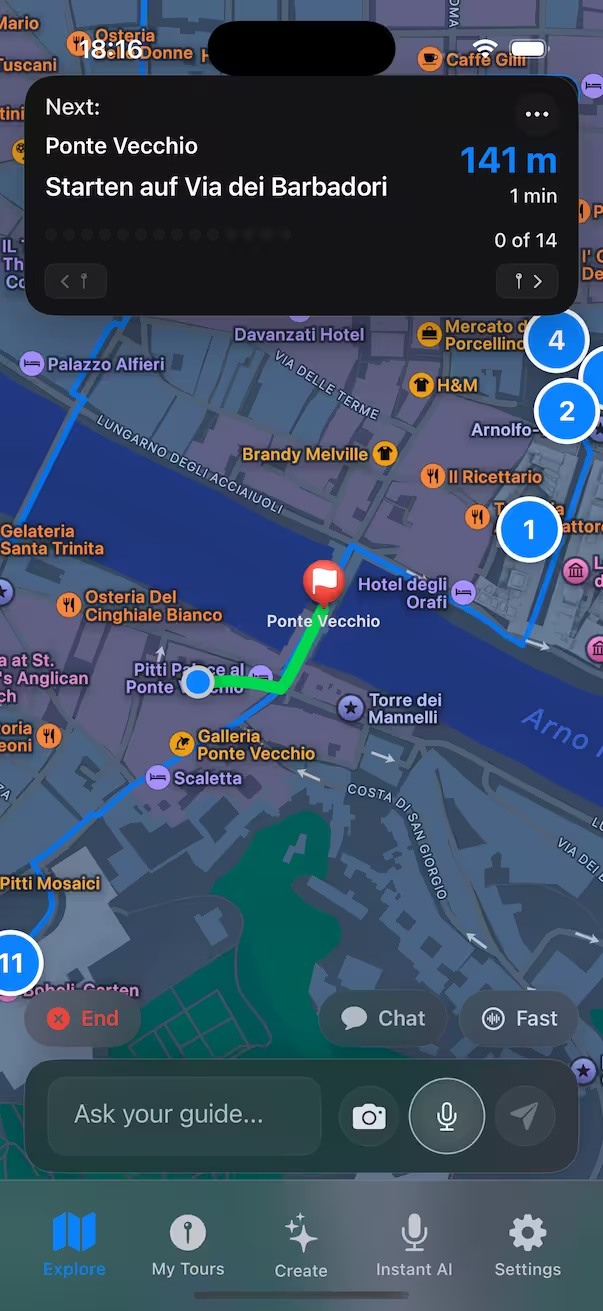
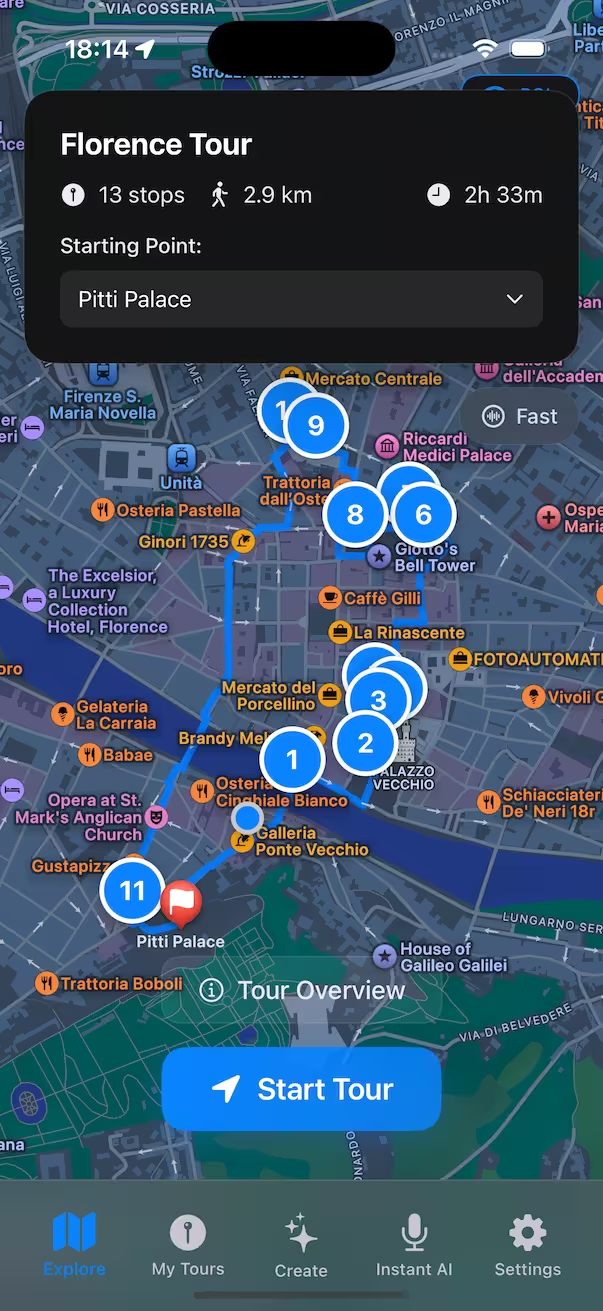
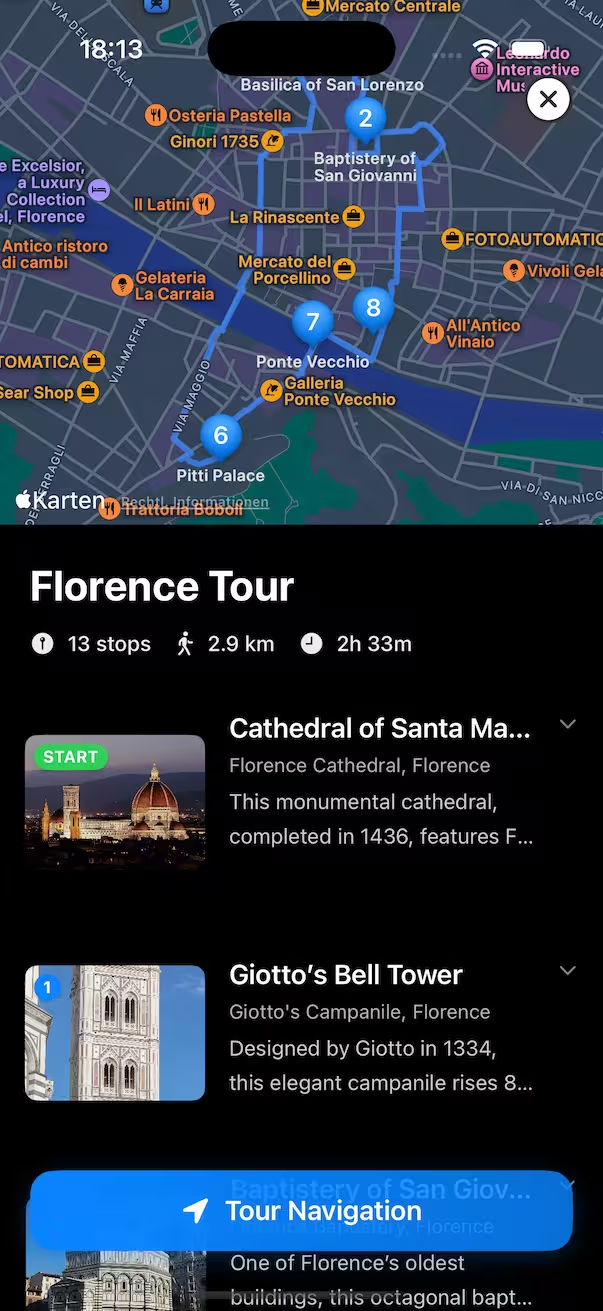
The classic Dublin tour: 11 stops, 7.2 km, about 3 h on foot
Your live AI guide and the self-guided Dublin route, together in your browser.