Best Time to Visit Split
Month-by-month weather, crowds and prices, plus a full calendar of festivals and events worth planning a trip around.
Best monthsMay, Sep
CheapestJan, Mar, Nov
AvoidJul, Aug
BusiestJul, Aug

When is the best time to visit Split?
Come in May or September: 22-26°C, Diocletian's Palace before the cruise crush, and a swimmable sea. May brings the Sudamja city feast on 7 May, September the year's warmest water at 24°C. Skip the Ultra Europe week (10-12 July) and all of August, when heat and prices peak.
Start our tool and find your best time to visit Split
Your perfect month
Free · ~30 seconds
or tap a month directly
What matters to you?
And this?
Best overall: May, Sep. May and September are the real answer: 22-26°C, the palace without the cruise-ship scrum, a swimmable Adriatic, and prices 30-50% below the July peak. May adds the Sudamja feast, September the warmest water of the year.
Best value: Jan, Mar, Nov. January, March and November bring hotel rates 60-70% below August, restaurants competing for the few guests in town, and the rare pleasure of having the Peristyle almost to yourself, just pack for rain and short daylight.
Avoid: Jul, Aug. The Ultra Europe week (10-12 July) and all of August: 33°C-plus afternoons, cruise groups packing the lanes shoulder to shoulder from 10am, and rooms at double to triple the spring rate, if you can find one at all.
- January: Good time, 11°C. This is the cheapest, quietest month of the year, and it shows. The Peristyle is empty, café life is slow, and you hear Croatian, not English, in the lanes. The trade-off is honest: grey skies and the chance of a raw Bura wind. Many local konobas keep short hours or close, so check before you set out.
- February: Good time, 12°C. February is unperformed Split. No show for tourists, no markup, just a real Dalmatian city in winter. The marathon weekend is the one burst of energy, fans lining the route through a town with hardly any other visitors, a genuinely undisturbed atmosphere you will not get in summer.
- March: Great time, 15°C. If you want Split without anyone else, this is it. The palace is quiet, the light is sharpening, and you can wander the Peristyle alone on a sunny morning. The catch is unpredictability: a run of bright spring days, then a Bura blast or a sharp shower. Pack layers and stay flexible.
- April: Great time, 18°C. April is Split waking up properly: terrace tables out, the sea too cold to swim but the strolling perfect. Easter weekend fills the cathedral with locals for a vivid, un-touristy tradition. Outside those couple of days it stays relaxed, a genuine shoulder month before the summer machine starts.
- May: Great time, 22°C. This is the month everyone should aim for. Authentic city life, perfect walking weather, and the Sudamja feast that puts nearly every local in the streets, fireworks over the harbour and all. The one caveat: book the 6th to 8th well ahead, because the whole region sells out around the feast.
- June: Great time, 27°C. June is the tipping point, when Split shifts from easy spring into full summer. The first half is the genuine sweet spot: warm, swimmable, alive but not yet jammed. By the last week the schools break and you can feel the lanes tightening, so come early in the month if you want June at its best.
- July: Tough month, 31°C. July is for people who genuinely do not mind heat and crowds, and are willing to pay top rates for both. Midday is a write-off; the shadeless Riva and Klis climb are punishing. But an opera on the 1,700-year-old Peristyle under the stars, or a late swim at Bačvice, is a different Split entirely, and that part earns it.
- August: Tough month, 31°C. August is not empty-romantic Split, it is survival-mode Split. Cruise groups flood the lanes from 10am, the heat is physically draining, and you pay peak prices for the privilege. If you must come, do your sights before 9am, retreat to the beach or the cool cellars at midday, and come back out after 6pm.
- September: Great time, 26°C. If May is for festivals, September is for the sea. The water is at its yearly warmest while the air cools and the crowds melt away, the locals' own secret. Restaurants relax, the Riva opens up, and you get high-summer swimming at shoulder-season prices. For many, this is simply the best time to come.
- October: Great time, 21°C. October is romance season: golden light, an empty Riva, and a dinner table whenever you want one. The sea is still warm enough for a brave early-month swim, and the palace is quiet again. Pack for the chance of rain and a Bura blow, but you trade that for a Split that feels yours.
- November: Great time, 16°C. November is for travellers who want the cheapest, emptiest Split and will trade the year's heaviest rain for it. The palace is genuinely quiet, restaurants want your business, and the late-month Advent opening brings a real local glow. Bring a proper rain jacket and expect several wet days in a row when a Jugo storm rolls in.
- December: Great time, 13°C. December is the one winter month with a genuine event pull. Advent gives you the palace without the crowds, a glass of mulled wine on the Riva, and a local Christmas atmosphere far from any tourist machine. It is the warmest, friendliest face of off-season Split, just dress for rain and short days.
Split weather by month
HighLowRainfall
Jan11°
Feb12°
Mar15°
Apr18°
May22°
Jun27°
Jul31°
Aug31°
Sep26°
Oct21°
Nov16°
Dec13°
| Month | Temp | Rain | Sun | Crowds | Prices | Highlight |
|---|---|---|---|---|---|---|
| Jan | 11° / 4° | 145mm · 12 rainy days | 6.3 h/day | ●○○○○ | ●○○○○ | Advent in Split |
| Feb | 12° / 5° | 123mm · 11 rainy days | 7.5 h/day | ●●○○○ | ●○○○○ | Split Marathon |
| Mar | 15° / 7° | 94mm · 9 rainy days | 9.6 h/day | ●○○○○ | ●○○○○ | |
| Apr | 18° / 10° | 92mm · 10 rainy days | 10.7 h/day | ●●○○○ | ●●○○○ | Holy Week and Easter |
| May | 22° / 14° | 98mm · 11 rainy days | 11.8 h/day | ●●○○○ | ●●○○○ | SlatCroFest |
| Jun | 27° / 19° | 44mm · 6 rainy days | 13.1 h/day | ●●●○○ | ●●●○○ | Mediterranean Film Festival Split |
| Jul | 31° / 22° | 33mm · 4 rainy days | 13.6 h/day | ●●●●● | ●●●●● | Ultra Europe |
| Aug | 31° / 22° | 53mm · 4 rainy days | 13.0 h/day | ●●●●● | ●●●●● | Split Summer Festival |
| Sep | 26° / 18° | 112mm · 8 rainy days | 10.6 h/day | ●●●○○ | ●●●○○ | Fibra Festival |
| Oct | 21° / 14° | 114mm · 9 rainy days | 9.0 h/day | ●●○○○ | ●●○○○ | |
| Nov | 16° / 10° | 258mm · 14 rainy days | 6.4 h/day | ●○○○○ | ●○○○○ | Advent in Split |
| Dec | 13° / 6° | 167mm · 11 rainy days | 6.1 h/day | ●○○○○ | ●○○○○ | Advent in Split |
How we score this: weather = long-run climate normals (Open-Meteo), crowds & prices = relative season read, events checked yearly against official dates.
Best time to visit Split: weather, prices & crowds
Best months for good weather
Jun, Sep
June and September are the comfort sweet spot: 25-27°C, dry skies (June averages just 44mm of rain), and a sea warm enough to swim, without the relentless 33°C afternoons of high summer.
Quietest months to avoid the crowds
Mar, Nov
March and November empty the old town right out: no cruise ships, no school holidays, and the four-metre lanes of Diocletian's Palace genuinely quiet, the trade being grey skies and, in November, the year's heaviest rain.
Cheapest time to visit Split
Jan, Mar, Nov
January, March and November are Split's cheapest months, with mid-range hotels 60-70% below August and Diocletian's Cellars (5 euro) walkable with no queue at all.
Best time for festivals and events
May
Sudamja, the Feast of St Domnius on 7 May, is the one day almost every Split local is in town: a procession from the Peristyle to the Riva, relics on show, and fireworks over the harbour, the city's biggest celebration since its 1312 statute.
How many days do you need in Split?
Split needs two days to do it properly. The historic core is extraordinarily compact, all nine major sights sitting inside the walls of a Roman imperial palace, but a second day opens up Marjan hill, the beaches, and ferry connections to Hvar and Brač that make the city far more than a half-day stopover.
One day
Inside the palace walls
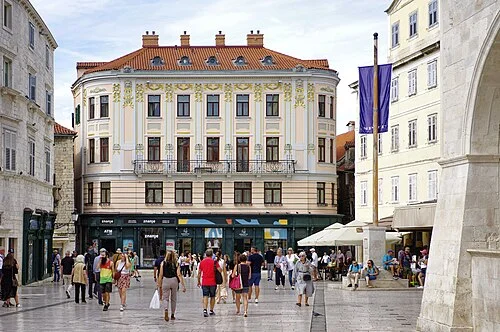
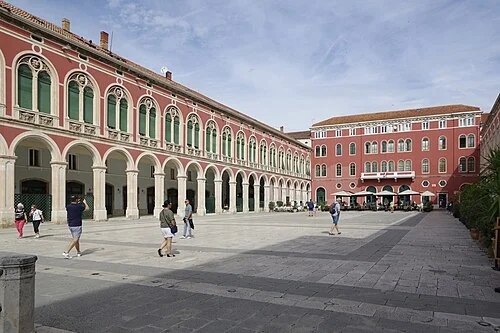
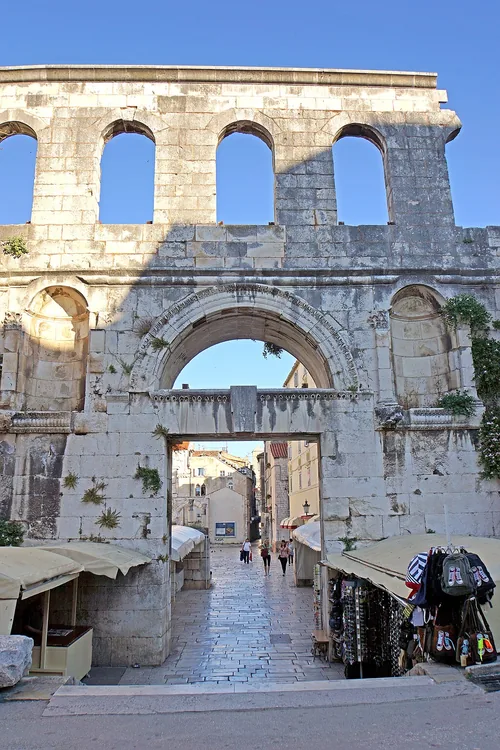
Enter through the Silver Gate on the east side, where the Pazar open-air market has traded fresh produce since medieval times. Walk the circuit of Diocletian's Cellars, the Temple of Jupiter and the Cathedral of Saint Domnius, then stand on the Peristyle Square, the ancient ceremonial courtyard still framed by its original Corinthian columns. The self-guided Split walking tour covers all nine stops in just 1.1 km, about 1.4 hours at a relaxed pace. End the afternoon at People's Square and Republic Square, both a short walk from the palace's western side.
Two daysRecommended
Marjan hill, the Riva and the sea
Spend the morning on Marjan hill, the wooded peninsula rising directly from the old town, with cypress-lined paths and views back over Diocletian's Palace and the harbour. Come down to Bačvice beach for a swim if the season allows, then walk the full length of the Riva promenade in the afternoon. Climb the Klis Fortress (20 minutes from the city centre by bus, 7 euro entry) for the view over the whole Dalmatian coast, ideally before 10am or after 5pm to avoid the worst of the midday heat.
Three days
Island day trip to Hvar or Brač
Ferries leave the Riva frequently for Hvar and Brač, and either island is a comfortable day trip from May to September. Hvar town has a Venetian loggia, a hilltop fortress and the lavender fields of the interior within reach; Brač is famous for the sweeping crescent of Zlatni Rat beach near Bol. Buy your ferry ticket the morning of travel and aim for an early departure to get the most from the day.
Four days or more
Salona, Trogir and slower Dalmatia
The Roman ruins of Salona, the ancient capital of the province Diocletian came from, sit just 6 km north of Split and are almost always empty. Trogir, a UNESCO-listed medieval island town 27 km west, is reachable by bus in under an hour and worth an afternoon. Staying four days also gives you time to time your visit around a specific event: Sudamja on 7 May, the Mediterranean Film Festival in mid-June, or a Split Summer Festival opera on the Peristyle under the stars.
Best time to visit Split by traveller type
Same city, different trip. Here's the month that fits how you're travelling.
🧭
Best time to visit Split for the first time
MayJunSep
May, June or September: pleasant 20-27°C, Diocletian's Palace free of the cruise crowds, a sea you can swim in from June, and no Ultra week to blow out your budget.
❤️
Best time to visit Split for couples
MayOct
May for the Sudamja city feast and a day trip to Hvar's lavender, or October for golden Adriatic light, an empty Riva, and a romantic dinner with no wait and 40-50% cheaper hotels.
💶
Best time to visit Split on a budget
MarNov
March or November for the year's lowest hotel rates, restaurants fighting for custom, and Diocletian's Cellars at 5 euro with no queue.
🍝
Best time to visit Split for food and wine
MaySep
May for the Pazar market in full swing with strawberries, early figs and wild asparagus plus SlatCroFest in the cellars, or September for grape season and fresh fish in half-empty konobas with no August markup.
Worst time to visit Split
July and August are the hardest months to enjoy Split. Afternoons routinely hit 30-35°C and the narrow four-metre lanes of Diocletian's Palace fill with cruise groups shoulder to shoulder from 10am to 2pm. The Ultra Europe festival (a mid-July weekend) sells out every room across the region at double or triple the normal rate, and August layers all major European school holidays on top, with 128 cruise ships calling in a single month. Mid-range hotels that cost 50-80 euro in spring run 200-400 euro in July and August, if you can find availability at all.
Still worth it for High summer still makes sense if you are specifically there for the beach: the sea peaks at a warm 24.7°C in August and the Split Summer Festival stages opera on the ancient Peristyle through mid-August. The key is planning your sightseeing before 9am and after 6pm, and accepting the cost.
Go instead in May, September, when Split is at its best.
Best time for a tour of Split
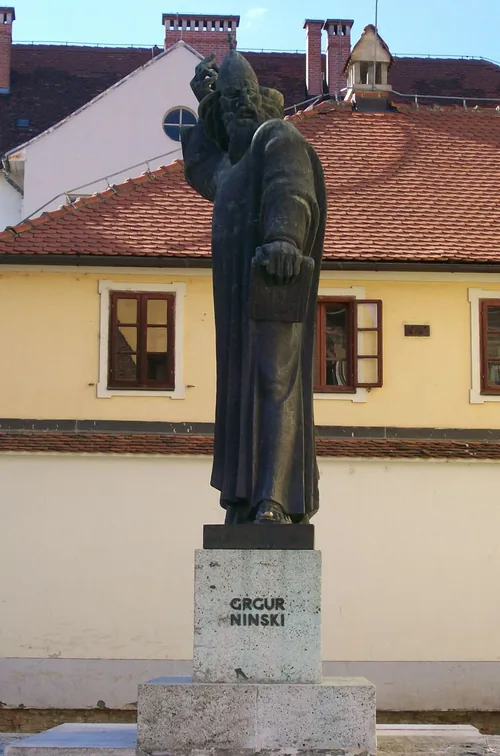
Split's 1.1 km loop through Diocletian's Palace lives or dies by the hour you choose to walk it. From late April through May you get the sweet spot: 17 to 22 °C, six to ten rain days, and thin but curious crowds who actually stop to look rather than shuffle past. The Peristyle Square is warm but not punishing, the narrow stone corridors leading to the Temple of Jupiter hold a pleasant coolness, and the Gregory of Nin Statue glows copper in long afternoon light without a shoulder-to-shoulder scrum around it. June eases you in before the peak hits, but July and August are ruthless: 30 °C highs, nights barely dropping below 21 °C, and the Palace walls packed shoulder to shoulder from morning onwards. The Cathedral of Saint Domnius and the Cellars offer shade, but the open Peristyle has none, and standing there at midday in August feels like being in a stone oven. September pulls the heat back to 25 °C with fewer rain days than May, and the crowds thin noticeably, making it the strongest single month for a late afternoon walk. Winter is quiet, even near-empty in January and December, but 10 to 12 °C highs and up to twelve rain days mean you should pack layers and expect damp cobblestones.
With AI Tourguide running in your browser, no operator decides when your walk through the Palace begins. On a blazing August day that means setting off at 7:30 am, when the Golden Gate and the Peristyle are still cool and largely deserted, and letting the guide tell its stories before the crowds arrive. On a mild October morning, you can linger as long as you like at Diocletian's Cellars without a group pressing you forward. Start your Split tour whenever the temperature suits you, at your own pace, with a voice that greets you, tells you the real story of every stone, asks what you want to explore next, and remembers your answers all the way to the Silver Gate.
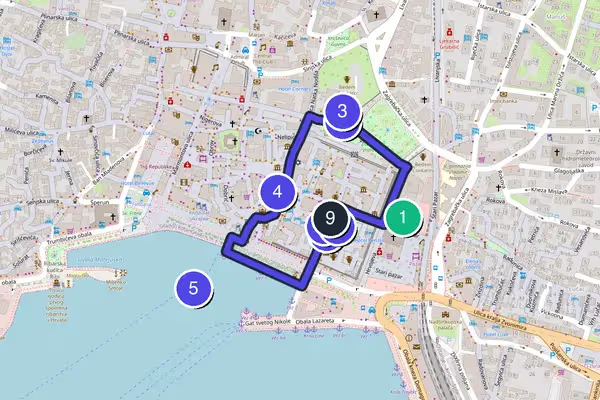
 +7
+7All 9 stops are already on the map.
You just press start.
You just press start.
 AI Tourguide
You just read the route.
Now walk it with a guide in your ear.
Press start wherever you are, even hundreds of kilometres from Split, and the guide begins telling its stories right away. In the city, pick any of the 9 stops to start from: it leads you there, then talks with you the whole route, asking, listening, remembering, and shaping the tour around your answers.
9stops1.1km1.4hours11languages
▶Start the tour freeFree to start · Runs in your browser · No app, no download
Split events and festivals calendar
Annual highlights worth timing a trip around, listed month by month.
February
🏃 SportSplit Marathon Splitski maraton
Feb 14–15
mid-February
The annual marathon starts on Split's western coast and finishes on the Riva by Diocletian's Palace, looping past the Poljud stadium, Marjan hill and the ruins of Salona.
April
⛪ ReligiousHoly Week and Easter Uskrs
Apr 5–6 ~
mid-March to mid-April
Religious processions wind through the old town and masses fill the Cathedral of St Domnius, drawing Croatian day-trippers into the city.
May
🍷 Food and wineSlatCroFest
May 1–3
first weekend of May
A festival of Croatian sweets staged inside Diocletian's Cellars, with workshops, a 'Sweet about Meštrović' exhibition and baking traditions on show.
⛪ ReligiousSudamja, Feast of St Domnius Sudamja / Fjera svetog Duje
May 7
7 May, with festivities late April to mid-May
Split's biggest city feast since the 1312 statute: a procession from the Peristyle to the Riva, relics on display, concerts, a riverside mass and fireworks over the harbour.
June
🎬 FilmMediterranean Film Festival Split Mediteranski filmski festival Split
Jun 11–20
mid-June, ten days
The festival screens over 100 films from dozens of countries across four venues over ten days, including open-air cinema in historic settings.
🎵 MusicMelodije Jadrana
Jun 25–28
late June
Four evenings of Mediterranean pop and Croatian schlager at the Meštrović Gallery, with invited regional and international guests performing each year.
July
🎵 MusicUltra Europe
Jul 10–12
mid-July weekend
Europe's largest EDM festival, held at Park Mladeži for ages 18 and up, which fills every bed across the region.
🎨 Art and cultureSplit Summer Festival Splitsko ljeto
Jul 15 – Aug 15
mid-July to mid-August
Opera, ballet, drama and concerts staged on the Peristyle, at the Meštrović Gallery and in Marjan's coves, with hundreds of international and Croatian artists performing each summer.
August
🏃 SportTennis Summer in Split Tennis Summer Split
Aug 17–29
late August
A tennis tournament launched by Wimbledon winner Goran Ivanišević, held annually in Split in late August.
🎨 Art and cultureDays of Diocletian Dani Dioklecijana
Aug 20–25 ~
mid-to-late August
The streets around the palace and the Riva return to Roman times with legionaries, togas, markets, a fire show and a changing of the city guard on the Peristyle.
September
🎵 MusicFibra Festival
Sep 3–5 ~
first week of September
Urban music (rock, hip-hop, electronic) at the summer cinema on Bačvice beach, with Croatian bands and regional acts.
November
🎄 Christmas marketAdvent in Split Advent u Splitu
Nov 27 – Jan 7 ~
first Sunday of Advent to Epiphany
Christmas markets on the Riva, Pjaca (Narodni trg) and Prokurative with fritule, mulled wine, weekend concerts and lights over the Peristyle.
Insider tips for visiting Split
The rules buried in forums, in one place.
- Walk the Peristyle between 7 and 9am in July and August. From 10am to 2pm cruise groups press shoulder to shoulder through the four-metre lanes, but at 8am the heart of Diocletian's Palace is almost yours.
- In high summer enter the old town through the Golden Gate (Zlatna Vrata) on the north side, not the Riva entrance. Cruise passengers pour in from the seafront first and jam it from 10am to 2pm, while locals slip in the quiet northern gate.
- The Cathedral of St Domnius, the oldest cathedral building still in use anywhere, closes every Wednesday. It is the only sight inside the palace with a weekly closing day, and plenty of visitors stand baffled at the door. Otherwise it runs Mon-Tue and Thu-Sun 8:30am-10pm, entry 5 euro.
- Book three months ahead for the Ultra Europe week (10-12 July) or avoid Split entirely. Every room from the city to Trogir sells out and rates double or triple. If you are not an Ultra fan, come 13-18 July instead, when the city falls quiet straight after the festival.
- Hit the Pazar open-air market by the Silver Gate before 7:30am. It opens at 6am and locals shop until 8; from 9am it fills with day-trippers. Fresh figs, almonds and Dalmatian olive oil straight from the growers, this is the real Split.
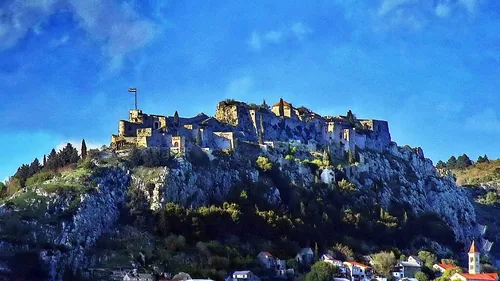
- Climb Klis Fortress (7 euro, 20 minutes from Split) early morning or evening. There is no meaningful shade on the ascent or the walls, so a July or August midday visit is punishing. Use the 9am opening or the cooler late afternoon before the 5pm close.
- In winter and early spring, plan your day around the Bura wind. It typically eases at midday, as locals say it takes a lunch break, so do museums and the cellars in the morning, walk the Riva 12-2pm, and retreat to sheltered streets in the evening when the Bura is strongest.
- For Sudamja on 7 May, book very early or not at all. Hotels within 30km are full for the 6th to 8th by early April. The feast is worth timing a trip around, but outside those three days May availability is normal.
Public holidays in Split
On these dates many shops and offices close, transport thins out, and sights can be mobbed or shut. Plan around them.
| Date | Holiday | What closes |
|---|---|---|
| Jan 1 | New Year's Day | Everything closed; the Riva celebrates until midnight, then a very quiet 1 January. Museums and most restaurants shut. |
| Jan 6 | Epiphany | National holiday: museums closed. It is also the last day of Advent in Split, with the Christmas markets on the Riva and Pjaca wrapping up. |
| Apr 5 | Easter Sunday | National holiday: religious processions through the old town, masses in the Cathedral of St Domnius. Some restaurants and supermarkets close. |
| Apr 6 | Easter Monday | National holiday: many shops closed, a quiet family day across the city. |
| May 1 | Labour Day | National holiday: most shops and offices closed. It also opens SlatCroFest, the Croatian-sweets festival held in Diocletian's Cellars. |
| May 7 | Sudamja (Feast of St Domnius, local city day) | Not a national holiday but Split's de facto city feast: procession and concerts, the cathedral on special hours, and the Riva sealed off in the evening for the harbour fireworks. |
| May 30 | Statehood Day | National holiday: museums and public offices closed. |
| Jun 4 | Corpus Christi | National holiday: religious procession, museums closed. |
| Jun 22 | Anti-Fascist Struggle Day | National holiday: offices and many shops closed. |
| Aug 5 | Victory and Homeland Thanksgiving Day | National holiday: crowds of Croatian pilgrims head to Knin, but Split itself runs roughly normal in peak season. |
| Aug 15 | Assumption of Mary | National holiday at the heart of peak season: many local restaurants and shops close (Croatia's Ferragosto equivalent) even as tourist numbers stay at their highest. |
| Oct 8 | Independence Day | National holiday: offices closed, low-season calm across the city. |
| Nov 1 | All Saints' Day | National holiday: cemetery visits, some museums closed, a quiet reflective day deep in the off season. |
| Dec 25 | Christmas Day | Everything closed; a still, lit-up Riva and a quiet old-town skyline. |
| Dec 26 | St Stephen's Day | National holiday: shops closed, Advent in Split still running on the Riva and Pjaca with markets and mulled wine. |
Split month by month
January in Split
High11°C / 51°F
Low4°C
Rain145mm / 12 rainy days
Sun6.3 h/day
Daylight9 h/day
Humidity70%
Crowds●○○○○Prices●○○○○
January is Split handed back to its own people: the deep low season, with almost no tourists and the old town belonging to locals. Daytime sits around 11°C and the skies are often grey, with 12 rainy days, but real cold and snow are rare. Diocletian's Palace, the Peristyle and the cellars are queue-free. The city stays mild enough to walk to sunset around 4:30pm, and a jacket is usually all you need.
The vibe This is the cheapest, quietest month of the year, and it shows. The Peristyle is empty, café life is slow, and you hear Croatian, not English, in the lanes. The trade-off is honest: grey skies and the chance of a raw Bura wind. Many local konobas keep short hours or close, so check before you set out.
Don't miss Advent in Split runs to 7 January, with Christmas markets and lights on the Riva, Pjaca and Peristyle for the first week. After that the palace stands all but deserted, the rare chance to photograph the Peristyle with no one in frame.
Crowd drivers No cruise ships and no school holidays once Advent ends on 7 January. The lowest visitor pressure of the year.
In season Winter is konoba season for slow-cooked Dalmatian pašticada and black risotto, but call ahead: many family-run places run reduced hours or close entirely November to February.
Heads up 1 and 6 January are national holidays with museums and shops shut. Many local restaurants keep winter hours or close for the season.
Year's lowest prices; mid-range hotels from around 50 euro a night.
Events this month
🎄 Christmas marketAdvent in Split Advent u Splitu
Nov 27 – Jan 7 ~
first Sunday of Advent to Epiphany
Christmas markets on the Riva, Pjaca (Narodni trg) and Prokurative with fritule, mulled wine, weekend concerts and lights over the Peristyle.
The only real reason to visit Split in winter: the palace without the crowds and an atmosphere that feels like the old days.
February in Split
High12°C / 54°F
Low5°C
Rain123mm / 11 rainy days
Sun7.5 h/day
Daylight10 h/day
Humidity70%
Crowds●●○○○Prices●○○○○
February stays cheap and quiet, mild but damp at around 12-13°C with 11 rainy days. The Split Marathon on 14-15 February brings one short spike: its route runs the western coast, the Poljud stadium, Marjan hill and Salona before finishing on the Riva by the palace, so the city briefly fills with runners and supporters. Almond blossom appears on Marjan from mid-month, the first sign of spring. Otherwise it is low season at its emptiest.
The vibe February is unperformed Split. No show for tourists, no markup, just a real Dalmatian city in winter. The marathon weekend is the one burst of energy, fans lining the route through a town with hardly any other visitors, a genuinely undisturbed atmosphere you will not get in summer.
Don't miss Almond trees blossom on the wooded Marjan hill from mid-February, and its cypress paths are quiet and cool for a winter walk well above the town.
Crowd drivers Only the Split Marathon weekend pulls extra visitors, and briefly. Cruise ships have not yet started calling.
In season Citrus from the Dalmatian islands is at its peak, and the Pazar market has the season's last bitter greens and winter brassicas.
Still deep low season; rates jump 15-20% only on Split Marathon weekend.
Events this month
🏃 SportSplit Marathon Splitski maraton
Feb 14–15
mid-February
The annual marathon starts on Split's western coast and finishes on the Riva by Diocletian's Palace, looping past the Poljud stadium, Marjan hill and the ruins of Salona.
The route carries supporters right through the heart of Split with almost no other tourists around, a rare undisturbed winter atmosphere.
March in Split
High15°C / 58°F
Low7°C
Rain94mm / 9 rainy days
Sun9.6 h/day
Daylight12 h/day
Humidity66%
Crowds●○○○○Prices●○○○○
March is the last genuinely empty month before the season stirs. Highs climb toward 15°C, the rain eases to 9 days, and spring slowly takes hold: the cypress paths on Marjan green up and the first sunny days arrive. Crowds are minimal and prices sit at the yearly floor, so you can climb Klis Fortress with no queue and have Diocletian's Cellars almost to yourself. Easter can fall in late March some years, briefly lifting both crowds and rates.
The vibe If you want Split without anyone else, this is it. The palace is quiet, the light is sharpening, and you can wander the Peristyle alone on a sunny morning. The catch is unpredictability: a run of bright spring days, then a Bura blast or a sharp shower. Pack layers and stay flexible.
Don't miss Spring greens Marjan's cypress trails from March, ideal for a morning walk above the town. With no queue and 5-euro entry, this is the month to take your time in Diocletian's Cellars.
Crowd drivers No cruise ships yet and no school holidays, apart from a late-March Easter, which pulls in Croatian day-trippers and a short price bump.
In season Wild asparagus appears on the hillsides and at the Pazar market, a Dalmatian spring staple folded into frittatas in the konobas.
Prices at their yearly floor; hotels 60-70% below August, with a short Easter spike if it falls in late March.
April in Split
High18°C / 64°F
Low10°C
Rain92mm / 10 rainy days
Sun10.7 h/day
Daylight13 h/day
Humidity65%
Crowds●●○○○Prices●●○○○
April warms into real spring: highs near 18°C, longer days at 13 hours, and the first international visitors arriving alongside Croatian Easter day-trippers. Easter falls on 5-6 April, bringing processions through the old town and masses in the Cathedral of St Domnius, plus a short price bump around the holiday. It is lively but never crammed, the cruise season has not yet hit full stride, and the palace still breathes.
The vibe April is Split waking up properly: terrace tables out, the sea too cold to swim but the strolling perfect. Easter weekend fills the cathedral with locals for a vivid, un-touristy tradition. Outside those couple of days it stays relaxed, a genuine shoulder month before the summer machine starts.
Don't miss Holy Week processions wind through the palace and the Cathedral of St Domnius holds Easter masses, a living local tradition rather than a tourist set piece.
Crowd drivers Easter (5-6 April) brings Croatian day-trippers and the first spring tourists; the cruise season is only just beginning.
In season Easter brings Dalmatian sirnica, a sweet enriched bread, to every bakery, and the Pazar market is thick with spring greens.
Heads up Easter Sunday and Monday (5-6 April) are national holidays; some restaurants and supermarkets close on the Sunday.
Moderate rates with a short Easter spike (around +20%) on 5-6 April, then back to normal.
Events this month
⛪ ReligiousHoly Week and Easter Uskrs
Apr 5–6 ~
mid-March to mid-April
Religious processions wind through the old town and masses fill the Cathedral of St Domnius, drawing Croatian day-trippers into the city.
It is a living local tradition rather than a tourist spectacle, the city alive with families and faith.
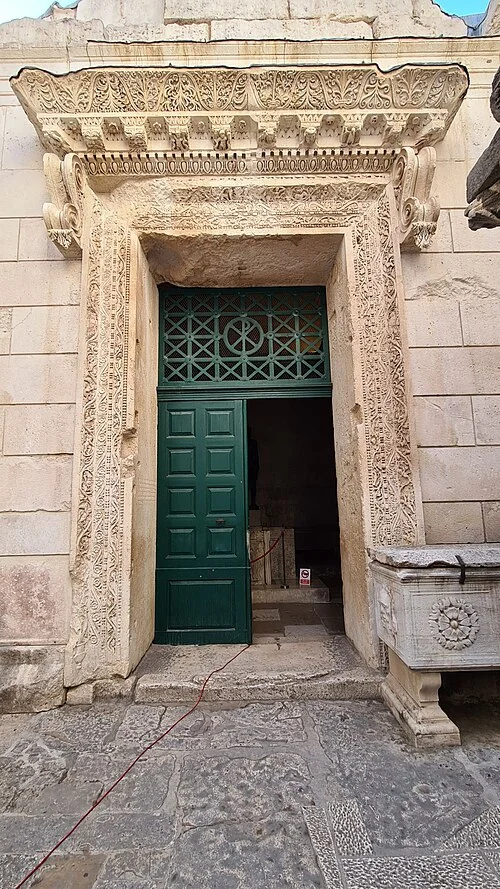
May in Split
High22°C / 72°F
Low14°C
Rain98mm / 11 rainy days
Sun11.8 h/day
Daylight15 h/day
Humidity67%
Crowds●●○○○Prices●●○○○
May is Split at its best: 18-24°C, the city in full life, and no cruise crush yet. The sea is still cool but the beaches are pleasant, and the old town hums without the summer crowds. The Sudamja feast of St Domnius peaks on 7 May, when the whole city turns out for the procession and harbour fireworks, while SlatCroFest (1-3 May) fills Diocletian's Cellars with Croatian sweets. Rates run 40-50% under August, the exception being the Sudamja weekend.
The vibe This is the month everyone should aim for. Authentic city life, perfect walking weather, and the Sudamja feast that puts nearly every local in the streets, fireworks over the harbour and all. The one caveat: book the 6th to 8th well ahead, because the whole region sells out around the feast.
Don't miss Sudamja (7 May) is the year's great local moment: a procession from the Peristyle to the Riva, relics on display and fireworks over the harbour. SlatCroFest (1-3 May) is the rare free chance to walk Diocletian's Cellars in a festive setting. Hvar's lavender is also within a bus-and-ferry day trip.
Crowd drivers Sudamja on 7 May sells out the city for its biggest feast; SlatCroFest (1-3 May) adds to the start of the month. Otherwise crowds stay moderate.
In season The Pazar market is in full swing with strawberries, the first figs and wild asparagus, and SlatCroFest celebrates Dalmatian baking traditions in the cellars.
Heads up Around Sudamja (7 May) the cathedral keeps special hours and the Riva is sealed off in the evening for the fireworks; 1 May is a national holiday.
Moderate, 40-50% below the August peak, but hotels jump 25-30% around Sudamja (7 May).
Events this month
⛪ ReligiousSudamja, Feast of St Domnius Sudamja / Fjera svetog Duje
May 7
7 May, with festivities late April to mid-May
Split's biggest city feast since the 1312 statute: a procession from the Peristyle to the Riva, relics on display, concerts, a riverside mass and fireworks over the harbour.
It is the one day almost every Split local is in town, fully authentic and the city at its most alive.
🍷 Food and wineSlatCroFest
May 1–3
first weekend of May
A festival of Croatian sweets staged inside Diocletian's Cellars, with workshops, a 'Sweet about Meštrović' exhibition and baking traditions on show.
It is the rare free chance to experience Diocletian's Cellars in a festive setting, early enough in May to still be cool.
June in Split
High27°C / 81°F
Low19°C
Rain44mm / 6 rainy days
Sun13.1 h/day
Daylight15 h/day
Humidity63%
Crowds●●●○○Prices●●●○○
June opens the Adriatic summer: 27°C highs, almost no rain at 44mm, and the year's longest days at over 15 hours of light. The sea reaches a swimmable 22°C, though not yet its warmest. The first half stays manageable; from around the 29th the German and Austrian school holidays begin and the first cruise traffic builds. The Mediterranean Film Festival (11-20 June) brings open-air screenings to historic settings, and Melodije Jadrana (25-28 June) plays the Meštrović Gallery by the sea.
The vibe June is the tipping point, when Split shifts from easy spring into full summer. The first half is the genuine sweet spot: warm, swimmable, alive but not yet jammed. By the last week the schools break and you can feel the lanes tightening, so come early in the month if you want June at its best.
Don't miss The Mediterranean Film Festival (11-20 June) screens 112 films across four venues, including open-air cinema in historic settings. Melodije Jadrana (25-28 June) plays four evenings of Croatian pop at the Meštrović Gallery overlooking the sea.
Crowd drivers German and Austrian school holidays start from around 29 June, the first sailing cruises arrive, and two festivals draw in visitors.
In season Cherries and early figs hit the Pazar market, and fresh Adriatic fish is at its best before the August price hikes kick in.
Entry into high-season pricing: mid-range hotels 100-200 euro, climbing as the month goes on.
Events this month
🎬 FilmMediterranean Film Festival Split Mediteranski filmski festival Split
Jun 11–20
mid-June, ten days
The festival screens over 100 films from dozens of countries across four venues over ten days, including open-air cinema in historic settings.
Open-air screenings in ancient surroundings, before the July Ultra crush, make it a cheaper, calmer city break.
🎵 MusicMelodije Jadrana
Jun 25–28
late June
Four evenings of Mediterranean pop and Croatian schlager at the Meštrović Gallery, with invited regional and international guests performing each year.
A rare Croatian cultural format in a beautiful seaside setting at the gallery, with the water as a backdrop.
July in Split
High31°C / 87°F
Low22°C
Rain33mm / 4 rainy days
Sun13.6 h/day
Daylight15 h/day
Humidity54%
Crowds●●●●●Prices●●●●●
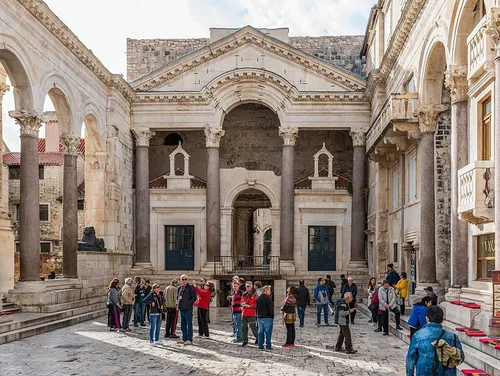
July is Split at full intensity: 30-35°C afternoons, peaks to 38°C, and tourist numbers at their absolute height. Ultra Europe (mid-July weekend) fills every bed across the region, German and Austrian school holidays land, and cruise ships dock daily, so the Peristyle is shoulder to shoulder from 10am to 2pm. The Split Summer Festival brings opera and drama to the ancient Peristyle. Sightseeing works best in the cool 7-10am window or after 6pm, when the heat eases and the cruise groups have gone.
The vibe July is for people who genuinely do not mind heat and crowds, and are willing to pay top rates for both. Midday is a write-off; the shadeless Riva and Klis climb are punishing. But an opera on the 1,700-year-old Peristyle under the stars, or a late swim at Bačvice, is a different Split entirely, and that part earns it.
Don't miss The Split Summer Festival (mid-July to mid-August) is the only chance to see opera staged on the ancient Peristyle under the stars. The Cathedral of St Domnius bell tower and Klis Fortress are best at 7-10am or after 6pm to dodge the heat and the cruise crowds.
Crowd drivers Ultra Europe (10-12 July), German and Austrian school holidays, daily cruise ships, and the Split Summer Festival all stack at once.
In season Peak fish and seafood season, though tourist-zone konobas charge their highest prices; walk a few streets off the Riva for fairer bills.
Heads up Around Ultra Europe (10-12 July) accommodation across the whole region is sold out; book three months ahead or avoid the week.
Year's highest prices: mid-range hotels 200-400 euro, flights up 40-60% on May, and Ultra weekend doubling or tripling everything.
Events this month
🎵 MusicUltra Europe
Jul 10–12
mid-July weekend
Europe's largest EDM festival, held at Park Mladeži for ages 18 and up, which fills every bed across the region.
Worth timing only if you are an Ultra fan, since it doubles or triples hotel prices; otherwise the week to avoid.
🎨 Art and cultureSplit Summer Festival Splitsko ljeto
Jul 15 – Aug 15
mid-July to mid-August
Opera, ballet, drama and concerts staged on the Peristyle, at the Meštrović Gallery and in Marjan's coves, with hundreds of international and Croatian artists performing each summer.
It is the only chance to see opera on the ancient Peristyle, summer nights under the stars in a 1,700-year-old setting.
August in Split
High31°C / 87°F
Low22°C
Rain53mm / 4 rainy days
Sun13.0 h/day
Daylight14 h/day
Humidity56%
Crowds●●●●●Prices●●●●●
August is the absolute peak. Croatian, German, Austrian and British school holidays all overlap, 128 cruise ships call (a fifth of all Croatian port visits), and the sea is at its warmest, averaging 24.7°C. Afternoons hit 30-35°C and Bačvice beach is packed at weekends. The Days of Diocletian (mid-to-late August) turns the streets around the palace into Roman times with legionaries and a fire show, and the Split Summer Festival runs to mid-month. It is spectacular, but it is the hottest, fullest, most expensive time to come.
The vibe August is not empty-romantic Split, it is survival-mode Split. Cruise groups flood the lanes from 10am, the heat is physically draining, and you pay peak prices for the privilege. If you must come, do your sights before 9am, retreat to the beach or the cool cellars at midday, and come back out after 6pm.
Don't miss The Days of Diocletian (mid-to-late August) brings legionaries, togas, markets and a fire show to the palace, a rare blend of peak-season spectacle and real history. The new Tennis Summer in Split tournament (17-29 August), launched by Goran Ivanišević, adds a draw for sports fans.
Crowd drivers Croatian, German, Austrian and British school holidays all at once, 128 cruise ships calling, and the Assumption holiday on 15 August.
In season Everything is in season but priciest: restaurants run 20-30% above spring, and around 15 August (Croatia's Ferragosto) many local konobas close while tourist spots stay open.
Heads up Assumption (15 August) is a national holiday when many local restaurants and shops close, even as tourist numbers stay at their highest.
Busiest and dearest month: matches July or runs 5-10% higher, with restaurants up 20-30% on spring; book 2-3 months ahead.
Events this month
🎨 Art and cultureDays of Diocletian Dani Dioklecijana
Aug 20–25 ~
mid-to-late August
The streets around the palace and the Riva return to Roman times with legionaries, togas, markets, a fire show and a changing of the city guard on the Peristyle.
A historic spectacle inside Europe's most lived-in open-air monument, a rare mix of peak-season buzz and real depth.
🏃 SportTennis Summer in Split Tennis Summer Split
Aug 17–29
late August
A tennis tournament launched by Wimbledon winner Goran Ivanišević, held annually in Split in late August.
A fresh draw for tennis fans, and an easy add-on for anyone already in town for the Days of Diocletian.
🎨 Art and cultureSplit Summer Festival Splitsko ljeto
Jul 15 – Aug 15
mid-July to mid-August
Opera, ballet, drama and concerts staged on the Peristyle, at the Meštrović Gallery and in Marjan's coves, with hundreds of international and Croatian artists performing each summer.
It is the only chance to see opera on the ancient Peristyle, summer nights under the stars in a 1,700-year-old setting.
September in Split
High26°C / 78°F
Low18°C
Rain112mm / 8 rainy days
Sun10.6 h/day
Daylight12 h/day
Humidity64%
Crowds●●●○○Prices●●●○○
September is the quiet hero of the Split year. The air eases to a comfortable 26°C, yet the sea hits its warmest 24°C, paradoxically better for swimming than August, just as the crowds thin. Schools reopen around mid-month, the cruise season tails off, and prices drop 30-40% from the summer peak. Fibra Festival in early September on Bačvice beach is the season's last big event. This is the true shoulder month: warm, swimmable, affordable, and the city handed back to its locals.
The vibe If May is for festivals, September is for the sea. The water is at its yearly warmest while the air cools and the crowds melt away, the locals' own secret. Restaurants relax, the Riva opens up, and you get high-summer swimming at shoulder-season prices. For many, this is simply the best time to come.
Don't miss Fibra Festival (early September) brings rock, hip-hop and electronic acts to the open-air cinema on Bačvice beach, where the water is still around 24°C. It is the warmest swimming window of the year with the crowds already gone.
Crowd drivers Schools reopen mid-September and the cruise season winds down, though many cruise lines still favour September, so the first half stays moderately busy.
In season Grape season arrives and fresh fish returns to half-empty konobas with no August markup, the foodie's quiet favourite.
Prices fall 30-40% from the July-August peak, the year's best weather-to-value balance.
Events this month
🎵 MusicFibra Festival
Sep 3–5 ~
first week of September
Urban music (rock, hip-hop, electronic) at the summer cinema on Bačvice beach, with Croatian bands and regional acts.
The season's last big event, with Bačvice still warm at a 24°C sea and crowds under half the high-season level.

October in Split
High21°C / 70°F
Low14°C
Rain114mm / 9 rainy days
Sun9.0 h/day
Daylight11 h/day
Humidity70%
Crowds●●○○○Prices●●○○○
October closes the tourist season. Highs settle around 21°C, the first autumn rains arrive (114mm over 9 days), and the sea still holds a swimmable 21°C early in the month. Crowds drop sharply, the Riva empties, and the golden Adriatic light makes for some of the year's best photography. Many restaurants begin trimming their hours as the season fades. It is calm, mild and well priced, with just the risk of a wet, windy spell.
The vibe October is romance season: golden light, an empty Riva, and a dinner table whenever you want one. The sea is still warm enough for a brave early-month swim, and the palace is quiet again. Pack for the chance of rain and a Bura blow, but you trade that for a Split that feels yours.
Don't miss Marjan hill turns lightly golden, and the warm, low light over the Riva and the palace is the best of the year for photos. Early-October swimming is still on at a 21°C sea.
Crowd drivers The cruise season is nearly over and schools are back, so visitor numbers fall away fast through the month.
In season Olive harvest and new oil arrive in Dalmatia, and grape and fig seasons linger into the first half of the month.
Heads up Many restaurants start cutting their opening hours as the season winds down; 8 October (Independence Day) is a national holiday.
Hotels 50-55% below August; the season winds down.
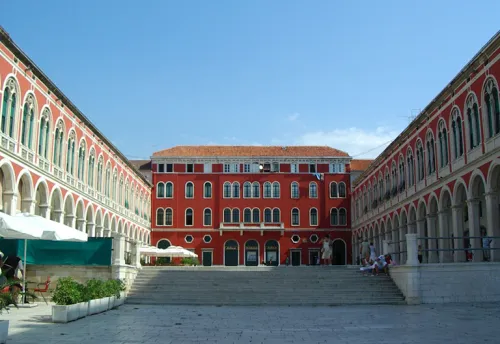
November in Split
High16°C / 61°F
Low10°C
Rain258mm / 14 rainy days
Sun6.4 h/day
Daylight10 h/day
Humidity75%
Crowds●○○○○Prices●○○○○
November is the deep low season and the city's wettest month, with 258mm of rain over 14 days. Highs hover around 16°C and the daylight is short. Tourists are scarce, the old town belongs to locals, and Advent in Split begins on the 27th with markets and lights on the Riva and Pjaca. Prices hit the yearly floor, restaurants compete for the few guests in town, and Diocletian's Cellars are walkable with no queue. It is the bargain hunter's window, if you do not mind the rain.
The vibe November is for travellers who want the cheapest, emptiest Split and will trade the year's heaviest rain for it. The palace is genuinely quiet, restaurants want your business, and the late-month Advent opening brings a real local glow. Bring a proper rain jacket and expect several wet days in a row when a Jugo storm rolls in.
Don't miss Advent in Split opens on 27 November with Christmas markets, fritule and mulled wine on the Riva and Pjaca and lights strung over the Peristyle, the palace at its most atmospheric and almost empty.
Crowd drivers No cruise ships and no school holidays; the lowest visitor numbers of the year until Advent opens on 27 November.
In season New olive oil is everywhere, and the Advent stalls bring fritule (Dalmatian doughnuts) and mulled wine from the end of the month.
Heads up Heaviest-rain month, with multi-day Jugo-storm spells; 1 November (All Saints') is a national holiday and many konobas keep winter hours.
Year's floor alongside January, a genuine bargain window.
Events this month
🎄 Christmas marketAdvent in Split Advent u Splitu
Nov 27 – Jan 7 ~
first Sunday of Advent to Epiphany
Christmas markets on the Riva, Pjaca (Narodni trg) and Prokurative with fritule, mulled wine, weekend concerts and lights over the Peristyle.
The only real reason to visit Split in winter: the palace without the crowds and an atmosphere that feels like the old days.
December in Split
High13°C / 55°F
Low6°C
Rain167mm / 11 rainy days
Sun6.1 h/day
Daylight9 h/day
Humidity74%
Crowds●○○○○Prices●○○○○
December is winter Split with one good reason to come: Advent. Highs sit near 13°C and the days are short, but the markets on the Riva, Pjaca and Prokurative bring fritule, mulled wine and weekend concerts, with lights over the Peristyle. The palace is free of crowds, prices stay low outside the 23-26 December bump, and the mood is the city as it used to feel. The trade-off is the rain and the short daylight of deep winter.
The vibe December is the one winter month with a genuine event pull. Advent gives you the palace without the crowds, a glass of mulled wine on the Riva, and a local Christmas atmosphere far from any tourist machine. It is the warmest, friendliest face of off-season Split, just dress for rain and short days.
Don't miss Advent in Split fills the Riva, Pjaca (Narodni trg) and Prokurative with markets, fritule and mulled wine, plus live concerts every weekend and the Peristyle lit up, the only real reason to visit Split in winter.
Crowd drivers Advent draws mostly Croatian day-trippers and a small 23-26 December holiday spike; no cruise ships, no international school-holiday rush.
In season Advent stalls serve fritule and mulled wine, and the konobas do slow-cooked winter Dalmatian dishes like pašticada.
Heads up 25 December closes everything; 26 December is a national holiday, though the Advent markets keep running on the Riva and Pjaca.
Cheap again outside a small 23-26 December spike (around +15%).
Events this month
🎄 Christmas marketAdvent in Split Advent u Splitu
Nov 27 – Jan 7 ~
first Sunday of Advent to Epiphany
Christmas markets on the Riva, Pjaca (Narodni trg) and Prokurative with fritule, mulled wine, weekend concerts and lights over the Peristyle.
The only real reason to visit Split in winter: the palace without the crowds and an atmosphere that feels like the old days.
Frequently asked questions
What is the best time to visit Split?
May and September are the best overall. May brings 18-24°C, the Sudamja city feast on 7 May, and no cruise crush, while September pairs the year's warmest sea at 24°C with crowds that have already thinned and prices 30-40% below the July-August peak. Both give you Diocletian's Palace without the summer scrum.
What is the cheapest month to visit Split?
January, March and November are the cheapest, with mid-range hotels 60-70% below August, from around 50 euro a night. November is technically the cheapest but also the wettest month, with 258mm of rain over 14 days, so January or March is the better-value choice for actually getting out and exploring.
What is the worst time to visit Split?
The Ultra Europe weekend (10-12 July) and all of August. Ultra sells out the whole region at double or triple the rates, while August stacks Croatian, German, Austrian and British school holidays with 128 cruise ships and 30-35°C afternoons. If you dislike heat and crowds, avoid both.
When is the sea warm enough to swim in Split?
The sea is swimmable from June to October, above 20°C, and at its best from July to September, above 22°C. It peaks in August at an average 24.7°C, but September is the quiet winner: the water still holds 24°C while the air cools and the crowds melt away. Even early October stays swimmable at 21°C.
Is Split worth visiting in winter?
Yes, if you come in December for Advent in Split (27 November to 7 January), with markets and mulled wine on the Riva and Pjaca and lights over the Peristyle. Diocletian's Palace is crowd-free, prices are at their floor outside the 23-26 December bump, and the mood is the city as it used to feel. Expect rain and short days.
How many days do you need in Split?
Two to three days covers Split itself: a day for Diocletian's Palace, the Peristyle, the cathedral and the Pazar market, a day for Marjan hill and the beaches, and time for Klis Fortress (20 minutes out, 7 euro). Add days for island day trips to Hvar or Brač, easy by ferry from the Riva, especially May to September.
When is Sudamja, Split's city feast?
Sudamja, the Feast of St Domnius, peaks on 7 May, with celebrations running late April to mid-May. It is Split's biggest feast since the 1312 statute: a procession from the Peristyle to the Riva, relics on display, concerts and fireworks over the harbour. Book the 6th to 8th well ahead, as hotels within 30km sell out by early April.
How hot does Split get in summer?
July and August routinely hit 30-35°C in the afternoon, with peaks to 38°C. The Riva and Klis Fortress have almost no shade, so midday sightseeing is genuinely uncomfortable. Plan the cool 7-10am and 6-9pm windows for walking, and use the heat of the day, noon to 4pm, for the beach or the shaded Diocletian's Cellars.
Is May or September better for visiting Split?
Both are excellent. Choose May for festivals and city life: the Sudamja feast (7 May), SlatCroFest in the cellars, and Hvar's lavender on a day trip, though the sea is still cool. Choose September for swimming: the water peaks at 24°C, warmer than the air, with the crowds gone, prices down 30-40%, and Fibra Festival on Bačvice beach.

Any month, any day: your guide is already there
Whatever date you pick, a private human guide gets pricier and harder to book on weekends, holidays and in peak season. Our live AI guide, the one that walks with you and answers anything you ask out loud, works the opposite way.
One flat price, every day
No holiday, weekend, night or peak-season surcharge. A private guide in Split runs well over 100 euro for a half day, and more on holidays. Ours stays the same.
Available the moment you want it
Start at midnight or at dawn, on Christmas, in the snow, in the August heat. No sold-out high season, no booking weeks ahead.
Your pace, no meter running
Pause for a long lunch, restart after dark, repeat a stop. The tour simply waits for you.
Free to try, a fraction of the cost
Test it for free, then a transparent flat price that undercuts any private guide, in every season.
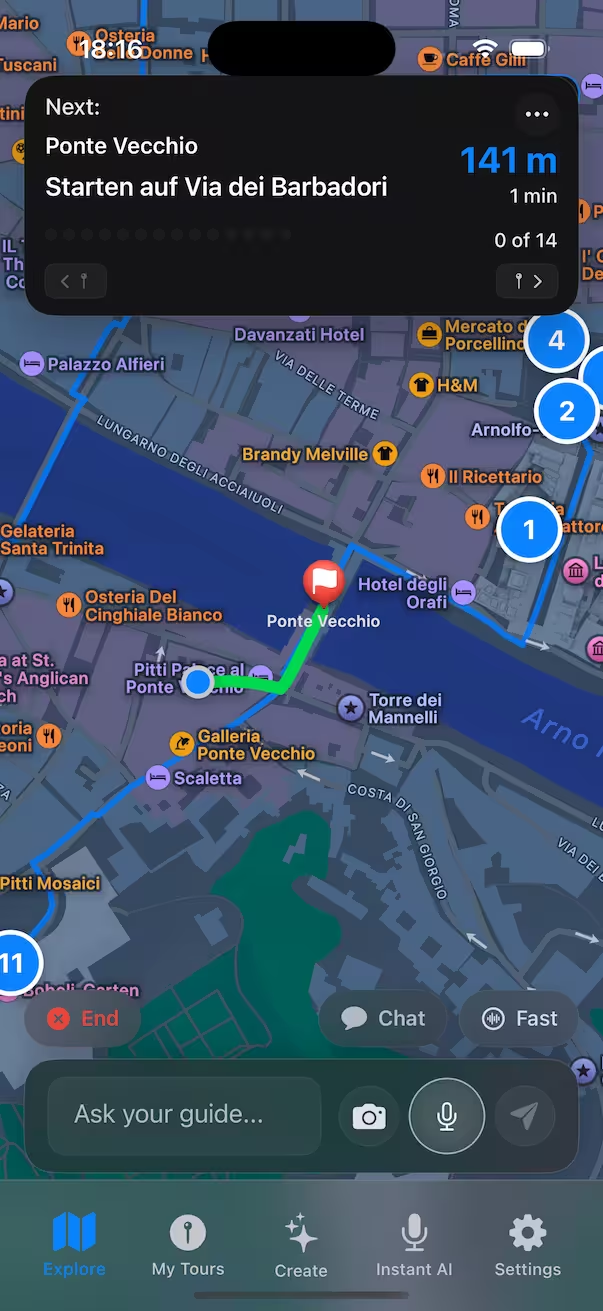
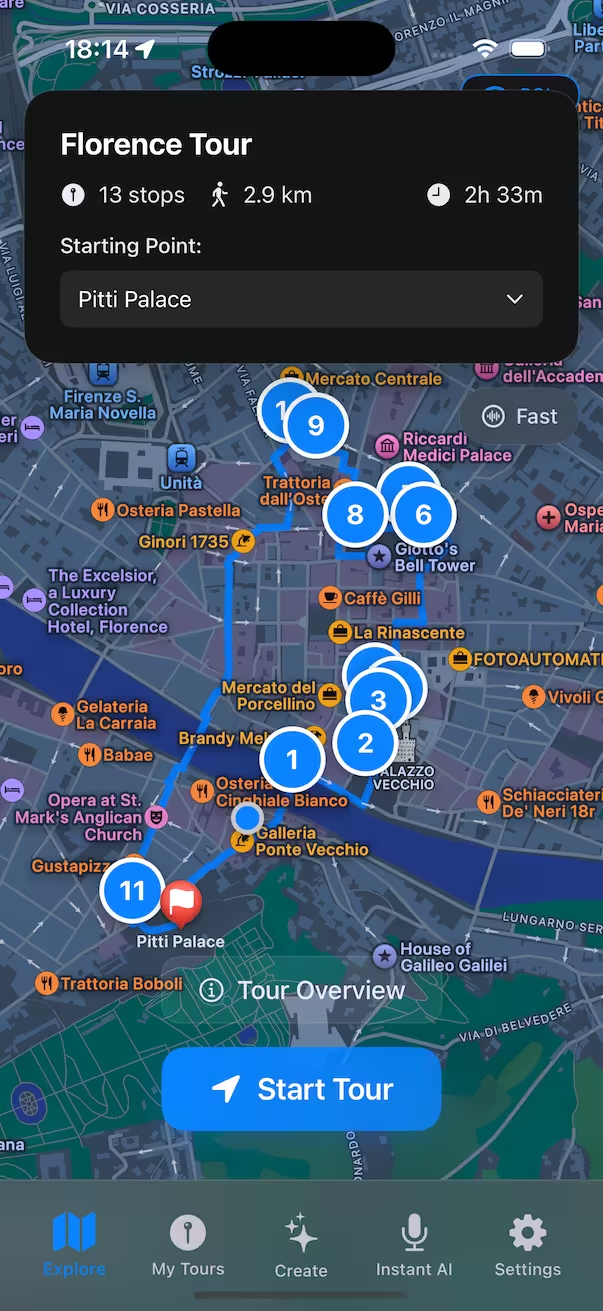
The classic Split tour: 9 stops, 1.1 km, about 1 h on foot
Your live AI guide and the self-guided Split route, together in your browser.