Best Time to Visit Santiago de Compostela
Month-by-month weather, crowds and prices, plus a full calendar of festivals and events worth planning a trip around.
Best monthsMay, Sep
CheapestJan, Nov
AvoidJul
BusiestJul, Aug
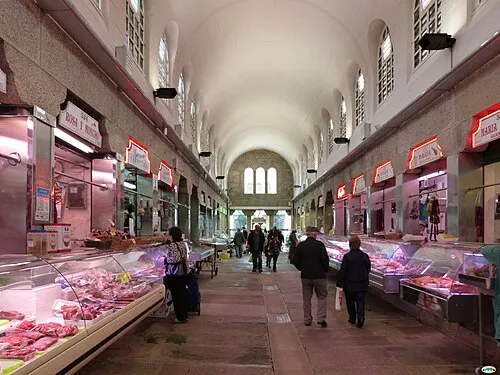
When is the best time to visit Santiago de Compostela?
Come in May or September. May has 12-17°C days that are finally drying out, the Festas da Ascensión filling the plazas, and hotels at roughly half the July rate (75-110 € a night). September gives you the best weather-to-crowd ratio of the year: warm 18-21°C, golden evening light, and the pilgrim crush thinning after mid-month. The week of 24-25 July is the year's worst time unless you came for the Festas do Apóstolo, when rooms hit 180-250 € and book out six months ahead. November and January are rock-bottom cheap (45-75 €), the price being daily Atlantic rain.
Start our tool and find your best time to visit Santiago de Compostela
Your perfect month
Free · ~30 seconds
or tap a month directly
What matters to you?
And this?
Best overall: May, Sep. May and September are the sweet spot. May brings the Festas da Ascensión (12-17 May), drying spring weather, moderate crowds and rooms at 75-110 €, half the July rate. September delivers the year's best weather-to-crowd balance: warm 18-21°C, rapidly falling rainfall, golden old-town light and restaurants that no longer have waiting lists once the mid-month pilgrim wave passes.
Best value: Nov, Jan. November and January bring 3-star rooms at 45-75 € a night, near-empty museums and the real local rhythm. November adds the Santiago é Tapas competition (restaurant-quality plates at 1.50-3 €) across 80-plus restaurants. The catch is the wettest weather of the year, so you carry an umbrella every day and wear shoes that grip wet granite.
Avoid: Jul. The week of 24-25 July around the Festas do Apóstolo is the year's worst value unless that festival is exactly why you came. Rooms hit 180-250 € and book solid six months ahead, every sight queues, and 25 July is both St James' Day and Galicia Day, so Galicians pour in and double the crowd. August is barely quieter and just as constrained.
- January: Good time, 12°C. This is Santiago stripped back to the locals: damp, calm and atmospheric. Short days mean sunset around 18:00, so plan museums and long lunches over outdoor wandering. Bring a waterproof jacket and shoes that grip wet cobbles, and you get the city at its most authentic and its cheapest.
- February: Good time, 13°C. Atlantic winter in full: horizontal drizzle, gleaming granite and short days. Entroido week is the lively exception, more local and irreverent than the big Spanish carnivals. The rest of the month is for museums, market lunches and having the old town to yourself.
- March: Good time, 14°C. Early spring with the city waking up: pilgrims appearing in visible numbers, medieval streets at their most atmospheric in the clear March light, and the first dry stretches between showers. Quiet until Holy Week, when the mood turns solemn and the old town fills.
- April: Great time, 17°C. Spring proper, green and rain-washed. The first days are solemn and busy for Easter, then the city exhales into a calm, low-priced shoulder month. The light through the granite arcades is at its loveliest, just keep the umbrella handy for the frequent showers.
- May: Great time, 19°C. Santiago at its spring best: drying weather, the medieval streets glowing in clear light, and a real festive buzz when the Ascensión festival takes over the Obradoiro. Crowds are moderate and prices still well below summer, so this is the month for character without the crush.
- June: Good time, 22°C. Early summer energy: long golden evenings, the Camino in full flow and the old town buzzing. The first half of June is the family sweet spot before most of Europe's school holidays start. The O Son do Camiño weekend is a different beast, with 40,000 festival-goers a night camping on Monte do Gozo.
- July: Tough month, 25°C. Full-throttle Santiago. Warm, dry and golden-lit, but the granite lanes are a near-solid mass and the noon Pilgrim Mass fills to capacity by 11:30. Glorious if you came for the Festas do Apóstolo and its fireworks, exhausting if you wanted a meditative pilgrimage. Time your visit deliberately around the 24-25 July anchor.
- August: Tough month, 25°C. High-summer crush. Warm, mostly dry and very crowded, with the granite lanes packed from morning to night. The local San Roque festivals offer an authentic counterpoint to the tourist tide, but this is not the month for a quiet, contemplative Santiago. Base your day around early mornings and late evenings to dodge the worst of it.
- September: Good time, 23°C. Santiago exhaling. The summer crush eases week by week, the evenings stay warm and golden, and the medieval streets recover their calm. It is the couples' month and the smart first-timer's month at once: full character, kind weather, and prices easing off the summer peak.
- October: Good time, 20°C. Autumn turning inward: cooler, wetter, atmospheric and quiet. The granite glistens, the cafés fill with locals, and the romantic, meditative side of the city returns. Pack the umbrella and the grippy shoes again, because the wet cobbles are back in play.
- November: Great time, 14°C. Deep, wet, introverted Santiago, but cheap and genuinely local. Persistent Atlantic drizzle and short days are the trade for empty sights and rock-bottom prices. The Christmas market arriving at month-end lifts the mood, and the granite old town gleams beautifully in the rain.
- December: Good time, 13°C. Festive but never overwhelming: market lights and a 500-figure nativity scene under the floodlit cathedral, cold Atlantic rain, and locals out for Christmas. The puente weekend early in the month and the days around Christmas are the busiest, but the rest of December stays calm and well-priced.
Santiago de Compostela weather by month
HighLowRainfall
Jan12°
Feb13°
Mar14°
Apr17°
May19°
Jun22°
Jul25°
Aug25°
Sep23°
Oct20°
Nov14°
Dec13°
| Month | Temp | Rain | Sun | Crowds | Prices | Highlight |
|---|---|---|---|---|---|---|
| Jan | 12° / 5° | 176mm · 15 rainy days | 5.3 h/day | ●○○○○ | ●○○○○ | |
| Feb | 13° / 5° | 142mm · 14 rainy days | 6.9 h/day | ●●○○○ | ●○○○○ | Entroido (Santiago Carnival) |
| Mar | 14° / 6° | 133mm · 14 rainy days | 8.2 h/day | ●●○○○ | ●●○○○ | Santiago é Tapas |
| Apr | 17° / 8° | 111mm · 14 rainy days | 9.7 h/day | ●●○○○ | ●●○○○ | Holy Week |
| May | 19° / 10° | 79mm · 11 rainy days | 11.0 h/day | ●●●○○ | ●●●○○ | Festas da Ascensión |
| Jun | 22° / 13° | 77mm · 11 rainy days | 11.9 h/day | ●●●●○ | ●●●○○ | O Son do Camiño |
| Jul | 25° / 15° | 26mm · 6 rainy days | 12.5 h/day | ●●●●● | ●●●●● | Apostle Week (Festas do Apóstolo) |
| Aug | 25° / 15° | 40mm · 6 rainy days | 11.3 h/day | ●●●●● | ●●●●● | San Roque Neighbourhood Festivals |
| Sep | 23° / 14° | 65mm · 9 rainy days | 9.8 h/day | ●●●●○ | ●●●●○ | |
| Oct | 20° / 11° | 175mm · 14 rainy days | 7.6 h/day | ●●●○○ | ●●○○○ | |
| Nov | 14° / 8° | 177mm · 17 rainy days | 6.0 h/day | ●●○○○ | ●○○○○ | Christmas Market (Mercado de Nadal) |
| Dec | 13° / 6° | 187mm · 15 rainy days | 5.3 h/day | ●●○○○ | ●●○○○ | Christmas Market (Mercado de Nadal) |
How we score this: weather = long-run climate normals (Open-Meteo), crowds & prices = relative season read, events checked yearly against official dates.
Best time to visit Santiago de Compostela: weather, prices & crowds
Best months for good weather
Jun, Jul, Sep
July is the driest month here (around 37 mm over nine rainy days), with averages near 19°C and golden light until sunset past 22:00 in late June. September keeps the warmth (18-21°C) as the summer dries out the valley. This is Galicia though, the wettest corner of Spain at 1,900 mm a year, so a compact umbrella belongs in your bag every single month.
Quietest months to avoid the crowds
Jan, Feb, Nov
From November to February the pilgrims all but vanish and the granite old town is yours. You walk into the Praza do Obradoiro with no tour groups, and the Museo das Peregrinacións (2.40 €) and CGAC (free) sit nearly empty. The trade is persistent horizontal drizzle and avg lows of 5-6°C.
Cheapest time to visit Santiago de Compostela
Jan, Nov
January is the absolute floor at 45-70 € a night for a 3-star room in the centre, with November close behind at 50-75 € and the Santiago é Tapas food event as compensation. That is roughly a third of the July 24-26 peak of 180-250 €. Pack waterproofs and grippy shoes for the slick cobbles.
Best time for festivals and events
May, Jul, Nov
Time it for a feast day to see the Botafumeiro, the 53-kg silver incense burner, actually swing: it only flies on major solemnities like 25 July, or when a pilgrim group sponsors it privately (around 450 €). It does not swing at an ordinary noon Pilgrim Mass, so verify dates on the cathedral site first. The 24 July eve fireworks, launched from Monte do Gozo to spare the cathedral stone, with a drone show over the Obradoiro, are the city's signature spectacle.
How many days do you need in Santiago de Compostela?
Santiago de Compostela is surprisingly compact: the entire granite old town fits within a 20-minute walk, and the seven-stop historic core is just 2 km end to end. Two days is the sweet spot, letting you move slowly, time your cathedral visits well, and still reach the Mercado de Abastos, San Martiño Pinario and the Parque da Alameda without rushing.

One day
The pilgrim core in a single loop
One day covers the essentials if you move purposefully. Start at the Mercado de Abastos before 10:00 for the freshest seafood stalls, then follow the old lanes north to the Praza da Quintana and up to the cathedral. Squeeze in a self-guided Santiago de Compostela walking tour of 7 stops across 2 km (about 1.4 hours) linking the Mercado, the Quintana, the cathedral, the Plaza del Obradoiro and the Monastery of San Martiño Pinario. Finish with a long lunch near the Rúa do Franco before the evening Pilgrim Mass at 19:30.
Two daysRecommended
Old town depth plus the city's hidden layer
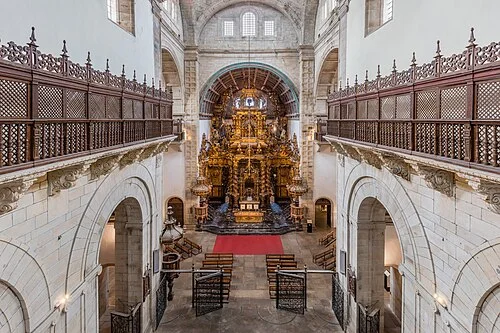
Day two frees you to slow down. Visit San Martiño Pinario properly (open weekday mornings and afternoons, Saturday morning only, 5 euros) and its 500-kg gold-leaf baroque altarpiece, then cross to the Museo das Peregrinacións (2.40 euros) on the Praza das Praterías. In the afternoon, walk up Monte do Gozo for the panorama the pilgrims see on arrival, and end with dinner in the Rúa Nova neighborhood. Two full days leaves room for a detour to the CGAC contemporary art centre, which is free and usually uncrowded.
Three days
Day trips to the Galician coast
A third day opens the Rías Baixas. O Grove and Cambados on the Ría de Arousa are a 40-50 minute drive and offer the region's best shellfish: oysters, clams and percebes pulled from cold Atlantic water. Cambados also has the Pazo de Fefiñanes winery and a fortified stone plaza worth an hour. Back in Santiago, the Parque da Alameda and the Paseo da Ferradura give a different, tree-lined perspective on the cathedral towers.
Four days or more
Deep Galicia: coast, valleys and Celtic heritage
Four or more days let you absorb the wider region at Galician pace. The Castro de Santa Tegra near A Guarda is a rare hilltop Celtic settlement overlooking the Miño river mouth; Pontevedra's old town rivals Santiago's own granite quarter and is only 60 km south. Within the city itself, four days means you can build your schedule around feast-day timings at the cathedral, catch the Mercado de Abastos on both a Thursday and a Saturday, and finally make it into the Convent of San Domingos de Bonaval with its extraordinary triple spiral staircase.
Best time to visit Santiago de Compostela by traveller type
Same city, different trip. Here's the month that fits how you're travelling.
🧭
Best time to visit Santiago de Compostela for the first time
MaySep
May or September. May layers the Festas da Ascensión and drying weather over rooms at 75-110 €. September gives warm days, thinning post-summer crowds and golden evening light, with restaurants finally available. Both deliver the full character of the city without July's chaos and triple prices.
❤️
Best time to visit Santiago de Compostela for couples
SepOct
Late September into October. The pilgrim masses have left, the cathedral feels meditative, the evenings stay warm and the Galician restaurants are at their best with no queues. Rooms drop to 90-130 €, and the Ría de Arousa coast at O Grove and Cambados is a 40-50 minute drive for late-season seafood.
💶
Best time to visit Santiago de Compostela on a budget
NovJan
November or January, the two cheapest months at 45-75 € a night with near-empty museums (Museo das Peregrinacións 2.40 €, CGAC free). November adds Santiago é Tapas, extraordinary value at 1.50-3 € a plate across 80-plus restaurants. Both demand a willingness to carry an umbrella every single day.
🍝
Best time to visit Santiago de Compostela for food and wine
NovMay
November for the Santiago é Tapas competition across 80-plus restaurants, or May and June when the Galician seafood season peaks and the Mercado de Abastos overflows with nécoras and percebes before summer depletes the stocks. The Festas da Ascensión in May brings octopus-á-feira street stalls to the plazas.
Worst time to visit Santiago de Compostela
The week of 24-25 July around the Festas do Apóstolo is the hardest stretch of the year to visit comfortably. Rooms surge to 180-250 euros a night and book out six months in advance; every sight has a queue from morning onward. The 25th is simultaneously St James' Day and Galicia Day, so the crowd is effectively doubled as Galicians from across the region pour into an already packed old town. August barely improves: school holidays keep accommodation at 130-195 euros and the granite lanes remain at near-capacity from morning to midnight.
Still worth it for If the Festas do Apóstolo itself is your reason for coming, the planning overhead is worth it: the 24 July eve fireworks over the Obradoiro and the 25 July pontifical mass with the Botafumeiro swinging are genuinely extraordinary. Festival fans who book early and camp at Monte do Gozo for O Son do Camiño in mid-June also find the price spike manageable.
Go instead in May, September, when Santiago de Compostela is at its best.
Best time for a tour of Santiago de Compostela
Santiago is a compact granite city best read on foot, and its famous Galician rain decides almost everything. The loop is short, barely 2 km past the Mercado de Abastos, the Praza da Quintana and the Cathedral, but the cobbles turn slick and the colonnades drip from October through March, when 14 to 17 wet days a month are normal and the mercury sits around 11 to 14 °C. May, June and September are the sweet spot: mild 19 to 23 °C highs, fewer than 11 rain days, and long northern evenings that keep the Plaza del Obradoiro glowing well past dinner. July and August dry out sharply, just 6 rain days each, but they bring the heaviest pilgrim crush of the year and 25 °C afternoons that bake the open square in front of San Martiño Pinario. Winter is quiet and atmospheric, though short, dark days and a damp 5 °C make a long stroll a stop-start affair under awnings.
The beauty of going at your own clock is that you choose your weather window rather than a guide's. With AI Tourguide running entirely in your browser, no app and no booking, you start your Santiago de Compostela tour the moment the clouds lift and pause under the Bonaval cloisters when a shower blows through. A voice-first guide leads the whole way, telling the story of the Quintana and the pilgrim routes, asking what draws you and adapting as you go, so a damp October morning becomes an unhurried wander rather than a missed timeslot, and a rare clear August dawn lets you walk the Obradoiro before the crowds and the heat arrive.
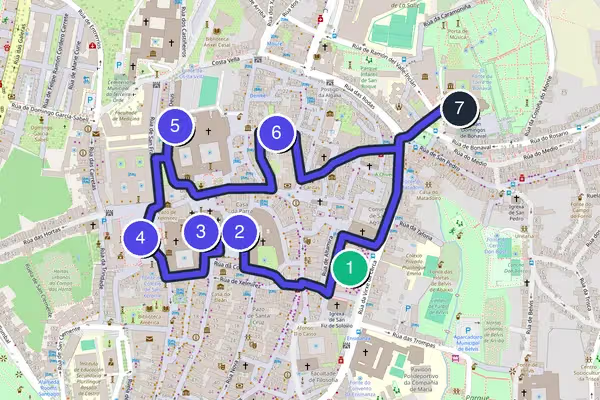

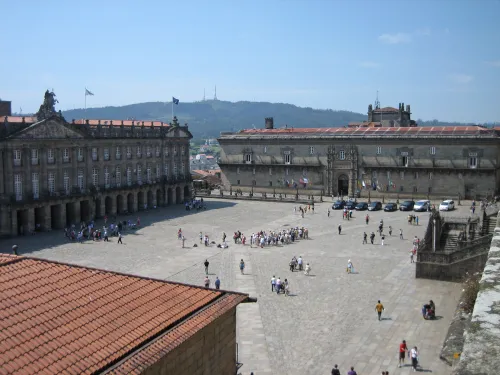 +3
+3All 7 stops are already on the map.
You just press start.
You just press start.
 AI Tourguide
You just read the route.
Now walk it with a guide in your ear.
Press start wherever you are, even hundreds of kilometres from Santiago de Compostela, and the guide begins telling its stories right away. In the city, pick any of the 7 stops to start from: it leads you there, then talks with you the whole route, asking, listening, remembering, and shaping the tour around your answers.
7stops2.0km1.4hours11languages
▶Start the tour freeFree to start · Runs in your browser · No app, no download
Santiago de Compostela events and festivals calendar
Annual highlights worth timing a trip around, listed month by month.
February
🎉 FestivalEntroido (Santiago Carnival) Entroido de Santiago de Compostela
Feb 13–18 ~
the week before Lent, mid-February
Galicia's carnival, with troupes (comparsas), the Meco puppet figure and the Xenerais da Ulla parade.
🍷 Food and wineSantiago é Tapas
Feb 13 – Mar 8 ~
about three weeks, mid-February to early March
A city-wide tapas competition across 80-plus restaurants.
March
⛪ ReligiousHoly Week Semana Santa
Mar 29 – Apr 5 ~
the week before Easter, late March into early April
Eleven confraternities process heavy carved floats through the old town.
May
🎉 FestivalFestas da Ascensión
May 12–17 ~
mid-May, 39 days after Easter, with a fairground at the Alameda 8-25 May
One of Santiago's oldest civic festivals: free concerts on the Obradoiro, Galician folk music and gaita bands, octopus stalls, and one of Spain's tallest Ferris wheels at Alameda Park.
June
🎵 MusicO Son do Camiño
Jun 18–20
three nights in mid-June
The largest pop, rock and electronic festival in northern Spain, held on Monte do Gozo, the hill where pilgrims first glimpse the cathedral.
🎉 FestivalSan Pedro Neighbourhood Festivals Festas de San Pedro
Jun 26–29 ~
around 29 June, the feast of SS Peter and Paul
A local neighbourhood festival in the San Pedro barrio with alternative music, verbenas (street dances) and community events.
July
⛪ ReligiousApostle Week (Festas do Apóstolo) Festas do Apóstolo Santiago
Jul 15–31
a fortnight in mid-to-late July, peaking on 24-25 July
A fortnight of concerts, street theatre, exhibitions and Galician folk performances across the old town.
August
🎉 FestivalSan Roque Neighbourhood Festivals Festas de San Roque
Aug 14–17 ~
around 16 August
A neighbourhood festival in the Conxo-San Roque area with traditional Galician verbenas, brass bands and fireworks, beloved by locals.
November
🎄 Christmas marketChristmas Market (Mercado de Nadal) Mercado de Nadal
Nov 28 – Jan 5
late November to 5 January, on the Praza da Quintana
Around 70 stalls of Galician crafts, ceramics, wooden toys, candles and regional food on the Praza da Quintana, plus a 500-figure nativity scene with lights and sound.
Insider tips for visiting Santiago de Compostela
The rules buried in forums, in one place.
- The noon Pilgrim Mass is the famous one, but in July and August the cathedral fills to capacity by 11:30, so arrive by 11:00 for a seat. For a calmer experience with far fewer tourists, go to the 07:30 or 19:30 mass instead. The cathedral is open daily 07:00-21:00 and free.
- Do not build your trip around seeing the Botafumeiro swing. The 53-kg incense burner only flies on designated feast days like 25 July, or when a pilgrim group sponsors it privately (around 450 €). Check the dates on catedraldesantiago.es/en/liturgy/ before you book, because it does not swing at a random Pilgrim Mass.
- For an unobstructed shot of the cathedral facade, the Praza do Obradoiro is empty of tourists only before about 08:30 in summer. By 10:00 it is packed with tour groups and arriving pilgrims. The 07:00-08:00 window is the non-negotiable one for photographers.
- The Mercado de Abastos runs Monday to Saturday 07:00-16:00 and is closed Sundays, but it is liveliest and best-stocked with Galician seafood, percebes, nécoras and pulpo, on Thursday and Saturday mornings. Arrive before 10:00 for the freshest catch.
- The Monastery of San Martiño Pinario is the city's most-missed sight: closed Sundays and Saturday afternoons, open only Monday to Friday mornings and afternoons plus Saturday morning. Its 500 kg of gold-leaf baroque altarpiece rivals any in Spain and costs just 5 €, yet most tourists never make it in.
- Hotels on or near the Obradoiro, the Hostal dos Reis Católicos parador included, are fully booked for 24-25 July as early as January of that year. Six months is the minimum lead time, and twelve months is not unusual for the parador itself. For O Son do Camiño (18-20 June) the same booking discipline applies.
- Galicia's granite cobblestones turn dangerously slippery when wet, which is most of the year but especially October to May. Leather-soled fashion shoes are a real injury risk here. Wear waterproof walking shoes with grip, and treat the umbrella as standard kit even on a cloudless morning.
- Pilgrims who track the Camino calendar are already pre-booking 2027, the next Holy Year (Año Xacobeo), when 25 July falls on a Sunday. The 2026 season is busy but well short of a Holy Year's overcrowding, so 2026 is the smarter year to come before prices and queues climb again.
Public holidays in Santiago de Compostela
On these dates many shops and offices close, transport thins out, and sights can be mobbed or shut. Plan around them.
| Date | Holiday | What closes |
|---|---|---|
| Jan 1 | New Year's Day | Nearly all shops, markets and most restaurants are closed. The cathedral is open but on reduced hours. A very quiet start to the year in the deep off-season. |
| Jan 6 | Epiphany (Reyes Magos) | Shops closed. The Three Kings procession fills the streets on the evening of 5 January, the main gift-giving day in Spain. |
| Feb 17 | Entroido Tuesday | A local public holiday in Santiago only. Shops close and the carnival parade winds through town with troupes and the Xenerais da Ulla. The city stays walkable. |
| Apr 2 | Maundy Thursday | Regional holiday in Galicia. The cathedral is packed and the Semana Santa processions begin. Solemn, atmospheric, and a genuine devotional event rather than a tourist show. |
| Apr 3 | Good Friday | National holiday. Most shops are closed and crowds double for the heavy carved-float processions. The cathedral is very crowded; book accommodation well ahead. |
| May 1 | Labour Day | Shops closed, though some restaurants open. The long weekend brings a slight bump in pilgrim and domestic traffic. |
| May 17 | Galician Literature Day | A regional day. Bookshops and cultural institutions celebrate, and some cultural venues close or run special programmes. |
| Jun 24 | Feast of St John the Baptist | Regional holiday in Galicia. Bonfires light up the city on the evening of 23 June for the Noite de San Xoán, a major Galician tradition. |
| Jul 25 | St James' Day / Galicia Day | The biggest single day of the year. National and regional holiday, the cathedral packed for a pontifical mass with the Botafumeiro swinging, and Galicians from across the region pour in. Everything except tourism businesses is closed. |
| Aug 15 | Assumption Day | National holiday in the heart of the summer peak. The cathedral is packed and many businesses close, with the old town near capacity. |
| Oct 12 | Hispanic Day | National holiday with some closures. Pilgrimage is already fading after mid-October, so the city stays relatively calm. |
| Nov 1 | All Saints' Day | Shops may close and the mood turns somber with cemetery visits. It falls in the quietest, wettest stretch of the year. |
| Dec 6 | Constitution Day | National holiday that bridges with 8 December into a long weekend (puente). Spanish domestic tourists fill the city and hotel rates bump up. |
| Dec 8 | Immaculate Conception | National holiday with shops closed, closing out the early-December puente weekend that fills the old town. |
| Dec 25 | Christmas Day | Everything is closed, including the Mercado de Nadal. The cathedral stays open for masses. A still day in the city. |
Santiago de Compostela month by month
January in Santiago de Compostela
High12°C / 53°F
Low5°C
Rain176mm / 15 rainy days
Sun5.3 h/day
Daylight9 h/day
Humidity87%
Crowds●○○○○Prices●○○○○
January is deep off-season and the quietest, cheapest month in Santiago. Few pilgrims, almost no tourists, and a city living its own local life. Expect wet, cool Atlantic weather with avg lows of 5-6°C and persistent drizzle, but the granite old town gleams in the rain and you have the Praza do Obradoiro essentially to yourself.
The vibe This is Santiago stripped back to the locals: damp, calm and atmospheric. Short days mean sunset around 18:00, so plan museums and long lunches over outdoor wandering. Bring a waterproof jacket and shoes that grip wet cobbles, and you get the city at its most authentic and its cheapest.
Don't miss Walk into the empty cathedral (open 07:00-21:00, free) and the near-deserted Museo das Peregrinacións (2.40 €). The CGAC contemporary-art centre is free and uncrowded, and a slow seafood lunch at the Mercado de Abastos area is the ideal wet-weather plan.
Crowd drivers Nothing draws crowds in January. Spanish domestic travel is negligible and the Camino is at its lowest ebb of the year, so sights and restaurants are wide open.
In season Winter is octopus and stew weather: pulpo á feira and caldo galego warm the menus, and the Mercado de Abastos is best stocked on Thursday and Saturday mornings.
Heads up New Year's Day (1 January) closes nearly everything; the cathedral stays open on reduced hours. Epiphany (6 January) closes shops, with the Three Kings procession on the 5th.
The annual floor: 3-star centre rooms run 45-70 € a night, the cheapest of the year.
February in Santiago de Compostela
High13°C / 55°F
Low5°C
Rain142mm / 14 rainy days
Sun6.9 h/day
Daylight10 h/day
Humidity84%
Crowds●●○○○Prices●○○○○
February is the other quiet, wet month, with the year's heaviest rain stretch and avg lows near 5-6°C. The exception is Entroido (13-18 February), Galicia's irreverent carnival, which brings a short regional spike mid-month with comparsas and the Xenerais da Ulla parade. Otherwise it stays calm and cheap, a low-season month with one burst of colour.
The vibe Atlantic winter in full: horizontal drizzle, gleaming granite and short days. Entroido week is the lively exception, more local and irreverent than the big Spanish carnivals. The rest of the month is for museums, market lunches and having the old town to yourself.
Don't miss Catch the Entroido parades and the Meco puppet figure, then take advantage of the empty sights. The Santiago é Tapas competition typically runs mid-February into early March, putting restaurant-quality plates at 1.50-3 € across 80-plus restaurants.
Crowd drivers Entroido (13-18 February) is the only real draw, peaking around 17 February, which is a local public holiday in Santiago. Either side of carnival, the city is near empty.
In season Santiago é Tapas is the foodie highlight, with filloas, pulpo and Albariño across the city. Carnival brings its own sweet treats like orejas and filloas to the bakeries.
Heads up 17 February (Entroido Tuesday) is a local public holiday, so shops close for the carnival parade.
Still very cheap at 50-80 € a night; the Entroido week nudges rates to 80-110 €.
Events this month
🎉 FestivalEntroido (Santiago Carnival) Entroido de Santiago de Compostela
Feb 13–18 ~
the week before Lent, mid-February
Galicia's carnival, with troupes (comparsas), the Meco puppet figure and the Xenerais da Ulla parade. More irreverent and local than the big Spanish carnivals, and the city stays easily walkable throughout.
A fun off-season visit with only a small regional price bump. Note that 17 February is a local public holiday in Santiago, so shops close.
🍷 Food and wineSantiago é Tapas
Feb 13 – Mar 8 ~
about three weeks, mid-February to early March
A city-wide tapas competition across 80-plus restaurants. You eat, vote and help pick the winner, with local produce front and centre: pulpo á feira, filloas and Albariño wine. Tapas run 1.50-3 € a plate.
Ideal for foodies in low season, with no crowd penalty and rock-bottom hotel rates. Some sources list it into November in alternate editions, so check the current dates before timing a trip around it.
March in Santiago de Compostela
High14°C / 57°F
Low6°C
Rain133mm / 14 rainy days
Sun8.2 h/day
Daylight12 h/day
Humidity81%
Crowds●●○○○Prices●●○○○
March is when the Camino season begins lightly and the rain starts to ease, though showers stay frequent and temperatures sit around 12-15°C. The big event lands at the end of the month: Holy Week (29 March-5 April) brings a sharp mid-city spike as the confraternities process their heavy floats. Before that, March is a calm, atmospheric, good-value shoulder month.
The vibe Early spring with the city waking up: pilgrims appearing in visible numbers, medieval streets at their most atmospheric in the clear March light, and the first dry stretches between showers. Quiet until Holy Week, when the mood turns solemn and the old town fills.
Don't miss Catch the early Semana Santa processions if you visit late in the month, a genuine devotional event rather than a show. Otherwise the cathedral, the Monastery of San Martiño Pinario (5 €) and the contemporary-art CGAC (free) are all calm and uncrowded.
Crowd drivers The start of Holy Week (29 March onward) drives the only real crowd spike, building toward Good Friday in early April. The first spring pilgrims add gentle pressure on the Camino Francés.
In season Lenten cooking leans on seafood and bacalao, and the Mercado de Abastos is well stocked with Galician fish through Thursday and Saturday mornings.
Heads up Holy Week closures fall mostly in early April; in March the city largely runs as normal until the processions begin.
Rooms run 65-100 €, rising to 100-140 € over Holy Week at the end of the month.
Events this month
⛪ ReligiousHoly Week Semana Santa
Mar 29 – Apr 5 ~
the week before Easter, late March into early April
Eleven confraternities process heavy carved floats through the old town. It is solemn and atmospheric, a genuine Catholic devotional event rather than a tourist spectacle.
Worth timing for, but book well ahead. Maundy Thursday (2 April) and Good Friday (3 April) are public holidays, and crowds double on Good Friday with the cathedral very full.
April in Santiago de Compostela
High17°C / 62°F
Low8°C
Rain111mm / 14 rainy days
Sun9.7 h/day
Daylight13 h/day
Humidity80%
Crowds●●○○○Prices●●○○○
April opens with the tail of Holy Week (Maundy Thursday 2 April, Good Friday 3 April, Easter Sunday 5 April) and the crowds and prices that come with it, then settles into a quiet, cool, very wet spring once Easter passes. Spring pilgrim numbers build steadily on the Camino Francés, with temperatures around 12-17°C and the medieval streets at their photogenic best in soft April light.
The vibe Spring proper, green and rain-washed. The first days are solemn and busy for Easter, then the city exhales into a calm, low-priced shoulder month. The light through the granite arcades is at its loveliest, just keep the umbrella handy for the frequent showers.
Don't miss If you arrive for Easter, the eleven-confraternity processions are deeply atmospheric. After the holiday, the emptied old town, the Museo das Peregrinacións (2.40 €) and a walk up Monte do Gozo are calm spring pleasures.
Crowd drivers Holy Week through 5 April brings the month's only real crowds, doubling on Good Friday. After Easter, building spring pilgrim traffic is the main but gentle driver.
In season Spring seafood comes into its own; nécoras and percebes start appearing at the Mercado de Abastos before the summer rush thins the stocks.
Heads up Maundy Thursday (2 April) is a Galician regional holiday and Good Friday (3 April) a national one, with most shops closed and the cathedral very crowded.
A post-Easter drop to 60-90 € a night once the Holy Week spike clears.
Events this month
⛪ ReligiousHoly Week Semana Santa
Mar 29 – Apr 5 ~
the week before Easter, late March into early April
Eleven confraternities process heavy carved floats through the old town. It is solemn and atmospheric, a genuine Catholic devotional event rather than a tourist spectacle.
Worth timing for, but book well ahead. Maundy Thursday (2 April) and Good Friday (3 April) are public holidays, and crowds double on Good Friday with the cathedral very full.
May in Santiago de Compostela
High19°C / 67°F
Low10°C
Rain79mm / 11 rainy days
Sun11.0 h/day
Daylight15 h/day
Humidity78%
Crowds●●●○○Prices●●●○○
May is the first genuinely rewarding month and one of the two best of the year. Rain eases noticeably, the month can turn sunny (though showers persist), and temperatures sit at a comfortable 12-17°C for long days on foot. The Festas da Ascensión (12-17 May) fill the plazas with free concerts, gaita bands and octopus stalls, while pilgrim arrivals accelerate. It is the cheapest viable month for good-weather touring.
The vibe Santiago at its spring best: drying weather, the medieval streets glowing in clear light, and a real festive buzz when the Ascensión festival takes over the Obradoiro. Crowds are moderate and prices still well below summer, so this is the month for character without the crush.
Don't miss Catch the free Ascensión concerts on the Obradoiro and ride one of Spain's tallest Ferris wheels at Alameda Park. With the weather drying out, this is also a fine month to time a feast day and aim to see the Botafumeiro swing, though you should verify the dates on the cathedral site first. As the granite warms and group-tour prices climb toward summer, our live in-browser AI guide is the flexible, flat-priced alternative to a pricey private guide: it walks the old town with you, tells the story at each stop and answers your questions, and you pick where to start and tap on to the next place.
Crowd drivers The Festas da Ascensión (12-17 May) is a genuine price and crowd event, with a fairground at the Alameda 8-25 May. Long-weekend tourism around Labour Day and accelerating pilgrim numbers add to the flow.
In season Galician seafood season is peaking; the Mercado de Abastos overflows with nécoras and percebes, and Ascensión brings octopus-á-feira street stalls to the plazas.
Heads up Labour Day (1 May) closes shops though some restaurants open; Galician Literature Day (17 May) brings some cultural closures.
Good value at 75-110 €, rising to 110-140 € over the Festas da Ascensión week.
Events this month
🎉 FestivalFestas da Ascensión
May 12–17 ~
mid-May, 39 days after Easter, with a fairground at the Alameda 8-25 May
One of Santiago's oldest civic festivals: free concerts on the Obradoiro, Galician folk music and gaita bands, octopus stalls, and one of Spain's tallest Ferris wheels at Alameda Park.
The signature spring event, adding a festive buzz without the summer overload. Hotels spike roughly 20-30 € a night for the week.

June in Santiago de Compostela
High22°C / 71°F
Low13°C
Rain77mm / 11 rainy days
Sun11.9 h/day
Daylight15 h/day
Humidity79%
Crowds●●●●○Prices●●●○○
June is warm, drying and busy, the lead-in to the summer pilgrim peak. Temperatures climb toward the summer average near 19°C with the longest days of the year, sunset past 22:00 in late June. The big event is O Son do Camiño (18-20 June) on Monte do Gozo, a major outdoor music festival that causes a sharp three-day accommodation spike with rooms hitting 140-180 euros. Around it, the city is lively but still manageable.
The vibe Early summer energy: long golden evenings, the Camino in full flow and the old town buzzing. The first half of June is the family sweet spot before most of Europe's school holidays start. The O Son do Camiño weekend is a different beast, with 40,000 festival-goers a night camping on Monte do Gozo.
Don't miss For festival fans, O Son do Camiño on the hill where pilgrims first sight the cathedral is unmissable. Families catch the tail of the Ascensión fairground at the Alameda, and the long evenings make late strolls through the lit old town a highlight. The local San Pedro festivals offer an insider experience with no tourist premium.
Crowd drivers O Son do Camiño (18-20 June) drives a sharp three-day spike with around 40,000 per night. The San Pedro neighbourhood festivals (26-29 June) and rising pilgrim numbers add to a generally busy month.
In season Peak Galician seafood: nécoras, percebes and pulpo at the Mercado de Abastos (best Thursday and Saturday mornings) before summer depletes the stocks.
Heads up The Feast of St John the Baptist (24 June) is a Galician regional holiday, with bonfires across the city on the evening of the 23rd for the Noite de San Xoán.
Warm-season pricing at 85-130 €, spiking to 140-180 € over the O Son do Camiño weekend (18-20 June).
Events this month
🎵 MusicO Son do Camiño
Jun 18–20
three nights in mid-June
The largest pop, rock and electronic festival in northern Spain, held on Monte do Gozo, the hill where pilgrims first glimpse the cathedral. The festival runs multiple artists over three nights each June, with around 40,000 capacity per night.
Unmissable for festival fans. Everyone else should avoid Santiago accommodation across 18-20 June, when rooms hit 140-180 € and book six-plus months ahead. Festival-goers camp on site at Monte do Gozo.
🎉 FestivalSan Pedro Neighbourhood Festivals Festas de San Pedro
Jun 26–29 ~
around 29 June, the feast of SS Peter and Paul
A local neighbourhood festival in the San Pedro barrio with alternative music, verbenas (street dances) and community events.
An insider local experience with no tourist premium. Galicia also marks 24 June (St John the Baptist) with bonfires the night before.

July in Santiago de Compostela
High25°C / 77°F
Low15°C
Rain26mm / 6 rainy days
Sun12.5 h/day
Daylight15 h/day
Humidity75%
Crowds●●●●●Prices●●●●●
July is the busiest and priciest month, the peak of everything. It is the driest month here (around 37 mm over nine rainy days) with averages near 19°C and golden light until past 22:00. The Festas do Apóstolo run 15-31 July, peaking on the 24-25th, and Spanish school holidays plus peak pilgrim season (600-800-plus arrivals a day) pack the city. Hotels book out months ahead and the old town is near capacity from morning to midnight.
The vibe Full-throttle Santiago. Warm, dry and golden-lit, but the granite lanes are a near-solid mass and the noon Pilgrim Mass fills to capacity by 11:30. Glorious if you came for the Festas do Apóstolo and its fireworks, exhausting if you wanted a meditative pilgrimage. Time your visit deliberately around the 24-25 July anchor.
Don't miss The 24 July eve fireworks, launched from Monte do Gozo with a drone show over the Obradoiro, are the city's signature spectacle, and the 25 July pontifical mass is when the Botafumeiro actually swings. For the calmest cathedral visit, take the 07:30 or 19:30 mass instead of the packed noon one, and shoot the Obradoiro facade before 08:30.
Crowd drivers The Festas do Apóstolo (15-31 July) peak on 24-25 July, which is also Galicia Day, drawing Galicians from across the region and doubling the crowd. Spanish school holidays and peak pilgrim season layer on top.
In season Festival street food fills the plazas, and a minority of family-run old-town restaurants begin their two-week summer closures in late July, so check individual places before you count on them.
Heads up 25 July (St James' Day and Galicia Day) is a national and regional holiday, with everything except tourism businesses closed and the cathedral packed for the pontifical mass.
The year's most expensive: 130-200 € a night, surging to 180-250 € over 23-26 July; book six months ahead.
Events this month
⛪ ReligiousApostle Week (Festas do Apóstolo) Festas do Apóstolo Santiago
Jul 15–31
a fortnight in mid-to-late July, peaking on 24-25 July
A fortnight of concerts, street theatre, exhibitions and Galician folk performances across the old town. The anchors are the 24 July eve fireworks, launched from Monte do Gozo to protect the cathedral stone, with a drone show over the Obradoiro, the 25 July pontifical mass with the Botafumeiro and Galicia Day ceremonies, and a closing fireworks display on 31 July.
The single most important event in Santiago. Book a hotel six months ahead at minimum. 25 July is also Galicia Day, which doubles the crowd. Check whether the current year is a Holy Year (Año Xacobeo, when 25 July falls on a Sunday), as those years bring far larger crowds and higher prices than standard summers.

August in Santiago de Compostela
High25°C / 77°F
Low15°C
Rain40mm / 6 rainy days
Sun11.3 h/day
Daylight14 h/day
Humidity75%
Crowds●●●●●Prices●●●●●
August is the Spanish and European school-holiday peak, only marginally quieter than July. Pilgrims pour in daily, accommodation is just as tight, and temperatures hold near 19°C with the occasional spike to 32-35°C, though genuine heatwaves are rare this far north. The old town stays a near-solid mass of visitors all month, with the Assumption holiday (15 August) at its busiest point.
The vibe High-summer crush. Warm, mostly dry and very crowded, with the granite lanes packed from morning to night. The local San Roque festivals offer an authentic counterpoint to the tourist tide, but this is not the month for a quiet, contemplative Santiago. Base your day around early mornings and late evenings to dodge the worst of it.
Don't miss The local San Roque festivals (14-17 August) bring Galician verbenas, brass bands and fireworks beloved by locals. For relief from the heat and crowds, the Galician Atlantic beaches at O Grove and Cambados are a 40-50 minute drive, with sea temperatures around 18-19°C, cold but swimmable.
Crowd drivers Spanish and European school holidays drive the month, with daily pilgrim arrivals and the Assumption Day holiday (15 August) at the peak. The San Roque neighbourhood festivals (14-17 August) add local crowds.
In season A minority of family-run old-town restaurants close for two weeks in late August, so check individual places if you are eating in the centre this month.
Heads up Assumption Day (15 August) is a national holiday in peak summer, with many businesses closed and the cathedral packed.
Still peak pricing at 130-195 € a night, only marginally easier than July and equally constrained.
Events this month
🎉 FestivalSan Roque Neighbourhood Festivals Festas de San Roque
Aug 14–17 ~
around 16 August
A neighbourhood festival in the Conxo-San Roque area with traditional Galician verbenas, brass bands and fireworks, beloved by locals.
An authentic local counterpoint to the high-summer tourist peak, with no admission and a genuinely Galician atmosphere.
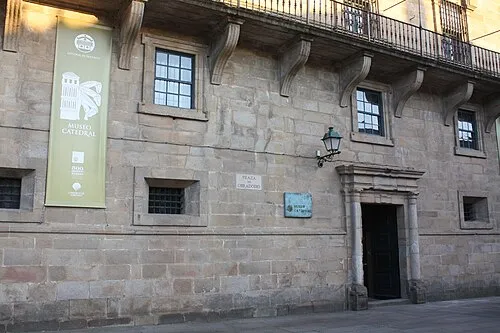
September in Santiago de Compostela
High23°C / 73°F
Low14°C
Rain65mm / 9 rainy days
Sun9.8 h/day
Daylight12 h/day
Humidity79%
Crowds●●●●○Prices●●●●○
September is the golden window and arguably the best month of all. Warm at 18-21°C, with rainfall falling rapidly after the dry summer and far fewer tourists than July-August once the mid-month pilgrim wave passes. The old town glows in late-afternoon light, the cathedral feels meditative again, and restaurants are finally available without waiting lists. This is the year's best weather-to-crowd ratio.
The vibe Santiago exhaling. The summer crush eases week by week, the evenings stay warm and golden, and the medieval streets recover their calm. It is the couples' month and the smart first-timer's month at once: full character, kind weather, and prices easing off the summer peak.
Don't miss Time a feast day if you want to see the Botafumeiro, but mostly this is the month to wander the emptying old town, linger over seafood, and drive out to the Ría de Arousa coast at O Grove and Cambados for late-season shellfish. The 07:00 Obradoiro window for photos opens up as the crowds shrink.
Crowd drivers Long-distance pilgrims finishing summer routes keep the first half of September busy, the Camino shoulder peak. After mid-month the crowds thin sharply and pressure drops.
In season Late-summer seafood is excellent and the Mercado de Abastos hums on Thursday and Saturday mornings; the coastal rías deliver the season's best oysters and clams.
Heads up No major holiday closures this month; the city runs on its full schedule as the season winds down.
Shoulder pricing returns at 90-140 €, dropping further after mid-month as crowds thin.

October in Santiago de Compostela
High20°C / 67°F
Low11°C
Rain175mm / 14 rainy days
Sun7.6 h/day
Daylight11 h/day
Humidity82%
Crowds●●●○○Prices●●○○○
October sees the pilgrimage fade sharply after mid-month and the reliable Atlantic rain return, with fog settling into the valley at night. Temperatures cool to a comfortable walking range and the old town takes on an authentic, low-season feel with genuine value. The first half still carries some pilgrim energy; the second half belongs to the locals again.
The vibe Autumn turning inward: cooler, wetter, atmospheric and quiet. The granite glistens, the cafés fill with locals, and the romantic, meditative side of the city returns. Pack the umbrella and the grippy shoes again, because the wet cobbles are back in play.
Don't miss This is the month to catch the often-missed Monastery of San Martiño Pinario (5 €), with its 500 kg of gold-leaf baroque altarpiece, and to enjoy the cathedral and museums without queues. Misty mornings over the old town are atmospheric for photography.
Crowd drivers Pilgrim numbers fade fast after mid-October. The Hispanic Day holiday (12 October) and its long weekend bring a brief domestic bump, but the month is mostly calm.
In season Autumn brings game, chestnuts and hearty Galician stews; the seafood market stays excellent on Thursday and Saturday mornings as the crowds thin.
Heads up Hispanic Day (12 October) is a national holiday with some closures, though the fading season keeps the city calm.
Good value at 60-90 € a night as pilgrimage fades and the rain returns.
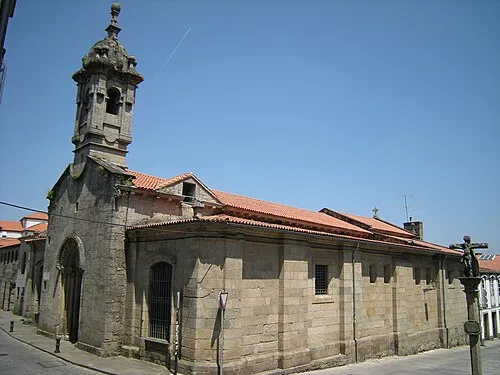
November in Santiago de Compostela
High14°C / 58°F
Low8°C
Rain177mm / 17 rainy days
Sun6.0 h/day
Daylight10 h/day
Humidity87%
Crowds●●○○○Prices●○○○○
November is the wettest month of the year (around 168 mm) and one of the quietest, with very few pilgrims and local life fully back in charge. Hotels fall to near their annual floor at 50-75 € a night. The compensation is real: a food event (often the Santiago é Tapas competition) and, from 28 November, the Mercado de Nadal opening on the Praza da Quintana to bring festive light into the dark month's end.
The vibe Deep, wet, introverted Santiago, but cheap and genuinely local. Persistent Atlantic drizzle and short days are the trade for empty sights and rock-bottom prices. The Christmas market arriving at month-end lifts the mood, and the granite old town gleams beautifully in the rain.
Don't miss Eat your way through the Santiago é Tapas competition at 1.50-3 € a plate across 80-plus restaurants, the best value of the year. From 28 November the Mercado de Nadal brings 70 Galician-craft stalls and a 500-figure nativity scene to the Praza da Quintana in the shadow of the cathedral.
Crowd drivers Very little draws crowds for most of November. The Mercado de Nadal opening (28 November) brings the first festive uptick toward month-end, and a tapas food event adds local buzz.
In season Tapas season is the highlight, with pulpo, filloas and Albariño across the city; the market stays well stocked with cold-weather Galician seafood on Thursday and Saturday mornings.
Heads up All Saints' Day (1 November) may close shops and brings a somber, cemetery-visiting mood to the start of the month.
Among the cheapest months at 50-75 € a night, with the Santiago é Tapas event as a bonus.
Events this month
🎄 Christmas marketChristmas Market (Mercado de Nadal) Mercado de Nadal
Nov 28 – Jan 5
late November to 5 January, on the Praza da Quintana
Around 70 stalls of Galician crafts, ceramics, wooden toys, candles and regional food on the Praza da Quintana, plus a 500-figure nativity scene with lights and sound. Open daily 12:00-14:00 and 17:00-21:30, closed 25 December and 1 January, and extended to the Área Central from 22 December.
Atmospheric in the shadow of the cathedral and a natural pairing with the low-season hotel rates. The festive tourism does nudge late-December rates up briefly around Christmas and New Year.
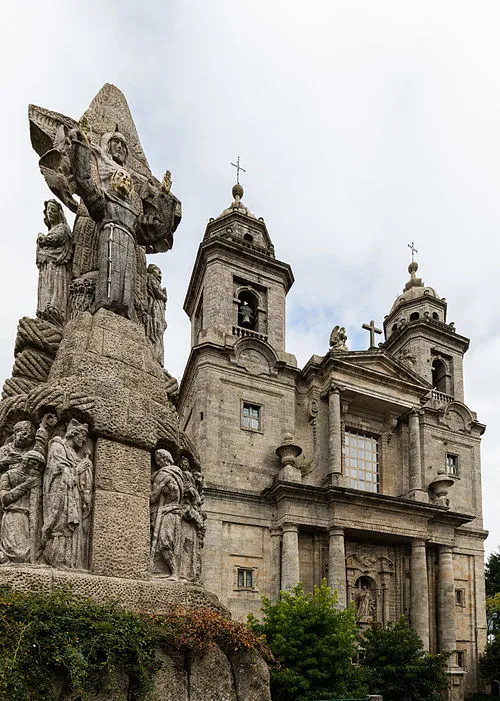
December in Santiago de Compostela
High13°C / 55°F
Low6°C
Rain187mm / 15 rainy days
Sun5.3 h/day
Daylight9 h/day
Humidity87%
Crowds●●○○○Prices●●○○○
December brings the Mercado de Nadal on the Praza da Quintana (running to 5 January) and festive tourism into an otherwise quiet, wet, short-day month with sunset around 18:00. Christmas week and New Year push rates up briefly, and the early-December puente around Constitution Day (6 December) and Immaculate Conception (8 December) fills the city with Spanish domestic visitors for a long weekend.
The vibe Festive but never overwhelming: market lights and a 500-figure nativity scene under the floodlit cathedral, cold Atlantic rain, and locals out for Christmas. The puente weekend early in the month and the days around Christmas are the busiest, but the rest of December stays calm and well-priced.
Don't miss Wander the Mercado de Nadal (daily 12:00-14:00 and 17:00-21:30, closed 25 December and 1 January) for Galician crafts and the José Uzal nativity scene with lights and sound. The cathedral stays open for Christmas masses, and the wet, lit granite of the old town is at its most photogenic on a December night.
Crowd drivers The Mercado de Nadal and festive tourism are the main draws. The 6-8 December puente fills the city with Spanish day-trippers, and Christmas week and New Year bring a brief peak in demand.
In season Christmas brings Galician seasonal cooking and seafood feasts; the market stalls add roasted chestnuts and regional sweets to the Quintana.
Heads up Constitution Day (6 December) and Immaculate Conception (8 December) close shops over the puente; Christmas Day (25 December) closes everything including the Mercado de Nadal, with the cathedral open for masses.
Mostly low at 60-95 €, with Christmas week and New Year (23 Dec-1 Jan) pushing rates to 90-130 €.
Events this month
🎄 Christmas marketChristmas Market (Mercado de Nadal) Mercado de Nadal
Nov 28 – Jan 5
late November to 5 January, on the Praza da Quintana
Around 70 stalls of Galician crafts, ceramics, wooden toys, candles and regional food on the Praza da Quintana, plus a 500-figure nativity scene with lights and sound. Open daily 12:00-14:00 and 17:00-21:30, closed 25 December and 1 January, and extended to the Área Central from 22 December.
Atmospheric in the shadow of the cathedral and a natural pairing with the low-season hotel rates. The festive tourism does nudge late-December rates up briefly around Christmas and New Year.
Frequently asked questions
What is the best time to visit Santiago de Compostela?
May or September. May brings the Festas da Ascensión (12-17 May), drying spring weather of 12-17°C, moderate crowds and 3-star rooms at 75-110 € a night, about half the July rate. September delivers the year's best weather-to-crowd ratio: warm 18-21°C, rapidly falling rainfall, golden old-town light, and the pilgrim crush thinning after mid-month so restaurants no longer have waiting lists.
What is the cheapest time to visit Santiago de Compostela?
November and January are the cheapest, with 3-star centre rooms at 45-75 € a night, roughly a third of the July 24-26 peak of 180-250 €. November adds the Santiago é Tapas competition (plates at 1.50-3 €) as compensation, while January is the absolute floor at 45-70 €. The trade in both is daily Atlantic rain, so you carry an umbrella every day and wear shoes that grip wet granite.
What is the worst time to visit Santiago de Compostela?
The week of 24-25 July around the Festas do Apóstolo, unless that festival is exactly why you came. Rooms hit 180-250 € and book solid six months ahead, every sight queues, and 25 July is both St James' Day and Galicia Day, so Galicians pour in and double the crowd. August is barely quieter and just as expensive, with the old town a near-solid mass of visitors.
Is 2026 a Holy Year in Santiago de Compostela?
No. 2026 is not a Holy Year (Año Santo Xacobeo), because 25 July falls on a Saturday. The next Holy Year is 2027, when 25 July falls on a Sunday. That makes 2026 the smarter year to visit: still busy in summer, but well short of the extreme overcrowding and prices a Holy Year brings. Pilgrims who track the Camino calendar are already pre-booking 2027.
What is the weather like in Santiago de Compostela?
Wet. Santiago sits in Galicia, the wettest corner of Spain, with around 1,900 mm of rain a year, comparable to Bergen, Norway. The difference between seasons is the degree of wetness, not its presence: November to February brings 200-plus mm a month and avg lows of 5-6°C, while July is the driest month at around 37 mm. Summer averages near 19°C, rarely oppressive. Carry a compact umbrella regardless of the month, because afternoon showers appear even on cloudless mornings.
When does the Botafumeiro swing in the cathedral?
Only on major feast days, notably 25 July, and on other solemnities listed by the cathedral, or when a pilgrim group sponsors it privately for around 450 €. The 53-kg silver incense burner does not swing at an ordinary noon Pilgrim Mass, so do not build your trip around catching it by chance. Verify the dates on catedraldesantiago.es/en/liturgy/ before you book if seeing it is a priority.
Is Santiago de Compostela worth visiting in winter?
Yes, if you accept the rain. December to February is wet and cool with avg lows of 5-6°C and short days (sunset around 18:00), but it is the cheapest and quietest stretch, with the granite old town gleaming in the wet and the Praza do Obradoiro nearly empty. December adds the Mercado de Nadal, and November the Santiago é Tapas food event. Bring a waterproof jacket and shoes that grip wet cobbles, which become genuinely slippery.
How many days do you need in Santiago de Compostela?
Two to three days cover the essentials: the cathedral and its museum (6 €), the Praza do Obradoiro and surrounding plazas, the Museo das Peregrinacións (2.40 €), the often-missed Monastery of San Martiño Pinario (5 €) with its gold-leaf altarpiece, the CGAC (free), and a seafood lunch at the Mercado de Abastos. Add a half-day to walk up Monte do Gozo, where pilgrims first glimpse the cathedral, or a drive to the Ría de Arousa coast for shellfish.
When is the Festas do Apóstolo and the Día de Galicia?
The Festas do Apóstolo run 15-31 July, peaking on 24-25 July. The 24 July eve brings fireworks launched from Monte do Gozo, to protect the cathedral stone, with a drone show over the Obradoiro; 25 July is the solemn pontifical mass with the Botafumeiro and is simultaneously St James' Day and the Día de Galicia, the single biggest day of the year. Book a hotel six months ahead at minimum, and treat the crowds as part of the spectacle.

Any month, any day: your guide is already there
Whatever date you pick, a private human guide gets pricier and harder to book on weekends, holidays and in peak season. Our live AI guide, the one that walks with you and answers anything you ask out loud, works the opposite way.
One flat price, every day
No holiday, weekend, night or peak-season surcharge. A private guide in Santiago de Compostela runs well over 100 euro for a half day, and more on holidays. Ours stays the same.
Available the moment you want it
Start at midnight or at dawn, on Christmas, in the snow, in the August heat. No sold-out high season, no booking weeks ahead.
Your pace, no meter running
Pause for a long lunch, restart after dark, repeat a stop. The tour simply waits for you.
Free to try, a fraction of the cost
Test it for free, then a transparent flat price that undercuts any private guide, in every season.
The classic Santiago de Compostela tour: 7 stops, 2.0 km, about 1 h on foot
Your live AI guide and the self-guided Santiago de Compostela route, together in your browser.