Best Time to Visit Tokyo
Month-by-month weather, crowds and prices, plus a full calendar of festivals and events worth planning a trip around.
Best monthsOct, Nov, Mar
CheapestJan, Feb
AvoidAug
BusiestApr, Aug

When is the best time to visit Tokyo?
Tokyo's sweet spot is mid-October to late November: mild 16-22°C days, autumn colour peaking in Rikugien and the Jingu Gaien ginkgo avenue, and far thinner crowds than cherry-blossom season. For sakura, go on a weekday around late March and book everything three months out.
Start our tool and find your best time to visit Tokyo
Your perfect month
Free · ~30 seconds
or tap a month directly
What matters to you?
And this?
Best overall: Oct, Nov, Mar. Mid-October to late November is the real answer: mild weather, autumn foliage peaking 18 November to early December, and crowds you can actually move through. Late March delivers the cherry blossom if you can stomach the prices and book three months ahead.
Best value: Jan, Feb. January and February bring hotel rates 20-30% under the yearly average, short queues at Senso-ji and Meiji Jingu, and crisp, mostly dry days. The 8 to 24 May window after Golden Week is the other value sweet spot, 15-25% below baseline with the year's most pleasant temperatures.
Avoid: Aug, Apr. August is the month to skip: 33-36°C with 80% humidity pushing the feels-like past 40°C, near-daily heatstroke alerts, and peak typhoon risk. The Golden Week block (29 April to 6 May) is the other trap, with bullet trains and hotels sold out three months ahead.
- January: Good time, 9°C. This is the one month you walk a near-empty Nakamise approach to Senso-ji at 7am and feel like you have the place to yourself. Skies are crisp and blue, the crowds are home, and the city runs slow and unhurried. The early dark and the cold are the trade, and it is a fair one for the lowest prices of the year.
- February: Good time, 10°C. February is honest, unperformed Tokyo with no seasonal markup and no crowds to fight. You can linger over the Tokyo National Museum's galleries with barely another visitor in the room. The cold and short days keep most travellers away, which is exactly the point if you want the city to yourself at its lowest price.
- March: Good time, 14°C. Early March is the last genuinely calm window before spring fills the city. Then sakura turns Tokyo electric and crowded at once. Ueno Park becomes a wall of people under the blossom, and that is the honest reality: hanami is glorious and packed in equal measure. Go on a weekday morning if you want the magic without the crush.
- April: Tough month, 18°C. April is gorgeous and a secret to nobody. The blossom is genuinely magnificent, but you will share every famous tree with thousands of others, queue at the major sights, and pay the year's highest rates to do it. The Chidorigafuchi rowboats under the blossom and the petal-strewn Meguro River earn it back, but go in clear-eyed: this is peak season at peak prices.
- May: Great time, 23°C. The second half of May is arguably the best-feeling time in Tokyo all year, and almost nobody outside Japan knows it. Once Golden Week clears, you get spring-into-summer weather, light crowds, and value pricing in one window. The catch is timing: come 8 May and not 1 May, because the same dates one week apart are a different city entirely.
- June: Great time, 25°C. June is underrated. Yes, it rains, but rarely all day, and the trade for carrying an umbrella is a near-empty city at low prices. The Sanno Matsuri grand parade on 15 June rolls 500 people in Heian costume through Nagatacho, a genuinely local spectacle with no tourist crush, the kind of authentic Tokyo moment the crowded months never give you.
- July: Good time, 29°C. July is festival Tokyo at full volume, and also sweat-through-your-shirt Tokyo. The energy of the summer matsuri, lantern nights and the Sumida fireworks is the payoff, but the midday heat is real. Treat the daytime as recovery and pour your energy into the evenings, when the city actually comes alive in yukata along the riverbanks.
- August: Tough month, 30°C. August is not empty-romantic Tokyo, it is survival-mode Tokyo. The locals scatter for Obon, but their place is taken by a wall of international tourists at the major sights, and the heat is physically draining rather than photogenic. If you must come, do your sightseeing before 9am, retreat indoors by noon, and save the energy for the evening festivals.
- September: Good time, 27°C. Early-to-mid September is a genuine hidden window: the summer crowds have thinned, prices are low, and the worst heat is breaking. The asterisk is the weather, a real chance of a typhoon stalling a day, and the sudden Silver Week spike. Time it before the 19th and you get a calm, affordable Tokyo just as autumn arrives.
- October: Good time, 21°C. October is the easygoing month: the weather has settled, the heat is gone, and the foliage crush has not yet hit. This is one of the best stretches of the year for simply walking the city, neither battling sakura crowds nor sweating through August. A clear, calm Tokyo that asks nothing difficult of you, perfect for a first visit.
- November: Good time, 17°C. November is the connoisseur's pick: comparable beauty to the cherry blossom, gentler weather, and crowds that are heavy only on the peak weekends. Walk the golden tunnel of the Jingu Gaien ginkgo avenue or catch Rikugien lit up after dark midweek, and you get autumn Tokyo at its most photogenic without the spring frenzy.
- December: Good time, 11°C. December Tokyo is built for the evening. The early dark is no loss when the illuminations turn the city into a light show, and the cold is dry and bearable. Christmas runs as a normal, festive shopping day rather than a shutdown. The one thing to plan around is the New Year closure that takes hold from the 29th, when the city genuinely winds down.
Tokyo weather by month
HighLowRainfall
Jan9°
Feb10°
Mar14°
Apr18°
May23°
Jun25°
Jul29°
Aug30°
Sep27°
Oct21°
Nov17°
Dec11°
| Month | Temp | Rain | Sun | Crowds | Prices | Highlight |
|---|---|---|---|---|---|---|
| Jan | 9° / 0° | 59mm · 6 rainy days | 7.9 h/day | ●●○○○ | ●●○○○ | Hatsumode (New Year Shrine Visit) |
| Feb | 10° / 1° | 67mm · 7 rainy days | 8.0 h/day | ●●○○○ | ●●○○○ | Winter Illuminations |
| Mar | 14° / 5° | 126mm · 12 rainy days | 8.2 h/day | ●●●●○ | ●●●●○ | Tokyo Marathon |
| Apr | 18° / 10° | 132mm · 12 rainy days | 8.8 h/day | ●●●●● | ●●●●● | Cherry Blossom (Hanami) |
| May | 23° / 15° | 122mm · 11 rainy days | 9.2 h/day | ●●●○○ | ●●●○○ | Kanda Matsuri |
| Jun | 25° / 19° | 177mm · 15 rainy days | 8.1 h/day | ●●○○○ | ●●○○○ | Sanno Matsuri |
| Jul | 29° / 23° | 184mm · 16 rainy days | 8.8 h/day | ●●●○○ | ●●●○○ | Mitama Matsuri |
| Aug | 30° / 24° | 128mm · 14 rainy days | 9.8 h/day | ●●●●○ | ●●●●○ | Fukagawa Hachiman Matsuri |
| Sep | 27° / 21° | 201mm · 14 rainy days | 7.5 h/day | ●●●○○ | ●●●○○ | |
| Oct | 21° / 14° | 194mm · 12 rainy days | 7.1 h/day | ●●●○○ | ●●●○○ | Designart Tokyo |
| Nov | 17° / 9° | 98mm · 10 rainy days | 7.2 h/day | ●●●●○ | ●●●●○ | Winter Illuminations |
| Dec | 11° / 3° | 66mm · 7 rainy days | 7.4 h/day | ●●●○○ | ●●●○○ | Winter Illuminations |
How we score this: weather = long-run climate normals (Open-Meteo), crowds & prices = relative season read, events checked yearly against official dates.
Best time to visit Tokyo: weather, prices & crowds
Best months for good weather
Oct, Nov
October and November give Tokyo its clearest, driest stretch: 16-22°C, the rainy season and typhoons gone, and the autumn leaves turning deep red at Shinjuku Gyoen's Momijiyama by late November.
Quietest months to avoid the crowds
Jan, Feb, Jun
January after the 3rd, February, and the June rainy season are Tokyo's emptiest windows: international arrivals thin right out and you can stand on a quiet Senso-ji approach at 7am with the place almost to yourself.
Cheapest time to visit Tokyo
Jan, Feb
January and February run 20-30% below the annual hotel average, the cheapest flights and rooms of the year, the trade being short daylight (sunset around 16:30) and a few cold, dry days.
Best time for festivals and events
Mar, Apr
Late March into early April is hanami: 800-plus cherry trees lighting up Ueno Park, the Meguro River lined with lanterns, and rowboats drifting under blossom along the Chidorigafuchi moat, Tokyo's one unrepeatable spring spectacle.
How many days do you need in Tokyo?
Tokyo is a city of distinct worlds stacked side by side, and four days is the minimum to move through them without rushing. A week is easily justified: the historic east, the modern west, the neighborhood backstreets of Yanaka or Shimokitazawa, and a day trip to Kamakura or Nikko each deserve their own time.

One day
Asakusa to Ueno: the historic east
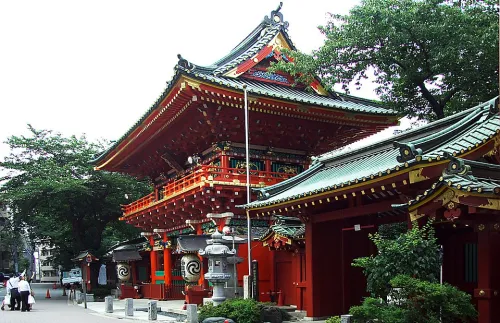
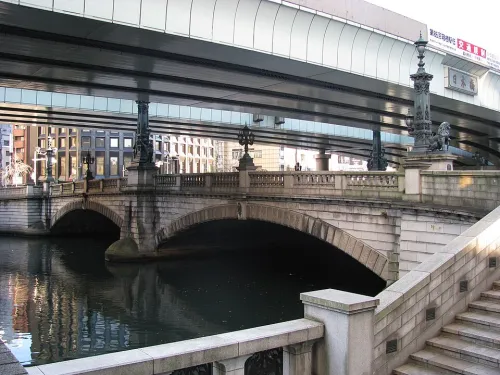
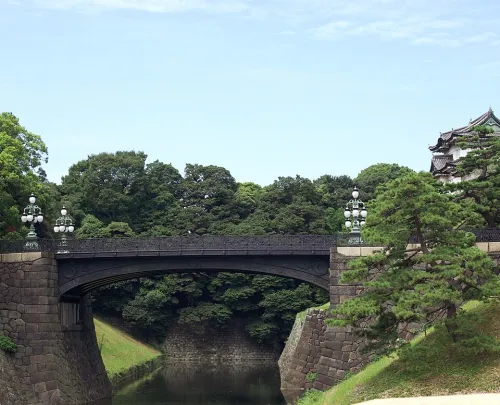
Start before 7am at Senso-ji Temple, when the Nakamise Shopping Street is empty and mist sometimes sits over the Kaminarimon gate. Walk Azuma Bridge for the Skytree view, then head up to the Tokyo National Museum and the gilded Ueno Toshogu Shrine. Take a self-guided Tokyo walking tour that links all 11 stops across 13.5 km in about 4.7 hours, covering Kanda Myojin, Nihonbashi and the Imperial Palace East Gardens before finishing at Tokyo Station.
Two days
Shibuya, Harajuku and Meiji Jingu
Day two goes west. Walk the forested path into Meiji Jingu early, then cross into the street-fashion chaos of Takeshita-dori in Harajuku. Spend the afternoon around Omotesando and its architecture, and finish at Shibuya Crossing after dark, when the scramble is at its most electric between 21:00 and 22:00 on a Saturday.
Three days
Shinjuku, Akihabara and the palace core
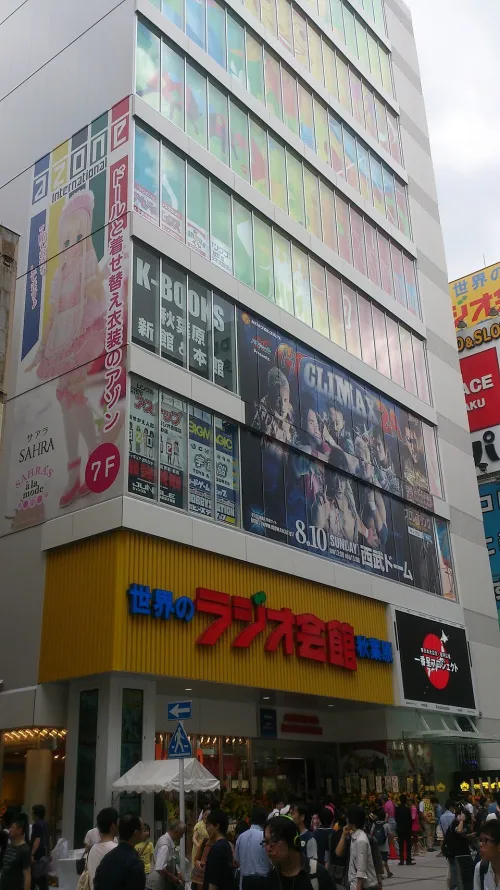
Use day three to close the gaps: the Imperial Palace East Gardens and Nijubashi Bridge in the morning, then the electronics and manga towers of Akihabara around Radio Kaikan, and the evening in Shinjuku, where the Golden Gai alleyways and Omoide Yokocho are best after 20:00. Add Toyosu Market for a 5am tuna-auction lottery slot if you planned ahead two months out.
Four days or moreRecommended
Day trips and hidden neighborhoods
From day four onward Tokyo rewards curiosity rather than landmarks. Kamakura is 50 minutes by train from Shinjuku and pairs the Great Buddha at Kotoku-in with the Hokoku-ji bamboo grove. Nikko is 90 minutes from Asakusa and fills a full day with the Tosho-gu shrine complex alone. Back in the city, Yanaka and Shimokitazawa each reveal the unhurried, small-scale Tokyo that the famous districts never show.
Best time to visit Tokyo by traveller type
Same city, different trip. Here's the month that fits how you're travelling.
🧭
Best time to visit Tokyo for the first time
MarAprOctNov
Late March to mid-April for the classic cherry-blossom Tokyo, or mid-to-late November for comparable autumn wow at gentler prices. Skip Golden Week (29 April to 6 May) even as a first-timer, it is simply too stressful.
❤️
Best time to visit Tokyo for couples
MarNov
Late March on a weekday for sakura, or late November for the Koyo foliage and Rikugien's evening illumination, with a Chidorigafuchi rowboat under the blossom as Tokyo's most romantic hour.
💶
Best time to visit Tokyo on a budget
JanFebMay
January and February for the year's lowest hotel and flight prices, or 8 to 24 May after Golden Week for free-museum Sundays, light queues and rates 15-25% under baseline.
🍝
Best time to visit Tokyo for food and wine
NovApr
November for autumn cuisine as matsutake mushroom, sanma pike and yuzu come into season and high-end restaurants hit their stride, or April for sakura-mochi and bamboo-shoot menus. The Tsukiji Outer Market is best for a 7-9am seafood breakfast year-round.
Worst time to visit Tokyo
August is the one month Tokyo actively works against you. Highs run 33 to 36°C with humidity around 80%, so the feels-like temperature can push past 40°C, and heatstroke alerts go out almost every day. It is also the second-busiest foreign season, so the major sights stay full even as locals scatter for Obon. Typhoon risk peaks in August, and a direct hit can ground flights and halt JR lines for 24 to 48 hours, making flexible bookings essential.
Still worth it for August works if your priority is the summer festival calendar: the Mitama Matsuri lantern nights at Yasukuni Shrine (13 to 16 July carries into August mood), the Sumida River Fireworks, and the Koenji Awa Odori. Schedule all sightseeing before 9am and after 6pm, spend midday in air-conditioned museums, and you get the best of the season without the worst of the heat.
Go instead in October, November, March, when Tokyo is at its best.
Best time for a tour of Tokyo
The single clearest dividing line on this 13.5 km route is heat and humidity. May is the sweet spot: highs of 18 to 23 °C, only 11 rain days, and enough breeze off the Sumida River to make the long walk from Senso-ji Temple down through Ueno to the Imperial Palace East Gardens genuinely enjoyable. October runs close behind, with highs settling around 21 °C, skies that open up only a dozen days, and crowds that are manageable rather than oppressive. April draws visitors in shoulder-to-shoulder numbers for cherry blossoms, which is beautiful at Ueno Toshogu Shrine but turns Nakamise Shopping Street into a slow shuffle rather than a walk. June tips into the rainy season, averaging 15 wet days, and the downpours are not light drizzle. July and August are the toughest months for any on-foot circuit here: temperatures hit 29 to 30 °C with humidity that makes the shade-free stretch across Nijubashi Bridge genuinely draining. January and February are cold at barely 9 °C highs and near-freezing overnight lows, but the city is quiet and the pace is yours, which has its own appeal if you layer up.
What AI Tourguide changes is that the clock is yours entirely. There is no operator handing you a 9 am departure time in peak August heat. You decide: slip out for the Senso-ji Temple approach in the grey cool of a June morning before the rain arrives, or pick a crisp late-October afternoon and let the guide's voice fill the walk to Nihonbashi Bridge as the autumn light drops low over the canal. The guide runs entirely in your browser, no download or login, and it leads the walk as a real spoken conversation: greeting you at the first stop, telling you a story you did not already know, asking what caught your eye, and carrying that thread all the way to Tokyo Station. Start your Tokyo tour whenever the weather and the hour suit you.


 +7
+7All 11 stops are already on the map.
You just press start.
You just press start.
 AI Tourguide
You just read the route.
Now walk it with a guide in your ear.
Press start wherever you are, even hundreds of kilometres from Tokyo, and the guide begins telling its stories right away. In the city, pick any of the 11 stops to start from: it leads you there, then talks with you the whole route, asking, listening, remembering, and shaping the tour around your answers.
11stops13.5km4.7hours11languages
▶Start the tour freeFree to start · Runs in your browser · No app, no download
Tokyo events and festivals calendar
Annual highlights worth timing a trip around, listed month by month.
January
⛪ ReligiousHatsumode (New Year Shrine Visit) 初詣
Jan 1–3
1 to 3 January every year, the first shrine or temple visit of the new year.
Hatsumode is Japan's first shrine or temple visit of the year, when millions pray for the year ahead.
March
🏃 SportTokyo Marathon 東京マラソン
Mar 1 ~
The first Sunday of March; a World Marathon Major with around 39,000 runners.
The Tokyo Marathon is one of the six World Marathon Majors, sending around 39,000 runners on a course from Shinjuku through Asakusa, Tokyo Station and Shibuya.
🎨 Art and cultureTokyo Creative Salon
Mar 13–22 ~
Mid-March, roughly the second half of the month; a city-wide design and fashion week.
Tokyo Creative Salon is a city-wide design and fashion week with 150-plus shows and installations concentrated in Harajuku and Omotesando, most of them free to visit.
🌸 Seasonal natureCherry Blossom (Hanami) 花見
Mar 26 – Apr 5 ~
First bloom around 21 March, full bloom around 26 to 28 March, peak late March into early April. Moveable, weather-dependent.
Hanami is Tokyo's cherry-blossom viewing, with 800-plus trees at Ueno Park, 1,100 at Shinjuku Gyoen, the lantern-lit Meguro River, Sumida Park and Yoyogi Park.
💡 LightsChidorigafuchi Cherry Illumination 千鳥ヶ淵さくらライトアップ
Mar 26 – Apr 6 ~
Late March into early April, aligned with the cherry-blossom peak; best in the evening from 18:00 to 21:00.
The Chidorigafuchi moat beside the Imperial Palace is lined with LED-lit cherry trees and open for rowboats during the bloom, the most romantic setting of the sakura season.
May
🎉 FestivalKanda Matsuri 神田祭
May 11–17
Mid-May, alternating with Sanno Matsuri; the full grand parade runs only in odd years.
Kanda Matsuri is one of Tokyo's three great Shinto festivals, centred on Kanda Myojin Shrine.
🎉 FestivalSanja Matsuri 三社祭
May 15–17
The third weekend of May every year; Tokyo's largest and loudest shrine festival.
The Sanja Matsuri is Asakusa's Senso-ji festival, the largest and rowdiest in Tokyo, with around 100 mikoshi carried through the streets and roughly two million spectators over three days.
June
🏳️🌈 PrideTokyo Rainbow Pride 東京レインボープライド
Jun 6–7 ~
Early June; a festival in Yoyogi Park and a 3km parade through Harajuku and Shibuya.
Tokyo Rainbow Pride combines a festival in Yoyogi Park with a 3km parade through Harajuku and Shibuya, drawing 200,000-plus people.
🎉 FestivalSanno Matsuri 山王祭
Jun 7–17
Early-to-mid June in even years; the grand parade falls on 15 June. Alternates with Kanda Matsuri.
The Sanno Matsuri is the Hie Shrine's festival, held in full grand-parade form in even years.
July
🎉 FestivalMitama Matsuri みたままつり
Jul 13–16
13 to 16 July every year, around the Tokyo Obon period; an evening lantern festival.
The Mitama Matsuri hangs around 30,000 paper lanterns through Yasukuni Shrine, with Bon-Odori dancing and a yukata-clad summer atmosphere over four evenings.
🎉 FestivalSumida River Fireworks 隅田川花火大会
Jul 25 ~
The last Saturday of July; Tokyo's biggest and most iconic fireworks display.
The Sumida River Fireworks launch around 20,000 shells over the river from two firing points, drawing roughly a million spectators.
August
🎉 FestivalFukagawa Hachiman Matsuri 深川八幡祭り
Aug 12–16
Mid-August; the full grand edition with the largest mikoshi procession comes once every three years.
The Fukagawa Hachiman Matsuri in Koto Ward is the water-throwing festival, where spectators douse the carried mikoshi with water against the August heat.
🎉 FestivalKoenji Awa Odori 高円寺阿波おどり
Aug 22–23 ~
The last weekend of August; the largest Awa Odori dance festival outside Tokushima. Moveable within the final August weekend.
The Koenji Awa Odori brings over 10,000 dancers and around a million spectators to Koenji in Suginami, the biggest Awa Odori dance festival outside its home in Tokushima.
October
🎨 Art and cultureDesignart Tokyo DESIGNART TOKYO
Oct 30 – Nov 8 ~
Late October into early November; a design and art festival across Roppongi and Minami-Aoyama.
Designart Tokyo spreads design and art installations across seven-plus venues in Roppongi and Minami-Aoyama over ten days, most of them free to visit.
November
💡 LightsWinter Illuminations ウィンターイルミネーション
Nov 1 – Dec 25
November to 25 December across most venues, with Tokyo Midtown's display extending into February.
Tokyo's winter illuminations light up across the city, led by the 800,000 LEDs along Roppongi Hills' Keyakizaka and the Tokyo Midtown garden display, both walkable in a single evening.
🎨 Art and cultureArt Week Tokyo アートウィーク東京
Nov 4–8 ~
Early November; 55 galleries and museums connected by a free shuttle bus, in cooperation with Art Basel.
Art Week Tokyo links 55 galleries and museums, including the Mori Art Museum, with a free shuttle bus connecting every venue, run in cooperation with Art Basel.
🌸 Seasonal natureAutumn Foliage (Koyo) 紅葉
Nov 18 – Dec 8 ~
Mid-November into early December; peak colour around 18 November. Moveable, weather-dependent.
Koyo is Tokyo's autumn foliage, peaking around 18 November to early December.
Insider tips for visiting Tokyo
The rules buried in forums, in one place.
- Senso-ji's main hall opens at 6:00 (April to September) and 6:30 (October to March). Walk the Nakamise-dori between 6:30 and 7:30 and it is completely empty, often with mist over the gate. By 9:00 it jams with tour groups, so the temple is an early-morning visit, not a midday one.
- Shinjuku Gyoen's cherry-blossom weekends (28-29 March and 4-5 April) require a pre-booked timed online slot, no walk-ins. Go on a weekday instead and you stroll straight in for the 500 yen entry. Note that alcohol is banned and bags are checked at the gate, unlike Ueno or Yoyogi Park.
- The Toyosu Market tuna auction caps viewers at around 120 a day by online lottery, opening two months ahead through the Tokyo Metropolitan Government site. Arrive by 5:00 if you win a slot. There are no walk-ins, and the market is closed Wednesdays and on occasional auction-break days.
- Culture Day (3 November) gives free entry to the Tokyo National Museum, the National Museum of Western Art and the National Museum of Nature and Science at the same time, so queues form one to two hours before opening. Reserve a timed online ticket at least a week ahead through each museum's site.
- For Golden Week travel, JR Pass holders' Shinkansen seat reservations open one month before at 10:00 Japan time and sell out within minutes for the 29 April outbound and 3-5 May return peaks. Book the instant the window opens or shift your dates by a day or two.
- Most major museums close on Monday, including the Tokyo National Museum, the National Museum of Western Art, the National Museum of Modern Art and the Tokyo Photographic Art Museum (the next day if Monday is a holiday). The National Museum of Western Art is free the second Sunday of each month, and the Museum of Modern Art the first.
- Shibuya Crossing is at its emptiest for photos from 23:30 to 00:30 or 6:00 to 7:00. Weekday rush (18:00 to 20:00) is busy but that is simply Tokyo, and a late-Saturday 21:00 to 22:00 is fuller but at its most electric.
- Typhoon season runs August to October, with a direct hit able to stop flights and JR lines for 24-48 hours. Tokyo Disneyland closes on wind warnings and the Mt. Fuji climb (July to September) can shut at short notice, so check the JMA forecast at jma.go.jp daily in September and October.
Public holidays in Tokyo
On these dates many shops and offices close, transport thins out, and sights can be mobbed or shut. Plan around them.
| Date | Holiday | What closes |
|---|---|---|
| Jan 1 | New Year's Day (Ganjitsu) | Almost all shops, restaurants and many sights close from 1 to 3 January. JR and Metro run but are packed with Hatsumode crowds heading to shrines, with Meiji Jingu drawing around three million visitors over the first three days. |
| Jan 12 | Coming of Age Day (Seijin no Hi) | Municipal ceremonies for 20-year-olds in kimono; little tourist impact beyond a long-weekend start. Shrines like Meiji Jingu are photogenic with young people in formal dress. |
| Feb 11 | National Foundation Day (Kenkoku Kinen no Hi) | Public offices close; some museums stay open. No major impact on a visitor's day in the city. |
| Feb 23 | Emperor's Birthday (Tenno Tanjobi) | One of only two days a year the Imperial Palace inner grounds open for a free public viewing, alongside New Year. Expect long, well-organised queues at the gates. |
| Mar 20 | Spring Equinox (Shunbun no Hi) | A long-weekend start with more temple and shrine visits, but no mass tourist effect. Many people return to family graves rather than travel. |
| Apr 29 | Golden Week begins (Showa Day) | The start of Japan's worst travel week (29 April to 6 May): Shinkansen sold out, sights at three to five times normal crowds, and hotels at roughly double price. Book three or more months ahead or avoid these dates entirely. |
| Jul 20 | Marine Day (Umi no Hi) | A long weekend that drives beach and day-trip outings; Tokyo attractions stay open and roughly normal in crowds. |
| Aug 11 | Mountain Day (Yama no Hi) | Long weekend for hikers and day-trippers heading out of the city; Tokyo sights stay open as usual, just before the Obon travel wave. |
| Aug 13 | Obon (de facto, not a public holiday) | From 13 to 15 August locals leave Tokyo for their hometowns, so business districts empty and some neighbourhood restaurants close for up to two weeks. Tourist sites stay open and busy, and intercity transport sells out. |
| Sep 21 | Silver Week (Respect for the Aged Day) | A rare five-day autumn run (19 to 23 September, only the third since 2009) when hotels sell out nationwide much like Golden Week. Book three or more months ahead for these dates. |
| Oct 12 | Sports Day (Taiiku no Hi) | Second-Monday-of-October long weekend with sporting events; no museum closures or major disruption for visitors. |
| Nov 3 | Culture Day (Bunka no Hi) | Free entry to the Tokyo National Museum, the National Museum of Western Art and the National Museum of Nature and Science. Hugely popular, so reserve a timed online slot a week ahead and expect long queues at opening. |
| Nov 23 | Labor Thanksgiving Day (Kinro Kansha no Hi) | A standard national holiday; most shops stay open and the city runs close to normal. |
| Dec 25 | Christmas Day | Not a public holiday in Japan. Everything stays open and trades normally, illuminations are still running, and it is a good shopping and date day rather than a closure day. |
| Dec 31 | New Year shutdown (Omisoka) | Many supermarkets, restaurants, museums and offices close from 31 December to 3 January, though convenience stores and chains stay open. Shrines fill with the Hatsumode countdown crowd and hotel rates tick up over New Year's Eve. |
Tokyo month by month
January in Tokyo
High9°C / 48°F
Low0°C
Rain59mm / 6 rainy days
Sun7.9 h/day
Daylight10 h/day
Humidity67%
Crowds●●○○○Prices●●○○○
January is Tokyo at its clearest and cheapest. Days hover around 9°C with bright, dry skies and crisp air, and snow is rare. The first three days belong to Hatsumode, with three million people pouring into Meiji Jingu, but once the 3rd passes and school holidays end around the 12th the city falls quiet. Sunset comes early at about 16:30, so plan photo outings before mid-afternoon and lean into the indoor museums.
The vibe This is the one month you walk a near-empty Nakamise approach to Senso-ji at 7am and feel like you have the place to yourself. Skies are crisp and blue, the crowds are home, and the city runs slow and unhurried. The early dark and the cold are the trade, and it is a fair one for the lowest prices of the year.
Don't miss Hatsumode, the first shrine visit of the year, is the one time to see Meiji Jingu and Senso-ji thick with people in formal dress and food stalls. After the 3rd, the Tokyo National Museum and the city's galleries are close to empty on a weekday morning.
Crowd drivers The Hatsumode shrine rush on 1 to 3 January, then the lowest international visitor pressure of the year once school holidays end around 12 January.
In season New Year osechi boxes and hot bowls of oshiruko sweet red-bean soup are everywhere in early January, the seasonal warming foods that define the Japanese new year.
Heads up Many restaurants, shops and museums close 1 to 3 January; convenience stores and chains stay open. Plan those days around shrines and what is running.
The cheapest travel window of the year; hotels run 20-30% below the annual average once the New Year rush clears after 3 January.
Events this month
⛪ ReligiousHatsumode (New Year Shrine Visit) 初詣
Jan 1–3
1 to 3 January every year, the first shrine or temple visit of the new year.
Hatsumode is Japan's first shrine or temple visit of the year, when millions pray for the year ahead. Meiji Jingu alone draws around three million visitors over the first three days, with Senso-ji and other shrines thick with food stalls, formal dress and queues to the offering hall.
It is the one time to see Tokyo's great shrines at full ceremonial intensity, though it also means the most crowded shrines of the year, so go for the atmosphere, not for a quiet visit.
💡 LightsWinter Illuminations ウィンターイルミネーション
Nov 1 – Dec 25
November to 25 December across most venues, with Tokyo Midtown's display extending into February.
Tokyo's winter illuminations light up across the city, led by the 800,000 LEDs along Roppongi Hills' Keyakizaka and the Tokyo Midtown garden display, both walkable in a single evening. Marunouchi, Shibuya and other districts join in.
With sunset near 16:28 in December, the illuminations are the city's signature winter outing, the most romantic thing to do on a long, cold Tokyo night.
February in Tokyo
High10°C / 50°F
Low1°C
Rain67mm / 7 rainy days
Sun8.0 h/day
Daylight11 h/day
Humidity67%
Crowds●●○○○Prices●●○○○
February is the quietest tourist month in Tokyo and barely warmer than January, around 10°C and dry, with the occasional cold snap. There are no school holidays and almost no domestic travel, so the famous sights are at their emptiest and cheapest. Plum blossoms open at gardens like Yushima Tenjin and Koishikawa Korakuen toward month's end, the first quiet sign of spring before the cherry crowds arrive.
The vibe February is honest, unperformed Tokyo with no seasonal markup and no crowds to fight. You can linger over the Tokyo National Museum's galleries with barely another visitor in the room. The cold and short days keep most travellers away, which is exactly the point if you want the city to yourself at its lowest price.
Don't miss Plum blossom (ume) season peaks in late February at Yushima Tenjin and Koishikawa Korakuen, a calmer, less mobbed bloom than the cherry crowds a month later. The Imperial Palace inner grounds open free to the public on 23 February.
Crowd drivers No school or national holidays and minimal domestic tourism; the Emperor's Birthday on 23 February is a local-only affair with no travel surge.
In season Ramen season is in full force, the cold months when the body genuinely wants the heat, so this is the time for a steaming bowl in a back-street shop.
The second-cheapest month; mid-February often hits the year's lowest hotel rate with no school or national-holiday demand.
Events this month
💡 LightsWinter Illuminations ウィンターイルミネーション
Nov 1 – Dec 25
November to 25 December across most venues, with Tokyo Midtown's display extending into February.
Tokyo's winter illuminations light up across the city, led by the 800,000 LEDs along Roppongi Hills' Keyakizaka and the Tokyo Midtown garden display, both walkable in a single evening. Marunouchi, Shibuya and other districts join in.
With sunset near 16:28 in December, the illuminations are the city's signature winter outing, the most romantic thing to do on a long, cold Tokyo night.
March in Tokyo
High14°C / 57°F
Low5°C
Rain126mm / 12 rainy days
Sun8.2 h/day
Daylight12 h/day
Humidity71%
Crowds●●●●○Prices●●●●○
March is a month of two halves. Until around the 18th it stays mild and reasonably quiet, with highs near 14°C. Then the cherry-blossom forecast lands (first bloom around 21 March), bookings explode, and by month's end Tokyo is in full hanami swing. The Tokyo Marathon on 1 March sends 39,000 runners from Shinjuku to Asakusa, closing roads across the west all Sunday, so plan that day on foot in the east.
The vibe Early March is the last genuinely calm window before spring fills the city. Then sakura turns Tokyo electric and crowded at once. Ueno Park becomes a wall of people under the blossom, and that is the honest reality: hanami is glorious and packed in equal measure. Go on a weekday morning if you want the magic without the crush.
Don't miss Hanami begins in the last week: 800-plus trees at Ueno Park, the lantern-lit Meguro River, and the Chidorigafuchi moat illuminated each evening from late March. The Tokyo Creative Salon design week fills Harajuku and Omotesando mid-month.
Crowd drivers Quiet through mid-March, then the cherry-blossom forecast and the start of the spring travel season drive a sharp surge; Marathon weekend (1 March) closes the western half of the city.
In season Sakura-mochi, the pink rice cake wrapped in a salted cherry leaf, and sakura-flavoured everything appear in the run-up to and through the blossom.
Quiet until mid-March, then prices explode with the blossom forecast; full-bloom weekends late month run roughly 60% above baseline, and Marathon-weekend hotels near Shinjuku jump 40%.
Events this month
🏃 SportTokyo Marathon 東京マラソン
Mar 1 ~
The first Sunday of March; a World Marathon Major with around 39,000 runners.
The Tokyo Marathon is one of the six World Marathon Majors, sending around 39,000 runners on a course from Shinjuku through Asakusa, Tokyo Station and Shibuya. It is free to watch and ticketed to run.
Worth knowing about even if you are not running: road closures shut the western half of the city all Sunday, so plan that day on foot in the east, where Asakusa stays calmer.
🌸 Seasonal natureCherry Blossom (Hanami) 花見
Mar 26 – Apr 5 ~
First bloom around 21 March, full bloom around 26 to 28 March, peak late March into early April. Moveable, weather-dependent.
Hanami is Tokyo's cherry-blossom viewing, with 800-plus trees at Ueno Park, 1,100 at Shinjuku Gyoen, the lantern-lit Meguro River, Sumida Park and Yoyogi Park. The bloom lasts only 7 to 10 days, and rain or wind can strip the petals in two.
It is the single unrepeatable Tokyo spring spectacle and the classic reason to time a trip, but go on a Wednesday or Thursday morning, 6 to 8am at Ueno, to beat the crush.
💡 LightsChidorigafuchi Cherry Illumination 千鳥ヶ淵さくらライトアップ
Mar 26 – Apr 6 ~
Late March into early April, aligned with the cherry-blossom peak; best in the evening from 18:00 to 21:00.
The Chidorigafuchi moat beside the Imperial Palace is lined with LED-lit cherry trees and open for rowboats during the bloom, the most romantic setting of the sakura season.
Rowing under floodlit blossom along the palace moat in the evening is hard to beat anywhere in the city, so this is the one to time for couples during the bloom.
🎨 Art and cultureTokyo Creative Salon
Mar 13–22 ~
Mid-March, roughly the second half of the month; a city-wide design and fashion week.
Tokyo Creative Salon is a city-wide design and fashion week with 150-plus shows and installations concentrated in Harajuku and Omotesando, most of them free to visit.
It pairs perfectly with the pre-cherry-blossom lull, a free, design-rich way to fill the mid-March window before the sakura crowds and prices arrive.
April in Tokyo
High18°C / 64°F
Low10°C
Rain132mm / 12 rainy days
Sun8.8 h/day
Daylight13 h/day
Humidity73%
Crowds●●●●●Prices●●●●●
April is Tokyo's fullest and priciest month. The cherry blossom peaks around late March to 5 April, drawing international and domestic crowds at the same time, and highs settle into a lovely 18°C. From 29 April the Golden Week block begins, the worst travel week of the year, with bullet trains and hotels sold out three months ahead and sights running three to five times their normal crowds.
The vibe April is gorgeous and a secret to nobody. The blossom is genuinely magnificent, but you will share every famous tree with thousands of others, queue at the major sights, and pay the year's highest rates to do it. The Chidorigafuchi rowboats under the blossom and the petal-strewn Meguro River earn it back, but go in clear-eyed: this is peak season at peak prices.
Don't miss Peak hanami across Ueno Park, Shinjuku Gyoen (1,100 trees) and the Meguro River, plus the Chidorigafuchi moat illuminated and open for rowboats through 6 April, the most romantic hour of the sakura season.
Crowd drivers Cherry-blossom peak with both international and Japanese tourists at once, the spring travel surge, and the Golden Week run-up from 29 April all stacking together.
In season Takenoko bamboo-shoot dishes and the last of the sakura sweets are at their peak, the spring produce that defines Tokyo's April menus.
Heads up Golden Week from 29 April brings sold-out trains and sights at triple to quintuple normal crowds; some businesses run holiday hours.
The most expensive month of the year; hotels run 60-100% above baseline from 1 to 7 April, and Golden Week Shinkansen tickets sell out three months ahead.
Events this month
🌸 Seasonal natureCherry Blossom (Hanami) 花見
Mar 26 – Apr 5 ~
First bloom around 21 March, full bloom around 26 to 28 March, peak late March into early April. Moveable, weather-dependent.
Hanami is Tokyo's cherry-blossom viewing, with 800-plus trees at Ueno Park, 1,100 at Shinjuku Gyoen, the lantern-lit Meguro River, Sumida Park and Yoyogi Park. The bloom lasts only 7 to 10 days, and rain or wind can strip the petals in two.
It is the single unrepeatable Tokyo spring spectacle and the classic reason to time a trip, but go on a Wednesday or Thursday morning, 6 to 8am at Ueno, to beat the crush.
💡 LightsChidorigafuchi Cherry Illumination 千鳥ヶ淵さくらライトアップ
Mar 26 – Apr 6 ~
Late March into early April, aligned with the cherry-blossom peak; best in the evening from 18:00 to 21:00.
The Chidorigafuchi moat beside the Imperial Palace is lined with LED-lit cherry trees and open for rowboats during the bloom, the most romantic setting of the sakura season.
Rowing under floodlit blossom along the palace moat in the evening is hard to beat anywhere in the city, so this is the one to time for couples during the bloom.
May in Tokyo
High23°C / 73°F
Low15°C
Rain122mm / 11 rainy days
Sun9.2 h/day
Daylight14 h/day
Humidity76%
Crowds●●●○○Prices●●●○○
May splits sharply at Golden Week. The first week (through 6 May) is the year's most crowded and expensive run, then from 8 May demand collapses and the city hits its single most pleasant stretch: warm 22-23°C days, low humidity, fresh greenery, and far fewer foreign visitors. The Sanja Matsuri on 15 to 17 May turns Asakusa into Tokyo's loudest, largest shrine festival, with 100 mikoshi and around two million spectators.
The vibe The second half of May is arguably the best-feeling time in Tokyo all year, and almost nobody outside Japan knows it. Once Golden Week clears, you get spring-into-summer weather, light crowds, and value pricing in one window. The catch is timing: come 8 May and not 1 May, because the same dates one week apart are a different city entirely.
Don't miss The Sanja Matsuri (15 to 17 May) is Tokyo's biggest shrine festival, with 100 mikoshi paraded through Asakusa; go Friday evening for the procession or early Sunday for the dawn mikoshi. International Museum Day on 18 May means free entry at many museums.
Crowd drivers Golden Week (through 6 May) jams everything, then crowds and prices drop sharply from 8 May with the year's most comfortable weather and few international visitors.
In season Early-summer katsuo (bonito) hits the market, the prized first-of-season fish served as tataki, lightly seared and sliced.
Golden Week week one is extreme, then it drops fast: 8 to 24 May is a best-value sweet spot at 15-25% below baseline.
Events this month
🎉 FestivalSanja Matsuri 三社祭
May 15–17
The third weekend of May every year; Tokyo's largest and loudest shrine festival.
The Sanja Matsuri is Asakusa's Senso-ji festival, the largest and rowdiest in Tokyo, with around 100 mikoshi carried through the streets and roughly two million spectators over three days.
It is the city's most exhilarating dive into traditional festival culture; go Friday evening for the procession or early Sunday morning for the dawn mikoshi before the densest crowds.
🎉 FestivalKanda Matsuri 神田祭
May 11–17
Mid-May, alternating with Sanno Matsuri; the full grand parade runs only in odd years.
Kanda Matsuri is one of Tokyo's three great Shinto festivals, centred on Kanda Myojin Shrine. It alternates annually with the Sanno Matsuri: in even years it runs only ceremonies and local mikoshi, with the 200-mikoshi grand procession reserved for odd years.
Worth knowing the cycle before you time your trip: in even years Kanda is the quieter edition, so the big festival to catch that spring is the Sanno Matsuri in June instead.
June in Tokyo
High25°C / 78°F
Low19°C
Rain177mm / 15 rainy days
Sun8.1 h/day
Daylight14 h/day
Humidity80%
Crowds●●○○○Prices●●○○○
June brings tsuyu, the rainy season, roughly 6 June to 19 July. Rain comes as scattered showers most days rather than all-day downpours, and it keeps mass tourism away, so the city is quiet and 20-30% cheaper. Highs sit around 25°C but humidity climbs toward 80%. Daylight is long, with sunset near 19:00, ideal for an evening walk along the Sumida or out in Odaiba once the showers pass.
The vibe June is underrated. Yes, it rains, but rarely all day, and the trade for carrying an umbrella is a near-empty city at low prices. The Sanno Matsuri grand parade on 15 June rolls 500 people in Heian costume through Nagatacho, a genuinely local spectacle with no tourist crush, the kind of authentic Tokyo moment the crowded months never give you.
Don't miss Hydrangeas (ajisai) bloom at the Meiji Jingu Iris Garden and Kamakura's Meigetsu-in. The Sanno Matsuri grand parade on 15 June (a Sanno year, with Kanda paused) sends 500 costumed marchers through Nagatacho, and Tokyo Pride floods Yoyogi Park and Harajuku on 6 to 7 June.
Crowd drivers The tsuyu rainy season (from around 6 June) keeps mass tourism away; Tokyo Pride (6 to 7 June) fills Shibuya and Harajuku for the weekend.
In season First-of-season unagi grilled eel and ayame-season sweets appear, the traditional stamina food as the humid heat builds.
Hotels run 20-30% below baseline as the rainy season suppresses demand; a quiet, good-value month.
Events this month
🎉 FestivalSanno Matsuri 山王祭
Jun 7–17
Early-to-mid June in even years; the grand parade falls on 15 June. Alternates with Kanda Matsuri.
The Sanno Matsuri is the Hie Shrine's festival, held in full grand-parade form in even years. On 15 June of a grand-parade year, 500 participants in Heian-period costume process through Nagatacho and Chiyoda in central Tokyo; in odd years a smaller version takes place.
The 15 June grand parade through the government district is a one-of-a-kind cityscape in a Sanno year, and it draws no tourist crush, a rare authentic festival to catch.
🏳️🌈 PrideTokyo Rainbow Pride 東京レインボープライド
Jun 6–7 ~
Early June; a festival in Yoyogi Park and a 3km parade through Harajuku and Shibuya.
Tokyo Rainbow Pride combines a festival in Yoyogi Park with a 3km parade through Harajuku and Shibuya, drawing 200,000-plus people. The festival is free and Pride Night is ticketed.
It is one of Asia's friendliest and largest Pride events, and on these two days the Shibuya and Harajuku area is at its most vibrant.
July in Tokyo
High29°C / 84°F
Low23°C
Rain184mm / 16 rainy days
Sun8.8 h/day
Daylight14 h/day
Humidity83%
Crowds●●●○○Prices●●●○○
July is the handover from rain to full summer. Tsuyu lifts around the 19th and the heat takes over, with highs near 29°C and humidity well above 80%. Japanese and foreign school holidays overlap, so crowds rise. The Sumida River Fireworks on 25 July draw around a million people for 20,000 shells over the river. The matsuri season is in full swing, and that is the reason to brave the heat this month.
The vibe July is festival Tokyo at full volume, and also sweat-through-your-shirt Tokyo. The energy of the summer matsuri, lantern nights and the Sumida fireworks is the payoff, but the midday heat is real. Treat the daytime as recovery and pour your energy into the evenings, when the city actually comes alive in yukata along the riverbanks.
Don't miss The Mitama Matsuri (13 to 16 July) hangs 30,000 paper lanterns at Yasukuni Shrine with Bon-Odori dancing and a yukata crowd, best Tuesday to Friday. The Sumida River Fireworks on 25 July are Tokyo's most iconic hanabi; arrive three hours early for a spot.
Crowd drivers The tsuyu rainy season ends around 19 July, then Japanese and foreign summer holidays overlap; the Sumida fireworks on 25 July pull about a million people to Asakusa and Ryogoku.
In season Kakigori shaved ice and cold somen noodles are everywhere, the seasonal cooling foods that make the heat bearable.
Heads up Heatstroke advisories are common on the hottest days; plan sightseeing for 6-9am and after 18:00, and spend midday in air-conditioned museums or malls.
Demand climbs as tsuyu ends; Sumida fireworks weekend pushes Asakusa and Ryogoku hotels up about 30%.
Events this month
🎉 FestivalMitama Matsuri みたままつり
Jul 13–16
13 to 16 July every year, around the Tokyo Obon period; an evening lantern festival.
The Mitama Matsuri hangs around 30,000 paper lanterns through Yasukuni Shrine, with Bon-Odori dancing and a yukata-clad summer atmosphere over four evenings.
It is Tokyo's most magical lantern night; come Tuesday to Friday to enjoy the glow with far less of the weekend crowd.
🎉 FestivalSumida River Fireworks 隅田川花火大会
Jul 25 ~
The last Saturday of July; Tokyo's biggest and most iconic fireworks display.
The Sumida River Fireworks launch around 20,000 shells over the river from two firing points, drawing roughly a million spectators. The public viewing is free, with paid grandstand seats from 5,000 to 15,000 yen.
It is the city's most iconic summer hanabi, but Asakusa and Ryogoku fill to bursting, so arrive about three hours early to claim a spot.
August in Tokyo
High30°C / 87°F
Low24°C
Rain128mm / 14 rainy days
Sun9.8 h/day
Daylight14 h/day
Humidity81%
Crowds●●●●○Prices●●●●○
August is Tokyo's hardest month to enjoy and the one to avoid if you dislike heat. Highs run 33-36°C with humidity around 80%, so the feels-like temperature can pass 40°C, and heatstroke alerts are issued almost daily. It is also the second-busiest foreign season, so the major sights stay full. Around Obon (13 to 15 August) locals leave the city, but tourist destinations stay crowded. Typhoon risk peaks now, able to halt flights for a day or two.
The vibe August is not empty-romantic Tokyo, it is survival-mode Tokyo. The locals scatter for Obon, but their place is taken by a wall of international tourists at the major sights, and the heat is physically draining rather than photogenic. If you must come, do your sightseeing before 9am, retreat indoors by noon, and save the energy for the evening festivals.
Don't miss The Koenji Awa Odori on the last August weekend brings 10,000 dancers and a million spectators to an otherwise untouristed corner of Suginami, and the Fukagawa Hachiman Matsuri (12 to 16 August, its full once-every-three-years edition in 2026) has spectators dousing the mikoshi with water against the heat.
Crowd drivers Peak foreign summer season with school holidays everywhere, and the Obon travel wave (13 to 16 August) that empties business districts but keeps tourist spots full.
In season Unagi for stamina and cold hiyashi-chuka noodles are the summer staples, the foods Tokyoites eat to push through the worst of the heat.
Heads up Near-daily heatstroke advisories and peak typhoon risk; some neighbourhood restaurants close for up to two weeks around Obon. Keep bookings flexible and check the JMA forecast.
The second-highest foreign-visitor season; Obon (13 to 16 August) pushes day-trip-town hotels in Kyoto and Nikko up 30-50%.
Events this month
🎉 FestivalKoenji Awa Odori 高円寺阿波おどり
Aug 22–23 ~
The last weekend of August; the largest Awa Odori dance festival outside Tokushima. Moveable within the final August weekend.
The Koenji Awa Odori brings over 10,000 dancers and around a million spectators to Koenji in Suginami, the biggest Awa Odori dance festival outside its home in Tokushima.
It is an enormous street party in a corner of Tokyo that is otherwise entirely untouristed, the kind of local festival you would never stumble on by accident.
🎉 FestivalFukagawa Hachiman Matsuri 深川八幡祭り
Aug 12–16
Mid-August; the full grand edition with the largest mikoshi procession comes once every three years.
The Fukagawa Hachiman Matsuri in Koto Ward is the water-throwing festival, where spectators douse the carried mikoshi with water against the August heat. It has three tiers: a local edition every year, a larger edition every three years, and the grandest full edition every three years on the same cycle.
A mikoshi parade soaked by the crowd is a uniquely cooling high-summer experience. Check the current year's edition level before planning, as the spectacle scales significantly between the annual and the once-every-three-years grand version.
September in Tokyo
High27°C / 80°F
Low21°C
Rain201mm / 14 rainy days
Sun7.5 h/day
Daylight12 h/day
Humidity82%
Crowds●●●○○Prices●●●○○
September is Tokyo's quietest tourist month for most of its run, with the heat easing toward pleasant by late month and highs around 27°C. It is the wettest month on the calendar (201mm) and the peak of typhoon season, so keep plans flexible. Hotels are at their late-summer cheapest until the 18th, then Silver Week (19 to 23 September) lands, a rare five-day holiday run that books out nationwide much like Golden Week.
The vibe Early-to-mid September is a genuine hidden window: the summer crowds have thinned, prices are low, and the worst heat is breaking. The asterisk is the weather, a real chance of a typhoon stalling a day, and the sudden Silver Week spike. Time it before the 19th and you get a calm, affordable Tokyo just as autumn arrives.
Don't miss Late-summer festivals wind down and the early autumn calm settles in. With typhoon season at its peak, this is the month to keep an eye on the JMA forecast and lean on indoor plans, museums and covered markets, when a storm rolls through.
Crowd drivers The quietest tourist stretch through 18 September, then the rare five-day Silver Week (19 to 23 September) sells out hotels across the whole country.
In season Sanma (Pacific saury) and the first chestnuts and mushrooms arrive, the opening notes of Tokyo's autumn cuisine.
Cheapest of the late summer through 18 September, then Silver Week (19 to 23 September) sells out nationwide; book those dates three months ahead.

October in Tokyo
High21°C / 70°F
Low14°C
Rain194mm / 12 rainy days
Sun7.1 h/day
Daylight11 h/day
Humidity78%
Crowds●●●○○Prices●●●○○
October is where Tokyo gets genuinely comfortable: pleasant 21°C highs, the rainy and typhoon seasons fading, and clear, stable days. International visitors start to return but there is no single crowd magnet, so the city stays manageable. Designart Tokyo (30 October to 8 November) fills Roppongi and Minami-Aoyama with design installations, and the first hints of autumn colour appear in the gardens toward month's end.
The vibe October is the easygoing month: the weather has settled, the heat is gone, and the foliage crush has not yet hit. This is one of the best stretches of the year for simply walking the city, neither battling sakura crowds nor sweating through August. A clear, calm Tokyo that asks nothing difficult of you, perfect for a first visit.
Don't miss Designart Tokyo (30 October to 8 November) spreads design and art installations across seven-plus venues in Roppongi and Minami-Aoyama, pairing neatly with the first ginkgo gold of the autumn season.
Crowd drivers International visitors returning as the weather settles, plus the Sports Day long weekend (second Monday of October), but no single mass draw.
In season Matsutake mushroom, new-season rice and sake all hit their stride, the heart of Tokyo's autumn table and the start of the high-end restaurant season.
A solid mid-range month; the Sports Day weekend (second Monday) lifts domestic demand but there is no single mass spike.
Events this month
🎨 Art and cultureDesignart Tokyo DESIGNART TOKYO
Oct 30 – Nov 8 ~
Late October into early November; a design and art festival across Roppongi and Minami-Aoyama.
Designart Tokyo spreads design and art installations across seven-plus venues in Roppongi and Minami-Aoyama over ten days, most of them free to visit.
It is an easy pairing with the first autumn colour, like the Roppongi Hills ginkgo, and a stylish way to fill the mid-season lull before the foliage peak.
🌸 Seasonal natureAutumn Foliage (Koyo) 紅葉
Nov 18 – Dec 8 ~
Mid-November into early December; peak colour around 18 November. Moveable, weather-dependent.
Koyo is Tokyo's autumn foliage, peaking around 18 November to early December. The Jingu Gaien ginkgo avenue turns gold, while Rikugien (with night illumination, 300 yen) and Shinjuku Gyoen's Momijiyama (500 yen) glow deepest red in late November.
It is the autumn equal of the cherry blossom, just as beautiful but lasting longer in Tokyo than in Kyoto, and far calmer on a weekday than the spring crush.

November in Tokyo
High17°C / 62°F
Low9°C
Rain98mm / 10 rainy days
Sun7.2 h/day
Daylight10 h/day
Humidity77%
Crowds●●●●○Prices●●●●○
November is Tokyo's second great season, the autumn-colour answer to spring's blossom. Highs sit at a crisp 16-17°C, the air is dry and clear, and the foliage peaks roughly 18 November into early December. The Jingu Gaien ginkgo avenue turns gold, and Rikugien and Shinjuku Gyoen's Momijiyama glow deep red, Rikugien with an evening illumination. This rivals the cherry blossom for crowds on peak weekends, so go midweek.
The vibe November is the connoisseur's pick: comparable beauty to the cherry blossom, gentler weather, and crowds that are heavy only on the peak weekends. Walk the golden tunnel of the Jingu Gaien ginkgo avenue or catch Rikugien lit up after dark midweek, and you get autumn Tokyo at its most photogenic without the spring frenzy.
Don't miss The Koyo foliage peaks at the Jingu Gaien ginkgo avenue, Rikugien (with night illumination) and Shinjuku Gyoen's Momijiyama. Art Week Tokyo (4 to 8 November) links 55 galleries and museums with a free shuttle bus, and Culture Day (3 November) opens three national museums free.
Crowd drivers Autumn-foliage peak (around 18 November) draws crowds much like the cherry blossom, concentrated on weekends; Art Week Tokyo (4 to 8 November) and Culture Day (3 November) add cultural draws.
In season Peak autumn cuisine: matsutake, sanma, yuzu and the year's best kaiseki menus, the moment Tokyo's high-end kitchens shine.
Autumn-foliage weekends push Shinjuku and Ueno hotels up 30-40%; weekdays stay markedly calmer and cheaper.
Events this month
🌸 Seasonal natureAutumn Foliage (Koyo) 紅葉
Nov 18 – Dec 8 ~
Mid-November into early December; peak colour around 18 November. Moveable, weather-dependent.
Koyo is Tokyo's autumn foliage, peaking around 18 November to early December. The Jingu Gaien ginkgo avenue turns gold, while Rikugien (with night illumination, 300 yen) and Shinjuku Gyoen's Momijiyama (500 yen) glow deepest red in late November.
It is the autumn equal of the cherry blossom, just as beautiful but lasting longer in Tokyo than in Kyoto, and far calmer on a weekday than the spring crush.
🎨 Art and cultureArt Week Tokyo アートウィーク東京
Nov 4–8 ~
Early November; 55 galleries and museums connected by a free shuttle bus, in cooperation with Art Basel.
Art Week Tokyo links 55 galleries and museums, including the Mori Art Museum, with a free shuttle bus connecting every venue, run in cooperation with Art Basel.
It opens up galleries that otherwise feel closed off, with free entry and free transport between them, the best moment of the year to dive into Tokyo's contemporary art scene.
🎨 Art and cultureDesignart Tokyo DESIGNART TOKYO
Oct 30 – Nov 8 ~
Late October into early November; a design and art festival across Roppongi and Minami-Aoyama.
Designart Tokyo spreads design and art installations across seven-plus venues in Roppongi and Minami-Aoyama over ten days, most of them free to visit.
It is an easy pairing with the first autumn colour, like the Roppongi Hills ginkgo, and a stylish way to fill the mid-season lull before the foliage peak.

December in Tokyo
High11°C / 52°F
Low3°C
Rain66mm / 7 rainy days
Sun7.4 h/day
Daylight10 h/day
Humidity72%
Crowds●●●○○Prices●●●○○
December is cold, clear and luminous. Highs around 11°C and dry air make for bright days, though sunset comes early near 16:28, so illuminations and night photography take over. The Roppongi Hills and Tokyo Midtown winter illuminations light 800,000 LEDs and run into February. Note that Christmas is not a holiday here, so 25 December trades normally, while many places close from 29 December for the New Year.
The vibe December Tokyo is built for the evening. The early dark is no loss when the illuminations turn the city into a light show, and the cold is dry and bearable. Christmas runs as a normal, festive shopping day rather than a shutdown. The one thing to plan around is the New Year closure that takes hold from the 29th, when the city genuinely winds down.
Don't miss The Roppongi Hills Keyakizaka and Tokyo Midtown garden illuminations (800,000 LEDs) are best combined on one weeknight evening from 18:00 to 20:00, the most romantic winter outing in the city. Christmas Day stays fully open with lights still running.
Crowd drivers Winter illuminations draw evening visitors through the month; the city quiets toward the New Year shutdown, with the Hatsumode countdown crowd building on the 31st.
In season Year-end soba (toshikoshi soba) and hot oden simmered stews define late December, the warming foods of the Japanese winter.
Heads up Many supermarkets, restaurants, museums and offices close 29 December to 3 January; convenience stores and chains stay open. Plan the year-end days around what is running.
The first half is moderate; rates tick up over New Year's Eve, with the 29 December to 3 January window seeing some restaurant closures.
Events this month
💡 LightsWinter Illuminations ウィンターイルミネーション
Nov 1 – Dec 25
November to 25 December across most venues, with Tokyo Midtown's display extending into February.
Tokyo's winter illuminations light up across the city, led by the 800,000 LEDs along Roppongi Hills' Keyakizaka and the Tokyo Midtown garden display, both walkable in a single evening. Marunouchi, Shibuya and other districts join in.
With sunset near 16:28 in December, the illuminations are the city's signature winter outing, the most romantic thing to do on a long, cold Tokyo night.
Frequently asked questions
What is the best time to visit Tokyo?
Mid-October to late November is the best overall time: mild 16-22°C days, the rainy and typhoon seasons gone, and autumn foliage peaking around 18 November at Rikugien and the Jingu Gaien ginkgo avenue, all with thinner crowds than spring. Late March into early April delivers the cherry blossom, if you book three months ahead and accept peak prices.
What are the cheapest months to visit Tokyo?
January and February are the cheapest, running 20-30% below the annual hotel average with the lowest flight prices of the year. The trade is short daylight (sunset near 16:30) and cold, dry days. The 8 to 24 May window after Golden Week is the other value sweet spot, 15-25% under baseline with the year's most pleasant weather.
When should I avoid visiting Tokyo?
Avoid August, with 33-36°C heat, 80% humidity that pushes the feels-like past 40°C, near-daily heatstroke alerts and peak typhoon risk. Also avoid Golden Week (29 April to 6 May), the worst travel week of the year, when bullet trains and hotels sell out three months ahead and sights run three to five times their normal crowds.
When is cherry blossom season in Tokyo?
Tokyo's cherry blossom usually first blooms around 21 March, reaches full bloom about 26 to 28 March, and peaks from late March into the first days of April. The bloom lasts only 7 to 10 days and rain or wind can end it fast. Visit Ueno Park or the Meguro River on a weekday morning, and book accommodation three months ahead.
What is Tokyo like in winter?
Winter is cold, dry and clear, with January and February highs around 9-10°C and snow rare. Days are short, with sunset near 16:30, so evenings shift to the winter illuminations at Roppongi Hills and Tokyo Midtown. It is the cheapest, quietest season, ideal for near-empty visits to Senso-ji and the major museums.
Is the rainy season a bad time to visit Tokyo?
Not necessarily. The tsuyu rainy season runs roughly 6 June to 19 July, but rain usually comes as scattered showers rather than all-day downpours. The upside is a quiet city, hotels 20-30% cheaper, and hydrangeas in bloom at the Meiji Jingu Iris Garden. Carry an umbrella and you get good value and small crowds.
How many days do I need in Tokyo?
Three days cover the essentials: Asakusa and Senso-ji, Shibuya and Shinjuku, and Meiji Jingu with Harajuku. Four to five days let you add Toyosu Market, the Imperial Palace gardens, Akihabara and a day trip to Kamakura or Nikko. A week starts to reveal the neighbourhood character, from Yanaka to Shimokitazawa, that makes Tokyo hard to leave.
What is the best time to visit Tokyo with kids?
Mid-May and mid-October are best for families: 22-25°C, short queues and no summer school-holiday crush. Skip July and August, when 33-36°C heat and 80% humidity make midday sightseeing punishing for small children, with typhoon risk on top. For Disneyland and DisneySea, choose an October weekday over a summer weekend.
Is Christmas a good time to visit Tokyo?
Yes, in a particular way. Christmas is not a public holiday in Japan, so 25 December trades completely normally with shops, restaurants and sights all open and the winter illuminations still running. It makes a fine shopping and date day. Just plan around the real shutdown, which runs 29 December to 3 January for the New Year.

Any month, any day: your guide is already there
Whatever date you pick, a private human guide gets pricier and harder to book on weekends, holidays and in peak season. Our live AI guide, the one that walks with you and answers anything you ask out loud, works the opposite way.
One flat price, every day
No holiday, weekend, night or peak-season surcharge. A private guide in Tokyo runs well over 100 euro for a half day, and more on holidays. Ours stays the same.
Available the moment you want it
Start at midnight or at dawn, on Christmas, in the snow, in the August heat. No sold-out high season, no booking weeks ahead.
Your pace, no meter running
Pause for a long lunch, restart after dark, repeat a stop. The tour simply waits for you.
Free to try, a fraction of the cost
Test it for free, then a transparent flat price that undercuts any private guide, in every season.
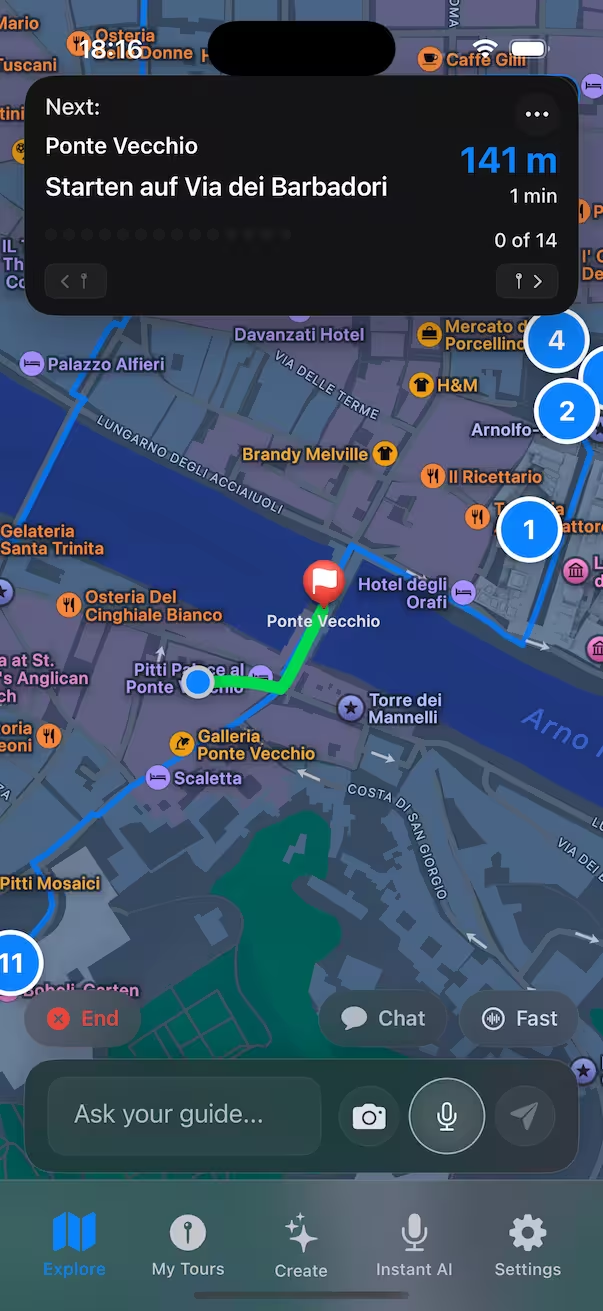
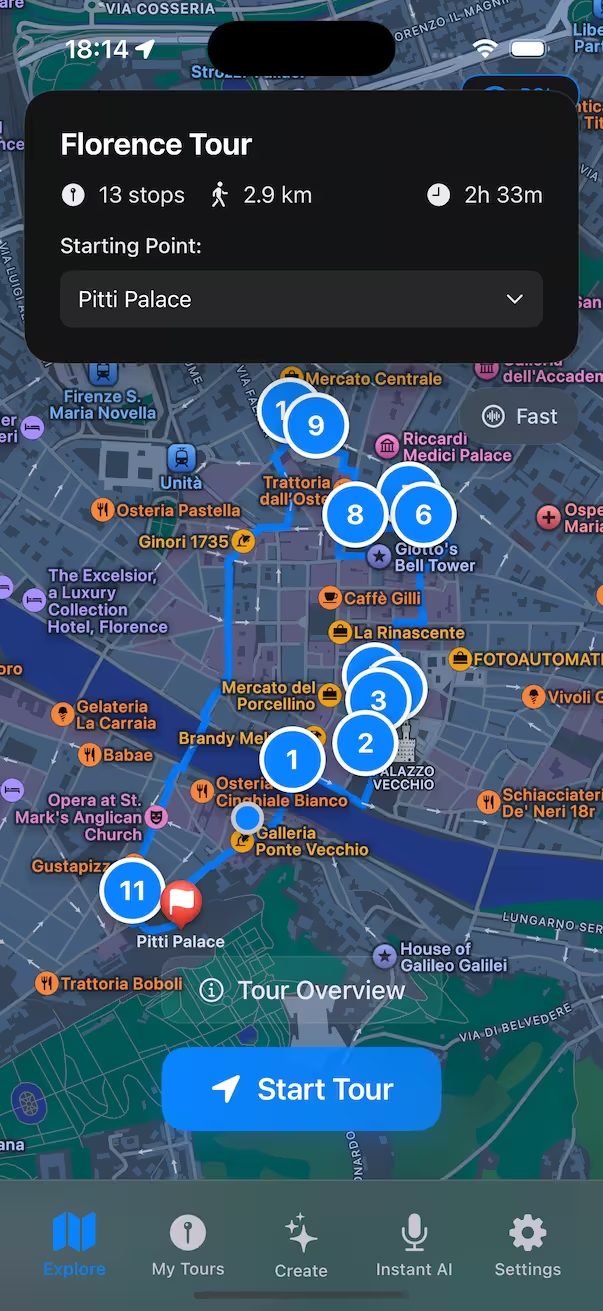
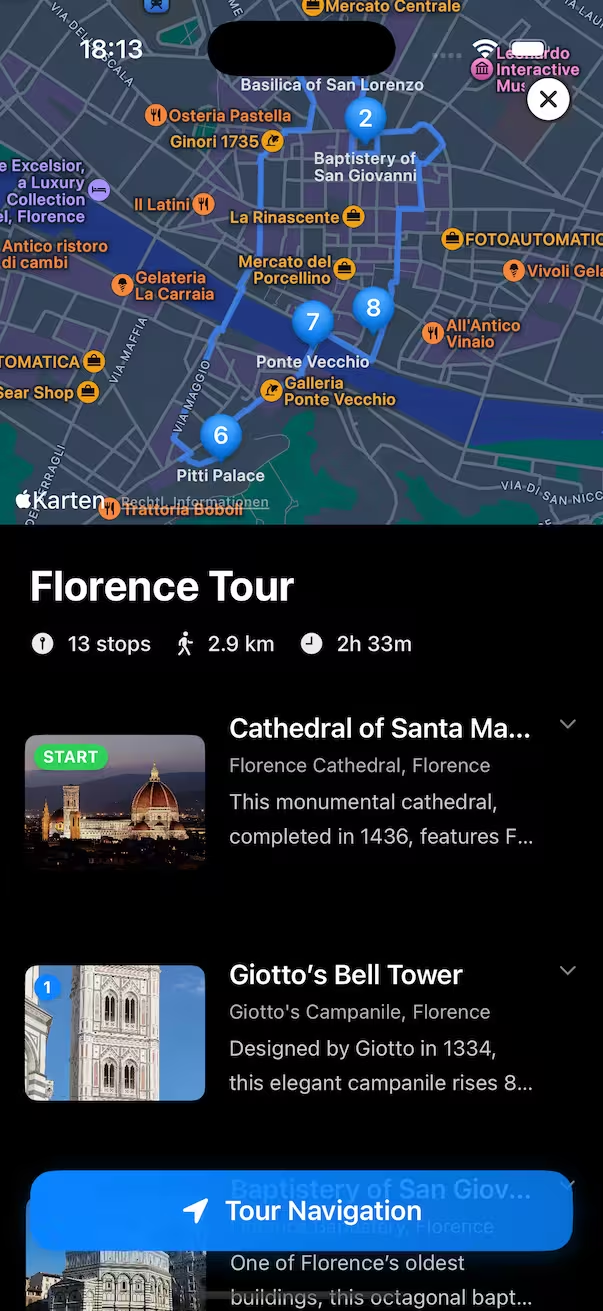
The classic Tokyo tour: 11 stops, 13.5 km, about 5 h on foot
Your live AI guide and the self-guided Tokyo route, together in your browser.