Best Time to Visit Florence
Month-by-month weather, crowds and prices, plus a full calendar of festivals and events worth planning a trip around.
Best monthsApr, May, Oct
CheapestJan, Feb, Nov
AvoidJul, Aug
BusiestMay, Jun, Jul
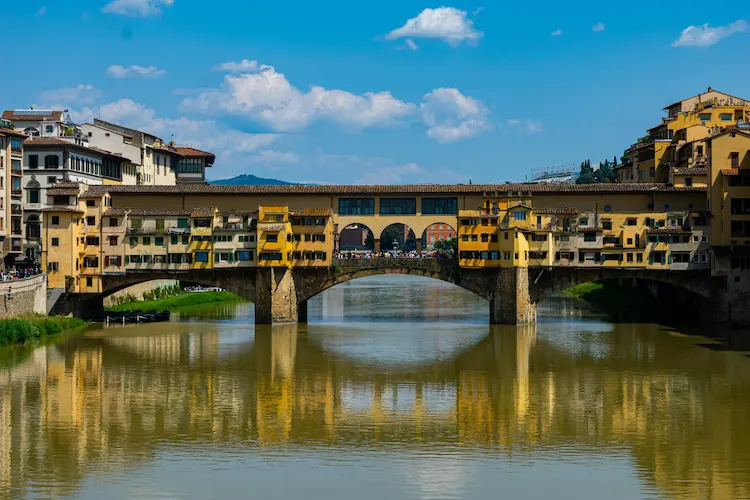
When is the best time to visit Florence?
Come in late April, May or October. You get 18-22°C, the Iris Garden in bloom and museums you can still walk through. July and August mean 35-38°C on shadeless stone squares and 60-90 minute queues. January, February and November are the cheapest and quietest, the trade being grey skies and rain.
Start our tool and find your best time to visit Florence
Your perfect month
Free · ~30 seconds
or tap a month directly
What matters to you?
And this?
Best overall: Oct, Apr. October is the consensus best-value month: 15-20°C, harvest colour in the Chianti hills, near-empty museums, and rates 30-40% below summer. Late April (after Easter week) matches it on weather and adds the iris bloom and Maggio Musicale opera nights, just at higher prices.
Best value: Feb, Nov. February and November bring hotel rates around €75-130 a night, the shortest museum queues of the year, and free local spectacle like the Calcio Storico Assedio reenactment on 17 February. The price for that value is grey skies and real rain risk.
Avoid: Jul, Aug. July and August: 35-38°C afternoons on shadeless stone, 60-90 minute queues without pre-booking, and peak hotel prices. August adds the Ferragosto closures (Aug 10-18), when the neighbourhood trattorie you wanted shut for a week or two.
- January: Good time, 10°C. This is the one month you can stand in front of Botticelli's Birth of Venus at the Uffizi without being herded. The Florentines are home, the Oltrarno workshops are unhurried, and the cafes sound Italian rather than English. Grey skies are the honest price, and a fair one for having the city to yourself.
- February: Great time, 12°C. February is unperformed Florence: no show put on for tourists, no seasonal markup, just a real Tuscan city in winter mode. The Calcio Storico Assedio reenactment on 17 February is one afternoon you see Florentine pride in the open, with hardly a foreign visitor in sight.
- March: Great time, 15°C. March is the last genuinely quiet month before spring fills the city. Terrace tables reappear, the markets pile up with spring produce, and you can still get a table without booking. That window closes fast once April and the Easter crowds arrive, so use it.
- April: Great time, 19°C. April is gorgeous and no longer a secret. Easter week packs the Duomo and the queues are real. But the Iris Garden opens (Apr 25), wisteria drapes the Bardini garden, and the green Tuscan hills are at their most photogenic. Go in clear-eyed: Easter week is high-season chaos, the days after it are the genuine sweet spot.
- May: Good time, 22°C. Everyone calls May a shoulder month. It stopped being one years ago. This is the busiest and most expensive month, school groups descend on the Accademia by the busload, and hotels run at their annual peak. The weather genuinely is the best of the year and the iris bloom is extraordinary, so come anyway, but with no illusions: book early and expect a queue at everything.
- June: Tough month, 28°C. June is the tipping point, when Florence shifts from busy-but-workable into full summer mode. By the third week it is hot and hectic by day, but the long evenings carry it: San Giovanni on 24 June ends with the best free fireworks of the year from Piazzale Michelangelo at 10pm, and the whole city is out for it.
- July: Tough month, 32°C. July is for people who genuinely don't mind queuing in 38°C heat and paying near-peak prices to do it. Midday is a write-off, and the humidity in the Arno valley makes 35°C feel heavier than it reads. But a sunset from San Miniato al Monte after the bus crowd leaves, or an early-morning Uffizi before the heat builds, is a different Florence, and that part is worth it.
- August: Tough month, 31°C. August is not romantic-empty Florence, it is survival-mode Florence with a hole where the locals used to be. The trattorie you read about put up chiuso per ferie signs, the heat is physically draining rather than photogenic, and a sea of international tourists fills the Uffizi queue. If you must come, do your sights before 10am and retreat to a cool church by noon.
- September: Good time, 26°C. September is when Florence becomes itself again. The unbearable heat lifts, the school groups go home, and the city feels intimate at a manageable warmth. Evenings are still long enough to eat outside, and the harvest season in the hills gives you a reason to leave the centre. This is the quiet payoff after the summer crush.
- October: Great time, 21°C. October is the locals' favourite, and with reason: warm enough to sit outside, cool enough to walk all day, and quiet enough to actually see the art. The harvest light over the Arno is the best of the year, and an empty Piazzale Michelangelo at sunrise feels like the city is yours. The trade is real rain risk, but it rarely lasts the day.
- November: Great time, 15°C. November is honest, end-of-year Florence: grey, damp and genuinely empty, the off-season at its most off. The reward is the lowest queues of the year and the city at its most local. Bring proper rain gear and check the Arno level after heavy rain, but the trade for that weather is a Florence almost no tourist sees.
- December: Good time, 12°C. Early December is a quiet, festive secret: the market glows, the crowds are thin, and the prices are still low. Then Christmas week flips it, with a surge of holiday tourists and New Year revellers pushing rates and crowds up fast. Time it for the first three weeks and you get the atmosphere without the crush.
Florence weather by month
HighLowRainfall
Jan10°
Feb12°
Mar15°
Apr19°
May22°
Jun28°
Jul32°
Aug31°
Sep26°
Oct21°
Nov15°
Dec12°
| Month | Temp | Rain | Sun | Crowds | Prices | Highlight |
|---|---|---|---|---|---|---|
| Jan | 10° / 2° | 81mm · 11 rainy days | 5.9 h/day | ●○○○○ | ●○○○○ | Pitti Uomo (Winter Edition) |
| Feb | 12° / 4° | 97mm · 11 rainy days | 7.0 h/day | ●○○○○ | ●○○○○ | Calcio Storico, Match of the Siege |
| Mar | 15° / 5° | 72mm · 9 rainy days | 9.0 h/day | ●●○○○ | ●●○○○ | Florence Half Marathon |
| Apr | 19° / 8° | 74mm · 10 rainy days | 10.5 h/day | ●●●○○ | ●●●○○ | Rothko in Florence |
| May | 22° / 12° | 91mm · 14 rainy days | 11.5 h/day | ●●●●○ | ●●●●● | Rothko in Florence |
| Jun | 28° / 16° | 56mm · 8 rainy days | 13.1 h/day | ●●●●● | ●●●●● | Rothko in Florence |
| Jul | 32° / 19° | 37mm · 5 rainy days | 13.7 h/day | ●●●●● | ●●●●○ | Rothko in Florence |
| Aug | 31° / 19° | 46mm · 7 rainy days | 12.5 h/day | ●●●●○ | ●●●●○ | Rothko in Florence |
| Sep | 26° / 15° | 101mm · 9 rainy days | 10.6 h/day | ●●●○○ | ●●●●○ | Rificolona Lantern Festival |
| Oct | 21° / 12° | 99mm · 11 rainy days | 8.4 h/day | ●●○○○ | ●●○○○ | International Biennial of Antiques (BIAF) |
| Nov | 15° / 8° | 142mm · 14 rainy days | 6.3 h/day | ●○○○○ | ●○○○○ | Florence Christmas Market |
| Dec | 12° / 4° | 101mm · 12 rainy days | 5.6 h/day | ●●○○○ | ●●○○○ | Florence Christmas Market |
How we score this: weather = long-run climate normals (Open-Meteo), crowds & prices = relative season read, events checked yearly against official dates.
Best time to visit Florence: weather, prices & crowds
Best months for good weather
May, Jun, Sep
May and September give Florence its most reliable warmth: 22-26°C days, long golden evenings with sunset past 8pm, and light dry enough to sit out on a piazza for dinner.
Quietest months to avoid the crowds
Jan, Feb, Nov
January, February and November are the emptiest months: the Uffizi mid-week is near queue-free, and Bargello, holding Donatello's bronze David, rarely makes you wait more than five minutes.
Cheapest time to visit Florence
Jan, Feb, Nov
January and February are the cheapest: mid-range hotels average €75-120 a night, roughly half the May peak, and the free first Sunday on 1 February draws the lowest queues of the year.
Best time for festivals and events
Apr, May
Late April into May is the one window the Giardino dell'Iris opens (Apr 25-May 20), 1,500 iris varieties in full flower on the hillside below Piazzale Michelangelo, with the best free view of the Duomo skyline in the city.
How many days do you need in Florence?
Florence rewards three full days more than any shorter cut. One day skims the surface; two lets you breathe inside the Uffizi and still walk the Oltrarno; three gives you a morning in the hills, a slow trattoria lunch, and the feeling that you actually lived here for a moment rather than just ticked boxes.
One day
The essential Florence in a single loop
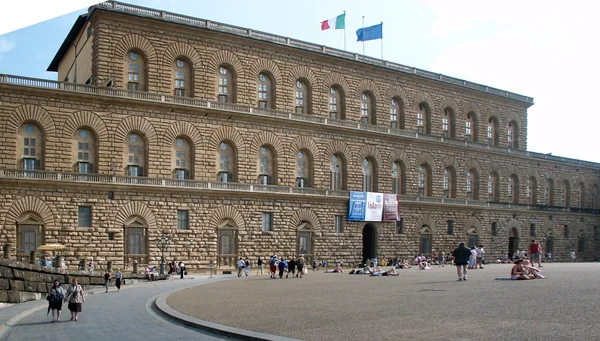
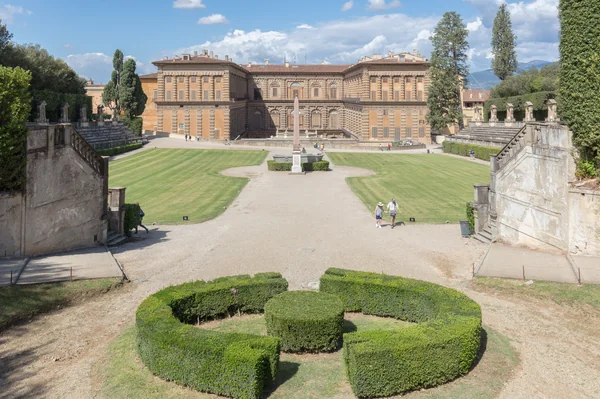
Start at Ponte Vecchio at 8am before the crowds arrive, cross to Palazzo Pitti and walk the Boboli Gardens while the light is still low. Midmorning, head north to Piazza del Duomo for the Cathedral and Giotto's Bell Tower. In the afternoon, work south to Piazza della Signoria, the Loggia dei Lanzi and the Uffizi, finishing at Basilica di Santa Croce. The Florence Historic Walk self-guided tour covers these 15 stops across 5.5 km in about 4.5 hours and keeps you from missing anything in between.
Two days
Museums at pace, then the quieter city
Day one follows the essential route above. Day two slows down: pre-book the Galleria dell'Accademia for a timed slot to see Michelangelo's David without the crowd crush, spend a morning in the Bargello (Donatello's bronze David, Giambologna's Mercury, rarely more than a five-minute wait), then cross the Ponte Vecchio into the Oltrarno for lunch in San Frediano and an afternoon in the craft workshops along Via Maggio. End at Piazzale Michelangelo thirty minutes before sunset.
Three daysRecommended
The city plus the hills
Build on two days by adding the Tuscan countryside on day three. In spring, the Giardino dell'Iris below Piazzale Michelangelo opens for a narrow four-to-five-week window with 1,500 iris varieties in flower, the best free city view included. In autumn, a day trip to Greve in Chianti (30 km south) hits the harvest vineyards at their peak. Leave day three's afternoon free for the Mercato Centrale, a neighbourhood aperitivo in the Oltrarno, and whatever the first two days left unfinished.
Four days or more
Depth, Fiesole, and the lesser-known rooms
A fourth day opens up Fiesole (20 minutes by bus 7 from Piazza San Marco), a hilltop Etruscan and Roman town with a theatre and panoramic terrace over the Florentine plain. Back in the city, the Museo di San Marco holds Fra Angelico's frescoed monastic cells, each a different Annunciation, with queues that rarely reach the Accademia's level. Extra days also let you properly pace the Uffizi across two visits rather than one exhausted sprint.
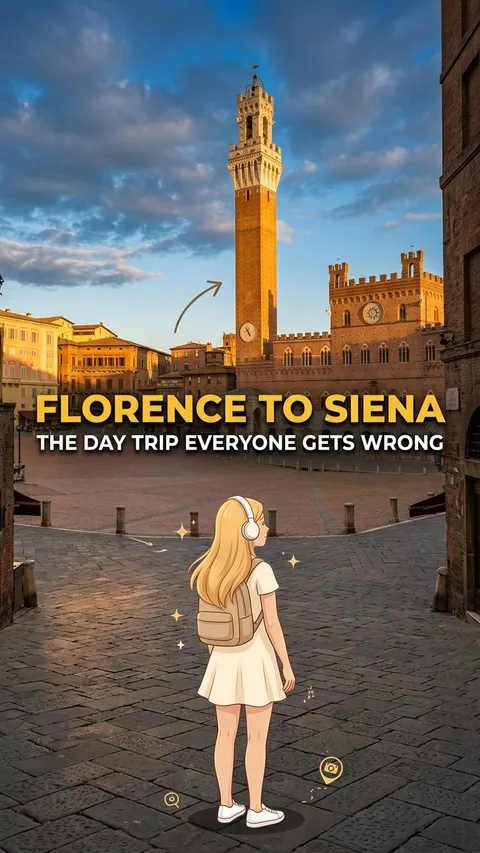
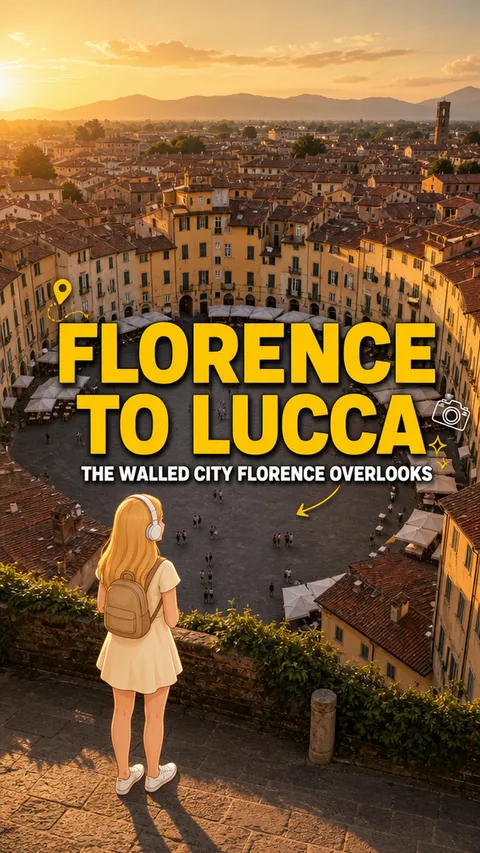
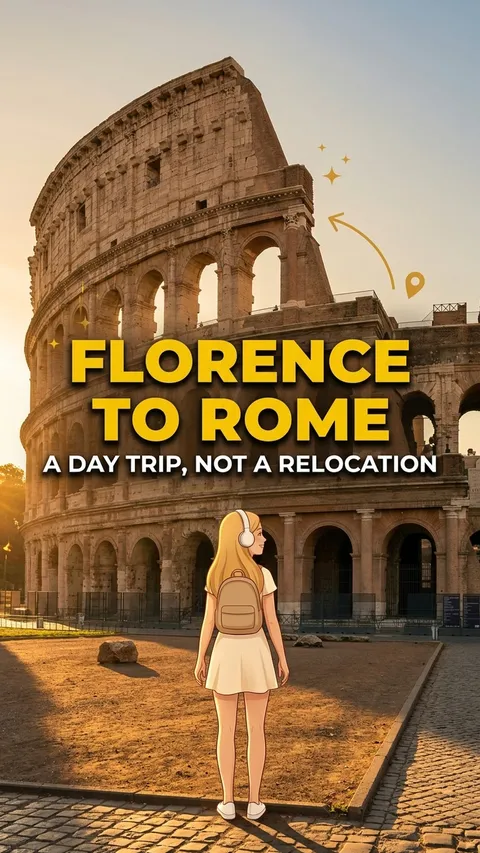
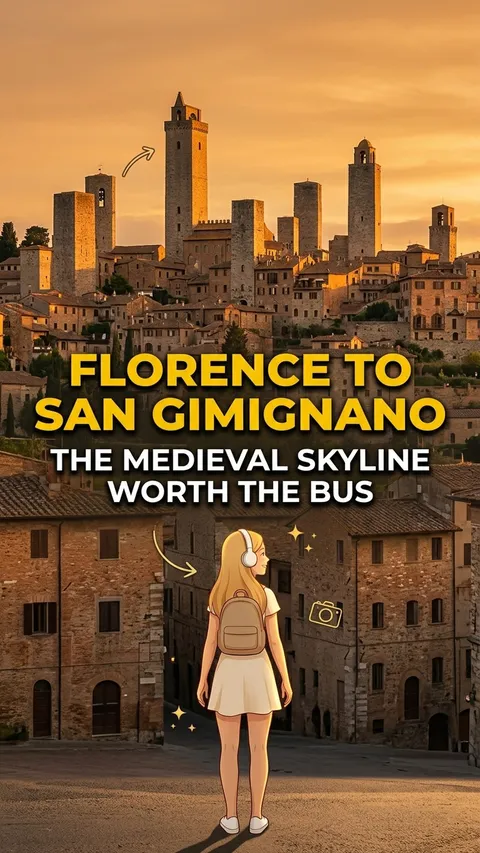
Day trips from Florence
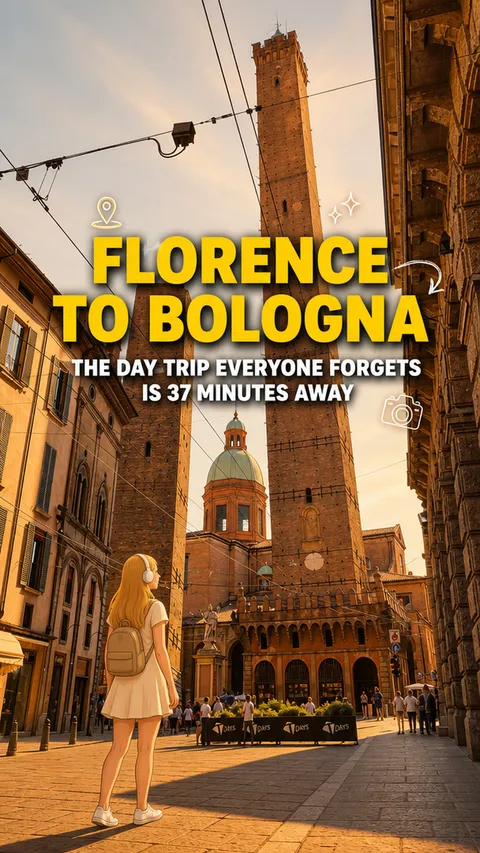
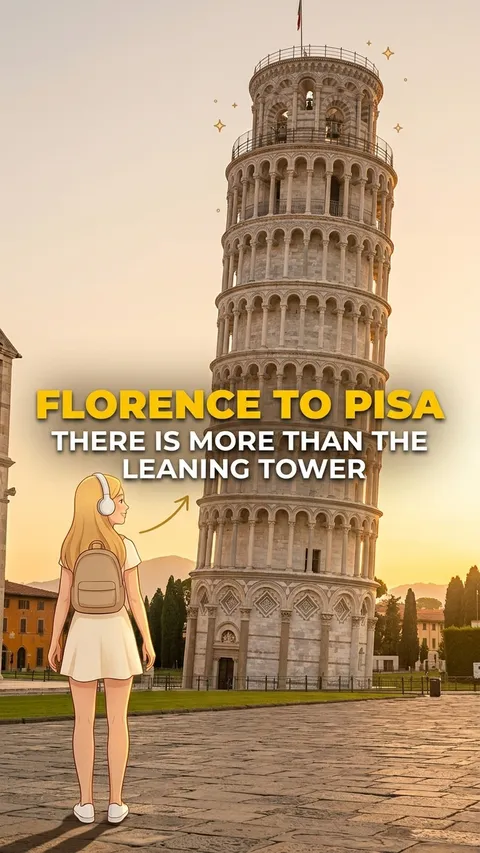
Out in the morning, back in time for dinner. Every route here fits in one full day.
Best time to visit Florence by traveller type
Same city, different trip. Here's the month that fits how you're travelling.
🧭
Best time to visit Florence for the first time
AprOct
Late April (skip Easter week itself) or October: the classic Florence at 18-20°C, every sight open, queues a fraction of summer's, and the chance to time Scoppio del Carro in April or the Chianti harvest in October.
❤️
Best time to visit Florence for couples
MaySepOct
Early May for the iris garden and golden evenings, or late September into early October for warm days, harvest Chianti day trips, and an empty Piazzale Michelangelo at sunrise with the best light of the year.
💶
Best time to visit Florence on a budget
JanFebNov
January, February or November: hotels at €75-130 against €200-plus in May, near-zero Uffizi queues, the free Christmas market, and free first Sundays at the state museums.
🍝
Best time to visit Florence for food and wine
SepOctNov
September to November: fresh porcini in the Mercato Centrale, new-harvest Chianti Classico in Greve (Expo Sep 10-13), then white truffle season from nearby San Miniato peaking late October into November.
Worst time to visit Florence
July is the month most worth skipping. Afternoon highs sit at 35-38°C and heatwaves push toward 40°C, and Piazza della Signoria and the streets around the Uffizi have zero shade and radiate heat back from noon onward. Without a pre-booked slot you queue 60-90 minutes in full sun for the Uffizi or the Accademia, and hotel rates stay near their annual peak. August feels marginally cooler in crowd terms only because Ferragosto empties the locals, which also shutters the neighbourhood trattorie you came to eat in, particularly around Santa Croce, San Frediano and the Oltrarno from roughly 10-18 August.
Still worth it for July and August work for visitors who book everything months ahead, start sightseeing before 9am, retreat indoors from noon to 4pm, and care more about long golden evenings on the Arno than walkable afternoons. Budget travellers can also find genuine value in August if they eat in the tourist zone and avoid the shuttered residential quarters.
Go instead in April, May, October, when Florence is at its best.
Best time for a tour of Florence
Florence is a compact walking city, but its stone heart turns brutal in summer: July and August sit at 31 to 32 °C with almost no shade across Piazza del Duomo or the open expanse of piazza della Signoria, and the climb up to piazzale Michelangelo becomes a real effort in midday heat. Those are also the months when the crowds peak, packing the lanes around Ponte Vecchio. The sweet spots are April and October, when highs land around 19 to 21 °C, comfortable for the 5.5 km loop, though both carry ten or eleven rainy days, so pack for showers. May and November are the wettest at fourteen rain days each. Winter is quiet and walkable if you bundle up: January barely reaches 10 °C with the light fading by late afternoon, but you get the Boboli Gardens and the Uffizi forecourt almost to yourself.
The real advantage is that with AI Tourguide the clock is yours. There are no fixed departure times and no operator herding you along, so on a sweltering August day you can start your Florence tour at first light, cross Ponte Vecchio while the river still holds the cool, and reach piazzale Michelangelo before the sun bears down. The whole thing runs in your browser with no app to install and no login, and a voice-first guide leads the way, telling the stories behind the Duomo and the Loggia dei Lanzi, asking what draws you, and adapting the route to your pace. You keep full control of where you linger, in thirteen languages, so the Tuscan climate sets your hour, not someone else's schedule.
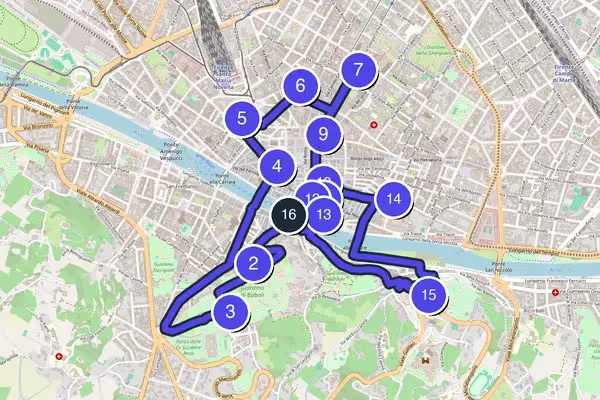
+16
All 16 stops are already on the map.
You just press start.
You just press start.
 AI Tourguide
You just read the route.
Now walk it with a guide in your ear.
Press start wherever you are, even hundreds of kilometres from Florence, and the guide begins telling its stories right away. In the city, pick any of the 16 stops to start from: it leads you there, then talks with you the whole route, asking, listening, remembering, and shaping the tour around your answers.
16stops5.5km4.5hours11languages
▶Start the tour freeFree to start · Runs in your browser · No app, no download
Florence events and festivals calendar
Annual highlights worth timing a trip around, listed month by month.
January
🎨 Art and culturePitti Uomo (Winter Edition) Pitti Immagine Uomo
Jan 13–16
Mid-January, four days at the Fortezza da Basso, typically the second or third week of the month.
The world's leading menswear trade fair, with 750-plus brands filling the Fortezza da Basso, plus public events and famous street-style scenes around the entrance.
⛪ ReligiousFeast of San Zanobi Fiorita di San Zanobi
Jan 26
26 January every year.
A historical parade marking the miracle of St.
February
🏃 SportCalcio Storico, Match of the Siege Calcio Storico Fiorentino, Partita dell'Assedio
Feb 17
17 February (fixed), the anniversary of the 1530 match.
A reenactment of the famous 1530 match played during Emperor Charles V's siege of Florence.
March
🎨 Art and cultureRothko in Florence Rothko a Firenze
Mar 14 – Aug 23
Spring into late summer at Palazzo Strozzi, typically running from mid-March through late August.
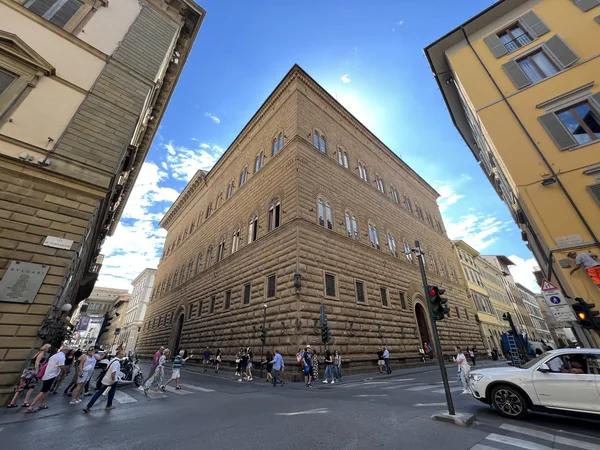
A once-in-a-generation retrospective of 70-plus Mark Rothko works at Palazzo Strozzi, with satellite installations in the Fra Angelico cells of the Museo di San Marco and the Biblioteca Medicea Laurenziana, in the city that shaped him.
🏃 SportFlorence Half Marathon Half Marathon Firenze
Mar 29 ~
Late March, a Sunday morning, typically the last Sunday of the month.
A 21.097 km race through the historic centre that closes sections of the Lungarno and central streets from early morning, with thousands of runners and a fast flat course.
April
⛪ ReligiousExplosion of the Cart Scoppio del Carro
Apr 5 ~
Easter Sunday morning in Piazza del Duomo. The date moves each year with Easter, falling anywhere from late March to late April.
A rocket ignites a cart of fireworks in Piazza del Duomo at around 11:15am on Easter Sunday, with a procession from 10am, a tradition over 350 years old.
🎵 MusicMaggio Musicale Fiorentino Festival Festival del Maggio Musicale Fiorentino
Apr 19 – Jul 1 ~
Mid-April into early July, typically running about ten weeks across spring and early summer.
Italy's oldest music festival, staging operas, a complete Beethoven symphony cycle (18, 23, 28 June and 1 July), and major conductors at the Teatro del Maggio, with tickets €20-120.
🌸 Seasonal natureIris Garden Bloom Giardino dell'Iris in fiore
Apr 25 – May 20 ~
Late April to mid-May, the only weeks the garden opens, typically a four-to-five week window starting around Liberation Day on 25 April.
The Giardino dell'Iris below Piazzale Michelangelo opens for just four to five weeks a year, with 1,500-plus iris varieties in flower and the International Iris Competition judged 4-9 May.
May
🎨 Art and cultureTrofeo Marzocco Flag-Throwing Tournament Trofeo Marzocco
May 1
1 May (Labour Day) in Piazza della Signoria.
A national flag-throwing tournament in Piazza della Signoria, with groups from across Italy competing, the parade from 2:30pm and competition from 3:30pm.
June
🏃 SportCalcio Storico Semifinals Calcio Storico Fiorentino, Semifinali
Jun 13–14 ~
Mid-June in Piazza Santa Croce, typically the second weekend of the month, two days.
The two semifinals of the historic football tournament, played on sand in Piazza Santa Croce by 27-player teams in a brutal mix of soccer, rugby and wrestling, with tickets €29-80.
🎨 Art and culturePitti Uomo (Summer Edition) Pitti Immagine Uomo
Jun 16–19
Mid-June at the Fortezza da Basso, typically the third week of the month, four days.
The summer edition (No.
🇮 HolidayFeast of San Giovanni and Calcio Storico Final Festa di San Giovanni e Finale del Calcio Storico
Jun 24
24 June, Florence's patron-saint public holiday.
Florence's patron-saint holiday: the morning Corteo degli Omaggi and flag-throwing in Piazza della Signoria, the Calcio Storico final at 5pm in Piazza Santa Croce, and the Fochi di San Giovanni fireworks from Piazzale Michelangelo at 10pm, a full hour of display.
August
🇮 HolidayFerragosto
Aug 15
15 August (fixed); Florentines leave roughly 10-18 August.
Italy's mid-August national holiday.
September
🎉 FestivalRificolona Lantern Festival Festa della Rificolona
Sep 7
7 September every year.
A children's lantern procession that departs the Basilica di Impruneta at 2:30pm and walks about 16 km into the city, reaching Piazza Santissima Annunziata around 9:30pm, with kids using pea-shooters to light each other's paper lanterns.
🍷 Food and wineExpo Chianti Classico
Sep 10–13 ~
Mid-September in Greve in Chianti, typically the second weekend of the month across four days.
A wine festival in Greve in Chianti (30 km south, reachable by bus or car), with Piazza Matteotti filled with producer booths, guided tastings, concerts and cultural events, set against the September harvest at the wineries.
🎨 Art and cultureInternational Biennial of Antiques (BIAF) Biennale Internazionale dell'Antiquariato di Firenze
Sep 26 – Oct 4 ~
Late September into early October at Palazzo Corsini, typically running about nine days across the last days of September and the first of October.
The highest-level art and antiques event in Italy, with 80-plus international galleries in the baroque rooms of Palazzo Corsini showing paintings, sculpture and furniture by the likes of Bronzino, Tiziano and Boccioni.
November
🎄 Christmas marketFlorence Christmas Market Mercatino di Natale di Firenze
Nov 14 – Dec 21 ~
Mid-November to late December in Piazza Santa Croce, typically opening around the second week of November and running until just before Christmas.
A German-style market of 50-plus wooden chalets in Piazza Santa Croce, open Mon-Thu 10am-10pm and Fri-Sun 10am-11pm, with mulled wine, crafts and food in the shadow of the basilica.
🏃 SportFlorence Marathon Firenze Marathon
Nov 29 ~
Late November, a Sunday morning, typically the last Sunday of the month.
A 42 km marathon running from Piazza del Duomo past the Ponte Vecchio, Piazza Pitti and Piazza Santa Croce out to the Cascine Park and back, on a fast flat course that closes central streets on Sunday morning.
Insider tips for visiting Florence
The rules buried in forums, in one place.
- The Uffizi and the Accademia are closed every Monday (open Tue-Sun, 8:15am-6:50pm). Never plan a Monday around them. Use that day for the Bargello, the Duomo complex or a Boboli walk instead.
- State museums are free on the first Sunday of every month, but no timed slot is sold for the free entry. In July and August the Uffizi queue forms before 7:30am and wraps the block by opening. Either pay the standard ticket on another day with a pre-booked slot, or be at the door by 8am sharp on free Sunday. 2026 first Sundays: Jan 4, Feb 1, Mar 1, May 3, Jun 7, Jul 5, Aug 2.
- Book the Uffizi and the Accademia four to six months ahead for peak season (June to August). Both sell out entirely on peak days, and the Accademia, which holds Michelangelo's David, is actually harder to book than the Uffizi in those weeks. Walking up without a slot in July means 60-90 minutes in the sun and a possible sell-out.
- The Duomo dress code is enforced with no exceptions: shoulders and knees covered, no flip-flops, no hats or sunglasses inside. In July and August wardens turn people away daily. Pack a light scarf or sarong, which doubles as sun cover on the walk over.
- The Bargello is the Uffizi-queue escape hatch most visitors miss. It holds Donatello's bronze David, Michelangelo's Bacchus and Giambologna's Mercury, and the wait is rarely over five minutes. Its schedule is odd, though: closed the 1st, 3rd and 5th Monday and the 2nd and 4th Sunday of each month, so check before you go.
- For Piazzale Michelangelo golden hour from May to September, arrive 30 minutes before sunset and leave 30 minutes after, when the tour-bus crowd vanishes. June and July sunset is around 9:10pm. Walk up via the stairs from Piazza Poggi (15 minutes from the Arno), not the car road.
- Calcio Storico final tickets (the 24 June match in Piazza Santa Croce, €29-80) go on sale 11 June at noon on ticketone.it and sell out within hours. Set a reminder, or simply watch the free parade, which is nearly as spectacular as the game.
- During the Ferragosto window (roughly Aug 10-18) neighbourhood trattorie around Santa Croce, San Frediano and the Oltrarno put up chiuso per ferie signs for one to two weeks. Book your preferred restaurant ahead, or eat in the tourist zone. The Mercato Centrale ground floor (Mon-Fri 7am-3pm) stays open with fewer vendors.
Public holidays in Florence
On these dates many shops and offices close, transport thins out, and sights can be mobbed or shut. Plan around them.
| Date | Holiday | What closes |
|---|---|---|
| Jan 1 | New Year's Day | Everything closes: shops, museums, most restaurants. Public transport runs a minimal schedule. Tourist-zone bars may open late in the afternoon. |
| Jan 6 | Epiphany (La Befana) | National holiday: most museums closed, shops shut. Children's events fill Piazza della Repubblica. The Christmas season ends with this date. |
| Apr 5 | Easter Sunday | Scoppio del Carro fills Piazza del Duomo from 10am. The Uffizi and Accademia open with extended queues, and restaurants are booked out days ahead. Hotel rates run 40-60% above March. |
| Apr 6 | Easter Monday (Pasquetta) | National holiday: many Florentines picnic in the parks and countryside, transport is reduced, but tourist sites stay open. A good day for a Fiesole or Chianti escape. |
| Apr 25 | Liberation Day | National holiday: most state museums are free, parades run in the centre, shops are mixed. Often forms a long weekend (ponte) that fills hotels. |
| May 1 | Labour Day | National holiday: banks and offices closed, some shops and restaurants shut. The Trofeo Marzocco flag-throwing tournament fills Piazza della Signoria for free from 2:30pm. |
| Jun 2 | Republic Day | National holiday with military parades. Museums and tourist sites typically stay open. Shops are largely closed. |
| Jun 24 | Feast of San Giovanni | Florence-only public holiday for its patron saint: offices and many shops close, but museums and tourist sites stay open. The Calcio Storico final is at 5pm and the Fochi di San Giovanni fireworks fire from Piazzale Michelangelo at 10pm. Restaurants with a view are booked weeks ahead. |
| Aug 15 | Ferragosto | National holiday and the peak closure day: neighbourhood restaurants and trattorie close for one to four weeks (roughly Aug 10-18), transport is reduced. Tourist-area restaurants and all major sights stay open. |
| Nov 1 | All Saints' Day | National holiday: many shops closed. The Ognissanti church, with Ghirlandaio's Last Supper, typically has special access. |
| Dec 8 | Immaculate Conception | National holiday: the Christmas markets peak and the city fills with day-trippers. Some museums are closed. |
| Dec 25 | Christmas Day | All museums and sights closed, transport minimal. The Duomo holds worship services only. |
| Dec 26 | St. Stephen's Day | National holiday: shops closed, some museums reopen with partial hours. Tourism surges between Christmas and New Year, so book Uffizi slots and hotels ahead. |
Florence month by month
January in Florence
High10°C / 51°F
Low2°C
Rain81mm / 11 rainy days
Sun5.9 h/day
Daylight9 h/day
Humidity82%
Crowds●○○○○Prices●○○○○
January is Florence stripped back to itself: empty, properly cheap and unbothered. Daytime highs sit around 10-11°C with grey skies and about 11 rainy days, so pack a warm jacket and a compact umbrella, but snow is rare. Museums and monuments run close to queue-free, and after Epiphany on 6 January the city settles into a slow winter rhythm with the lowest visitor pressure of the year.
The vibe This is the one month you can stand in front of Botticelli's Birth of Venus at the Uffizi without being herded. The Florentines are home, the Oltrarno workshops are unhurried, and the cafes sound Italian rather than English. Grey skies are the honest price, and a fair one for having the city to yourself.
Don't miss The Feast of San Zanobi on 26 January brings a charming historical parade and Uffizi flag-throwers to Piazza della Signoria with near-zero crowds. The Bargello and Palazzo Pitti galleries are yours alone, no queue at all.
Crowd drivers Post-Christmas lull and no school holidays once Epiphany passes on 6 January. Only Pitti Uomo (Jan 13-16) briefly spikes hotel demand around the menswear trade fair.
In season Deep-winter Tuscan cooking is at its best: ribollita, the twice-cooked bread-and-bean soup, and bistecca alla fiorentina in a warm trattoria when the streets are cold and empty.
Heads up 1 and 6 January are national holidays: museums and shops shut, transport on a reduced timetable. The Uffizi and Accademia are also closed every Monday all month.
Cheapest month, tied with February: mid-range hotels average €80-120 a night, roughly half the May peak.
Events this month
🎨 Art and culturePitti Uomo (Winter Edition) Pitti Immagine Uomo
Jan 13–16
Mid-January, four days at the Fortezza da Basso, typically the second or third week of the month.
The world's leading menswear trade fair, with 750-plus brands filling the Fortezza da Basso, plus public events and famous street-style scenes around the entrance. The winter edition (No. 109) presents the next season's collections.
Even if you skip the trade halls, the street style outside the Fortezza is some of the best people-watching in fashion, though it spikes hotel demand across those four January days, so book early.
⛪ ReligiousFeast of San Zanobi Fiorita di San Zanobi
Jan 26
26 January every year.
A historical parade marking the miracle of St. Zenobius (429 AD), winding from Piazza della Parte Guelfa to Piazza della Signoria and the Baptistery column, with Uffizi flag-throwers in historical costume.
A charming winter spectacle in the quietest tourist stretch of the year, free and purely local, with near-zero crowds.
February in Florence
High12°C / 54°F
Low4°C
Rain97mm / 11 rainy days
Sun7.0 h/day
Daylight10 h/day
Humidity79%
Crowds●○○○○Prices●○○○○
February is the quietest tourist month in Florence, mild but damp at around 12°C with roughly 11 rainy days. The free first Sunday on 1 February draws the lowest queues of the year, and you can walk the Uffizi at a Renaissance painting's pace. It is grey and the Arno runs high, but the city is honest and cheap, with ticket prices at their floor.
The vibe February is unperformed Florence: no show put on for tourists, no seasonal markup, just a real Tuscan city in winter mode. The Calcio Storico Assedio reenactment on 17 February is one afternoon you see Florentine pride in the open, with hardly a foreign visitor in sight.
Don't miss The Calcio Storico Match of the Siege (17 February) fills Piazza Santa Croce with veteran players reenacting the 1530 game, parade from 1:45pm and match at 4pm, free and unbooked. The first Sunday free entry on 1 February is the lowest-crowd free day of the year.
Crowd drivers No school holidays and no cruise-tied day-trippers. The quietest month of the entire year for foreign visitors.
In season Carnival fritters appear in the bakeries: cenci (fried dough strips dusted in sugar) and frittelle di riso, the Tuscan rice fritters eaten through the weeks before Lent.
Heads up Uffizi and Accademia closed every Monday. Otherwise the city runs normally, with shorter winter daylight (sunset around 5:45pm).
Cheapest or tied-cheapest month: hotels average €75-110 a night, the year's best value.
Events this month
🏃 SportCalcio Storico, Match of the Siege Calcio Storico Fiorentino, Partita dell'Assedio
Feb 17
17 February (fixed), the anniversary of the 1530 match.
A reenactment of the famous 1530 match played during Emperor Charles V's siege of Florence. Veteran players (Vecchie Glorie) take the field in Piazza Santa Croce, with the parade from 1:45pm and the match at 4pm.
An authentic Florentine spectacle in the quietest tourist month, free and unbooked, with hardly a foreign visitor watching.
March in Florence
High15°C / 59°F
Low5°C
Rain72mm / 9 rainy days
Sun9.0 h/day
Daylight12 h/day
Humidity73%
Crowds●●○○○Prices●●○○○
March brings Florence back to life: highs climbing toward 15°C, café terraces reopening, and the Tuscan hills at their greenest. Crowds stay moderate and rain eases to about 9 days. On 29 March the Florence Half Marathon closes parts of the Lungarno and central streets on a Sunday morning, a free spectator event if you plan museums early that day.
The vibe March is the last genuinely quiet month before spring fills the city. Terrace tables reappear, the markets pile up with spring produce, and you can still get a table without booking. That window closes fast once April and the Easter crowds arrive, so use it.
Don't miss The Rothko in Florence retrospective opens 14 March at Palazzo Strozzi, with 70-plus works and satellite installations in the Fra Angelico cells at the Museo di San Marco, a once-in-a-generation show in the city that shaped him. The Tuscan countryside is at its lush green-season peak for day trips.
Crowd drivers Moderate, though a late-March Easter would pull the crowds forward. Half Marathon Sunday (29 March) closes central streets, so plan that morning on foot.
In season Spring vegetables hit the Mercato Centrale: the first wild asparagus, fava beans eaten raw with pecorino, and tender artichokes from the Tuscan fields.
Heads up Uffizi and Accademia closed Mondays. Clocks go forward at the end of March, lengthening the evenings noticeably.
Prices creep up with the spring season: hotels average €100-150 a night, higher if Easter lands in late March.
Events this month
🏃 SportFlorence Half Marathon Half Marathon Firenze
Mar 29 ~
Late March, a Sunday morning, typically the last Sunday of the month.
A 21.097 km race through the historic centre that closes sections of the Lungarno and central streets from early morning, with thousands of runners and a fast flat course.
Great atmosphere for spectators, but it closes parts of the city on Sunday morning, so visit museums early that day if you are not there to watch.
🎨 Art and cultureRothko in Florence Rothko a Firenze
Mar 14 – Aug 23
Spring into late summer at Palazzo Strozzi, typically running from mid-March through late August.
A once-in-a-generation retrospective of 70-plus Mark Rothko works at Palazzo Strozzi, with satellite installations in the Fra Angelico cells of the Museo di San Marco and the Biblioteca Medicea Laurenziana, in the city that shaped him.
Rothko's 1950 Florence visit inspired the Seagram Murals, so seeing his works in situ in San Marco's monastic cells is extraordinary and unrepeatable.
April in Florence
High19°C / 66°F
Low8°C
Rain74mm / 10 rainy days
Sun10.5 h/day
Daylight14 h/day
Humidity71%
Crowds●●●○○Prices●●●○○
April is beautiful and heavily visited. Highs reach a comfortable 18-19°C with about 10 rainy days, mostly short Atlantic fronts. Easter week, around early April, is a massive spike with German and UK spring-break crowds, and the Scoppio del Carro fireworks fill Piazza del Duomo on Easter morning. After Easter week the prices drop and the weather holds, which is the real sweet spot. The Iris Garden on the hillside below Piazzale Michelangelo opens from 25 April, and Maggio Musicale opera nights begin at the Teatro del Maggio.
The vibe April is gorgeous and no longer a secret. Easter week packs the Duomo and the queues are real. But the Iris Garden opens (Apr 25), wisteria drapes the Bardini garden, and the green Tuscan hills are at their most photogenic. Go in clear-eyed: Easter week is high-season chaos, the days after it are the genuine sweet spot.
Don't miss Scoppio del Carro detonates a cart of fireworks in Piazza del Duomo around 11:15am on Easter Sunday, a 350-year tradition, arrive by 9am for a spot. The Giardino dell'Iris opens 25 April below Piazzale Michelangelo, and Maggio Musicale Fiorentino, Italy's oldest music festival, opens 19 April.
Crowd drivers Easter week (Apr 5) with German and UK spring breaks, the Liberation Day long weekend (Apr 25), and the start of the European travel season all stack together.
In season Tuscan spring lamb (agnello) is the Easter centrepiece, and the last of the season's artichokes and fava beans fill the markets before the summer produce arrives.
Heads up Easter Sunday and Monday: restaurants booked out days ahead, transport reduced on Pasquetta. Uffizi and Accademia open Easter Sunday with long queues, closed as usual on Mondays.
Easter week (around 5 April) runs 40-60% above March; skip that week for good value at €120-160 a night.
Events this month
⛪ ReligiousExplosion of the Cart Scoppio del Carro
Apr 5 ~
Easter Sunday morning in Piazza del Duomo. The date moves each year with Easter, falling anywhere from late March to late April.
A rocket ignites a cart of fireworks in Piazza del Duomo at around 11:15am on Easter Sunday, with a procession from 10am, a tradition over 350 years old.
The most photographed Florentine event of the year, free to watch, though the piazza is packed by 10am, so arrive by 9am for a spot.
🎵 MusicMaggio Musicale Fiorentino Festival Festival del Maggio Musicale Fiorentino
Apr 19 – Jul 1 ~
Mid-April into early July, typically running about ten weeks across spring and early summer.
Italy's oldest music festival, staging operas, a complete Beethoven symphony cycle (18, 23, 28 June and 1 July), and major conductors at the Teatro del Maggio, with tickets €20-120.
The Beethoven complete cycle in late June is unmissable for classical fans, but book months ahead for the key nights, which sell out.
🌸 Seasonal natureIris Garden Bloom Giardino dell'Iris in fiore
Apr 25 – May 20 ~
Late April to mid-May, the only weeks the garden opens, typically a four-to-five week window starting around Liberation Day on 25 April.
The Giardino dell'Iris below Piazzale Michelangelo opens for just four to five weeks a year, with 1,500-plus iris varieties in flower and the International Iris Competition judged 4-9 May.
The iris is Florence's emblem, the garden is free, and it offers the best view of the historic skyline in the city during the only window it is open.
May in Florence
High22°C / 72°F
Low12°C
Rain91mm / 14 rainy days
Sun11.5 h/day
Daylight15 h/day
Humidity73%
Crowds●●●●○Prices●●●●●
May is the month everyone names as Florence's sweet spot, and the prices know it. Days reach a warm 22°C with long golden evenings and sunset past 8:30pm, though it carries about 14 rain days, mostly short showers. Crowds are heavy, with Italian, French and German school groups, and 2025 data showed May overtaking July for visitor numbers. The Iris Garden is in full flower, and Maggio Musicale opera nights run almost every evening.
The vibe Everyone calls May a shoulder month. It stopped being one years ago. This is the busiest and most expensive month, school groups descend on the Accademia by the busload, and hotels run at their annual peak. The weather genuinely is the best of the year and the iris bloom is extraordinary, so come anyway, but with no illusions: book early and expect a queue at everything.
Don't miss The Giardino dell'Iris is at full flower through 20 May, 1,500 varieties below Piazzale Michelangelo with the International Iris Competition judged 4-9 May. The Trofeo Marzocco flag-throwing tournament fills Piazza della Signoria on 1 May, and Boboli's roses come into bloom.
Crowd drivers Italian, French and German school excursions at their busiest, the Iris garden bloom pulling day-trippers, and the Labour Day long weekend (1 May). The single highest crowd density and price level of the year.
In season Rooftop aperitivo season opens. Take a spritz to a terrace bar over the Arno and watch the light go gold over Brunelleschi's dome at dusk.
Heads up Uffizi and Accademia closed Mondays. 1 May (Labour Day) shuts banks, offices and some restaurants, so plan that day around what is open.
Most expensive month of the year: best mid-range rates run €200-280 a night, peak nights far higher. Book three-plus months ahead.
Events this month
🎵 MusicMaggio Musicale Fiorentino Festival Festival del Maggio Musicale Fiorentino
Apr 19 – Jul 1 ~
Mid-April into early July, typically running about ten weeks across spring and early summer.
Italy's oldest music festival, staging operas, a complete Beethoven symphony cycle (18, 23, 28 June and 1 July), and major conductors at the Teatro del Maggio, with tickets €20-120.
The Beethoven complete cycle in late June is unmissable for classical fans, but book months ahead for the key nights, which sell out.
🌸 Seasonal natureIris Garden Bloom Giardino dell'Iris in fiore
Apr 25 – May 20 ~
Late April to mid-May, the only weeks the garden opens, typically a four-to-five week window starting around Liberation Day on 25 April.
The Giardino dell'Iris below Piazzale Michelangelo opens for just four to five weeks a year, with 1,500-plus iris varieties in flower and the International Iris Competition judged 4-9 May.
The iris is Florence's emblem, the garden is free, and it offers the best view of the historic skyline in the city during the only window it is open.
🎨 Art and cultureTrofeo Marzocco Flag-Throwing Tournament Trofeo Marzocco
May 1
1 May (Labour Day) in Piazza della Signoria.
A national flag-throwing tournament in Piazza della Signoria, with groups from across Italy competing, the parade from 2:30pm and competition from 3:30pm.
Spectacular free pageantry on a public holiday, and a perfect thing to do on Labour Day when banks and many shops are shut.
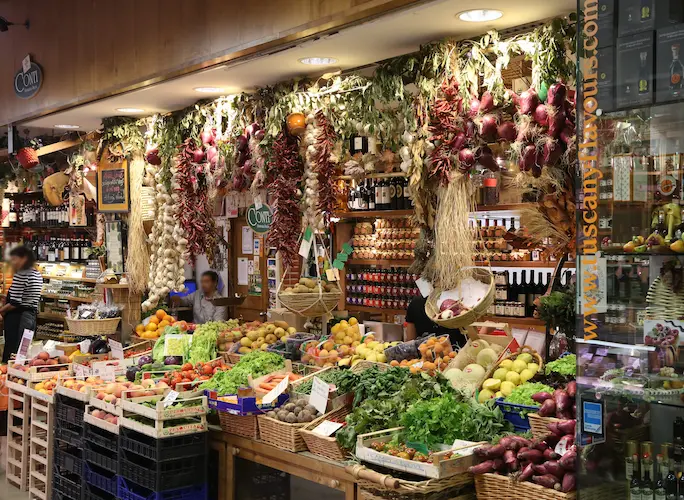
June in Florence
High28°C / 83°F
Low16°C
Rain56mm / 8 rainy days
Sun13.1 h/day
Daylight15 h/day
Humidity67%
Crowds●●●●●Prices●●●●●
June opens the Florentine summer warm at 28°C average highs, nearly the driest month at 56mm, and long on daylight at over 15 hours with sunset near 9:10pm. Peak season is in full swing: Pitti Uomo (Jun 16-19) spikes fashion-week hotel demand, the Calcio Storico semifinals and final fill Piazza Santa Croce, and San Giovanni on 24 June is the city's own public holiday. Hot and crowded by day, but the long evenings redeem it.
The vibe June is the tipping point, when Florence shifts from busy-but-workable into full summer mode. By the third week it is hot and hectic by day, but the long evenings carry it: San Giovanni on 24 June ends with the best free fireworks of the year from Piazzale Michelangelo at 10pm, and the whole city is out for it.
Don't miss The Calcio Storico final on 24 June in Piazza Santa Croce is the city's wildest spectacle, 27-player teams on sand, capped by the Fochi di San Giovanni fireworks at 10pm. The patron-saint holiday means free museums and Florentine pride at maximum. Maggio Musicale's Beethoven symphony cycle runs 18 June to 1 July.
Crowd drivers Pitti Uomo (Jun 16-19) and its fashion crowd, the Calcio Storico tournament, the San Giovanni public holiday (Jun 24), and European school holidays beginning all overlap.
In season Peak season for panzanella, the cold bread-and-tomato salad, and crostini di fegatini. Gelato becomes a daily survival ritual: walk a few streets off the sights to a real artisan gelateria for half the price.
Heads up Uffizi and Accademia closed Mondays. 24 June (San Giovanni) closes offices and many shops, though museums and sights stay open.
Rates high all month at €180-250-plus a night; Pitti Uomo week (Jun 16-19) adds a 20-30% hotel surcharge.
Events this month
🎨 Art and culturePitti Uomo (Summer Edition) Pitti Immagine Uomo
Jun 16–19
Mid-June at the Fortezza da Basso, typically the third week of the month, four days.
The summer edition (No. 110) of the menswear fair, with 720-plus brands at the Fortezza da Basso and a guest designer show at the Teatro della Pergola, drawing the fashion world to Florence.
Hotel prices surge across this week, so either book months ahead or simply enjoy the fashion-forward street style from outside the gates.
🇮 HolidayFeast of San Giovanni and Calcio Storico Final Festa di San Giovanni e Finale del Calcio Storico
Jun 24
24 June, Florence's patron-saint public holiday.
Florence's patron-saint holiday: the morning Corteo degli Omaggi and flag-throwing in Piazza della Signoria, the Calcio Storico final at 5pm in Piazza Santa Croce, and the Fochi di San Giovanni fireworks from Piazzale Michelangelo at 10pm, a full hour of display.
This is Florence's own Ferragosto: the best free fireworks of the year, free museum entry, and Florentine pride at its absolute peak.
🏃 SportCalcio Storico Semifinals Calcio Storico Fiorentino, Semifinali
Jun 13–14 ~
Mid-June in Piazza Santa Croce, typically the second weekend of the month, two days.
The two semifinals of the historic football tournament, played on sand in Piazza Santa Croce by 27-player teams in a brutal mix of soccer, rugby and wrestling, with tickets €29-80.
Tickets go on sale 11 June and sell out fast, but the pageantry and the parade are worth coming for even if the match is sold out.
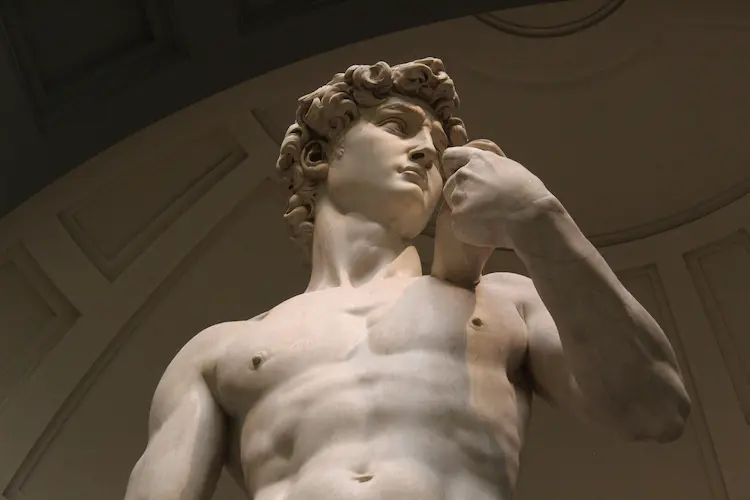
July in Florence
High32°C / 89°F
Low19°C
Rain37mm / 5 rainy days
Sun13.7 h/day
Daylight15 h/day
Humidity61%
Crowds●●●●●Prices●●●●○
July is Florence at full intensity: 31-32°C average highs, afternoons regularly hitting 35-38°C, and tourist numbers at their absolute peak. The city is stone, and Piazza della Signoria and the Uffizi streets have zero shade and radiate heat from noon. Walking these areas after 11am feels genuinely punishing, and Uffizi queues form before 8am. The best windows are 7:30-10:30am and after 5pm, and pre-booking museum slots weeks ahead is not optional.
The vibe July is for people who genuinely don't mind queuing in 38°C heat and paying near-peak prices to do it. Midday is a write-off, and the humidity in the Arno valley makes 35°C feel heavier than it reads. But a sunset from San Miniato al Monte after the bus crowd leaves, or an early-morning Uffizi before the heat builds, is a different Florence, and that part is worth it.
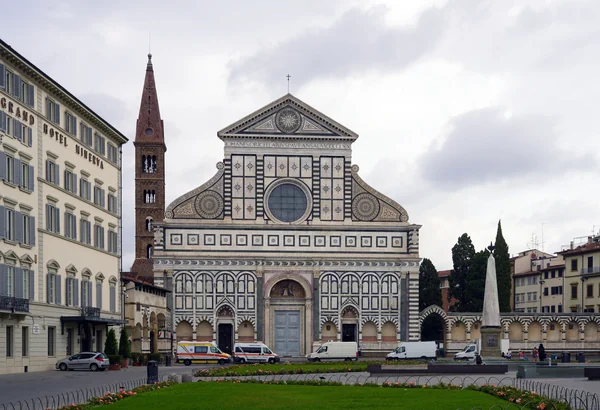
Don't miss Churches like Santa Croce, Santa Maria Novella and San Miniato al Monte run 5-8°C cooler than the streets and are real refuges from the heat. Some museums extend their summer hours, and Piazzale Michelangelo golden hour stretches past 9pm with the best light of the day.
Crowd drivers US, UK and Australian summer school holidays, the busiest tourist month overall, and the year's densest international flight schedule into nearby Pisa and Bologna.
In season Cold dishes carry July: panzanella, pappa al pomodoro served at room temperature, and gelato as a survival strategy rather than a treat. Eat your big meal after 8pm when the heat finally breaks.
Heads up Uffizi and Accademia closed Mondays. Heat aside, the city runs at full summer schedule, with the longest museum days of the year.
Slightly below June as some Florentines leave: hotels average €160-220 a night, still high.
Events this month
🎵 MusicMaggio Musicale Fiorentino Festival Festival del Maggio Musicale Fiorentino
Apr 19 – Jul 1 ~
Mid-April into early July, typically running about ten weeks across spring and early summer.
Italy's oldest music festival, staging operas, a complete Beethoven symphony cycle (18, 23, 28 June and 1 July), and major conductors at the Teatro del Maggio, with tickets €20-120.
The Beethoven complete cycle in late June is unmissable for classical fans, but book months ahead for the key nights, which sell out.
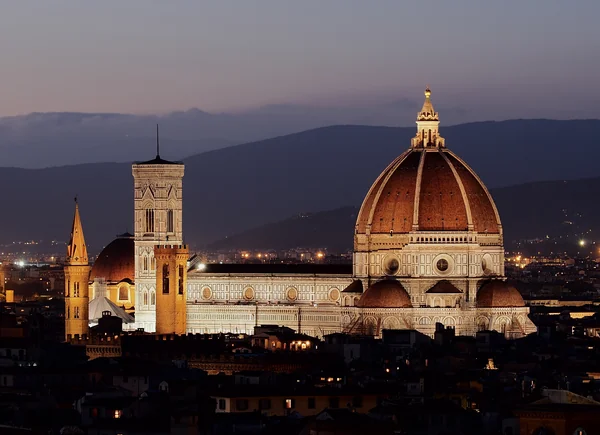
August in Florence
High31°C / 88°F
Low19°C
Rain46mm / 7 rainy days
Sun12.5 h/day
Daylight14 h/day
Humidity63%
Crowds●●●●○Prices●●●●○
August is Florence's paradox month: still 31°C and shadeless hot, yet emptier of locals than any other. Around Ferragosto on 15 August the Florentines clear out, and many neighbourhood restaurants and shops close from roughly 10-18 August. Tourist crowds persist, so the major museum queues stay long, but the markets feel quieter without the locals. Not the month for anyone who dislikes extreme heat or wants the real working city.
The vibe August is not romantic-empty Florence, it is survival-mode Florence with a hole where the locals used to be. The trattorie you read about put up chiuso per ferie signs, the heat is physically draining rather than photogenic, and a sea of international tourists fills the Uffizi queue. If you must come, do your sights before 10am and retreat to a cool church by noon.
Don't miss Ferragosto thins the locals, so the Mercato Centrale and the streets feel emptier than July. The nearest swimmable sea is Viareggio or Forte dei Marmi, about 90 minutes by train on the Tyrrhenian coast, where the water is warm into September.
Crowd drivers International tourists keep coming through Ferragosto while Florentines leave for the coast. The crowd is foreign, not local, the whole month.
In season Plan around the closures: the Mercato Centrale ground floor (Mon-Fri 7am-3pm, Sat to 5pm) stays open with fewer vendors when the neighbourhood trattorie shut. Book any restaurant you care about two weeks ahead.
Heads up The Ferragosto window (Aug 10-18): neighbourhood trattorie around Santa Croce, San Frediano and the Oltrarno close for one to four weeks. Uffizi and Accademia still closed Mondays; 15 August reduces transport.
Rates stay high for tourists at €150-210 a night; some local-area hotels briefly discount mid-month.
Events this month
🇮 HolidayFerragosto
Aug 15
15 August (fixed); Florentines leave roughly 10-18 August.
Italy's mid-August national holiday. Around 15 August many family-run restaurants, trattorie and shops in the residential quarters close for one to four weeks, with chiuso per ferie signs across Santa Croce, San Frediano and the Oltrarno.
Ferragosto is the most honest window into how the city works: the tourist layer never sleeps while the local fabric simply packs up and goes to the coast.
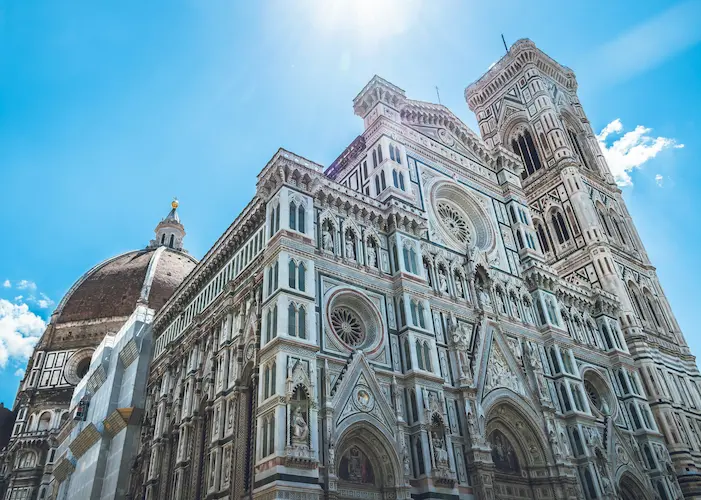
September in Florence
High26°C / 79°F
Low15°C
Rain101mm / 9 rainy days
Sun10.6 h/day
Daylight12 h/day
Humidity70%
Crowds●●●○○Prices●●●●○
September is one of Florence's best months: still warm at 26°C, the brutal July heat gone, and the light turning golden. Crowds thin as school holidays end, though it carries about 9 rain days, sometimes longer Atlantic fronts late in the month. The Chianti harvest begins, with day trips to Greve and the Expo Chianti Classico (Sep 10-13), and the Rificolona lantern festival on 7 September is the real, local Florence.
The vibe September is when Florence becomes itself again. The unbearable heat lifts, the school groups go home, and the city feels intimate at a manageable warmth. Evenings are still long enough to eat outside, and the harvest season in the hills gives you a reason to leave the centre. This is the quiet payoff after the summer crush.
Don't miss The Festa della Rificolona on 7 September is a beloved children's lantern procession arriving at Piazza Santissima Annunziata around 9:30pm, with almost zero foreign tourists. Expo Chianti Classico (Sep 10-13) in nearby Greve fills Piazza Matteotti with producer booths and harvest tastings.
Crowd drivers School holidays ending across Europe drops the family crowd, though harvest day-trippers and the BIAF antiques fair (from Sep 26) keep the centre busy.
In season The first fresh porcini mushrooms arrive in the Mercato Centrale, new-harvest Chianti Classico opens in Greve, and ribollita season begins as the evenings cool.
Heads up Uffizi and Accademia closed Mondays. The BIAF antiques fair opens 26 September in the Palazzo Corsini, drawing collectors into late autumn.
Rates begin to ease late in the month: hotels average €140-190 a night.
Events this month
🎉 FestivalRificolona Lantern Festival Festa della Rificolona
Sep 7
7 September every year.
A children's lantern procession that departs the Basilica di Impruneta at 2:30pm and walks about 16 km into the city, reaching Piazza Santissima Annunziata around 9:30pm, with kids using pea-shooters to light each other's paper lanterns.
A uniquely Florentine, beloved local tradition with almost no foreign tourists, this is the real city celebrating itself.
🍷 Food and wineExpo Chianti Classico
Sep 10–13 ~
Mid-September in Greve in Chianti, typically the second weekend of the month across four days.
A wine festival in Greve in Chianti (30 km south, reachable by bus or car), with Piazza Matteotti filled with producer booths, guided tastings, concerts and cultural events, set against the September harvest at the wineries. Tastings around €15-25.
The best day trip from Florence in the shoulder season, hitting the harvest at the vineyards while the city is still warm and lively.
🎨 Art and cultureInternational Biennial of Antiques (BIAF) Biennale Internazionale dell'Antiquariato di Firenze
Sep 26 – Oct 4 ~
Late September into early October at Palazzo Corsini, typically running about nine days across the last days of September and the first of October.
The highest-level art and antiques event in Italy, with 80-plus international galleries in the baroque rooms of Palazzo Corsini showing paintings, sculpture and furniture by the likes of Bronzino, Tiziano and Boccioni.
It draws collectors and museum directors from across the world, and even as a visitor the chance to walk a Palazzo Corsini full of masterpieces for a modest ticket is rare.
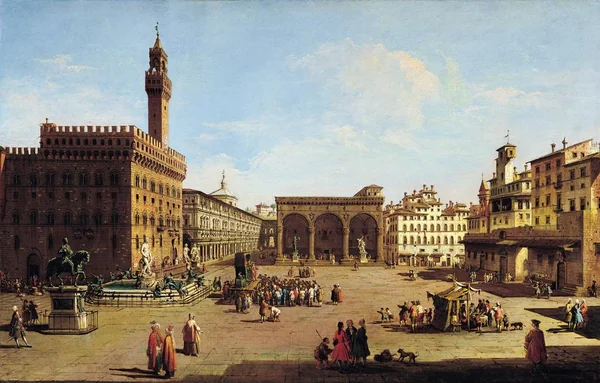
October in Florence
High21°C / 70°F
Low12°C
Rain99mm / 11 rainy days
Sun8.4 h/day
Daylight11 h/day
Humidity78%
Crowds●●○○○Prices●●○○○
October is the consensus best-value month in Florence: pleasant 15-20°C days, the Tuscan hills turning gold and rust, and museum queues a fraction of summer's with no school-holiday pressure. Rain steps up to about 11 days, but the showers are usually short. Mid-week mornings at the Uffizi (8:15-10am) are the lowest-crowd window of any good-weather month, and rates fall 30-40% below summer.
The vibe October is the locals' favourite, and with reason: warm enough to sit outside, cool enough to walk all day, and quiet enough to actually see the art. The harvest light over the Arno is the best of the year, and an empty Piazzale Michelangelo at sunrise feels like the city is yours. The trade is real rain risk, but it rarely lasts the day.
Don't miss Truffle season opens, with white truffles from San Miniato (45 minutes away) peaking late October into November. The Chianti and Fiesole hills turn to autumn foliage from late October, and the Uffizi mid-week mornings are near-empty.
Crowd drivers No school-holiday pressure, so crowds drop sharply after the first week. The BIAF antiques fair runs through 4 October, then the centre quiets right down.
In season Peak Tuscan autumn eating: white truffles shaved over fresh pasta, new-season chestnuts, game ragu, and the first Novello wines from the harvest.
Heads up Uffizi and Accademia closed Mondays. Clocks go back at the end of October, shortening the evenings as winter approaches.
Rates drop sharply: hotels average €100-150 a night, 30-40% below summer, with last-minute deals appearing.
Events this month
🎨 Art and cultureInternational Biennial of Antiques (BIAF) Biennale Internazionale dell'Antiquariato di Firenze
Sep 26 – Oct 4 ~
Late September into early October at Palazzo Corsini, typically running about nine days across the last days of September and the first of October.
The highest-level art and antiques event in Italy, with 80-plus international galleries in the baroque rooms of Palazzo Corsini showing paintings, sculpture and furniture by the likes of Bronzino, Tiziano and Boccioni.
It draws collectors and museum directors from across the world, and even as a visitor the chance to walk a Palazzo Corsini full of masterpieces for a modest ticket is rare.
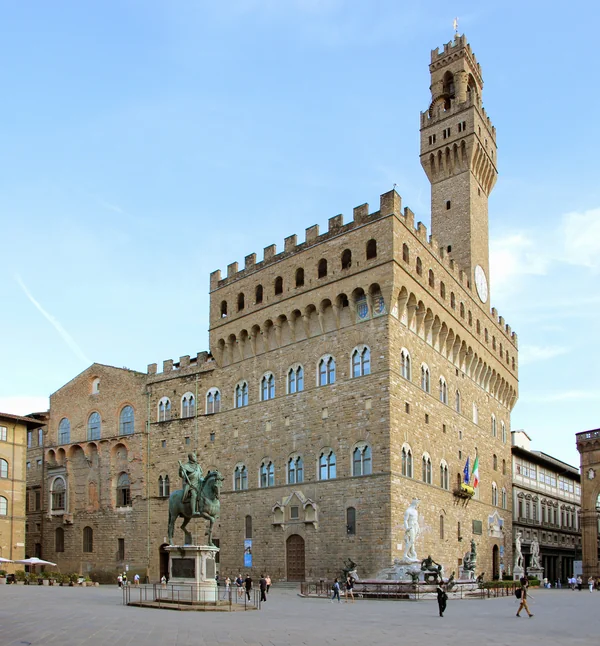
November in Florence
High15°C / 60°F
Low8°C
Rain142mm / 14 rainy days
Sun6.3 h/day
Daylight10 h/day
Humidity83%
Crowds●○○○○Prices●○○○○
November is off-season Florence: quiet, cheap, and the wettest month at 142mm over about 14 rainy days, with a real Arno high-water risk to watch. Highs drop to around 15°C and the museums are at their emptiest. The German-style Christmas market opens in Piazza Santa Croce around mid-month (from Nov 14), and the Florence Marathon on 29 November closes central streets on a fast, flat course.
The vibe November is honest, end-of-year Florence: grey, damp and genuinely empty, the off-season at its most off. The reward is the lowest queues of the year and the city at its most local. Bring proper rain gear and check the Arno level after heavy rain, but the trade for that weather is a Florence almost no tourist sees.
Don't miss The Christmas market opens around 14 November in Piazza Santa Croce, over 50 chalets in the shadow of the basilica. The Florence Marathon on 29 November runs from Piazza del Duomo past the Ponte Vecchio, a spectacular free spectator setting. Museums are at their year-round emptiest.
Crowd drivers Deep off-season with no school holidays. Only the Christmas market opening from 14 November and Marathon weekend (29 November) bring any extra visitors.
In season White truffle season is at its peak, alongside game meats, chestnut desserts and the first Novello wines, the richest eating of the Tuscan year.
Heads up Uffizi and Accademia closed Mondays. 1 November (All Saints') closes many shops. Watch the Arno after heavy rain, as November is the high-water month.
Second cheapest month: hotels average €80-130 a night, with the lowest queue times of the year.
Events this month
🎄 Christmas marketFlorence Christmas Market Mercatino di Natale di Firenze
Nov 14 – Dec 21 ~
Mid-November to late December in Piazza Santa Croce, typically opening around the second week of November and running until just before Christmas.
A German-style market of 50-plus wooden chalets in Piazza Santa Croce, open Mon-Thu 10am-10pm and Fri-Sun 10am-11pm, with mulled wine, crafts and food in the shadow of the basilica.
A genuine German-run market in one of Florence's grandest squares, atmospheric at dusk, and free to wander, though it pushes hotel demand up from mid-November.
🏃 SportFlorence Marathon Firenze Marathon
Nov 29 ~
Late November, a Sunday morning, typically the last Sunday of the month.
A 42 km marathon running from Piazza del Duomo past the Ponte Vecchio, Piazza Pitti and Piazza Santa Croce out to the Cascine Park and back, on a fast flat course that closes central streets on Sunday morning.
A spectacular race setting with the start and finish at the Duomo, free to watch, though it closes the centre on Sunday morning, so plan museums around it.
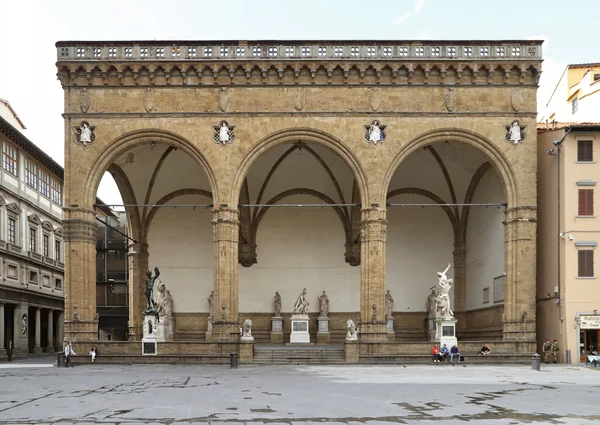
December in Florence
High12°C / 53°F
Low4°C
Rain101mm / 12 rainy days
Sun5.6 h/day
Daylight9 h/day
Humidity85%
Crowds●●○○○Prices●●○○○
December is festive and atmospheric, the Christmas market in Piazza Santa Croce running through about 21 December and pulling German and Austrian day-trippers. Temperatures are cool at around 12°C with roughly 12 rainy days. The first three weeks are good value and quiet, then Christmas week and New Year spike sharply, so book early for those dates. The Duomo and the lit-up centre are at their most cinematic.
The vibe Early December is a quiet, festive secret: the market glows, the crowds are thin, and the prices are still low. Then Christmas week flips it, with a surge of holiday tourists and New Year revellers pushing rates and crowds up fast. Time it for the first three weeks and you get the atmosphere without the crush.
Don't miss The Christmas market fills Piazza Santa Croce with 50-plus chalets through about 21 December, German-style in the shadow of the basilica. The Duomo and Ponte Vecchio lit up at dusk, with thin early-December crowds, are the most cinematic version of the city.
Crowd drivers The Christmas market draws German and Austrian day-trippers from mid-month, then Christmas week and New Year's Eve bring a sharp domestic and international spike.
In season Festive Tuscan sweets appear: panforte and ricciarelli from nearby Siena, plus the rich winter staples of ribollita and bistecca alla fiorentina in warm trattorie.
Heads up 25 December closes all museums and sights, with the Duomo open for worship only. 8 December (Immaculate Conception) and 26 December are holidays. Uffizi and Accademia closed Mondays as always.
Good value before the market peaks at €90-140 a night; Dec 24 to Jan 1 surges with the Christmas and New Year spike.
Events this month
🎄 Christmas marketFlorence Christmas Market Mercatino di Natale di Firenze
Nov 14 – Dec 21 ~
Mid-November to late December in Piazza Santa Croce, typically opening around the second week of November and running until just before Christmas.
A German-style market of 50-plus wooden chalets in Piazza Santa Croce, open Mon-Thu 10am-10pm and Fri-Sun 10am-11pm, with mulled wine, crafts and food in the shadow of the basilica.
A genuine German-run market in one of Florence's grandest squares, atmospheric at dusk, and free to wander, though it pushes hotel demand up from mid-November.
Frequently asked questions
What are the cheapest months to visit Florence?
January and February are the cheapest months to visit Florence, with mid-range hotels averaging €75-120 a night, roughly half the May peak. November is close behind at €80-130. The trade-off is grey skies, around 11-14 rainy days a month and short daylight, but temperatures stay mild near 10-12°C and museum queues are the shortest of the year.
When should I avoid visiting Florence?
July is the month most worth avoiding. Afternoon highs hit 35-38°C on shadeless stone squares, the Uffizi and Accademia have 60-90 minute queues without a pre-booked slot, and hotel rates stay high. August is only marginally cooler in feel, because Ferragosto empties the locals and shuts the neighbourhood trattorie from about 10-18 August while the tourist crowds stay.
What is the best time to visit Florence overall?
Late April (after Easter week) through May, and October. Late April and May bring 18-22°C, the Iris Garden in bloom from 25 April, and Maggio Musicale opera nights, though May is the priciest month. October is the best value: 15-20°C, the Chianti harvest, near-empty museums, and rates 30-40% below summer. Both deliver the classic Florence without peak-season heat and queues.
How hot does Florence get in summer?
Florence summers are punishing. July and August average highs of 31°C, with afternoons regularly reaching 35-38°C and heatwaves pushing toward 40°C. The city is stone, so Piazza della Signoria and the streets around the Uffizi radiate heat with zero shade from noon. The Arno-valley humidity makes it feel heavier still. Sightsee 7:30-10:30am and after 5pm, and use churches, which run 5-8°C cooler.
Do I need to book the Uffizi and Accademia in advance?
Yes, in peak season book four to six months ahead. From June to August both sell out entirely on peak days, and the Accademia, which holds Michelangelo's David, is actually harder to book than the Uffizi. Walking up without a slot in July means 60-90 minutes in full sun and a possible sell-out. Both are closed every Monday year-round.
Is the free first-Sunday museum entry worth it in Florence?
It is free, but no timed slot is sold for it, so in July and August the Uffizi queue forms before 7:30am and wraps the block by opening. For a relaxed visit, pay the standard ticket on another day with a pre-booked slot. If you do go on free Sunday, be at the door by 8am sharp. The 2026 first Sundays include Feb 1, May 3 and Jul 5.
When is the best time to visit Florence with kids?
September and early October are best for families. July and August are school-holiday peak but brutal for small children, with 35-38°C afternoons, no shade and 60-90 minute queues. September drops to 24-26°C, the Boboli Gardens are open and free for under-18s, and the Rificolona lantern procession on 7 September is made for children walking with paper lanterns.
What is Florence like in December?
December is festive and atmospheric, with the German-style Christmas market in Piazza Santa Croce running through about 21 December. Temperatures are cool near 12°C with roughly 12 rainy days. The first three weeks are quiet and good value at €90-140 a night, then Christmas week and New Year spike sharply, so book early for those dates. Note 25 December closes all museums and sights.
When is the Iris Garden open in Florence?
The Giardino dell'Iris below Piazzale Michelangelo opens for only four to five weeks a year, roughly 25 April to 20 May, when 1,500-plus iris varieties are in full flower. The International Iris Competition is judged 4-9 May. Entry is free, and the garden offers the best view of the historic skyline in the city. It is the single strongest reason to time a May trip.

Any month, any day: your guide is already there
Whatever date you pick, a private human guide gets pricier and harder to book on weekends, holidays and in peak season. Our live AI guide, the one that walks with you and answers anything you ask out loud, works the opposite way.
One flat price, every day
No holiday, weekend, night or peak-season surcharge. A private guide in Florence runs well over 100 euro for a half day, and more on holidays. Ours stays the same.
Available the moment you want it
Start at midnight or at dawn, on Christmas, in the snow, in the August heat. No sold-out high season, no booking weeks ahead.
Your pace, no meter running
Pause for a long lunch, restart after dark, repeat a stop. The tour simply waits for you.
Free to try, a fraction of the cost
Test it for free, then a transparent flat price that undercuts any private guide, in every season.
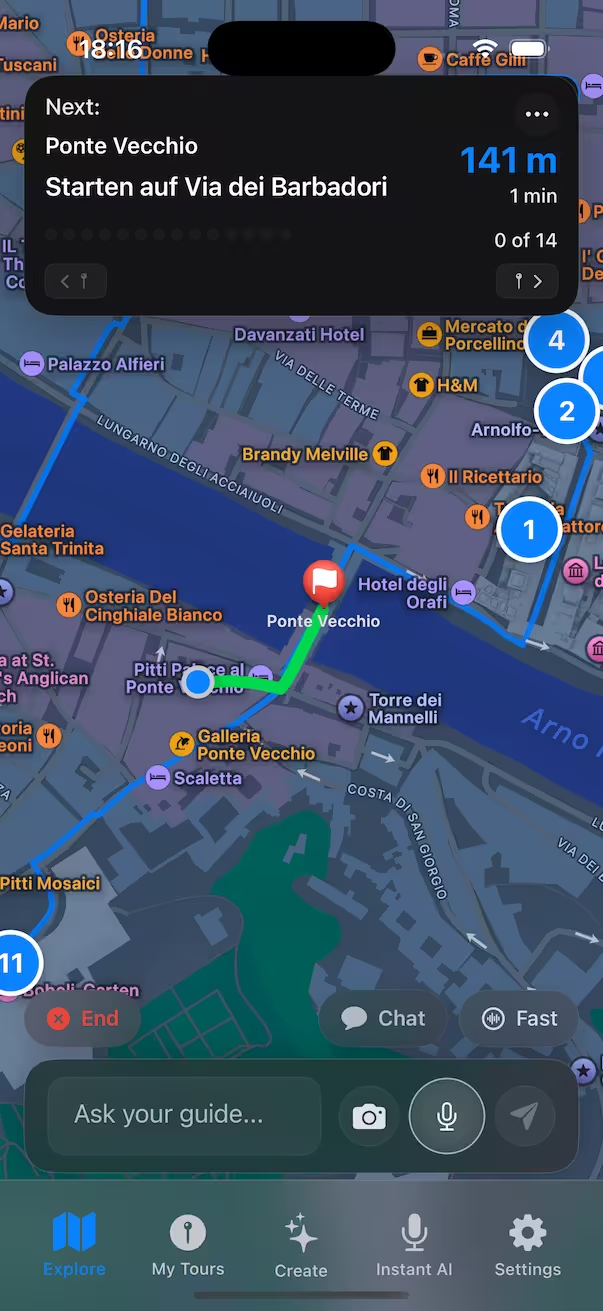
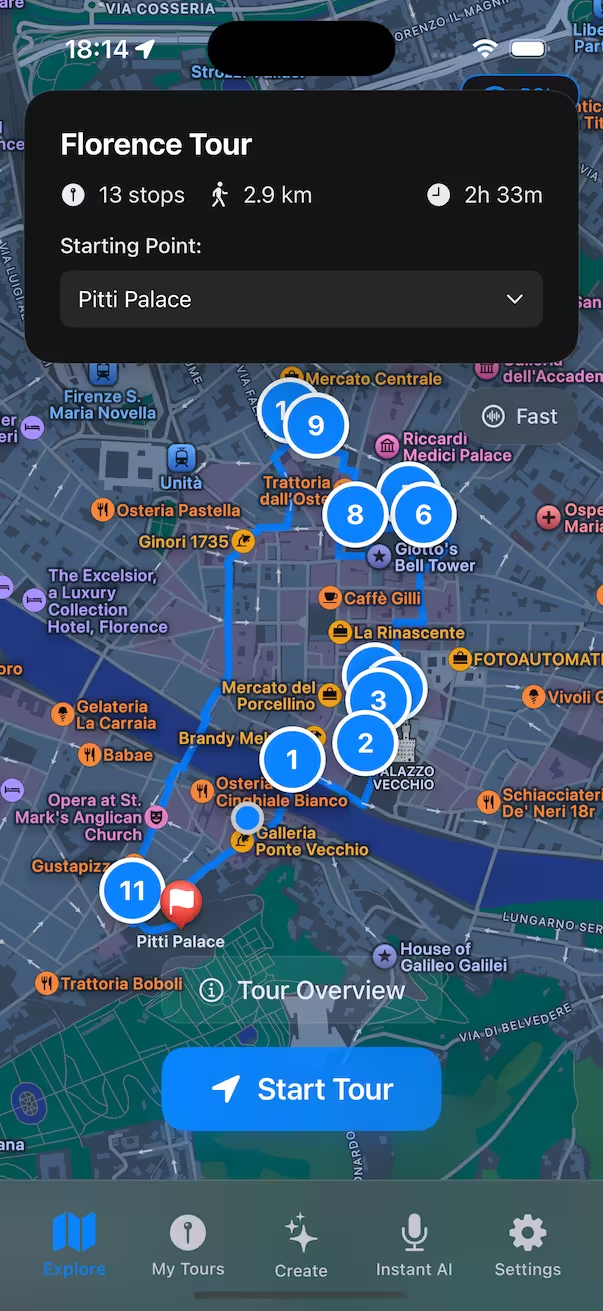
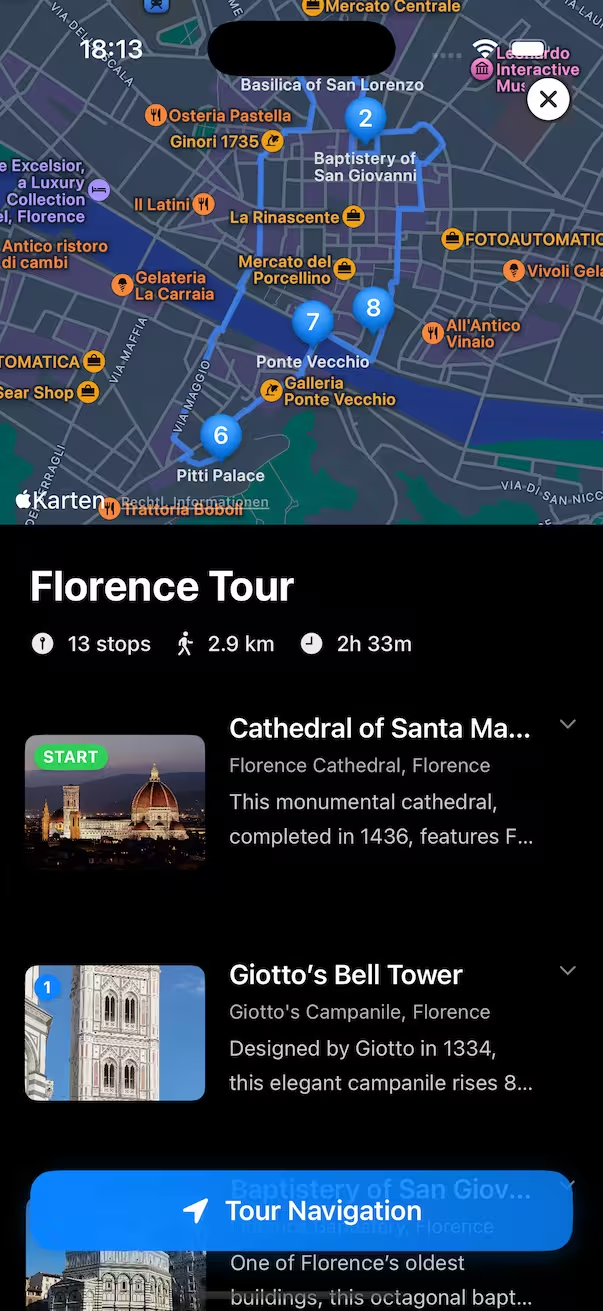
The classic Florence tour: 16 stops, 5.5 km, about 4 h on foot
Your live AI guide and the self-guided Florence route, together in your browser.