Best Time to Visit Rome
Month-by-month weather, crowds and prices, plus a full calendar of festivals and events worth planning a trip around.
Best monthsApr, May, Sep, Oct
CheapestJan, Feb, Dec
AvoidAug
BusiestJul, Aug

When is the best time to visit Rome?
Come in April, May, September or October: 18-25°C, crowds you can still navigate, and Rome's fullest cultural calendar. July and August mean 30°C-plus heat and peak tourist pressure. January and February are the cheapest and emptiest, the trade being grey skies and a handful of rainy days.
Start our tool and find your best time to visit Rome
Your perfect month
Free · ~30 seconds
or tap a month directly
What matters to you?
And this?
Best overall: May, Sep. May and September are the real thing: spring bloom or golden-autumn light, everything open, crowds you can work around. April and October deliver too, just book early, because everyone else has read the same advice.
Best value: Jan, Feb, Nov. January, February and November bring hotel rates 30-40% below summer, almost no queue at the Vatican, and the rare pleasure of hearing actual Italian spoken on a Trastevere street.
Avoid: Aug. August: brutal heat, Ferragosto shutters, and you pay peak prices for a city half-emptied of Romans and crammed with other tourists. The worst value of the year.
- January: Good time, 12°C. This is the one month you walk into the Sistine Chapel without being herded shoulder to shoulder. The Romans are actually home, café life is slow and unhurried, and Trastevere sounds like Italian instead of English. Grey skies are the price, and it is a fair one.
- February: Great time, 14°C. February is honest, unperformed Rome. No show put on for tourists, no seasonal markup, just a real city in winter mode and better for it. The Carnevale finale on Martedì Grasso is the one afternoon you see Romans visibly let loose.
- March: Great time, 16°C. March is the last genuinely quiet month before spring fills the city. Rome wakes up with terrace tables and spring produce piling up at the markets, yet you can still walk into Trattoria da Remo in Testaccio on a Saturday without a reservation. That window closes fast, so use it.
- April: Good time, 19°C. April is gorgeous, and no longer a secret to anyone. Cruise ships have been running out of Civitavecchia since late March, Easter pilgrims pack the Vatican, and you will queue for the big sights. The azaleas spilling down the Spanish Steps and the wisteria along Via Margutta earn it back, but go in clear-eyed: this is high season, with high-season prices and crowds to match.
- May: Great time, 23°C. Everyone calls May a shoulder-season secret. It stopped being one a decade ago. This is peak cruise season, Italian school groups descend on the Colosseum by the busload, and hotel rates know it. The weather genuinely is the best of the year, so come anyway, but with no illusions: book early, expect a queue at everything, and take the payoff.
- June: Good time, 29°C. June is the tipping point, when Rome shifts from busy-but-workable into full summer mode. By the third week it is hot and hectic by day, but the long evenings redeem it. Open-air cinema along the Tiber between Ponte Sublicio and Ponte Sisto runs nightly until 2 am, and the city genuinely comes back to life once the sun drops.
- July: Tough month, 32°C. July is for people who genuinely don't mind queuing in 35°C heat and paying summer-maximum prices to do it. The city is not at its best, and midday is a write-off. But an opera at the open-air Baths of Caracalla, or a slow walk along the lit-up Tiber banks after dark, is a completely different Rome, and that part is worth it.
- August: Tough month, 32°C. August is not romantic-empty Rome. It is survival-mode Rome. The locals are out at Fregene or Ostia, and what fills their place is a sea of international tourists in Colosseum queues and tourist-trap restaurants. The heat is not photogenic, it is physically draining. If you must come, do your sights before 8 am and retreat indoors by noon.
- September: Good time, 27°C. Mid-September is the quiet reward for skipping August. The Romans are back, the trattorias feel local again, and the Colosseum queue at 9 am is actually manageable. Early September still carries summer crowds and summer prices, so the real sweet spot is the third week onward.
- October: Great time, 22°C. October is no real secret. It tops every 'best time to visit' list and the hotels have noticed. But next to summer it is genuinely calmer, the light is the best of the year, and the autumn colour through Villa Borghese and along the Appian Way pines is something else. Book good hotels about two months out.
- November: Great time, 17°C. November is the art lover's month. You can stand in front of Raphael's frescoes in the Vatican Museums with fewer than ten people in the room. Rain is the honest downside: this is Rome's wettest month, 174mm over roughly 14 days. Pack a proper waterproof and an umbrella, not a token rain jacket.
- December: Great time, 14°C. December is genuinely magical in Rome, with one important piece of fine print. Early December, before the 20th, is quiet, beautiful and underpriced. Christmas week through New Year is a different city entirely: crowds on a par with Easter, prices back at summer peaks, and Piazza Navona so packed you can barely move through it. Choose your window with care.
Rome weather by month
HighLowRainfall
Jan12°
Feb14°
Mar16°
Apr19°
May23°
Jun29°
Jul32°
Aug32°
Sep27°
Oct22°
Nov17°
Dec14°
| Month | Temp | Rain | Sun | Crowds | Prices | Highlight |
|---|---|---|---|---|---|---|
| Jan | 12° / 4° | 81mm · 11 rainy days | 6.8 h/day | ●○○○○ | ●○○○○ | Befana at Piazza Navona |
| Feb | 14° / 5° | 82mm · 10 rainy days | 8.1 h/day | ●○○○○ | ●○○○○ | Rome Carnival |
| Mar | 16° / 6° | 90mm · 10 rainy days | 9.2 h/day | ●●○○○ | ●●○○○ | Rome Marathon |
| Apr | 19° / 9° | 70mm · 10 rainy days | 10.7 h/day | ●●●●○ | ●●●●○ | Holy Week in Rome |
| May | 23° / 13° | 73mm · 11 rainy days | 11.7 h/day | ●●●○○ | ●●●○○ | Night of the Museums |
| Jun | 29° / 18° | 51mm · 6 rainy days | 13.2 h/day | ●●●○○ | ●●●○○ | Roman Summer Festival |
| Jul | 32° / 21° | 25mm · 4 rainy days | 13.7 h/day | ●●●●● | ●●●●● | Roman Summer Festival |
| Aug | 32° / 21° | 31mm · 5 rainy days | 12.7 h/day | ●●●●○ | ●●●●● | Roman Summer Festival |
| Sep | 27° / 17° | 101mm · 9 rainy days | 10.9 h/day | ●●●○○ | ●●●○○ | Roman Summer Festival |
| Oct | 22° / 14° | 108mm · 11 rainy days | 8.9 h/day | ●●●○○ | ●●●○○ | Roman Summer Festival |
| Nov | 17° / 10° | 174mm · 14 rainy days | 6.8 h/day | ●●○○○ | ●●○○○ | Romaeuropa Festival |
| Dec | 14° / 6° | 104mm · 10 rainy days | 6.7 h/day | ●●○○○ | ●●○○○ | Piazza Navona Christmas and Befana Market |
How we score this: weather = long-run climate normals (Open-Meteo), crowds & prices = relative season read, events checked yearly against official dates.
Best time to visit Rome: weather, prices & crowds
Best months for good weather
May, Jun, Sep, Oct
May and September give you Rome's most reliable sun: 22-26°C in the daytime, little rain, and evenings long enough to eat outside until well after dark.
Quietest months to avoid the crowds
Jan, Feb, Nov
From November to February the international crowd thins right out. Queues at the Colosseum and Vatican are genuinely short, and you can stand under the Pantheon's oculus without being elbowed.
Cheapest time to visit Rome
Jan, Feb, Nov
January and February are Rome's cheapest months: hotel rates run 30-40% below summer, and you can walk into a Saturday-night trattoria without a booking.
Best time for festivals and events
Mar, Apr
Holy Week and Easter in Rome have no equal anywhere: the Pope's torchlit Via Crucis at the Colosseum on Good Friday and the Urbi et Orbi blessing pull hundreds of thousands of pilgrims into St. Peter's Square.
How many days do you need in Rome?
Rome rewards three full days. That is enough to fold in the Vatican, ancient Rome, and the Baroque centre at a pace that leaves room for a long lunch and an evening passeggiata, without the forced march of cramming it all into a long weekend. Two days works if you move with discipline and pre-book your tickets; four or more lets you slow down, add Trastevere, the Borghese, and a half-day beyond the walls.
One day
The greatest hits in a single loop
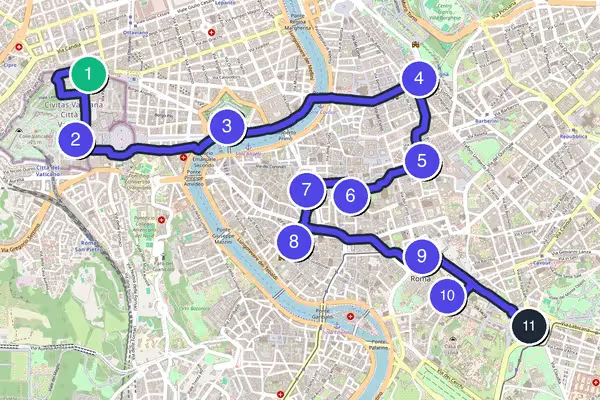
One day means choosing: do ancient Rome or the Vatican, not both well. The smarter move is the historic core, which is essentially one walkable loop. The same 10.1 km route our self-guided Rome walking tour traces ties together the Trevi Fountain, the Pantheon (free, open daily), Piazza Navona, Campo de' Fiori, the Roman Forum and the Colosseum across 11 stops, roughly 3.5 hours of actual walking spread across the day. Pre-book a timed Colosseum ticket so your one day does not evaporate in a queue.
Two days
Vatican plus ancient Rome
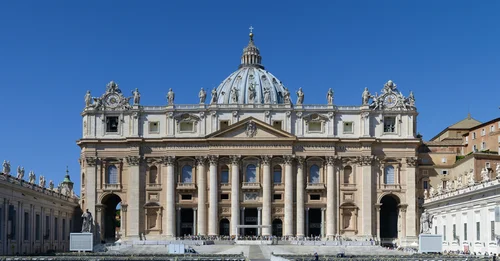
Two days lets you split the city's two heavyweight clusters. Give day one to the Vatican: book the Museums for the first morning slot, walk the Sistine Chapel and Raphael's Rooms, then drop into St. Peter's Basilica (free, but the dress code of covered shoulders and knees is enforced no matter the heat). Day two is the ancient core, the Colosseum, Roman Forum and Palatine on one combined ticket, then the Pantheon and Trevi as you wind back through the centre. Two solid days, properly sequenced, covers the must-sees.
Three daysRecommended
The sweet spot
Three days is the answer for most first-timers. Days one and two handle the Vatican and ancient Rome unhurried, and day three is yours: the Galleria Borghese (timed two-hour slots, book ahead) and its gardens in the morning, then a slow afternoon in Trastevere across the river for the city's best trattoria lunch and aimless lane-wandering. This is the version of Rome that feels like a visit rather than a checklist, and it is the length we recommend.
Four days or more
Rome without rushing
With four days or more, the city stops being a list of monuments and starts being a place you inhabit. Add the Capitoline Museums on the Campidoglio, the Catacombs and basilicas along the ancient Appian Way, and the mosaics of Santa Maria Maggiore and San Giovanni in Laterano. A fifth day buys a day trip: Ostia Antica, a near-complete Roman port town 30 minutes out, or Tivoli's Villa d'Este and Hadrian's Villa. By now you will have your own favourite caffè and a standing order for a morning cappuccino.
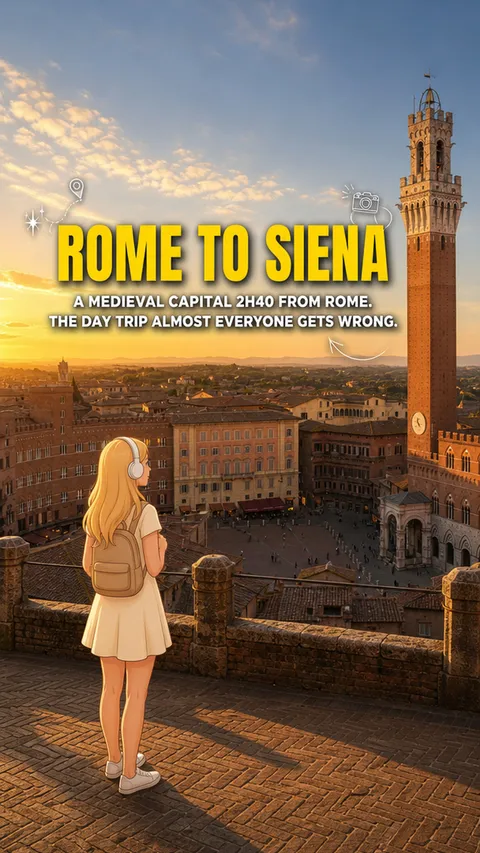
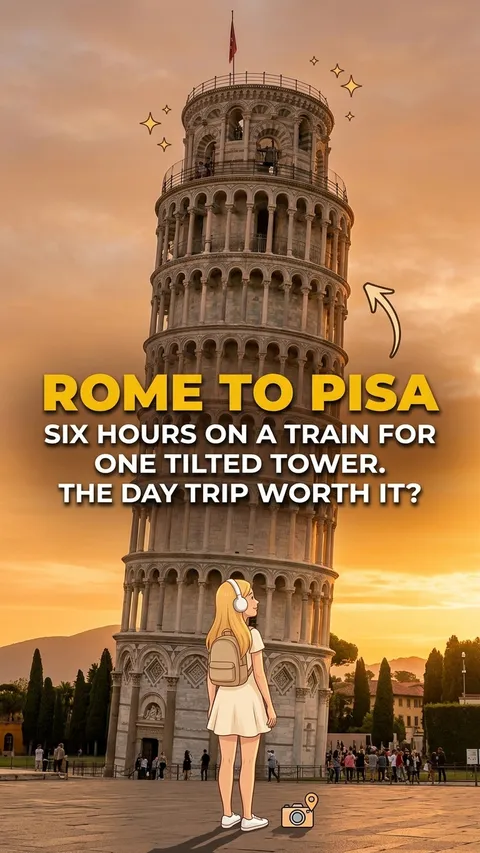
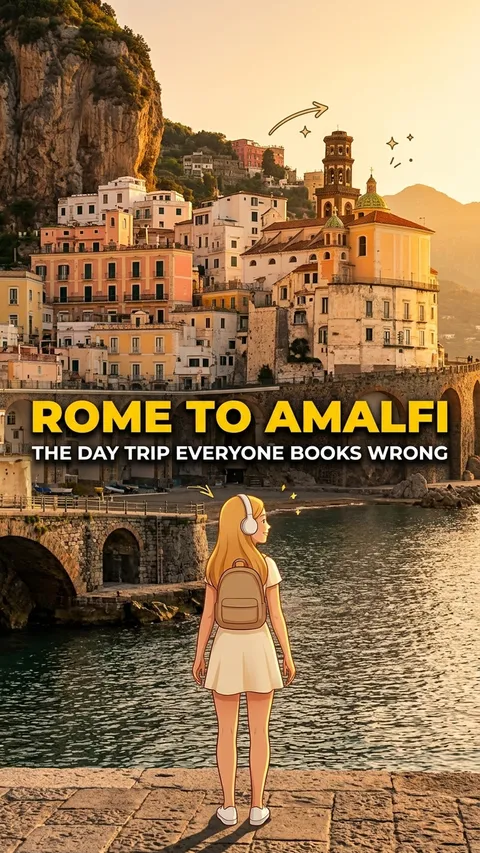
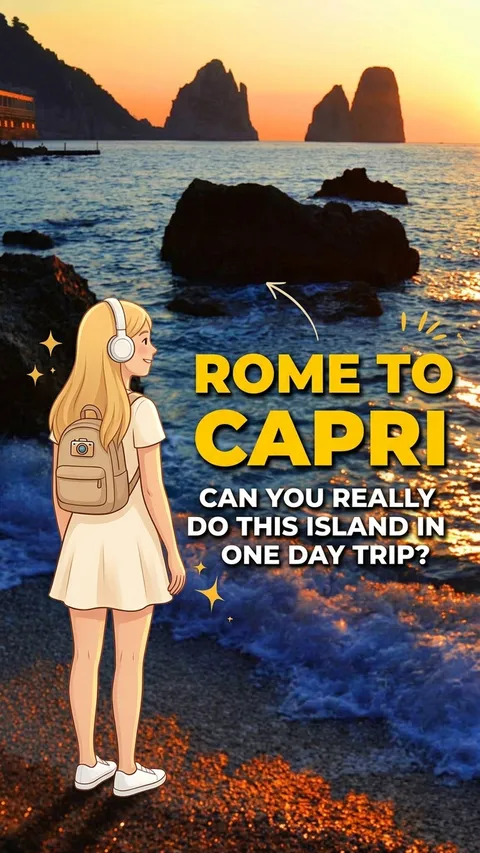
Day trips from Rome
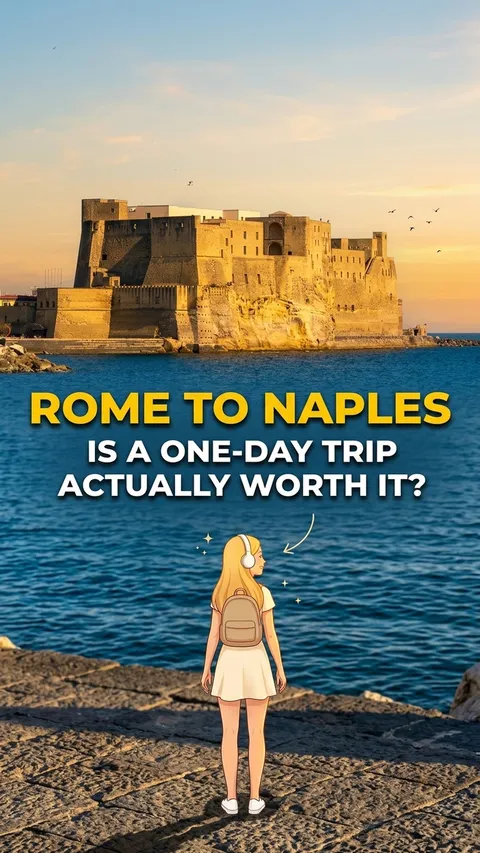
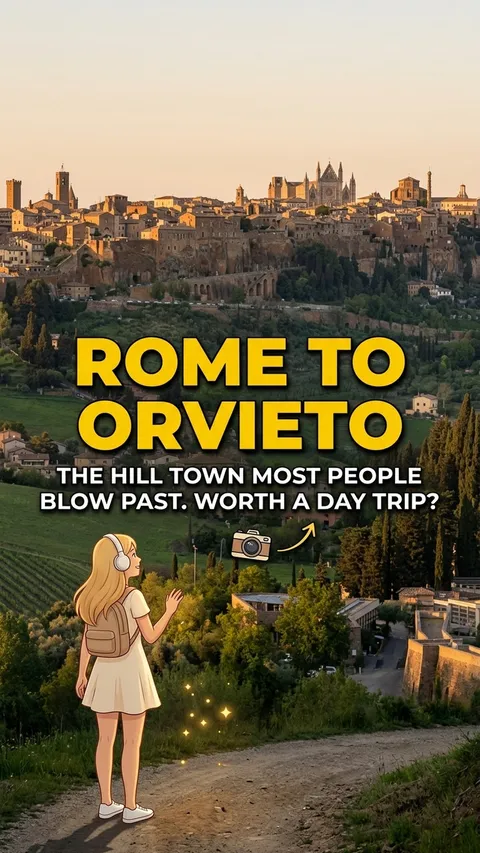
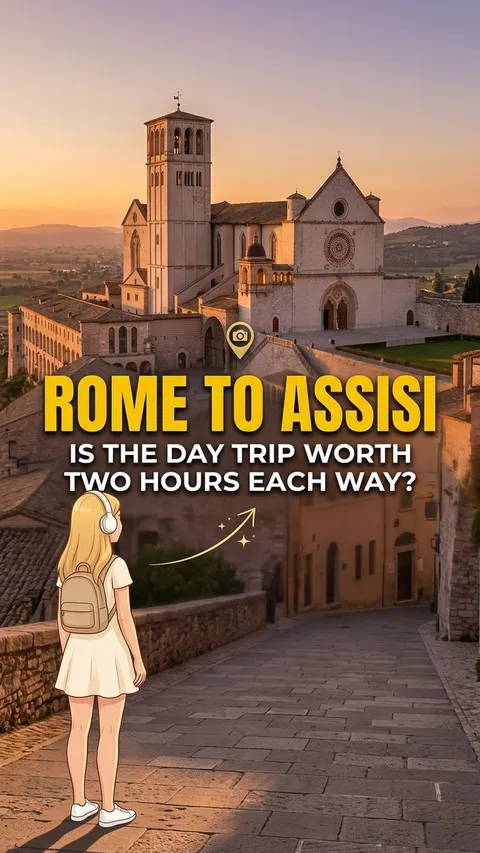
Out in the morning, back in time for dinner. Every route here fits in one full day.
Best time to visit Rome by traveller type
Same city, different trip. Here's the month that fits how you're travelling.
🧭
Best time to visit Rome for the first time
AprMaySepOct
April, May, September or October: the shoulder-season sweet spot, and the answer most first-timers are actually after. Walkable 18-25°C, every sight open, and crowds you can work around if you book the Vatican Museums and Colosseum ahead.
❤️
Best time to visit Rome for couples
SepOct
September or October: warm evenings, golden light raking across the ruins, and a city that feels intimate again once the summer crush clears out.
💶
Best time to visit Rome on a budget
JanFebNov
January or February: the lowest hotel rates of the year, free Vatican Museums on the last Sunday, and the Colosseum with no queue to speak of.
🍝
Best time to visit Rome for food and wine
MarAprOct
March or April at the height of carciofi alla romana season, or October for the autumn sagre and new-wine festivals up in the Castelli Romani hills.
Worst time to visit Rome
August is the month most worth avoiding. Daytime highs average around 32°C and regularly climb past 35°C, so midday sightseeing turns genuinely punishing. Worse, around Ferragosto (15 August) much of the real city shuts down: family-run trattorias, neighbourhood shops and local bars close for one to two weeks as Romans head for the coast. You pay near peak prices for a city emptied of its own residents and packed with other tourists, the worst value of the year.
Still worth it for That said, every major sight stays open: the Colosseum, Vatican Museums, St. Peter's and the Pantheon run their normal hours, and the Colosseum even adds atmospheric evening openings in summer. If your dates are fixed, start before 9 am, retreat indoors at midday, and you can still see all the headline monuments, often with a slightly thinner crowd at the big-ticket sites than in May.
Go instead in April, May, September, October, when Rome is at its best.
Best time for a tour of Rome
Rome is a walking city, and the month decides how pleasant that walk is. April, May, September and October are ideal: 18 to 25 °C, long days and cobblestones you can pound for hours without sweating or freezing. July and August bring 30 to 35 °C, and there is almost no shade on the Roman Forum or the Palatine. In high summer, walk early in the morning or late in the afternoon and spend the midday hours inside a church or a museum. From November to February the city is cool and quiet, the big sights far less crowded, but it gets dark around 5 pm.
Whatever month and hour suit you, you don't have to book a guided walk weeks ahead. With AI Tourguide you start our Rome tour right in your browser whenever it suits you and walk it at your own pace. So you can put the loop in the cool early morning on an August day, or set off on a still January morning when barely anyone is at the Trevi Fountain. As you go, the AI guide tells you the story behind each stop and answers your questions while you walk, just as a human guide would, only far cheaper and with no fixed departure time. That way your best time to visit isn't dictated by a tour schedule, it's set by you.
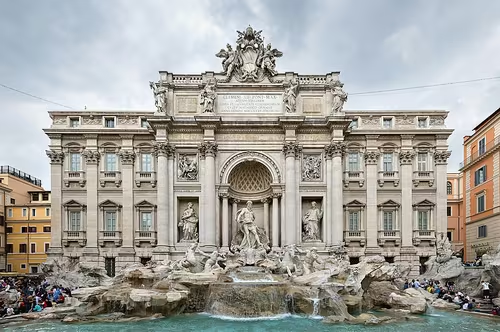
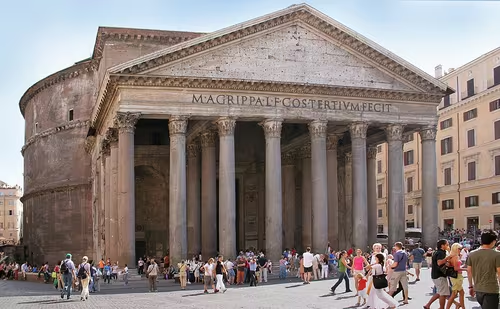
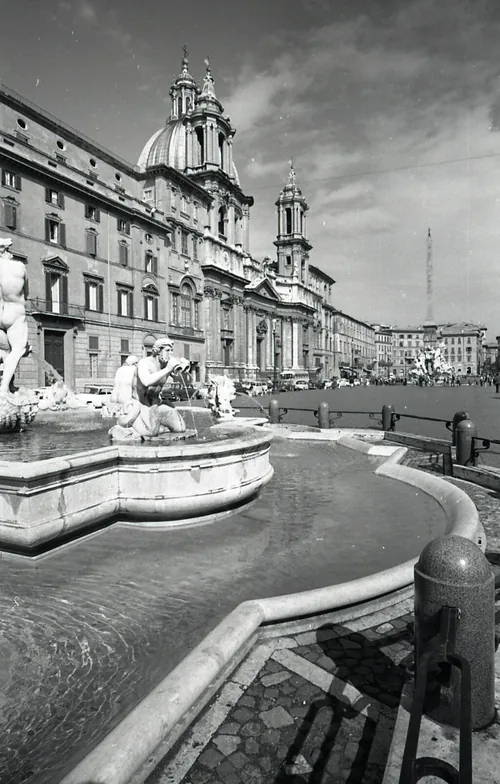
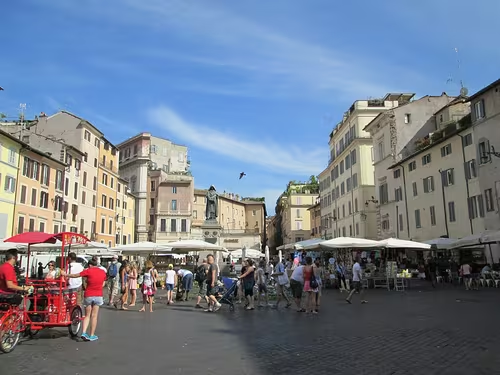 +7
+7All 11 stops are already on the map.
You just press start.
You just press start.
 AI Tourguide
You just read the route.
Now walk it with a guide in your ear.
Press start wherever you are, even hundreds of kilometres from Rome, and the guide begins telling its stories right away. In the city, pick any of the 11 stops to start from: it leads you there, then talks with you the whole route, asking, listening, remembering, and shaping the tour around your answers.
11stops10.1km3.8hours11languages
▶Start the tour freeFree to start · Runs in your browser · No app, no download
Rome events and festivals calendar
Annual highlights worth timing a trip around, listed month by month.
January
More in January →February
🎭 CarnivalRome Carnival Carnevale Romano
Feb 12–17 ~
The final ten days before Ash Wednesday, culminating on Shrove Tuesday (Martedì Grasso) along Via del Corso.
Rome's Carnival peaks in the final week before Lent: a parade of horses and carriages down Via del Corso, street performers and costumed crowds in Piazza Navona and Piazza del Popolo, and bakery windows piled with frappe and castagnole, the fried Carnival sweets.
March
🏃 SportRome Marathon Run Rome The Marathon
Mar 22
Third Sunday of March, start at Via dei Fori Imperiali at 8:30 am.
One of the most scenic marathons anywhere, its 42 km running past the Colosseum, the Roman Forum, Circus Maximus, St.
⛪ ReligiousHoly Week in Rome Settimana Santa
Mar 29 – Apr 5 ~
Palm Sunday through Easter Sunday.
Catholicism's most sacred week unfolds in Rome at a scale nowhere else can touch: the Pope blesses palm branches before hundreds of thousands in St.
April
⛪ ReligiousWay of the Cross at the Colosseum Via Crucis al Colosseo
Apr 3 ~
Good Friday evening, starting around 9:15 pm at the Colosseum.
Each Good Friday the Pope leads the fourteen Stations of the Cross in a torchlit procession at the Colosseum, with around 30,000 of the faithful gathered around the arena and millions watching worldwide.
🎉 FestivalBirthday of Rome Natale di Roma
Apr 21
21 April every year; main events at Circus Maximus and Aventine Hill.
Rome marks its legendary founding on 21 April with costumed parades past the Colosseum, gladiator reenactments at the Circus Maximus, ancient Roman rituals staged by the Gruppo Storico Romano, and free entry to most city museums.
May
🌙 Museum nightNight of the Museums Notte dei Musei
May 23 ~
One Saturday in mid-to-late May (aligns with the European Night of Museums), 8 pm to 2 am.
Dozens of Rome's municipal museums, monuments and archaeological sites stay open until 2 am for a symbolic 1 euro, with live music, concerts, theatre and dance inside.
June
🎉 FestivalRoman Summer Festival Estate Romana
Jun 1 – Oct 15
Mid-June through mid-October; open-air events across the city.
Launched in 1977, Estate Romana is Rome's umbrella summer culture festival, turning piazzas, parks, the Tiber riverbanks and ancient venues like the Baths of Caracalla into open-air stages for concerts, cinema, theatre, dance and art across four months of warm evenings.
🏳️🌈 PrideRome Pride Parade Roma Pride
Jun 20 ~
Mid-to-late June; typically the third Saturday of June.
One of Italy's largest Pride events, drawing over 300,000 people through Rome's historic centre from Piazza della Repubblica past the Colosseum to Piazza Venezia.
🇮 HolidayFeast of Saints Peter and Paul Santi Pietro e Paolo
Jun 29
29 June every year; Rome's only city-specific public holiday.
On 29 June, Rome honours its patron saints with a papal mass at St.
August
🇮 HolidayFerragosto
Aug 15
15 August (fixed national holiday); Romans leave the city from approximately 10-20 August.
Ferragosto is Italy's mid-August national holiday, rooted in an ancient Roman festival.
September
🎨 Art and cultureRomaeuropa Festival
Sep 8 – Nov 15 ~
September through mid-November.
Founded in 1986, Romaeuropa is one of Europe's leading contemporary performing-arts festivals, staging international dance, experimental theatre, avant-garde music and digital art across more than 20 venues including Teatro Vascello, Mattatoio and the Auditorium Parco della Musica, with over 500 artists from 15 countries.
October
🍷 Food and wineMarino Wine and Grape Festival Sagra dell'Uva di Marino
Oct 4
First Sunday of October in Marino, about 25 km from Rome; reachable by train from Roma Termini.
Since 1925, the hilltop town of Marino in the Castelli Romani has marked the Battle of Lepanto with a Renaissance procession in period costume, and then the moment everyone comes for: the town fountains run with free Marino white wine.
🎬 FilmRome Film Festival Festa del Cinema di Roma
Oct 14–25 ~
Mid-to-late October (approximately 10 days); main venue is the Auditorium Parco della Musica.
Rome's international film festival brings world premieres, retrospectives and major directors and actors to the Auditorium Parco della Musica, with many screenings open to the public.
December
🎄 Christmas marketPiazza Navona Christmas and Befana Market Mercato della Befana / Mercatino di Natale di Piazza Navona
Dec 8 – Jan 6
8 December through 6 January; market stalls open daily in the afternoon and evening.
Rome's most famous Christmas market fills the full length of Piazza Navona for five weeks, with over 80 stalls selling wooden toys, handmade decorations, regional sweets, ceramics and Befana gifts.
⛪ ReligiousChristmas in Rome Natale a Roma
Dec 24–25
Christmas Eve midnight Mass at St. Peter's Basilica (24-25 December); papal Urbi et Orbi blessing on 25 December at noon.
Christmas in Rome turns on St.
Insider tips for visiting Rome
The rules buried in forums, in one place.
- The Vatican Museums close every Sunday except the last of the month, when entry is free from 9 am to 2 pm. That free Sunday builds a queue from 7 am that wraps around the walls. For a relaxed visit, pay the standard ticket on any other day.
- State museums and the Colosseum are free on the first Sunday of each month. It sounds like a steal until you arrive to a queue of 2,000 people who read the exact same tip. Pay full price on a weekday and you will see more in half the time.
- The Pope holds a free General Audience every Wednesday at 9 am in St. Peter's Square (in the Basilica during winter). Reserve the free tickets in advance through the Vatican website. One catch: the audience packs out the whole area, so St. Peter's Basilica itself is at its most crowded on Wednesdays.
- The dress code at St. Peter's Basilica and the Vatican Museums is enforced no matter the temperature: shoulders covered, shorts and skirts to the knee. Getting turned back from the door in 40°C heat for bare shoulders is not hypothetical, so carry a light scarf you can throw on.
- Transport strikes (sciopero) are legal and routine in Rome, most often in autumn and spring. Metro and buses can shut down for 24 hours on as little as 48 hours' notice. Check ATAC's status page before any big sightseeing day. On a strike day, Rome's compact centre is walkable end to end, so a self-guided walking route saves the day.
- Rain in Rome is almost always a short afternoon thunderstorm, not an all-day soak. Carry a light rain layer, duck into a church or a caffè for an espresso, and wait it out. The shower passes in 30-60 minutes and the washed light afterward is the best of the day.
- In June, July and August the Colosseum runs special evening openings: low lighting, far fewer people, and the arena floor in near silence. Capacity is tight and they sell out weeks ahead, so book the moment you have your dates. Worth every bit of the effort.
- Wisteria drapes Via Margutta near the Spanish Steps and the lanes around the Roman Forum in mid-April. Then azaleas cover the Spanish Steps themselves from late April into May. Both are free, unticketed, and a quieter pleasure than any monument. No queue, no booking, just go early.
Public holidays in Rome
On these dates many shops and offices close, transport thins out, and sights can be mobbed or shut. Plan around them.
| Date | Holiday | What closes |
|---|---|---|
| Jan 1 | New Year's Day | Everything closes: shops, museums, most restaurants. Tourist-zone bars may open late afternoon. Metro runs a reduced Sunday schedule. |
| Jan 6 | Epiphany (Befana) | National holiday: shops and many restaurants closed. Piazza Navona market reaches its festive climax and is extremely crowded. |
| Apr 5 | Easter Sunday | Hundreds of thousands gather at St. Peter's Square for the Urbi et Orbi blessing. Vatican area is impassable without advance tickets. Most shops closed; tourist restaurants open. |
| Apr 6 | Easter Monday (Pasquetta) | National holiday: shops closed, Romans picnic in parks and the countryside. Museums may be open but very busy. A good day to escape to the Appian Way or Castelli Romani. |
| Apr 25 | Liberation Day | National holiday commemorating the end of Nazi occupation. Official ceremony and some street events in the city centre; shops largely closed. Often creates a long weekend (ponte) with the preceding days. |
| May 1 | Labour Day | National holiday: most shops and offices closed. A large free rock concert traditionally takes place at Piazza San Giovanni in Laterano and draws hundreds of thousands. |
| Jun 2 | Republic Day | National holiday: military parade on Via dei Fori Imperiali past the Colosseum, free entry to many state monuments. Shops closed; the route is cordoned off from early morning. |
| Aug 15 | Ferragosto | National holiday and the peak of the Roman summer exodus: neighbourhood restaurants, small shops, and local trattorias may close for 1-2 weeks. Major tourist sites stay open; tourist-zone food and drink prices remain high. |
| Nov 1 | All Saints' Day | National holiday: shops mostly closed, cemeteries busy with Romans visiting family graves. A quiet, reflective day in the city. |
| Dec 8 | Immaculate Conception | National holiday: shops closed, the Pope traditionally lays a wreath at the Column of the Immaculate Conception in Piazza di Spagna. The Piazza Navona Christmas market officially opens. |
| Dec 25 | Christmas Day | Everything closed except Vatican and tourist restaurants. The Pope delivers the Urbi et Orbi blessing at noon from the central loggia of St. Peter's Basilica to the packed square. |
| Dec 26 | St. Stephen's Day | National holiday: shops closed, some museums reopen. Tourism surges between Christmas and New Year; accommodation prices peak and Colosseum tickets should be pre-booked. |
Rome month by month
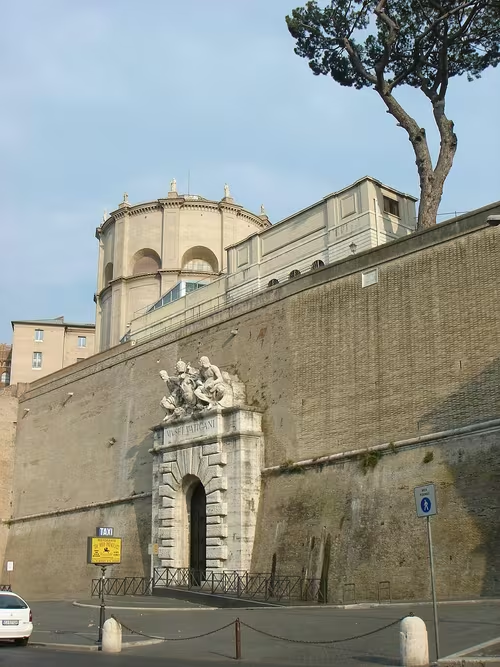
January in Rome
High12°C / 54°F
Low4°C
Rain81mm / 11 rainy days
Sun6.8 h/day
Daylight10 h/day
Humidity80%
Crowds●○○○○Prices●○○○○
January is Rome stripped back to itself: uncrowded, properly cheap, and unbothered. Daytime sits around 11-12°C and skies are often grey, but snow is rare and you rarely need more than a jacket. Museums and monuments are close to queue-free. The Befana holiday on 6 January closes the Christmas season with one last burst in Piazza Navona, then the city settles into its slow winter rhythm.
The vibe This is the one month you walk into the Sistine Chapel without being herded shoulder to shoulder. The Romans are actually home, café life is slow and unhurried, and Trastevere sounds like Italian instead of English. Grey skies are the price, and it is a fair one.
Don't miss The Vatican Museums on a quiet Tuesday morning feel almost private. Palazzo Doria Pamphilj and Palazzo Barberini, two of Rome's great painting collections, have no queue at all and barely another visitor in the room.
Crowd drivers No cruise ships, and no school holidays once Befana passes on 6 January. The lowest international visitor pressure of the entire year.
In season Puntarelle, bitter chicory shoots curled in ice water and dressed with anchovy, garlic and lemon, are at their peak in January. It is a hyper-local Roman winter dish most tourists never even see on the menu.
Heads up 1 January and 6 January are national holidays: museums and shops shut, public transport on a reduced timetable. Plan those two days around what is open.
Year's lowest prices; substantial discounts on hotels and tours.
Events this month
⛪ ReligiousBefana at Piazza Navona Festa della Befana a Piazza Navona
Jan 6
Market runs 1 December through 6 January; Befana herself arrives at 10 am on 6 January
For over a month, baroque Piazza Navona turns into a Christmas and Epiphany market selling wooden toys, sweets, ceramics and regional food. On the morning of 6 January, the Befana, the kindly witch of Italian folklore, comes down into the square to hand out sweets to the children gathered below.
A two-century tradition tied to this one square, it is the most Roman way to close out the holidays, folk magic playing out under Bernini's fountains.
February in Rome
High14°C / 57°F
Low5°C
Rain82mm / 10 rainy days
Sun8.1 h/day
Daylight11 h/day
Humidity78%
Crowds●○○○○Prices●○○○○
February is the quietest tourist month in Rome, mild but damp at around 12-13°C with roughly 9 rainy days. Carnevale takes over the final week before Lent, with horse-and-carriage parades down Via del Corso and costumed street parties in Piazza Navona. Major museums stay uncrowded and ticket prices sit at their lowest.
The vibe February is honest, unperformed Rome. No show put on for tourists, no seasonal markup, just a real city in winter mode and better for it. The Carnevale finale on Martedì Grasso is the one afternoon you see Romans visibly let loose.
Don't miss The first carciofi romaneschi reach the market stalls from the fields around Ladispoli in February. Order them braised alla romana with mint and garlic at a trattoria in Testaccio, the neighbourhood that does them best.
Crowd drivers Carnevale weekend pulls in some extra visitors, but nothing close to peak season. Cruise ships have not yet started calling at Civitavecchia.
In season Artichoke season opens in February in the coastal fields north of Rome. Order carciofi alla romana (braised) or alla giudia (the Jewish-Roman fried version) the moment you sit down.
Remains the low season; best hotel value of the year.
Events this month
🎭 CarnivalRome Carnival Carnevale Romano
Feb 12–17 ~
The final ten days before Ash Wednesday, culminating on Shrove Tuesday (Martedì Grasso) along Via del Corso.
Rome's Carnival peaks in the final week before Lent: a parade of horses and carriages down Via del Corso, street performers and costumed crowds in Piazza Navona and Piazza del Popolo, and bakery windows piled with frappe and castagnole, the fried Carnival sweets.
It is not Venice, but it has a street energy all its own, best caught on the Tuesday finale when Rome drops its winter reserve for a single afternoon.
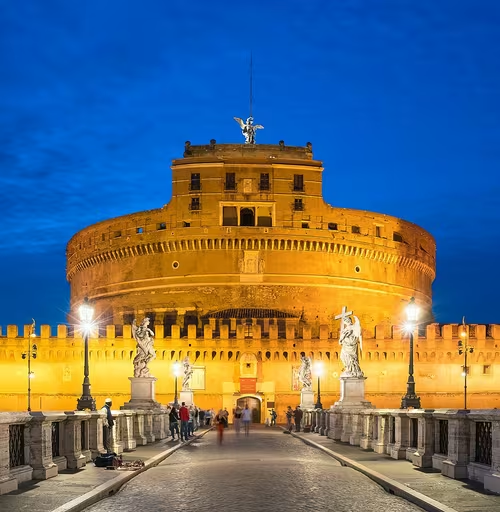
March in Rome
High16°C / 61°F
Low6°C
Rain90mm / 10 rainy days
Sun9.2 h/day
Daylight12 h/day
Humidity74%
Crowds●●○○○Prices●●○○○
March brings Rome back to life: almond blossom, café terraces reopening, and highs climbing toward 16°C. Crowds stay moderate, though they spike in years when Easter lands in late March. On the third Sunday, the Rome Marathon sends tens of thousands of runners through the ancient centre, turning the stretch past the Colosseum and the Forum into a free spectator event.
The vibe March is the last genuinely quiet month before spring fills the city. Rome wakes up with terrace tables and spring produce piling up at the markets, yet you can still walk into Trattoria da Remo in Testaccio on a Saturday without a reservation. That window closes fast, so use it.
Don't miss Almond trees blossom in the gardens of the Aventine Hill and along the Appian Way. The first lunch eaten outdoors after winter, espresso in the sun on a piazza, feels like a small miracle.
Crowd drivers A late-March Easter and its school-holiday ponte trigger sharp crowd surges. Marathon weekend (22 March) closes streets and snarls traffic across the historic centre, so plan to walk that Sunday.
In season Peak artichoke month. Carciofi romaneschi are at their fattest and sweetest from March into April, the one window when every good trattoria has them.
Prices start rising, especially around Easter if it falls in March; book ahead.
Events this month
🏃 SportRome Marathon Run Rome The Marathon
Mar 22
Third Sunday of March, start at Via dei Fori Imperiali at 8:30 am.
One of the most scenic marathons anywhere, its 42 km running past the Colosseum, the Roman Forum, Circus Maximus, St. Peter's, Piazza Venezia and the Trevi Fountain. Tens of thousands of runners and spectators fill the route through the ancient centre.
Running or even just watching the field pass the Colosseum at sunrise is a Rome moment no museum can match.
⛪ ReligiousHoly Week in Rome Settimana Santa
Mar 29 – Apr 5 ~
Palm Sunday through Easter Sunday.
Catholicism's most sacred week unfolds in Rome at a scale nowhere else can touch: the Pope blesses palm branches before hundreds of thousands in St. Peter's Square on Palm Sunday, leads the torchlit Way of the Cross at the Colosseum on Good Friday, and gives the Urbi et Orbi blessing from St. Peter's on Easter Sunday.
There is no larger or more moving Easter anywhere, and the candlelit Colosseum procession on Good Friday is one of the great sights of the Christian world.
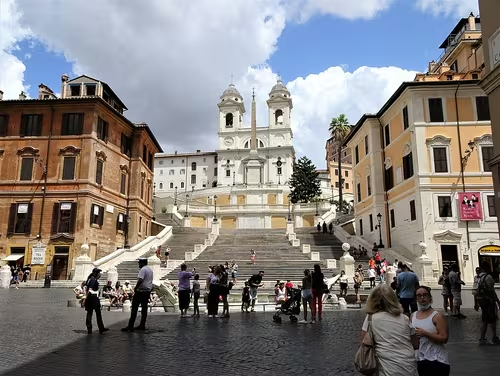
April in Rome
High19°C / 66°F
Low9°C
Rain70mm / 10 rainy days
Sun10.7 h/day
Daylight13 h/day
Humidity73%
Crowds●●●●○Prices●●●●○
April is beautiful and heavily visited. Highs reach a comfortable 18°C, with up to 11 rainy days still possible. Easter and Holy Week pull hundreds of thousands of pilgrims to the Vatican, so book accommodation and Colosseum tickets months ahead and expect a queue at every major sight. The payoff earns it back: azaleas spill down the Spanish Steps, wisteria drapes Via Margutta, and the light turns soft and golden. On 21 April the city marks its legendary founding with costumed parades and gladiator reenactments at the Circus Maximus for Natale di Roma.
The vibe April is gorgeous, and no longer a secret to anyone. Cruise ships have been running out of Civitavecchia since late March, Easter pilgrims pack the Vatican, and you will queue for the big sights. The azaleas spilling down the Spanish Steps and the wisteria along Via Margutta earn it back, but go in clear-eyed: this is high season, with high-season prices and crowds to match.
Don't miss Azaleas cover the Spanish Steps from mid-April to mid-May, and wisteria drapes Via Margutta and the lanes by the Roman Forum. On Natale di Roma (21 April) there are free gladiator reenactments at the Circus Maximus and free entry to most city museums.
Crowd drivers Easter pilgrims for Settimana Santa, cruise season in full swing out of Civitavecchia, Italian school spring holidays (ponti), and the Liberation Day long weekend on 25 April all stack on top of one another.
In season Last call for carciofi alla giudia, the Jewish-Roman fried artichokes, before the season closes in May. Eat them in the old Ghetto where the dish was born.
Peak Easter pricing if holiday falls in April; Natale di Roma weekend also busy.
Events this month
⛪ ReligiousHoly Week in Rome Settimana Santa
Mar 29 – Apr 5 ~
Palm Sunday through Easter Sunday.
Catholicism's most sacred week unfolds in Rome at a scale nowhere else can touch: the Pope blesses palm branches before hundreds of thousands in St. Peter's Square on Palm Sunday, leads the torchlit Way of the Cross at the Colosseum on Good Friday, and gives the Urbi et Orbi blessing from St. Peter's on Easter Sunday.
There is no larger or more moving Easter anywhere, and the candlelit Colosseum procession on Good Friday is one of the great sights of the Christian world.
⛪ ReligiousWay of the Cross at the Colosseum Via Crucis al Colosseo
Apr 3 ~
Good Friday evening, starting around 9:15 pm at the Colosseum.
Each Good Friday the Pope leads the fourteen Stations of the Cross in a torchlit procession at the Colosseum, with around 30,000 of the faithful gathered around the arena and millions watching worldwide. A different invited author writes the year's meditations.
Watching the cross carried through the Colosseum by torchlight, in the same arena once tied to early Christian martyrdom, is a genuinely spine-tingling collision of history and faith.
🎉 FestivalBirthday of Rome Natale di Roma
Apr 21
21 April every year; main events at Circus Maximus and Aventine Hill.
Rome marks its legendary founding on 21 April with costumed parades past the Colosseum, gladiator reenactments at the Circus Maximus, ancient Roman rituals staged by the Gruppo Storico Romano, and free entry to most city museums. Around noon, sunlight pours through the Pantheon's oculus straight onto the entrance doorway.
The one day gladiators retake the Circus Maximus, the sun lines up with the Pantheon's oculus by ancient design, and most of Rome's museums are free. Spectacle and history in the same afternoon.
May in Rome
High23°C / 73°F
Low13°C
Rain73mm / 11 rainy days
Sun11.7 h/day
Daylight15 h/day
Humidity72%
Crowds●●●○○Prices●●●○○
May is the month everyone names as Rome's sweet spot: 23°C, around 11 rain days mostly as short showers, nearly 12 hours of sun, and the city in full bloom. Crowds are heavy but not yet at summer pitch. In late May the Notte dei Musei throws open dozens of museums until 2 am for a symbolic 1 euro, an unforgettable night walk through the city's collections.
The vibe Everyone calls May a shoulder-season secret. It stopped being one a decade ago. This is peak cruise season, Italian school groups descend on the Colosseum by the busload, and hotel rates know it. The weather genuinely is the best of the year, so come anyway, but with no illusions: book early, expect a queue at everything, and take the payoff.
Don't miss The Notte dei Musei (late May, 8 pm to 2 am, 1 euro entry) lets you wander the Capitoline Museums by moonlight while a string quartet plays in the courtyard. The Villa Borghese gardens are in full colour, ready-made for a warm-afternoon picnic above the city.
Crowd drivers Peak Mediterranean cruise season out of Civitavecchia (April to October), the Italian school-excursion season at its busiest, and the Labour Day long weekend on 1 May.
In season Rooftop aperitivo season opens in May. Take an Aperol Spritz up to the Terrazza Borromini above Piazza Navona and watch the light go gold over the domes.
Shoulder turning peak; prices noticeably higher than winter but not summer maximum.
Events this month
🌙 Museum nightNight of the Museums Notte dei Musei
May 23 ~
One Saturday in mid-to-late May (aligns with the European Night of Museums), 8 pm to 2 am.
Dozens of Rome's municipal museums, monuments and archaeological sites stay open until 2 am for a symbolic 1 euro, with live music, concerts, theatre and dance inside. The Capitoline Museums, Ara Pacis, Mercati di Traiano and Centrale Montemartini are among those taking part.
Wandering the Capitoline Museums by moonlight for 1 euro while a string quartet plays in the courtyard is one of Rome's genuinely magical nights out for next to nothing.
June in Rome
High29°C / 84°F
Low18°C
Rain51mm / 6 rainy days
Sun13.2 h/day
Daylight15 h/day
Humidity66%
Crowds●●●○○Prices●●●○○
June opens the Roman summer warm (29°C average high), nearly dry at 51mm of rain, and long on daylight at 15 hours. Estate Romana gets going, scattering open-air cinema, concerts and performances across ancient venues right through to October. On 29 June, the feast of the patron saints, the city takes a local holiday for a papal mass, a flower carpet along Via della Conciliazione, and the Girandola fireworks over Castel Sant'Angelo.
The vibe June is the tipping point, when Rome shifts from busy-but-workable into full summer mode. By the third week it is hot and hectic by day, but the long evenings redeem it. Open-air cinema along the Tiber between Ponte Sublicio and Ponte Sisto runs nightly until 2 am, and the city genuinely comes back to life once the sun drops.
Don't miss Estate Romana opens along the Tiber from early June: free evening events, bookstalls, jazz, theatre and aperitivi strung right along the riverbank. Il Cinema in Piazza turns neighbourhood squares into open-air cinemas through to mid-July.
Crowd drivers Peak Mediterranean cruise season, European half-term and end-of-school holidays beginning, Roma Pride (20 June), and the Santi Pietro e Paolo long weekend (29 June).
In season Rooftop aperitivo is in full swing, and the extra few euros for a terrace table buy you the best light in Rome over the rooftops at dusk.
Prices climb as summer begins; June 29 long weekend can push rates up sharply.
Events this month
🎉 FestivalRoman Summer Festival Estate Romana
Jun 1 – Oct 15
Mid-June through mid-October; open-air events across the city.
Launched in 1977, Estate Romana is Rome's umbrella summer culture festival, turning piazzas, parks, the Tiber riverbanks and ancient venues like the Baths of Caracalla into open-air stages for concerts, cinema, theatre, dance and art across four months of warm evenings.
Opera at the Baths of Caracalla under the night sky is the one thing that makes the summer heat worth enduring.
🇮 HolidayFeast of Saints Peter and Paul Santi Pietro e Paolo
Jun 29
29 June every year; Rome's only city-specific public holiday.
On 29 June, Rome honours its patron saints with a papal mass at St. Peter's Basilica, a flower carpet (infiorata) along Via della Conciliazione, and the famous Girandola fireworks launched from Castel Sant'Angelo after dark, a display with Renaissance roots.
The one day Rome celebrates itself as a city rather than a pilgrimage destination, capped by fireworks that throw the Castel Sant'Angelo into silhouette over the Tiber.
🏳️🌈 PrideRome Pride Parade Roma Pride
Jun 20 ~
Mid-to-late June; typically the third Saturday of June.
One of Italy's largest Pride events, drawing over 300,000 people through Rome's historic centre from Piazza della Repubblica past the Colosseum to Piazza Venezia. Held every year since 1994, it folds together concerts, street parties and political advocacy.
Walking past the Colosseum with 300,000 people celebrating identity and freedom is one of those rare moments where ancient Rome and the Rome of today collide and you feel both at once.
July in Rome
High32°C / 90°F
Low21°C
Rain25mm / 4 rainy days
Sun13.7 h/day
Daylight15 h/day
Humidity62%
Crowds●●●●●Prices●●●●●
July is Rome at full intensity: 32°C average highs, relentless sun, and tourist numbers at their absolute peak. European school holidays flood the city and Colosseum queues form before 8 am, with 35°C and above common through the afternoon. The move is to do your walking in the cool early hours and retreat indoors by midday, which is exactly where a self-guided walk you can start at dawn and pause whenever you like beats a fixed-departure tour. Estate Romana then fills the parks and ancient venues with evening concerts and open-air theatre, and that is where July finally turns pleasant.
The vibe July is for people who genuinely don't mind queuing in 35°C heat and paying summer-maximum prices to do it. The city is not at its best, and midday is a write-off. But an opera at the open-air Baths of Caracalla, or a slow walk along the lit-up Tiber banks after dark, is a completely different Rome, and that part is worth it.
Don't miss Opera and concerts under the open sky at the Baths of Caracalla are the signature July night out, so book weeks ahead. The Colosseum also runs special after-dark visits with low lighting and strictly capped numbers, the only time you see the arena nearly empty.
Crowd drivers Every major European school system on summer break at once, peak cruise season out of Civitavecchia, and the year's densest international flight schedule.
In season Gelato is not a treat in July, it is a survival strategy. Walk a few streets off the main sights to a proper artisan gelateria: half the price, twice the gelato, and no industrial neon mounds in the window.
Year's highest prices across accommodation, tours, and flights.
Events this month
🎉 FestivalRoman Summer Festival Estate Romana
Jun 1 – Oct 15
Mid-June through mid-October; open-air events across the city.
Launched in 1977, Estate Romana is Rome's umbrella summer culture festival, turning piazzas, parks, the Tiber riverbanks and ancient venues like the Baths of Caracalla into open-air stages for concerts, cinema, theatre, dance and art across four months of warm evenings.
Opera at the Baths of Caracalla under the night sky is the one thing that makes the summer heat worth enduring.
August in Rome
High32°C / 89°F
Low21°C
Rain31mm / 5 rainy days
Sun12.7 h/day
Daylight14 h/day
Humidity63%
Crowds●●●●○Prices●●●●●
August is Rome's paradox month: the hottest (32°C average high, 31mm rain over only 5 days) and, in one narrow sense, the quietest. The Romans themselves clear out for the coast, so the city feels oddly drained of locals. Around Ferragosto on 15 August, a national holiday, many family-run restaurants, small shops and neighbourhood trattorias shut for one to two weeks. Tourist-zone bars and restaurants stay open, but the authentic local fabric thins right out. Queues at the major monuments stay long all month as international arrivals keep coming. Not the month for anyone who dislikes extreme heat or wants the real Rome.
The vibe August is not romantic-empty Rome. It is survival-mode Rome. The locals are out at Fregene or Ostia, and what fills their place is a sea of international tourists in Colosseum queues and tourist-trap restaurants. The heat is not photogenic, it is physically draining. If you must come, do your sights before 8 am and retreat indoors by noon.
Don't miss Estate Romana and the Colosseum night openings are the genuine highlights that make August bearable. The heat eases to around 25°C after 9 pm and the city finally transforms into somewhere you want to be outdoors.
Crowd drivers International tourists fill the gap the departing Romans leave behind. American, Asian and Middle Eastern visitor numbers peak in August, so the monument queues stay long even as the neighbourhoods feel deserted.
Heads up Around Ferragosto (15 August), neighbourhood trattorias, barbers, dry cleaners and family-run shops outside the tourist areas commonly close for one to two weeks. Always check the door (or the phone) before planning dinner away from the historic centre.
Accommodation remains expensive despite local exodus; tourist-zone prices stay high.
Events this month
🇮 HolidayFerragosto
Aug 15
15 August (fixed national holiday); Romans leave the city from approximately 10-20 August.
Ferragosto is Italy's mid-August national holiday, rooted in an ancient Roman festival. On 15 August most government offices, many family-run restaurants, neighbourhood shops and local trattorias outside the tourist centre close, some for one to two weeks. Romans head for the sea or the mountains, leaving the city noticeably drained of locals while international tourists keep the monuments full.
Ferragosto is the most honest window into how Rome actually works: you see the city run on two parallel tracks, the tourist layer that never sleeps and the local fabric that simply packs up and goes to the beach.
🎉 FestivalRoman Summer Festival Estate Romana
Jun 1 – Oct 15
Mid-June through mid-October; open-air events across the city.
Launched in 1977, Estate Romana is Rome's umbrella summer culture festival, turning piazzas, parks, the Tiber riverbanks and ancient venues like the Baths of Caracalla into open-air stages for concerts, cinema, theatre, dance and art across four months of warm evenings.
Opera at the Baths of Caracalla under the night sky is the one thing that makes the summer heat worth enduring.
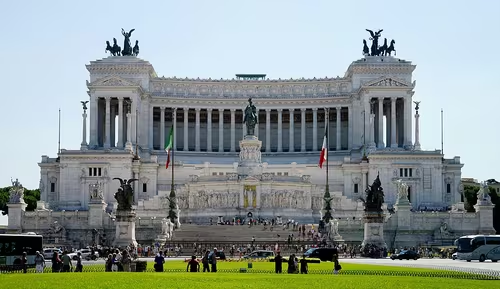
September in Rome
High27°C / 81°F
Low17°C
Rain101mm / 9 rainy days
Sun10.9 h/day
Daylight12 h/day
Humidity72%
Crowds●●●○○Prices●●●○○
September eases Rome from summer intensity toward something far more liveable: 27°C highs, around 100mm of rain that mostly arrives as short showers, and a golden quality to the afternoon light. Crowds thin out week by week as European schools go back. The Romaeuropa Festival starts in September, filling theatres and open-air venues with international contemporary dance, theatre and music through to November.
The vibe Mid-September is the quiet reward for skipping August. The Romans are back, the trattorias feel local again, and the Colosseum queue at 9 am is actually manageable. Early September still carries summer crowds and summer prices, so the real sweet spot is the third week onward.
Don't miss The Romaeuropa Festival opens with major international dance and theatre. Estate Romana's Tiber events run to late September, so the warm-evening riverbank culture carries on a few weeks more.
Crowd drivers Cruise season is still running from Civitavecchia and peaks again in September. Early September stays summer-level busy, then eases sharply once Italian schools reopen mid-month.
In season The first autumn porcini turn up at the markets in September. From mid-month, look for pasta ai funghi porcini chalked up as a special in any decent trattoria.
Prices ease from summer peak; still busy early in the month.
Events this month
🎨 Art and cultureRomaeuropa Festival
Sep 8 – Nov 15 ~
September through mid-November.
Founded in 1986, Romaeuropa is one of Europe's leading contemporary performing-arts festivals, staging international dance, experimental theatre, avant-garde music and digital art across more than 20 venues including Teatro Vascello, Mattatoio and the Auditorium Parco della Musica, with over 500 artists from 15 countries.
This is how Rome sheds the tourist monoculture of summer and reasserts itself as a serious European capital of contemporary art. It is why autumn is the city's most intellectually alive season.
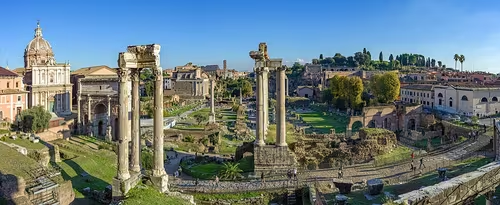
October in Rome
High22°C / 72°F
Low14°C
Rain108mm / 11 rainy days
Sun8.9 h/day
Daylight11 h/day
Humidity78%
Crowds●●●○○Prices●●●○○
October is one of Rome's best months: 22°C highs, extraordinary low autumn light, and tourist pressure well below the summer peak. Rain steps up (108mm over about 11 days) but the showers tend to be short. The Sagra dell'Uva in nearby Marino on the first Sunday, where the town fountains run with free wine, makes an easy half-day trip. The Romaeuropa Festival rolls on, and the Rome Film Fest brings the international film world to the Auditorium.
The vibe October is no real secret. It tops every 'best time to visit' list and the hotels have noticed. But next to summer it is genuinely calmer, the light is the best of the year, and the autumn colour through Villa Borghese and along the Appian Way pines is something else. Book good hotels about two months out.
Don't miss Sagra dell'Uva in Marino (first Sunday, 30 minutes from Rome): the town fountains run with free white wine. Rome Film Fest at the Auditorium Parco della Musica: many screenings open to the public. And golden-hour light on the ruins is the best photography Rome gives you all year.
Crowd drivers Cruise season winds down by late October. The Rome Film Fest (mid-October) pulls in an extra arts crowd. Even so, it is generally the least crowded of the popular months.
In season Porcini season peaks and the sagre, village harvest festivals up in the Castelli Romani hills, celebrate the new wine. Castagne, roasted chestnuts, start appearing on street corners from mid-October.
Moderate pricing; good value compared to spring and summer.
Events this month
🍷 Food and wineMarino Wine and Grape Festival Sagra dell'Uva di Marino
Oct 4
First Sunday of October in Marino, about 25 km from Rome; reachable by train from Roma Termini.
Since 1925, the hilltop town of Marino in the Castelli Romani has marked the Battle of Lepanto with a Renaissance procession in period costume, and then the moment everyone comes for: the town fountains run with free Marino white wine. Over 100,000 people turn up.
A fountain that runs with wine for one afternoon a year is about as only-in-Italy as it gets, and it is completely free and one short train ride from Rome.
🎨 Art and cultureRomaeuropa Festival
Sep 8 – Nov 15 ~
September through mid-November.
Founded in 1986, Romaeuropa is one of Europe's leading contemporary performing-arts festivals, staging international dance, experimental theatre, avant-garde music and digital art across more than 20 venues including Teatro Vascello, Mattatoio and the Auditorium Parco della Musica, with over 500 artists from 15 countries.
This is how Rome sheds the tourist monoculture of summer and reasserts itself as a serious European capital of contemporary art. It is why autumn is the city's most intellectually alive season.
🎬 FilmRome Film Festival Festa del Cinema di Roma
Oct 14–25 ~
Mid-to-late October (approximately 10 days); main venue is the Auditorium Parco della Musica.
Rome's international film festival brings world premieres, retrospectives and major directors and actors to the Auditorium Parco della Musica, with many screenings open to the public.
Catching a world premiere in Renzo Piano's Auditorium while the golden autumn light plays over the Tiber is a reminder that Rome is still one of cinema's spiritual homes.
November in Rome
High17°C / 63°F
Low10°C
Rain174mm / 14 rainy days
Sun6.8 h/day
Daylight10 h/day
Humidity82%
Crowds●●○○○Prices●●○○○
November is Rome's most underrated month. Temperatures slide to 10-17°C, rain hits its yearly peak (174mm over 14 days), and the city goes genuinely quiet by mid-month. Museum visits feel contemplative instead of rushed. The Romaeuropa Festival closes its season in November with its biggest performances. As the month goes on, Christmas preparations begin and the first festive lights go up along Via Condotti.
The vibe November is the art lover's month. You can stand in front of Raphael's frescoes in the Vatican Museums with fewer than ten people in the room. Rain is the honest downside: this is Rome's wettest month, 174mm over roughly 14 days. Pack a proper waterproof and an umbrella, not a token rain jacket.
Don't miss The Romaeuropa Festival closes with its most ambitious productions of the year. The first Christmas lights on Via Condotti and through the centro storico go up from late November, before the December crowds arrive.
Crowd drivers Cruise season is done. The Italian school autumn break in early November brings a brief uptick. All Saints' Day (1 November) is a national holiday with reduced services.
In season Roasted chestnuts on every corner and the year's new olive oil (olio nuovo) from the Sabina and Lazio hills make November a surprisingly good month to eat in Rome.
Low-season rates; good hotel deals available, especially mid-month.
Events this month
🎨 Art and cultureRomaeuropa Festival
Sep 8 – Nov 15 ~
September through mid-November.
Founded in 1986, Romaeuropa is one of Europe's leading contemporary performing-arts festivals, staging international dance, experimental theatre, avant-garde music and digital art across more than 20 venues including Teatro Vascello, Mattatoio and the Auditorium Parco della Musica, with over 500 artists from 15 countries.
This is how Rome sheds the tourist monoculture of summer and reasserts itself as a serious European capital of contemporary art. It is why autumn is the city's most intellectually alive season.

December in Rome
High14°C / 56°F
Low6°C
Rain104mm / 10 rainy days
Sun6.7 h/day
Daylight9 h/day
Humidity82%
Crowds●●○○○Prices●●○○○
December in Rome is atmospheric and festive. Temperatures sit at 6 to 14°C with around 104mm of rain over roughly 10 days. The city glitters with Christmas lights, Piazza Navona hosts its Mercato della Befana, and nativity scenes (presepi) fill the churches. One caveat decides your trip: early December, before the 20th, is quiet and well priced, while Christmas week through New Year brings Easter-level crowds and peak hotel rates, so pick your window with care. The Pope's midnight Mass at St. Peter's on 24 December is ticketed and unforgettable for pilgrims.
The vibe December is genuinely magical in Rome, with one important piece of fine print. Early December, before the 20th, is quiet, beautiful and underpriced. Christmas week through New Year is a different city entirely: crowds on a par with Easter, prices back at summer peaks, and Piazza Navona so packed you can barely move through it. Choose your window with care.
Don't miss Presepi, the nativity scenes in every church, are free and often stunning, with one of the most elaborate in Italy at Santa Maria Maggiore. The Piazza Navona market is atmospheric in its early weeks, before it turns unbearably crowded near Christmas. Midnight Mass at St. Peter's on 24 December is ticketed and unforgettable.
Crowd drivers Christmas week (from 22 December) and New Year's Eve bring a sharp surge on a par with high season. Early and mid-December stay genuinely quiet by comparison.
In season Panettone and pandoro stacked in every bakery, torrone (nougat) at the market stalls, and struffoli, the fried honey-dough balls, in Neapolitan-Roman households from mid-December.
Heads up 25 and 26 December are national holidays: virtually everything except the Vatican and tourist restaurants shuts. Museum hours are often cut back across the whole of December, so check before you set out.
Low overall but spikes sharply around Christmas week and New Year.
Events this month
🎄 Christmas marketPiazza Navona Christmas and Befana Market Mercato della Befana / Mercatino di Natale di Piazza Navona
Dec 8 – Jan 6
8 December through 6 January; market stalls open daily in the afternoon and evening.
Rome's most famous Christmas market fills the full length of Piazza Navona for five weeks, with over 80 stalls selling wooden toys, handmade decorations, regional sweets, ceramics and Befana gifts. Live performances, a carousel and children's workshops run throughout.
Piazza Navona, that baroque stage set strung with lights and thick with the smell of roasted chestnuts, is the most atmospheric setting for a Christmas market anywhere in Italy.
⛪ ReligiousChristmas in Rome Natale a Roma
Dec 24–25
Christmas Eve midnight Mass at St. Peter's Basilica (24-25 December); papal Urbi et Orbi blessing on 25 December at noon.
Christmas in Rome turns on St. Peter's Basilica: the Pope celebrates midnight Mass on Christmas Eve, and on Christmas Day gives the Urbi et Orbi blessing from the central loggia to tens of thousands packed into the square. Every church in the city sets up a nativity scene (presepio), with the most elaborate at Santa Maria Maggiore and Santa Maria in Aracoeli.
Standing in St. Peter's Square for the Christmas blessing lands hard whether you are religious or not. The sheer scale and weight of history make it genuinely overwhelming.
Frequently asked questions
What are the cheapest months to visit Rome?
January and February are the cheapest months to visit Rome. Hotel rates run 30-40% below summer, restaurants are quiet, and you can walk into most museums without pre-booking. The trade-off is shorter days, grey skies and around 10 rainy days a month, though temperatures stay mild at 11-13°C.
When should I avoid visiting Rome?
August is the month most worth avoiding, above all around the 15th (Ferragosto). Temperatures regularly top 35°C, many local restaurants and shops close for weeks, and the city loses its character as Romans flee to the coast. July is just as hot and the most crowded month of the year, with Colosseum queues forming before 8 am.
Is August a good time to visit Rome? Are things closed?
August is Rome at its most extreme. Around Ferragosto (15 August), many neighbourhood restaurants, small shops and local trattorias close for one to two weeks as Romans leave for the coast. Tourist-area bars and restaurants stay open, and the monuments are open too, just extremely hot and busy. For the full Roman experience, pick another month.
How is Rome in October?
October is one of Rome's best months for sightseeing: daytime highs of 22°C, the best low light of the year, and the summer crowds gone. Rain steps up (108mm over about 11 days) but the showers are usually short. The Sagra dell'Uva in nearby Marino, where the fountains flow with free wine, is a highlight. Book ahead, as it is still a popular month.
Does it rain a lot in Rome?
Rome has a Mediterranean climate with moderate rainfall. The wettest months are November (174mm, 14 days), October (108mm, 11 days) and December (104mm, 10 days). Summer is very dry, with July at just 25mm over 4 days and August at 31mm over 5. Spring is moderately wet, around 10-11 rain days a month. Rain in Rome usually comes as short showers, not all-day downpours.
How many days do I need in Rome?
Three days cover the essentials: Colosseum and Roman Forum, Vatican Museums and St. Peter's, and the historic centre (Pantheon, Piazza Navona, Trastevere, Trevi Fountain). Four to five days let you breathe, add the Borghese Gallery, the Appian Way or a Tivoli day trip, and actually sit in a café without watching the clock. A week starts to reveal the neighbourhood character that makes Rome hard to leave.
What is Rome like in December?
December Rome is festive and atmospheric, with Christmas decorations lighting the city from early in the month. Temperatures are cool (6-14°C) and rain is likely (104mm, 10 days), but not relentless. Piazza Navona hosts its famous Befana market from 8 December. Crowds spike sharply around Christmas week and New Year, so book accommodation well ahead for those dates.
Is Rome good at Easter?
Rome at Easter is spectacular but intensely busy. The papal Via Crucis at the Colosseum on Good Friday and the Urbi et Orbi blessing in St. Peter's Square on Easter Sunday are once-in-a-lifetime experiences. The catch: accommodation jumps to peak-season prices, Colosseum and Vatican tickets sell out weeks ahead, and the city is wall to wall with pilgrims and tourists. Book everything at least two to three months in advance.

Any month, any day: your guide is already there
Whatever date you pick, a private human guide gets pricier and harder to book on weekends, holidays and in peak season. Our live AI guide, the one that walks with you and answers anything you ask out loud, works the opposite way.
One flat price, every day
No holiday, weekend, night or peak-season surcharge. A private guide in Rome runs well over 100 euro for a half day, and more on holidays. Ours stays the same.
Available the moment you want it
Start at midnight or at dawn, on Christmas, in the snow, in the August heat. No sold-out high season, no booking weeks ahead.
Your pace, no meter running
Pause for a long lunch, restart after dark, repeat a stop. The tour simply waits for you.
Free to try, a fraction of the cost
Test it for free, then a transparent flat price that undercuts any private guide, in every season.
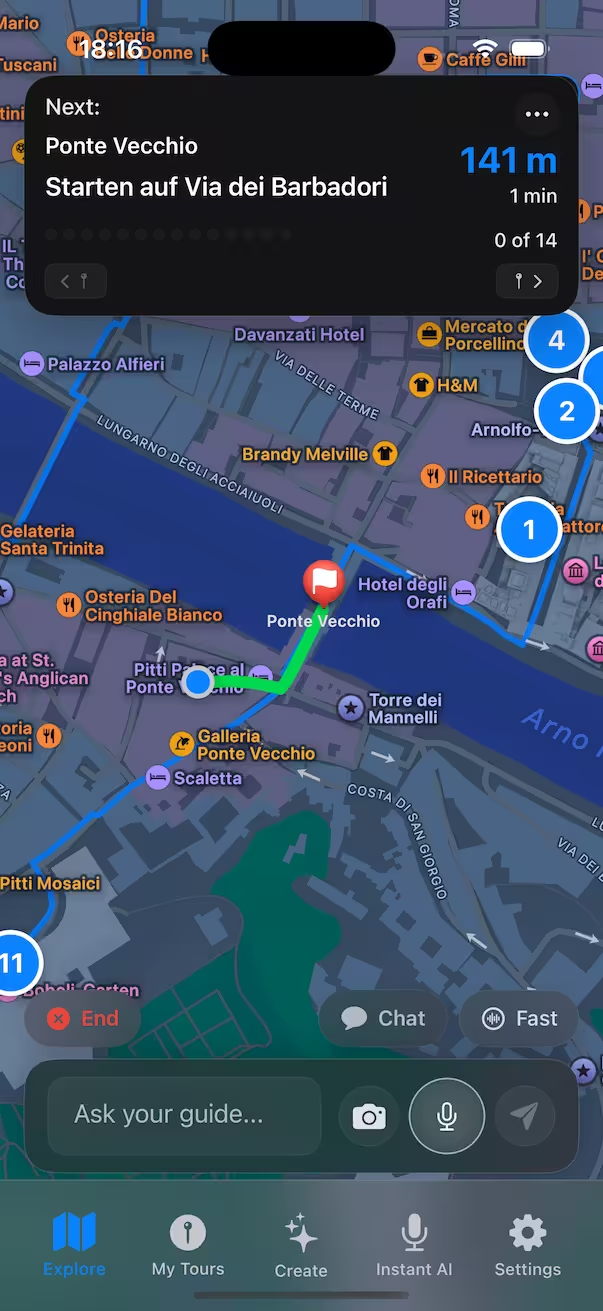
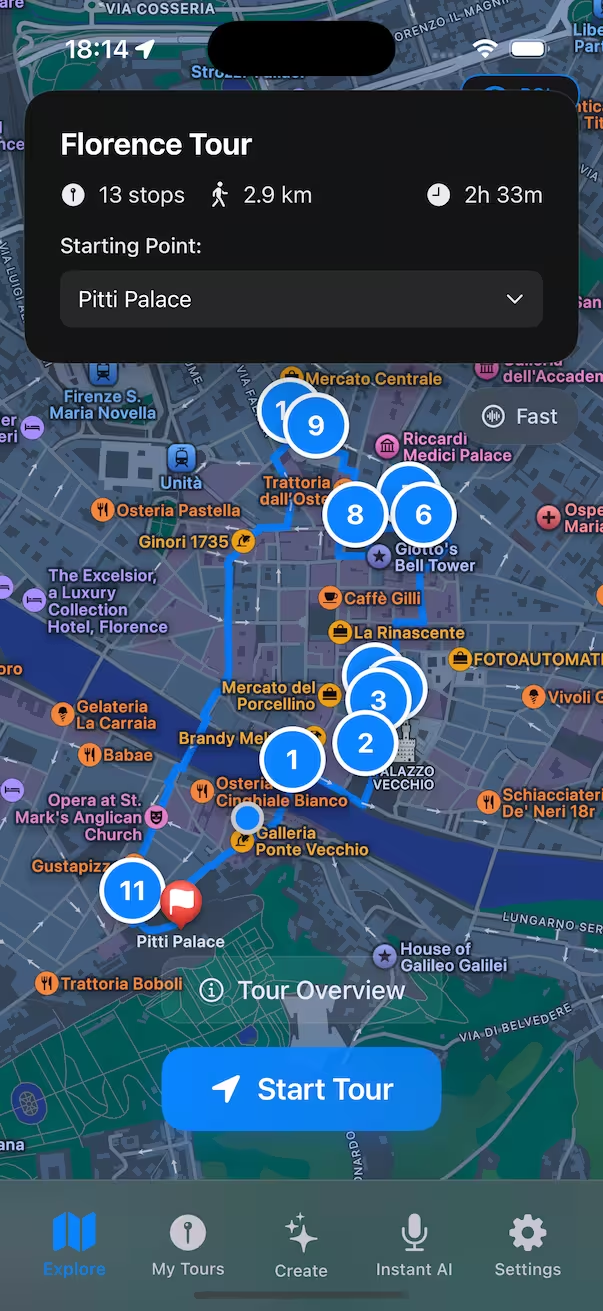
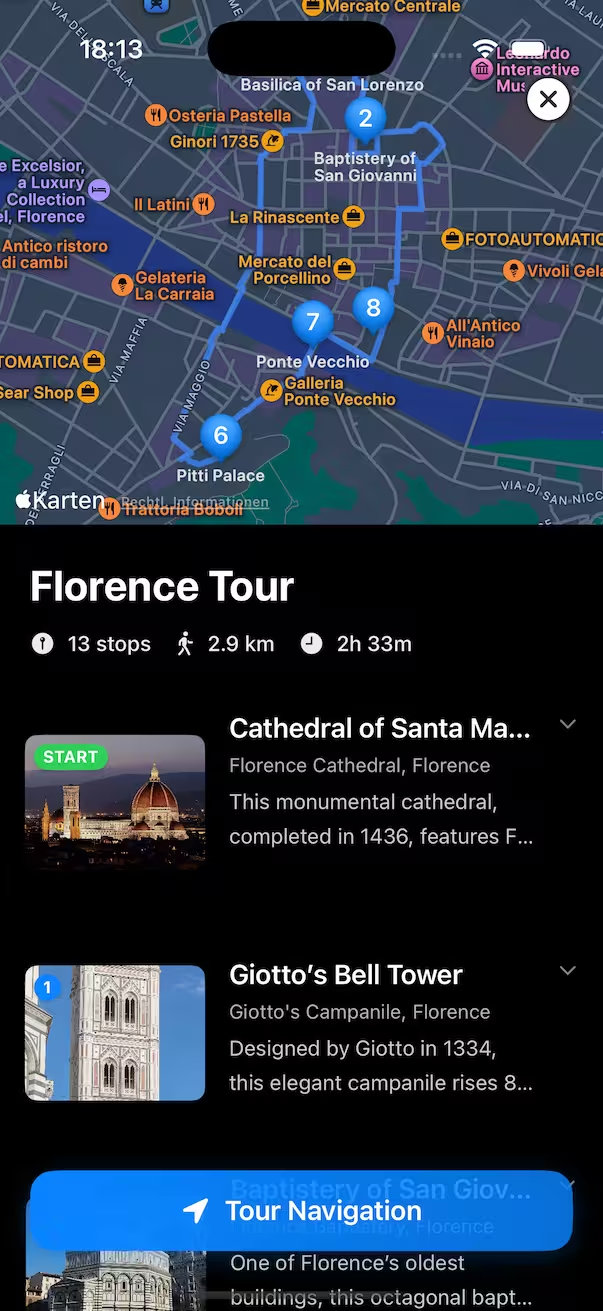
The classic Rome tour: 11 stops, 10.1 km, about 4 h on foot
Your live AI guide and the self-guided Rome route, together in your browser.